A foodie weekend in Seville — what we actually ate
The rules we set before we arrived
My partner and I have visited Seville three times over the years, and we made an agreement before this April trip: no eating within 200 metres of the cathedral, no paella (not a Sevillano dish regardless of what every tourist-trap menu claims), and at least two meals per day standing at a bar rather than sitting at a terrace. The last rule is the most important financial decision you can make in Seville — barra prices are typically 20–30% lower than terrace prices, the service is faster, and the food is often better because the kitchen sends its best work to the bar where locals are watching.
We arrived on a Thursday evening in mid-April, which turned out to be ideal timing: warm but not yet hot (22°C at 7 pm), the Feria de Abril crowds from the previous week had dispersed, and the city was in a state of pleasant decompression.
| Where | El Rinconcillo, Triana, Alameda de Hércules, Santa Cruz/El Arenal |
| Cost for two | Around €400 total, or €130 without the cooking class |
| Time needed | A full weekend (Thursday evening–Saturday) |
| Best approach | Two independent evenings + one guided experience, not three guided tours |
| Booking | Cooking class and food tour benefit from booking a few days ahead |
Anyone assembling their own version of this weekend should also read the avoiding tourist trap restaurants guide before choosing where to eat — the geography of good vs bad food in Seville is consistent enough to plan around.
Thursday evening: El Rinconcillo and Triana
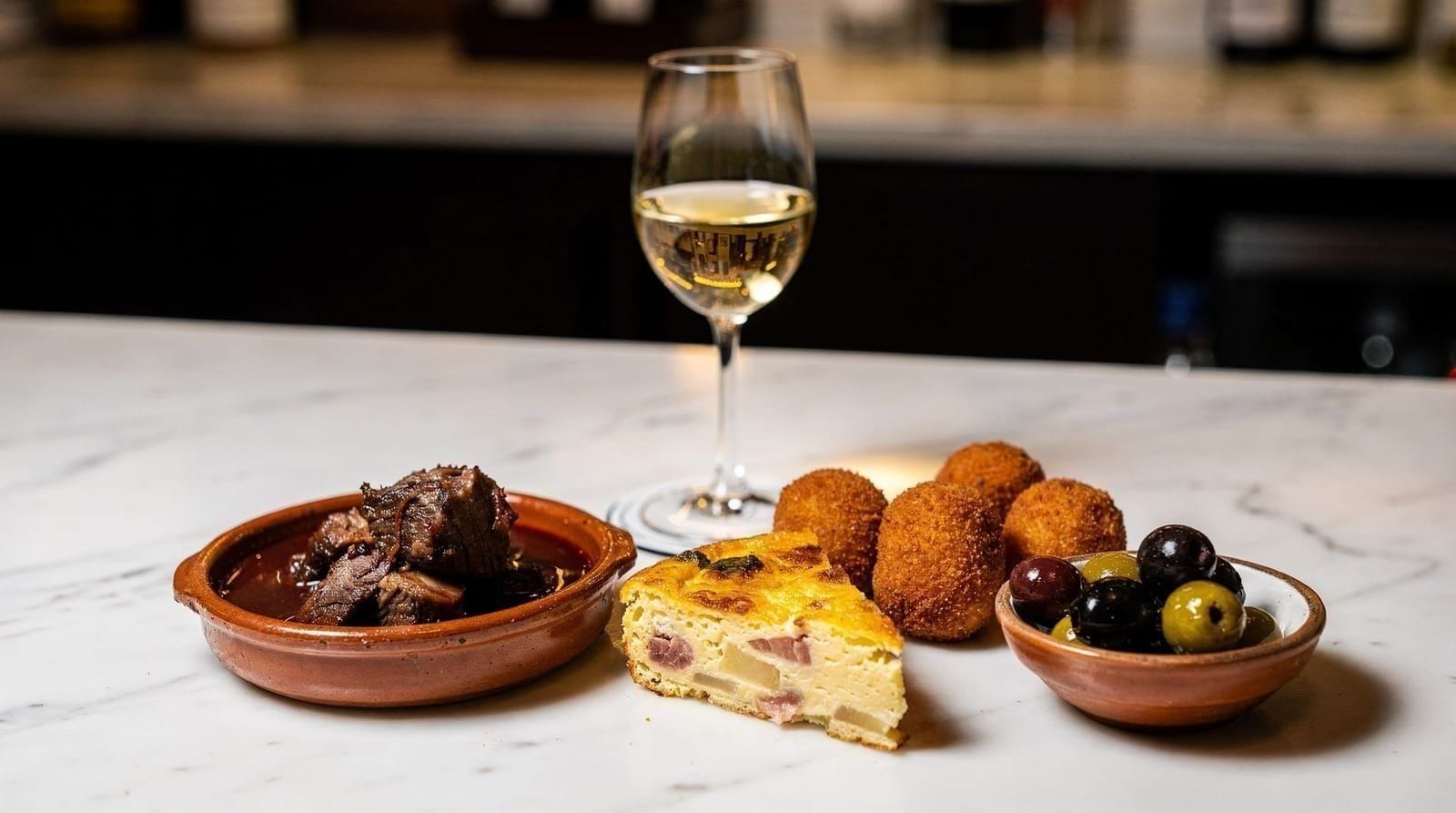
We went straight from the hotel to El Rinconcillo on Calle Gerona, which claims to be the oldest bar in Seville (established 1670, though the current building dates from the 19th century). The tapas are chalked directly onto the wooden bar in front of you, the servers are efficient and experienced, and the croquetas de jamón are among the best I’ve eaten in Spain — crisp, not greasy, with a filling that tastes of properly cured jamón ibérico rather than the generic ham mixture that cheaper versions use.
We had: croquetas de jamón (€2.80 each at the bar), espinacas con garbanzos (spinach with chickpeas, a Seville classic, €4.20), and a media ración of hígado a la plancha (seared liver, €5.50). Two glasses each of Manzanilla from Sanlúcar, €2.10 each. Total for two: €25.60. Not the cheapest night in Seville, but El Rinconcillo is one of those places that genuinely earns its reputation.
After El Rinconcillo we crossed the Guadalquivir to Triana for a second round. Bar Santa Ana on Plaza de Santa Ana is the kind of place that gets described as “hidden gem” so often it no longer qualifies, but the quality holds. We shared a plate of boquerones en vinagre (anchovies in vinegar, €4.80) and some berberechos (cockles in their own brine, €5.20) with a cold Cruzcampo each. The table next to us had a plate of chicharrones — pork crackling — that we didn’t order but deeply regretted not ordering.
If Triana ends up being your favourite part of the weekend, the Triana neighbourhood guide and the best tapas bars in Triana go further into the streets around the river than we could in two evenings.
Friday: the Triana market and a cooking class
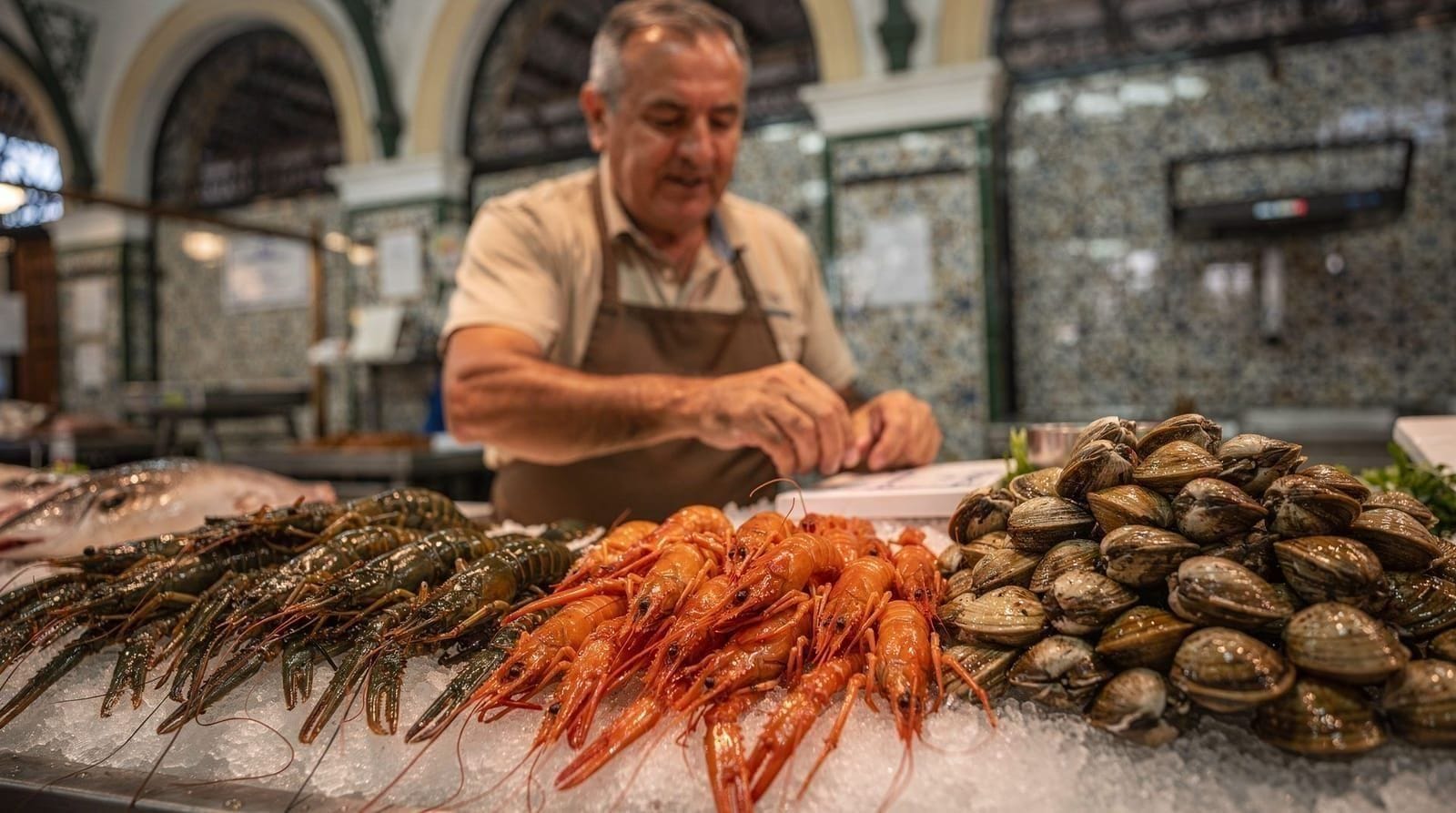
Friday morning started at the Mercado de Triana, the covered market inside a converted 19th-century fortification. The market is split between a ground-floor of fresh produce stalls — vegetables, fish, meat, cheese — and a bar/restaurant strip along the internal arcade. We walked the stalls first, looking at the fish counter: lubina (sea bass), dorada (gilt-head bream), choco (cuttlefish), and the extraordinary spring prawns from Sanlúcar that cost €18/kg and are worth every cent.
For breakfast we sat at one of the market bars and had tostada con aceite y tomate — toasted bread rubbed with tomato, drizzled with olive oil — for €2.20 each. This is the correct Seville breakfast. The versions served in tourist areas with cubed tomatoes in a small bowl are an inferior imitation.
In the afternoon we did a cooking class that started with a guided tour of the market before moving to a kitchen for the practical session:
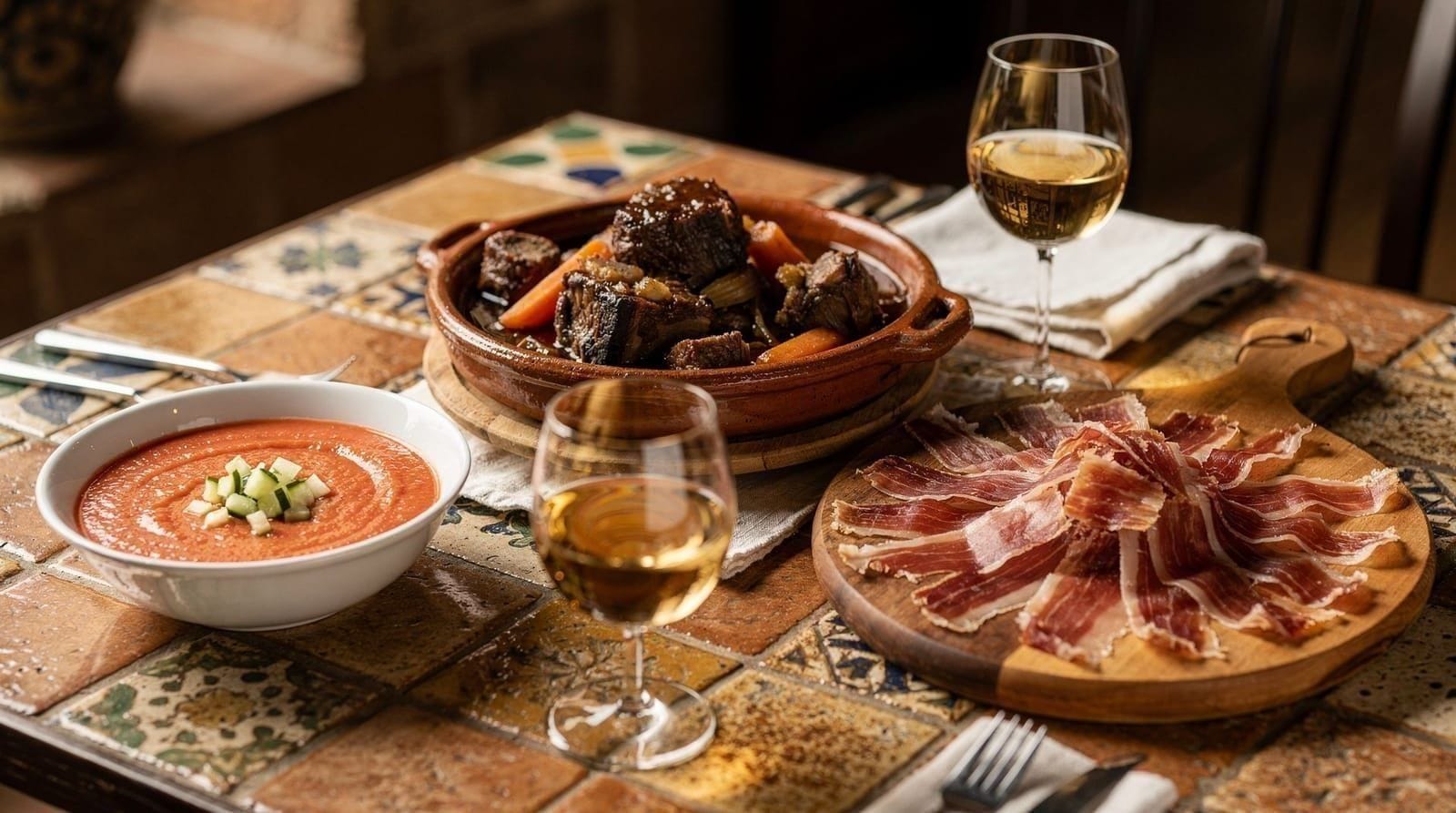
Seville: 3.5-hour Spanish cooking class and Triana market tourThe class covered gazpacho (not the blended-tin version but a proper one with bread soaked in water), salmorejo (the thicker Córdoba cousin), tortilla española, and a slow-braised pork cheek with sherry. The instructor was a professional cook named Alejandro who’d trained in Madrid before moving back to Seville. He was clear, patient, and honest about the shortcuts that professional kitchens use that home cooks should also use (the trick with the tortilla is resting the onions for twenty minutes before adding the eggs — the difference is significant).
The class runs about 3.5 hours and ends with a meal of everything you’ve cooked, plus wine. At €80–90 per person, it’s the most expensive thing we did over the weekend, but we came away with techniques we’ve actually used since.
Friday evening: the real food tour
Rather than a second guided experience, we did our own evening route through three bars in the Alameda de Hércules neighbourhood, which has the best concentration of non-tourist tapas bars in the city.
Bodeguita Casablanca on Calle Adolfo Rodríguez Jurado: small, bustling, good jamón boards and a remarkable tortilla camarón — shrimp fritter that’s thin and crisp rather than the thick cakey version you get elsewhere. €4.20 for a generous portion.
Bar La Alicantina near Plaza del Salvador: the coquinas (small clams with garlic and white wine) are the reason to come. €6.80 for a ración. They also do a very good espirituano — a Seville-specific cocktail of beer, soda water, and a splash of vermut — for €3.50.
El Tremendo on Calle San Eloy: packed and chaotic, but the fried fish platter (boquerones, pijotas, puntillitas) at €9 for a ración is the best version I found in Seville. The servers operate at a pace that borders on aggressive, but the food is genuinely excellent.
Total for Friday evening, including wine and beer at each stop: €52 for two people. This is how eating in Seville works when you do it properly.
Saturday: the food tour
On Saturday morning we joined a guided food tour — the kind with a small group and a local guide who knows which bars to go to, when to arrive, and what to order:
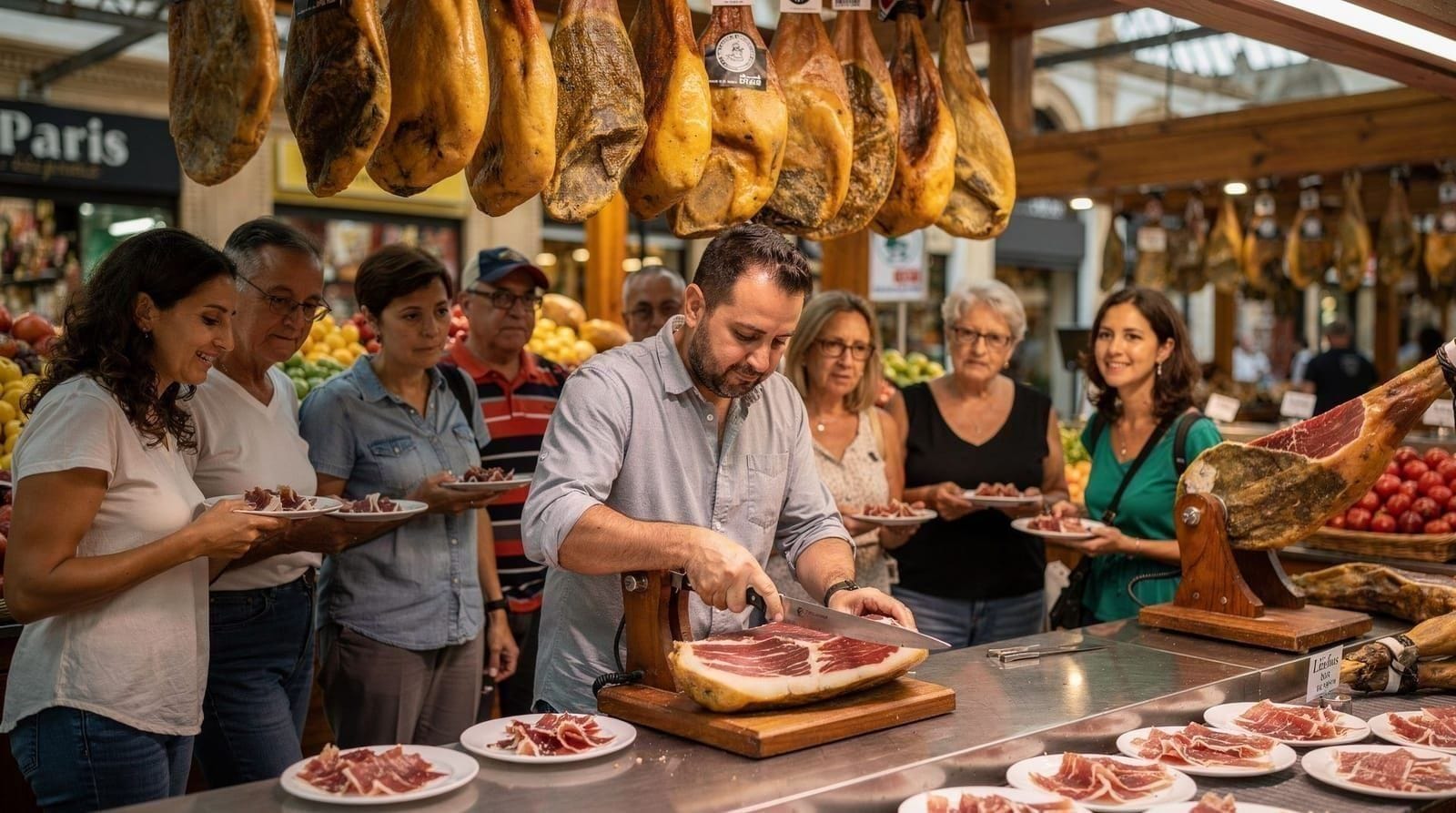
Seville: Tastes, tapas and traditions food tourThe tour is about 3.5 hours, covers five or six stops across the Santa Cruz and El Arenal neighbourhoods, and includes food and drink at each stop. It’s a good introduction to the tapas format if you haven’t done this before, and the guide’s historical context — about why Seville became the tapas capital that it is, about the role of the bar counter in Spanish social life — is genuinely interesting.
What I’d say to experienced travellers: the tour covers food I’d already eaten on Thursday and Friday evenings, and the bars it visits are well-known rather than the neighbourhood finds I prefer. But it’s well-run, the food quality is good, and for a first visit to Seville’s food scene it’s an efficient way to eat a lot and understand the context.
If you are comparing several guided options before booking, the Seville food tour guide and the tapas tours compared page lay out how the formats differ. For the cooking side, the cooking classes in Seville guide is the place to start, and the traditional Andalusian dishes page is useful homework so the menus make sense before you sit down.
Saturday afternoon: the markets and the markets you don’t know about
After the tour we went to the Mercado de la Encarnación (the market below the Setas/Metropol Parasol), which is perfectly decent for local produce but considerably more tourist-oriented than Triana. Worth a look, not worth building your schedule around.
More interesting was a tip from the food tour guide: the Saturday morning market in the Alameda de Hércules, which runs until about 2 pm and sells mostly organic produce, local cheeses, and craft food products. We found Manchego from a small dairy in Cádiz province, a jar of honey from a hive near Doñana, and a bottle of biodynamic Palomino from Jerez — all at farm-gate prices rather than tourist-shop prices.
What the Seville food scene is actually like
The honest assessment: Seville is one of the best food cities in Spain, but only if you’re willing to seek out the right places. The tourist zone around the cathedral and the Barrio Santa Cruz has some of the worst food in Andalusia — expensive, mediocre, and positioned to catch the visitors who’ve just spent three hours at the Alcázar and are too tired to walk further.
The real food is in Triana, in the Alameda, in El Arenal when you get away from the central streets, and increasingly in the Macarena. For practical guidance on finding your way through the options, the best tapas in Seville guide and the Triana market food guide are both worth reading before you arrive.
The city’s specific strength is fried fish — the pescaíto frito tradition is taken seriously here in a way that even coastal cities sometimes fail to match. The salmorejo is better than in Córdoba (where it originates) in at least two bars I’ve visited. And the selection of Manzanilla and Fino from the Sherry region, available at the bar for €2–3 a glass, is a category of wine that deserves more international attention than it gets.
Because the Manzanilla and Fino at the bar were such a highlight, anyone who wants to go deeper can read the sherry guide for Andalusia. And if you would rather stretch this into a longer stay, the 3 days in Seville for foodies itinerary builds the same bar-first logic into a fuller plan, while where to eat in Seville works as a quick reference once you are on the ground.
Budget breakdown for a foodie weekend
| Item | Cost |
|---|---|
| El Rinconcillo (Thursday dinner, 2 people) | €25.60 |
| Triana bars (Thursday, 2 people) | €18.40 |
| Market breakfast (Friday) | €4.40 |
| Cooking class (2 people) | €170 |
| Friday evening bar route (3 stops, 2 people) | €52 |
| Food tour (Saturday) | €90 |
| Saturday afternoon market shopping | €38 |
| Total | ~€398 for 2 people |
That’s €199 per person for a genuine food-focused weekend. The cooking class accounts for the bulk of it; without it the weekend drops to under €130 per person, which is extremely reasonable for this level of eating.
Barra vs terrace: why the counter wins
The rule we set before arriving — eat standing at the bar, not sitting at a terrace — held up completely across the weekend. Here’s the comparison, using prices we actually paid or saw quoted at the same venues:
| At the bar (barra) | Seated terrace | |
|---|---|---|
| Individual tapa | €2–4 | €3–5.50 |
| Media ración | €5–8 | €7–11 |
| Beer | €1.80–2.50 | €2.50–3.50 |
| Service speed | Fast, self-managed | Slower, waiter-dependent |
| Food quality | Kitchen’s best work | Often identical, sometimes a step down |
The gap widens further in the streets immediately around the Cathedral and Barrio Santa Cruz, where terrace pricing can run 40–50% above barra prices a few streets away. The best tapas in Seville guide has a longer list of specific bars where the barra-first approach pays off most.
Where breakfast fits in
We didn’t dwell on breakfast in the day-by-day account above, but it deserves a mention: the tostada con aceite y tomate at the Triana market bars was consistently better and cheaper than anything we found near our hotel in the Alameda. If breakfast quality matters to your trip, the breakfast in Seville guide covers the honest options beyond hotel buffets, and pairs well with an early visit to the Triana market before the day-trippers arrive.
Frequently asked questions about Seville food
Is Seville good for vegetarians?
Better than you might expect. Espinacas con garbanzos, alcachofas (artichokes), and berenjenas con miel (aubergine with honey) are all traditional Sevillano tapas with no meat. The challenge is cross-contamination in kitchens that also cook a lot of jamón — if you’re strict vegetarian rather than flexitarian, ask specifically about shared surfaces.
Is paella a Seville dish?
No. Paella is Valencian. Seville’s rice dishes are different preparations — arroz caldoso (soupy rice), arroz con pollo (rice with chicken). Any menu advertising “traditional Seville paella” is telling you something about the kitchen.
What’s the typical price range for tapas bars?
At a bar counter: individual tapas €2–4, media ración €5–8, full ración €9–14. On a terrace in tourist areas: add 20–30%. Drinks at the bar: beer €1.80–2.50, glass of wine or Manzanilla €2–3.
When is the best time to eat?
Sevillanos eat late. Lunch service starts around 2 pm and runs to 4:30 pm. Dinner bars fill up from 9 pm. Arriving at 7 pm for dinner means you’ll be eating with tourists, not locals.
Are food tours worth it in Seville?
Yes, for first-time visitors who want to understand the food culture and get reliable recommendations. For repeat visitors who already know the city’s bars, the independent route is more flexible and usually reveals better finds.
Which neighbourhood has the best tapas bars?
Triana and the Alameda de Hércules, followed by El Arenal once you get away from the streets nearest the Cathedral. The best neighbourhoods in Seville guide covers how the food scene varies by area if you’re also deciding where to stay.
Is one weekend enough to eat well in Seville?
Yes, if you plan it the way we did — a mix of independent bar-hopping and one or two booked experiences. A longer stay lets you revisit favourites, but a focused weekend covers the essential dishes and neighbourhoods without feeling rushed.