Ronda
Ronda's Tajo gorge and 18th-century bullring are genuinely spectacular. Honest guide to visiting Ronda from Seville, with timing and transport.
From Seville: Ronda, soul of Andalusia full-day trip
Quick facts
- Best for
- Tajo gorge, Puente Nuevo, old town, white village route
- Days needed
- 1 day (long day-trip) or overnight
- Getting there
- Bus from Seville 2h, or guided day-trip
- Peak crowds
- April–October, especially weekends
- Currency
- EUR
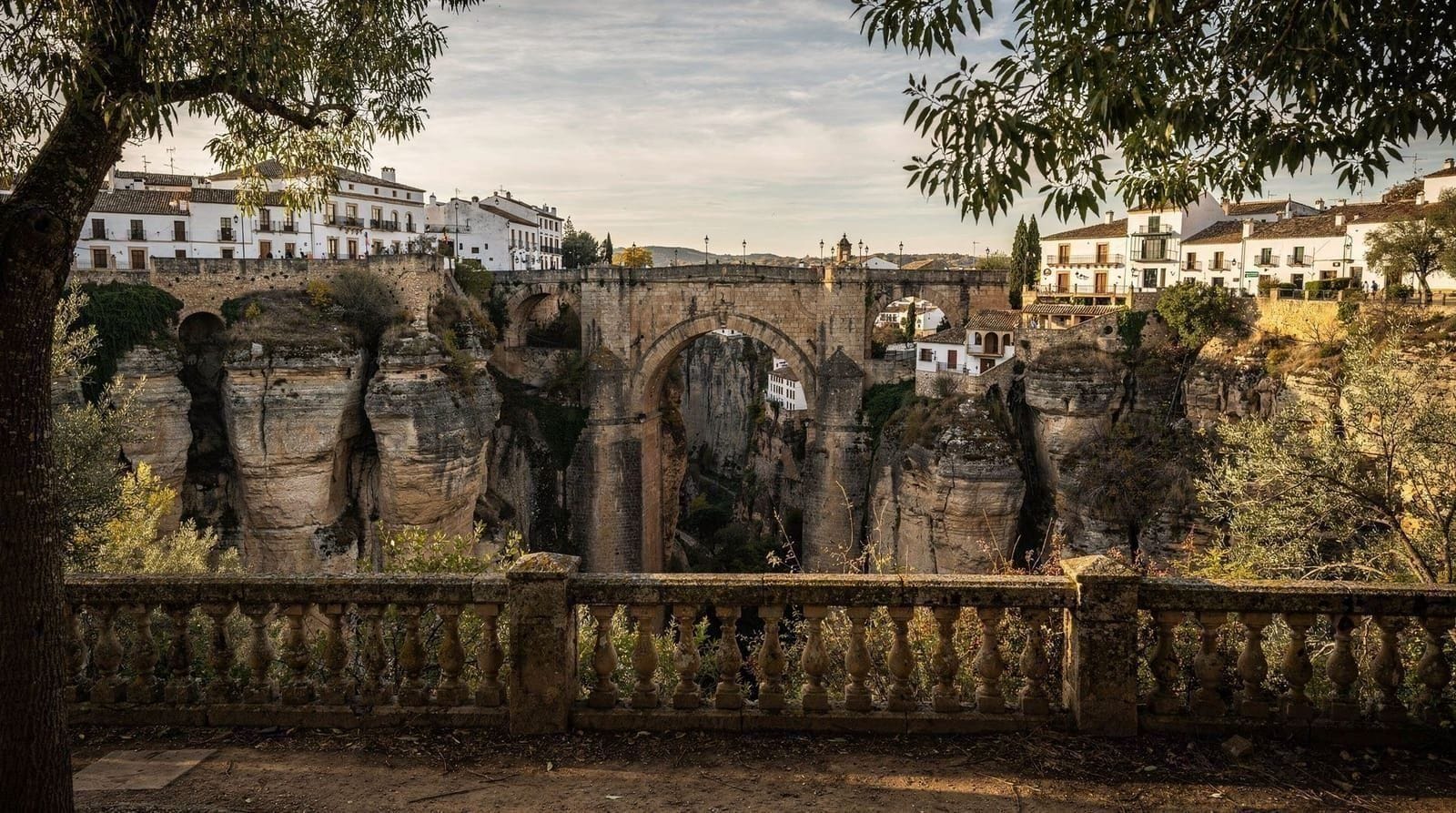
Ronda divides visitors. Some arrive expecting a pleasant hill town and are overwhelmed by the gorge — a 120-metre vertical drop cut by the Guadalevín river, spanned by the 18th-century Puente Nuevo bridge. Others come specifically for the landscape and leave satisfied with exactly that. What Ronda is not is a comprehensive historical site like Córdoba or the Alhambra. The city sells scenery and atmosphere, not monuments.
| Where | Serranía de Ronda, around 1h50 from Seville by car |
| Cost | Bullring around €10; Arab Baths around €4.50 |
| Time needed | Full day trip, or overnight for the white villages route |
| Getting there | Bus ~2h from Plaza de Armas, guided day tour, or car via A-376 |
| Best time | October–November and March–April; weekdays are quieter than weekends |
The Tajo gorge and the Puente Nuevo
The Puente Nuevo (“New Bridge,” completed 1793) spans the El Tajo gorge at a height of 98 metres. The view from the bridge is the defining image of inland Andalusia. The view of the bridge from the Camino de los Molinos footpath below is even more spectacular — take the trail from the garden path near the Parador.
The gorge viewpoints in town are at Alameda del Tajo (free), the balcony of Puente Nuevo itself, and the mirador at the end of Calle Los Remedios. The best photographs are taken from the opposite bank looking back, requiring a 15-minute walk down a signed path.
Book the Ronda full-day tour from Seville if you want guided context for the history of the gorge, the old town, and the surrounding white villages circuit.
The old town (La Ciudad) and the Arab baths
Ronda’s old town (La Ciudad) sits on the southern plateau above the gorge. The main sights are:
Plaza de Toros de Ronda: one of the oldest bullrings in Spain, built in 1785. The horseshoe of stone arches is a textbook example of 18th-century Neoclassical design. Entry to the ring and the small bullfighting museum is €10. The Goyesca bullfights (Corrida Goyesca) take place in September during the Pedro Romero festival — they are thematically tied to Goya’s bullfighting engravings and are considered culturally significant.
Baños Árabes (Arab Baths): well-preserved 13th-century hammam ruins at the bottom of the gorge below the old town. Entry €4.50; open Monday to Sunday, with shorter hours on Sundays and public holidays. The horseshoe arches and star-shaped skylights are intact.
Casa del Rey Moro: the “House of the Moorish King” is largely a 20th-century reconstruction, but the water mine (la mina) — a carved staircase of 231 steps descending to the river — is medieval and genuinely worth the entry fee to walk down to the water level.
Iglesia de Santa María la Mayor: built on the site of the main mosque after the Reconquista, with the original minaret converted to a bell tower.
The route from Seville
By bus: ALSA and Comes run services from Seville’s Plaza de Armas station to Ronda. Journey time approximately 2 hours. Departs several times daily. Cost: €12–18. The bus station is 10 minutes on foot from the city centre.
By guided tour: the most efficient option for a day-trip, particularly for the white villages circuit that adds Setenil de las Bodegas and/or Zahara de la Sierra to the Ronda visit.
Book the Ronda, Setenil and Zahara day-trip from Seville to combine three of the best villages in one guided day.
By car: 1h50 from Seville via the A-376. Ronda’s old town has limited parking; the main paid car park is at Calle Sevilla near the bullring.
White villages around Ronda
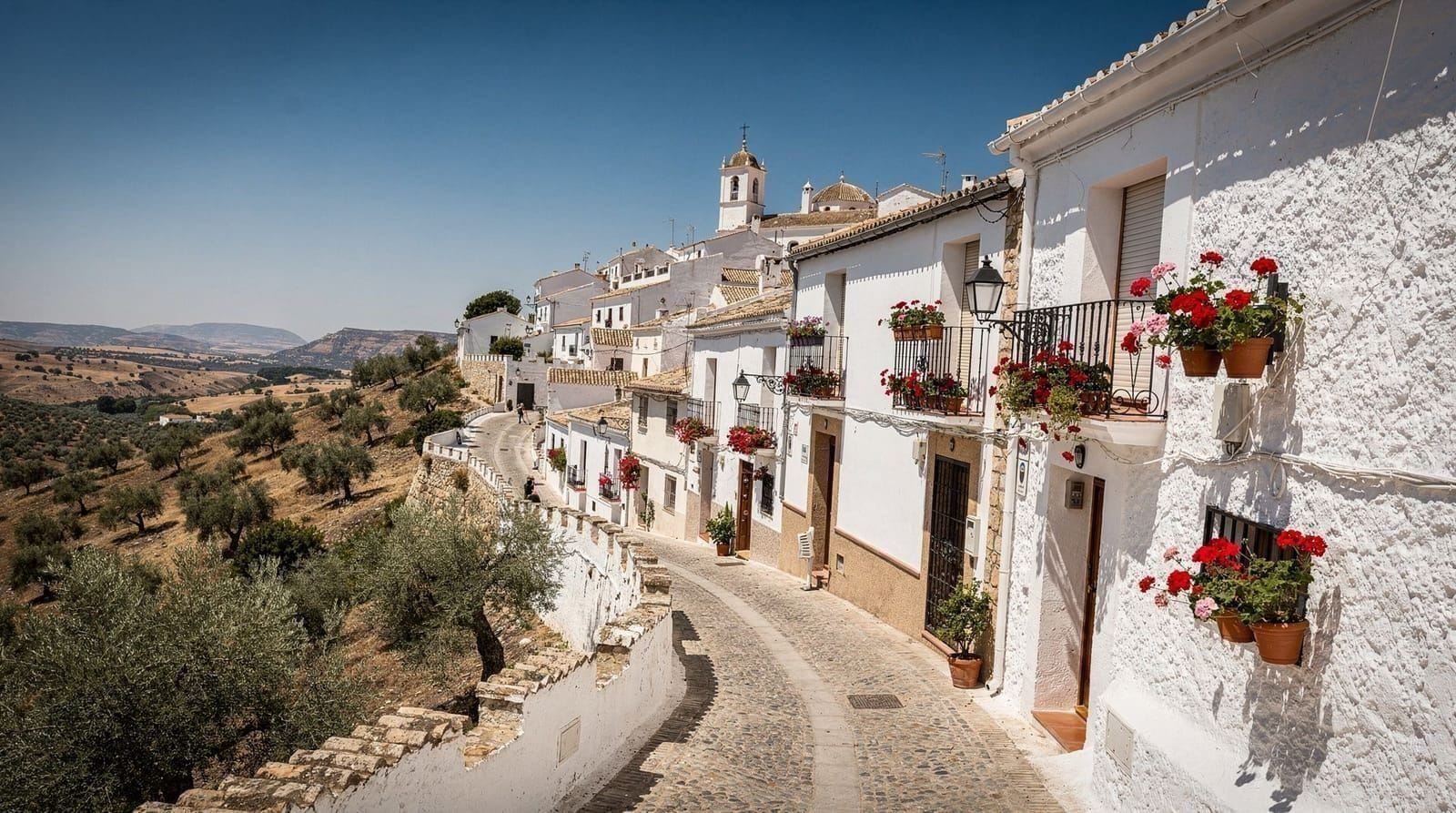
Ronda is the natural hub for the Serranía de Ronda — the mountain zone that contains Andalusia’s most famous pueblos blancos (white villages). The key villages within easy reach are:
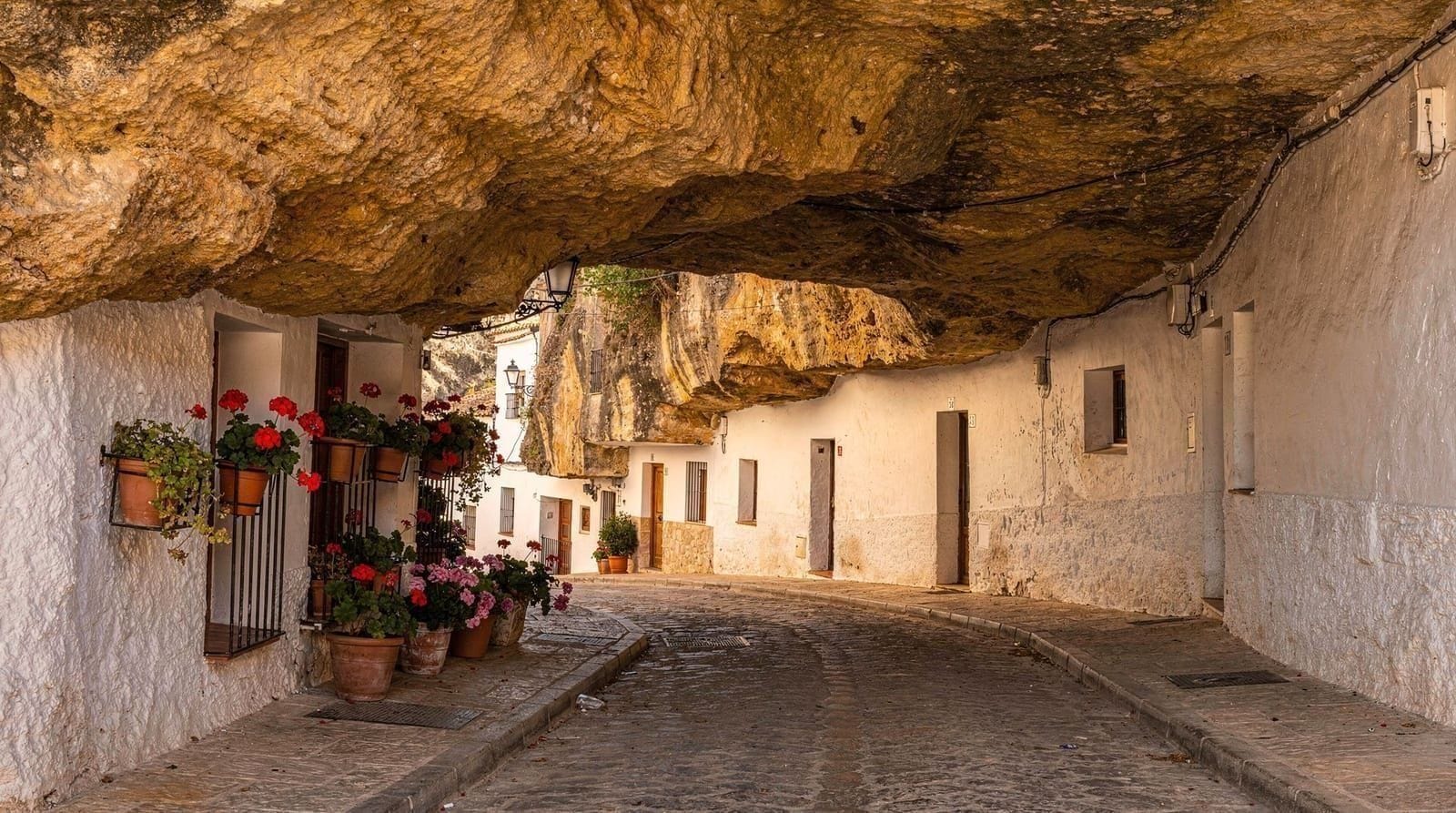
- Setenil de las Bodegas (25 km north): the village built into a river gorge, with houses and bars under overhanging rock faces. See Setenil de las Bodegas.
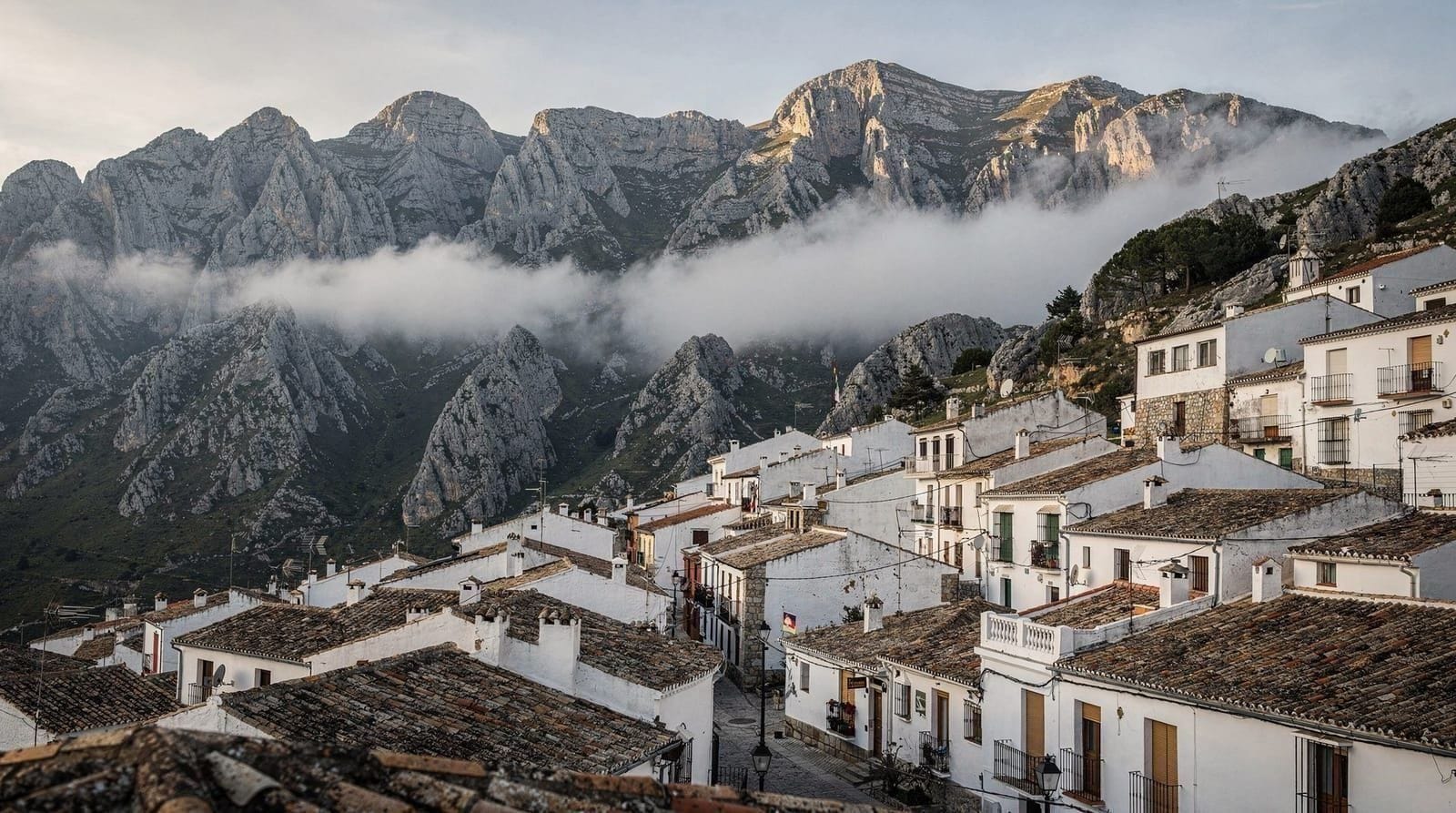
- Grazalema (30 km northeast): mountain village in a natural park, one of the wettest spots in Spain. See Grazalema.
- Zahara de la Sierra (35 km northeast): lake, hilltop castle, photogenic whitewashed streets. See Zahara de la Sierra.
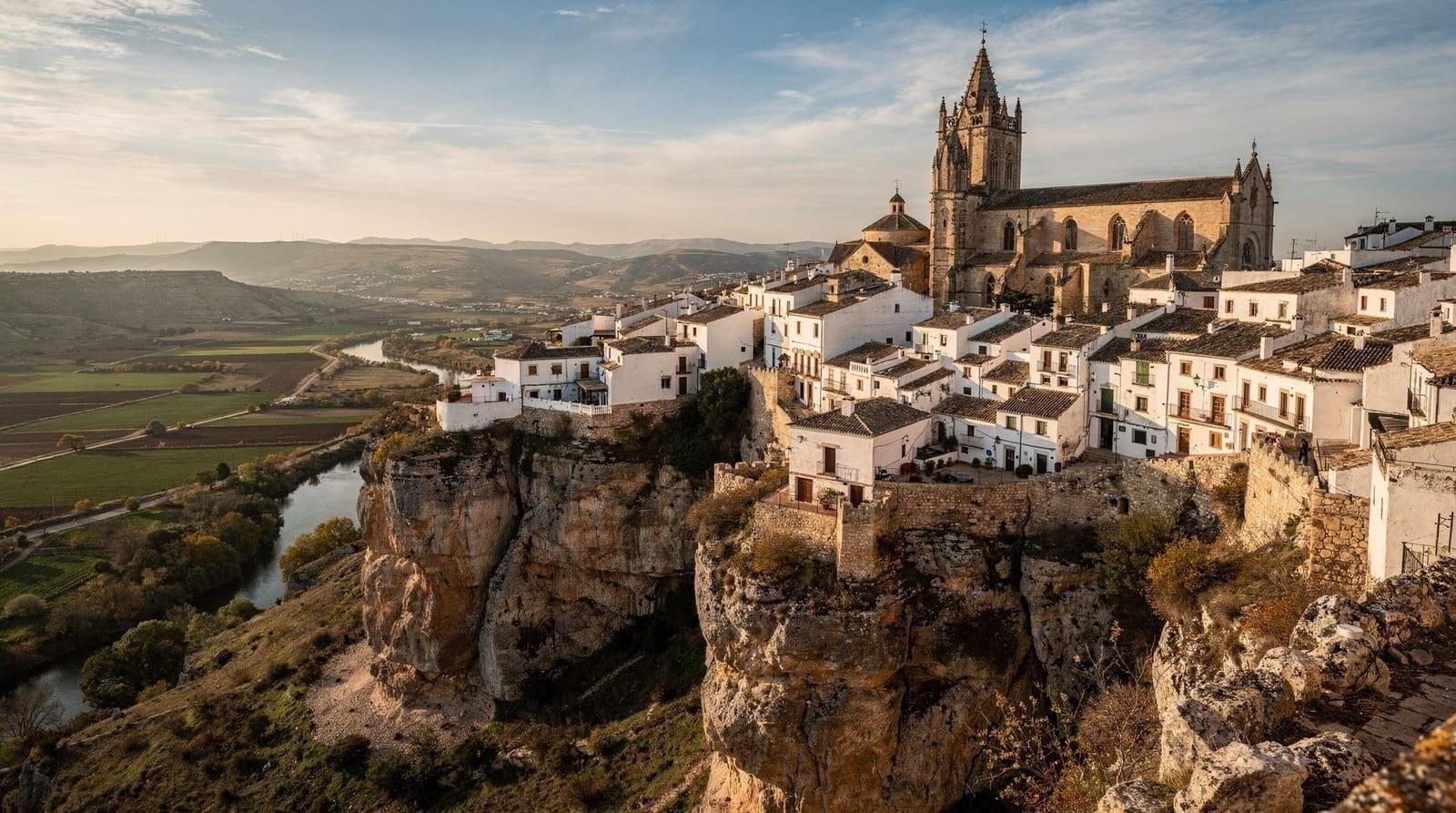
- Arcos de la Frontera (50 km west): dramatic clifftop setting above the Guadalete river. See Arcos de la Frontera.
A car gives the most flexibility for combining villages. Guided tours from Seville typically combine 2–3 villages in one day.
Where to eat in Ronda
Bodega San Francisco (Calle Ruedo Alameda 32): a cave-like wine bar and tapas space in the new town, down-to-earth prices, good local wine list (Sierras de Málaga DO).
Tragatapas (Calle Nueva 4): smart modern tapas with Rondeño ingredients. The oxtail croquetas and gazpacho blanco with almonds are regional classics. Budget €15–25 for a substantial meal.
El Lechuza (Calle Espíritu Santo 4): reliable menú del día for around €12, popular with locals for lunch.
Taberna El Almacén (Calle Molino 4): traditional bar in the new town, honest pricing, good jamón ibérico from the Serranía.
Where to stay in Ronda
Staying overnight in Ronda gives you the early morning and late evening — when the day-trippers have cleared and the gorge views are quiet.
Parador de Ronda (Plaza de España): the parador occupies the old town hall with direct views over the gorge. Rooms from €130–200/night. The location is exceptional.
Hotel Catalonia Ronda (Calle Dr. Fleming 2): mid-range, reliable, central. From €70–110/night.
Alavera de los Baños (Calle San Miguel): small hotel next to the Arab baths, atmospheric. From €85–130/night.
Frequently asked questions about Ronda
Is Ronda worth a day-trip from Seville?
Yes, but it’s a long day. The bus takes 2 hours each way, so you have 4–5 hours in the city. That is enough to see the gorge, walk the Puente Nuevo, visit the bullring or Arab baths, and eat lunch. Overnight lets you add the white villages route more comfortably. See the day-trip guide for full timing.
What is the best viewpoint for the Puente Nuevo?
There are several: the bridge itself (looking down), the Alameda del Tajo gardens (looking toward the bridge from the new town side), and the best of all — the path below the bridge (Camino de los Molinos) which requires a 20-minute walk down from the car park near the Parador. The path view with the bridge arching overhead and the gorge dropping below is the one worth the effort.
Can you combine Ronda with other white villages in one day?
Yes, with a guided tour. Most combine Ronda with Setenil de las Bodegas, or add Zahara de la Sierra. Three villages plus Ronda in one day is feasible but becomes rushed. The white villages day-trip guide has itinerary options.
Is Ronda the same as the other white villages?
Ronda is larger (around 34,000 people) and more developed for tourism than the smaller pueblos blancos. It has more restaurants, hotels, and tourist infrastructure. The smaller villages (Setenil, Grazalema, Zahara) are more rural and photogenic in a different way. The Ronda vs white villages guide has the comparison.
Ronda in historical context
Ronda’s strategic position on the plateau made it one of the last Moorish strongholds taken during the Reconquista — it fell to Ferdinand and Isabella in 1485, one year after Setenil de las Bodegas and seven years before Granada. The old town (La Ciudad) preserves the Moorish urban layout: narrow streets, the Arab baths, and the gate of La Puerta de la Cijara.
The city also played an important role in the development of modern bullfighting. Pedro Romero (1754–1839) — the most famous bullfighter of his era, born in Ronda — codified the rules of matador-on-foot bullfighting that replaced the original horseback style. The bullring here predates the larger rings in Seville and Madrid. The Goyesca corrida each September, where bullfighters dress in 18th-century costume matching Goya’s engravings, is the bullfighting world’s most culturally self-conscious event.
The new town (Mercadillo)
Most visitors walk directly to the gorge and old town, but the new town (Mercadillo) around the bullring is where Ronda’s daily life actually takes place. The cafés, the fruit market, the shoe shops and the tapas bars of the commercial streets have prices pitched at locals rather than tourists.
Alameda del Tajo: the promenade at the gorge edge, with open-air cafés and the main tourist-facing bars. The views here are good for free. The viewpoint at the end has the clearest line of sight down the gorge.
Calle Nueva and the streets between the bullring and the Puente Nuevo are the commercial heart — good for lunch at a price closer to local rates.
Ronda’s wine region
The Serranía de Ronda is a designated wine region (DO Sierras de Málaga, sub-zone Serranía de Ronda). The altitude (600–900m) and Mediterranean-Atlantic climate produce distinctive reds from Cabernet Sauvignon, Syrah, Merlot, and the native Romé grape. Small producers include Bodega F. Schatz, Bodega Descalzos Viejos, and Cortijo de los Aguilares. Wine tourism is emerging but not yet commercialised.
A glass of local Serranía wine at any bar in Ronda costs €2–3 and is a more interesting choice than the mainstream brands. A handful of the small producers, including Bodega F. Schatz, run tastings by appointment — worth arranging ahead if you have a car and an afternoon to spare, since none of them are set up for walk-in visitors the way the sherry bodegas in Jerez are.
Ronda for independent walkers
The Camino de los Molinos trail descends from the gardens near the Parador into the bottom of the El Tajo gorge and back up through the old Arab watermills. Allow 1 hour for the round trip. The trail is signed but involves some rough steps. The view of the Puente Nuevo from directly below — looking up at the arches against the cliff wall — is the one worth the physical effort.
The walk from the new town to the old town via the Puente Nuevo bridge, down through the Arab baths, and up through the Jewish quarter (La Ciudad) to the Mondragón Palace covers the main historical sequence in about 2.5 hours at a relaxed pace.
Ronda itinerary suggestions
Half-day (4 hours): Alameda del Tajo viewpoint, Puente Nuevo, walk down to Arab baths, old town churches, Plaza de Toros, lunch.
Full day (8 hours): all of the above plus Camino de los Molinos gorge walk, Casa del Rey Moro water mine, afternoon in Setenil de las Bodegas (25 km).
With car and white villages: Setenil, Grazalema, or Zahara can be added after Ronda for a full day from Seville. See the white villages guide.
| Time available | Suggested plan |
|---|---|
| Half-day (4 hours) | Alameda del Tajo, Puente Nuevo, Arab baths, Plaza de Toros, lunch |
| Full day (8 hours) | Half-day plan + Camino de los Molinos walk, Casa del Rey Moro, Setenil de las Bodegas |
| Full day with car | Ronda + 1–2 white villages (Setenil, Grazalema, or Zahara) |
| Overnight | Full day plan spread over two mornings, with quiet gorge views at dawn and dusk |
What locals actually do differently
Rondeños themselves rarely queue for the bullring or the bridge crowds; they eat lunch in the Mercadillo streets rather than the tourist-facing bars on the Alameda del Tajo, and they visit the gorge viewpoints early morning or after 19:00 when the day-trip coaches have left. If your schedule allows any flexibility, shifting your gorge photography to first thing in the morning or the last hour before sunset — rather than midday, when most guided day-trips arrive — gets you the same views with a fraction of the crowd. This matters more in Ronda than almost anywhere else in the region, since the town’s entire appeal is a handful of viewpoints that everyone converges on at the same hours.
Top experiences
Bookable activities with verified prices and instant confirmation on GetYourGuide.