Ronda day trip from Seville: Puente Nuevo, white villages, and logistics
From Seville: Ronda, soul of Andalusia full-day trip
How do you get from Seville to Ronda?
By bus: the Comes/Damas coach from Prado de San Sebastián bus station takes approximately 2 hours and costs €12-16 single. There is no direct high-speed train. An organized tour from Seville is the easiest option if you want to combine Ronda with white villages like Setenil de las Bodegas.
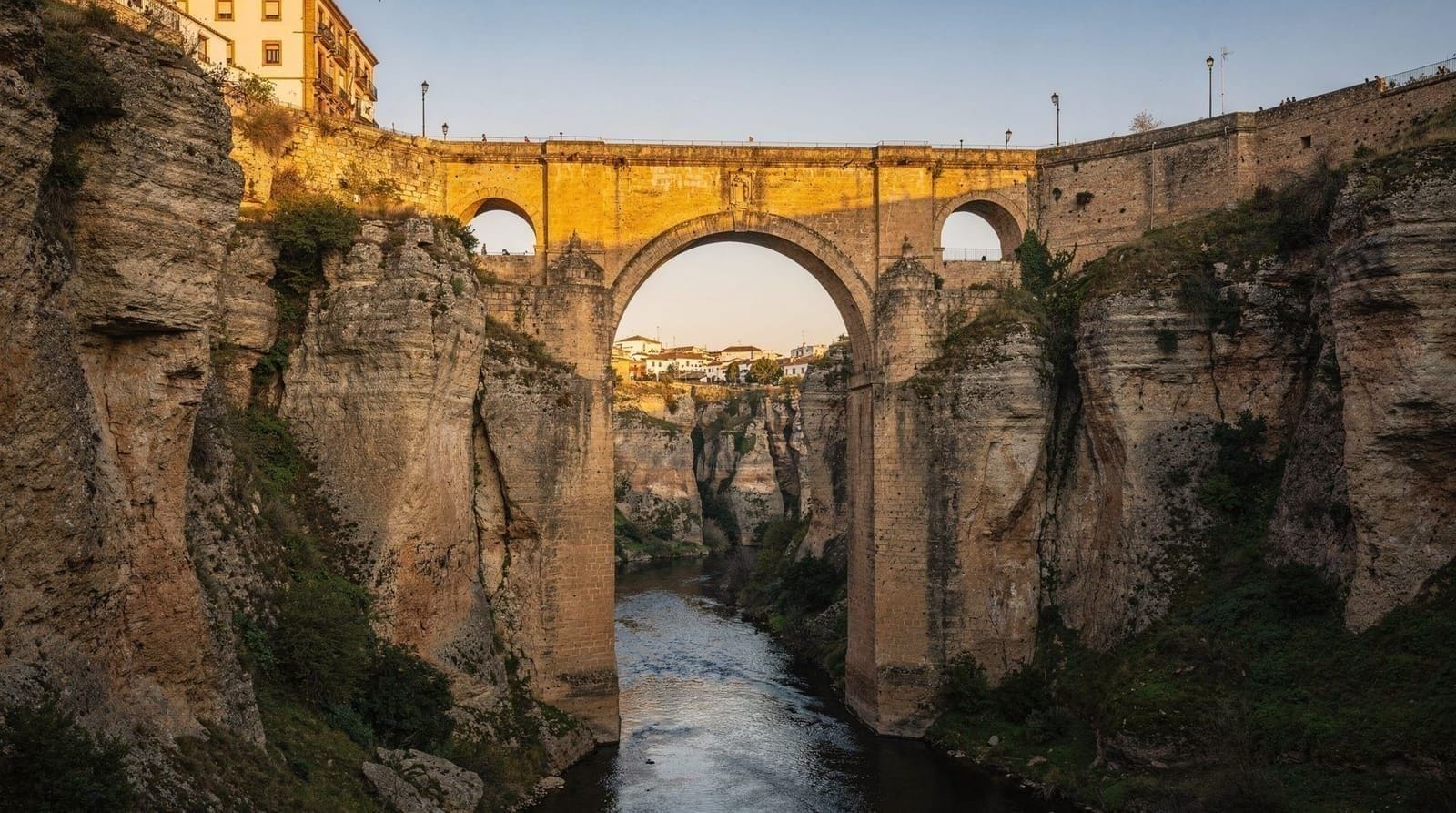
Ronda is on a different geological scale from most of Andalusia’s historic towns. The city sits on a limestone plateau cut through by the El Tajo gorge — 100 metres deep, carved by the Guadalevín river. The Puente Nuevo bridge spans the narrowest point. Looking down from the bridge parapet into the gorge, with the old town on one side and the newer districts on the other, is one of the defining visual experiences of southern Spain. This guide covers how to get there, what to see, and how to combine Ronda with the surrounding white villages.
| Where | Ronda, Málaga province, ~2 hours from Seville |
| Cost | Around €25–35/person independent; €50–75 guided |
| Time needed | Full day (6–7 hours on-site) |
| Getting there | Bus from Prado de San Sebastián (~2 hrs) |
| Best time | Morning arrival, before 10:30am at the bridge |
Getting from Seville to Ronda
By bus (recommended): Comes or Damas coaches from Prado de San Sebastián bus station in Seville run to Ronda in approximately 2 hours. Tickets cost €12-16 single. Morning services (typically 8-9 AM departures) get you to Ronda by 10-11 AM. Return services to Seville run until early evening. Check current schedules at the bus station or online.
By train: There is no direct train from Seville to Ronda. Renfe Media Distancia services require a change at Bobadilla, with very few departures a day and a much longer journey than the bus, which limits flexibility. Check Renfe for current timetables.
By organized tour (recommended for white villages): Tours from central Seville pick up at hotels and take a full day (10-11 hours). The advantage is that tours combine Ronda with white villages (Setenil de las Bodegas, Zahara de la Sierra) in a single day — something very difficult without a car. Tours cost €50-75 per person.
By car: 2 hours from Seville via A-92 and A-374. Having a car opens up the white villages circuit independently.
From Seville: Ronda and Andalusian white villages full-day tripWhat to see in Ronda
The Puente Nuevo and El Tajo gorge
The bridge is the reason most people come, and it delivers. The best views are from the road on both sides of the bridge (not from the bridge itself, where the low parapets and traffic make photography difficult) and from the gorge paths below.
The most accessible viewpoint is the Mirador de Aldehuela, a platform on the south side of the Puente Nuevo accessed from the old town side. A second viewpoint (less visited) is accessible by a path from the Jardines de Cuenca on the new town side — this gives a direct view of the bridge face.
To descend into the gorge: from the old town (La Ciudad), follow the path past the Arab Baths toward the river. The path is steep and requires good footwear. The view looking up at the bridge from the gorge floor is extraordinary.
La Ciudad — the old town
The old town (La Ciudad) occupies the southern plateau, connected to the newer Mercadillo district by the Puente Nuevo. It contains the main historic monuments:
Palacio de Mondragón: A Moorish palace converted to a nobleman’s house in the 15th century. The courtyard and garden (with views over the gorge) are the highlights. Houses the local archaeological museum. Entry €4.
Baños Árabes (Arab Baths): 13th-14th century hammam, among the best-preserved in Spain outside Granada. The star-shaped skylights and the three temperature rooms (cold, tepid, hot) are intact. Entry €4.
Casa del Rey Moro (House of the Moorish King): Not actually a Moorish royal residence — the name is a later romantic invention — but the garden (La Mina) is notable for the 14th-century water mine cut into the gorge wall, allowing the city to access the river during sieges. Entry €8.
Santa María la Mayor: The main church, built on the site of the town’s former mosque. The minaret survived the conversion and is visible in the bell tower. The Mudéjar arches inside the church are intact.
Plaza de Toros de Ronda
Ronda’s bullring (Plaza de Toros de la Real Maestranza de Caballería de Ronda) is one of the oldest and most prestigious in Spain, inaugurated in 1785. Unlike the Seville Maestranza, Ronda’s ring is associated with the origins of modern bullfighting — Pedro Romero, who defined modern corrida technique, was from Ronda. The bullfighting museum inside is good.
Entry €8. Open daily. No active bullfights in 2026 — the Corrida Goyesca (Ronda’s annual September bullfight) takes place during the Feria Pedro Romero, but attendance at an actual corrida is a separate moral question visitors must make for themselves.
White villages near Ronda
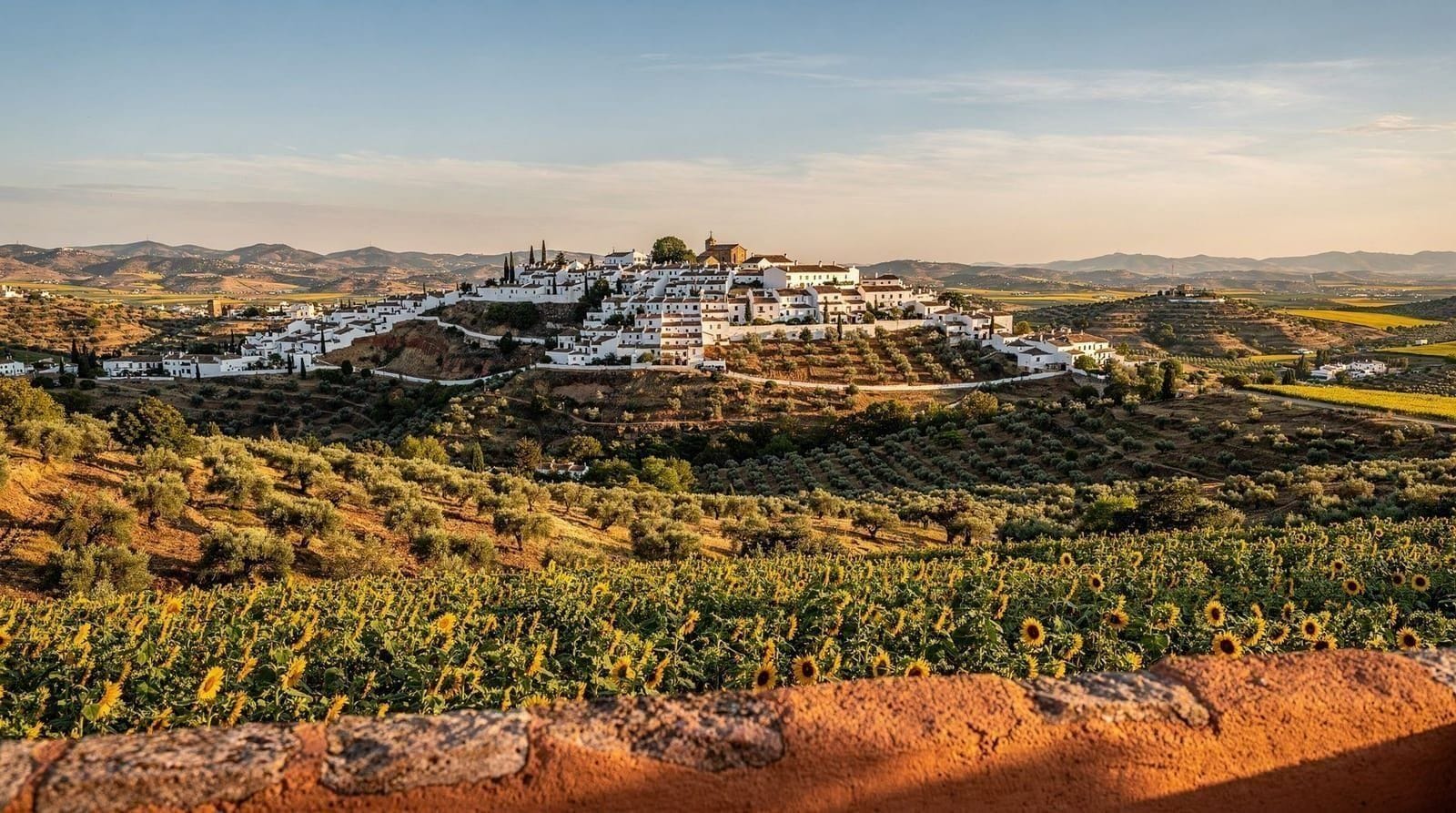
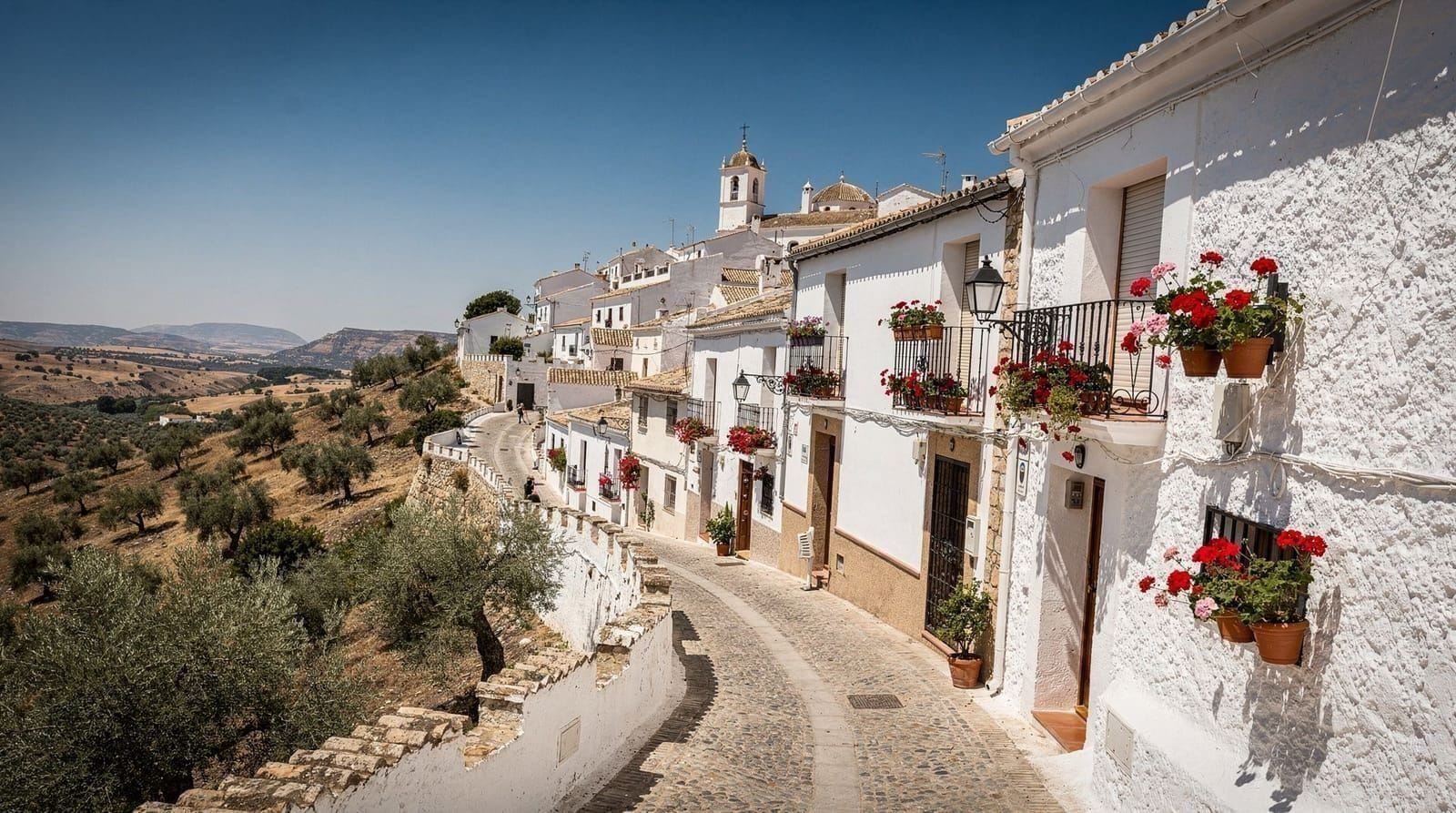
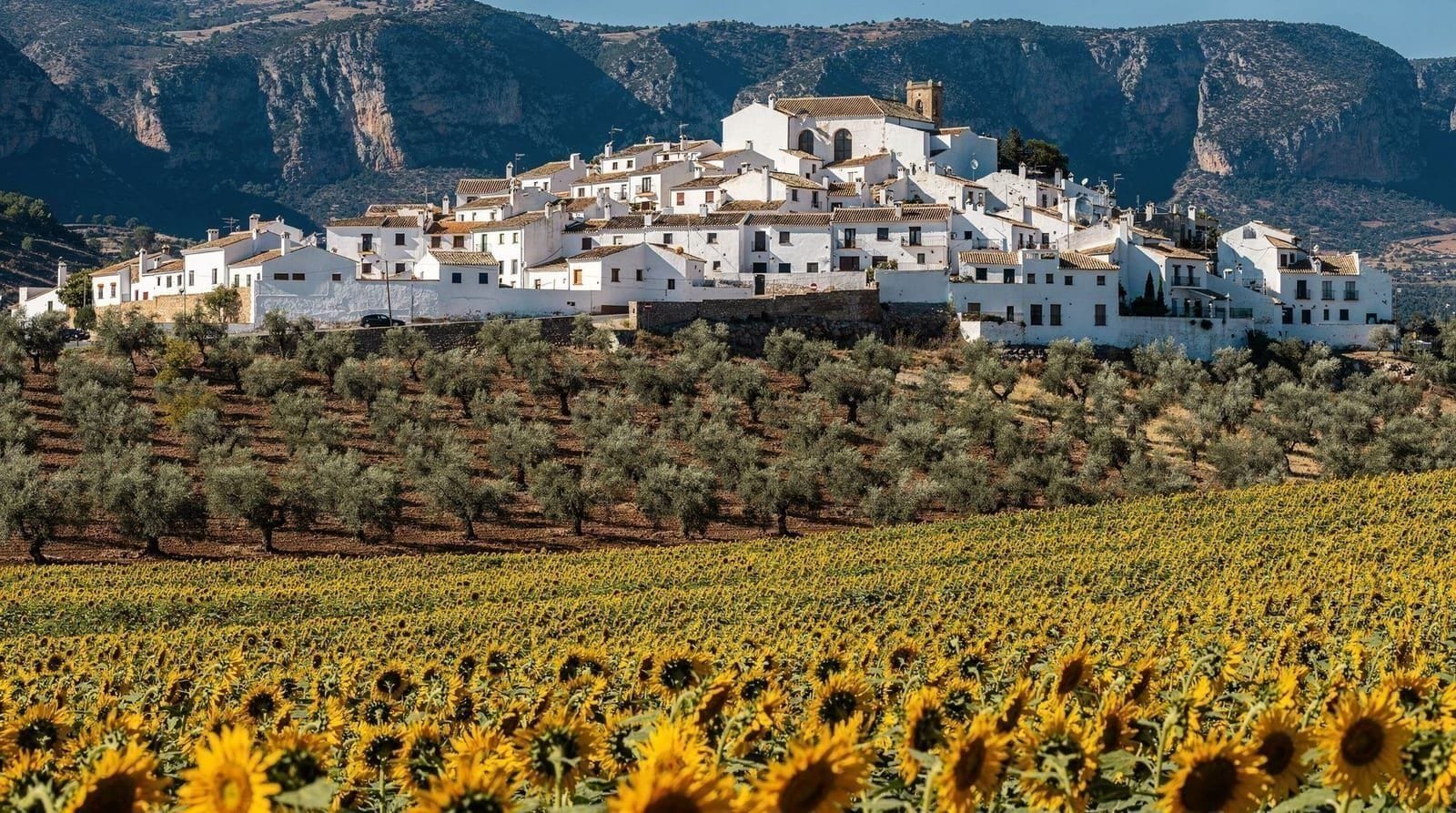
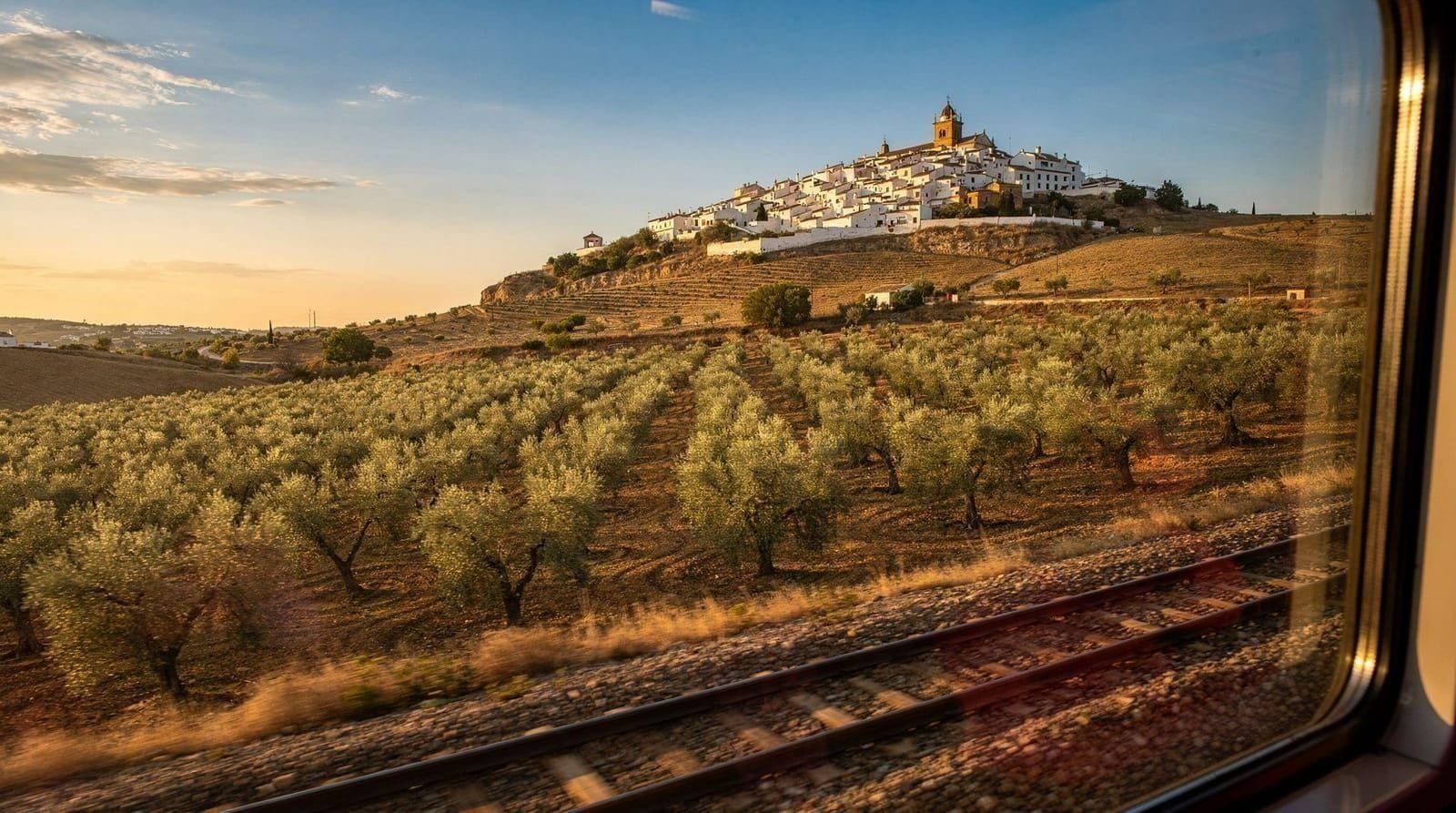
The white villages (pueblos blancos) of the Sierra de Ronda and Sierra de Cádiz are architecturally compelling: whitewashed houses on steep hillsides, Moorish foundations, narrow lanes. The most visited with Ronda as a base:
Setenil de las Bodegas: A village where houses are built directly under rock overhangs, the cliff forming the ceiling and back wall of buildings. Calle Cuevas del Sol and Calle Cuevas de la Sombra are the main streets to walk. 25 km from Ronda by car. Genuinely one of the strangest and most photogenic villages in Spain.
Zahara de la Sierra: A Moorish hilltop town with a 12th-century castle and tower overlooking a turquoise reservoir. The village is on the route of the Via Verde de la Sierra cycling path. 32 km from Ronda by car.
Arcos de la Frontera: A larger pueblo blanco on a dramatic cliff above the Guadalete river. More developed for tourism than Setenil, but the cliff-edge location is spectacular. 50 km from Ronda; better as a separate day from Seville (1.5 hours direct), and often paired instead with a Cádiz day trip since both are in the same direction from Seville.
These villages are impractical to reach from Ronda without a car. Organized tours from Seville that include Ronda typically combine it with one or two of these villages in a single full day.
From Seville: Pueblos blancos and Ronda full-day excursionSuggested itinerary: Ronda day trip independently
08:00 — Bus from Prado de San Sebastián, Seville
10:00 — Arrive Ronda bus station
10:15 — Walk to Puente Nuevo (15 min)
10:30 — Puente Nuevo viewpoints, gorge path if you have energy
12:00 — Old town: Palacio de Mondragón, Baños Árabes, Santa María la Mayor
13:30 — Lunch in the old town (Bar Maestro Molina near Plaza de España, good tapas)
15:00 — Plaza de Toros and bullfighting museum
16:30 — Free walk through the gardens and newer district (Mercadillo)
18:00 — Return bus to Seville
20:00 — Arrive Seville
Practical information
Bus station: Ronda bus station is in the Mercadillo district, about 1 km north of the Puente Nuevo. 15-minute walk to the bridge.
Eating near the bridge: Restaurante Pedro Romero (Calle Virgen de la Paz 18) is reliable for Ronda’s mountain food (salmorejo, oxtail, partridge) at moderate prices. Avoid the restaurants on the tourist side of the Puente Nuevo — the views come at a markup.
Photography: Best light for the Puente Nuevo is morning (east-facing bridge face lit) or late afternoon. Midday sun creates harsh shadows in the gorge.
Crowds: Ronda gets coach-tour crowds from 11 AM to 2 PM in high season. If you arrive by the 8 AM bus and walk to the bridge before 10:30 AM, you’ll have it almost to yourself.
For the white villages circuit in more detail, see white villages day trip from Seville. For a comparison of Ronda versus a white villages-only tour, see Ronda vs white villages. For an overview of all day trips, see best day trips from Seville, and for planning Ronda alongside other excursions across a multi-day trip, see the Seville day trips itinerary.
Ronda and white villages guided day trip from SevilleIndependent vs guided: the honest trade-off
Going independently by bus is cheaper and gives you full control of your schedule in Ronda itself, but it locks you out of the white villages entirely unless you rent a car — public transport between Ronda and Setenil de las Bodegas or Zahara de la Sierra is impractical for a single-day round trip. A guided tour costs roughly double the bus fare but solves that problem directly, and also removes the risk of missing a return bus in a town with limited late-departure options. The honest recommendation: go independently if Ronda alone is your goal; book a guided tour if the white villages matter to you as much as Ronda does.
Choosing Ronda over the other day trips
Seville sits at the centre of a ring of excursions, and Ronda competes with several of them for the same free day. Ronda is the pick if scenery is what you want most: the gorge is the draw, more than any single monument. If your priority is a major monument and a deep historical layer, the Córdoba day trip and the Granada day trip lean that way, and the Córdoba vs Granada comparison helps you choose between them. If you would rather have sea air and a walkable old quarter, the Cádiz day trip gives you that instead. And if you are still undecided, the which Andalusian city to visit guide walks through the trade-offs.
Ronda also suits travellers who have already spent a few days in the capital and want a change of pace. After the crowds at the Alcázar and the cathedral, a smaller hilltop town with room to wander feels like a different kind of holiday. If you have not yet planned your time in the city itself, how many days in Seville will tell you whether you can afford to give a whole day to Ronda.
Pacing your day in Ronda
The itinerary above is a skeleton, and it is worth bending it to your own energy. Ronda rewards slowness: the town is compact, and the best moments tend to be unplanned ones, such as a quiet corner of the old town after the coach groups have moved on, or a bench in the gardens with the gorge falling away beside you.
A few principles help:
- Do the gorge viewpoints first, while the light is soft and the bridge is quiet. Everything else in town is indoors or in shade and holds up better later in the day.
- Group the paid sights together in the old town so you are not crossing the bridge back and forth. The palace, the baths and the church sit close together on the same side.
- Leave the bullring for the early afternoon, when the lunchtime heat or the crowds make wandering the lanes less appealing.
- Keep a loose buffer before the return bus. A rushed final hour spoils an otherwise relaxed day, and it is better to sit with a coffee than to run for a coach.
If the weather turns, the museum and the palace interiors give you somewhere to retreat. In the hottest months, the advice in the Seville in summer heat guide applies here as well: carry water, wear a hat, and plan your exposed walking for the cooler hours.
Pairing Ronda with the rest of your trip
Ronda works best as one piece of a wider plan rather than an isolated outing. The Andalusia week from Seville itinerary shows how a day in Ronda can sit alongside other excursions without exhausting you, and the Seville, Córdoba and Granada trip is a useful reference if you are thinking about linking the big cities as well. If your plans lean towards the villages, Setenil de las Bodegas and Zahara de la Sierra each have their own destination pages, and the Ronda destination page gathers the town’s background in one place.
For a first-hand account of the day, the Ronda photo diary shows what the town looks like through a visitor’s eyes, which can help you decide where to spend your limited hours. Anyone building a longer stay should also read planning a week in Andalusia for a sense of how the pieces fit together.
Before you book
Whichever way you travel, a little preparation makes the day smoother. Decide in advance whether you want the independence of the bus or the convenience of a guided trip, because the two lead to very different days. Check the return options before you commit to a long lunch, since a missed connection is the one thing that can derail the trip. If you plan to join a tour, compare what each one includes rather than assuming they are the same: some focus mainly on Ronda, others spend more of the day in the villages. If you prefer a day shaped entirely around your own interests and pace, a private Ronda day trip from Seville removes the compromises of a group schedule.
What Ronda does not have
Worth setting expectations before you go: Ronda does not have a beach, a large old-town shopping district, or nightlife comparable to Seville. It is a small city (population around 33,000) built almost entirely around the gorge and its historic core. Most visitors find 6–7 hours sufficient to see everything worth seeing without feeling rushed, which is part of why it works well as a single day trip rather than requiring an overnight stay.
Frequently asked questions about Ronda day trip from Seville
Is Ronda worth visiting as a day trip from Seville?
Yes. Ronda is one of Andalusia's most visually dramatic destinations — a hilltop city split by a 100-metre gorge, with the Puente Nuevo bridge spanning it. The historic bullring (one of Spain's oldest) and the old town are also worth exploring. A day trip is feasible and satisfying.What is the Puente Nuevo in Ronda?
The Puente Nuevo (New Bridge) is an 18th-century arch bridge spanning the El Tajo gorge in Ronda. Built between 1759 and 1793, it is 98 metres tall from the base of the gorge. The views from the road on both sides of the bridge are spectacular, and you can walk down into the gorge on paths from the old town.Can I visit Ronda without a guided tour?
Yes, fully. Ronda is very navigable independently. The bus drops you close to the centre, and the main sights — Puente Nuevo, old town (La Ciudad), bullring — are all within walking distance. A tour adds value if you want to combine Ronda with white villages in a single day, which is difficult without a car.What are the white villages near Ronda?
The most visited are Setenil de las Bodegas (houses built under rock overhangs along a river gorge), Zahara de la Sierra (Moorish hilltop town with a castle), Arcos de la Frontera (dramatic cliff-edge town), and Grazalema (natural park). All require a car or organized tour to combine with Ronda in one day.Is there a direct train from Seville to Ronda?
No. There is no direct train from Seville to Ronda: Renfe Media Distancia services require a change at Bobadilla, with very few departures a day and a much longer journey than the bus. Check Renfe for current schedules.How much does a Ronda day trip from Seville cost?
Independently by bus: around €25–35 per person total (transport plus entries to 2–3 sites, excluding meals). A guided full-day tour including Ronda and white villages runs roughly €50–75 per person, which is better value if you specifically want to see Setenil de las Bodegas or Zahara de la Sierra alongside Ronda, since neither is reachable independently in a single day.Is Ronda better as a day trip or an overnight stay?
A day trip is sufficient for most visitors — the core sights (Puente Nuevo, La Ciudad, the bullring) are comfortably covered in 6–7 hours. An overnight stay is worth considering only if you want to see the gorge in both morning and evening light, or plan to explore the surrounding white villages at a relaxed pace with a car.
Top experiences
Bookable activities with verified prices and instant confirmation on GetYourGuide.