Seville day trips: 5-day itinerary using Seville as a base
From Seville: Córdoba trip with Mezquita by high-speed train
Seville as your Andalusia base
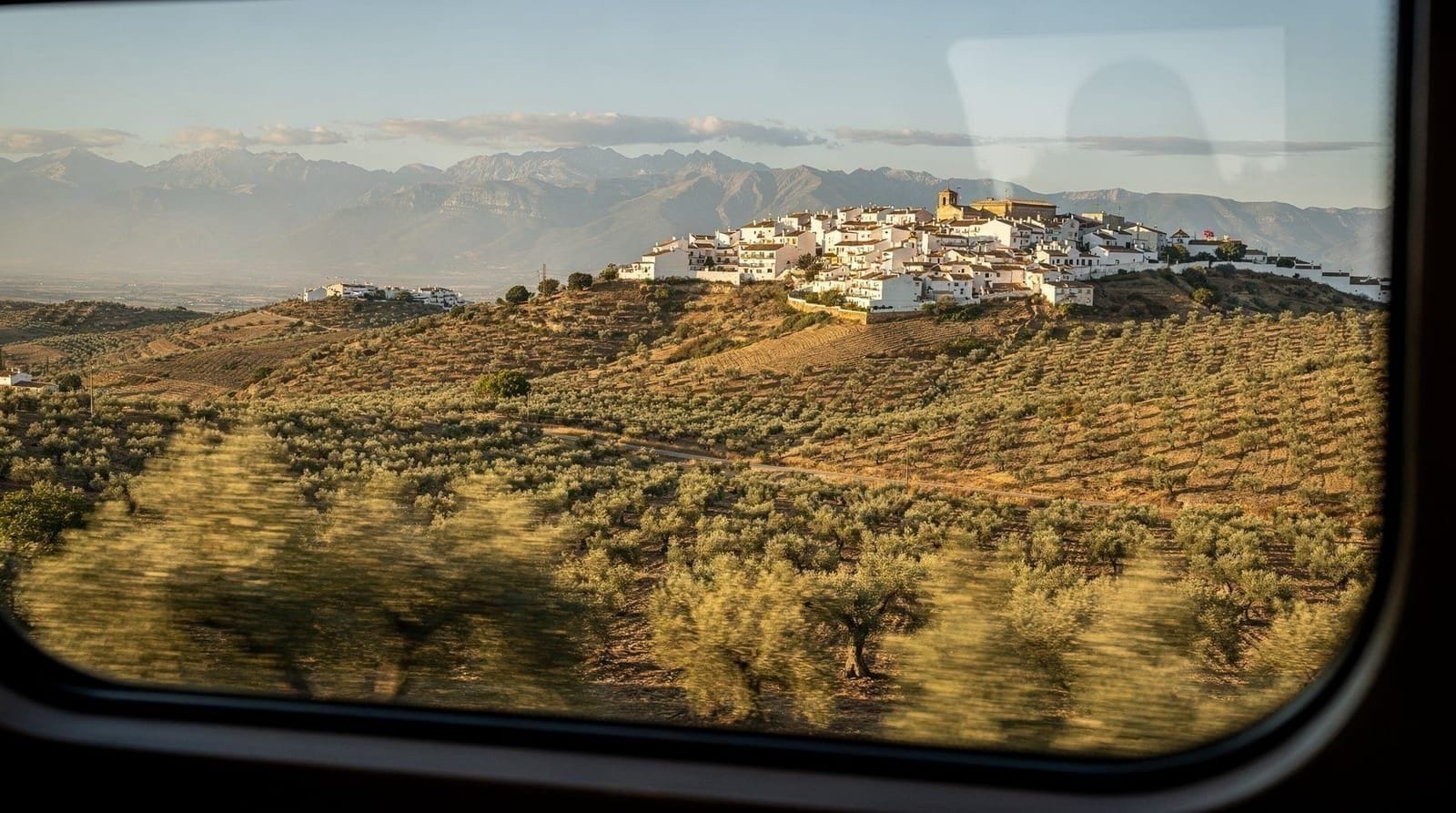
The strategic case for staying in Seville rather than moving between cities: one check-in, no bag-hauling, and a city you know well by Day 3. Seville is also the transport hub of western Andalusia — every significant destination in the region is reachable by train or bus without a car.
This itinerary allocates Day 1 and Day 2 to Seville itself (essential — you can’t do justice to the Alcázar, Cathedral, and Triana while also running day trips), and then schedules four different day trips across Days 3–5. Day 5 gives you a choice between two options depending on your interests.
The honest trade-off: day trips from Seville to Granada work, but they are long (2.5 hours each way by bus). The Alhambra justifies it. Córdoba is excellent as a day trip. Ronda and Cádiz are natural half-to-full day trips.
| Base | Seville, 5 nights, no packing/unpacking |
| Day trips covered | Córdoba, Granada, Ronda or Cádiz |
| Longest round trip | Granada, about 5 hours on the road |
| Cost per person | around €70–110 per day trip, incl. transport & entries |
| Getting around | AVE/regional train + ALSA bus — no car needed |
For how these day trips compare against staying overnight in each city instead, see the Seville, Córdoba and Granada 5-day itinerary.
Day 1: Seville essentials
Morning: Alcázar and Cathedral
Royal Alcázar skip-the-line entry ticket — €14.50Book in advance. Visit at opening time. Two to three hours. Then the Cathedral (five minutes away).
Cathedral and Giralda: €13, 90 minutes including the tower climb.
Afternoon: Santa Cruz and Plaza de España
Walk the Barrio de Santa Cruz (Callejón del Agua, Plaza de Doña Elvira). Walk or tram south to Plaza de España — the most photogenic space in Seville, free entry, rowboats €6 for 35 minutes.
Evening: El Rinconcillo and tapas
El Rinconcillo (Gerona 40) for aperitivos. For dinner, Eslava (Calle Eslava 3) or Bodega Santa Cruz.
Day 2: Triana, river, and the Seville neighbourhood circuit
Morning: Triana
Cross the Triana Bridge at 9:00. Mercado de Triana for breakfast. Walk Calle San Jorge ceramics workshops. Centro Cerámica Triana.
Afternoon: River and Macarena
Guadalquivir river cruise from Torre del Oro (1 hour, €18).
Metropol Parasol rooftop (from €16) at Plaza de la Encarnación for city views.
Basílica de la Macarena (free) in the north of the city.
Evening
Casa Morales (García de Vinuesa 11) for vermouth. Dinner at Taberna del Alabardero (Zaragoza 20) or a tapas evening in the Alameda area.
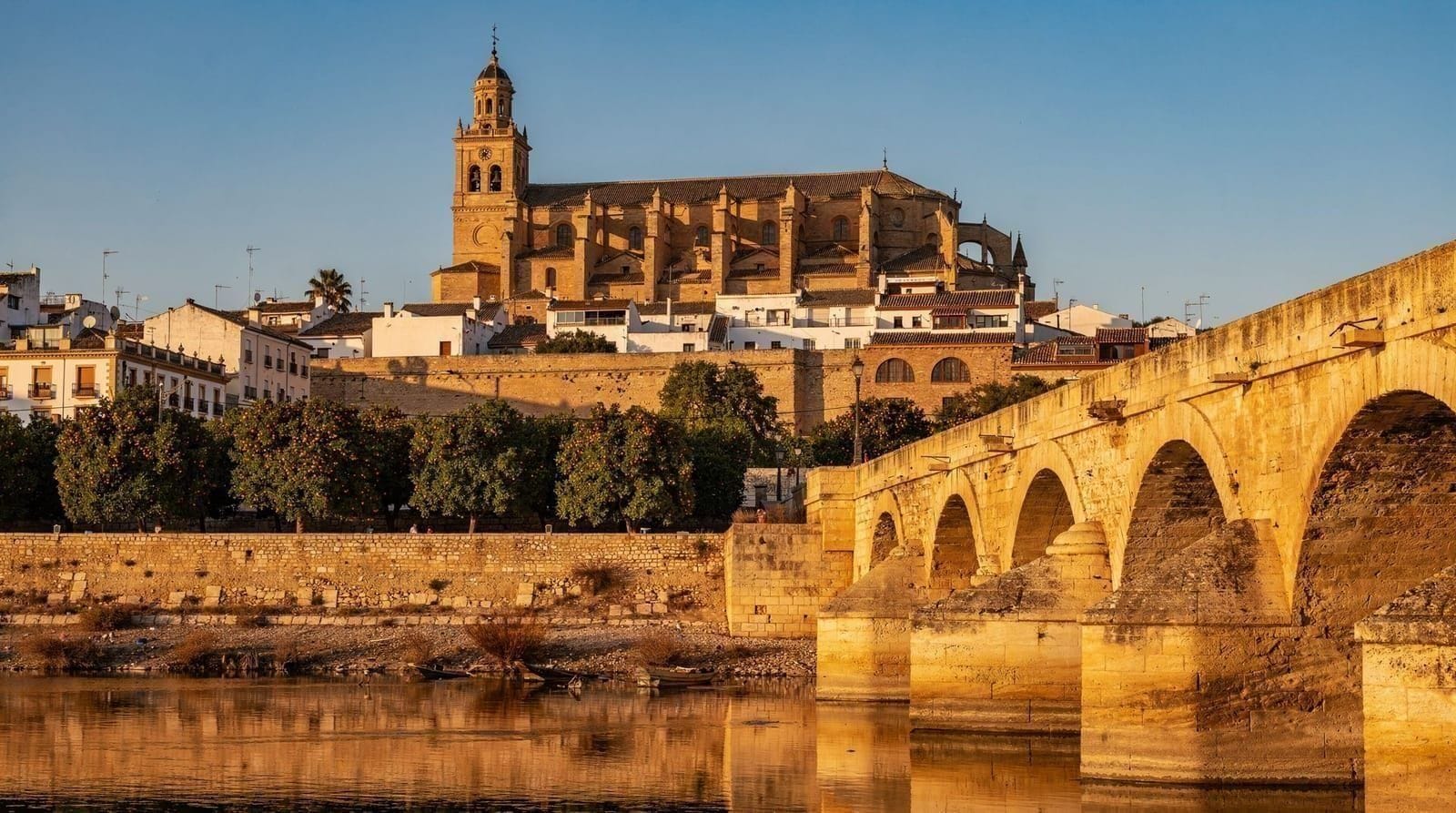
Day 3: Córdoba by AVE
Córdoba is the most logistically simple day trip from Seville. The 45-minute AVE makes a comfortable morning departure, and you’re back in Seville before evening.
Córdoba day trip with Mezquita by high-speed trainTimetable
8:00 — Depart Santa Justa by AVE. Book at renfe.com at least a week ahead; tickets from €12 one-way in advance.
8:45 — Arrive Córdoba. Walk or taxi to the Mezquita (10 minutes).
9:30–11:30 — Mezquita-Catedral (€15, book online). The hypostyle hall with 856 columns is the single most unusual interior in Spain. The Christian cathedral built inside is simultaneously jarring and instructive.
11:30–13:00 — Jewish Quarter. The 1315 Synagogue (free), Calleja de las Flores, Alcázar de los Reyes Cristianos (gardens and Roman mosaics).
13:30 — Lunch. Casa Mazal (Tomás Conde 3) for Sephardic-Andalusian cooking. Bar Santos (Magistral González Francés 3) for the famous tortilla. Budget: €15–25.
15:30 — Optional: Medina Azahara (10 km west, bus from Glorieta Ibn Rushd). Ruined 10th-century caliphal city. Worth 90 minutes.
17:30 — Depart Córdoba. Back in Seville by 18:30.
Full guide: Córdoba day trip from Seville.
Day 4: Granada and the Alhambra
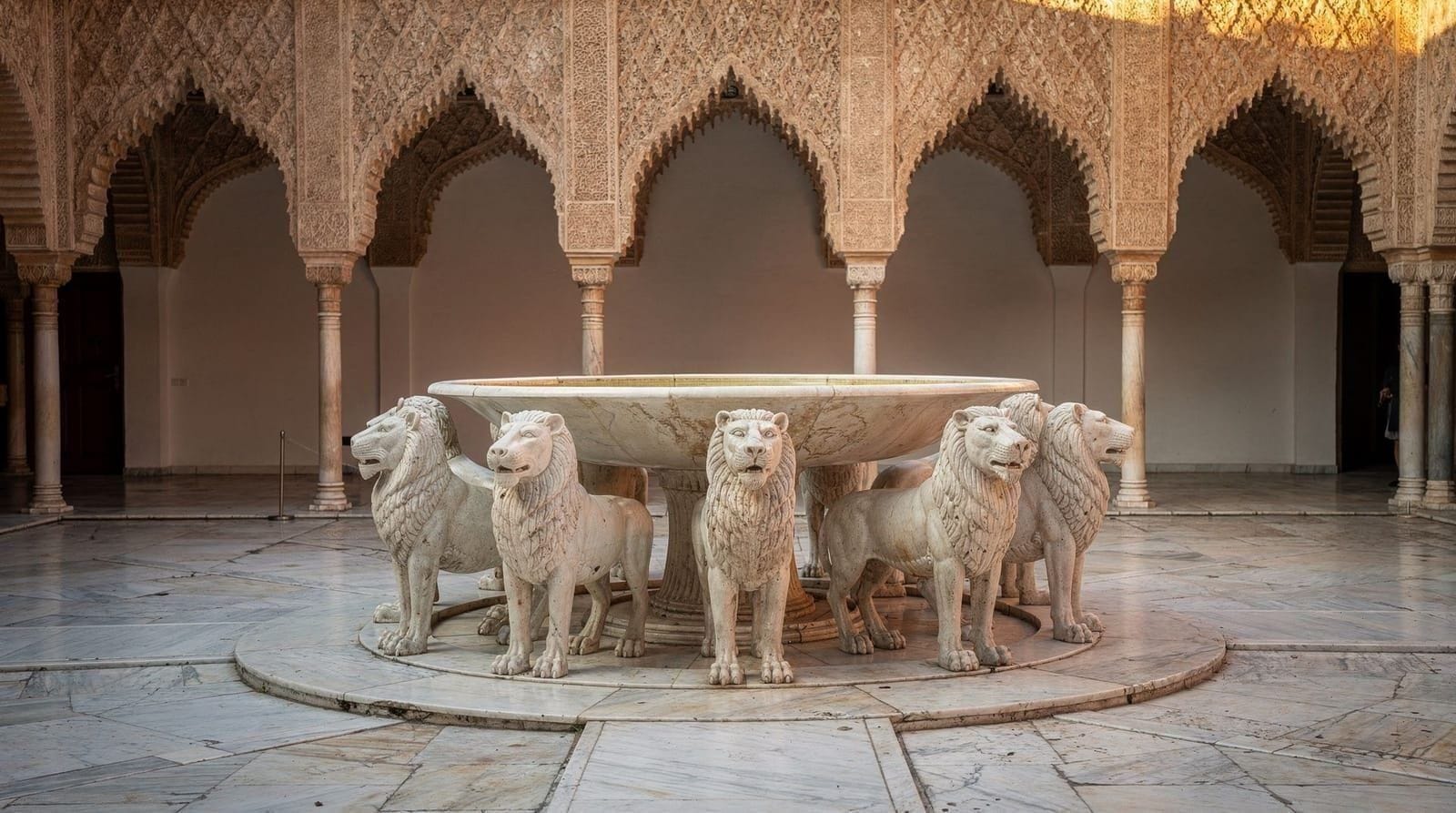
Granada is 2.5 hours from Seville by bus — a long day, but the Alhambra makes it entirely worthwhile. Book Alhambra tickets 2–3 months in advance; the Nasrid Palaces sell out fast.
Granada day trip with Alhambra and Albaicín from SevilleTimetable
7:00 — Depart Seville from Plaza de Armas bus station (ALSA bus to Granada, €25 return, 2.5 hours). Alternatively, join a guided day tour from Seville which handles transport.
10:00–14:00 — Alhambra complex. The Nasrid Palaces are on a strict timed entry — your ticket specifies the 30-minute window in which you must enter. Do not be late. Allow four hours for the full complex (Nasrid Palaces + Generalife + Alcazaba).
14:30 — Lunch in the Albaicín. Take the minibus up or walk 30 minutes. The Mirador de San Nicolás is the famous panorama point. Lunch at Arrayanes (Cuesta Marañas 4, Moroccan-Andalusian).
16:30 — Walk the Albaicín and the Carrera del Darro riverside path. The Bañuelo Arab Baths (Carrera del Darro 31, €2.50) are well-preserved 11th-century hammam ruins.
18:00 — Depart Granada by bus. Arrive Seville approximately 20:30–21:00. Dinner locally.
Full guide: Granada day trip from Seville.
Day 5: Ronda or Cádiz (choose one)
Option A: Ronda
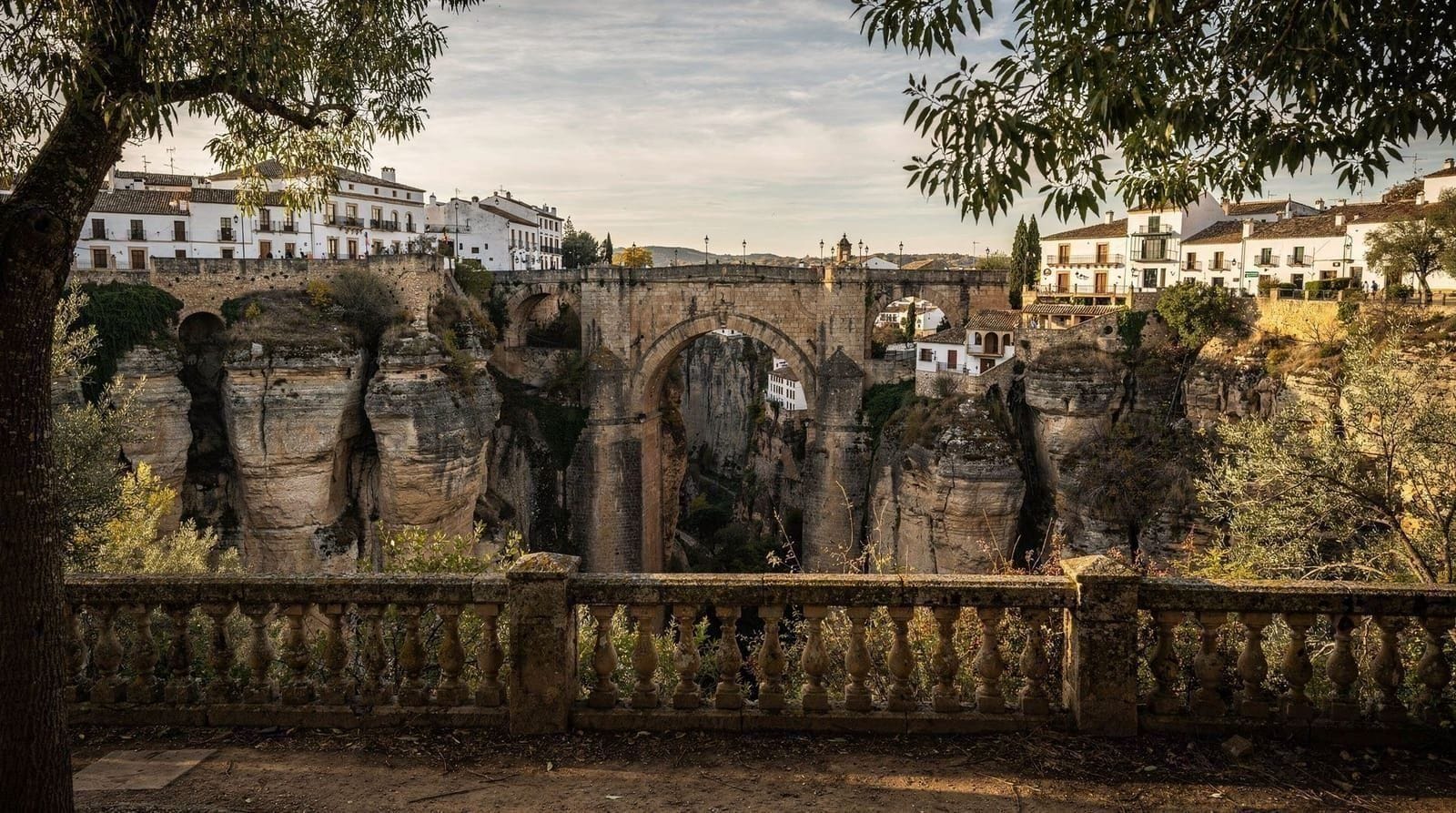
Ronda is two hours from Seville by bus. The town’s position on a 120-metre gorge — with the Puente Nuevo bridge spanning it — is one of the most dramatic landscapes in Andalusia.
Ronda full-day trip from Seville7:30 — Depart Seville (Casal bus from Plaza de Armas, €20 return, 2 hours).
9:30 — Arrive Ronda. Walk directly to the Puente Nuevo for the gorge views. Cross into La Ciudad (old town).
10:00–12:00 — La Ciudad. Arab Baths (€4.50), Palacio de Mondragón (€3), Maestranza bullring (€10, oldest in Spain).
12:30 — Lunch. Pedro Romero (Virgen de la Paz 18) for traditional rabo de toro. Tragabuches (José Aparicio 1) for modern Andalusian.
14:30 — Alameda del Tajo cliff gardens. Views over the Serranía de Ronda valley.
16:00 — Optional white village. If the tour includes Setenil de las Bodegas (houses built under a rock overhang), take it — it is genuinely unusual.
17:30 — Depart Ronda. Back in Seville by 19:30.
Full guide: Ronda day trip from Seville.
Option B: Cádiz
Cádiz is one of the oldest cities in Western Europe and has an Atlantic character completely different from the inland Andalusian cities. The light, the sea air, and the fortified old city on its narrow peninsula are the main attractions.
Train from Santa Justa: 1h40, approximately €20 return. Trains run regularly.
In Cádiz: Old city cathedral (€12), Mercado Central for lunch (excellent fresh tuna and shellfish), Playa de la Caleta (small city beach), and the Tavira Tower observation deck (€12, 360-degree views).
Depart 17:00. Back in Seville by 19:00.
Full guide: Cádiz day trip from Seville.
How to choose your day trips
The most common questions about day trips from Seville:
Córdoba vs Granada as a day trip?
Córdoba is far easier (45 minutes vs 2.5 hours). If you can only do one, Córdoba as a day trip and Granada as an overnight is the ideal combination. See the Córdoba vs Granada comparison.
Is Ronda worth the journey?
Yes, but primarily for the scenery rather than the monuments (which are good but not exceptional). If dramatic landscapes appeal to you, Ronda is worth it. If you mainly care about historical monuments, Córdoba or Granada wins.
What about Jerez?
Jerez is 1h10 by train from Seville. If you’re interested in sherry wine culture and Andalusian horse breeding, Jerez is excellent — the González Byass bodega tour is outstanding. The Royal School of Equestrian Art horse show runs on Thursdays at 12:00. But it works less well as a standalone day trip for first-time visitors; better combined with Cádiz (they are 40 minutes apart). See the Jerez day trip guide.
Full guide to all day trip options: best day trips from Seville.
Practical day trip logistics
Book train tickets early: AVE and Avant trains on popular routes (Seville–Córdoba, Seville–Málaga) fill up quickly on weekends and public holidays. Book at renfe.com as soon as your dates are confirmed.
Bus tickets: ALSA operates the Seville–Granada and Seville–Ronda routes. Book at alsa.es. Less infrastructure-dependent than trains, but slower.
Guided tours vs independent: For Granada and Ronda especially, a guided full-day tour from Seville is worth comparing against doing it independently. The cost difference is usually modest, and the guide adds significant historical context. For Córdoba, independent is easy.
Energy management: Doing four major day trips in five days is demanding. The itinerary above schedules the longest day trip (Granada) as Day 4 — by which point you know the city and have a home base you’re comfortable returning to tired. Don’t schedule Granada as Day 1 or 2.
Coming home late: Both the Granada and Ronda days get you back to Seville between 19:30 and 21:00 — factor a simple dinner near your accommodation rather than planning anything elaborate for those two evenings. The Seville public transport guide covers getting from Santa Justa station or Plaza de Armas bus station back to most central neighbourhoods without a taxi.
The case for using Seville as a base
Why not move between cities?
The obvious alternative to basing yourself in Seville is to travel sequentially: Seville, then Córdoba (one night), then Granada (one night), then back. This has a certain logic — you wake up in each city and have more time. But for most five-day visits, the base-in-Seville model is genuinely better. Here’s why:
One check-in: With Seville as your base, you unpack once. No bag-hauling across Andalusia, no logistical friction between cities, no stress about whether you can check into the Córdoba hotel before the afternoon. You can leave Seville at 7:30 carrying nothing but a day bag and be in Córdoba by 9:00.
Evening Seville: Most of Seville’s best experiences — the tapas bars, flamenco at Casa de la Memoria, the evening walk along the river — happen after 20:00. If you’re staying in Córdoba or Granada, you miss these entirely (you’d need to leave Seville by 18:00 to check in before dinner). Based in Seville, every evening is available.
Cost efficiency: Mid-range hotel rooms in Seville’s historic centre at €90–120/night can be locked in for five nights with a discount. Moving between cities means three different hotels, often without bulk pricing.
The 45-minute test: Córdoba is 45 minutes from Seville by AVE. The case for spending a night there is weakened by this proximity — there is genuinely nothing in Córdoba that requires an overnight to appreciate. (Granada is different — an overnight there adds significantly to the experience, particularly for the Alhambra at dusk.)
Córdoba: what makes it worth a day trip
The Mezquita-Catedral is the reason most people visit Córdoba, and it is fully sufficient justification. But Córdoba is a more complex city than a single monument visit suggests:
The Jewish Quarter (Judería) around the Mezquita is one of the best-preserved medieval urban neighbourhoods in Spain — narrow streets, whitewashed walls, and flowerpot-covered façades that give it a distinct character from Seville’s Santa Cruz. The Synagogue (free, Calle Judíos 20) dates from 1315 and is one of only three surviving medieval synagogues in Spain. The Alcázar de los Reyes Cristianos has Roman mosaics and a good garden.
Medina Azahara — the ruined 10th-century caliphal city 10 km west — is the most undervisited significant historical site in Andalusia. The scale of what Abd al-Rahman III built (112 hectares of palace, mosque, gardens, and government buildings) is staggering even in ruins. It is worth 90 minutes if you leave Córdoba by 15:30.
Granada: beyond the Alhambra
First-time visitors to Granada see the Alhambra and the Albaicín. But several other things are worth knowing:
The Capilla Real (Royal Chapel, €5) directly adjacent to Granada Cathedral contains the tombs of Ferdinand and Isabella — the monarchs who funded Columbus and completed the Reconquista. The iron grille by Maestro Bartolomé de Jaén (1520) is one of the finest examples of Spanish Gothic metalwork anywhere.
Granada’s tapas culture is unique in Spain: most bars give you a free tapa with every drink. A round of drinks for two people typically produces two plates of food without additional charge. After two rounds, you’ve eaten a significant meal for the price of drinks. This is not a tourist attraction — it is the normal way people eat in Granada.
The Bañuelo Arab Baths (Carrera del Darro 31, €2.50) are 11th-century hammam ruins in excellent condition — better preserved than most Islamic baths in Spain. On the same river-walk street, the Casa de Castril (free) has a remarkable plateresque façade.
Ronda: the gorge and the old town
Ronda’s dramatic geography (built on a plateau bisected by a 120-metre-deep gorge) makes it the most immediately visually striking day trip from Seville. The Puente Nuevo (1793) spanning the gorge is an engineering achievement remarkable for its era — the central span is 38 metres wide and spans 120 metres above the Tajo river.
Beyond the gorge view, Ronda has: the oldest bullring in Spain (Plaza de Toros, 1785, museum excellent regardless of your view on bullfighting), the Arab Baths (Baños Árabes, 13th century, among the best preserved in Andalusia), the Palacio de Mondragón (city museum with good archaeology and views), and the Alameda del Tajo cliff-top gardens.
The white villages accessible as extensions from Ronda include Setenil de las Bodegas (houses built under a rock overhang — deeply unusual), Zahara de la Sierra (hilltop with Nasrid castle views), and Grazalema (Biosphere Reserve, good hiking). See the white villages day trip guide.
Cádiz: the Atlantic perspective
Cádiz provides a genuinely different perspective on Andalusia from the inland Moorish cities. The city was founded by Phoenicians around 1100 BC — making it one of the oldest continuously inhabited cities in Western Europe. The old city sits on a narrow peninsula extending into the Atlantic, with the ocean visible from most streets.
The food culture in Cádiz is seafood-focused: fresh tuna (atún de almadraba, caught by traditional trap fishing in spring), ortiguillas (sea anemones, fried), chipirones (baby squid), and bienmesabe (sweet almond cream dessert, Moorish origin). The Mercado Central de Abastos (open mornings) is the best market in the province.
For context on the full range of day trips: best day trips from Seville guide.
Day-by-day summary
| Day | Trip | Round-trip travel time |
|---|---|---|
| 1 | Seville essentials (Alcázar, Cathedral, Santa Cruz) | — |
| 2 | Triana, river, Macarena | — |
| 3 | Córdoba by AVE | about 1.5 hours |
| 4 | Granada and the Alhambra | about 5 hours |
| 5 | Ronda or Cádiz (choose one) | about 4 hours (Ronda) / 3h20 (Cádiz) |
What to do if a day trip gets rained out or a booking falls through
Andalusia’s day-trip infrastructure is reliable, but plans occasionally slip — a missed Alhambra slot, a cancelled bus, or a day that turns out wetter than forecast. Keep a backup in your pocket: the Jerez day trip guide and white villages day trip guide both cover routes with more flexible, walk-up-friendly booking than the Alhambra, so they’re easier to slot in on short notice. Within Seville itself, the Seville by bike guide and a Guadalquivir river cruise both work as half-day fallbacks that need little advance planning if a day trip has to be abandoned.
Frequently asked questions about Seville day trips
Is it better to base in Seville for all five days, or move between cities?
For this itinerary, basing in Seville wins on convenience: one check-in, and every Seville evening (tapas, flamenco, the riverside) stays available. The trade-off is a long Granada day. If an unhurried Granada matters more to you than convenience, the Seville-Córdoba-Granada overnight itinerary is the better fit.
Can I fit both Ronda and Cádiz into a five-day trip?
Not comfortably within this five-day frame — Day 5 is built as an either/or choice because both are full days on the road. If you have six days, add the other as Day 6 rather than compressing both into one exhausting day.
Top experiences
Bookable activities with verified prices and instant confirmation on GetYourGuide.