Jerez day trip from Seville: sherry, horses, and flamenco heritage
From Seville: Jerez guided visit with horse show and wine
How do you get from Seville to Jerez de la Frontera?
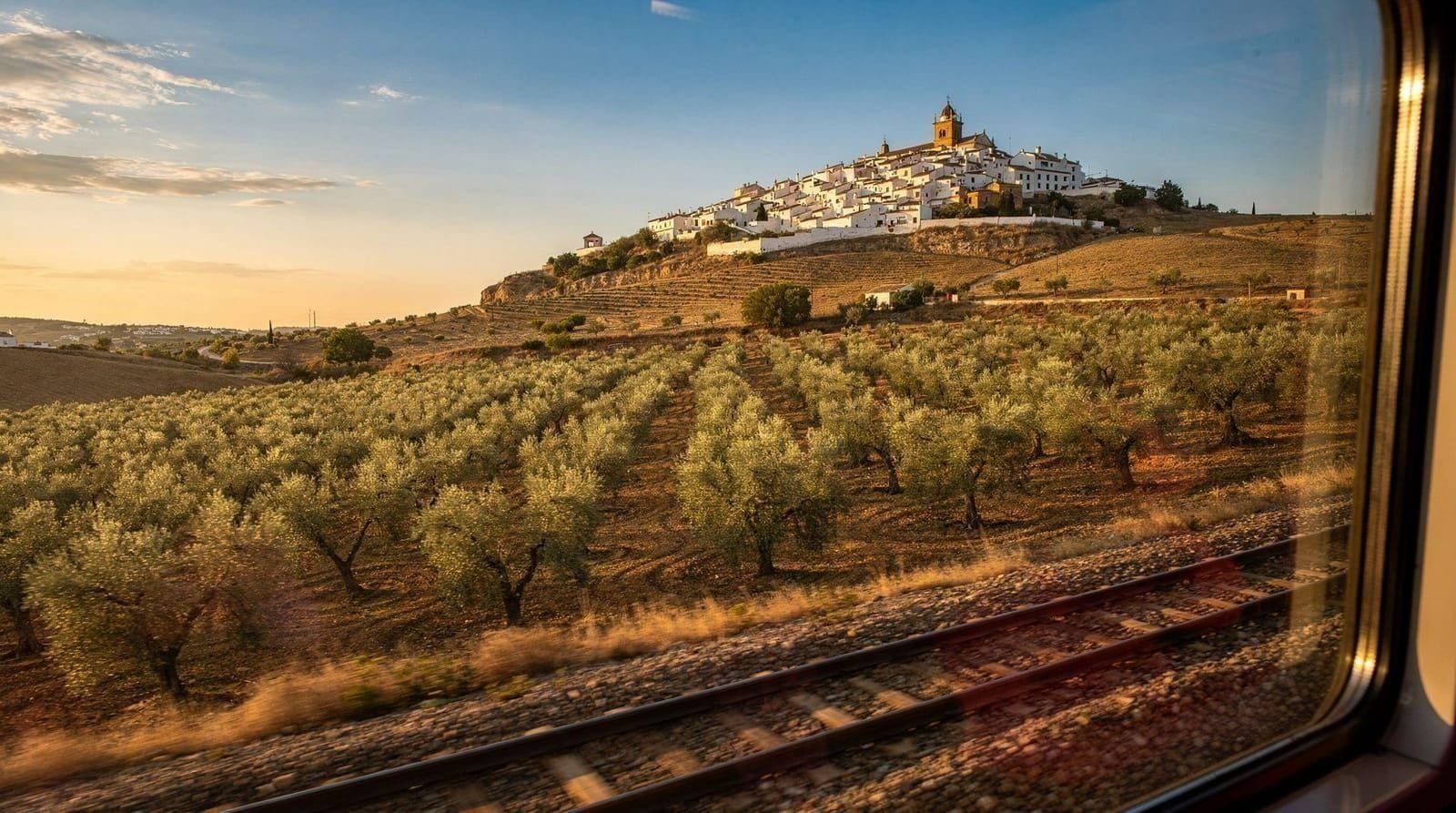
The AVANT regional train from Santa Justa station reaches Jerez in approximately 1 hour (check current fares on the Renfe website). Trains run regularly. Jerez station is in the modern city, 20 minutes' walk or 5 minutes by taxi from the old quarter and sherry bodegas.
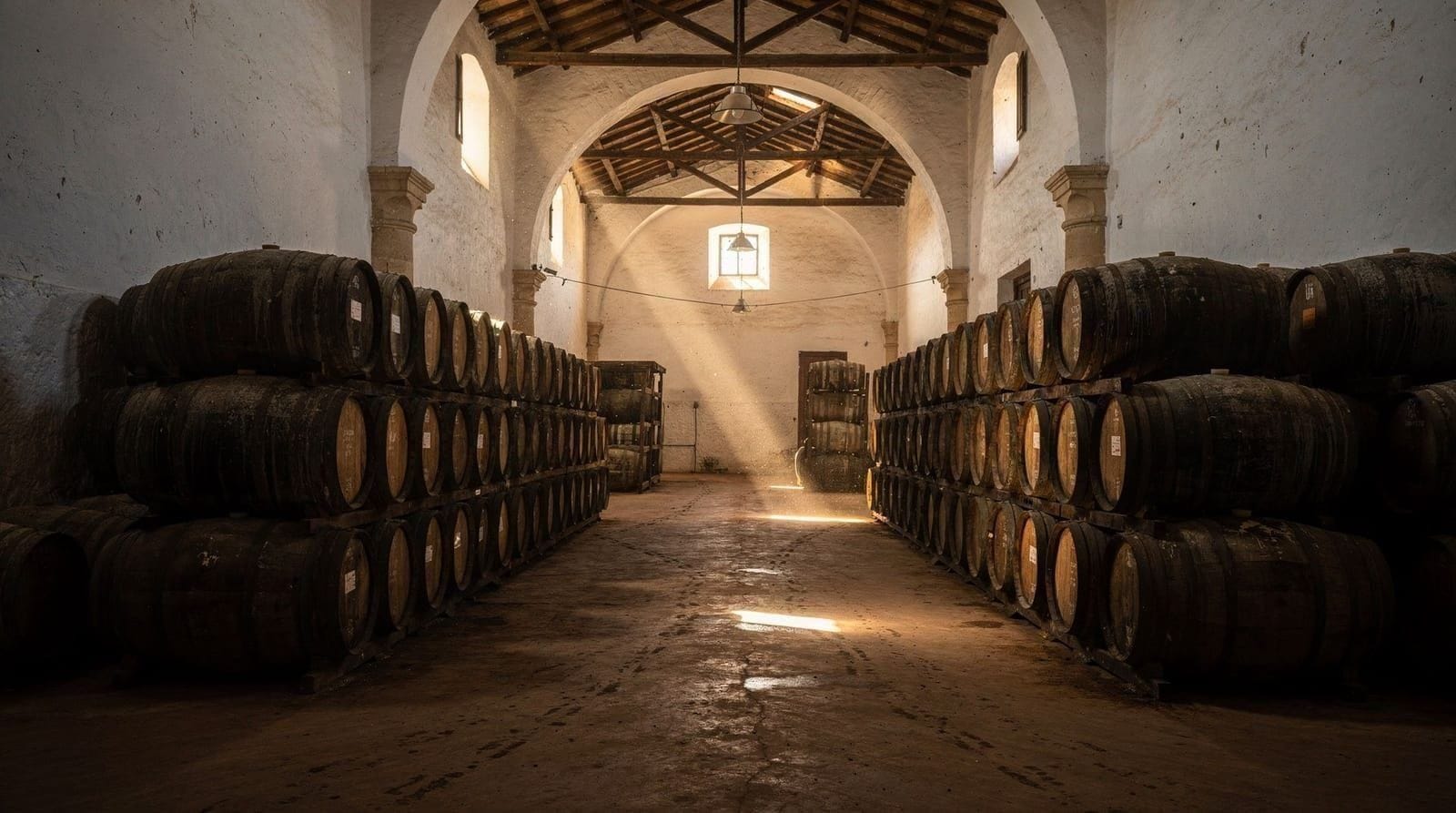
Jerez de la Frontera is one of those Andalusian cities that operates at a different pace from Seville — slower, more provincial, utterly self-confident about its wine and horses. The sherry bodegas are extraordinary spaces: vast cathedral-like warehouses where Oloroso, Amontillado, and Fino age in American oak casks in the dark. The Real Escuela equestrian performances are world-class. And the flamenco tradition here — peñas flamencas in the Santiago quarter — is as authentic as Triana. Jerez is an hour from Seville by train and repays a full day.
| Where | Jerez de la Frontera, about 1h by train from Seville |
| Cost | bodega tours from €26.90, €24-31 for the horse show; train fares on the Renfe website |
| Time needed | a full day (08:30-20:00 realistically) |
| Getting there | AVANT train from Santa Justa, or an organised day trip |
| Best time | a show day (see the Real Escuela calendar) if you want the full performance |
Getting from Seville to Jerez
By train: AVANT trains from Santa Justa station reach Jerez in approximately 1 hour. Check current fares on the Renfe website. Trains run frequently throughout the day — no need to book far in advance for most dates.
By bus: Comes coaches from Plaza de Armas to Jerez take 1h15-1h30.
By car: 1 hour via A-4 autopista. Useful if combining with villages or the coast; unnecessary for a bodega-and-horses day trip.
By organized tour: Tours from Seville to Jerez typically include sherry tasting and sometimes the Real Escuela equestrian show. Useful if you want transport handled and sherry education structured.
From Seville: Jerez guided visit with horse show and sherry tastingComparing the options:
| Option | Time | Cost | Best for |
|---|---|---|---|
| Train (AVANT) | ~1h | See Renfe website | Independent visitors comfortable planning their own day |
| Bus | 1h15-1h30 | See Comes website | Backup if train times don’t fit |
| Car | ~1h | Fuel + parking | Combining with villages or the coast |
| Organised tour | Full day, handled | Varies by operator | Visitors who want transport, sherry, and the horse show bundled |
The sherry bodegas of Jerez
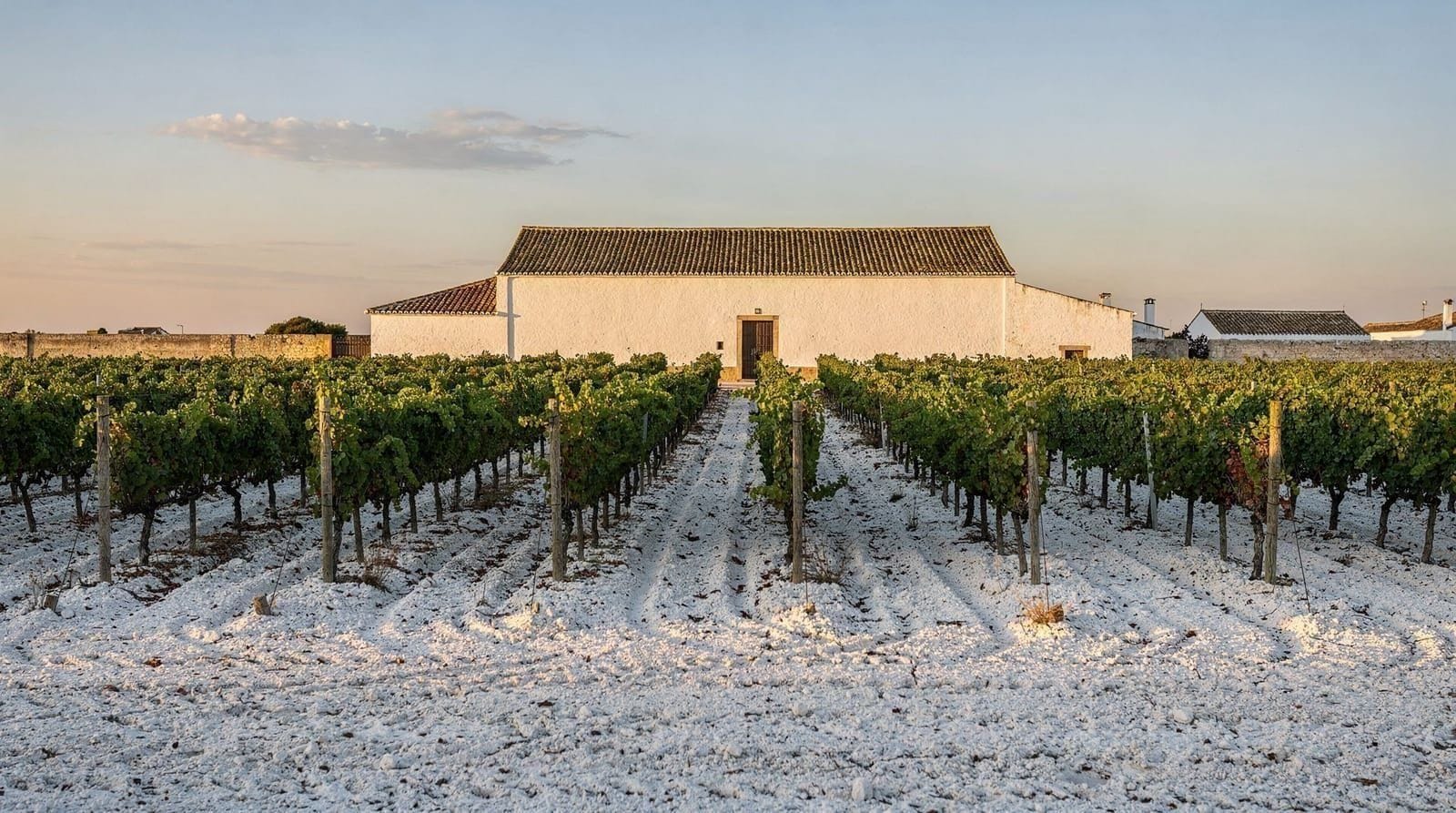
Sherry (Jerez in Spanish, Xérès in French) is a fortified wine produced in the Sherry Triangle — Jerez de la Frontera, Sanlúcar de Barrameda, and El Puerto de Santa María. The wine is aged by the solera system: rows of casks stacked three or four high, with wine progressively blended from newer to older barrels as the oldest wine is bottled. The result is a consistent, complex profile that single-vintage wine cannot replicate.
González Byass / Tío Pepe bodega: The largest and most famous, dating from 1835. The tour includes the historic cellars (named after Spanish cities and decorated with casks autographed by visiting royals, bullfighters, and celebrities), the Tío Pepe El Clásico winery, and the mice legend — trained mice that climb tiny ladders to drink sherry from miniature glasses. This sounds gimmicky but is a genuine company tradition. Tour duration: 1.5-2 hours with tasting. Price: from €26.90 depending on tour and tasting level. Book at gonzalezbyass.com.
Bodegas Lustau: More compact than González Byass, focused on quality production rather than tourism volume. The tour concentrates on the solera system and ageing. Good for visitors who want detail over spectacle. See the Lustau website for current prices. Located on Calle Arcos.
Bodegas Tradición: A premium small producer specialising in aged sherries and brandy. The bodega also houses a significant collection of Spanish old masters (Goya, Velázquez, Zurbarán) in the tasting room — an unusual combination. Expensive tours (€60 per person) but a serious experience for wine enthusiasts.
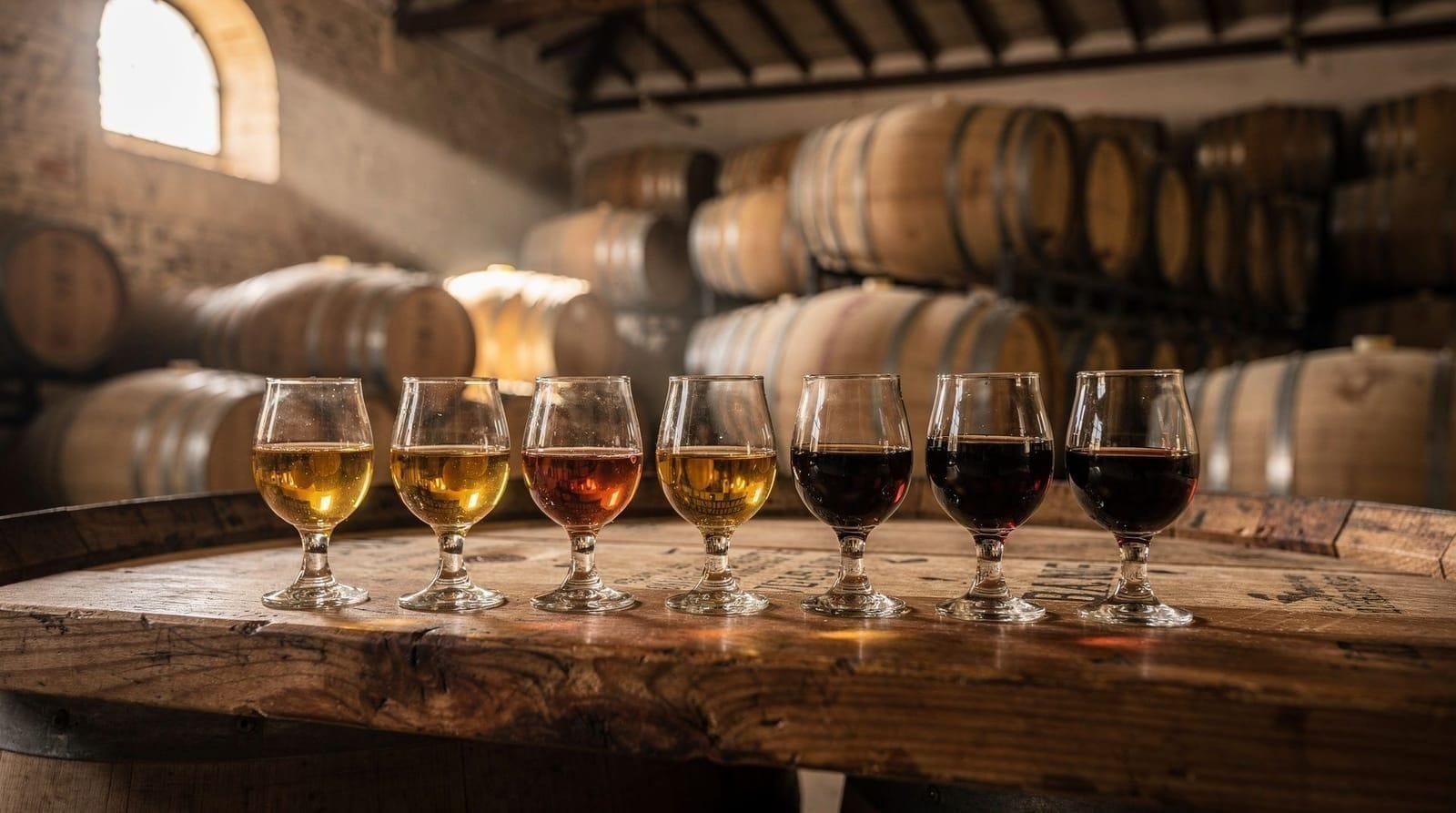
What to taste: Fino is the dry, light, flor-aged sherry that Spaniards drink chilled before lunch (not as a dessert wine — the British tradition is different). Manzanilla is the fino from Sanlúcar de Barrameda (saltier, lighter). Amontillado is a more oxidised, nuttier style. Oloroso is fully oxidised, dark, powerful. Pedro Ximénez is made from sun-dried grapes and poured over vanilla ice cream across Andalusia. Palo Cortado is rare, between Amontillado and Oloroso, prized by connoisseurs.
Real Escuela Andaluza del Arte Ecuestre
The Royal Andalusian School of Equestrian Art is one of the great riding schools of the world — comparable to the Spanish Riding School in Vienna and the Portuguese School of Equestrian Art in Lisbon. The Carthusian horse (Caballo Cartujano), bred at a Carthusian monastery near Jerez from the 15th century, is the breed used.
The main public performance is Cómo Bailan los Caballos Andaluces (“How the Andalusian Horses Dance”) — a choreographed equestrian ballet set to traditional music, held in the school’s main arena. Performances take place on set days that change through the year (check the calendar at realescuela.org), starting at 12:00. Duration: approximately 1.5 hours. Adult prices: €24-31 depending on seating.
On non-performance days, the school offers morning training sessions (entrenamientos) that are open to visitors — you watch the horses and riders train in the arena. These are less choreographed but in some ways more honest: you see the actual work. Price lower than full performances.
Booking: Essential for full performances. Online at realescuela.org. Tour operators running Jerez day trips from Seville may include Real Escuela tickets.
From Seville: Jerez, Cádiz and Andalusian horses day tripThe Santiago quarter and flamenco heritage
Jerez is, after Seville, the most important city in flamenco history — and in some styles (bulería, the fastest and most complex flamenco rhythm, is fundamentally from Jerez) it arguably supersedes Seville. The Santiago quarter, the historic Gypsy neighbourhood northwest of the cathedral, is where the flamenco tradition is concentrated.
Centro Andaluz de Flamenco (Palacio de Pemartín, Plaza San Juan 1): The national flamenco documentation and study centre, housed in a fine 18th-century palace. The archive contains films, recordings, and materials on flamenco history. The free exhibition is modest but the building is beautiful. Open Monday-Friday.
Peñas flamencas: Unlike the tourist tablaos of Seville, Jerez’s peñas are private clubs where flamenco is performed for enthusiasts without tourist packaging. Getting into a peña performance requires either local knowledge or advance contact. The most active are in Santiago.
Practical note: If you’re visiting during the Jerez Flamenco Festival (Festival de Jerez, typically February-March), book accommodation and performances well in advance — this is one of the best flamenco events in Spain.
The Alcázar and Cathedral
Jerez’s Alcázar is an 11th-century Almohad fortified palace — smaller than Seville’s but with its original mosque (now the chapel of Santa María la Real) largely intact. The hammam (Arab baths) inside are among the best-preserved in Andalusia. Entry €5 (€7 with the camera obscura).
The Catedral de San Salvador is a 17th-18th century Baroque building — architecturally less exceptional than either Seville or Cádiz’s cathedral but worth 20 minutes if you pass it. The adjacent Plaza de la Asunción, with the town hall and a Mudéjar portico, is pleasant.
Where to eat in Jerez
La Carboná (Calle San Francisco de Paula 2): In a former bodega space, one of Jerez’s most respected restaurants for traditional Jerezano cuisine. Rabo de toro, salmorejo, fresh tuna from the nearby coast. Lunch set menu around €25-35.
Bar Juanito (Calle Pescadería Vieja 8): An institution since 1945. Excellent tapas, outstanding sherry wine list at reasonable prices. Order at the bar — this is a locals’ place, not a tourist operation.
El Almacén (Calle Arcos): Wine-bar format with bodega-sourced sherries and good jamón.
Suggested itinerary
08:30 — Train from Santa Justa, Seville
09:30 — Arrive Jerez; walk or taxi to González Byass
10:30 — Bodega tour with tasting (González Byass)
12:30 — Lunch at Bar Juanito
14:00 — Real Escuela Andaluza (if performance day)
15:30 — Alcázar de Jerez
17:00 — Walk through Santiago quarter, Centro Andaluz de Flamenco
18:30 — Sherry bar before return train
19:30 — Train back to Seville (arrives ~20:30)
Choosing which bodega if you only have time for one
If your day is tight and the bodega has to be a single stop, González Byass is the safest default: the tour infrastructure is the most polished, English-language tours run frequently, and the sheer scale of the cellars gives a sense of what sherry production looks like at its largest. Visitors who already know their sherry styles and want depth over spectacle should choose Lustau instead — smaller groups, more focus on the solera system, and access to Almacenista bottlings that don’t appear on a standard tour. The full breakdown of every major bodega, including Bodegas Tradición’s aged VORS sherries, is in the Jerez bodegas guide.
Who this day trip suits
Jerez rewards visitors who like their sightseeing slow. If your Seville days have been packed with monuments, this trip is a change of register: fewer ticket queues, more time sitting at a bar with a glass in your hand. It suits couples and friends who enjoy food and wine, and anyone curious about how a drink they may only know from a supermarket shelf is actually made. It is also a good fit for travellers who have already seen the big Seville sights and want something with a different texture. If you are still deciding between destinations, the Córdoba day trip leans towards monuments and history, while Jerez leans towards tasting and atmosphere. The which Andalusian city to visit guide helps you weigh them up.
Families can make it work too, mainly because the horses are a draw for children, but the bodega tastings are an adult affair and the day is long. If you travel with kids, the Seville with kids guide has broader advice on pacing a trip around younger travellers.
Pacing the day well
The biggest mistake on a Jerez day is treating it as a checklist. Three headline experiences — a bodega, the horses, the flamenco heritage — can easily turn into a rushed run between appointments. A better approach is to anchor the day around one fixed booking, usually the bodega tour or the Real Escuela performance, and let everything else flex around it. Leave real gaps for lunch, because a Jerezano lunch is part of the point rather than a pause between sights.
Sherry is stronger than most people expect, and tasting several styles in the morning on an empty stomach makes the afternoon harder than it needs to be. Eat something before the tour, drink water between tastings, and save the more adventurous styles for the end of the day. If you plan to continue to the equestrian show after a tasting, build in a short walk through the old town first; the streets between the bodegas and the centre are pleasant and the fresh air helps.
Since the return train is part of the plan, keep an eye on the time as the evening sherry bar stretches out. The getting around Seville and public transport guides cover what happens at the Seville end once you are back at Santa Justa.
Booking an organised trip instead
Some visitors would rather not coordinate trains, tickets, and timings themselves. A guided day trip handles the transport and usually sequences a bodega visit with another highlight, which removes the planning but fixes the schedule. If sherry is the main draw, a trip built around tasting is worth a look, such as a sherry tasting day that pairs Jerez with Cádiz. If you would rather compare several formats first, the wine tours from Seville guide lays out how the options differ, and the sherry tasting in Seville guide is useful if you want a gentler introduction before committing to a full day out of town.
For a personal account of what the day feels like on the ground, the blog post on sherry and horses in Jerez is a good companion read. And if you are fitting Jerez into a longer plan, the Seville day trips itinerary shows how it can sit alongside other excursions without exhausting you.
Combining with Cádiz instead of a full Jerez day
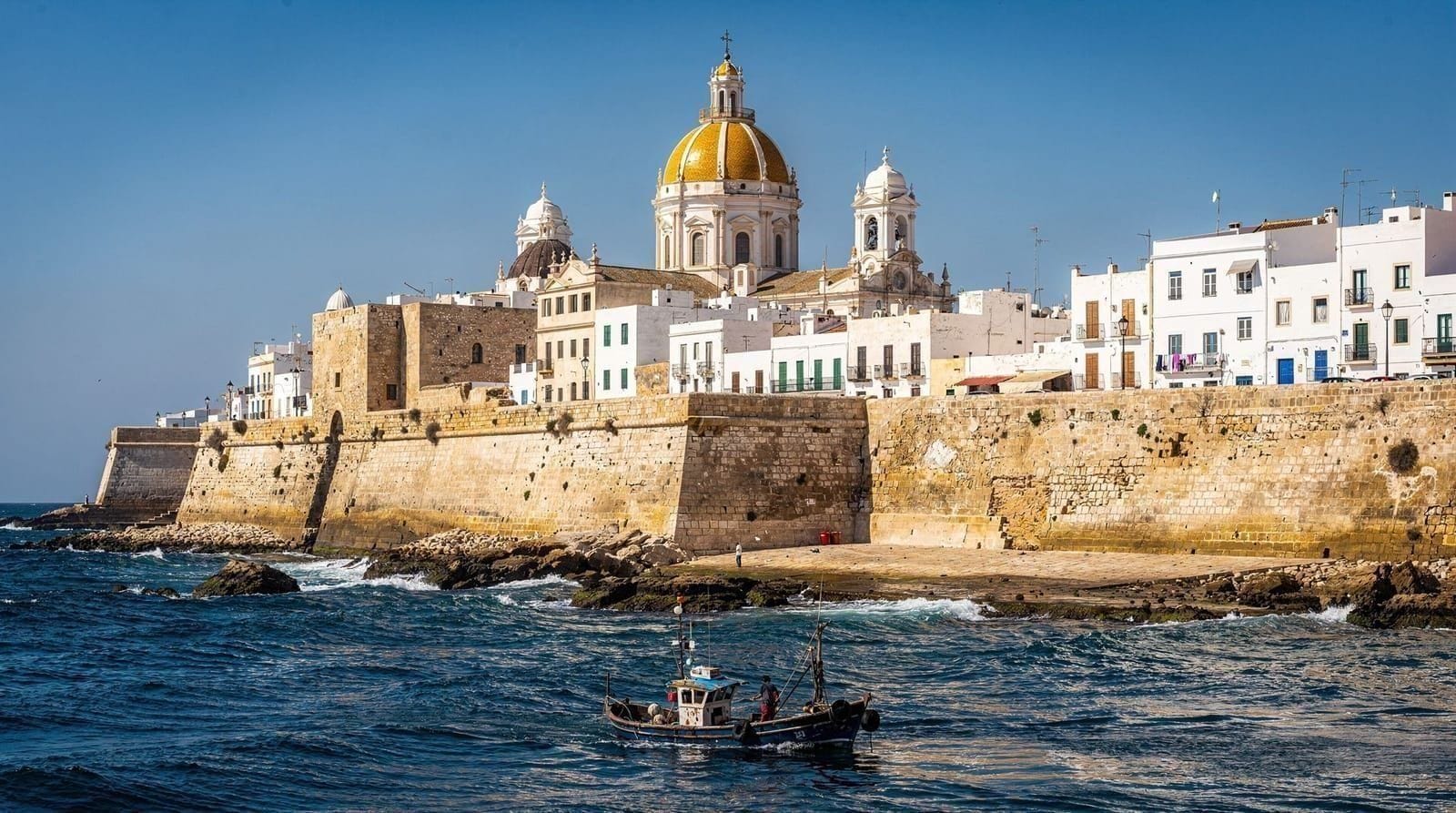
Some visitors prefer to split the day rather than spend it all in Jerez: a morning bodega tour followed by an afternoon train to Cádiz for the old town and seafront. It is a longer day than staying in Jerez alone, but it works because Jerez and Cádiz are only 30 minutes apart. See the Cádiz day trip from Seville guide for how to sequence it, and the day-trips-from-Seville overview for how Jerez compares to the region’s other options.
For the Jerez destination page, see Jerez de la Frontera. To plan a combined Jerez and Cádiz day, see Cádiz day trip from Seville. For sherry context, see the sherry guide to Andalusia and the wine tours from Seville guide.
Frequently asked questions about Jerez day trip from Seville
What is Jerez famous for?
Jerez de la Frontera has three main claims: sherry (Jerez in Spanish = Sherry in English — the wine takes its name from the city), Carthusian horses and the Real Escuela Andaluza del Arte Ecuestre (Royal Andalusian School of Equestrian Art), and flamenco as one of its historical heartlands. The holy trinity of Jerez is vino, caballos, and flamenco.Which sherry bodega is best to visit in Jerez?
González Byass (maker of Tío Pepe) is the most famous and has the most extensive tour infrastructure — the bodega includes historic cellars, ageing warehouses, and the famous mice that drink from miniature sherry glasses (a genuine marketing tradition going back generations). Lustau is smaller and more craft-focused. Bodegas Tradición specialises in aged sherries (Palo Cortado, Oloroso) and has a serious Spanish old masters art collection.How do I get tickets for the Real Escuela equestrian show?
Book directly through the Real Escuela website (realescuela.org) well in advance — the Cómo Bailan los Caballos Andaluces performances sell out weeks ahead. Adult tickets are €24-31 depending on seat location. Tours from Seville that include the horse show are convenient but pricier.Can I combine Jerez and Cádiz in one day?
Yes. Jerez is 30 minutes from Cádiz by train or bus. The most common combination is a morning bodega tour in Jerez and an afternoon in Cádiz. Reverse the order for a seafood lunch in Cádiz followed by an evening sherry at a Jerez bar. Both cities in one day from Seville is a long but doable 12-hour day.Is Jerez better as a day trip or worth an overnight stay?
A day trip covers the essentials comfortably: one bodega, lunch, and either the horse show or the old town. An overnight adds a second bodega, a peña flamenca evening in the Santiago quarter, and a more relaxed pace overall. For most itineraries, a day trip is enough — reserve an overnight for visitors specifically prioritising sherry or flamenco over Seville's own sights.
Top experiences
Bookable activities with verified prices and instant confirmation on GetYourGuide.