Sherry guide for Andalusia: fino, manzanilla, oloroso, and Pedro Ximénez explained
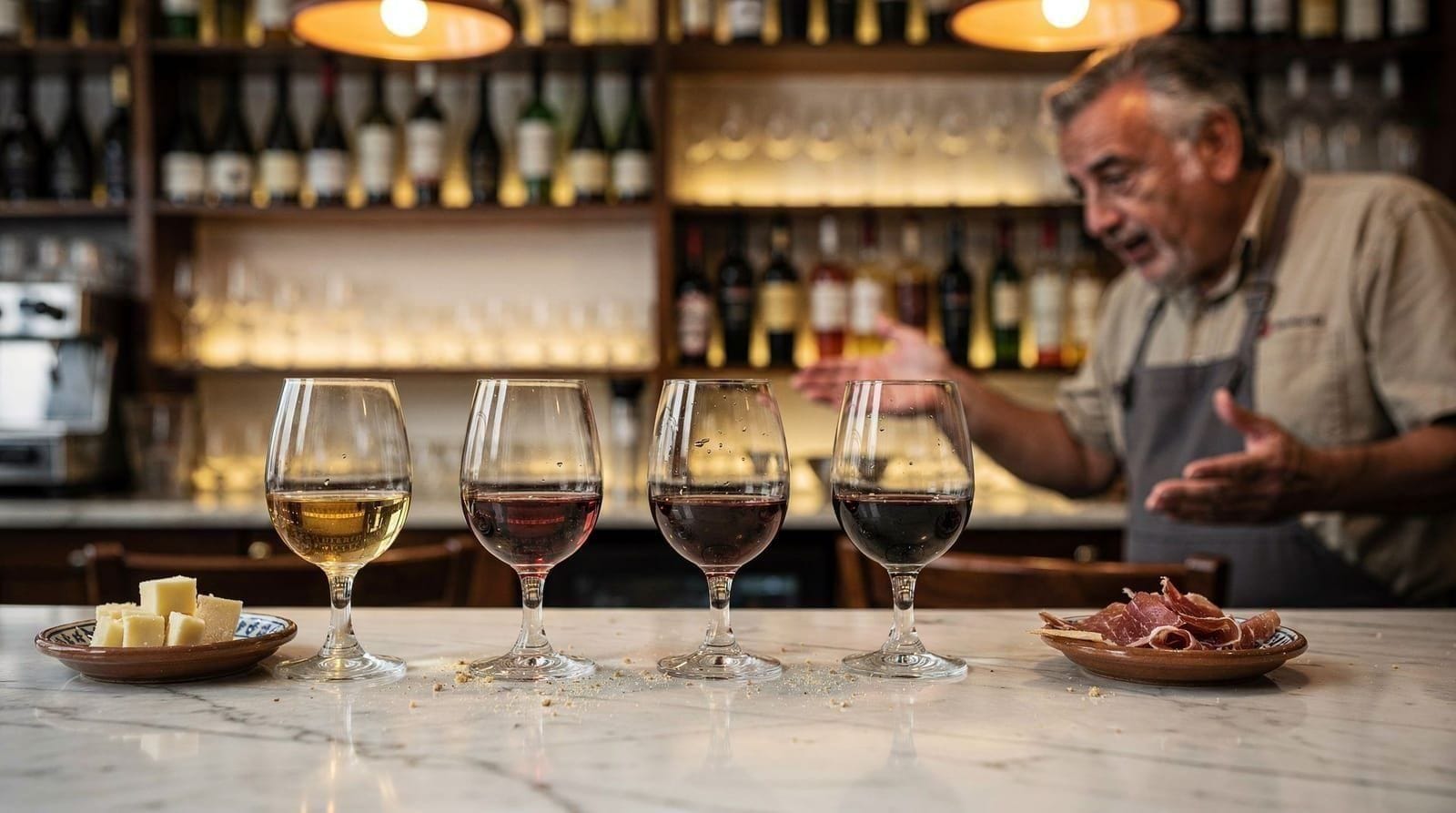
Seville: Sherry wine tasting with light snacks
What is sherry and where does it come from?
Sherry (Jerez in Spanish) is a fortified wine produced exclusively in the 'Sherry Triangle' — three towns in the province of Cádiz: Jerez de la Frontera, Sanlúcar de Barrameda, and El Puerto de Santa María. The wine is made from Palomino Fino grapes (and Pedro Ximénez for sweet styles), aged in a solera system where younger wine is gradually blended into older barrels. Major styles range from bone-dry fino and manzanilla to rich, sweet Pedro Ximénez.
Sherry is one of the most misunderstood wines in Europe. Its reputation in export markets — sweet cream sherry, cooking sherry, something your grandmother drank — bears almost no relation to what sherry actually is when produced seriously in its origin region and consumed as Andalusians drink it: cold, dry, and with food.
This guide covers the wine honestly: what the different styles actually taste like, where they come from, how to taste them well in Seville, and why the full bodega experience in Jerez is worth the 60-minute train journey.
| Where it’s from | The Sherry Triangle, Cádiz province |
| Best in Seville | Wine bars in Arenal and Triana, or a guided tasting |
| Full experience | Bodega tour in Jerez, around 1hr by train |
| Bodega tour cost | From around €22–27, 60-90 minutes with tasting |
| Start here | Chilled fino or manzanilla with jamón |
The Sherry Triangle: geography and climate
Sherry comes from one specific area in the province of Cádiz: the Sherry Triangle formed by Jerez de la Frontera, Sanlúcar de Barrameda, and El Puerto de Santa María. The Denominación de Origen Jerez-Xérès-Sherry covers this area exclusively — “sherry” as a term cannot legally be used for wines produced outside it.
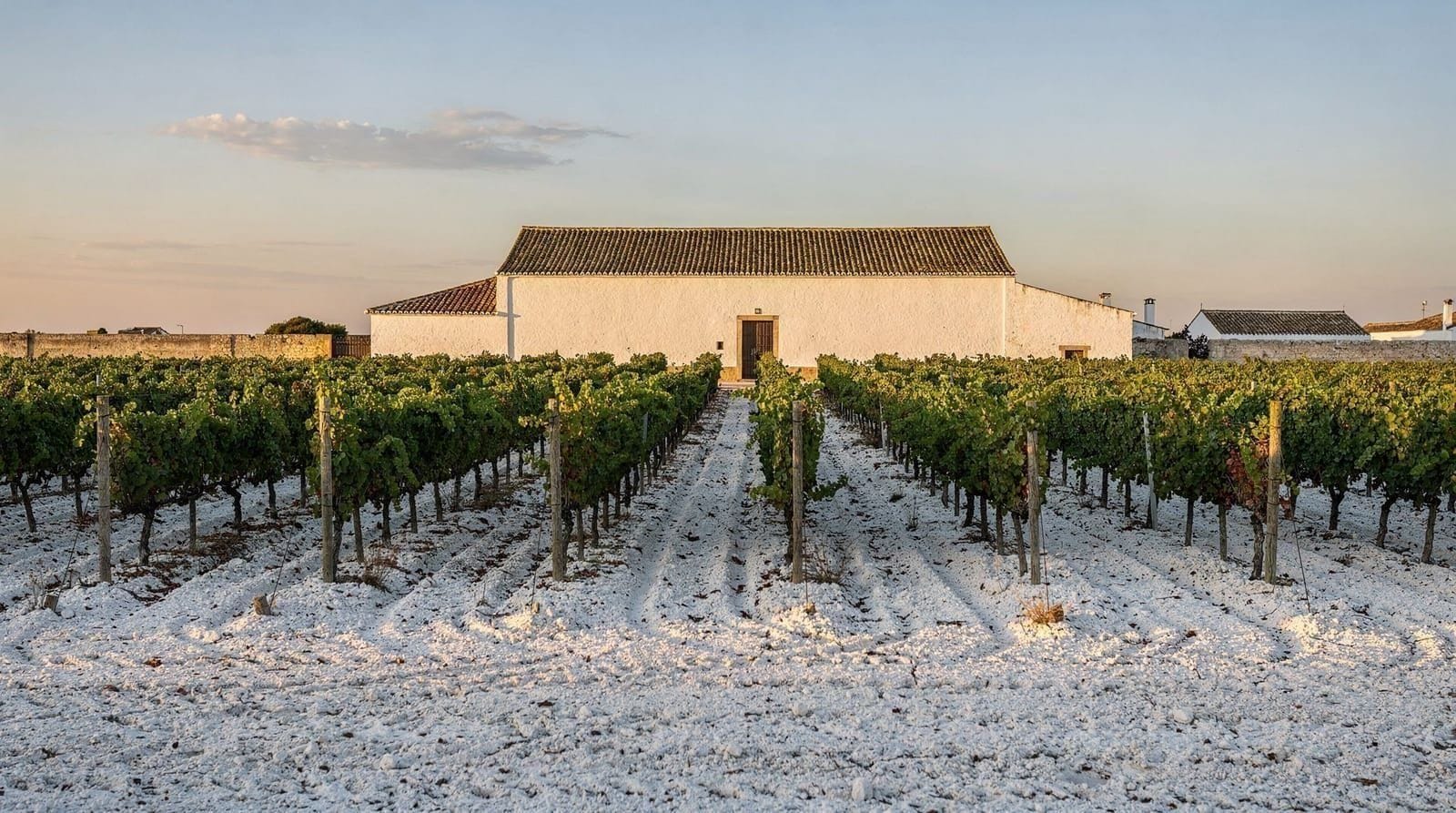
The triangle’s climate is defined by the intersection of two geographic factors: the hot, dry continental interior (where summer temperatures regularly exceed 40°C) and the cooling Atlantic influence from the coast. The chalky albariza soils absorb winter rain and release it slowly through the dry summer, sustaining the Palomino Fino vines through conditions that would kill most European wine regions.
Each town in the triangle has a distinct character:
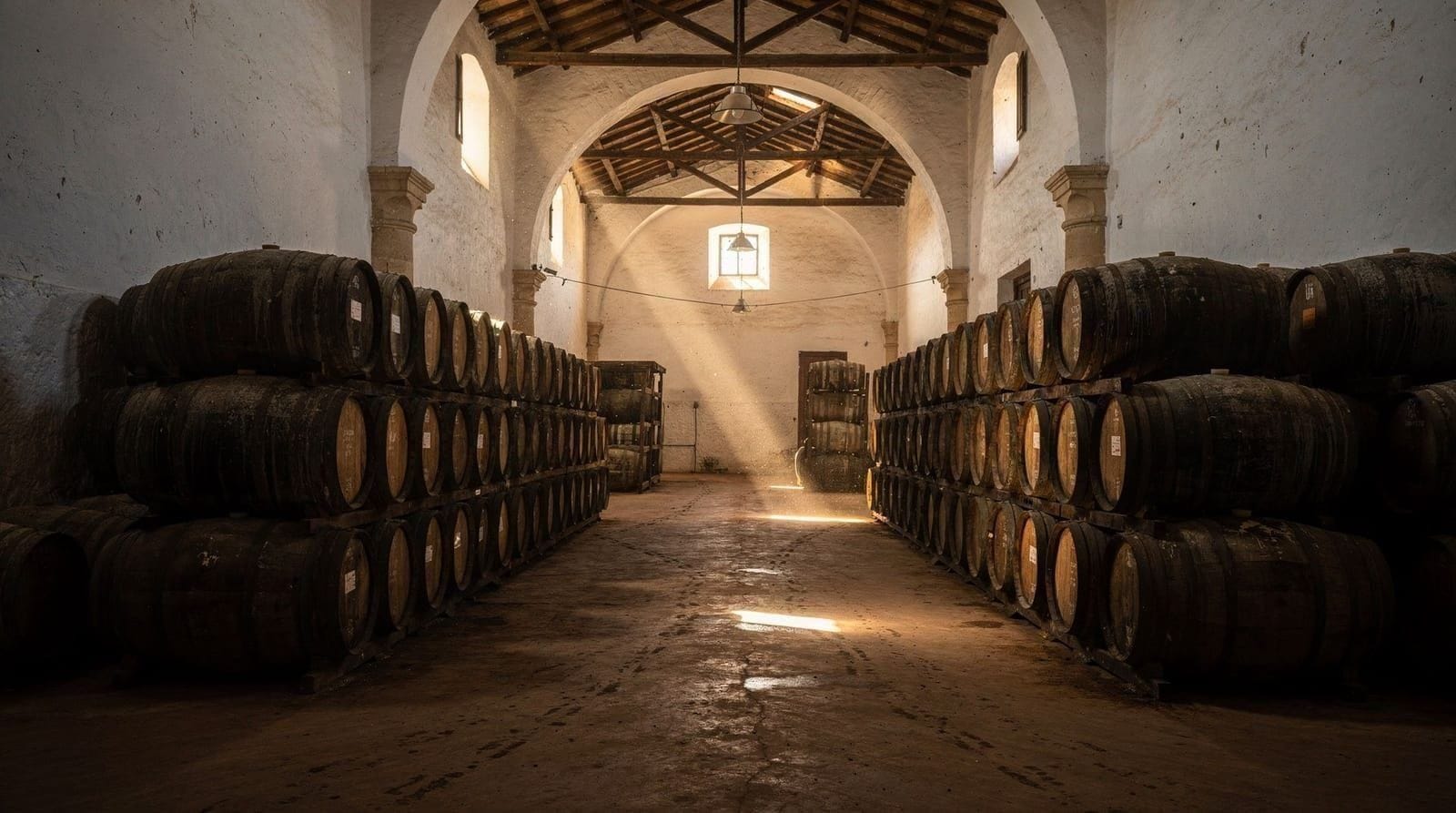
Jerez de la Frontera: The largest and most commercially developed. Home to the major sherry houses: González Byass (Tío Pepe), Bodegas Williams and Humbert, Lustau, Valdespino, and many others. The Jerez bodegas are some of the most impressive wine tourism destinations in Europe — cathedral-scale aging halls with gothic vaulted ceilings and tens of thousands of barrels.
Sanlúcar de Barrameda: A coastal town at the mouth of the Guadalquivir estuary (the same river that runs through Seville). Sanlúcar is the home of manzanilla — the fino variant that develops under the additional influence of Atlantic humidity and sea breeze. Manzanilla can only be called manzanilla if it is produced and aged in Sanlúcar. The town has a distinct, unhurried character; the bodegas here are less visited than Jerez and often more interesting.
El Puerto de Santa María: A port city on the Bay of Cádiz, midway between Jerez and Cádiz. Historically important as a sherry shipping hub. Several major houses have operations here, including Osborne and Terry.
The main styles: a practical guide
Fino
The driest and most versatile style. Made from Palomino Fino grapes, fermented to dryness, fortified to 15% ABV, and aged under a layer of flor yeast. The flor protects the wine from oxidation, keeping it pale yellow in colour with a clean, nutty, savoury character.
Serve: bone cold. Temperature matters — fino served at room temperature (which in Seville summer means 30°C+) is unpleasant. The standard serving size in a bodega is a chilled copita (small tulip-shaped glass) of 100ml. The wine oxidises quickly once open; a bottle of fino should ideally be consumed within 2-3 days of opening (though commercial bottles have longer shelf life due to refrigerated storage).
Flavour profile: Green apple, chamomile, almonds, brine. Dry finish with a slightly bitter edge.
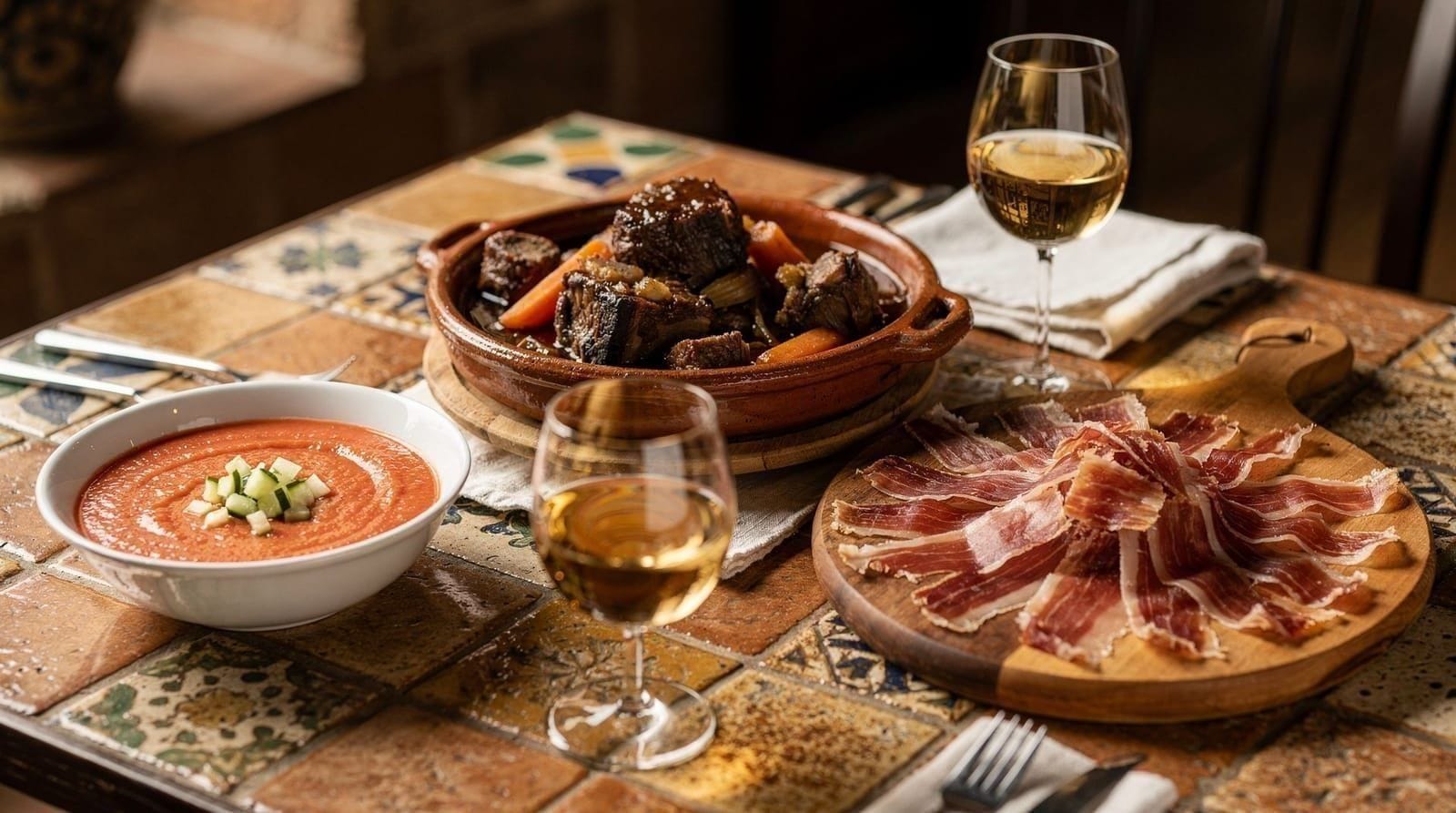
With food: Jamón ibérico, manchego cheese, gambas al ajillo, olives, fried fish. The combination of fino and jamón is one of the most symbiotic food-wine pairings in European gastronomy.
Manzanilla
Technically a fino, but produced and aged exclusively in Sanlúcar de Barrameda. The Atlantic influence produces more vigorous flor development and a distinctive salty, coastal character that no Jerez fino quite replicates.
Some producers offer manzanilla pasada — aged manzanilla that has developed additional complexity — which bridges the gap between fresh manzanilla and amontillado.
Flavour profile: All the characters of fino, plus distinctive marine salinity, sea air, and a slightly yeasty breadcrumb character.
With food: Everything fino pairs with, plus fresh seafood — langostinos from Sanlúcar are considered among the finest in Spain, and the local tradition of eating them with manzanilla is as embedded in Andalusian food culture as it gets.
Amontillado
A fino that has continued aging after its flor yeast dies or is killed off by gradual fortification to 17-18% ABV. The resulting wine undergoes oxidative aging, developing amber colour and a more complex flavour profile.
True amontillado is rare and relatively expensive. Much of what is sold as amontillado in export markets is blended and sweetened — a legitimate but different product.
Flavour profile: Dried fruit (figs, apricots), caramel, roasted nuts, tobacco, leather. Can be bone-dry or medium-dry.
With food: Cold meats, aged cheeses, dried fruit, white meat dishes. More versatile at the table than fino.
Oloroso
Fully oxidative from the start — no flor development. The wine is fortified to 17-18% ABV immediately, preventing flor formation, and ages in contact with oxygen. The result is a deep amber to mahogany wine with concentrated flavours and higher alcohol.
Dry oloroso is underappreciated. It is full-bodied, nutty, and complex without the sweetness of cream sherry. Many premium olorosos are sold as dry and are excellent with food.
Flavour profile: Walnut, dried fig, leather, espresso, dark caramel. Richer than amontillado, longer finish.
With food: Stews, game, roast meat, strong hard cheeses.
Pedro Ximénez (PX)
Made from Pedro Ximénez grapes that are sun-dried on mats (the traditional method) to concentrate their sugar content massively before pressing. The resulting must ferments partially and is then fortified, stopping fermentation and retaining extreme sweetness. PX wines are dark brown to almost black, viscous, and intensely concentrated.
The classic Andalusian deployment: pour PX over vanilla ice cream. The combination is not subtle, but it works.
Flavour profile: Dried figs, raisins, dark chocolate, molasses, espresso, dates. Long, persistent sweet finish.
Palo Cortado
The rarest and most elusive style. Palo cortado starts as a fino, develops flor, and then — for reasons that are still not fully understood and may involve specific microbial factors or batch variation — loses its flor and shifts to oxidative aging. The result has the colour and structure of an oloroso with the aromatic elegance of an amontillado: a combination that appears to contradict wine chemistry.
True palo cortado is expensive and limited in production. Most visitors will not encounter it at a casual tasting, but it is worth knowing it exists as the category’s benchmark of complexity.
Tasting sherry in Seville
Seville is an excellent starting point for understanding sherry before or after a Jerez day trip. Several venues offer dedicated tastings:
Sherry-focused wine bars: The Arenal district and Triana have several wine bars with genuine sherry lists — multiple houses, multiple styles, proper chilled service. Ask specifically for fino from different producers (Fino Tío Pepe from González Byass, Fino Quinta from Valdespino, La Ina from Lustau) to understand the range within a single style.
Guided sherry tastings in Seville: Structured tasting experiences that walk through 4-6 wines in sequence, often with tapas pairing, are the most educational format for visitors new to sherry.
Book a sherry tasting with snacks in Seville Book a sherry and tapas tasting experienceDay trip to Jerez for the full bodega experience
The sherry wines you taste in Seville bars are bottled products from the bodegas — excellent, but detached from their context. A day in Jerez gives you the context.
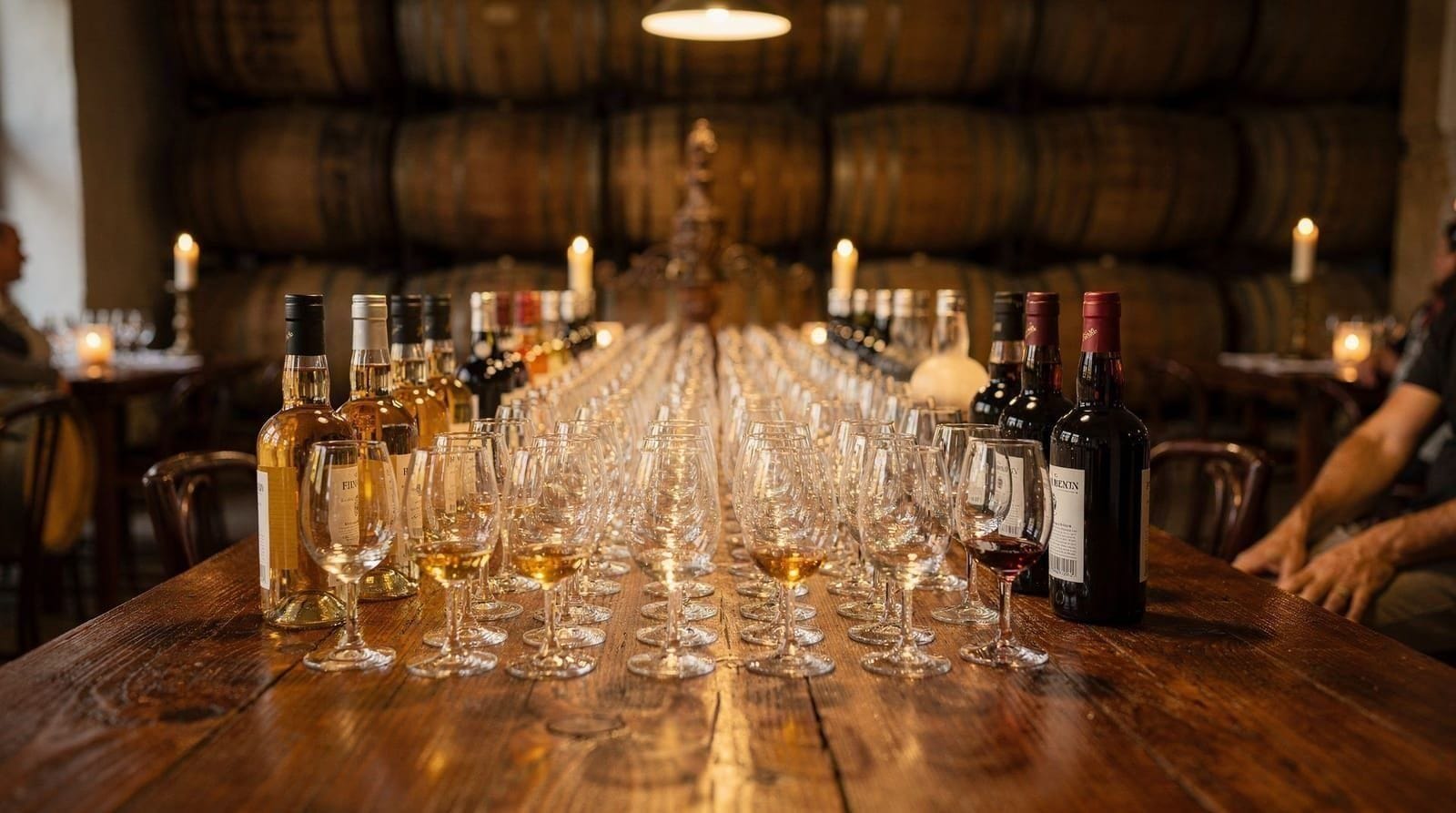
The major Jerez bodegas open for tours: González Byass (home of the iconic Tío Pepe brand, enormous cathedral-scale cellars), Bodegas Lustau (one of the most respected for quality across styles), Bodegas Sandeman (palatial premises, more tourism-focused), and others. Most offer 60-90 minute tours with tasting (from about €22–27 for a standard visit; check each bodega’s official website).
The Jerez bodega experience — walking through aging halls containing hundreds of thousands of barrels, understanding the solera system spatially, seeing the chalk marks on barrels that track the blending — is one of the most genuinely interesting food-and-drink experiences in Spain.
The Jerez day trip guide covers logistics, including train schedules (approximately 1 hour on Renfe) and which bodegas are most visitor-friendly. The dedicated Jerez bodegas guide covers specific bodega recommendations in detail.
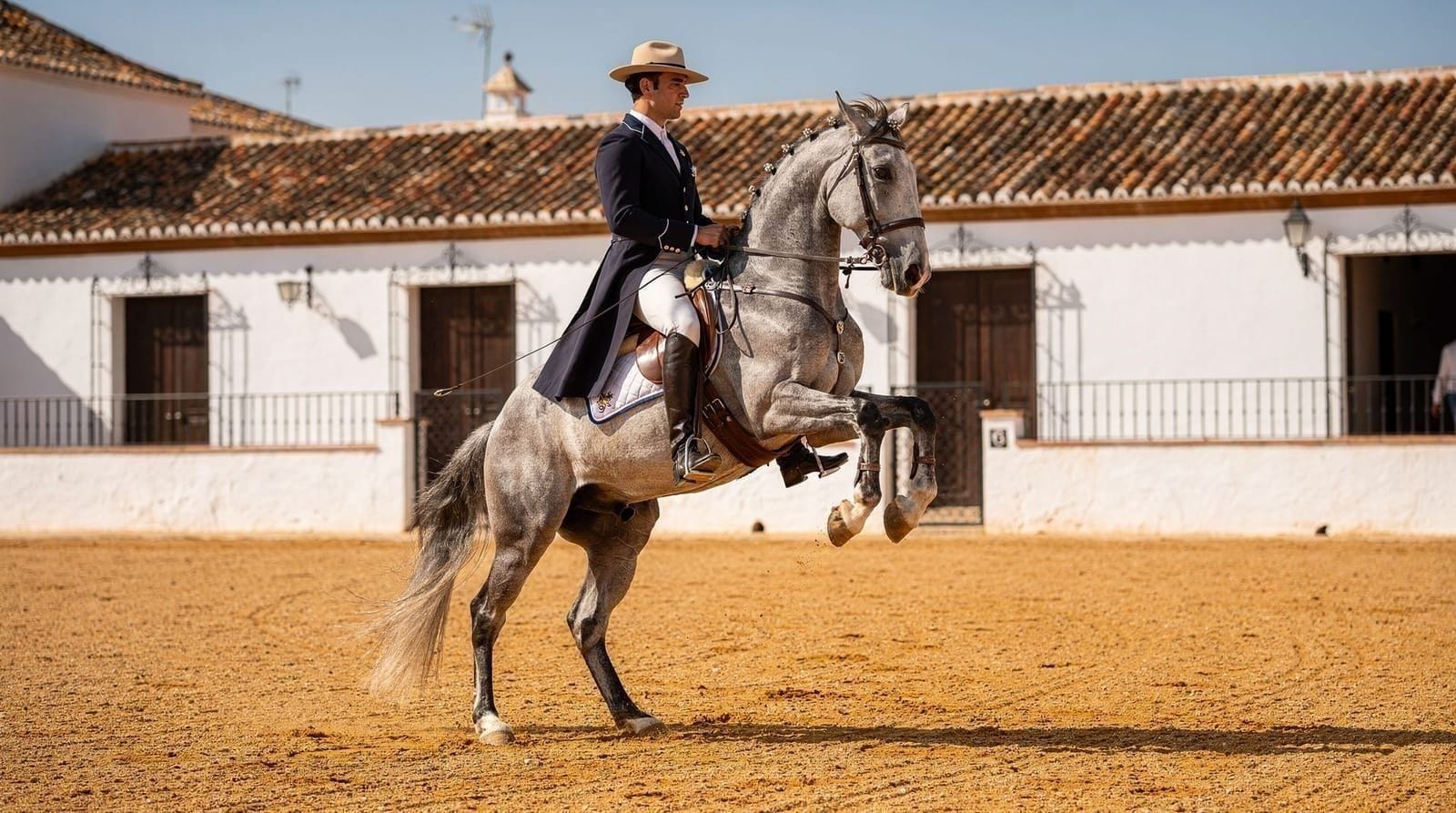
For those who want a combined Jerez wine and equestrian experience, the Real Escuela Andaluza del Arte Ecuestre — Jerez’s famous horse dancing school — runs public performances and can be combined with a bodega visit in a single day trip.
Book Jerez horse show and wine tour from SevilleA short sherry vocabulary
A few terms come up constantly at bodegas and wine bars, and knowing them makes tastings far more useful. Bota is the traditional name for a sherry butt (barrel), typically holding around 600 litres. Criadera refers to one of the intermediate rows in the solera system, where younger wine matures before being drawn down into older rows. Sacar and rociar describe the drawing-off and topping-up process that keeps the solera continuously blended. Venencia is the long, narrow tool — traditionally whalebone, now often silver or fibreglass — used to draw wine from deep in the barrel without disturbing the flor layer; watching a skilled pourer use one from a distance, filling a glass in a single arcing pour, is part of the theatre of a good bodega tour. Understanding these terms before your Jerez visit turns a tour guide’s explanation from background noise into something you can actually follow.
Buying sherry to take home
Sherry is one of the better-value souvenirs from an Andalusia trip: a good bottle of fino or manzanilla from a respected house costs a fraction of comparable-quality wine from other European regions, and Pedro Ximénez travels well and keeps almost indefinitely once opened, unlike fino. Supermarkets stock decent everyday bottles, but a dedicated wine shop in the Arenal or Triana quarters will have a wider range and staff who can talk you through what suits your taste, especially if you tell them what you tasted and liked. If you’re combining sherry with a broader food itinerary, see the traditional Andalusian dishes guide for the tapas that pair best with each style, and the wine tours from Seville guide for other regional wines worth exploring alongside sherry.
Sherry beyond Jerez: Cádiz and Sanlúcar
A day trip built around sherry doesn’t have to stop at the bodega door. Sanlúcar de Barrameda, the birthplace of manzanilla, is a low-key coastal town worth an hour or two beyond its bodegas — fresh seafood on the beachfront pairs naturally with the local wine. The city of Cádiz itself, a short hop further down the coast, makes a good combination with a Jerez visit if you have a full day rather than a half-day to spend in the Sherry Triangle. For visitors staying in Seville who want the tasting experience without the full day-trip commitment, the sherry tasting in Seville guide covers the best in-city options in more depth.
Building sherry into a wider trip
Sherry works best as a thread running through a trip rather than a single appointment. Spend one evening on a tasting in Seville, then give a full day to the Sherry Triangle once you have a feel for the styles. The Jerez de la Frontera destination page sets out what else the town offers beyond its bodegas, and the Sanlúcar de Barrameda page is the place to start if manzanilla is what drew you in. El Puerto de Santa María rounds out the triangle for anyone with time to see all three towns.
If you would rather let someone else handle the logistics, a guided day trip that links the sherry towns with the coast removes the planning, and a sherry tasting day trip taking in Jerez and Cádiz is the format that fits that need best.
Food is the other half of the story. Sherry only really makes sense next to a plate of something salty or fried, so it helps to read up on the best tapas in Seville before you go, and to understand the difference between barra and terrace pricing so a glass of fino at the counter does not cost you more than it should. Those who like the idea of a structured evening can compare options in the Seville tapas tours guide.
For the story told from the traveller’s side, the blog post on sherry and horses in Jerez gives a first-hand account of a day in town, and the Andalusia week itinerary shows where a sherry day fits among the region’s other excursions. If your plans are still loose, the best day trips from Seville will help you decide how much of your time the Sherry Triangle deserves.
Frequently asked questions about Sherry guide for Andalusia
What are the main styles of sherry?
The main styles are: Fino (pale, dry, nutty, under biological aging), Manzanilla (fino produced exclusively in Sanlúcar de Barrameda, with a distinctive salty, marine character from the Atlantic air), Amontillado (starts as fino but continues oxidative aging after the flor yeast dies, producing amber colour and dried-fruit complexity), Oloroso (fully oxidative aging, deep amber to mahogany, walnut and dried-fruit character, can be dry or sweetened), Palo Cortado (rare and complex — starts as fino, loses its flor, develops oloroso-like character but retains fino elegance), and Pedro Ximénez (intensely sweet, made from sun-dried PX grapes, dark brown, viscous, with flavours of dried fig, raisin, and dark chocolate).What food pairs with sherry?
Fino and manzanilla pair exceptionally well with jamón ibérico, fried seafood (especially gambas al ajillo, calamares), and tapas in general. The salinity and acidity cut through fat and complement savoury, salty flavours. Amontillado works with cured meats, aged cheeses, and mushroom dishes. Oloroso pairs with meat stews, game, and hard cheeses. Pedro Ximénez poured over vanilla ice cream is a classic combination — the contrast of cold, creamy, and intensely sweet works surprisingly well.Can I taste sherry in Seville or do I need to go to Jerez?
Both. Seville has excellent sherry bars and dedicated wine-tasting experiences. However, visiting a bodega in Jerez is a genuinely different experience — seeing the solera system in action, the scale of the aging bodegas (some hold tens of thousands of barrels), and the specific microclimate of the Sherry Triangle gives context that no bar tasting can replicate. Jerez is 1 hour from Seville by train; a day trip combining a bodega visit with a sherry tasting is entirely practical.What is the solera system?
The solera is the fractional blending system used to age sherry. Barrels are stacked in rows (scales), with the oldest wine at the bottom (the solera) and progressively younger wine above (the criaderas). When wine is drawn for bottling, it is taken from the bottom row, which is replenished from the row above, which is replenished from the row above that, and so on. This creates a continuously refreshed blend where no single barrel ever empties completely — some bodegas have soleras dating back to the 19th century.What is flor and why does it matter?
Flor (meaning 'flower') is a layer of yeast that forms naturally on the surface of fino and manzanilla sherries in barrel. This biological yeast film protects the wine from oxygen exposure and consumes glycerol (which would add sweetness), producing the dry, distinctive character of fino. Flor is temperamental — it is influenced by humidity, temperature, and the specific microclimate of the cellar. The Atlantic influence in Sanlúcar de Barrameda produces particularly vigorous flor, which is why manzanilla has its specific character.Is sherry popular in Spain?
Sherry has undergone a significant revival in Spain over the past decade after a period of association with older consumers and export markets. In Andalusia, fino and manzanilla are everyday drinks — a chilled glass of fino with jamón at a tapas bar is a completely normal lunch option. In Seville, the wine bars around the Mercado de Triana and in El Arenal serve a wide range of sherries by the glass. Young Spanish drinkers have rediscovered the category, particularly manzanilla and fino styles.Where is the best place to taste sherry in Seville?
Dedicated sherry bars (bodegas in bar format) in the Triana and Arenal quarters serve the widest range. Look for places with a proper sherry list showing multiple producers rather than just one house. Joined tasting experiences that pair sherry with specific tapas are the most educational format — the food component shows you how each style performs at the table.
Top experiences
Bookable activities with verified prices and instant confirmation on GetYourGuide.