Jerez bodegas guide: which sherry wineries to visit and how to plan your day
From Seville: Cádiz and Jerez sherry tasting day trip
Which bodegas in Jerez are best for visitors?
González Byass (Tío Pepe) is the most impressive for scale and visitor experience. Bodegas Lustau offers some of the best wine quality across styles. Bodegas Sandeman is tourism-focused and polished. For a smaller, more authentic visit, Bodegas Tradición specialises in very old sherries (VORS — Very Old Rare Sherry) and has a private collection of Spanish masters paintings. All offer a tour with tasting and benefit from advance booking; check current prices on each bodega's official website.
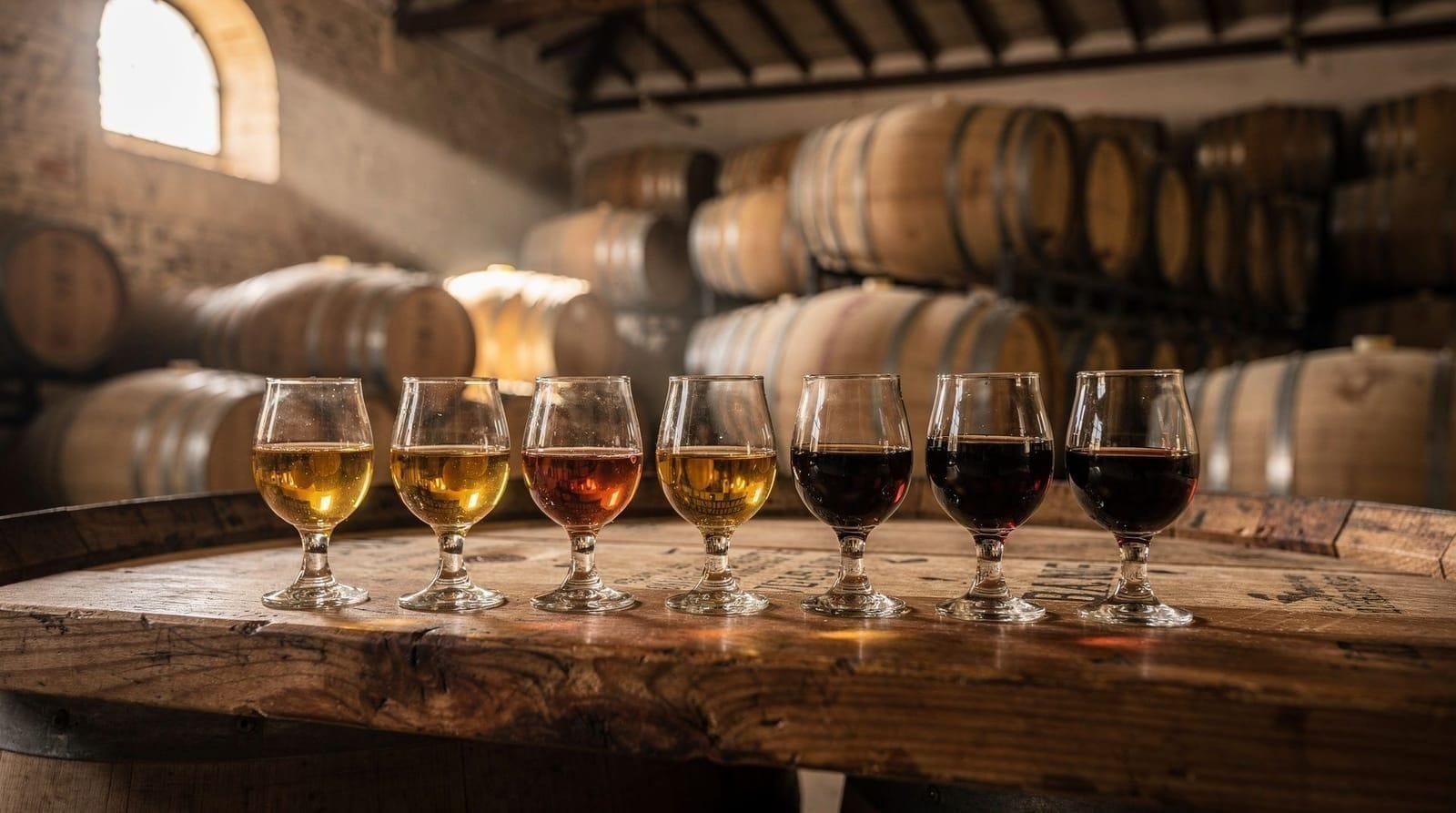
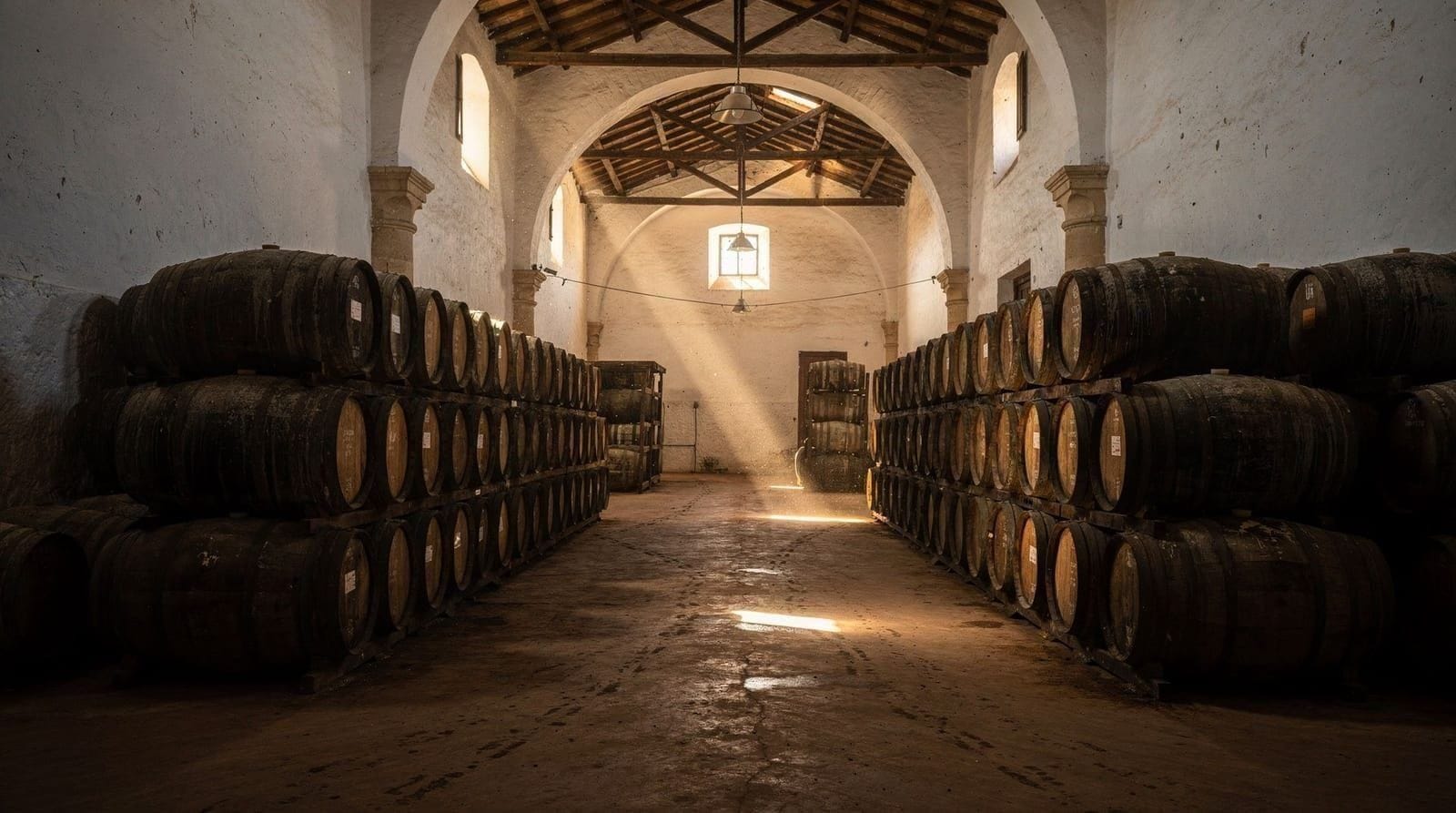
Jerez de la Frontera is where sherry is made, aged, and — at its best — understood. The city’s major bodegas are some of the most dramatic working wine production facilities open to the public in Europe: cathedral-scale halls with vaulted ceilings, tens of thousands of American oak barrels stacked in solera scales, and the persistent smell of wine evaporating through the wood (the “angel’s share”). A good bodega tour is one of the best food-and-drink experiences in Andalusia.
This guide covers which bodegas are worth visiting, how to plan the day, and what you will actually taste. For the fuller day-trip logistics — train times, the Real Escuela horse show, and where to eat — see the companion Jerez day trip from Seville guide.
| Where | Jerez de la Frontera, about 1h by train from Seville |
| Cost | from €26.90 (González Byass) per bodega tour with tasting; premium bodegas cost more |
| Time needed | half a day for one bodega; a full day for two bodegas plus lunch |
| Getting there | train from Santa Justa or an organised day trip |
| Best time | year-round; book 2-3 days ahead in March-May and September-October |
Why visiting the bodegas in person matters
You can taste excellent sherry in Seville bars. Understanding what you are tasting requires Jerez.
The solera system — the fractional blending method that creates sherry’s distinctive character — is an abstract concept on the page and an overwhelming physical reality in a bodega. Rows of barrels stacked three high extend for hundreds of metres in air cooled by the high ceilings and albariza chalk walls. The chalk marks on barrel ends track the blending history. The flor yeast on fino barrels is sometimes visible as a white film through the bung hole. This physical scale is not replicable in a bar context.
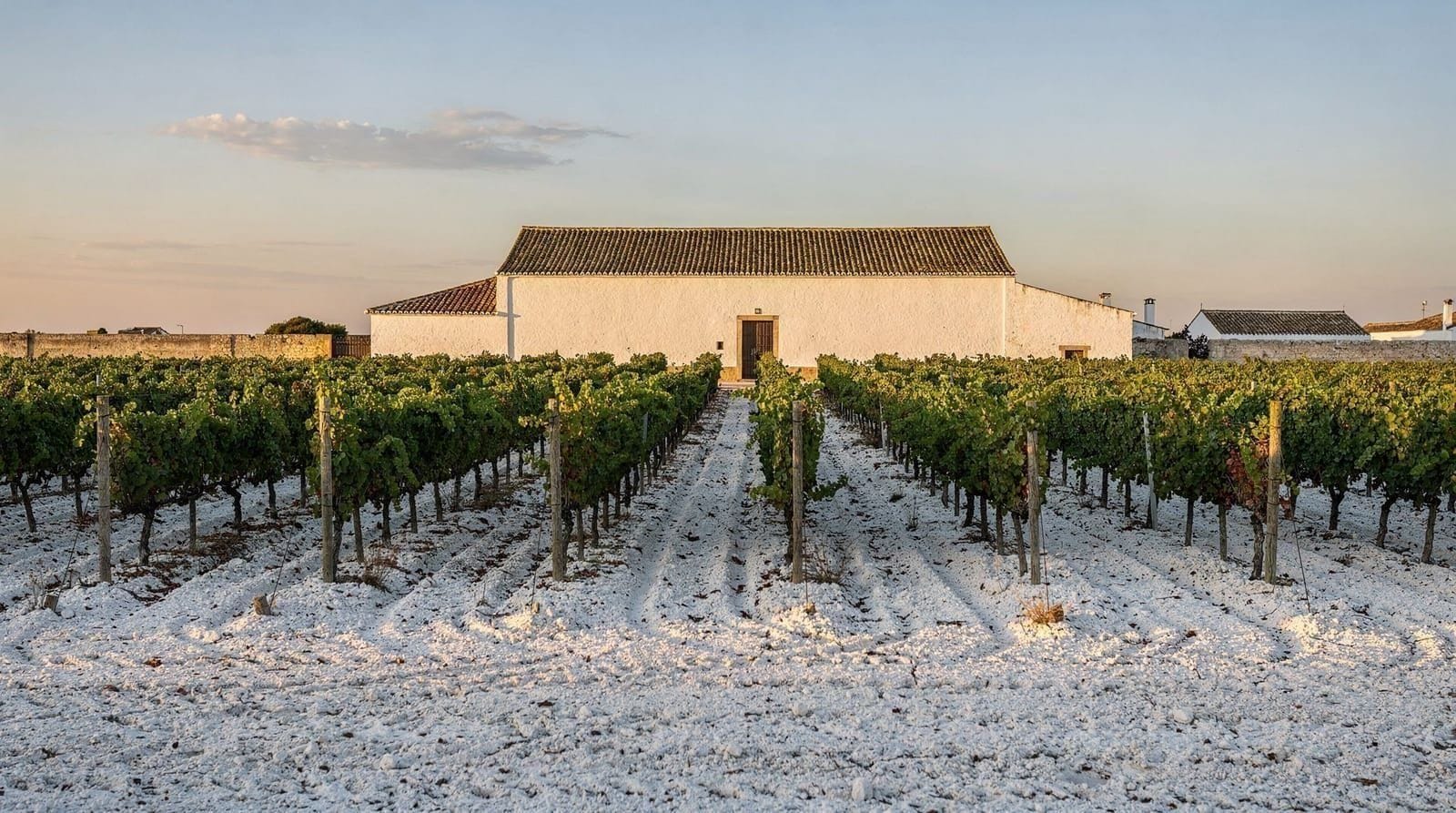
The specific microclimate of Jerez — the maritime influence, the albariza soils, the summer heat tempered by underground cellar temperatures — explains why the Sherry Triangle produces something that cannot be reproduced anywhere else. Seeing it in context makes this real rather than abstract.
Timing your visit: Bodegas are open and welcoming year-round, since the barrel halls are cool by design regardless of the season outside. If you can time a trip for September, the vendimia (grape harvest) brings a brief burst of activity to the region — some bodegas run harvest-themed events, and the smell of freshly pressed must occasionally reaches the older cellars. It is not essential to plan around, but it is a pleasant coincidence if your dates line up.
Bodegas González Byass (Tío Pepe)
The most visited bodega in Jerez and arguably the most impressive in terms of scale and visitor infrastructure. González Byass was founded in 1835 and the brand Tío Pepe — a fino named after the founder’s uncle — became the world’s best-known sherry. The bodega now operates as a significant tourist attraction with multiple tour options, a restaurant, and a well-run visitors’ centre.
What you see: The bodega complex covers multiple city blocks. Highlights include the Bodega de las Columnas (a spectacular round hall used for events), the cellars housing solera scales dating back to the 19th century, the barrel signed by royalty and public figures (Francisco Franco, Winston Churchill, Salvador Dalí), and the sherry-fed mouse colony that maintains a traditional rodent-control program (still functioning).
Tours: Standard tours run approximately 90 minutes and include tasting. Premium tours extend to 2+ hours with more wines. Multiple language options. Book in advance in high season.
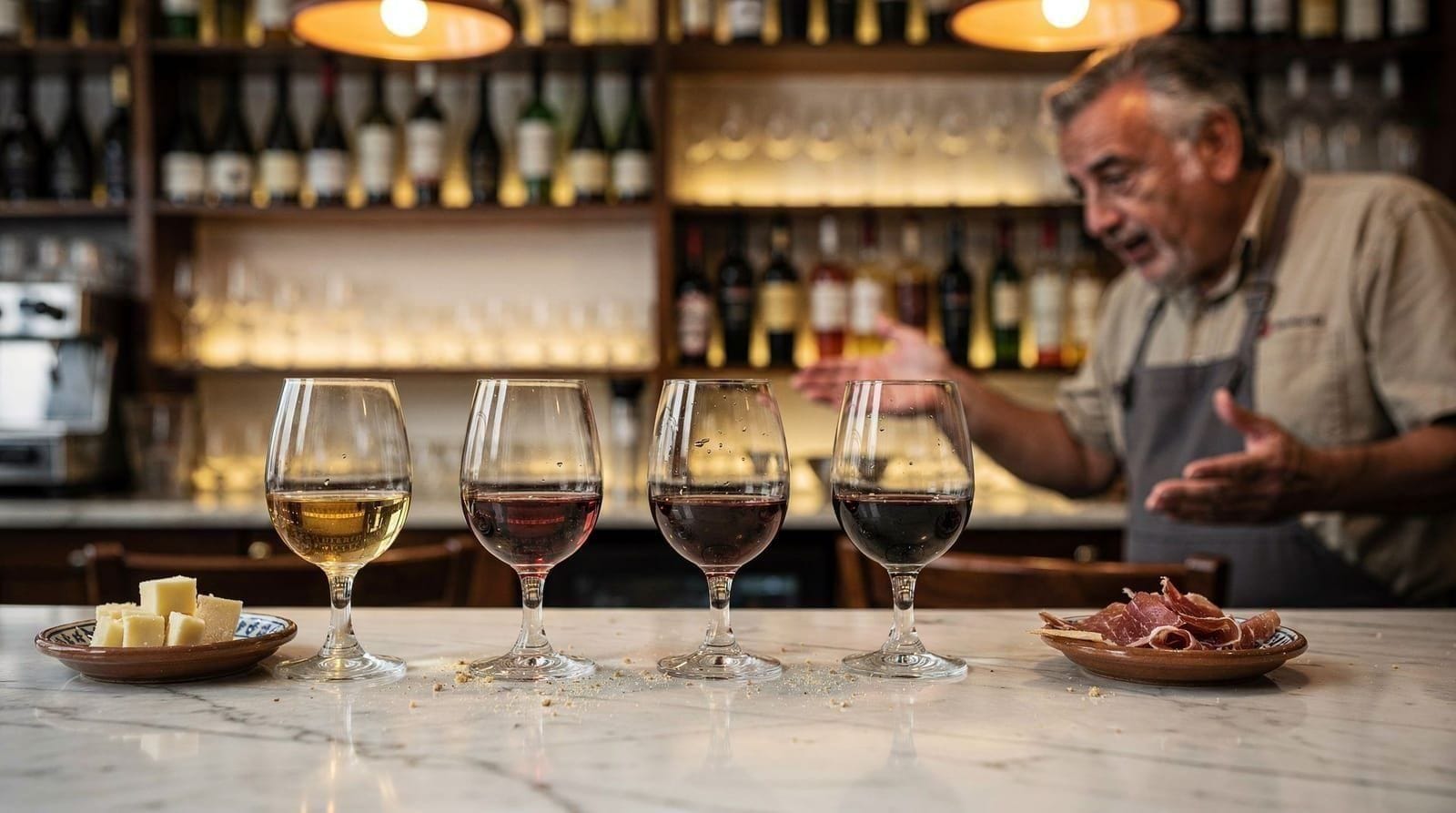
What to taste: The standard tour includes fino Tío Pepe, an amontillado, an oloroso, and a pedro ximénez. The quality across the range is reliable, with some exceptional single-barrel bottlings available at premium prices.
Price: from €26.90 per person with tasting, depending on tour option. Well worth it.
Bodegas Lustau
If González Byass is the largest and most impressive bodega in terms of scale, Lustau is among the most respected in terms of wine quality. Founded in 1896, Lustau has become known for its premium bottlings across all sherry styles, particularly its Almacenista sherries — small-production wines from independent growers that are purchased and bottled under the Lustau label.
What you see: The bodega itself is less spectacularly scaled than González Byass but more focused on the wine-making detail. The tour explains the solera system particularly well, and the focus on quality rather than volume makes the context feel more artisan.
What to taste: Depending on the tour option, you will likely taste fino La Ina, their manzanilla, an amontillado, an oloroso, and a pedro ximénez. The quality is consistently excellent. If you can access an Almacenista bottling in the tasting, this is the highlight — wines from very small single producers that showcase what the top end of sherry production looks like.
Price: see the Lustau website for current tour prices.
Book Jerez sherry tasting experienceBodegas Tradición
A smaller and less-visited bodega with a specific focus that makes it exceptional for serious wine visitors: Tradición specialises entirely in VORS sherries — Very Old Rare Sherry, the official designation for sherries aged over 30 years — and also maintains a private collection of Spanish Old Masters paintings (including works by Goya, Velázquez, and Zurbarán).
The combination of old sherries and serious art in a working bodega is unlike anything else in Jerez. The wines are not casual introductory tastings — amontillado, oloroso, and palo cortado aged 30+ years are complex, concentrated, and expensive. But for visitors who have already understood the basics of sherry styles, tasting these aged sherries is transformative.
Price: Higher than other bodegas due to the wine quality — €60 per person for the standard tour. Worth it for the right visitor; probably not for a casual introduction.
Real Escuela Andaluza del Arte Ecuestre: combining wine and horses
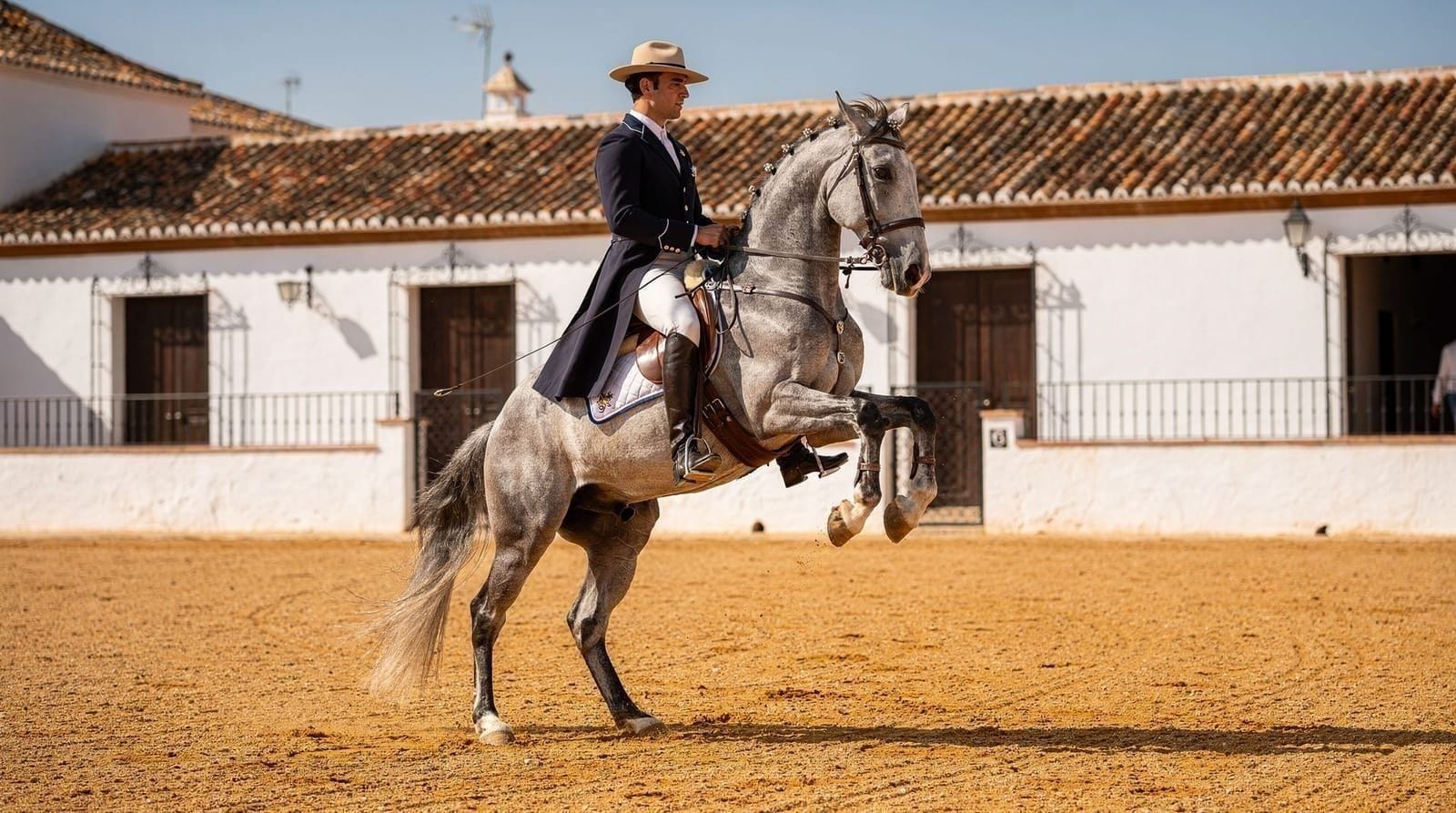
Jerez is equally famous for its horses. The Real Escuela Andaluza del Arte Ecuestre — the Royal Andalusian School of Equestrian Art — is one of the great equestrian institutions in the world. Their public shows “How the Andalusian Horses Dance” run on set days that change through the year, at about 12:00 (see the calendar on the Real Escuela website), with a full programme of dressage choreographed to Andalusian music.
The combination of a morning bodega tour, lunch in Jerez, and the afternoon horse show is one of the better full-day cultural experiences available in Andalusia.
Book Jerez horse show and wine tour from Seville Book Jerez horses and Cádiz day tripPlanning the day trip from Seville
Departure: First train from Santa Justa to Jerez runs around 07:00; multiple services follow. For a relaxed day, departing around 09:00 arrives in Jerez around 10:00, enough time to walk to the first bodega for a 10:30 opening.
Lunch: Jerez has a solid local restaurant scene significantly more affordable than Seville. Look for menú del día options in the streets surrounding the Catedral or the Barrio de Santiago. Local specialities include papas aliñás (dressed potatoes), tagarninas (thistles, a local vegetable), and excellent jamón.
Return: Last convenient trains back to Seville run around 21:00-22:00. A 17:00 or 18:00 departure gives time for bodegas, lunch, and either the horse show or a walk through the old town.
Organised tours from Seville: For visitors who prefer not to manage train logistics, organised day trips include transport, a bodega visit, and optional horse show.
Book private Jerez wine and equestrian experienceThe Barrio de Santiago: Jerez’s flamenco quarter
While in Jerez, the Barrio de Santiago — the historically Gitano neighbourhood in the city’s north — is worth walking. Jerez has its own distinct flamenco tradition parallel to Seville’s, and the Barrio de Santiago is its neighbourhood home. The Centro Andaluz de Flamenco (a free museum of flamenco history) is located here and provides good context for the Cádiz/Jerez flamenco tradition as distinct from Seville’s.
What to eat and drink in Jerez beyond the bodega
Jerez’s food culture is shaped by the same ingredients that define its wines. The local cuisine reflects the poverty-turned-refinement pattern common across Andalusia.
Papas aliñás: Boiled potatoes dressed with sherry vinegar, olive oil, onion, and parsley. Simple and perfect. The quality of the sherry vinegar (which in Jerez comes directly from the bodegas rather than from distant producers) makes this dish more interesting than it appears.
Tagarninas: A local green vegetable — essentially thistles — that appears in Jerez cooking in ways uncommon elsewhere. Tagarninas con huevo (thistles with eggs) is a traditional working-class breakfast.
Rabo de toro: Bull’s tail stew, a specialty that Jerez shares with Córdoba and Seville. Slow-braised in red wine (sometimes with a splash of oloroso sherry) until the meat falls from the bone. The most local version of the dish uses the toro involved in local corridas.
Bienmesabe: A sweet almond and honey sauce served over fried fish or as a dessert. Moorish origin, Jerez tradition.
Churros with chocolate: The standard Spanish morning accompaniment, but in Jerez specifically paired with a chilled copa of fino as a counterpoint — a combination that sounds wrong and tastes right.
The solera system in detail: what you see in the bodega
The solera system is the technical foundation of sherry and the most visually distinctive element of any bodega tour. Understanding it before you walk in makes the experience significantly more meaningful.
The scales (criaderas and solera): Barrels are arranged in horizontal rows (scales). The bottom row — the solera — contains the oldest wine. Above it are the first criadera (next oldest), second criadera (younger still), and so on up to the newest wine entering the system.
The withdrawal (saca): When wine is drawn for bottling, it is taken only from the solera — the bottom row. The amount withdrawn is typically 30-40% of the barrel’s volume per year.
The replenishment (rocío): After withdrawal, the solera is replenished from the first criadera, which is replenished from the second criadera, and so on up to the newest wine entering from the top. The “rocío” (dew) term reflects the deliberate gentleness of the process — wine is added through a basket or perforated container to minimise disruption.
The result: No individual barrel ever completely empties, and no wine is a single vintage. A sherry bottled today from a solera established in 1860 contains a tiny fraction of wine that has been in the system since the start. The system creates continuity and blended consistency across decades.
At González Byass, some solera barrels date to the 1840s. At Tradición, VORS (Very Old Rare Sherry) wines contain material from soleras of comparable age. What you taste in a glass of these wines is genuinely a connection across more than a century of production.
Jerez beyond wine: the town itself
Jerez is not only a wine destination. The historic city centre has several points of interest beyond the bodegas:
Jerez Cathedral (Catedral de San Salvador): A baroque building completed in the early 18th century on the site of a former mosque. The original Moorish tower (the minaret) still stands as part of the cathedral complex — a parallel to the Giralda in Seville. The interior is less spectacular than Seville’s Catedral but the tower provides views over the city.
Alcázar de Jerez: A smaller version of Seville’s Alcázar, with Almohad origins and subsequent Christian modifications. The hammam (Moorish baths) are particularly well preserved. Entry €5 (€7 with the camera obscura). The Alcázar is often overlooked by visitors focused on bodegas; it provides good context for the town’s history before the sherry trade dominated.
The Arenal district: Jerez’s version of Seville’s working-class Arenal — a neighbourhood around the central market with tapas bars and traditional architecture. The covered market (Mercado Central de Abastos) has a smaller but similar structure to the Triana market in Seville.
Driving through the vineyards: If you are in Jerez with private transport, driving through the albariza-soiled vineyard landscape around the town provides direct context for the growing conditions. The chalk-white soils are visually striking and unlike standard European viticultural landscapes.
Comparing the three Sherry Triangle towns for visitors
| Town | Best for | Travel from Seville | Infrastructure |
|---|---|---|---|
| Jerez | Full bodega experience, horses, city culture | 1h train | Excellent |
| Sanlúcar | Manzanilla, seafood, atmosphere | 1.5-2h bus | Moderate |
| El Puerto | Combination with Cádiz, Osborne visit | 1.5-2h | Good |
For a single day, Jerez is the clear choice. For visitors with 2+ days to allocate to sherry tourism, adding Sanlúcar to Jerez provides the full contrast between the two primary fino/manzanilla production towns.
Tasting sherry without leaving Seville
If a full day trip to Jerez does not fit your schedule, sherry is easy to taste properly inside Seville itself — bars across the historic centre pour a genuine range of fino, amontillado, oloroso, and pedro ximénez by the glass, and several venues run structured tastings that explain the solera system without the train journey. See the sherry tasting in Seville guide for where to go. It is a fair substitute for a first taste, but it does not replace standing inside a working bodega — the scale of the barrel halls is the part that a bar glass cannot reproduce.
For visitors who want a wider view of Andalusia’s wine regions beyond sherry alone, the wine tours from Seville guide covers the broader landscape, and the sherry guide to Andalusia is the deeper reference on styles and the Sherry Triangle.
Combining Jerez with Cádiz
Jerez sits only 30-40 minutes from Cádiz by train or bus, which makes a combined day genuinely practical if you are prepared to move at pace: a morning bodega tour in Jerez, then an afternoon in Cádiz’s old town and seafront. It works better in that order — bodega tours run to a schedule, while Cádiz’s old quarter and seafood bars are flexible into the evening. See the Cádiz day trip from Seville guide and the Cádiz destination page for the full logistics of that half of the day.
Before you go: preparing your palate and your day
A bodega visit lands better if you have already tasted a little sherry at home base. Spending an evening in Seville’s tapas bars beforehand, with a glass of fino alongside the food, gives you a reference point for the styles you will meet in the barrel halls. The best tapas in Seville guide and the Seville food tour guide are good starting points, and the traditional Andalusian dishes guide explains many of the dishes that sherry is meant to accompany.
If you would rather not manage trains, tickets and timings yourself, an organised day can bundle the bodega, the tasting and the transport. The day trip that pairs a sherry tasting in Jerez with a visit to Cádiz is the simplest way to see both cities without planning each leg. The wine tours from Seville guide compares the options side by side.
Where Jerez fits in a longer trip
Jerez works well as one chapter of a wider Andalusian plan rather than a stand-alone outing. The Seville day trips itinerary and the best day trips from Seville guide show how to place it next to Córdoba, Ronda or Cádiz, while the Jerez de la Frontera destination page gives the wider picture of the city. If you are still deciding how to spend your days, the Seville in 3 days for foodies itinerary leaves room for a food-and-drink day like this one, and our Jerez sherry and horses trip report shows how the day felt in practice.
Frequently asked questions about Jerez bodegas guide
How do I get from Seville to Jerez?
Train from Seville Santa Justa station: approximately 1 hour (Renfe Cercanías and medium-distance services; check current fares on the Renfe website). Trains run multiple times daily. The Jerez train station is in the modern part of the city, about a 15-minute walk to the historic centre and main bodegas. Alternatively, organised day trips from Seville handle transport and include a bodega visit plus tasting.Do I need to book bodega tours in advance?
For major bodegas (González Byass, Lustau) in high season (March-May, September-October), booking 2-3 days ahead is advisable. González Byass in particular can sell out on weekend mornings. Smaller bodegas are more flexible. Most allow online booking through their websites or through tour platforms.How long should I allow for a Jerez bodega visit?
A standard guided tour runs 60-90 minutes, including the tasting. If you are visiting two bodegas and eating lunch in Jerez, allow 5-6 hours in the city. A full day combining a bodega, lunch, the old quarter (cathedral, old town), and possibly the Real Escuela Ecuestre (horse dancing school) is entirely practical.What other attractions are in Jerez besides bodegas?
The Real Escuela Andaluza del Arte Ecuestre is world-famous — their 'How the Andalusian Horses Dance' shows run on set days that change through the year (see the Real Escuela calendar). The Jerez cathedral (Gothic, with an original Mudéjar tower). The Alcázar de Jerez (smaller than Seville's but well-preserved). The flamenco tradition in Jerez's Barrio de Santiago. And the general pleasure of a small Andalusian city less touristically saturated than Seville.Is a Jerez bodega day trip worth it if I am not a big wine drinker?
Yes, with the right expectations. The tour itself is as much architecture and history as it is wine — vast 19th-century barrel halls, the solera blending system explained in person, and stories that range from royal signatures on casks to a resident mouse colony. Sip rather than finish each pour if the tastings are not your priority, and pair the bodega with the Real Escuela horse show or the old town so the day does not rest on sherry alone.
Top experiences
Bookable activities with verified prices and instant confirmation on GetYourGuide.