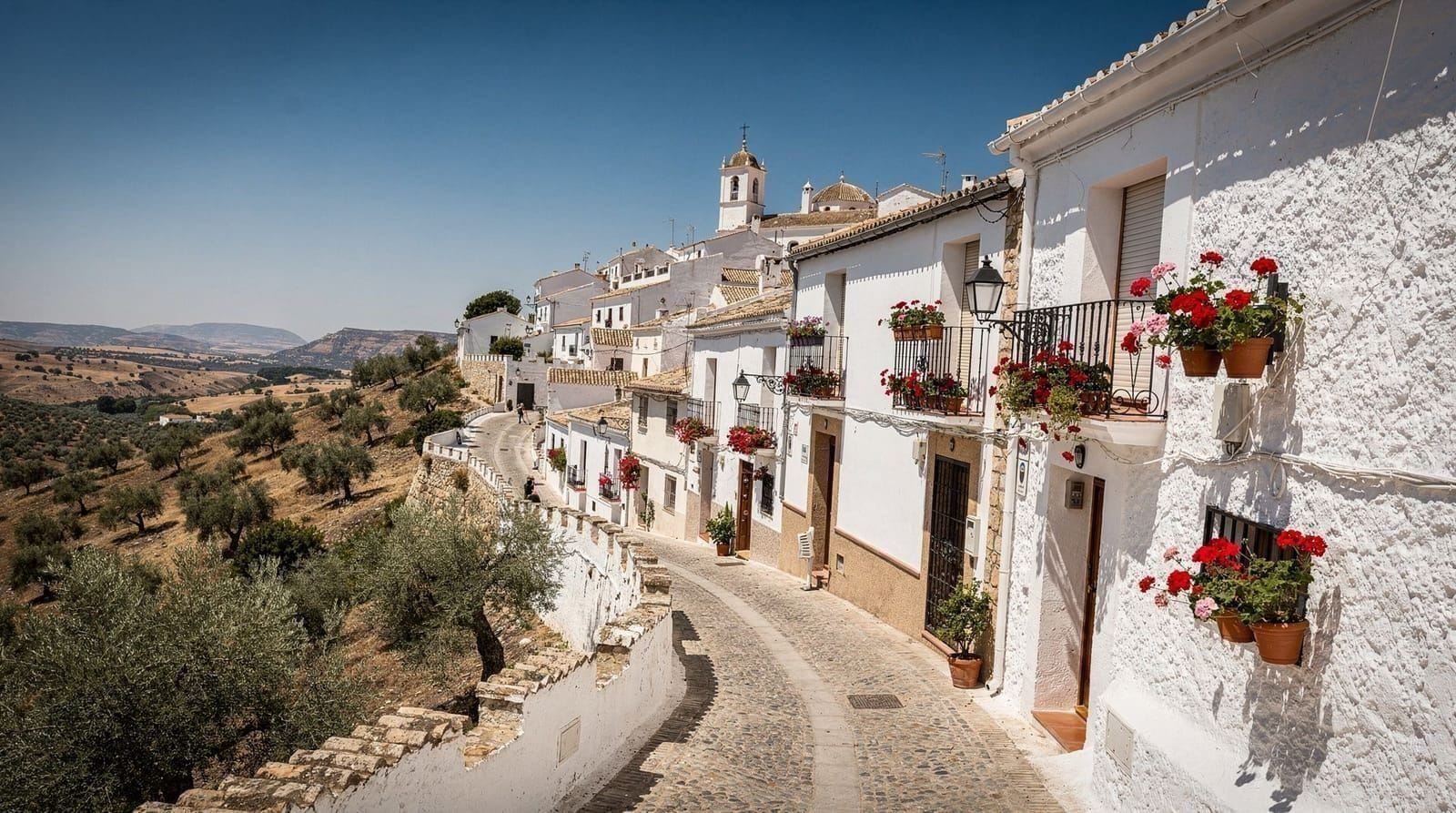
Arcos de la Frontera
Arcos sits on a vertical cliff above the Guadalete river. One of Andalusia's most dramatically sited towns. Day-trip guide from Seville.
From Seville: White towns and Ronda day trip
Quick facts
- Best for
- Clifftop views, medieval old town, white village atmosphere
- Days needed
- Half day
- Getting there
- Car from Seville 1h, or guided tour
- Peak crowds
- Spring weekends and Easter week
- Currency
- EUR
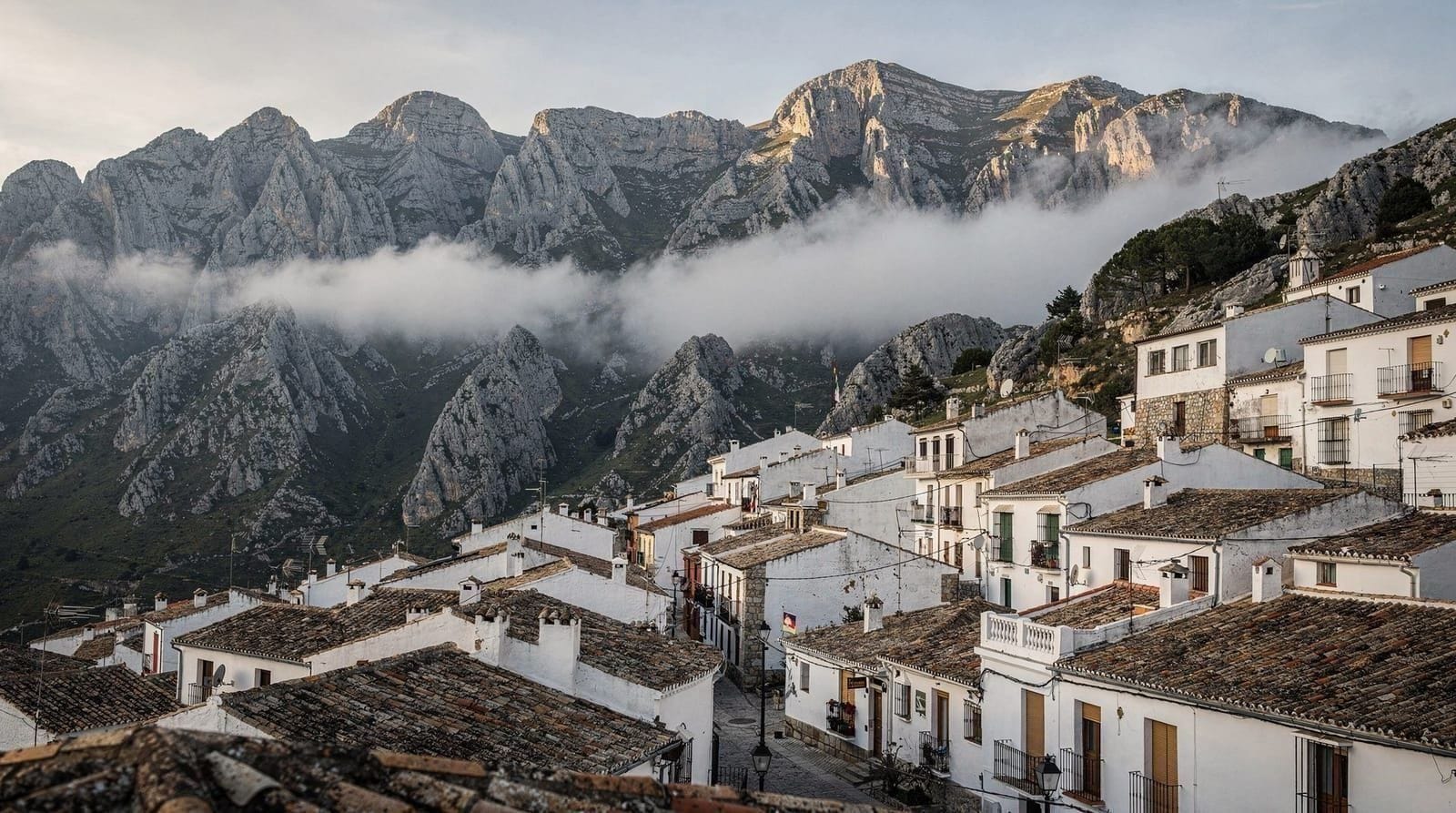
Arcos de la Frontera is the largest and most western of Andalusia’s classic pueblos blancos. It sits on a 120-metre limestone ridge above the Guadalete river, with the cliff dropping almost vertically on three sides of the old town. The panoramic view from the Plaza del Cabildo — where the Parador terrace extends to the cliff edge — is one of Andalusia’s finest.
| Where | Cádiz province, around 1h from Seville by car |
| Cost | Free to wander; church entries €2–4, Parador terrace drink €3–5 |
| Time needed | Half day (2–3 hours); more if combined with Jerez or Grazalema |
| Getting there | Car (easiest), guided day tour, or infrequent COMES bus |
| Best time | March–May and September–November; narrow streets are tough in August heat |
The setting
The old town (La Villa) is a maze of narrow streets on the ridge top, whitewashed and flower-laden, climbing toward the castle and the two main churches. The streets are genuinely narrow — some are too narrow for a car to pass a pedestrian simultaneously. The streets were designed for donkeys, not tourism, and retain that scale.
The dramatic position means the view is the main attraction. From the Plaza del Cabildo, the land drops 120 metres to the embalse (reservoir) of Arcos below. The valley spreads across to distant sierra profiles. In spring, the greenery is intense against the white walls.
What to see
Basílica de Santa María de la Asunción: Flamboyant Gothic portal built in the 15th century, with later Baroque modifications. The bell tower is built into the old Moorish ramparts. Entry €4 (church and tower).
Iglesia de San Pedro: the rival church, visible from outside the old town with its distinctive tower. Entry €2.
The castle (Castillo Ducal): medieval castle now in private hands (owned by a local noble family). No public access inside, but the exterior profile from the Calle Nueva viewpoint is excellent.
Parador de Arcos de la Frontera (Plaza del Cabildo): even without a room booking, the parador bar terrace is accessible and offers the best clifftop view in the village. A coffee or beer costs €3–5.
Getting to Arcos from Seville
By car: about 1 hour via the A-4 south and then local roads. Parking in the old town is very limited — use the car park at the entrance to the old town and walk up. Driving in the old town is inadvisable and occasionally impossible for standard-sized vehicles.
By guided tour: The white towns and Ronda day-trip from Seville covers Arcos along with other white villages and Ronda. The White villages and Ronda tour is a full-day option covering the western reaches of the Serranía.
Public transport: buses from Seville run to Arcos with COMES/Comes Transportes; journey about 1h30, with infrequent connections. Not ideal for a half-day visit.
If you are still deciding between a car and an organised day, the white villages day trip guide lays out how the two approaches differ, and getting around Seville is useful for planning how you leave the city in the morning and return in the evening.
Where to eat
El Convento (Marqués de Torresoto 7): one of the best restaurants in the white villages region. Local game, Iberian pork, and river fish. Budget €20–35 per person.
Bar El Faro (Calle Debajo del Corral): standing-room tapas bar with good local cheese (queso de Grazalema — creamy sheep’s milk cheese from the nearby village) and jamón. Budget €8–12.
Bar La Carcel (Calle Dean Espinosa): reliable menú del día around €12.
White villages circuit context
Arcos sits at the western end of the white villages zone. From Arcos:
- Jerez de la Frontera: 33 km (30 min)
- Grazalema: 50 km east (55 min)
- Ronda: 85 km east (1h30)
A combined Arcos and Jerez day from Seville is efficient, covering the Cádiz province white village and the sherry capital in one day. See the day-trips guide for combinations.
For the Jerez half of that day, the Jerez de la Frontera destination page and the Jerez day trip guide cover the town itself, while the Jerez bodegas guide helps you choose a sherry cellar if a tasting fits your afternoon. Anyone who prefers to see the coast rather than the sierra can look at Cádiz instead, and the Andalusia week itinerary shows where a stop in Arcos can sit inside a longer trip.
Arcos versus the other white villages
Arcos is not the only pueblo blanco worth a Seville day trip, and it is worth being honest about how it compares to its neighbours before committing a full day to it.
| Village | Distinctive feature | Best for | Distance from Seville |
|---|---|---|---|
| Arcos de la Frontera | Vertical clifftop setting above the Guadalete | The single most dramatic view, easy access | ~1h |
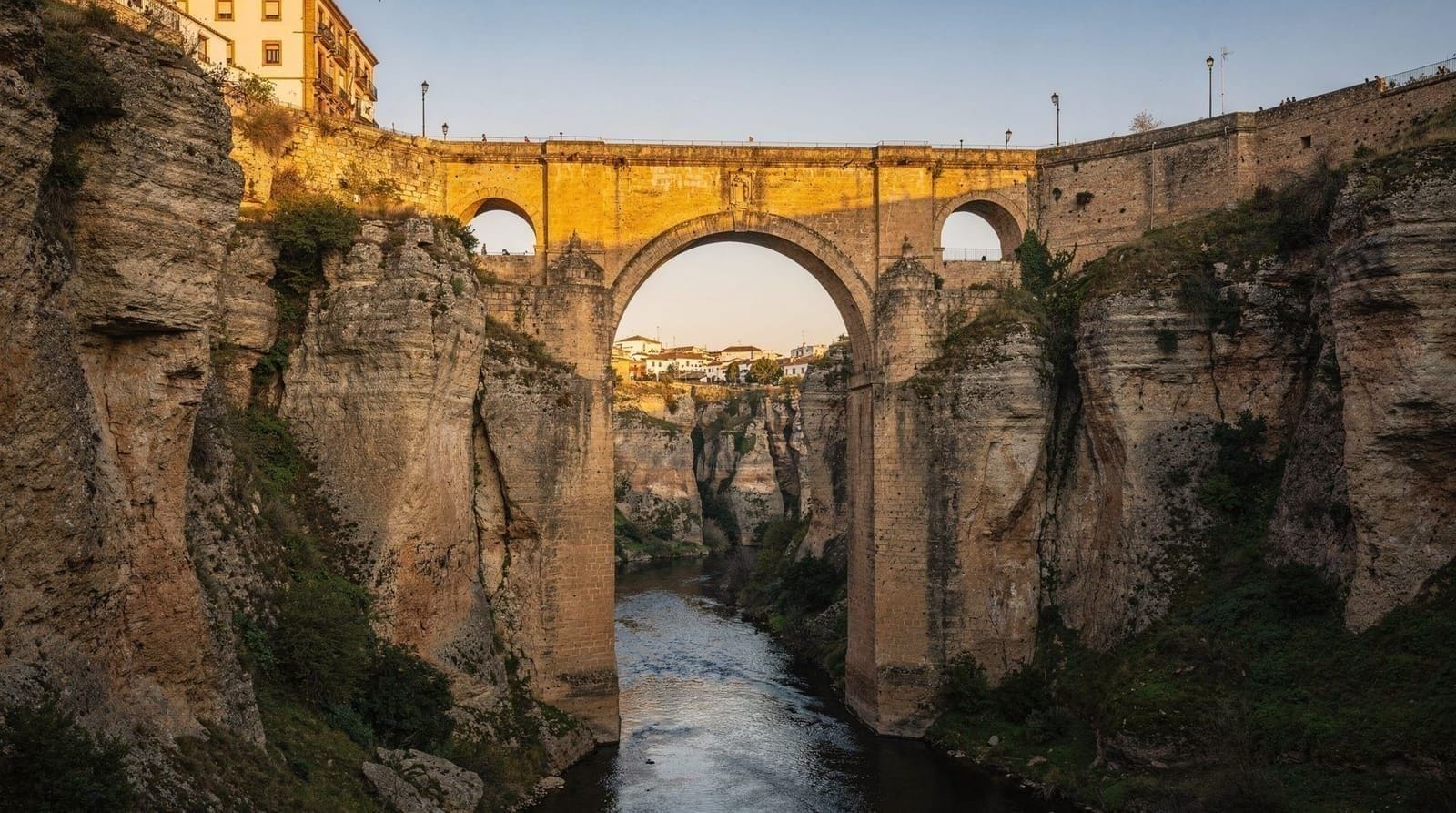
| Ronda | El Tajo gorge and the Puente Nuevo bridge | Bigger town, more to see, more famous | ~1h45 |
| Grazalema | Wettest village in Spain, hiking base | Nature and hiking, quieter atmosphere | ~1h30 |
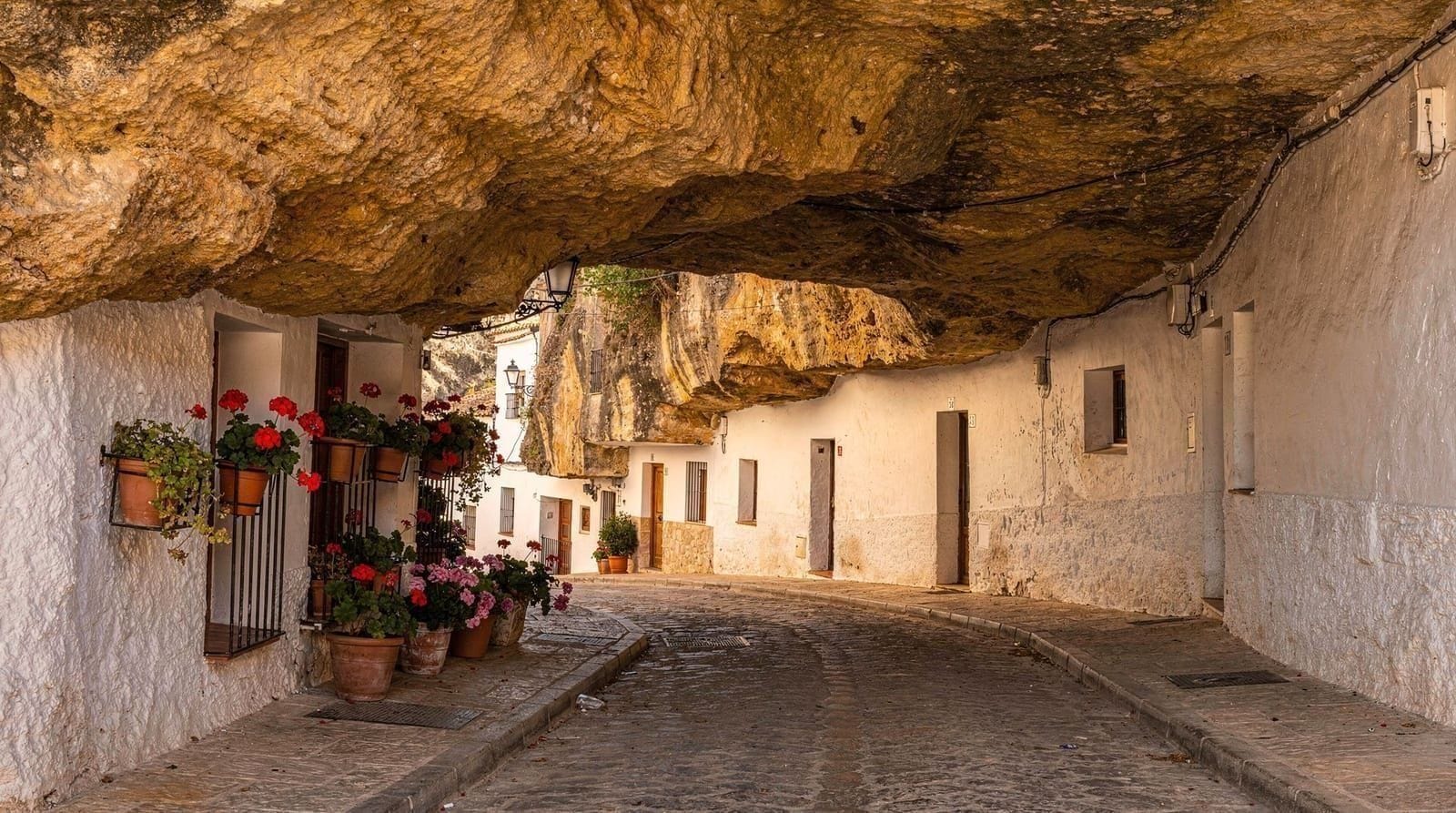
| Setenil de las Bodegas | Houses built into overhanging rock | Novelty, photography, very compact visit | ~1h45 |
| Zahara de la Sierra | Reservoir views, hilltop castle | Scenery, off-the-main-circuit feel | ~1h40 |
If you can only manage one white village from Seville, Arcos or Ronda are the strongest single choices — Arcos for the dramatic clifftop panorama with minimal walking, Ronda for the gorge and a fuller day of sightseeing. The Ronda versus white villages guide covers this trade-off in more depth, and the white villages day trip guide has logistics for combining several villages by car or tour.
Arcos in historical depth
The name “de la Frontera” — found on several Andalusian towns — marks the medieval military frontier between Christian and Moorish territories. Arcos was on that frontier for approximately 250 years (1264–1492), changing hands several times between Nasrid and Castilian forces. The fortifications that made it valuable militarily are the same cliffs that make it dramatic today.
The town was of sufficient strategic importance that the Duke of Arcos — the title granted by Ferdinand and Isabella after the final Reconquista — was one of the most powerful nobles in Andalusia. The dukes’ influence extended through much of what is now Cádiz province.
The cliff geology: the ridge is Cretaceous limestone, lifted by tectonic activity into a nearly vertical profile. The Guadalete river (where in 711 AD the decisive battle between the Visigoths and the Moors took place, ending Visigoth rule in Iberia) runs below. The embalse visible to the south was created by damming the upper Guadalete in the 1970s.
The old town architecture in detail
Arcos’s old town is a declared Conjunto Histórico-Artístico (Historical-Artistic Complex). The 13th–18th century architecture is dense on the ridge top, with particular concentration around the Plaza del Cabildo.
Baroque architecture: the predominant style visible in the private houses. Arcos reached its commercial peak in the 17th–18th centuries from olive oil and wine trade, and the merchant houses from this period line the ridge streets. Look for the carved stone doorways and family coats of arms — the social competition expressed in stone.
Pottery and crafts: Arcos has a small craft tradition, particularly in worked leather and painted ceramics. Calle Nueva has several authentic artisan workshops.
Arcos’s notable viewpoints
Plaza del Cabildo (the central square): the main viewpoint, with the Parador terrace extending to the cliff edge. The view here encompasses the reservoir, the valley, and on clear days the distant Grazalema sierra.
Mirador del Majano: a secondary viewpoint on the southern side of the ridge, less crowded than the Cabildo, accessible from Calle Nuestra Señora de la Soledad.
From below: the drive from Espera on the A-382, approaching Arcos from the south, gives the full frontal view of the ridge — the white mass of the old town against the limestone cliff against the sky. This is the standard drone-shot view and it is also excellent from the road.
Accommodation in Arcos
Parador de Arcos de la Frontera (Plaza del Cabildo): the classic choice for the gorge view. Rooms from €120–180/night. The terrace at sunset is worth the premium.
Hotel El Convento (Calle Maldonado 2): small hotel in a converted convent. 11 rooms, intimate atmosphere. From €65–95/night.
Alojamientos rurales (rural houses): several casa rural options in the surrounding countryside. Good for a 1–2 night base to explore the Cádiz province white villages circuit.
Arcos as a white villages base
Arcos is better situated than Ronda for covering the western white villages — Grazalema and Zahara are within 50 km. Staying in Arcos (rather than Seville) for 1–2 nights allows the following circuit without rush:
- Day 1: Arcos, Grazalema, Zahara (car circuit)
- Day 2: Ronda, Setenil, return to Seville
This approach gives each village adequate time rather than rushing through them all in a single day.
Arcos as a gastronomy destination
The Cádiz province produces some of Spain’s most underrated food. In Arcos and the surrounding area:
Queso Payoyo: the mixed-milk goat and sheep cheese from the Payoya breed is produced in the Serranía de Grazalema and widely available in Arcos. Look for it at the market (Thursday mornings) and at specialist shops. Available fresh (fresco), semi-cured, and cured. The cured version with local honey is one of the best cheese-and-honey combinations in Spain.
Iberian pork products: the Serranía is the western edge of the Iberian pig zone. Lomo en manteca (pork loin preserved in lard), chicharrones (fried pork skin), and morcilla (blood sausage) from local producers are of high quality. Look for them at the Thursday market and at Bar El Faro.
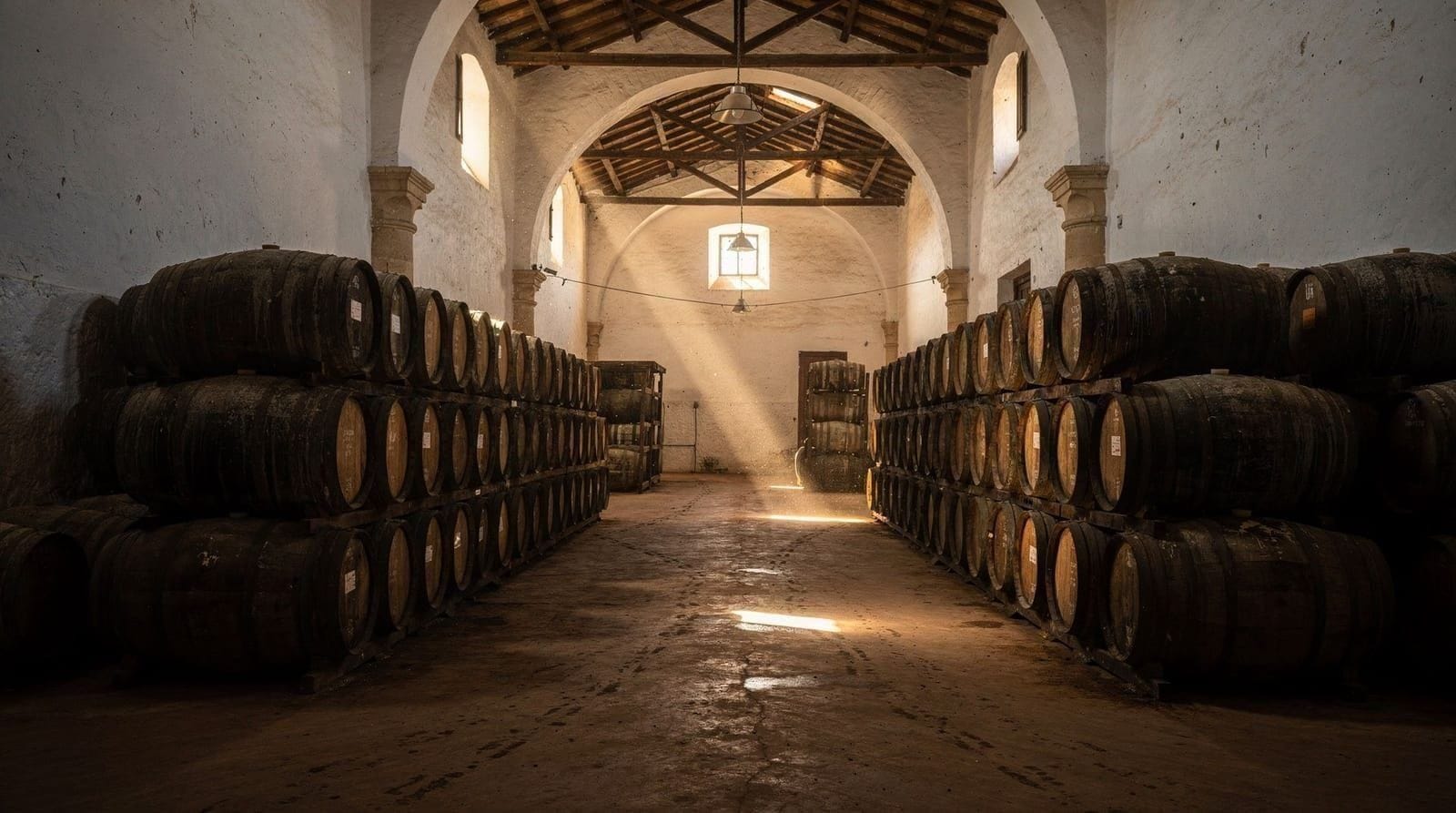
Manzanilla and fino sherry: Arcos is in the sherry zone. The fino served at local bars is from nearby Jerez producers and costs €1.50–2.50 per glass — significantly cheaper than equivalent wines in tourist-facing venues in Seville or Madrid.
Flor de sal: the salt marshes near San Fernando (40 km) produce artisan flor de sal. Available at specialty food shops in Arcos at €3–5 for a small bag.
Arcos’s annual festivals
Semana Santa in Arcos is considered one of the most atmospheric in the Cádiz province outside the capital. The processions through the narrow ridge streets — sometimes the pasos (floats) barely fitting between the walls — are physically impressive in a way the flat-street processions of Seville cannot replicate.
Carnaval de Arcos: a smaller version of the famous Cádiz Carnival, with chirigota musical groups and street celebrations.
Practical notes for Arcos
Driving in the old town: the streets of La Villa are extremely narrow. The maximum vehicle width for most streets is approximately 1.8 metres — most rental cars are fine; vans and large SUVs are not. The prudent approach is to park at the lower car park and walk up.
Visiting time: allow 2–3 hours for a proper visit — castle viewpoint, both main churches, a walk through the Baroque streets, and a drink on the Parador terrace. A full day combining Arcos with Jerez (30 min drive) is excellent.
Weather: the village is at about 180 metres altitude, somewhat cooler than the coastal plains. Wind is a constant feature of the ridge position — bring a layer in winter and spring.
Internet and facilities: the tourist office is at the Plaza del Cabildo. ATMs are available on Calle Corredera and Calle Nueva.
Frequently asked questions about Arcos de la Frontera
Is Arcos de la Frontera worth visiting as a day trip from Seville?
Yes, particularly if you combine it with Jerez de la Frontera, 33 km away. As a standalone half-day, Arcos delivers one of Andalusia’s most dramatic clifftop views for relatively little time investment. For a fuller day of sightseeing, Ronda is the stronger single choice.
How do I get from Seville to Arcos de la Frontera without a car?
Public transport is limited — COMES buses run from Seville with infrequent connections, taking around 1h30. A guided day tour or renting a car for the day are both more practical options if you don’t want to rely on the bus timetable.
Top experiences
Bookable activities with verified prices and instant confirmation on GetYourGuide.