Triana market food guide: eating well at the Mercado de Triana
Seville: Triana market tour with tastings
What is the Mercado de Triana in Seville?
The Mercado de Triana is a covered market in the Triana neighborhood, on the west bank of the Guadalquivir. It sells fresh produce, fish, meat, and ceramics, and has a ring of small bar-restaurants around the interior perimeter where you can eat tapas at counter prices during market hours (stalls open Monday-Saturday, 9 AM-3 PM).
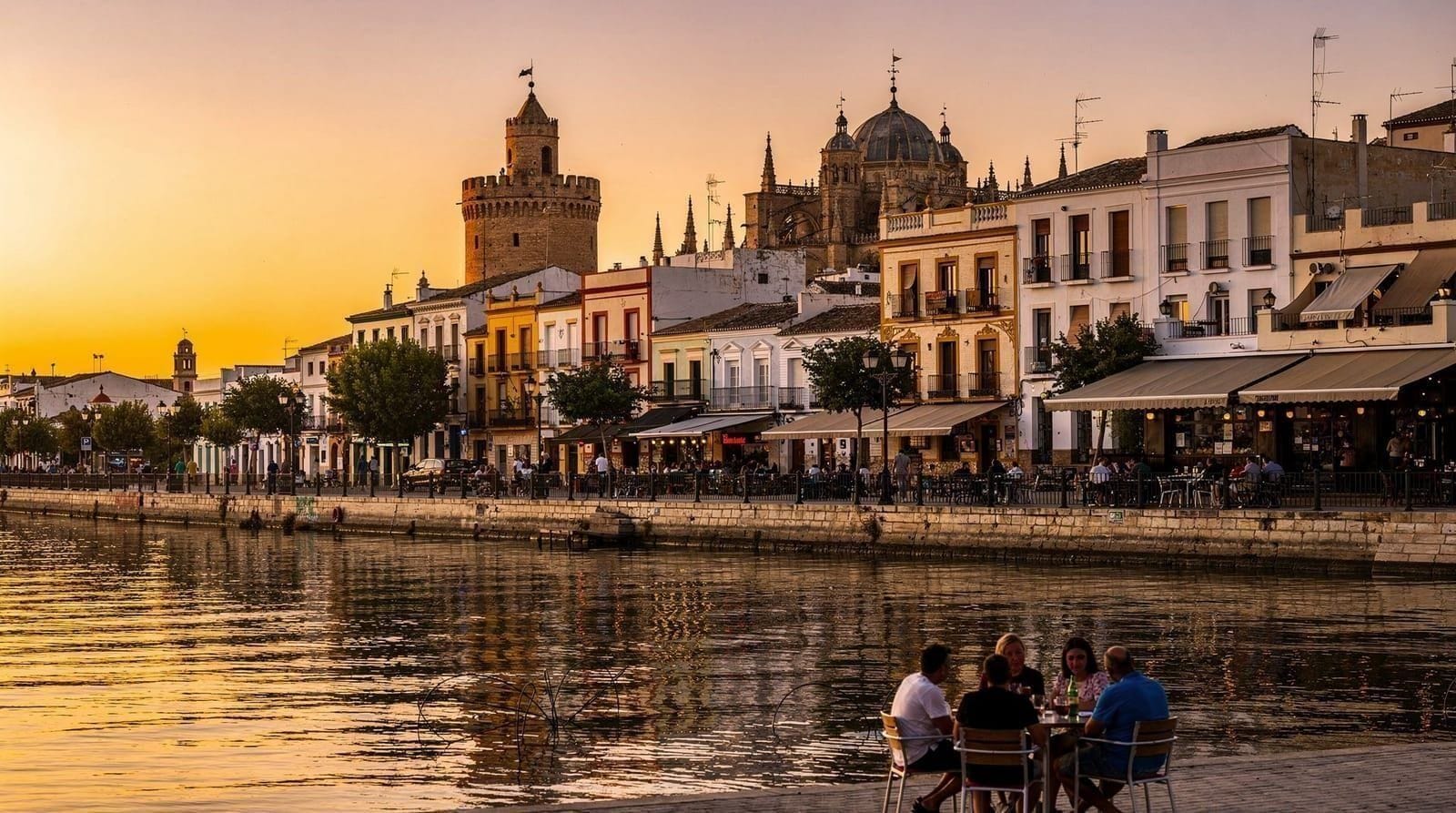
The Mercado de Triana sits on the west bank of the Guadalquivir at the foot of the Triana bridge, built on the foundations of the old Inquisition castle (Castillo de San Jorge, whose excavated ruins are now an archaeological museum in the market basement). It is simultaneously a working neighborhood food market, a ceramics center, and one of the best places in Seville to eat a genuine local breakfast or lunch without paying tourist prices.
| Where | Plaza del Altozano, at the Triana end of Puente de Isabel II |
| Hours | Mon-Sat, 9am-3pm for stalls; bar hours vary (see the official Mercados de Sevilla page) |
| Best time | Saturday morning |
| Breakfast cost | Around €3-5 |
| Lunch at the barra | Around €15-20 per person with wine |
What the market is
The building was constructed in 1823 and substantially renovated in the early 2000s. The current structure is two-level: the main market floor with food stalls (fish, meat, vegetables, fruit, cheese, jamón, olives, spices) and a ring of small bar-restaurants that open directly onto the market floor. The lower level contains the Castillo de San Jorge archaeological site — its archaeological exhibition is currently closed, and the lobby houses the Visita Sevilla tourist information desk.
This is not a tourist market in the sense of a souvenir mall with food. The Mercado de Triana serves the Triana neighborhood. The clientele for the food stalls is primarily local: neighborhood residents doing their weekly shopping, restaurant buyers at the fish counter, Triana families picking up produce on Saturday mornings. The small bars around the perimeter serve a mix of market workers, neighborhood regulars, and, increasingly, food-conscious visitors who have been pointed here by someone who knows.
The ceramics section — Triana is famous for its azulejos (painted tiles) — occupies part of the ground floor. If you are buying ceramics or tiles, the quality here is generally higher than the souvenir shops on the main tourist streets, and the prices are somewhat more honest.
When to go
Monday–Saturday mornings (9 AM–2 PM): Peak market hours. The fish counter has the best selection. The market bars are full of locals at the counter (barra) from about 10 AM onward.
Saturday mornings (9 AM–noon): The single best time to visit. The market is busiest, the produce is freshest, the social atmosphere is at its peak. Triana families do their weekend shopping here.
Monday and Sunday: The market is either closed or significantly reduced in stall activity. The bar section may operate independently but the market atmosphere is absent.
Early afternoon (1-2 PM): This is the lunch rush. The barra at every market bar fills with market workers and neighborhood residents. If you want to eat when the market is most alive, this is the time — but expect to wait for a counter spot.
What to eat at the market bars
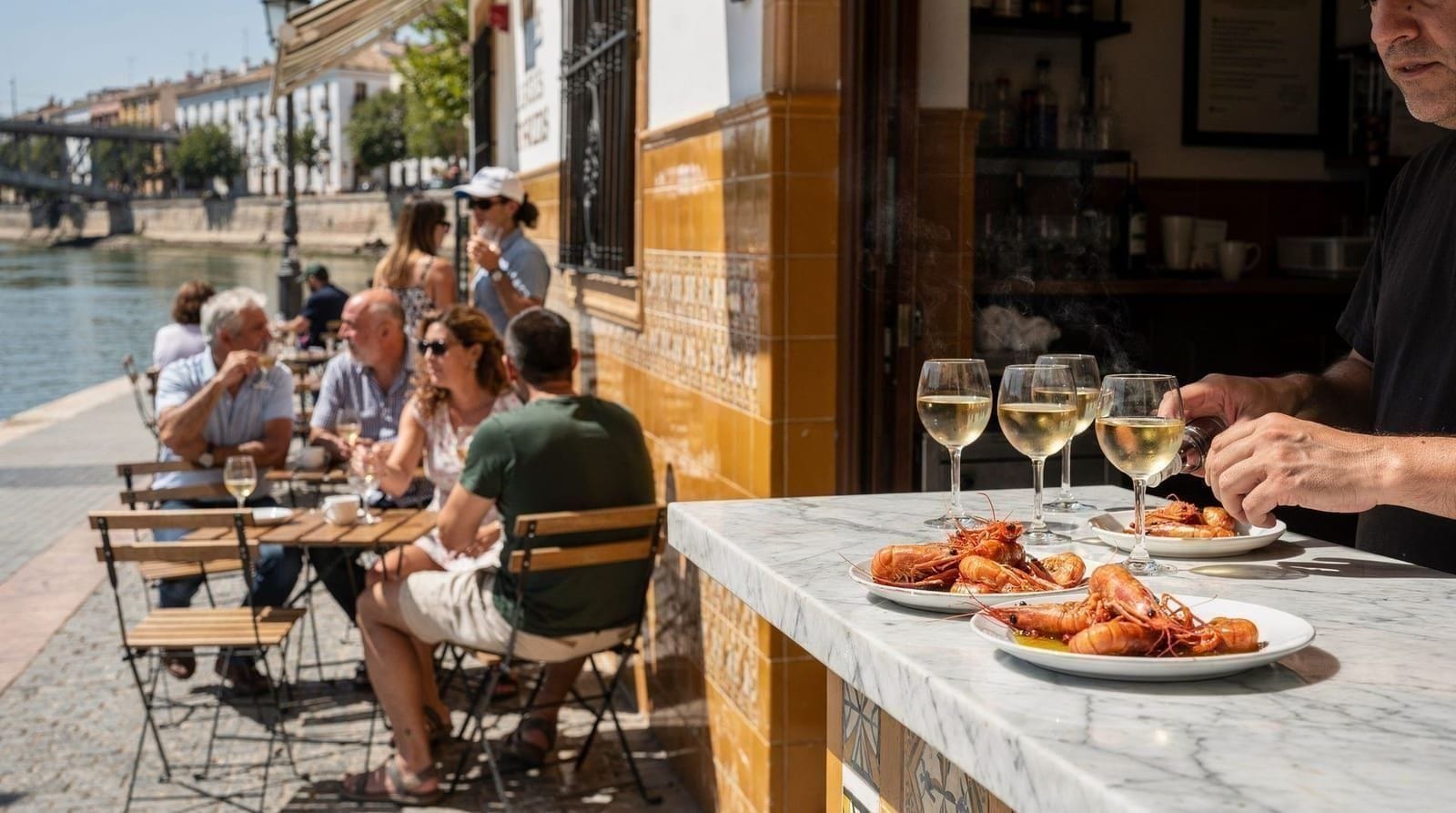
The small bars around the market perimeter operate on the same barra-or-terrace pricing model as the rest of Seville. Sitting at the market counter rather than taking one of the small tables outside is the appropriate move both for price and for experience.
Breakfast (from opening): Tostada con tomate — toasted bread with fresh grated tomato, olive oil, and salt. A definitive Andalusian breakfast. Some bars also do churros with chocolate or coffee and a small pastry. Prices: tostada €1.80-2.50, coffee €1-1.50.
Morning snack (10-11 AM): This is when market workers have their first break. Montaditos, a glass of fino sherry or cold beer. The combination of a cold beer at 10:30 AM in a buzzing market is an Andalusian ritual with deep cultural roots.
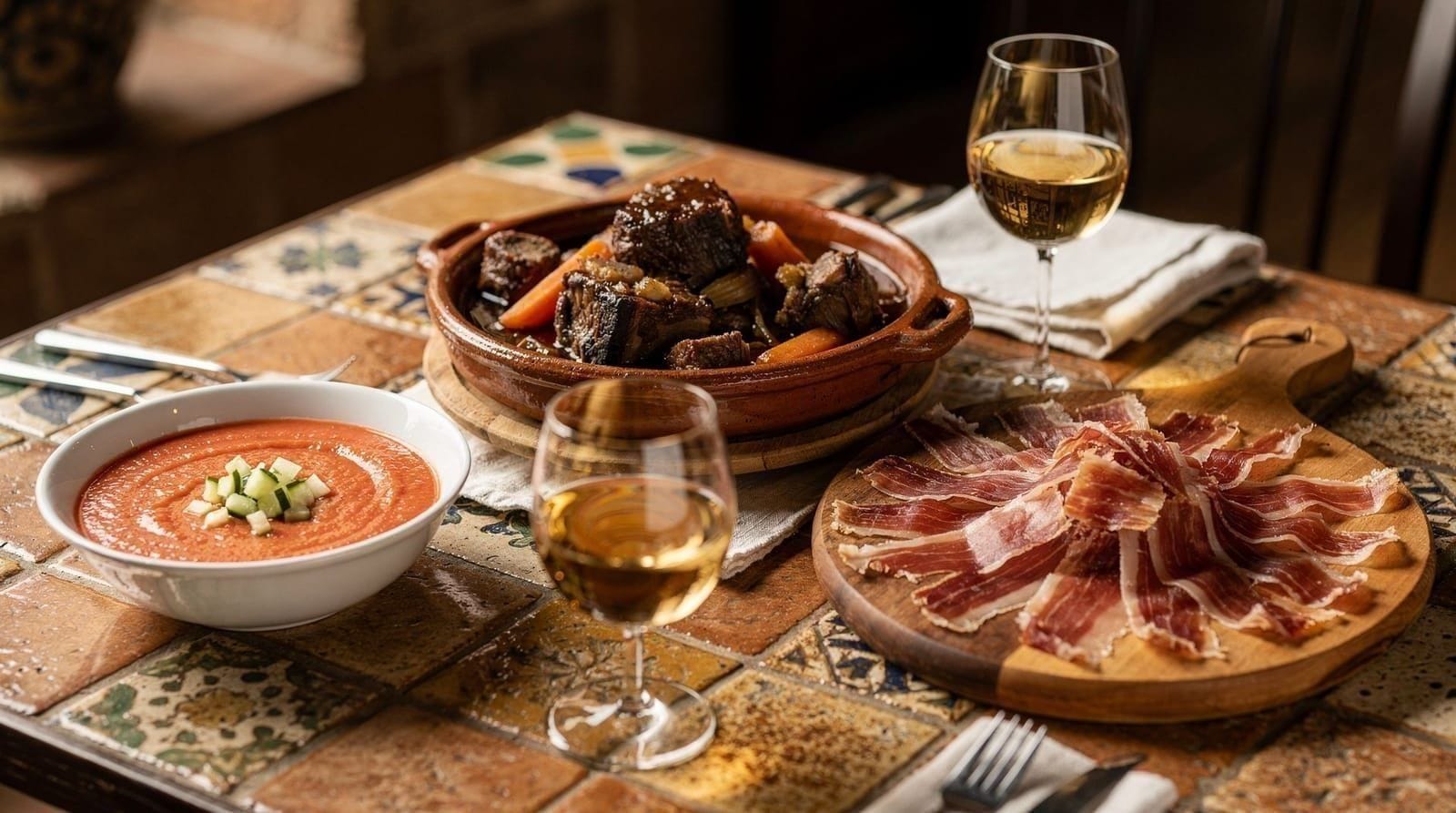
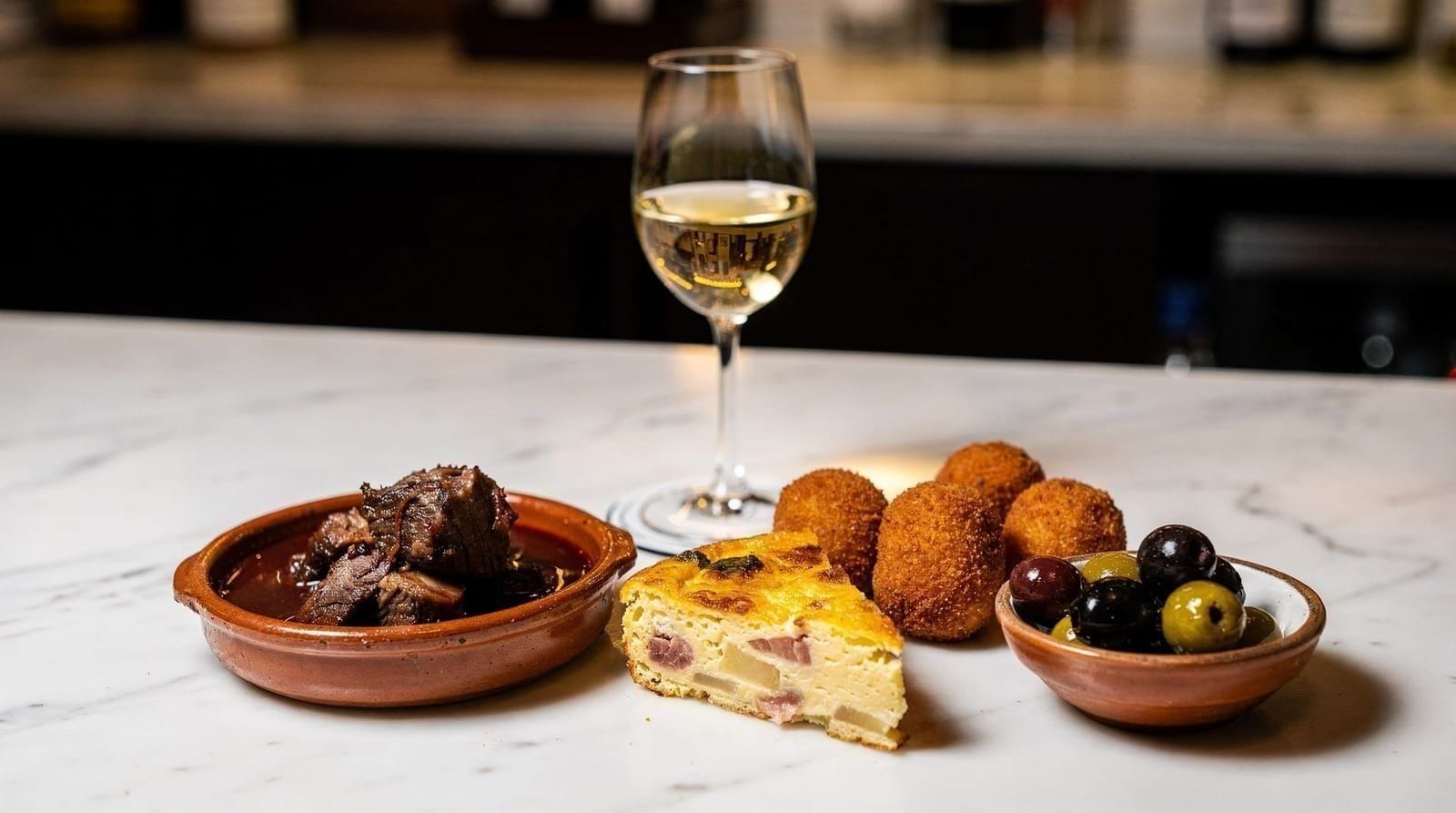
Lunch (1-3 PM): The full tapas menu comes into effect. Fish from the counter next door is the natural choice: boquerones (fresh anchovies), gambas al ajillo (garlic shrimp), pescaíto frito. The spinach and chickpeas dish appears on most menus. Salmorejo is universal.
The market’s proximity to the fish stalls means the fish at the bar restaurants is often genuinely fresh — the supply chain from boat to plate can be measured in hours.
Guided market tours: what they add
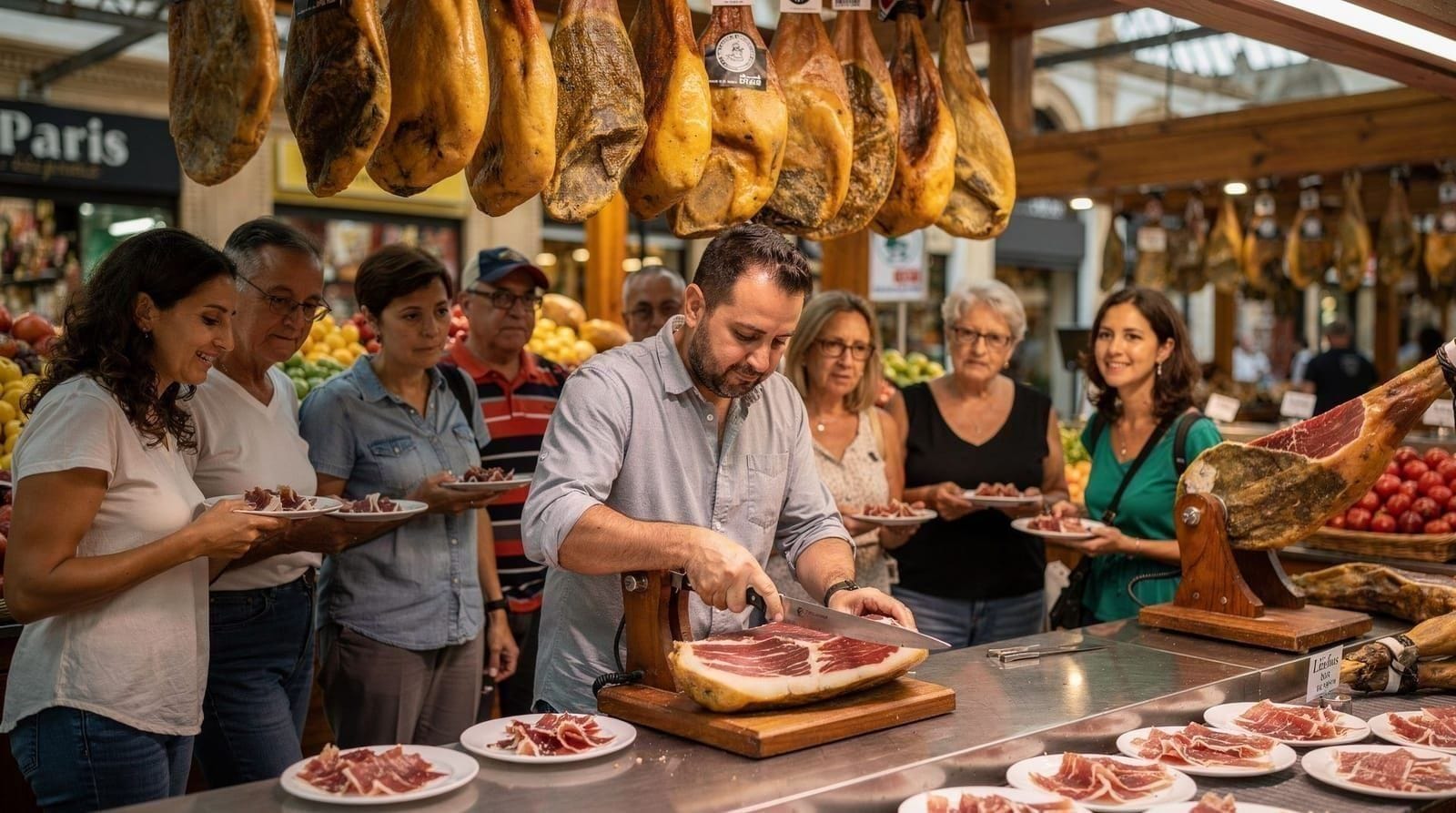
Triana market tour with tastings — guided walk through the market with foodA guided market tour typically includes: a walk through the market with commentary on the stalls and their products, tastings at 3-4 market vendors or bars, and context on Triana’s food culture (the ceramic tile history, the flamenco connection, the relationship between the market and neighborhood identity).
The value of the guided format at the Mercado de Triana is specific: the guide knows which vendors have the best product, which bars serve the most authentic dishes, and can navigate the Spanish-language environment that makes independent exploration harder. They can also explain what you are looking at in the fish, meat, and produce sections in a way that makes the market more interesting than a visual tour.
Triana market tapas tour with drinks — food and drink includedThe tapas format (as opposed to the tastings format) includes a fuller eating experience: this is a proper meal with drinks, not just samples. If you are treating this as your lunch rather than just a market visit, the tapas version is the better choice.
The ceramics section
Triana’s identity as Seville’s ceramics neighborhood has historical roots in the Moorish potters who settled on the west bank of the Guadalquivir in the medieval period. The area around Calle Alfarería (pottery street, named directly) is still home to working ceramic workshops.
The market’s ceramics section is one legitimate place to buy azulejos and hand-painted ceramics. The quality varies between stalls — look for pieces with visible brush strokes and slight color variation, which indicate hand-painting. Machine-printed tiles have uniform color and sharp-edged patterns.
A painted ceramic plate in the market runs €8-25 depending on size and complexity. Small azulejo tiles for magnets or coasters: €2-5. Full sets of hand-painted plates for a kitchen: €60-150.
The Castillo de San Jorge: the Inquisition history below
The archaeological site in the market basement is genuinely interesting and overlooked by most visitors. The Castillo de San Jorge was the seat of the Seville Inquisition from 1481 until its abolition in 1820 — the building processed the vast majority of Inquisition cases in Andalusia, including trials, imprisonment, and executions.
The excavated remains include the castle walls, prisoner cells, and the foundations of the torture chambers. The interpretation is honest and historically detailed. The museum is free, runs approximately 30-40 minutes, and is usually uncrowded even when the market above is packed.
Entering the market from the main Triana bridge entrance, the archaeological site access is to the left, before the main market floor.
Combining the market with a neighborhood walk
The Mercado de Triana is most rewarding as part of a broader Triana morning rather than an isolated visit. A practical sequence:
9 AM: Cross the Triana bridge (Puente de Isabel II) from the El Arenal side. The bridge offers the best views of the Guadalquivir and the Torre del Oro from the water level.
9-10 AM: Walk through the ceramics and produce sections of the market. Note the fish counter and the jamón stall.
10-10:30 AM: Take a counter seat at one of the market bars for breakfast — tostada con tomate, coffee.
10:30-11:30 AM: Walk the Triana streets: Calle San Jacinto (the main pedestrian shopping street), the small ceramics workshops on Calle Alfarería, the neighborhood church of Santa Ana (the oldest parish church in Seville, founded 1276).
11:30 AM-12:30 PM: Return to the market for a pre-lunch glass of manzanilla and a montadito.
This route covers the market’s best elements without requiring a full morning commitment. For a more thorough exploration of Triana as a neighborhood, see the Triana neighborhood guide and the best tapas bars in Triana guide.
Practical information
Address: Calle San Jorge 6, 41010 Seville (beside Plaza del Altozano, at the Triana end of the Puente de Isabel II).
Hours: Monday-Saturday 9 AM-3 PM for the market stalls (official Mercados de Sevilla schedule). The bar restaurants keep their own hours and some continue later into the afternoon and evening, though with a reduced menu; check the official Mercados de Sevilla page for current times.
How to get there: On foot from the Cathedral: 20 minutes across the Triana bridge. Bus lines 3, 40, and 41 stop near the market entrance. Parking is difficult; walking is the practical option.
Prices: Market bar breakfast €3-5. Tapas lunch at the barra €2-4 per dish. A proper lunch with wine at the counter runs €15-20 per person.
For Seville’s food scene beyond Triana, the Seville food tour guide covers the best organized tours, and where to eat in Seville covers independent restaurant options across the city.
Market etiquette worth knowing
The Mercado de Triana is a working market first and a visitor attraction second, and behaving accordingly makes the visit smoother for everyone. At the produce and fish stalls, wait your turn rather than pointing over other customers — Spanish market etiquette runs on a loose but real queue system, and vendors will generally acknowledge who arrived first. At the bar counters, it’s normal to order in short bursts as you decide rather than requesting the whole menu at once, and to pay as you go rather than running a tab unless the bar clearly operates that way. Photographing the stalls is generally fine, but ask before photographing individual vendors directly, especially at the fish and meat counters where people are working, not posing.
Comparing the market bars to the wider Triana tapas scene
The bars ringing the market are convenient and reliably good, but they’re not the only — or necessarily the best — tapas option in the neighbourhood. For dishes cooked with more care and a wider menu than the quick-turnover market counters can offer, it’s worth extending your visit into the surrounding streets; the best tapas bars in Triana guide covers the sit-down options a short walk from the market. Pairing a market breakfast with a proper Triana tapas lunch or dinner later in the day gives you both ends of the neighbourhood’s food scene without overlap. For the specific dishes you’ll see repeated across both settings, the traditional Andalusian dishes guide explains what you’re ordering and why it matters.
How the market fits into a longer Seville food plan
A market morning works best as one piece of a wider eating strategy rather than the whole of it. If you are building a few days around food, the Seville 3 days for foodies itinerary shows where a Triana visit slots in alongside tapas crawls and sit-down meals. The barra vs terrace pricing guide explains the counter-versus-table logic that applies at the market bars and everywhere else in the city, and it is worth reading before your first order.
Breakfast is the easiest meal to get right here, and the breakfast in Seville guide covers what else you can order beyond tostada con tomate if you want variety across several mornings. If you would rather compare the market with the old centre, the best tapas bars in Santa Cruz guide describes the other side of the river, where the setting is more atmospheric but the bars lean harder on visitors.
Shopping at the stalls, not just eating
Even if you are not cooking, the stalls reward a slow walk. Look at what is stacked at the fish counter, ask the jamón vendor what is on offer, and notice how much of the produce follows the season. Buying a small amount of cheese, olives or cured meat for a picnic is perfectly normal, and vendors are used to customers who want a modest quantity. Point, smile and use a few basic Spanish words; effort is noticed and usually answered with patience and a recommendation.
If the stalls make you want to cook what you see, a hands-on class is the natural next step. The cooking classes in Seville guide compares the options, and one of them, the Spanish cooking class that begins with a Triana market visit, links the shopping and the cooking in a single session. For a fuller picture of the dishes you would be learning, the learn Spanish cuisine guide is a useful companion.
Making a full day of Triana
The market is at its best before the middle of the day, which leaves the afternoon and evening open for the rest of the neighbourhood. After a late lunch, a quiet stretch of the afternoon suits the riverside, and the evening suits Triana’s flamenco tradition; the flamenco in Triana guide explains the neighbourhood’s role in the art form and how to tell a genuine venue from a performance built for tour groups. Travelling on to the next stop is easy on foot, and the getting around Seville guide lays out the other options if your feet need a rest.
Worth the detour across the river — the Mercado de Triana delivers a genuinely local market experience with excellent, cheap food, at a fraction of the cost and crowd of the tourist-centre bars. Best on a Saturday morning when the market is at its liveliest; skip a Monday or Sunday visit, when the stalls are closed or reduced and there’s little atmosphere. If you want the fullest experience without navigating it solo, a guided tastings or tapas tour handles the language barrier and points you to the best vendors directly.
Top experiences
Bookable activities with verified prices and instant confirmation on GetYourGuide.