Best neighborhoods in Seville: comparing every area for visitors
Seville: Small-group city highlights walking tour
What are the best neighborhoods in Seville?
Santa Cruz (historic, convenient, touristified), El Arenal (riverside, balanced), Triana (authentic, local, best tapas value), Alameda de Hércules (hip, best food, some nightlife noise), La Macarena (local, Semana Santa culture), and Nervión (modern, business). For a first visit: El Arenal or Santa Cruz. For character: Triana.
Understanding Seville’s neighborhoods before you book accommodation or plan your days makes the trip significantly more effective. Seville is compact enough that every central neighborhood is walkable from every other, but the character differences between them are real and matter for how you experience the city.
This guide compares Seville’s main neighborhoods honestly — what each is actually like, not just what the tourist descriptions say.
| Best for first-timers | El Arenal or Santa Cruz — closest to the Alcázar and Cathedral |
| Best for food | Alameda de Hércules or Triana |
| Best value | Triana or La Macarena |
| Best for nightlife | Alameda de Hércules |
| Quietest at night | Triana, La Macarena, Nervión |
| Price level | Santa Cruz/El Arenal highest, Nervión lowest |
The map of Seville’s neighborhoods
Seville’s historic center is organized around the Guadalquivir river as a dividing line. The historic city and most of the monuments are on the east bank. Triana is on the west bank, separated by the river and accessible via bridges.
On the east bank, from most-tourist to least-tourist:
- Santa Cruz — immediately around the Alcázar and Cathedral
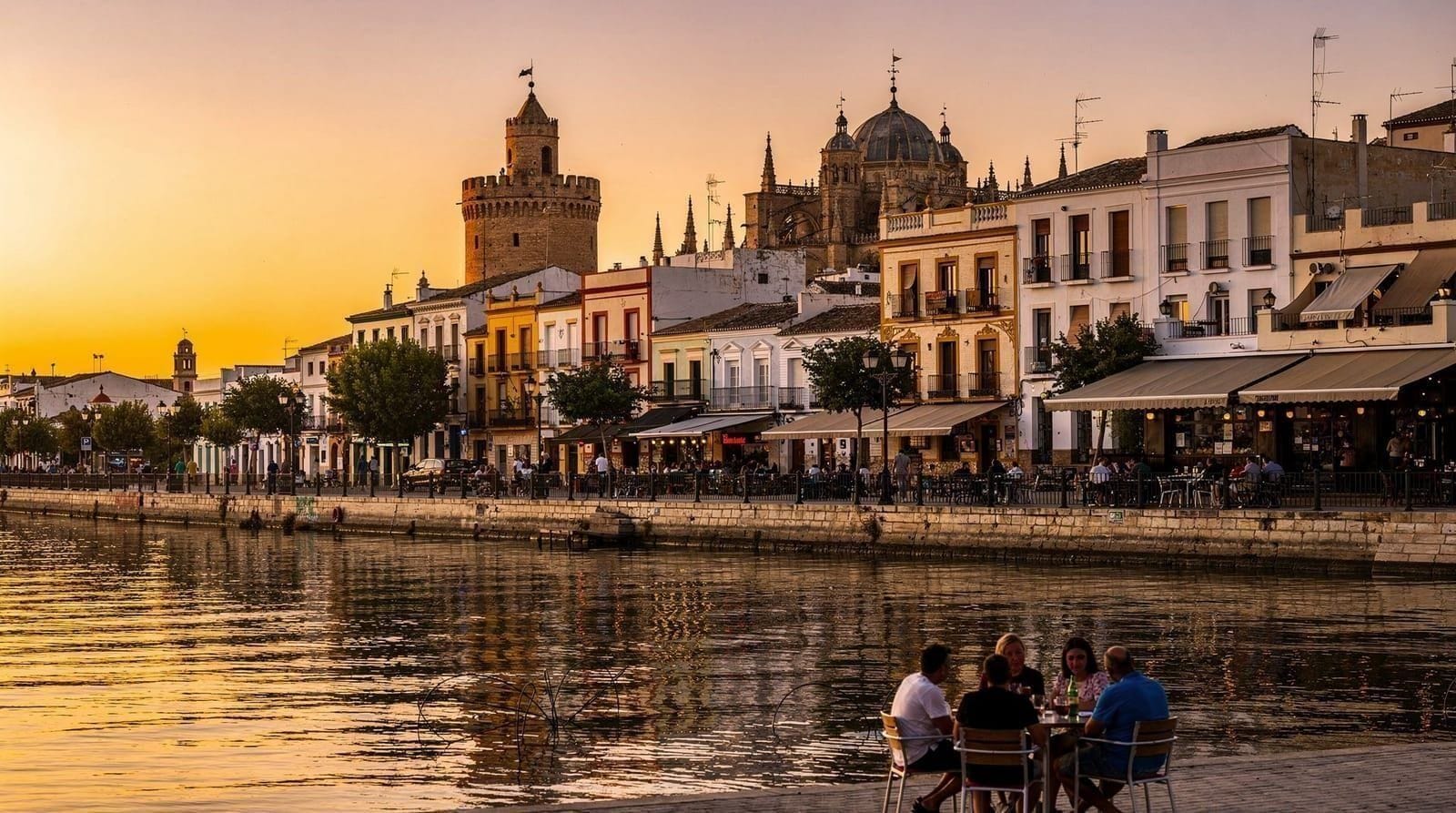
- El Arenal — between the Cathedral and the river
- Centro/Alameda — north and northwest of Santa Cruz, including the Alameda de Hércules promenade
- La Macarena — the northern neighborhood with the Basílica de la Macarena
- Nervión — the modern business district to the east
On the west bank:
- Triana — the most characterful neighborhood, directly across from El Arenal
Santa Cruz: the tourist center
Santa Cruz was the medieval Jewish quarter (judería). It now contains the Alcázar and Cathedral on its edges and a dense concentration of tourist-oriented restaurants, hotels, and shops inside.
The genuine good: The labyrinthine street plan is authentic — the irregular lanes, hidden plazas, and orange-tree-covered walls are the real medieval fabric. The monuments are exceptional. Two tapas bars are worth knowing: Bodega Santa Cruz Las Columnas (Calle Rodrigo Caro) and Casa Morales (Calle García de Vinuesa).
The genuine bad: Tourist restaurant density is the highest in Seville. The streets around Calle Mateos Gago and the Cathedral perimeter are lined with establishments offering laminated menus, terrace pressure, and paella promoted as a local specialty. The rosemary scam operates near the Cathedral entrance. Accommodation prices are the highest in the city.
Who it suits: First-time visitors with 2-3 days who want monument access and do not mind the tourist environment. The convenience is real.
See: Santa Cruz neighborhood guide
El Arenal: the balanced option
El Arenal occupies the strip between the Cathedral and the Guadalquivir river. It is marginally less touristified than Santa Cruz while offering essentially the same monument access.
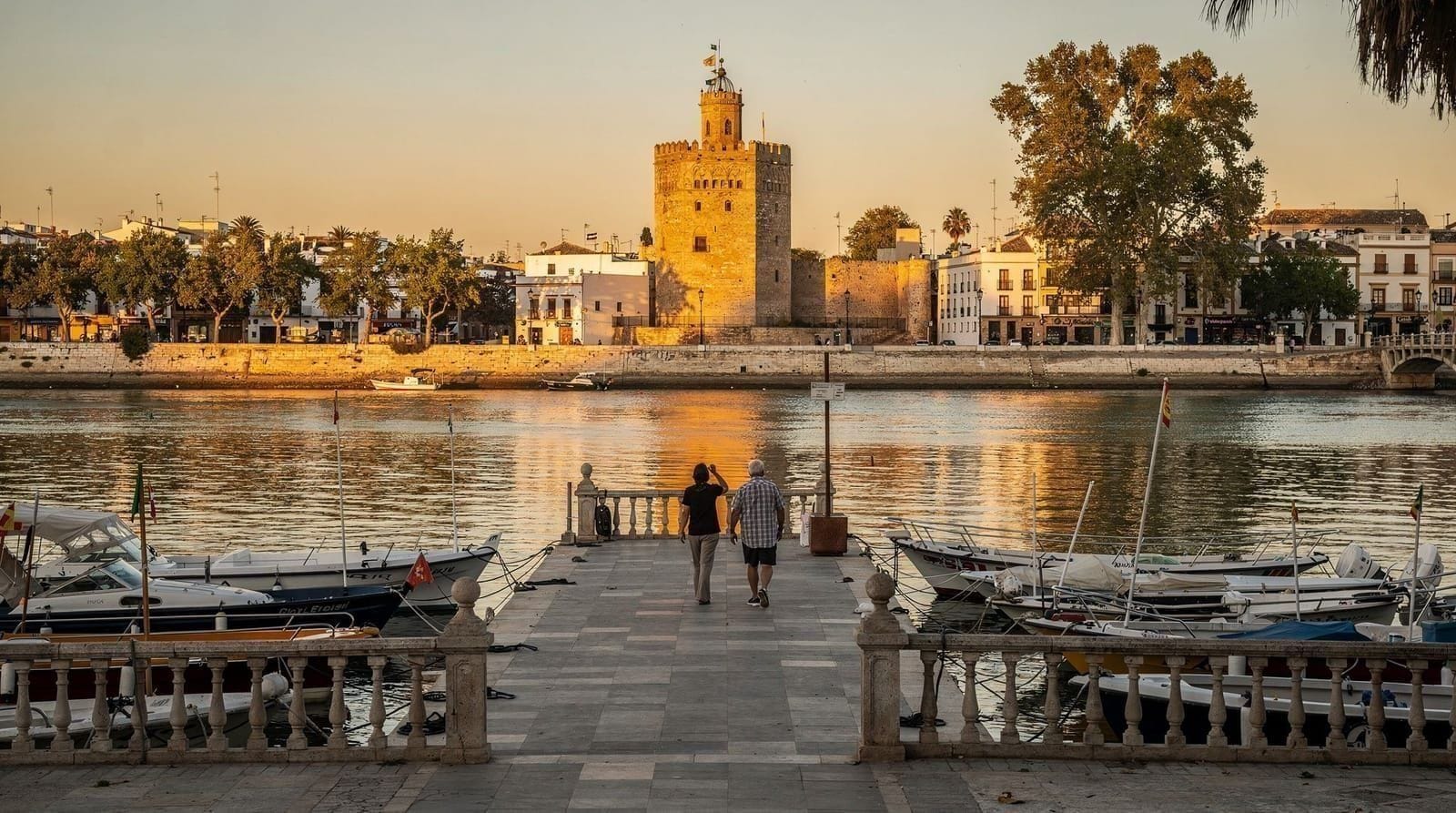
Distinctive points: La Brunilda (one of Seville’s best tapas bars), Casa Morales, the Maestranza bullring, the Torre del Oro, and the river promenade are all here. The Hotel Alfonso XIII — Seville’s most architecturally significant hotel — is at the neighborhood’s southern edge.
Character: A mix of residential and tourist, with wider streets than Santa Cruz and a slightly quieter nighttime atmosphere (less outdoor bar seating right outside your window).
Who it suits: Most visitors who want monument convenience without full tourist saturation. Functionally the best default option for first-time visitors.
See: El Arenal guide City highlights walking tour — covers Santa Cruz and El Arenal key points
Triana: the authentic neighborhood across the river
Triana is where Sevillanos tell visitors to go and many visitors never make it because the river crossing seems like a commitment. It is not — the bridge takes 5 minutes to walk, and the character change at the other side is immediate and striking.
What Triana has: Las Golondrinas (the most cited local tapas bar), the Mercado de Triana (market with fresh fish and small bars), Calle Alfarería and the ceramics workshops, the traditional Triana flamenco scene, and accommodation at 20-30% below comparable Santa Cruz prices.
What it lacks: Major monuments. There is no Alcázar or Cathedral equivalent in Triana. The Castillo de San Jorge archaeological museum (in the market basement) is interesting but not a major attraction. The Church of Santa Ana (oldest parish church in Seville, founded 1276) is worth visiting.
The practical trade-off: Every visit to the historic center requires crossing the bridge. On a 2-day visit, this adds maybe 30 minutes total to your monument time. On a 5-day visit, it is irrelevant.
Who it suits: Visitors staying 4+ days, repeat visitors, those prioritizing food and local character over monument proximity.
See: Triana neighborhood guide Tiny-group Triana walking tour — small group format for this neighborhood
Alameda de Hércules area: the food and nightlife hub
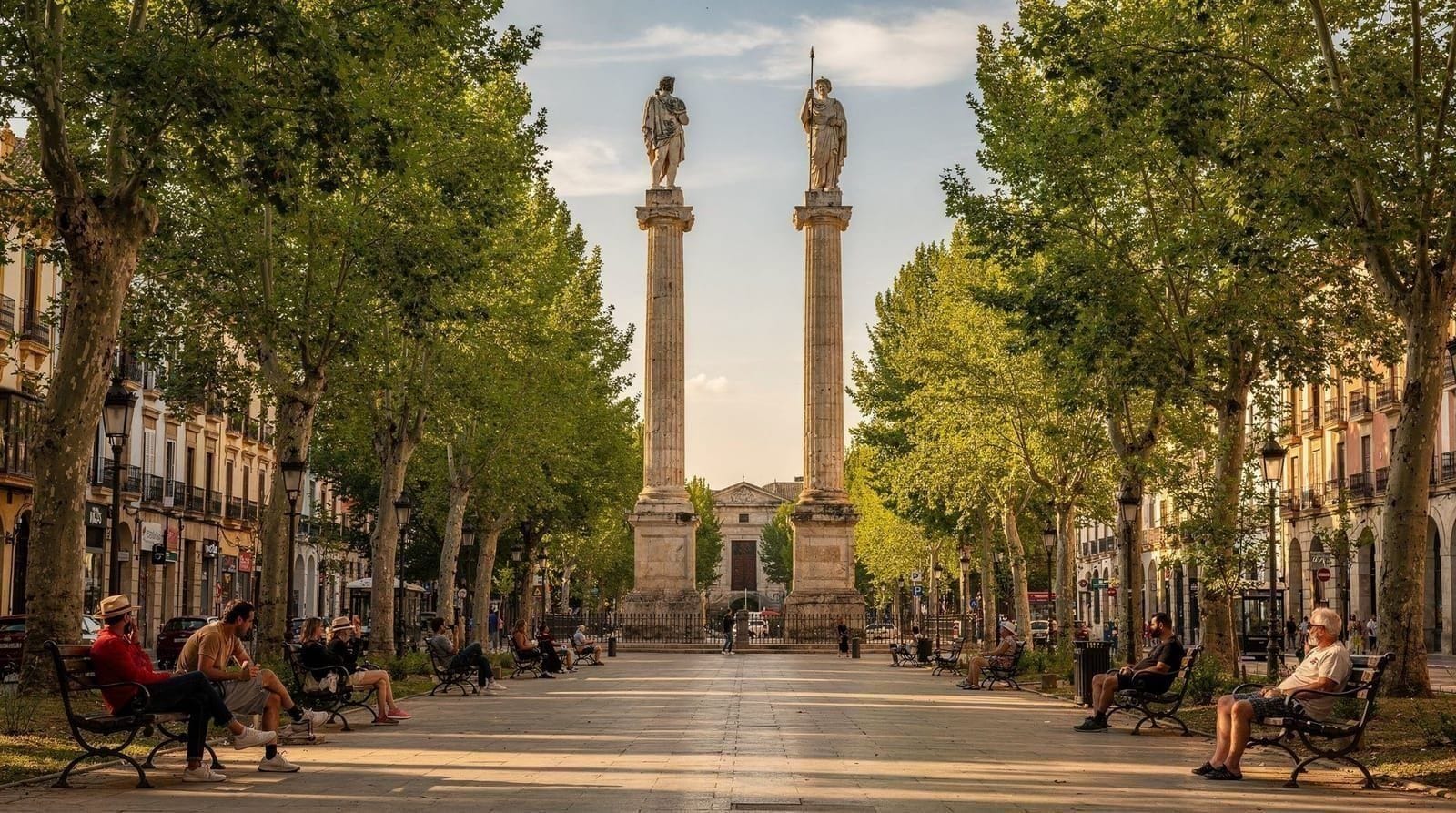
The Alameda is a promenade rather than a neighborhood, but the area around it functions as a distinct zone. It is where Sevillanos go for quality tapas (Eslava, El Rinconcillo) and for nightlife.
Best for food: The concentration of good tapas bars here is the highest in Seville. Eslava has won the annual Seville tapas competition multiple times. El Rinconcillo is the oldest bar in Seville (1670) and still excellent.
The nightlife consideration: The Alameda is Seville’s primary nightlife hub. Bars operate until 2-4 AM on weekends. Accommodation directly on the promenade is noisier than accommodation one or two streets away.
Distance: 20 minutes’ walk from the Alcázar. The monuments are fully accessible on foot; you will walk more than from Santa Cruz.
Who it suits: Food-focused visitors, those staying 4+ days, younger travelers comfortable with an active neighborhood.
See: Alameda de Hércules guide
La Macarena: local Seville with Semana Santa identity
La Macarena is a working-class northern neighborhood with a strong identity built around the Basílica de la Macarena and the local brotherhoods that produce Seville’s most famous Semana Santa procession.
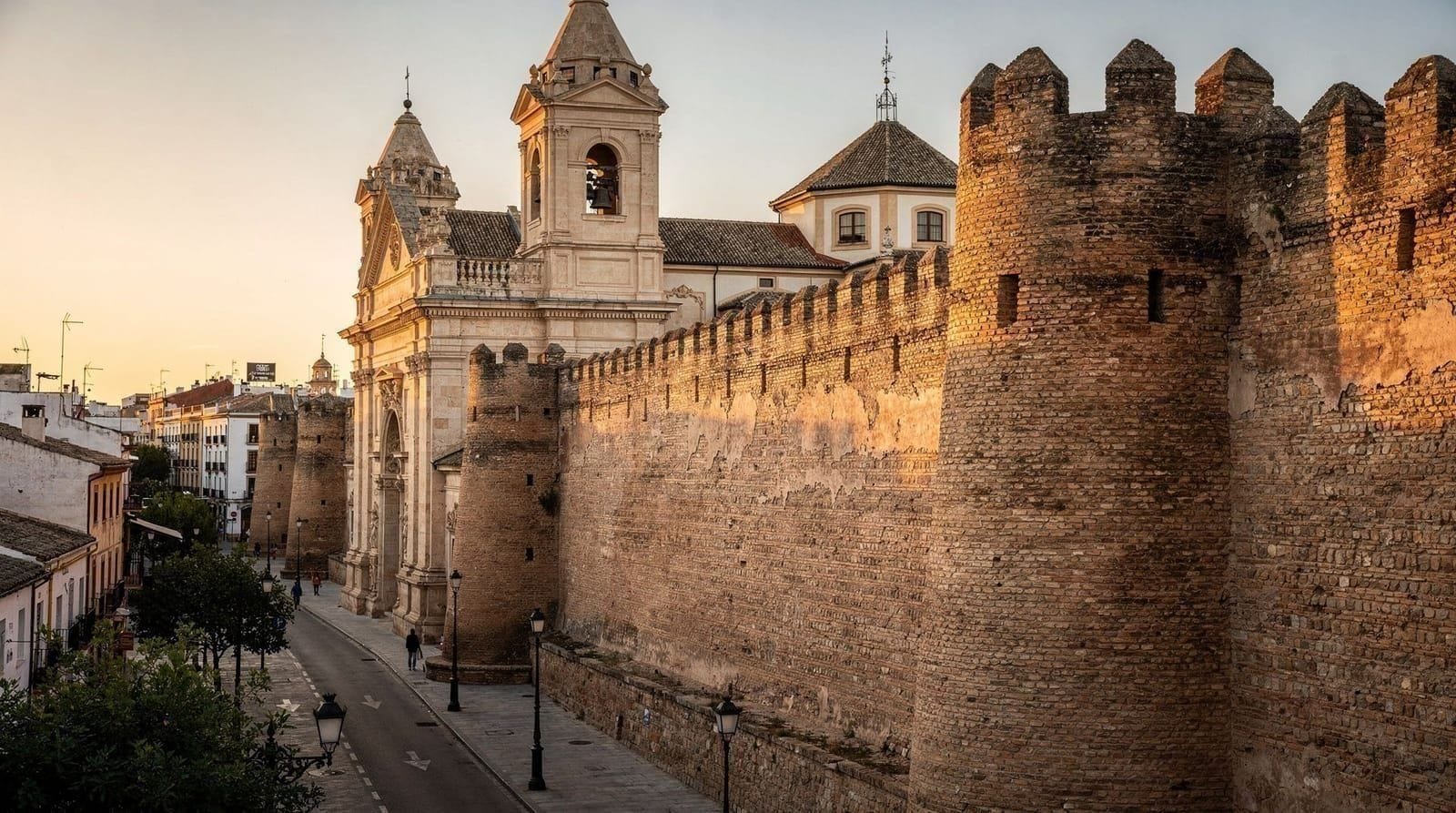
For Semana Santa specifically: Staying near the Basílica is worthwhile if you are attending the Holy Week processions. The Virgin Macarena’s procession on Holy Thursday night is the emotional peak of the entire week; being nearby matters for the experience.
Everyday visiting: La Macarena offers the best-preserved section of Seville’s city walls, the Thursday street market on Calle Feria, local tapas bars at the lowest prices in the central area, and an absence of tourist infrastructure.
Distance from monuments: 25 minutes’ walk from the Alcázar. Accessible but a commitment on short stays.
Who it suits: Visitors specifically for Semana Santa, and those staying 5+ days who want to see the full range of Seville’s neighborhoods.
See: La Macarena guide
Nervión: modern Seville for practical purposes
Nervión is Seville’s business and residential east side — modern buildings, good transport, large shopping centers, the Sevilla FC stadium.
Honest assessment: Nervión is not a particularly interesting neighborhood for visitors whose goal is Seville’s historic culture. It is a functional area that suits specific needs: business travelers, football fans, and budget visitors willing to take the metro or a 25-minute walk to the monuments.
Accommodation prices: The lowest in the central city. For budget travelers, Nervión’s guesthouses and small hotels represent genuine savings over Santa Cruz rates.
See: Nervión guide
The comparison matrix
| Neighborhood | Monument access | Food quality | Local character | Noise at night | Price level |
|---|---|---|---|---|---|
| Santa Cruz | Excellent | Mixed | Low | Moderate | High |
| El Arenal | Excellent | Good | Moderate | Moderate | High |
| Triana | 20-min walk | Best value | High | Low | Medium |
| Alameda | 20-min walk | Best quality | High | High | Medium |
| La Macarena | 25-min walk | Good local | Very High | Low | Low-Medium |
| Nervión | 25-min walk | Average | Low | Low | Low |
For the accommodation specifics — specific hotels at each price level in each neighborhood — see where to stay in Seville. For practical logistics, see getting around Seville and Seville first-time travel tips.
Choosing by trip length
1-2 days: Stay in Santa Cruz or El Arenal. With so little time, the 5-minute walk to the Alcázar and Cathedral matters more than atmosphere. See the 1-day or 2-day itineraries for how tight the schedule already is.
3-4 days: El Arenal remains a strong default, but Triana becomes genuinely viable — you’ll cross the bridge often enough that it stops feeling like a detour. Check how many days in Seville is actually worth planning for before locking in a base.
5+ days: Triana or the Alameda area reward the extra walking with a much stronger sense of daily life outside the tourist core, and both put you close to genuinely good tapas without the Santa Cruz markup.
Safety and scams by area
Every neighborhood covered here is safe for ordinary tourist use; Seville has no no-go areas in its central zones. The real risks are opportunistic, not violent: pickpocketing around the Alcázar queue and Cathedral perimeter, and the rosemary scam concentrated near the Cathedral entrance in Santa Cruz. The full breakdown of what to watch for and how to avoid it is in is Seville safe and Seville tourist traps to avoid. Triana, La Macarena, and Nervión see far less of this simply because they see far fewer distracted tourists carrying cameras and phones.
Using a neighborhood as a base for day trips
If day trips to Córdoba, Ronda, or Cádiz are part of your plan, proximity to Santa Justa train station or a pickup point tips the balance toward Nervión or El Arenal, both of which sit closer to the station than Triana or La Macarena. It’s a minor factor compared with food and atmosphere, but worth weighing if your itinerary includes two or more day trips.
Matching a neighborhood to your travel style
Couples: Santa Cruz and El Arenal give the most atmospheric evening walks, with lit-up lanes and the river close by. If a romantic stay is the goal, the Seville for couples itinerary shows how evenings can be paced around dinner and a flamenco show rather than a monument checklist.
Families: Choose a base with wide pavements, a park within reach and a short walk back to the room for naps. El Arenal suits this well, and the Seville with kids guide explains what works with children at each stage of the day. The Parque de María Luisa guide covers the best green space for letting them run.
Food-focused travelers: Sleep wherever is convenient and treat the Alameda and Triana as your dining rooms. The where to eat in Seville guide and the Triana tapas guide will help you plan evenings so you eat where locals eat instead of following the nearest laminated menu.
Budget travelers: The cheaper neighborhoods cost you walking time, not experience. Read Seville on a budget alongside this comparison, and weigh the saving against the minutes you will spend each day getting to the monuments.
Flamenco lovers: Triana is the neighborhood most closely tied to the art form’s local history, and several of the better-known tablaos sit on that side of the river. See flamenco in Triana before choosing a base, because a late show followed by a short walk home is a real advantage.
How the neighborhoods feel at different times of day
The same street can feel like two different places depending on the hour. Santa Cruz is quietest early in the morning, before the tour groups arrive, and again late at night once the day crowds have gone; it is at its most crowded in the middle of the day. Triana comes alive around the market in the morning and again in the evening, when residents fill the bars. The Alameda is calm by day and busy after dark. Macarena is at its most local on an ordinary weekday, and Nervión stays largely the same hour to hour.
This matters for choosing where to sleep. If you are a light sleeper, a room facing a quiet inner courtyard in any neighborhood beats a street-facing balcony in the busiest one. Ask the property which side the room faces before you book, and favor upper floors on lively streets.
Pairing a base with the right first walk
Whichever neighborhood you pick, spend your first afternoon on foot in the one you did not choose. If you are based in El Arenal, walk through Santa Cruz and over the bridge to Triana. If you are based in Triana, cross back and explore the lanes around the Cathedral. A guided walk is a good way to do this, and the best walking tours in Seville guide compares the formats. For a ready-made plan that links several areas in a sensible order, the first-timers itinerary and the Seville 3-day itinerary both move between neighborhoods without backtracking. If you would rather read a traveler’s account of choosing a base, the blog post on the best neighborhood to stay in Seville gives a personal view, and the broader Seville destination page places all these areas on the wider map.
Frequently asked questions about Best neighborhoods in Seville
Which Seville neighborhood has the best food and tapas bars?
The Alameda de Hércules area has the highest density of quality tapas bars — Eslava (award-winning) and El Rinconcillo (Seville's oldest bar, founded 1670) are both here. Triana has the best price-to-quality ratio and the most local atmosphere. Santa Cruz has Bodega Santa Cruz and Casa Morales as reliable options but also the most tourist traps.Which Seville neighborhood is safest?
All of Seville's central neighborhoods are safe for tourists. The main concerns are pickpockets in crowded areas (Alcázar queues, the Cathedral surroundings, La Campana shopping street) and the rosemary scam near the Cathedral. Street crime directed at tourists is rare. The peripheral neighborhoods at night require ordinary urban awareness.What neighborhood in Seville is most like a local residential area?
Triana has the strongest local residential character among the central neighborhoods. La Macarena is also genuinely local. Both neighborhoods have a strong barrio identity — residents identify as being from Triana or Macarena specifically, not just from Seville.Is Santa Cruz walkable to everything?
Yes. From the heart of Santa Cruz, the Alcázar is 5 minutes, the Cathedral is 3 minutes, the Archivo de Indias is 5 minutes, the river is 10 minutes, and the Triana bridge is 15 minutes. The Metropol Parasol (Setas) is 20 minutes. The Alameda de Hércules is 20 minutes. The bus to the airport stops at multiple points around the neighborhood perimeter.Which Seville neighborhood is best for families with children?
El Arenal or the quieter streets of Santa Cruz are most practical for families — the monuments are close, there are wider pavements and parks nearby, and accommodation options include larger rooms and apartments. The Parque de María Luisa (near Nervión/Arenal) is the best park for children near the historic center. Avoid staying on or near the Alameda de Hércules if young children need early sleep — the nightlife activity goes late.How close to Santa Justa train station should I stay if I'm day-tripping a lot?
El Arenal and Nervión are the two most practical bases if your plan includes two or more day trips by train to places like Córdoba, Cádiz, or Granada. Both cut meaningful time off getting to Santa Justa station compared with Triana or La Macarena, though the difference is only 10-15 minutes either way.Can I switch neighborhoods partway through a longer stay?
Yes, and it's a genuinely good strategy for stays of 5+ nights. A common pattern is 2-3 nights in Santa Cruz or El Arenal for monument-heavy days, followed by 2-3 nights in Triana or the Alameda for a more local pace. It costs some packing time but gives you a fuller picture of the city than staying put.
Top experiences
Bookable activities with verified prices and instant confirmation on GetYourGuide.