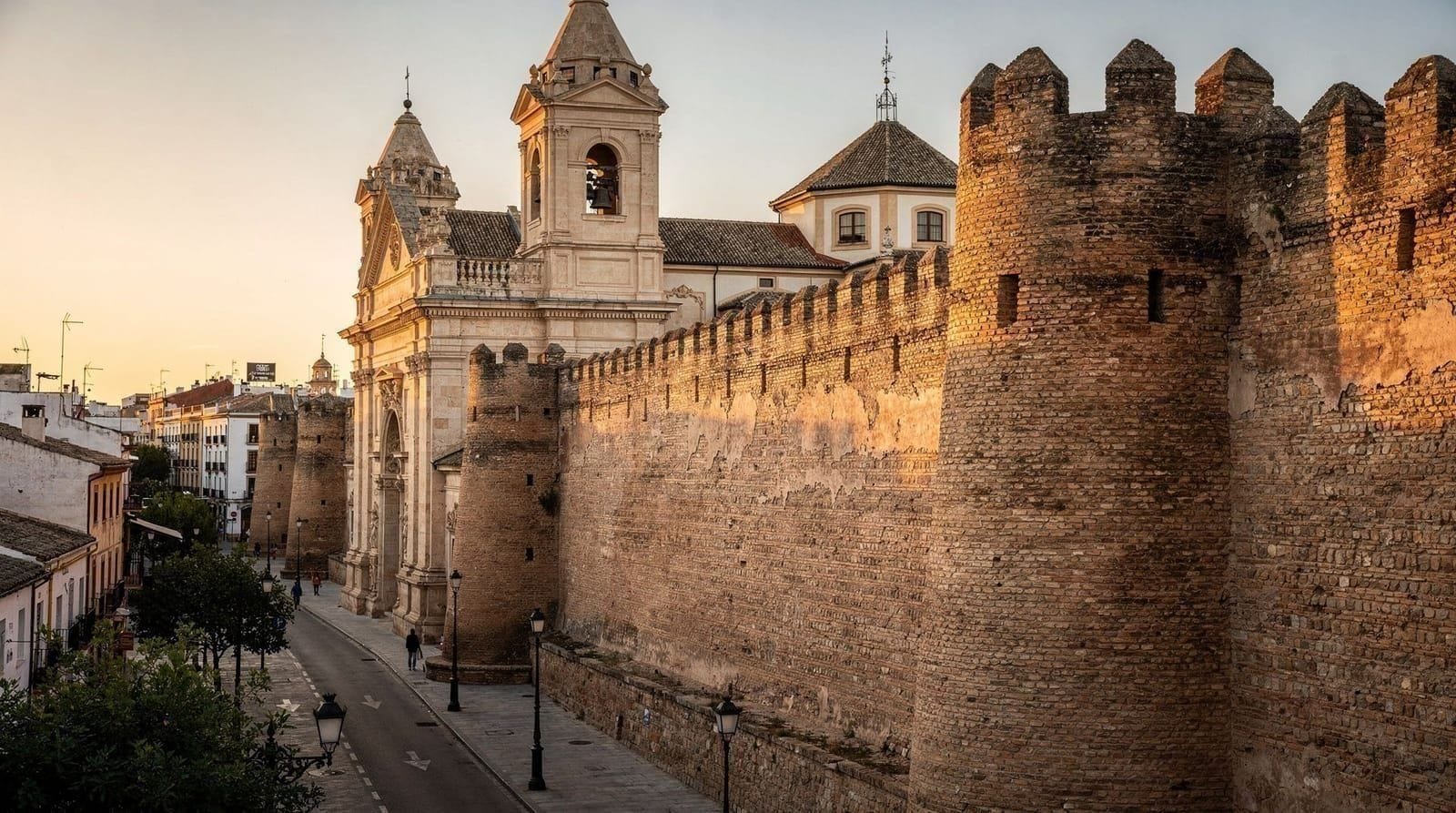
Alameda de Hércules guide: Seville's hip promenade and nightlife hub
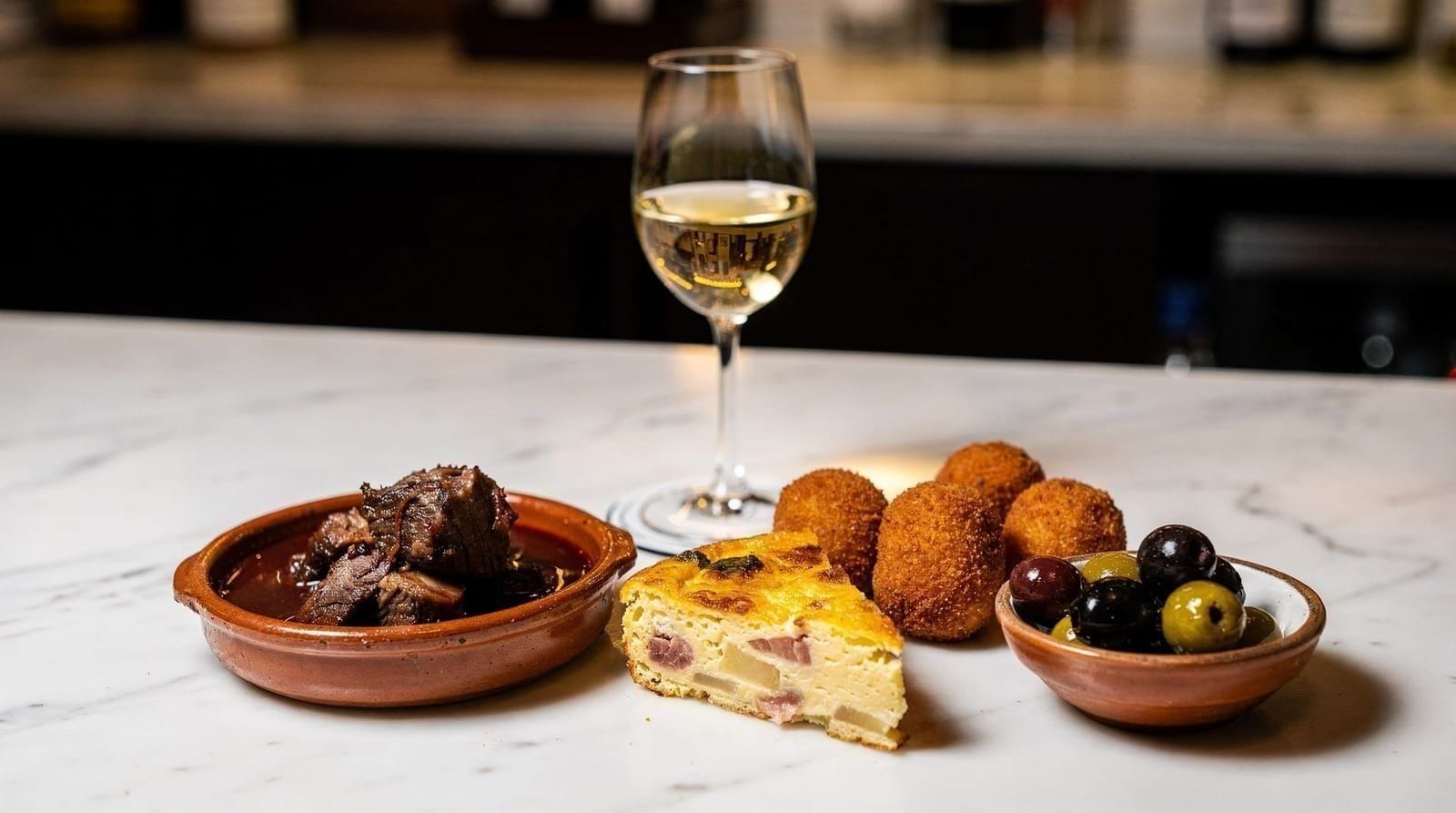
Seville: Evening tapas and wine tasting tour
What is the Alameda de Hércules in Seville?
The Alameda de Hércules is a long tree-lined promenade in the north of the city center, flanked by bars, restaurants, and cafés. It is Seville's primary nightlife and counterculture hub — younger, less touristified than Santa Cruz, with the award-winning Eslava tapas bar and El Rinconcillo (Seville's oldest bar) nearby.
The Alameda de Hércules is a promenade rather than a neighborhood — a 500-meter tree-lined boulevard flanked by bars, restaurants, cafés, and apartment buildings. But it functions as the social and cultural center of an area that includes some of Seville’s best food and most authentic night-time culture.
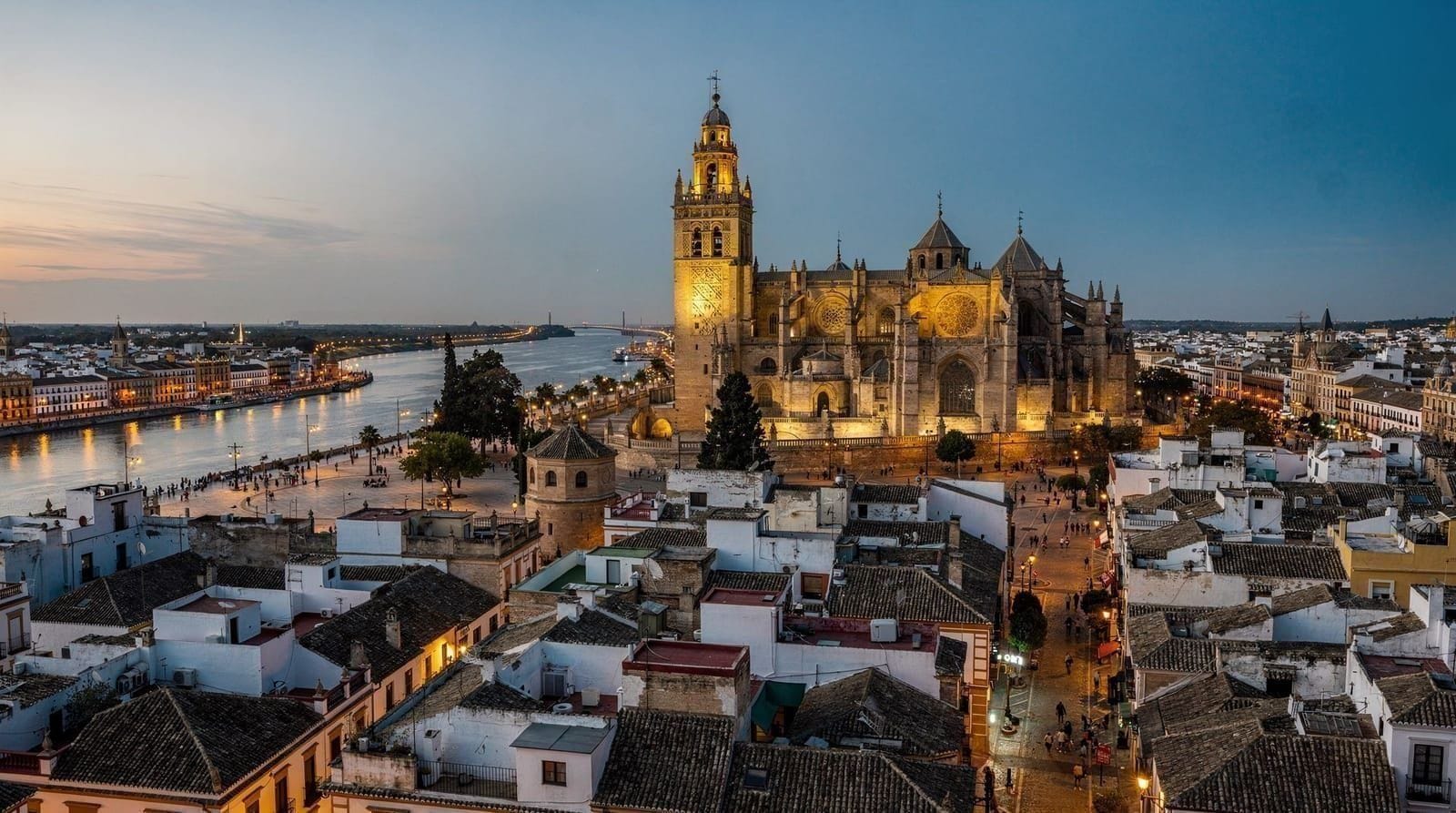
The Alameda sits in the Norte/Centro district, north of the Cathedral and away from the primary tourist circuit. It is 15 minutes’ walk from the Alcázar; most visitors never come here. This is exactly why it is worth visiting.
| Where | Norte/Centro, 15 min walk north of the Cathedral |
| Best for | Tapas, evening drinks, local nightlife |
| Cost | Around €20-25/person for a proper tapas dinner at Eslava; €1.50-2 wine at neighborhood bodegas |
| Time needed | 2-3 hours for an evening; longer if bar-hopping |
| Best time | After 8 PM, especially Thursday to Saturday |
The history: Seville’s oldest public park
The Alameda was created in 1574 on the site of a former seasonal marsh (the name means “poplar grove”). It claims to be the oldest public promenade in Europe — whether this is strictly accurate depends on definition, but it is certainly one of the earliest secular public spaces designed for leisure walking in the Spanish-speaking world.
The two Roman columns at the southern entrance came from a Roman temple excavated nearby. They are original Roman columns — not replicas — placed here in the 16th century as monuments. One is topped with Hercules (giving the promenade its name), one with Julius Caesar (whose connection to Seville is historical: he was born in what is now Seville’s province, according to some ancient sources, and used Hispalis as a military base).
The promenade was the center of Seville’s social life through the 17th and 18th centuries. It declined in the 19th century, was revived as a countercultural space in the late Franco years, and is now the center of Seville’s alternative, gay, and youthful social scene.
The bars and restaurants: Seville’s best concentration of quality tapas
The streets surrounding the Alameda — particularly Calle Eslava, Calle Pérez Galdós, and the promenade itself — have the highest concentration of quality tapas bars in the city.
Eslava (Calle Eslava 3): Award-winning tapas bar, small, no reservations for bar service. The creative tapa format — dishes designed to be single bites with layered flavors — is the opposite of traditional bodega tapas. The signature slow-cooked egg is a reference point. Budget €20-25 per person; expect queues after 1:30 PM and 8:30 PM.
El Rinconcillo (Calle Gerona 40): Seville’s oldest bar (founded 1670), a five-minute walk from the Alameda. Not on the promenade itself but in the connected street system. See the best tapas in Seville guide for full coverage.
Bodega Dos de Mayo (near the Alameda): Neighborhood bodega, cheap, traditional, no tourist accommodation. Wine at €1.50, tapas at €2. The most local pricing in the area.
The promenade bars themselves (the establishments with outdoor tables directly on the Alameda’s tree-shaded walkway) are better for drinks and people-watching than for food. The quality of cooking improves as you move off the promenade into the side streets.
If comparing this area against Santa Cruz or Triana for a tapas-focused evening, see the best tapas bars in Triana and best tapas bars in Santa Cruz — each neighborhood has a genuinely different character, and the Alameda’s is the least tourist-oriented of the three.
Alameda vs Santa Cruz vs Triana for an evening out
| Area | Character | Price level | Best for |
|---|---|---|---|
| Alameda de Hércules | Local, young, LGBTQ+-friendly | €€ (cheapest of the three) | Late-night bar-hopping, Eslava-style creative tapas |
| Santa Cruz | Historic, postcard-pretty, tourist-heavy | €€€ | First-time visitors wanting atmosphere near the Cathedral |
| Triana | Working-class, riverside, flamenco roots | €€ | Traditional tapas bars, ceramics, sunset views over the Guadalquivir |
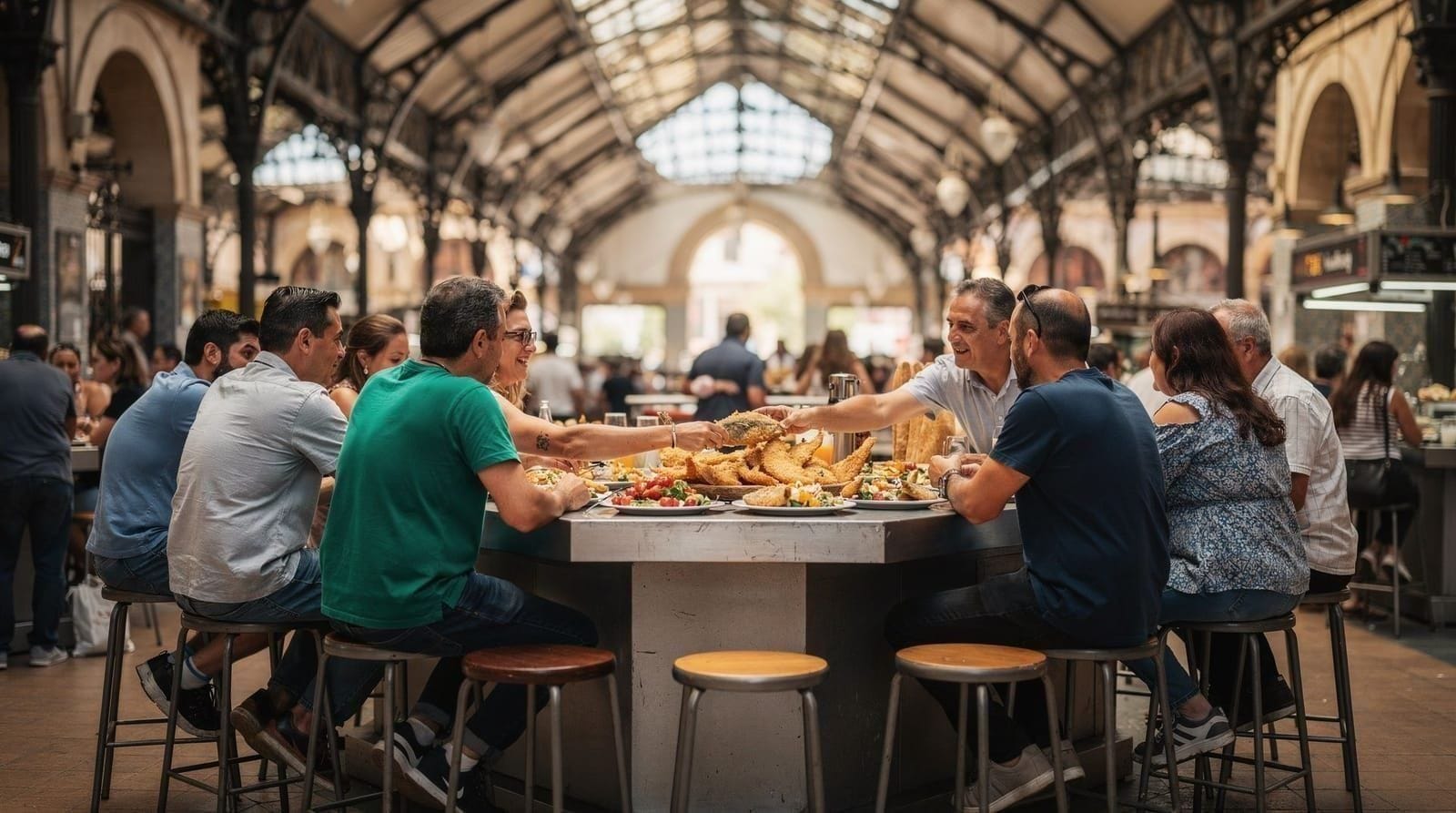
If you want an organized way to sample this style of eating rather than DIY bar-hopping, a guided evening works well:
Evening tapas and wine tasting tour in SevilleThe nightlife dimension
The Alameda is Seville’s primary nightlife hub — the concentration of bars extends into the late night and early morning on weekends. This is a feature for some visitors and a consideration for others who might not want it nearby.
The nightlife here is different from tourist-bar nightlife: it is primarily Sevillano, young, and has a significant LGBTQ+ presence (the Alameda area is the center of Seville’s gay social scene). The atmosphere is relaxed and mixed rather than aggressively commercial.
What this means practically: the Alameda area is excellent for an evening that starts with quality tapas at Eslava and ends with drinks on the promenade. It is less suited to visitors who want to sleep by 11 PM — the noise from bars and the general outdoor social activity continues until well past midnight on weekends.
The market connection: Mercado de la Encarnación
The Mercado de la Encarnación (known as Las Setas or the Metropol Parasol) is 10 minutes’ walk from the Alameda. The market on the lower level is a working food market, more touristy than the Mercado de Triana but with good produce and deli stalls.
The Metropol Parasol above the market — the vast wooden mushroom-shaped structure visible from much of the Centro — has a viewing terrace (tickets from €16, see the official Setas de Sevilla site) and a bar/restaurant at the top. The view of the city is good; the food is mid-range tourist quality.
For the Metropol Parasol specifically, see the Setas guide.
The Roman archaeological site
Beneath the Metropol Parasol, the archaeological site discovered during the market construction contains well-preserved Roman and Almohad ruins. Part of the site is accessible as a museum beneath the parasol structure; the full excavation is ongoing.
This is Seville’s most accessible Roman archaeology — more informative than the Castillo de San Jorge museum in Triana for Roman context specifically.
How to eat well here without a plan
The easiest mistake on the Alameda is to sit down at the first free table on the promenade and order everything there. A better rhythm is to treat the area as a loop: one drink under the trees to settle in, one proper tapas stop in the side streets, then a final drink back on the promenade once the evening has filled up. Standing at the bar rather than taking a table keeps the pricing closer to local levels, a principle explained in the barra vs terrace pricing guide.
Order in small rounds. Tapas here are meant to be shared and repeated, not ordered all at once, and the better bars will tell you what is good that day if you ask. If you are new to the format, the traditional Andalusian dishes guide is a useful primer on what the names on the chalkboard actually mean. Vegetarians and vegans will find the side streets friendlier than a typical old-town menu; the vegetarian and vegan Seville guide covers what to ask for.
If you would rather have someone else choose the bars and explain the dishes, a walking format that mixes food with local history suits this part of town well:
a guided walk through old taverns with tapas and stories along the wayGuided tours are a good fit for a first night, when you do not yet know which doors are worth pushing open. For a side-by-side look at the formats, see the Seville tapas tours compared guide and the wider Seville food tour guide.
Who the Alameda suits, and who it does not
The Alameda works best for travelers who like their evenings unscripted. Couples, friends traveling together, and solo visitors who enjoy sitting at a bar and watching the neighborhood go by will feel at home. It is a mixed, relaxed crowd, and the atmosphere is welcoming rather than performative.
It suits families with young children less well in the late evening, when the promenade becomes a street party, though earlier in the evening it is perfectly pleasant. If you are traveling with children, the Seville with kids guide points to calmer places. Visitors on a tight budget will like it for the opposite reason: it is the most affordable of the three evening districts, which fits well with the advice in the Seville on a budget guide.
Safety here is much like anywhere busy at night in a European city: keep an eye on your phone and bag in crowded spots, and walk back with company late at night. The general picture is covered in the is Seville safe guide.
Fitting the Alameda into a longer stay
On a short trip, the Alameda is best used as one evening among several rather than the whole plan. A sensible pattern is to spend the day on the big monuments, then use the evening here. The Seville in 3 days itinerary and the Seville for foodies itinerary both leave room for an evening like this, and the Seville 2-day plan shows how to trade it against other options when time is short.
If flamenco is also on your list, plan it for a different night so that neither experience feels rushed. The flamenco 101 beginner’s guide will help you choose, and the authentic flamenco vs tourist show guide explains how to avoid the obvious traps. For the traveler’s-eye view of the city’s food scene, the foodie weekend in Seville blog post and the hidden tapas bars locals love give a more personal account.
Seasons and weather on the promenade
The Alameda is an outdoor place, so the season shapes the experience. In the warm months the shaded promenade is where people gather once the heat of the day has eased, and the evening stretches late. In cooler months the bars fill indoors and the promenade feels quieter, but the food is just as good. If you are visiting in summer, the Seville in summer heat guide explains how to shift your day around the temperature, and in spring the Seville in spring guide describes the festive atmosphere that spills into every neighborhood. Travelers coming at the coldest time of year can check the Seville in winter guide.
Getting there and combining it with a day of sightseeing
The Alameda is a straightforward 15-20 minute walk from most Centro accommodation, or a short ride on the C3/C4 circular bus routes — see the getting around Seville guide for the full transport picture. It combines naturally with a walk through the adjoining La Macarena neighborhood, home to the basilica and a quieter, more residential feel than the Alameda itself. Most visitors treat it as an evening add-on after a day spent around the Cathedral, Alcázar, or Santa Cruz, rather than a standalone daytime destination — there is little to see here before around 6 PM.
Staying near the Alameda
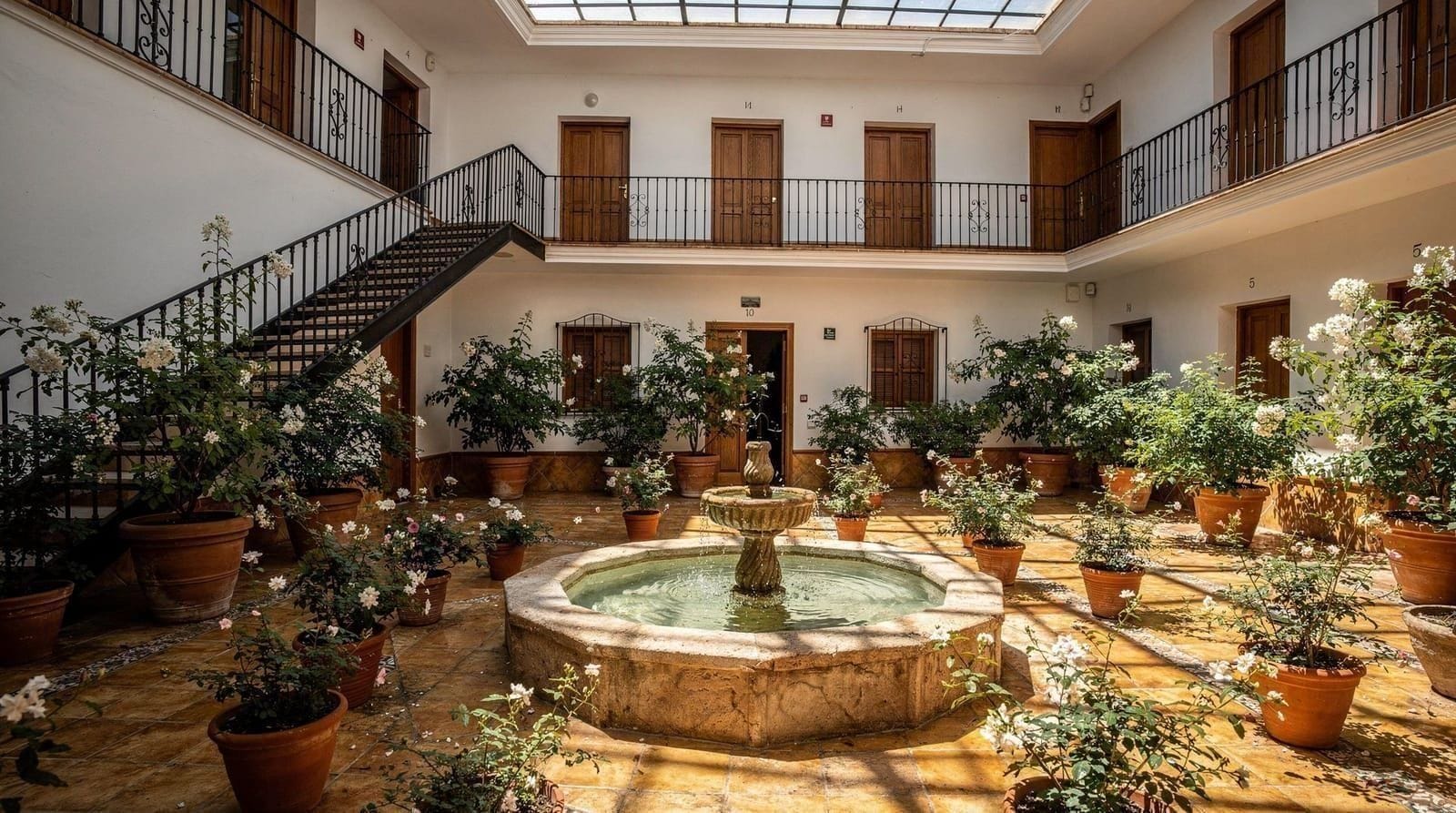
The streets around the Alameda have a range of accommodation options at lower prices than Santa Cruz. The main tradeoff is the nightlife noise on weekends — this is something to factor in when choosing accommodation near the promenade.
For visitors who want to eat at Eslava and El Rinconcillo multiple times, staying in this area is convenient and significantly more affordable than Santa Cruz. The walk to the Alcázar takes 20 minutes.
For a full comparison of all Seville neighborhoods as bases, see where to stay in Seville and best neighborhoods in Seville. First-time visitors torn between staying here and staying in Santa Cruz should also check the general first-time Seville travel tips for how much walking a Centro-based stay involves.
A realistic evening on the Alameda
A workable plan for a first visit: arrive around 8 PM before the dinner rush, queue for a table at Eslava (or arrive at 7:30 to beat it), order a round of tapas and the slow-cooked egg, then walk the promenade itself for a drink at one of the outdoor tables. If you have energy left, El Rinconcillo is a five-minute walk away for a nightcap in Seville’s oldest bar. Skip driving or arranging an early alarm the next morning — this area rewards a slow, unstructured night more than a tightly timed itinerary.
Making the most of the walk
Take your time on the promenade itself. Look up at the two columns at the southern end, read the bar chalkboards as you pass, and notice how the crowd changes from one stretch to the next: some bars lean toward quiet conversation, others toward music and standing crowds. There is no single right place to stop, which is part of the appeal. If a bar looks full of locals, it is usually a good sign.
Pace yourself, too. The evening is long, and the best nights here are the ones where nobody is counting. Pair a slow dinner with a walk toward the Setas afterward, or let the night end wherever the conversation does. For those who want to compare this with a fancier evening, the rooftop bars and views guide offers a very different way to close the day.