La Macarena guide: Seville's neighborhood of the famous Virgin and real local life
Seville: Palacio de Las Dueñas, La Macarena and Las Setas tour
What is the La Macarena neighborhood in Seville?
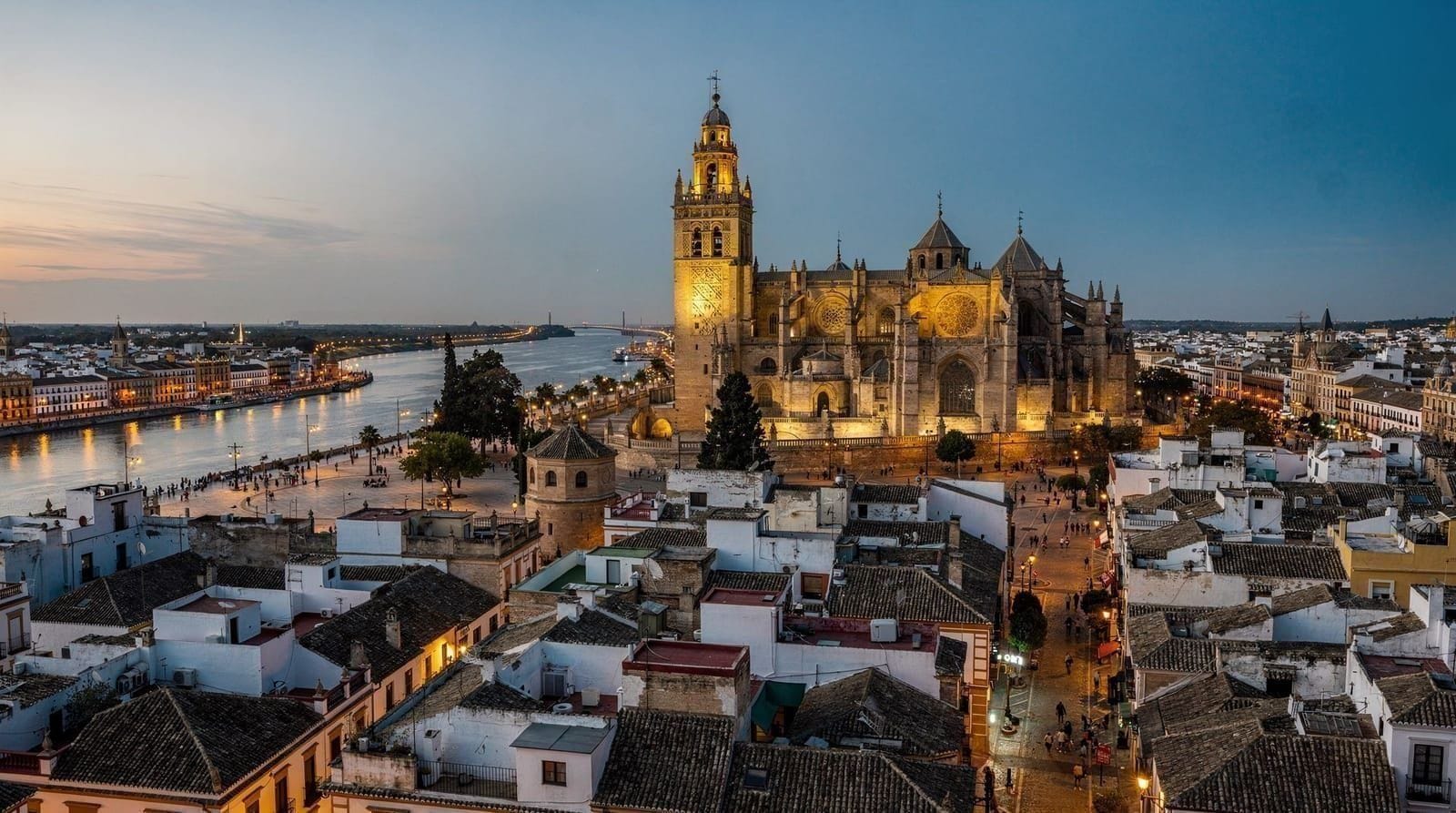
La Macarena is a neighborhood in northern Seville, home to the Basílica de la Macarena and its famous Virgin — the most revered image of Semana Santa in the city. It is a working-class neighborhood with a strong local identity, several good tapas bars, and the best-preserved section of Seville's Roman and Almohad walls.
La Macarena is the name of both a neighborhood in northern Seville and the Virgin whose statue — housed in the Basílica de la Macarena — is the most famous religious image in the city. The song of the same name that became a global novelty hit in the 1990s has nothing to do with either; it was written by a Sevillano group and named after a woman, not the neighborhood or the Virgin. This is a distinction worth clarifying if you are trying to understand what La Macarena actually is.
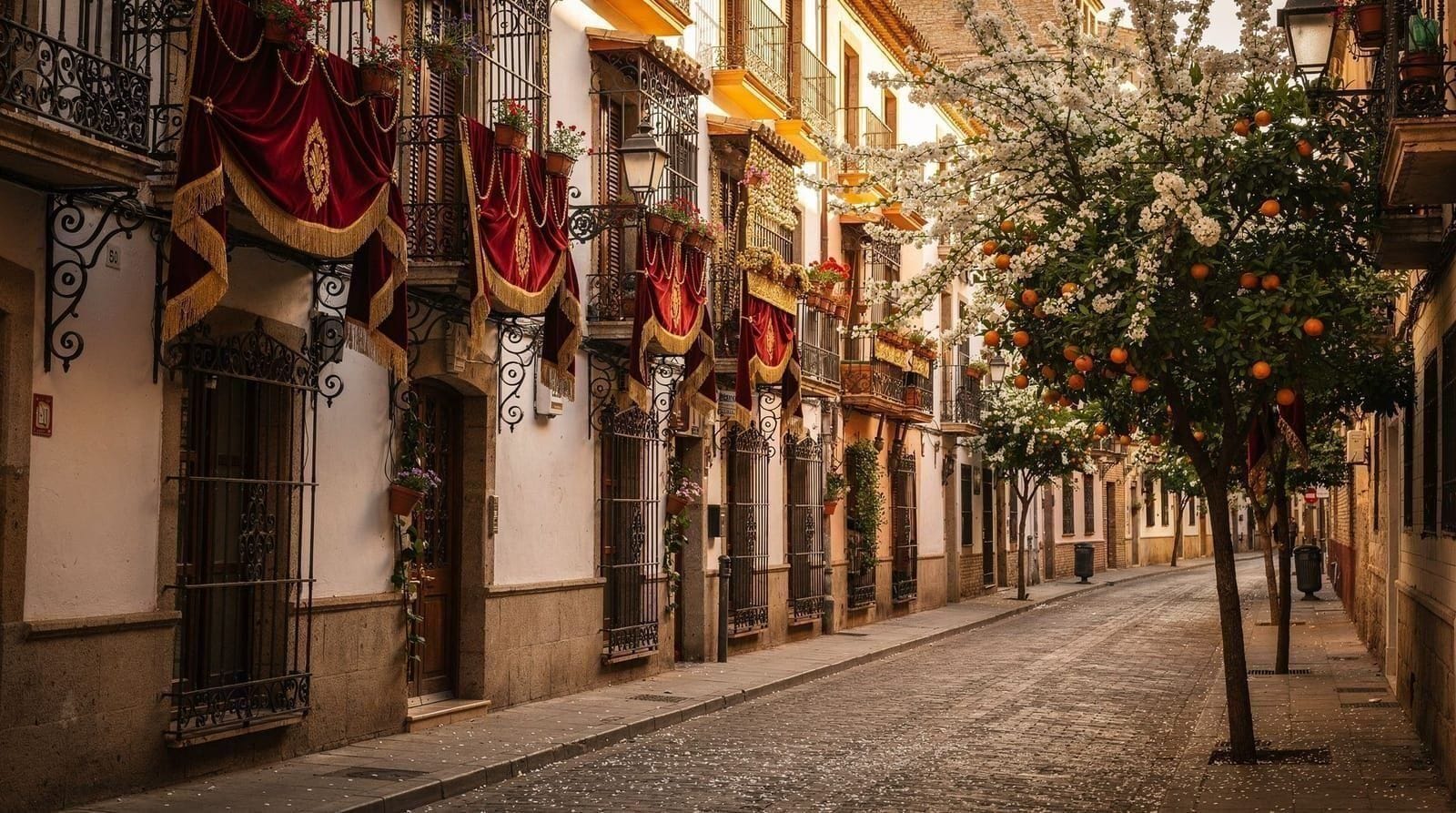
The neighborhood is working-class Seville at its most genuine: away from the tourist circuit, with a strong local identity rooted in the Semana Santa brotherhoods and the street culture of the northern barrios.
| Where | Northern Seville, 20 minutes’ walk from the Cathedral |
| Cost | Free to walk; Basílica museum (paid) |
| Time needed | Half a day for walls, basilica, and market |
| Getting there | Walk north from the centre, or bus lines 10, C4, 32 |
| Best time | Thursday morning for the market; any morning for the walls and basilica |
The Basílica de la Macarena and the Virgin
The Basílica de la Macarena is a 20th-century neo-baroque church (completed 1949) built to house the image of the Virgen de la Esperanza Macarena — a late 17th-century painted wooden sculpture of the Virgin Mary. The image is attributed to an unknown sculptor; some historians suggest a connection to Pedro Roldán, but this is not confirmed.
The Virgin Macarena is the most emotionally resonant of Seville’s Semana Santa images. She wears elaborate gold embroidery robes (different sets for different occasions) and the traditional tears (lágrimas) on her cheeks painted with glossy resin to suggest weeping. Devotion to this image crosses social classes in Seville in a way that is unusual even by the standards of Spanish religious culture.
Visiting the basilica: The church is open most mornings and afternoons (check current hours, Monday to Saturday 9 AM-2 PM and 5-9 PM in winter, with the evening session starting at 6 PM in summer; Sundays from 9:30 AM). Entry to the church is free. The adjacent museum houses the Virgin’s processional throne (a 5-ton silver float carried by 270 men during Semana Santa) and her collection of robes and jewels, including a set of emerald earrings given by the bullfighter Joselito “el Gallo” in the early 20th century. The museum charges an entry fee; see the Hermandad’s official site for the current price.
During Semana Santa: The Virgin’s procession on Holy Thursday night (the madrugá — the early hours) is the most anticipated event of the entire Semana Santa week. The procession leaves the basilica at midnight and returns in the early morning; crowds of tens of thousands line the route. Viewing requires either arriving extremely early for a spot or knowing someone with a balcony position. See the Semana Santa guide.
Hermandad de la Macarena: The brotherhood (cofradía) that maintains the Virgin’s image and organises the madrugá procession is one of the oldest and most prestigious in Seville, with a membership running into the tens of thousands. Outside of Semana Santa, the basilica’s daily rhythm — mass times, the steady stream of local devotees stopping in to pray, flowers left at the image’s feet — gives a sense of how central this devotion is to everyday life in the neighbourhood, not just to the festival week.
The Macarena walls: Seville’s best-preserved Roman-Almohad fortification
The walls running along Calle Macarena (on the north side of the basilica) are the most complete surviving section of Seville’s historic city walls. The current structure is Almohad (12th-13th century) but sits on Roman foundations that are visible at the base in some sections.
The walls extend for approximately 400 meters in this section, with 11 towers. The combination of Roman stonework at the base, Almohad brick above, and Renaissance modifications to the gates creates a compressed archaeology of the city’s fortification history.
The Puerta de la Macarena (the gate in this wall section) is a well-preserved Almohad city gate, modified in the 18th century. Walking along the outside of the wall from the gate toward the Puerta del Córdoba gives a clear picture of medieval Seville’s defensive perimeter.
Calle Feria: the Thursday street market
Calle Feria runs through La Macarena and hosts the Thursday street market (El Jueves) — claimed to be the oldest street market in Spain, operating since the 13th century. The market is mostly secondhand goods: furniture, books, old tools, ceramics, clothing, and antiques of variable quality.
The market runs on Thursday mornings from approximately 8 AM to 2 PM. It is genuinely local — you will see estate-clearance goods, used kitchen equipment, old religious imagery, and the occasional genuine antique among the junk. The street context (a residential working-class Seville street rather than a tourist market location) is more interesting than most of what is for sale.
Local food in La Macarena
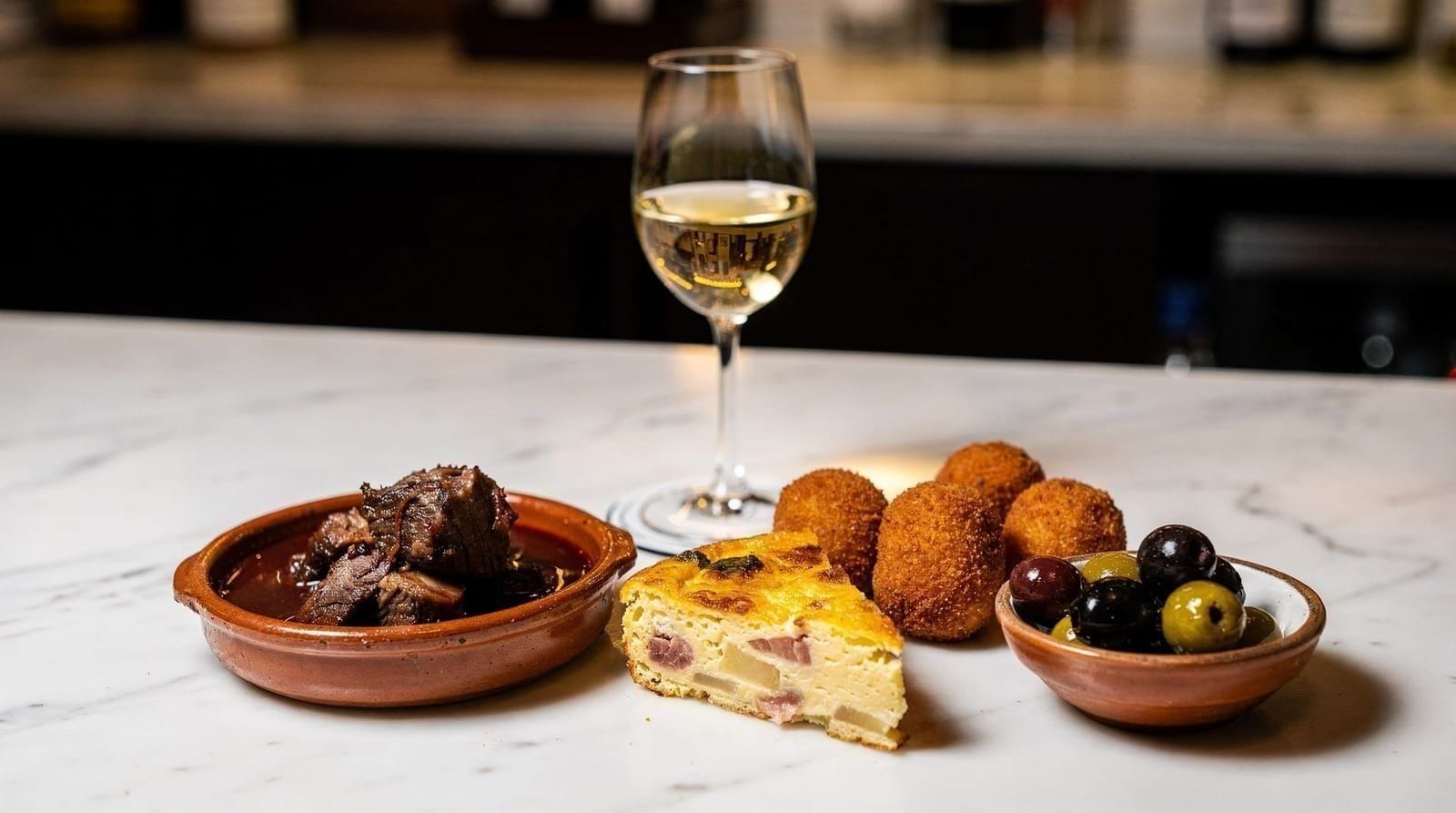
La Macarena has a concentration of neighborhood tapas bars with no tourist markup. The area around the Mercado de la Feria (the neighborhood food market, not to be confused with the Feria de Abril) has basic, honest bars serving the local population.
No single bar in La Macarena has the reputation of Eslava or Las Golondrinas, but the general quality-to-price ratio is good. Eating at the barra in La Macarena costs significantly less than the equivalent in Santa Cruz or El Arenal.
The bars along Calle Feria itself — many serving the stallholders and shoppers of the Thursday market — are the most reliably local. Expect handwritten daily specials, plastic chairs on the pavement, and a menu that rarely changes because it doesn’t need to: fried fish, cheap wine, and simple tapas at prices that assume a neighbourhood clientele rather than a tourist one.
For the broader picture of where to eat in Seville across neighborhoods, see where to eat in Seville and best tapas bars in Seville.
The Alameda de Hércules connection
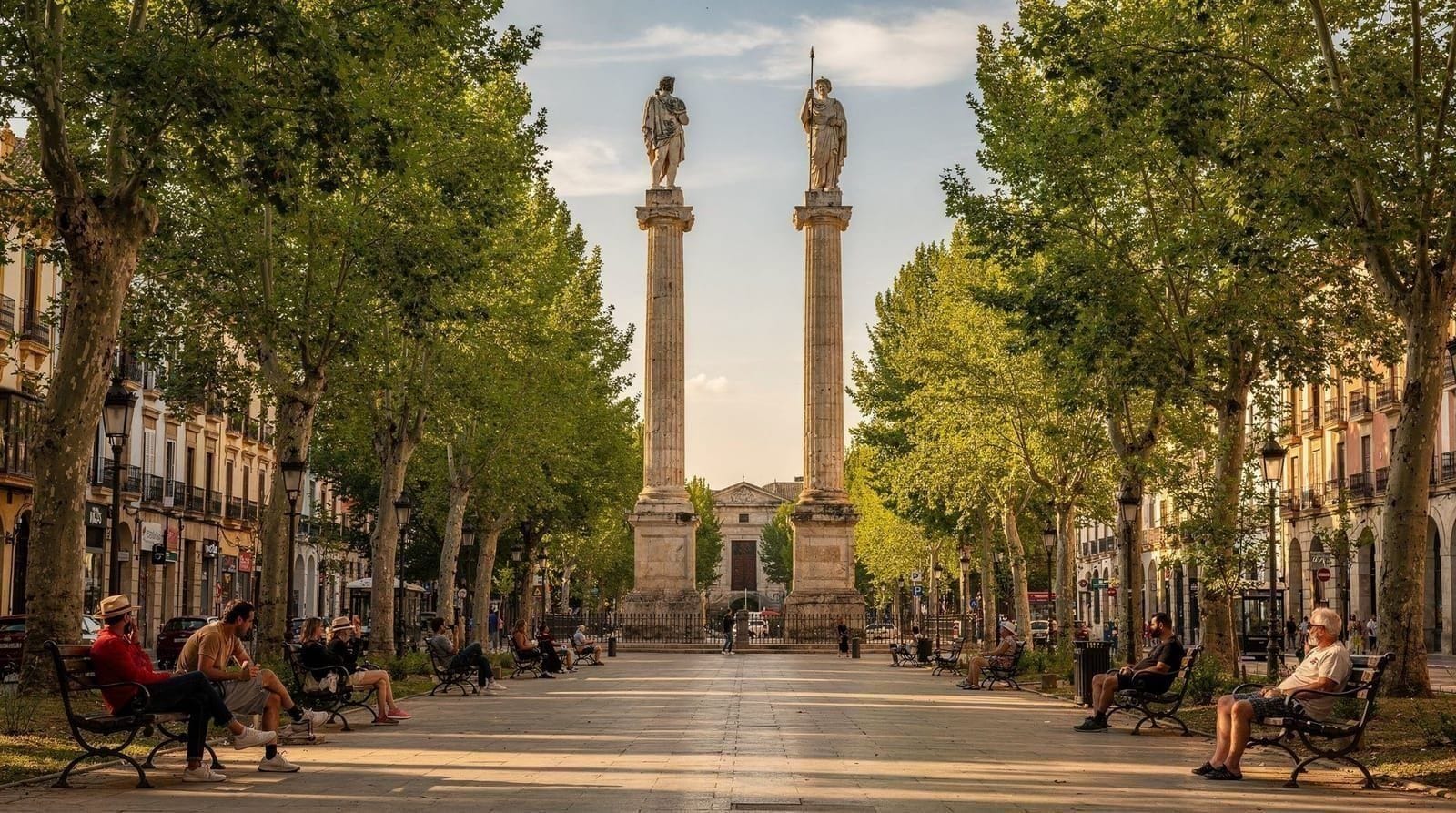
La Macarena’s southern boundary blurs into the Alameda de Hércules area — the promenade and its bar scene are a 10-minute walk from the Basílica. This proximity means that visitors to La Macarena can easily combine the neighborhood’s historical sites (walls, basilica, Calle Feria market) with the Alameda’s food and evening scene.
See the Alameda de Hércules guide for that area’s specifics.
Combining La Macarena with Metropol Parasol (Las Setas)
La Macarena’s southern edge also blurs into the streets around Metropol Parasol — the large contemporary wooden canopy structure known locally as Las Setas, about 10-15 minutes’ walk south of the Basílica. A guided walking route linking Palacio de las Dueñas, the Macarena walls and basilica, and Las Setas at sunset covers the full spread of this less-touristed part of the city in a single afternoon.
Walking tour: Palacio de las Dueñas, La Macarena and Las SetasFor the full detail on Las Setas itself, see the Metropol Parasol guide.
A half-day route through La Macarena
The neighborhood rewards a slow, loosely planned morning more than a checklist. Start at the walls, which are easiest to appreciate when the light is soft and the street is quiet, and follow them along the outside so you can see how the Roman base gives way to later brickwork. From there the basilica is a short step away, and it makes sense to go in before the church fills up with visitors later in the day. Spend your time inside watching rather than photographing: the people who come in to sit quietly in front of the Virgin are the real subject of the visit.
After the basilica, decide whether the museum is for you. If the Semana Santa tradition interests you at all, it is the best way to understand what the brotherhoods put into a single night of procession. If you would rather keep moving, head toward Calle Feria and let the neighborhood set the pace, with a coffee at a corner bar and a slow look at whatever the market or the shops are offering that day.
If you are building this into a wider plan, the Seville in 3 days itinerary and the 4-day itinerary are the natural places to slot it in, since both leave room for a quieter morning away from the headline monuments.
Understanding the neighborhood’s character
La Macarena is a residential area first and a sight second. Daily life here runs on the same rhythm as in many northern Seville barrios: shops opening early, older residents meeting in the same bars every day, and brotherhood buildings and small chapels woven into the street plan. That is exactly why it feels different from Santa Cruz, where much of the ground floor of every street has been turned over to visitors.
If you are comparing areas to decide where to spend your time, the contrast is useful. Triana is also proudly local but has a well-developed food and flamenco scene aimed at visitors as well as residents. La Macarena asks for more curiosity and gives back less polish, which is the point for anyone who has already done the main sights and wants to see how the city lives when it is not performing for an audience.
Respect matters more here than in the busiest tourist areas. The basilica is a place of active worship, so dress modestly, keep your voice low, and avoid using flash or blocking the aisle while people are praying. The same applies on the street: this is someone’s neighborhood, and a friendly greeting goes a long way in the bars and shops.
Eating well after the walls and basilica
A morning of walking builds an appetite, and La Macarena is a good place to satisfy it without a tourist markup. The principle is the one explained in barra vs terrace pricing: standing at the bar is the local way to eat and almost always the better value. Order a few small plates, share them, and move on to the next bar rather than settling at one table for a long meal.
If you would rather have a guide to take you to the right places and explain the dishes, a tapas and taverns walking tour can be a good complement to a quiet morning on your own. For a single, well-organised evening of eating, a guided tapas crawl through the old streets of the city lets you taste a range of dishes without researching each bar. For the dishes themselves, traditional Andalusian dishes is a useful primer before you order.
Practical tips for a smoother visit
- Go early. The walls and the streets around the basilica are at their best in the morning, before the heat builds and before groups arrive. In the hotter months, see Seville in summer heat for how to plan around the sun.
- Wear comfortable shoes. The walk from the centre is easy but the cobbles and uneven pavements add up over a morning of exploring.
- Keep the market in mind. If Thursday fits your schedule, build the whole visit around it; if it does not, the neighborhood is still worth a morning on any other day.
- Combine rather than commit. La Macarena pairs well with the Alameda de Hércules and Las Setas, so you can treat it as one stop in a longer walking day rather than a destination on its own.
- Stay aware of your belongings. The neighborhood is generally calm, but the usual city habits apply, as explained in is Seville safe.
Where La Macarena fits in a wider Seville trip
For many visitors, La Macarena is the neighborhood they discover on a second or third day, once the Alcázar and the Cathedral are behind them. It also works well for repeat visitors who want a different side of the city. If you are still choosing where to base yourself, where to stay in Seville compares the main areas, and the northern barrios are worth considering if you prefer a local atmosphere over being in the thick of the monuments.
Travelers interested in the wider religious and festive calendar will find that La Macarena ties directly into the story told in the Semana Santa guide and in the first-hand account of what to expect during Semana Santa. For a more personal look at off-the-beaten-path eating, the blog post on hidden tapas bars locals love shares the same spirit as the bars along Calle Feria.
Practical information
Getting there: 20 minutes’ walk from the Cathedral/Alcázar, heading north. Bus lines 10, C4, and 32 stop near the Basílica.
Best time to visit: For the walls and basilica, any morning. For the Thursday market, Thursday 8 AM-noon. For Semana Santa, see the dedicated guide.
The neighborhood in context: La Macarena is not a neighborhood most first-time visitors include in a short Seville itinerary. If you are spending 3 days in Seville, the Alcázar, Cathedral, Triana, and El Arenal fill that time more efficiently. If you have 4 or more days, La Macarena adds genuine local texture — the walls, the Virgin’s basilica, and the Thursday market are a distinctive half-day that most visitors miss entirely.
For how La Macarena fits into a multi-day Seville itinerary, see how many days in Seville and best neighborhoods in Seville.