3 days in Seville: our complete trip report
The trip that almost didn’t happen
We booked Seville on a Tuesday in March, flew out on a Friday in late May, and landed at Aeropuerto de Sevilla (SVQ) just past noon on a day that was already touching 34°C. That heat — thick, dry, relentless — was the first thing Seville taught us. The city runs on its own clock, and if you fight it, you lose.
We’d originally planned five days. A cancelled ferry booking compressed things to 72 hours, and in hindsight that was just enough to get a genuine taste without the kind of over-scheduling that turns holidays into logistics exercises.
| Where we stayed | Near the Alameda de Hércules, around €145/night |
| Total spend (2 people, 3 days) | Around €600–650 including hotel |
| Getting in | SVQ airport, EA airport bus |
| Season | Late May, low-30s°C |
| Would we do it again this tight? | Yes, but see what we’d change below |
If you’re weighing whether three days is even enough, our best time to visit Seville guide is worth reading first — the season you pick changes the pace far more than the number of days does.
Day one: landing, orienting, and the Alcázar
The EA airport bus got us from SVQ into the city in about 35 minutes for €6 each. From the bus stop we took a taxi to our hotel near the Alameda de Hércules — €9 with luggage, which felt reasonable. We’d booked a room at the Patio de la Alameda, a restored merchant’s house with a courtyard. It’s not cheap at around €145 per night, but the location and quiet interior were worth it.
After dropping bags and eating a quick lunch at Bar Eslava (jamón ibérico montadito, €2.80 each, at the bar), we headed for the Real Alcázar. This is where the trip almost derailed — there was a queue extending halfway around the block at 2 pm. We had timed-entry tickets booked for the early morning slot the following day, but we’d made the rookie mistake of walking past the entrance and assuming we could join the queue anyway. We couldn’t. Don’t do what we did.
Book timed Alcázar entry in advanceInstead we spent the afternoon at the Plaza de España, which is free and genuinely extraordinary. The semi-circular baroque complex with its azulejo tile panels — one per Spanish province — took us nearly two hours to walk properly. Go at 5 pm when the light is doing something interesting on the ceramic tiles.
If the semicircle and its tiled alcoves catch your eye, the Plaza de España guide explains what you are looking at and how to avoid the busiest stretches of the day.
That evening we ate tapas at La Brunilda in El Arenal. Arrive at 8:30 pm for the first seating; it fills within 20 minutes. The solomillo al whisky (pork sirloin in whisky sauce) is €7.50 and earns its reputation. We spent €38 for two with wine.
Day two: Alcázar at dawn and the neighbourhood contrast
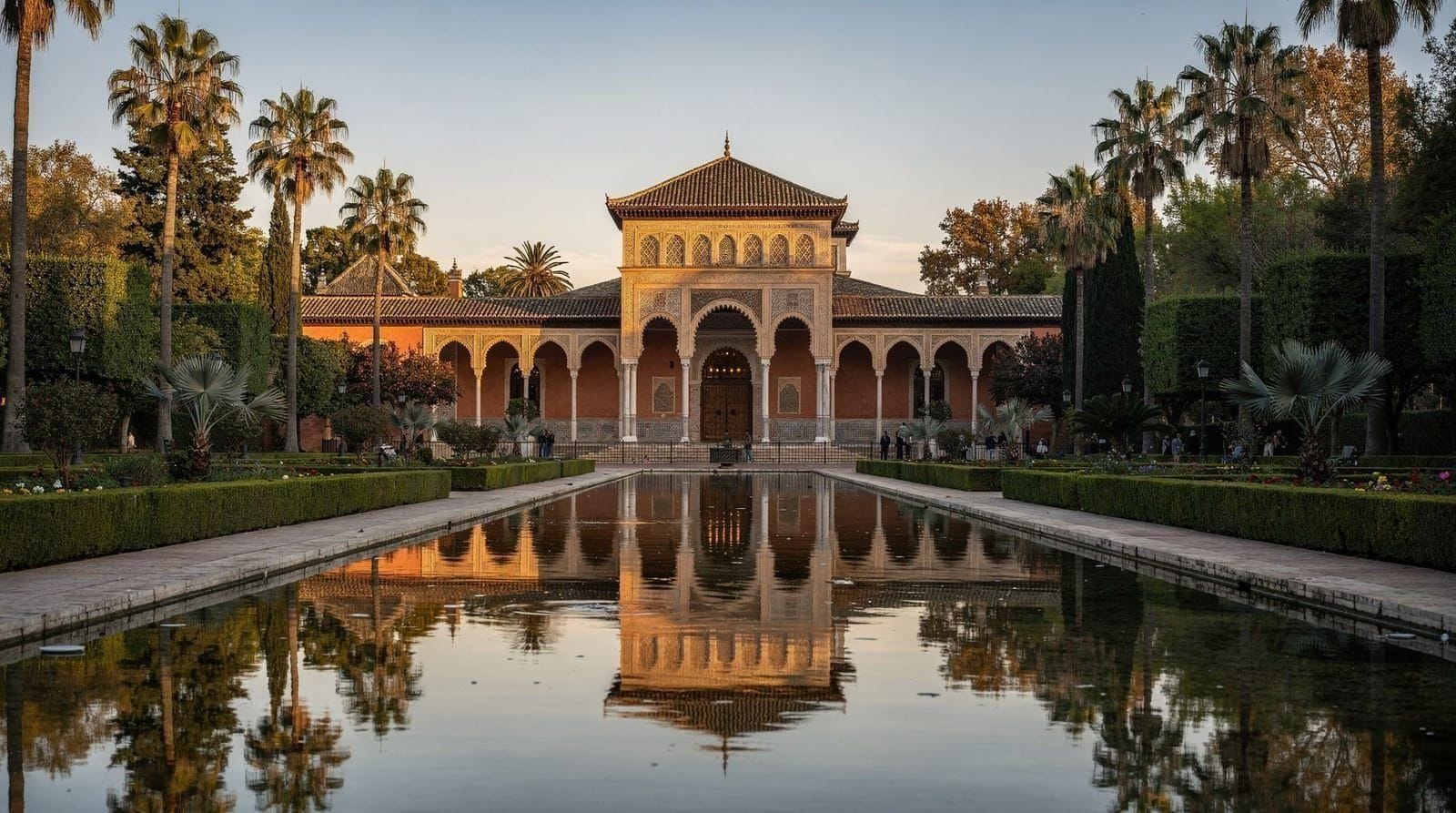
First slot inside the Alcázar is 9:30 am, and the palace grounds were still in shadow when we entered. The difference from a midday visit is real — the light in the Patio de las Doncellas is perfect before 11 am, and the gardens feel like an actual garden rather than a crowd-management exercise. We spent two and a half hours inside and felt we could have stayed another hour.
Our complete Real Alcázar guide walks through the palace room by room, and the Alcázar ticket and skip-the-line guide sorts out which ticket type suits which kind of visitor.
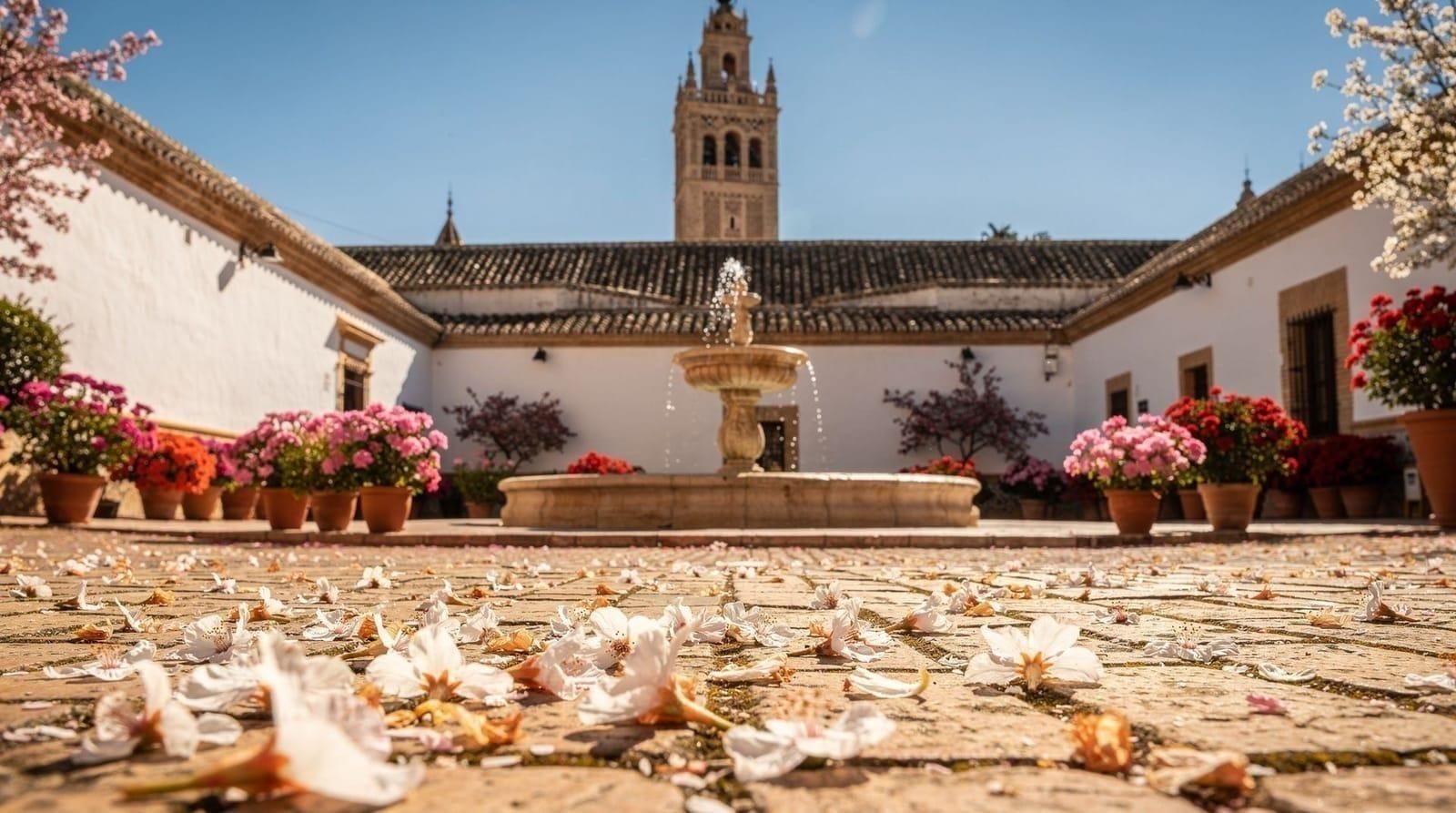
After the Alcázar, we walked through the Barrio de Santa Cruz. It’s beautiful, it’s also heavily touristic, and the restaurants on the outer edge of the barrio carry a visible price premium for the view. We drank coffee at Confitería La Campana on Calle Sierpes instead — a proper Seville institution since 1885, known for its pasteles and yemas de San Leandro (egg-yolk sweets from the local convent). Two coffees and pastries came to €7.
The afternoon was Triana. Cross the Puente de Isabel II and you’re in a different Seville — tiles stacked in workshop windows, neighbourhood bars where football is still on the television and the €1.80 caña comes without question. We stopped at the Castillo de San Jorge under the Triana market (its Inquisition-history exhibition is currently closed; the lobby has the Visita Sevilla tourist desk) and then wandered the Calle Betis waterfront as the light softened.
If Triana appeals, the Triana neighbourhood guide goes deeper on the streets, workshops and bars, and the Triana tapas bars guide will help you choose where to eat.
For dinner we tried Bar Santa Ana on Calle Pureza — a classic Triana bar that’s been open since 1930. No reservation possible, no menu in English. We pointed at what the couple next to us were eating (espinacas con garbanzos, €4.50) and ordered cold beer. Perfect.
Day three: the Cathedral, the truth about paella, and leaving
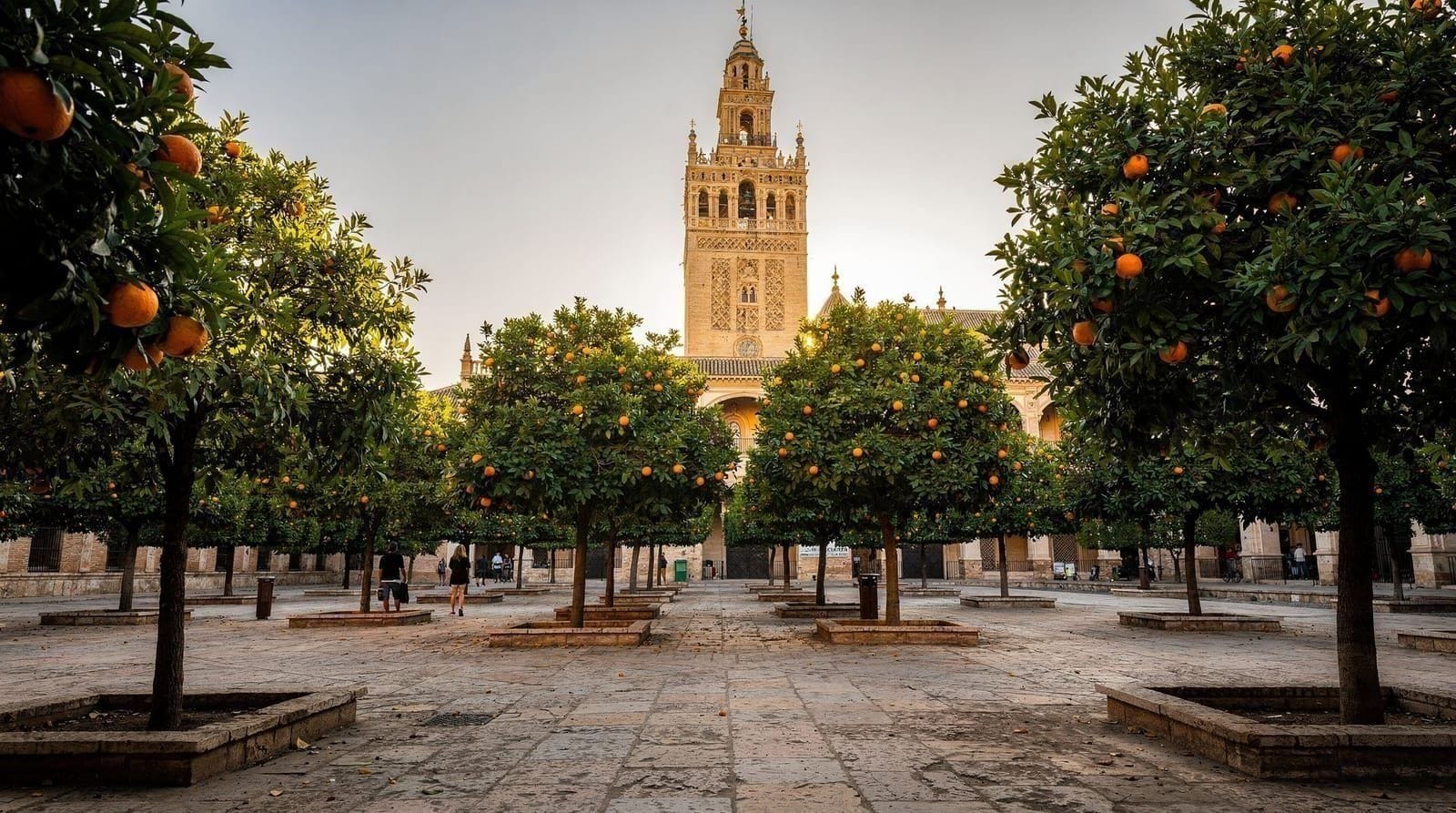
The Seville Cathedral is the world’s largest Gothic cathedral and worth the two to three hours it takes to do properly. The climb up the Giralda ramp (it’s a ramp, not steps — designed for horses) gives you the definitive view of the city. We booked entry the night before for €13 each online including Giralda access.
For the full picture of the building and the climb, see our Seville Cathedral complete guide.
Here’s the paella warning: after the Cathedral we were hungry and walked into a restaurant near the Archivo de Indias that had menus displayed in four languages in the window. The paella was listed at €22. It was serviceable. It was also emphatically not a Seville dish — paella is Valencian — and the price was roughly double what we’d been paying elsewhere. We knew this going in, but tiredness and convenience won. Don’t let them.
The menú del día at Restaurante Modesto (a proper local institution near the Arenal) runs €13 at lunch: starter, main, dessert, bread, water. We wish we’d gone there.
The paella episode is a textbook case of what we cover in our guides to tourist traps to avoid in Seville and barra versus terrace pricing. Read both before your first hungry afternoon, when your judgement is at its weakest.
What we’d do differently
Three days in Seville is genuinely enough if you’re efficient. Here’s what I’d change for a return visit:
Book everything early. Alcázar slots go quickly in spring and summer. The same applies to better flamenco shows — Casa de la Memoria on Calle Cuna often sells out a week in advance. We missed it because we assumed we’d find space on the night. If flamenco is high on your list, our flamenco for beginners guide and the best flamenco shows in Seville will help you pick and book a show before you arrive.
Shift the schedule 90 minutes later. Seville comes alive at 9 pm. Arriving at restaurants at 8 pm means eating alone or in tourist silence. Pushing dinner to 9:30 pm puts you in a room full of Spaniards.
Don’t eat on Plaza del Salvador. The square is beautiful; the prices around the perimeter are extortionate and the food is ordinary. Walk one block to Calle Sierpes and pick from there instead.
Triana is underrated. We spent five hours there and could have spent a full day. The neighbourhood doesn’t perform itself the way Santa Cruz does. For a second visit, I’d stay there.
What we’d skip on a repeat visit
Not everything we did earned its place. The paella near the Archivo de Indias was the clearest miss — see the mistakes list below. We’d also skip the sit-down coffee stop on the outer edge of Santa Cruz on day two; the same coffee and pastries cost less at Confitería La Campana one street over, with better people-watching. And we’d think harder before booking a hotel this close to the Alameda if convenience to the Alcázar and Cathedral matters more to you than nightlife — the best neighbourhoods in Seville guide breaks down which base actually suits a short trip.
How three days compares to more time
Three days works because Seville’s core sights — Alcázar, Cathedral, Plaza de España, one or two neighbourhoods — genuinely fit into 72 hours if you book ahead and don’t try to squeeze in a day trip. What you sacrifice is depth: no Triana lingering, no Cádiz or Ronda day trip, no slow food crawl. If your dates are flexible, our foodie 3-day Seville itinerary shows how the same three days look with a food-first structure instead of a monuments-first one, and the getting around Seville guide covers the transport logistics (trains, taxis, walking distances) we relied on throughout.
Book combined Alcázar and Cathedral skip-the-line ticketsPractical numbers
- Alcázar timed entry: €15.50 per person (booked online, skip-the-line)
- Cathedral + Giralda: €13 per person online (€14 at the ticket office)
- Average dinner for two with house wine: €38–45 at proper restaurants, €22–28 at bars eating at the counter
- Taxi airport–city centre: €26–29 (15–20 minutes)
- Airport bus (EA): €6 each, ~35 minutes
- Hotel (mid-range near Alameda): €135–155 per night
Seville is not an expensive city if you eat and drink like locals do — at the counter, at lunch, on streets one remove from the main sights. It becomes expensive the moment you sit down where the menu is laminated and available in six languages.
One sentence summary
Three days in Seville will show you the bones of the city; come back for a week and it will show you itself.
For planning your own visit, the 3-day Seville itinerary on this site covers a more structured day-by-day breakdown, and our best time to visit Seville guide is worth reading before you book flights.