Best time to visit Seville: month-by-month guide for 2026
Seville: 4-hour guided walking tour
When is the best time to visit Seville?
Late March through May (spring) and September through October (autumn) are the best months for most visitors. Spring has the festivals (Semana Santa, Feria de Abril) and orange blossom. Autumn has comfortable temperatures, fewer crowds, and the Bienal de Flamenco in even-numbered years. Summer is viable but brutally hot (40°C+). Winter is mild, quiet, and underrated.
Seville is unusual in that every season offers a genuinely different experience, and the “best” time to visit depends entirely on what you prioritise. This guide works through each month and season with specific, honest assessments rather than the vague “spring is great!” content that fills most travel sites.
Quick seasonal summary
| Season | Temp (°C) | Crowds | Events | Verdict |
|---|---|---|---|---|
| Spring (Mar-May) | 18-28°C | Very high in Apr | Semana Santa, Feria de Abril | Spectacular but expensive and busy |
| Summer (Jun-Aug) | 32-42°C | High | - | Viable with planning; brutally hot |
| Autumn (Sep-Oct) | 22-30°C | Moderate | Bienal de Flamenco (even years) | Excellent; best overall season |
| Autumn (Nov) | 14-20°C | Low | - | Good value, quieter |
| Winter (Dec-Feb) | 11-16°C | Low | Christmas belén displays | Underrated; mild and peaceful |
| Late winter (Mar) | 15-22°C | Building | Orange blossom season starts | Ideal for early planning |
Spring: March to May
March
March begins the most appealing visitor season. Temperatures climb from mid-month (18-22°C by the end of March), orange blossom appears on the city’s bitter orange trees from late March, and the city is not yet at peak capacity. Accommodation prices are reasonable in early March; they rise sharply as Semana Santa approaches.
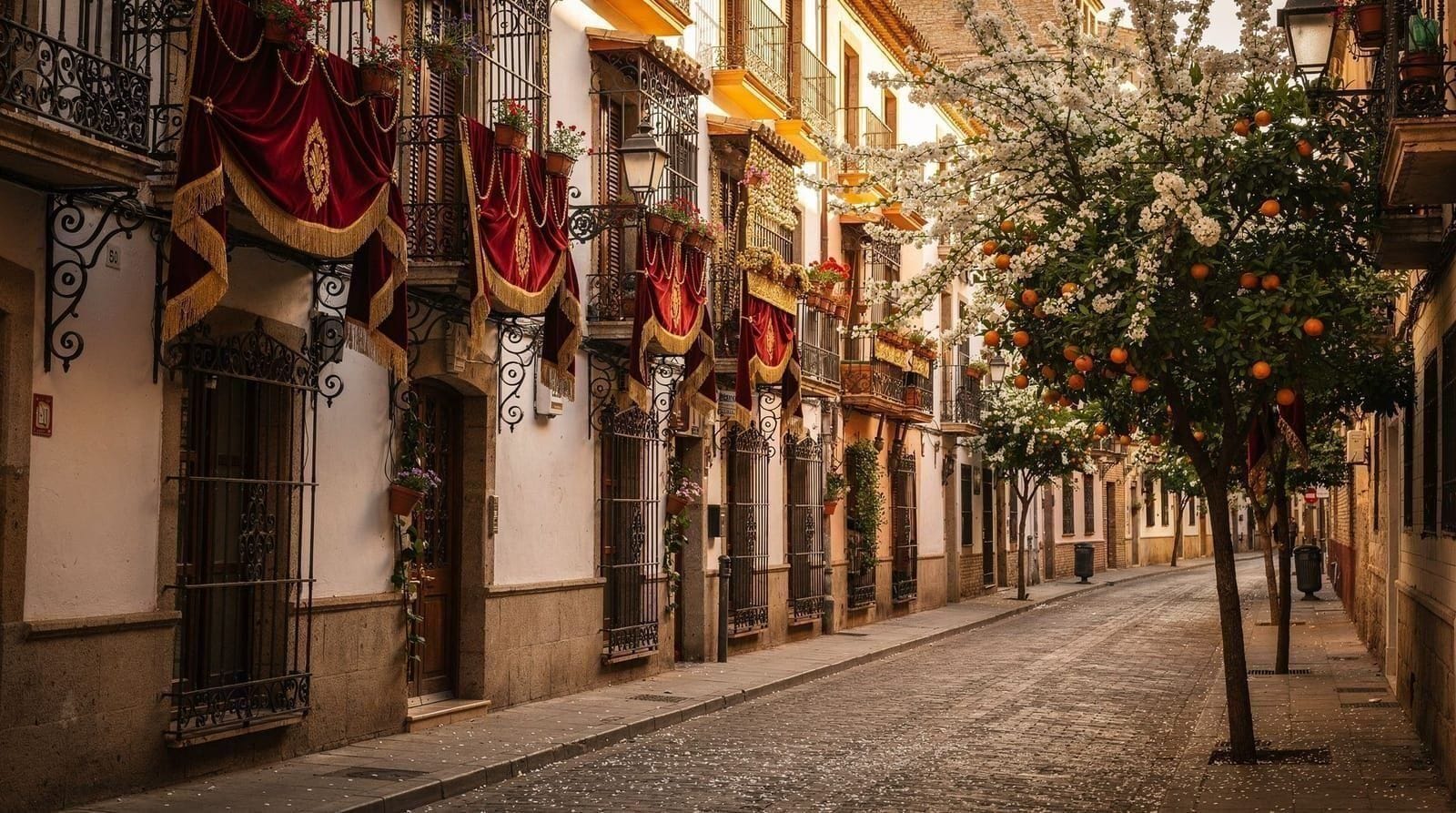
Semana Santa 2026: March 29 – April 5. The Holy Week processions are among the most significant religious and cultural events in Spain. Forty-plus brotherhoods (cofradías) carry life-sized floats (pasos) of religious scenes through the streets between their home church and the Cathedral, often walking through the night. The experience — white-hooded penitents, candlelight, the scent of incense and orange blossom, the haunting sound of saeta (flamenco prayer) — is genuinely unlike anything else in Europe. But: hotel prices triple, advance booking is essential (6-12 months for prime locations), and the historic centre becomes impassable during major processions. See the full Semana Santa guide.
April
The most expensive and busiest month to visit Seville. Orange blossom is at its peak in early April (extraordinarily fragrant). Semana Santa ends April 5, and the city has barely recovered before:
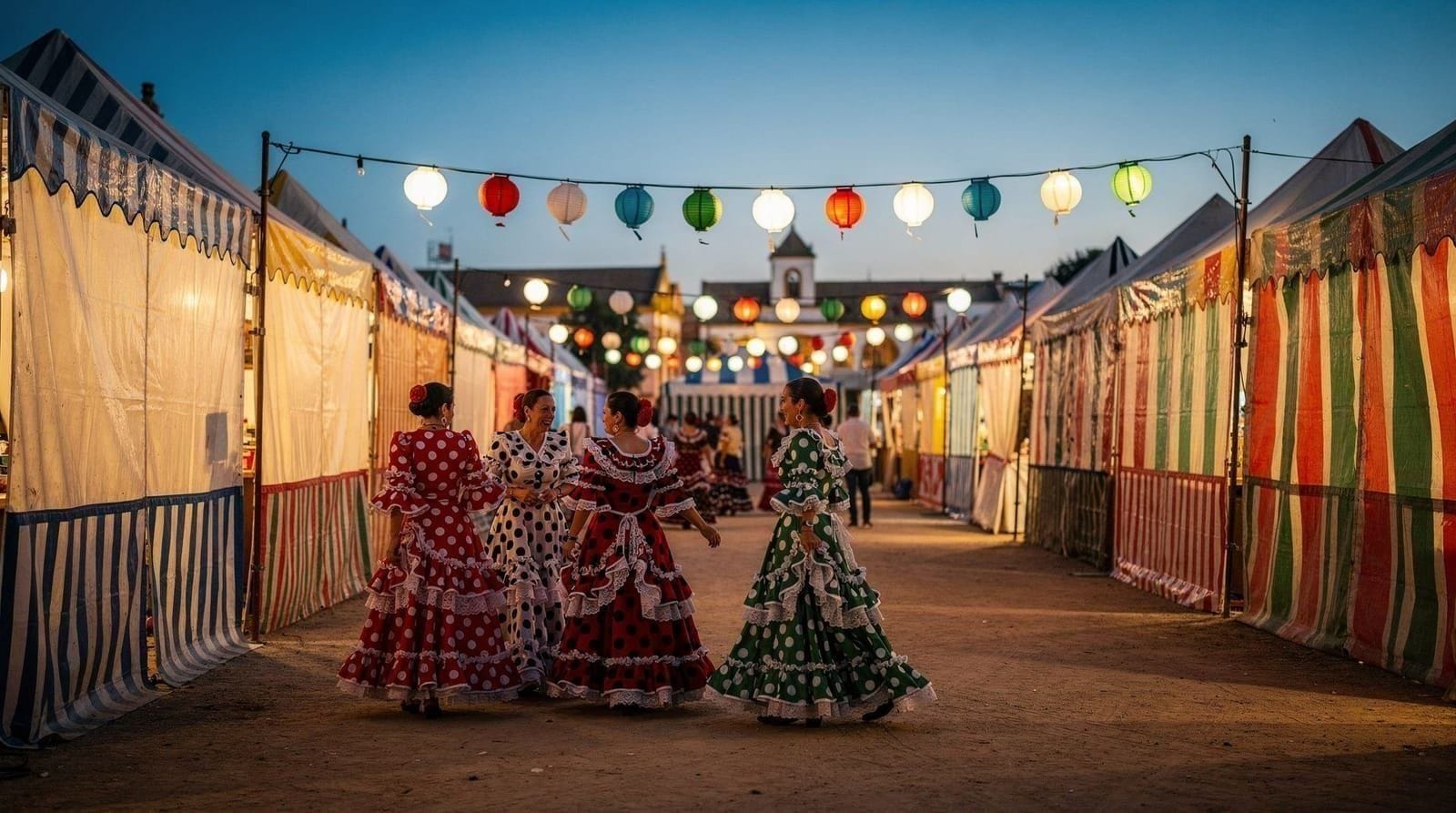
Feria de Abril 2026: April 21-26. The Feria is the city’s annual spring fair — a week of flamenco music (sevillanas), sherry, horse-drawn carriages, and elaborate traje de flamenca dresses. The fairground (Real de la Feria, Los Remedios) is primarily a private affair of casetas (marquees) belonging to families, businesses, and organisations. Visitors can access public casetas and the fairground itself, but the most atmospheric experience requires an invitation to a private caseta. The first night (Alumbrado, when the fairground lights are switched on) and the Saturday night closing are the most spectacular. See the full Feria de Abril guide.
Temperatures in April: 20-26°C average, occasionally warmer.
May
May is possibly the single best month to visit Seville for visitors who want pleasant weather without festival crowds. Temperatures are warm (24-28°C), the city is quieter than April, the Alcázar gardens are in their full spring glory, and accommodation prices have normalised. The Plaza de España is busy on weekends but manageable on weekdays. Corpus Christi falls in May or June (2026: June 4) — a significant local religious celebration.
Summer: June to August
Seville is, by most metrics, the hottest city in Western Europe. The geographical position — surrounded by flat agricultural plains that absorb and radiate heat, with the Sierra Nevada blocking Atlantic influence — creates a furnace effect. Average July maximums: 36-38°C. Peak temperatures in the hottest summers: above 45°C.
This does not make summer an impossible time to visit, but it requires significant adaptation. See the complete Seville in summer heat guide for the full strategy.
Key summer adaptations:
- Sightsee 7am-noon and 6pm-midnight. Midday (12pm-5pm) is siesta time for a reason.
- Book indoor activities (Alcázar, Cathedral, Casa de Pilatos, museums) for midday slots when outdoor activity is impossible.
- The river (kayaking evening tours, sunset paddleboarding) is the best outdoor option.
- July-August sees lower tourist volumes than April-May — many Spanish operators prefer this.
June is the shoulder month: temperatures build from 30°C in early June to 35°C+ by late June. Still manageable with care.
July-August: Heat is the primary fact of life. The city quietens — many Sevillanos leave for the coast. Some restaurants reduce hours or close for August. But the nightlife culture (dinner after 10pm, bars open until 3-4am) makes evenings genuinely enjoyable.
Autumn: September to November
September-October
The best overall time to visit Seville for visitors who want comfort without extreme heat. Temperatures cool from 33°C in early September to 23°C by late October. Tourist volumes drop from the spring peak. The city functions at full speed — all restaurants and attractions open normal hours.
In 2026 specifically, September-October has one overwhelming attraction:
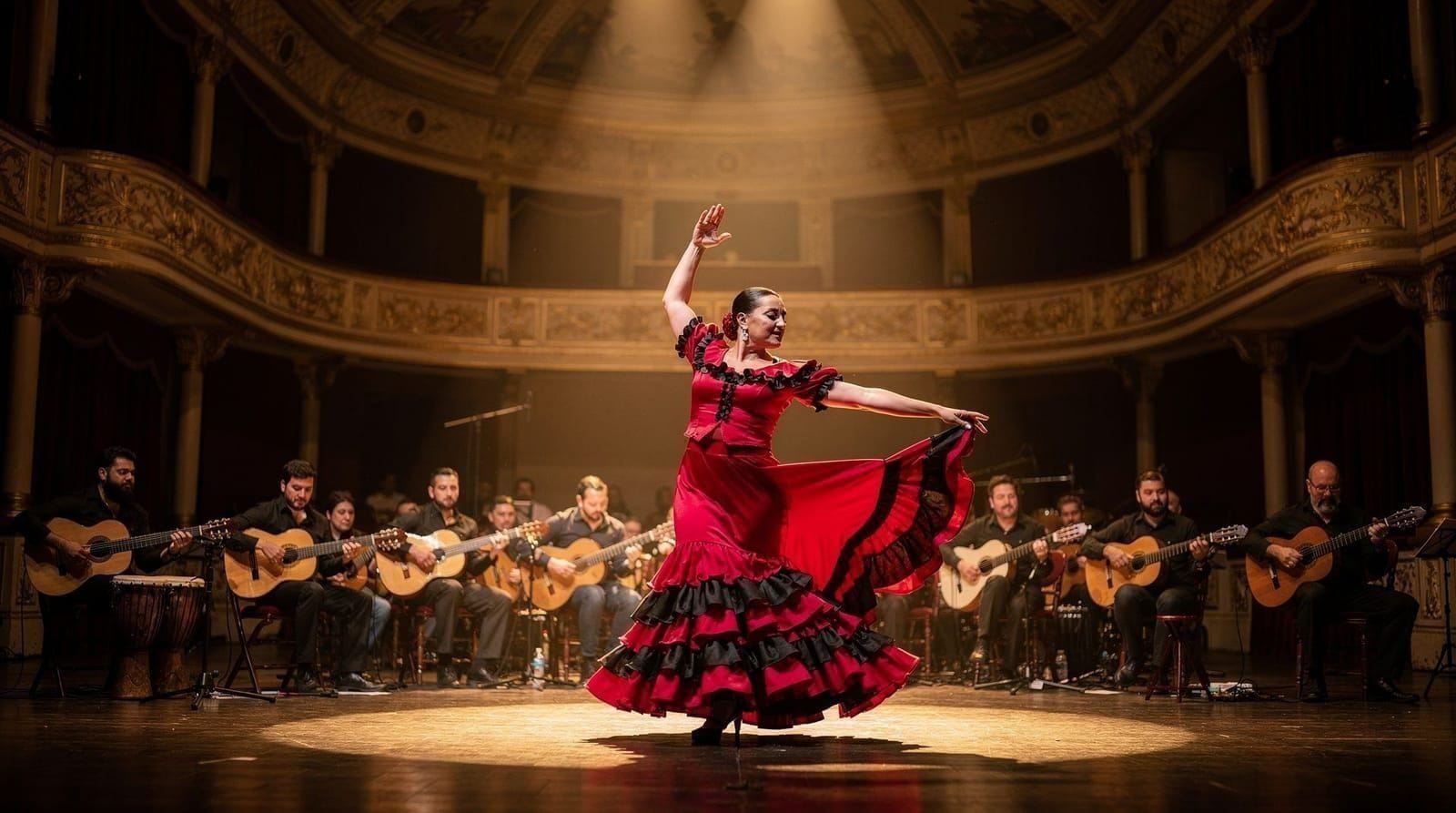
Bienal de Flamenco de Sevilla 2026: September 9 – October 3. The Bienal is the world’s most prestigious flamenco festival, held in even-numbered years. The 2026 edition will feature more than 70 performances in venues across the city — Teatro Central, Teatro de la Maestranza, Teatro Lope de Vega, and smaller spaces. It showcases bailaores (dancers), cantaores (singers), and guitarists at the absolute peak of the art form. Unlike year-round tablao shows, Bienal performances are by leading artists who don’t perform regularly in Seville; tickets for major performances sell out quickly. See the full Bienal de Flamenco guide.
Autumn 2026 is the best time to visit Seville in any recent year.
November
November sees temperatures drop to 14-20°C, crowds thin further, and prices fall significantly. It is a genuinely pleasant month for a city visit: mild, navigable, and quiet. The main disadvantage is shorter daylight hours.
Winter: December to February
December
Christmas in Seville is underrated. The city’s Christmas decorations (particularly the illuminations on Calle Sierpes and the Plaza Nueva) are elaborate. Every church, public building, and many private homes display belén (nativity scene) displays — some extremely elaborate, with miniaturised entire Andalusian villages. The city holds a competition for the best belén, and the entries in the Cathedral and public buildings are worth seeking out. See the Christmas in Seville guide.
Temperatures: 12-16°C. Rain is more common than in spring or autumn but not dominant. Crowds: very manageable compared to spring.
January-February
The quietest and cheapest months. Cold by Andalusian standards (lows can reach 5°C, though frost is rare). The Alcázar, Cathedral, and museums are uncrowded — some visitors report walking into the Alcázar without any queue in January. Accommodation prices are at their annual low.
The main drawback is weather: cloudy, occasionally rainy days are more common than at other times of year. Sunny winter days (common) feel like a northern European spring and are excellent for outdoor sightseeing.
February: Seville’s Carnaval (smaller than Cádiz’s famous version but genuine) happens in late February. Orange trees are bare of blossom but heavy with fruit. Carnival atmosphere in the Alameda de Hércules area.
The honest bottom line
For most visitors: Target late April (after Feria, through May) or September-October. In 2026, September-October is particularly strong because of the Bienal.
For festival experiences: March-April for Semana Santa and Feria, but accept the cost and crowd premium.
For budget travel: January or November. Quiet and cheap.
For summer visits: Yes, it can work — read the summer heat guide first.
For Bienal de Flamenco: September-October 2026 specifically. Book flamenco tickets before booking your flights.
How your chosen season affects monument booking
Whichever season you pick, it changes how far ahead you need to book the Alcázar and Cathedral, not just what you’ll wear. The best time to visit the Alcázar guide gives a month-by-month booking-lead-time breakdown, and if crowd-avoidance is your priority over any specific festival, best time to avoid crowds in Seville covers time-of-day tactics that apply regardless of season. For a season-specific practical rundown rather than the general overview here, see Seville in spring or Seville in winter.
Seville 4-hour guided walking tour — good in any season, indoor-heavy stretches available in summerChoosing by what you want to do
Season matters less than the kind of trip you have in mind, so it helps to start from the activities and work backwards. If your plan is built around the monuments, the Alcázar and the Cathedral reward visits in the cooler, quieter months, when you can linger in the courtyards instead of shuffling through them. In the hotter months the same visits become welcome retreats from the sun, which is why indoor sights are worth saving for the middle of the day. For travellers who want to understand a palace as more than a pretty backdrop, a skip-the-line Alcázar visit with a guide pays off in every season, because it removes the guesswork about queues and gives the rooms some context — you can book a guided Alcázar visit with skip-the-line entry ahead of time and keep your dates flexible.
If food is the priority, the calendar barely constrains you. Tapas culture runs all year, though terraces are at their best in spring and autumn, and summer pushes everything into the late evening. The guides to best tapas in Seville and barra versus terrace pricing apply whatever month you land on.
If you are drawn to the countryside and the towns around the city, think about the weather in those places too. The best day trips from Seville are most comfortable in spring and autumn, when walking around Córdoba, Granada or the white villages does not feel like an endurance test. Summer day trips work better when they are built around early starts and a long lunch.
Shoulder weeks and how to use them
The edges of each season are where the best compromises live. The first days of March, the last stretch of May, the opening weeks of September and the end of October all give you most of the benefits of a headline season with a lot less pressure. You trade a little on weather or on the festival atmosphere, and in return you usually get easier bookings, calmer streets and a city that feels lived in rather than staged.
The same logic applies to individual days. Weekdays are generally gentler than weekends at the busiest sights, and early mornings beat afternoons almost everywhere. Combine a shoulder week with early starts and you can see the main sights without feeling that you are competing for space with everyone else.
Planning around the big events
Festivals reshape the whole city, not just the days they are officially held. Streets close, bars fill, and ordinary errands such as crossing the centre can take far longer than usual. If you are travelling during Semana Santa or Feria, build in slack: do not schedule tight connections, and keep one flexible day for whatever the processions or fairground do to your plans. If you would rather avoid the festival crush but still want spring weather, the quieter weeks around them are a smart alternative.
Arrival and departure days deserve extra thought in peak weeks. The guide to getting from the airport into the city and the getting around Seville overview help you decide how to move when roads and pavements are crowded, and a pre-arranged airport bus transfer into the centre removes one source of stress at the start of a trip.
Matching the season to your itinerary
Once you have chosen your months, the next step is shaping the days themselves. A 3-day itinerary suits a short autumn or spring break, while a first visit that stretches to a week leaves room to add excursions. Couples might lean on the Seville for couples route in the gentler seasons, and families should read Seville with kids before committing to a summer trip. Budget-minded readers will find the Seville on a budget guide a useful companion to the cheaper winter months.
What to pack by season
Spring and autumn call for layers — mornings can be cool (12-18°C) while afternoons warm up considerably, and a light rain layer is worth having in March, November, and December. Summer needs breathable, light-coloured clothing, a proper sun hat, and swimwear for river or pool time; cotton or linen beats synthetic fabrics in 38°C+ heat. Winter rarely demands more than a mid-weight jacket — Seville’s cold is mild by northern European standards, but evenings after sunset (17:00-19:00 in December-January) do get genuinely chilly. The full packing breakdown by month is in the Seville packing list.
Matching your dates to your trip length
A short 2-3 day trip amplifies the cost of bad timing — a Semana Santa weekend with impassable streets eats disproportionately into limited time, while the same crowds barely register on a 7-day stay with room to adapt. If your dates are flexible, cross-reference this guide with how many days in Seville before committing, since a longer stay makes even the trickiest weeks (Semana Santa, Feria) more forgiving. First-time visitors juggling season and logistics together should also check Seville first-time travel tips.
Frequently asked questions about Best time to visit Seville
What months are too hot to visit Seville?
July and August are the hottest months — average highs of 36-38°C with regular peaks above 40°C, sometimes reaching 45°C. Sightseeing is genuinely difficult in the middle of the day. If you must visit in summer, sightsee before noon and after 7pm, and embrace the Spanish siesta culture. June and September are on the edge — warm but manageable.Is Seville busy during Semana Santa and Feria de Abril?
Extremely busy. Semana Santa (Holy Week, 2026: March 29-April 5) draws over a million visitors to the city. Hotel prices triple or more. The processions are extraordinary to witness but the crowd pressure in the historic streets is intense. Feria de Abril (2026: April 21-26) is more local in character but equally fully booked. Reserve accommodation for these periods 6-12 months ahead.How cold does Seville get in winter?
Seville's winter is mild by European standards. Average January highs are around 15-16°C; lows rarely fall below 5°C. Frost is extremely rare. Cold grey days do occur in December-January, but sunny winter days (common) feel like an English spring. This makes winter a genuine option for visitors from northern Europe.When is the cheapest time to visit Seville?
January and February offer the cheapest flights and hotel rates, followed by November and mid-June/early July (just before the peak summer heat drives prices up slightly). The period between Feria de Abril (late April) and the school summer holidays (mid-June) is also relatively good value.What is the Bienal de Flamenco and when is it?
The Bienal de Flamenco de Sevilla is the most important flamenco festival in the world, held every two years (even-numbered years) in Seville. In 2026, it runs September 9 through October 3. It features performances by the world's leading flamenco artists in venues across the city. This is the single most compelling reason to visit Seville in any particular year.Is spring or autumn better for visiting Seville?
Both are excellent — the choice depends on priorities. Spring has the festivals and orange blossom but is more crowded and expensive. Autumn has the Bienal de Flamenco (in even years), fewer tourists, and equally comfortable temperatures. In 2026 specifically, autumn (September-October) has the added draw of the Bienal.Can I visit Seville in summer without suffering?
With the right approach, yes. Key strategies: sightsee 7am-noon and 6pm-midnight; avoid all outdoor activity 1-5pm; book air-conditioned accommodation; use the Guadalquivir river (kayaking, paddleboarding in the evening, or the eco cruise); visit the Alcázar at 9:30am opening. The summer tapas and nightlife culture — which runs very late — makes evenings genuinely enjoyable.When is orange blossom season in Seville?
Orange blossom (azahar) typically peaks in late March to mid-April. The scent from Seville's 40,000 bitter orange trees is one of the city's most distinctive sensory experiences. María Luisa Park, the Alcázar gardens, and the narrow streets of Santa Cruz are particularly fragrant. The timing varies slightly by year with temperature.Does the time of year affect how far ahead I need to book the Alcázar and Cathedral?
Significantly. In low season (January-February, November) 1-3 days ahead is usually enough. In April-May and October, book 1-2 weeks ahead. For Semana Santa, book 2-3 weeks ahead without exception. See /guides/best-time-to-visit-alcazar/ for the full month-by-month breakdown.What season is best if I'm mainly avoiding crowds rather than chasing festivals?
November and January-February are the quietest overall, with October a close third once the Bienal de Flamenco crowd (in even years) has thinned by late month. See /guides/best-time-to-avoid-crowds-seville/ for time-of-day tactics that compound with seasonal timing.