Bienal de Flamenco de Sevilla 2026: the complete visitor guide
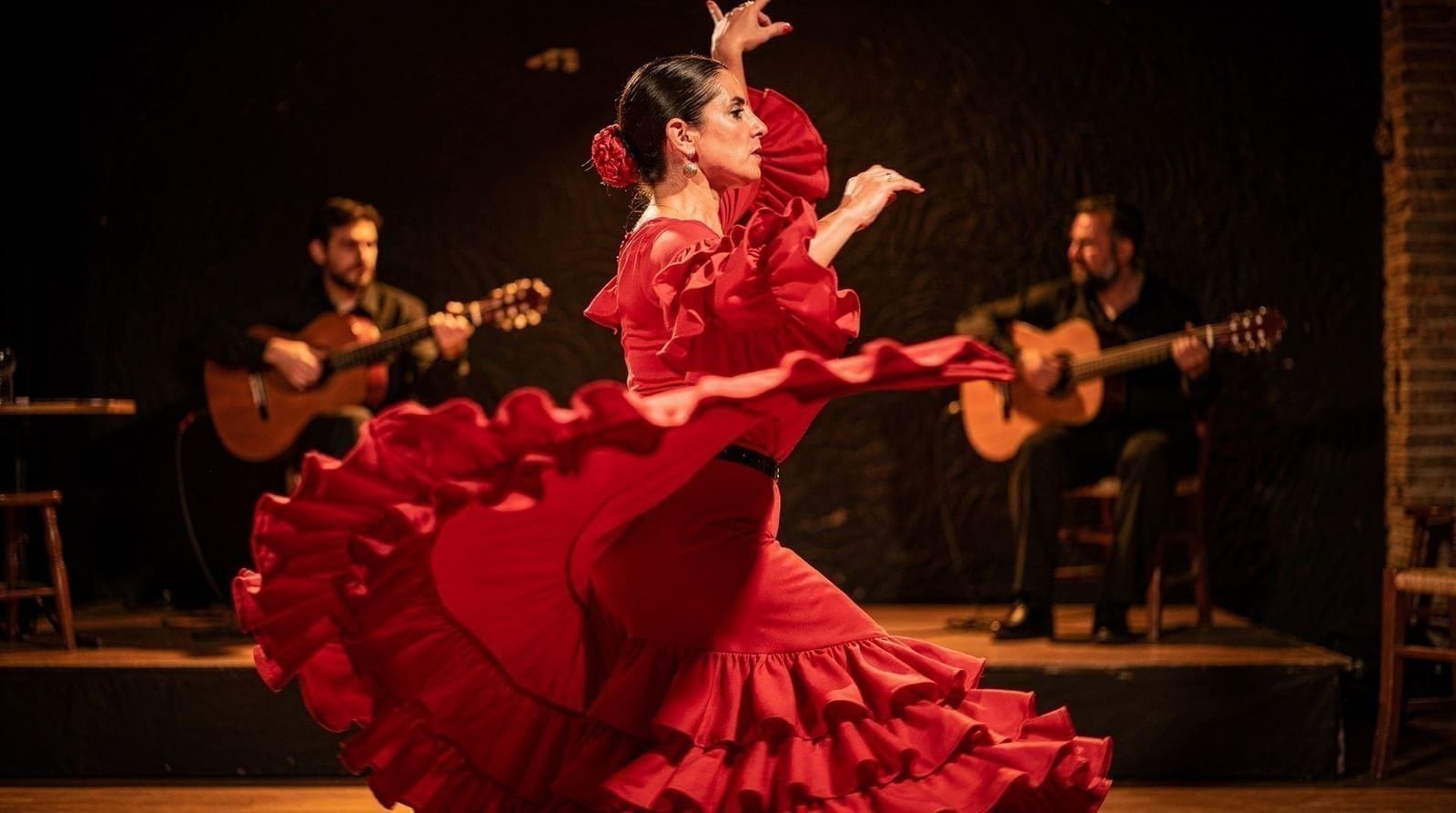
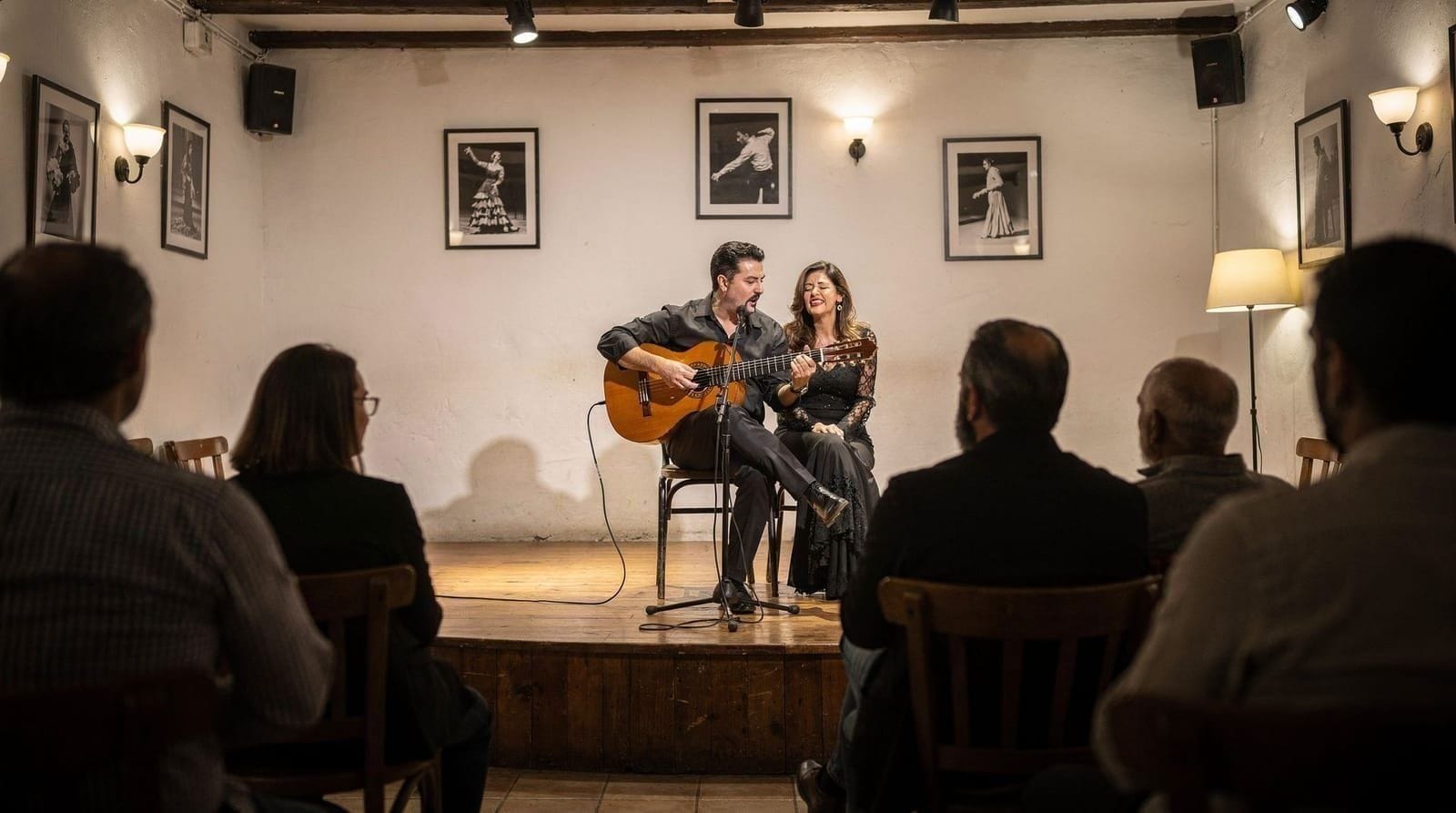
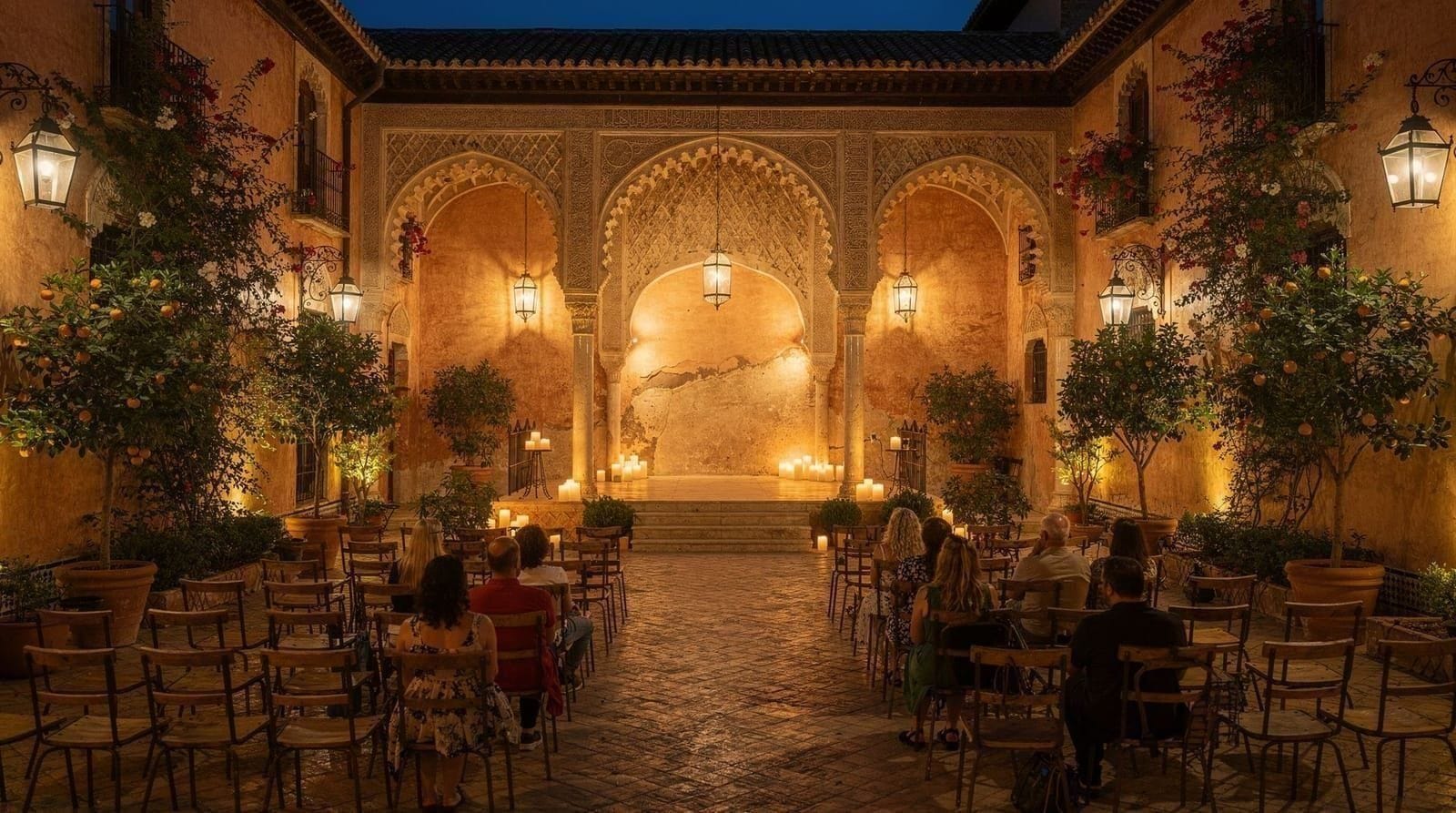
Seville: Casa de la Memoria flamenco show
What is the Bienal de Flamenco de Sevilla?
The Bienal de Flamenco is the world's most prestigious flamenco festival, held every two years (even-numbered years) in Seville. The 2026 edition runs September 9 through October 3, featuring more than 70 performances in the city's main theatres and cultural spaces. It showcases artists who do not regularly perform in commercial tablaos — the standard of flamenco is the highest available anywhere.
Every two years, Seville becomes the undisputed centre of the flamenco world. The Bienal de Flamenco — held every even-numbered year in September and October — is not a tourist festival but a major international performing arts event that draws the world’s leading flamenco artists and is reviewed by critics in the same way as major opera and contemporary dance festivals. The 2026 edition (September 9 – October 3) represents one of the strongest arguments for visiting Seville in any specific year.
| Dates (2026) | September 9 – October 3 |
| Main venues | Teatro de la Maestranza, Teatro Central, Teatro Lope de Vega |
| Tickets | Around €25-60 main programme, €60-100+ galas, some free fringe events |
| Booking | Programme announced spring 2026; buy as soon as booking opens |
| Frequency | Every even-numbered year |
What the Bienal actually is
The Bienal de Flamenco de Sevilla was founded in 1980 and has been held every two years since. It is produced by the city of Seville and the Junta de Andalucía, and its official mission is to present flamenco as a living art form — not a tourist product or a folkloric preservation project, but a contemporary performance discipline.
This distinction matters. The Bienal is where new developments in flamenco are premiered and debated. Artists use the festival to present works that push the art form’s conventions — fusions with jazz, contemporary dance influences, new approaches to cante jondo (deep song). Critical controversy over direction (purist vs innovator) is part of the Bienal’s culture and has been since the beginning.
A single Bienal edition typically includes:
- 40-50 main programme events (single performances or short runs)
- 15-20 fringe and free events (outdoor performances, educational workshops, street flamenco)
- Retrospective programming (archival film screenings, tribute performances)
- A competition for emerging artists (the Concurso Nacional de Arte Flamenco runs in nearby Córdoba in years linked to the Bienal)
The 2026 programme will be announced in early spring 2026 at bienal-flamenco.org.
Understanding the programme structure
Main programme (programación oficial): The central events, held at the major theatres. These are the performances that matter to critics and serious enthusiasts — debut works, comeback shows by veteran artists, and co-productions with other European festivals.
Teatro de la Maestranza events: The opera house at the edge of El Arenal is the Bienal’s prestige venue. Shows here carry the highest ticket prices and feature the most celebrated artists. Acoustics are superb. Capacity is approximately 1,800 — intimate for a theatre but large enough that a range of tickets is usually available.
Teatro Central events: On the Isla de la Cartuja (across the river, near the 1992 Expo site), Teatro Central is a purpose-built contemporary arts venue (900 capacity) that programmes more experimental and avant-garde flamenco work. Generally lower ticket prices than Maestranza.
Teatro Lope de Vega: The city’s main theatre (opens with major refurbishment in 2025) programmes the larger Bienal productions. Capacity approximately 2,000.
Fringe and free events: The Bienal has traditionally run a parallel free programme — outdoor performances in the Alcázar gardens (extraordinary setting), the Triana neighbourhood, and public squares. These are typically shorter events (45-90 minutes) by younger or less established artists. Details are published on the Bienal website closer to the event.
The artists: who performs at the Bienal
The Bienal consistently features artists who represent the current state of professional flamenco:
Bailaores/bailaoras (dancers): The Bienal has launched or confirmed the international reputation of virtually every major flamenco dancer of the past four decades. Israel Galván, Rocío Molina, Andrés Marín, María Pagés, Estrella Morente (who crosses cante and baile) — the Bienal is where these artists show their most ambitious work.
Cantaores/cantaoras (singers): Cante jondo (deep song) — the most traditional and emotionally demanding element of flamenco — is presented at its highest level. Veterans in their final active years perform alongside the emerging generation.
Guitarrists: Flamenco guitar at Bienal standard is one of the most technically demanding solo instrument performances in any musical tradition. Solo guitar recitals by leading tocaores (players) are a significant component of the programme.
Practical: how to attend the Bienal
Tickets: Go to bienal-flamenco.org from approximately March 2026 when the programme is announced. For the most popular shows (particularly at Maestranza), purchase as soon as the booking window opens — these events sell out. Credit cards from most countries are accepted.
Booking from abroad: The official Bienal ticketing site accepts international cards. If you encounter technical difficulties, third-party ticketing platforms (Ticketmaster Spain, El Corte Inglés Entradas) typically also sell Bienal tickets. Check availability across multiple platforms.
Language: Programme notes and descriptions are in Spanish. Flamenco itself is a physical and musical art form that needs no translation — the emotional content of a great cantaor performance transcends language. That said, some context about the specific palo (flamenco form) being performed (soleá, siguiriya, bulerías, etc.) enhances appreciation. See the Flamenco 101 beginners guide.
Dress code: Smart casual for the major theatres (no beach clothes or shorts). The Teatro de la Maestranza has the most formal audience; Teatro Central is more relaxed.
Combining with accommodation: September-October Seville offers the best overall visitor conditions (25-30°C, manageable crowds, all restaurants fully open). Book accommodation as soon as you commit to Bienal dates — the festival attracts significant visitor numbers and September bookings fill faster than general autumn demand.
If you can’t attend the Bienal: alternatives
For visitors outside the Bienal months, the year-round flamenco offer in Seville is still the best in the world:
Casa de la Memoria: The most intimate and consistently high-quality tablao in Seville. Nightly shows in a historic building in the old town. The most authentic atmosphere available outside the Bienal.
Seville: Casa de la Memoria flamenco show — the most intimate tablao in SevilleTablao Los Gallos: The longest-running tablao in Seville, operating since 1966. More formal and tourist-oriented than Casa de la Memoria, but with consistently professional performers.
Seville: Flamenco show at Tablao Los GallosFor the complete guide to flamenco shows in Seville — comparing tablaos by intimacy, quality, and price — see the best flamenco shows in Seville guide and the authentic flamenco vs tourist show guide.
The 2026 Bienal in context
The 2026 edition is the 24th Bienal de Flamenco. Previous editions have premiered works that subsequently toured internationally — the Bienal has an outsized influence on the direction of flamenco globally, not just as a local festival. The concentration of the world’s best flamenco talent in Seville for three weeks in September-October 2026 represents the strongest single reason to time a visit to any specific year.
If flamenco in any form interests you, visit Seville in September-October 2026.
Planning a Bienal trip alongside the rest of Seville
September-October is already covered as the best all-round season in best time to visit Seville, and the Bienal is the single strongest reason to lock in those specific weeks rather than a generic autumn date. Because the festival adds visitor volume without turning the city into a spring-level crowd, best time to avoid crowds in Seville is worth checking for how to still get quiet mornings at the Alcázar between evening performances. If you’re new to flamenco as an art form and want more than one evening’s exposure, pair a Bienal show with a regular tablao visit beforehand — seeing the commercial format first makes the difference in the Bienal’s artistry more obvious — or a flamenco dance class to understand the technique from the inside.
Extending the trip: Triana and beyond
Because the Bienal’s roots run through Seville’s Gitano community, a Bienal trip is a natural moment to spend time in Triana, the neighbourhood most closely tied to flamenco’s development, and to read the fuller history in the Casa de la Memoria review for context on the venue that anchors the city’s nightly flamenco scene outside festival weeks. For how many days to allow if the Bienal is the centrepiece of your trip, see how many days in Seville — three weeks of overlapping programming means even a 5-7 day visit only samples a fraction of it.
Building your days around the evening shows
Bienal performances are evening events, which leaves your days free for the city itself. The sensible rhythm is a slow morning, one big sight, a long lunch, a rest in the afternoon and then the theatre. Seated shows ask for attention and stamina, so do not stack a hard day trip on the same day as a late performance.
Good daytime anchors sit close to the main theatres. The Real Alcázar complete guide and the Seville Cathedral complete guide cover the two big monuments, and the skip-the-line decoded guide explains which ticket type suits a day when you want to be finished early. If you would rather have a guide handle the entry logistics, a combined skip-the-line visit to the Alcázar and the Cathedral keeps the morning simple, and the combined Alcázar and Cathedral tickets guide compares the options.
Because the Maestranza sits in El Arenal, it makes sense to spend the hours before a show there: wander the riverfront, then eat nearby. The Teatro Central is on the other side of the river, so allow time to cross rather than arriving flustered. For getting between neighbourhoods at night, the getting around Seville guide and the public transport guide are worth a quick read before you go.
Eating before and after a performance
Theatre schedules and Spanish dinner habits fit together awkwardly. Many people have tapas before a show and a proper late supper afterwards, which suits the local rhythm anyway. The best tapas in Seville guide and the where to eat in Seville guide give you places to start, and barra vs terrace pricing explains why standing at the bar is usually the better deal. Around the cathedral and the most visited streets, the avoid tourist-trap restaurants guide will save you from an overpriced pre-show meal.
If you cross to Triana after a performance, the best tapas bars in Triana are a natural place to talk through what you have just heard. The conversation about what counted as pure and what counted as daring is half the fun of the festival.
Choosing where to stay during the festival
Staying within walking distance of the theatres removes the stress of late-night logistics. The best neighbourhoods in Seville and where to stay in Seville guides compare the districts, and the Santa Cruz neighbourhood guide is useful if you want the historic centre within a short walk of the river. Arriving by air, the getting to Seville from the airport guide covers the transfer so your first evening is not lost to confusion.
Pairing a show with other flamenco experiences
Seeing more than one kind of flamenco makes each one clearer. A tablao gives you the close-up, intimate side, and the flamenco tourist traps guide helps you avoid the weakest options. For a smaller venue near the river, a flamenco evening at a tablao in El Arenal sits conveniently close to the main theatre district. Reading the flamenco 101 beginners guide before your first Bienal night means the palos will already sound familiar when the curtain rises.
Taking time off from the festival
Three weeks is a long festival and nobody needs to attend every evening. Use free days for the surrounding region: the best day trips from Seville guide lays out the options, and a Córdoba day trip or a Cádiz day trip can be done in daylight and still leave you rested for the evening. The Seville 3 days itinerary and the Seville 5 days itinerary show how to shape a stay, and the Seville first-timers itinerary is a good base if this is also your first visit to the city. For a longer trip, planning a week in Andalusia shows how one traveller approached it, and our first flamenco experience is an honest account of walking into a show with no preparation.
Frequently asked questions about Bienal de Flamenco de Sevilla 2026
How is the Bienal different from a regular flamenco tablao show?
Regular tablao shows (Los Gallos, Casa de la Memoria) run nightly and present professional flamenco at a consistent but commercial level. The Bienal is a curated art festival presenting the world's leading bailaores, cantaores, and guitarists in formal theatre settings — performances that are reviewed by critics and that represent the cutting edge of the art form. Many Bienal artists do not perform at commercial venues.When are Bienal de Flamenco tickets released?
Tickets for the 2026 Bienal are typically released in spring 2026 (April-June) through the official Bienal website (bienal-flamenco.org). Main programme events — particularly shows by the most celebrated artists — sell out quickly. Check the website from March 2026 for programme announcements.What venues does the Bienal use?
The main programme events take place at Teatro Central, Teatro Lope de Vega, and Teatro de la Maestranza — Seville's principal performing arts venues. Smaller and fringe events happen at the Alcázar (outdoor summer performances), the Casa de la Memoria, Teatro Alameda, and other cultural spaces. The different venues have different atmospheres and ticket price ranges.Is it worth visiting Seville specifically for the Bienal?
For serious flamenco enthusiasts, yes unambiguously. The Bienal concentrates the world's best flamenco talent in Seville over three weeks — an opportunity that doesn't exist at any other time or place. For general visitors who enjoy flamenco, the Bienal performances at Teatro Central or Maestranza are the highest-quality live flamenco experience available.How much do Bienal tickets cost?
Main programme tickets at Teatro Maestranza or Lope de Vega: approximately €25-60 depending on artist and seating. Special gala events: €60-100+. Fringe and free events: free or €5-15. The official website publishes a full price schedule with each event announcement.Can a flamenco beginner enjoy the Bienal, or is it only for enthusiasts?
A beginner can absolutely enjoy the mainstream, better-known artists' shows at Teatro Maestranza or Lope de Vega — the emotional impact of top-level flamenco needs no prior knowledge. The more experimental Teatro Central programming rewards some familiarity with the art form first; a regular tablao show or a short primer like the Flamenco 101 guide helps set expectations.How does the Bienal affect hotel prices and crowds in Seville?
September-October is already one of the city's more comfortable, moderately-crowded periods, and the Bienal adds a noticeable but not overwhelming bump in visitor numbers concentrated around evenings and theatre districts. Accommodation still fills faster than a typical September once Bienal dates are set, so booking early is worth it, but daytime monument crowds stay well below spring levels.
Top experiences
Bookable activities with verified prices and instant confirmation on GetYourGuide.