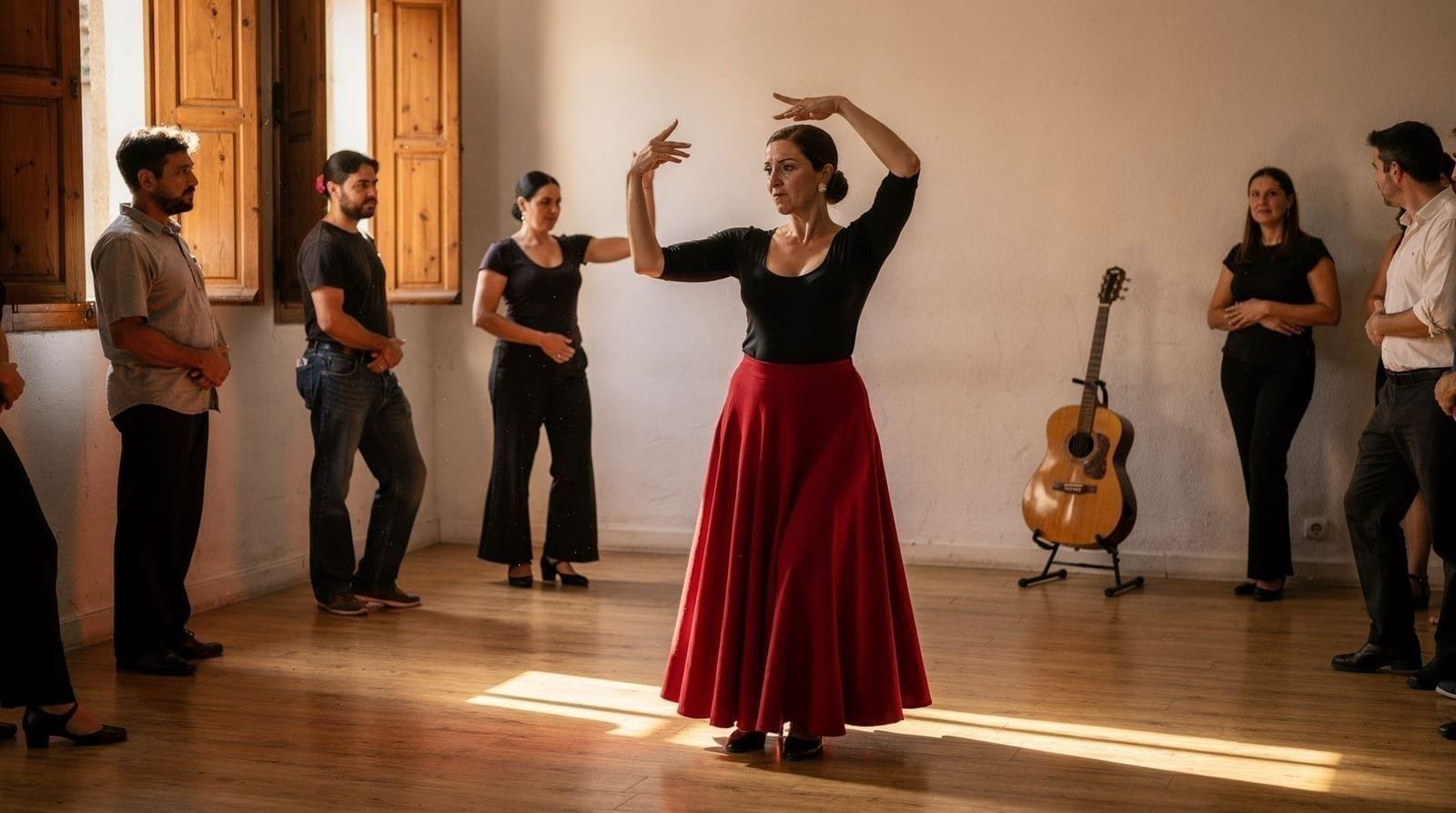
Casa de la Memoria review: Seville's most intimate flamenco tablao
Seville: Casa de la Memoria flamenco show
Is Casa de la Memoria the best flamenco show in Seville?
It is consistently the top recommendation for visitors who want artistically serious flamenco in an intimate setting. The venue holds around 100 people, charges approximately €24, and serves no food during the show. It sells out regularly, so book 3-5 days ahead in high season. Main limitation: no food or dinner option, early shows can feel slightly rushed.
Casa de la Memoria is a historic building (15th-century origins, once the stables of the Countess of Lebrija’s palace) on Calle Cuna, in Seville’s historic centre, that has operated as a dedicated flamenco venue for over 25 years. It holds approximately 100 people in a restored interior patio, serves no food, and runs two shows nightly. It is the most frequently recommended tablao by people who follow Seville flamenco closely, and one of the easier recommendations to justify — the ratio of price to experience quality is straightforwardly favourable compared to competitors.
| Where | Calle Cuna 6, historic centre |
| Cost | Around €24 per person |
| Length | About 1 hour |
| Shows | Several sessions a day; times vary by date (see the official booking calendar) |
| Booking | 3-5 days ahead in high season; same-day possible in low season |
This is an honest assessment, including the limitations.
What makes Casa de la Memoria different
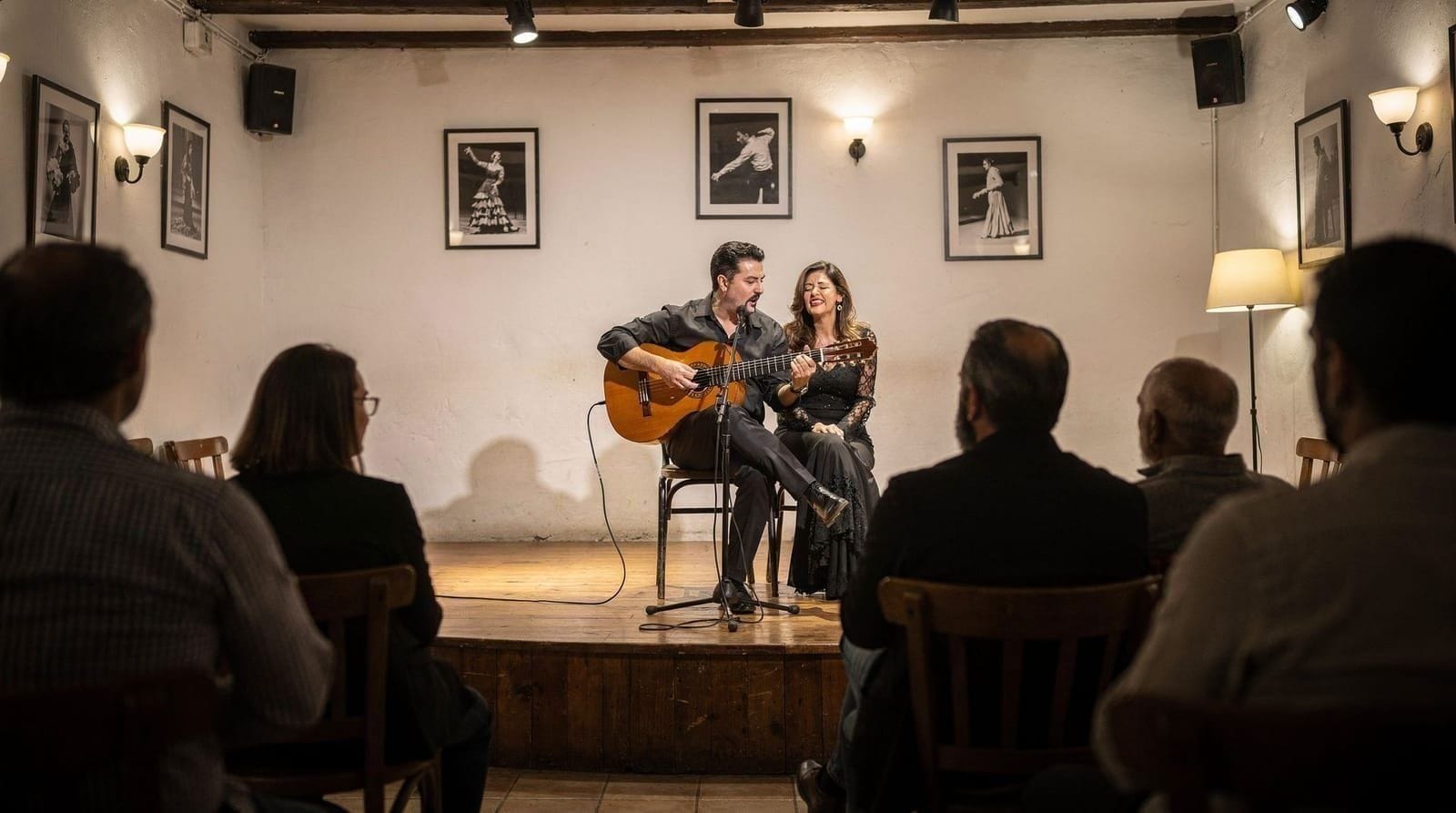
Most tablaos that have built a strong reputation have done so through a combination of quality programming and controlled capacity. Casa de la Memoria has kept its capacity deliberately small — around 100 seats — which changes the physical and psychological dynamics of a flamenco performance.
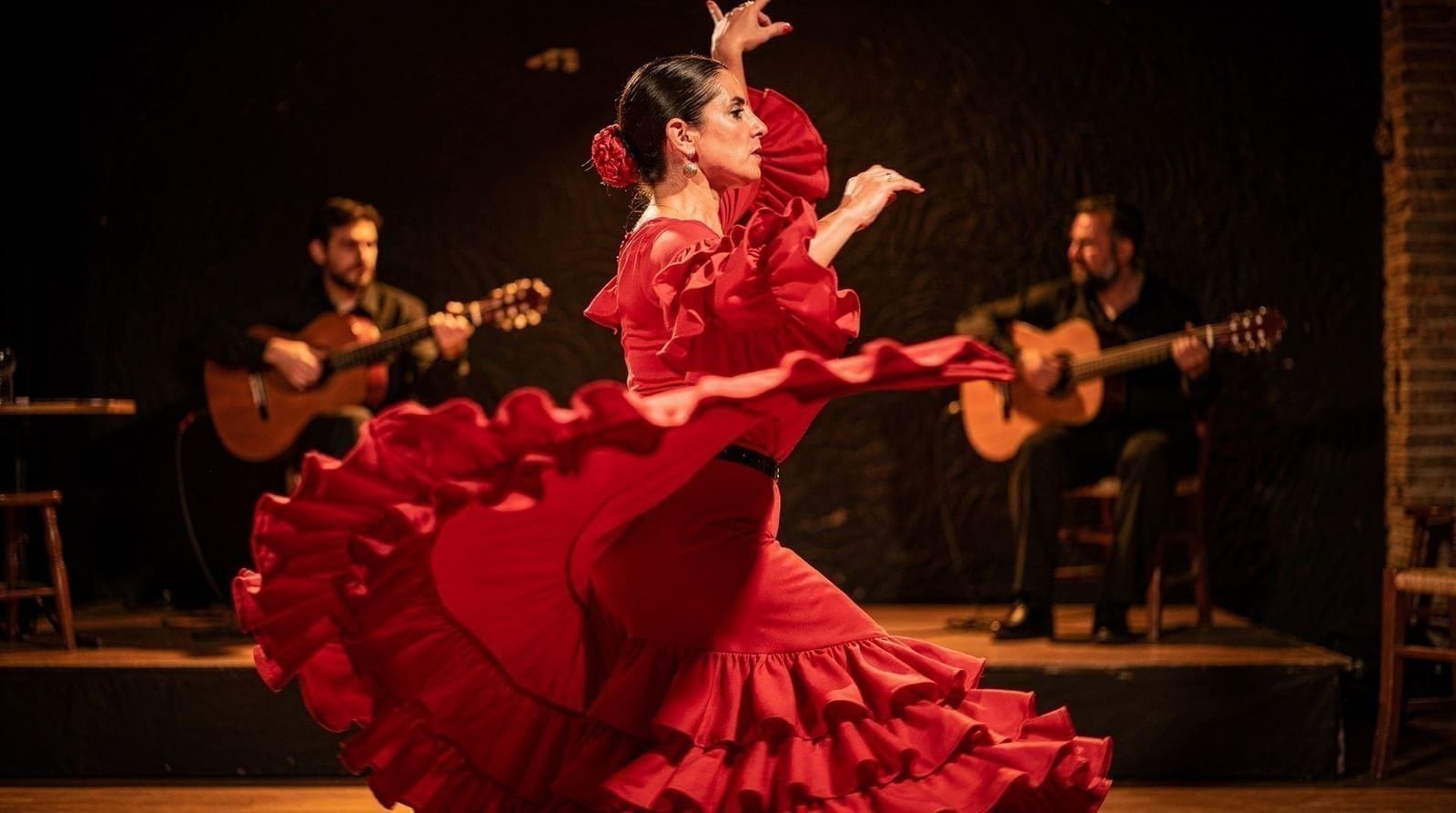
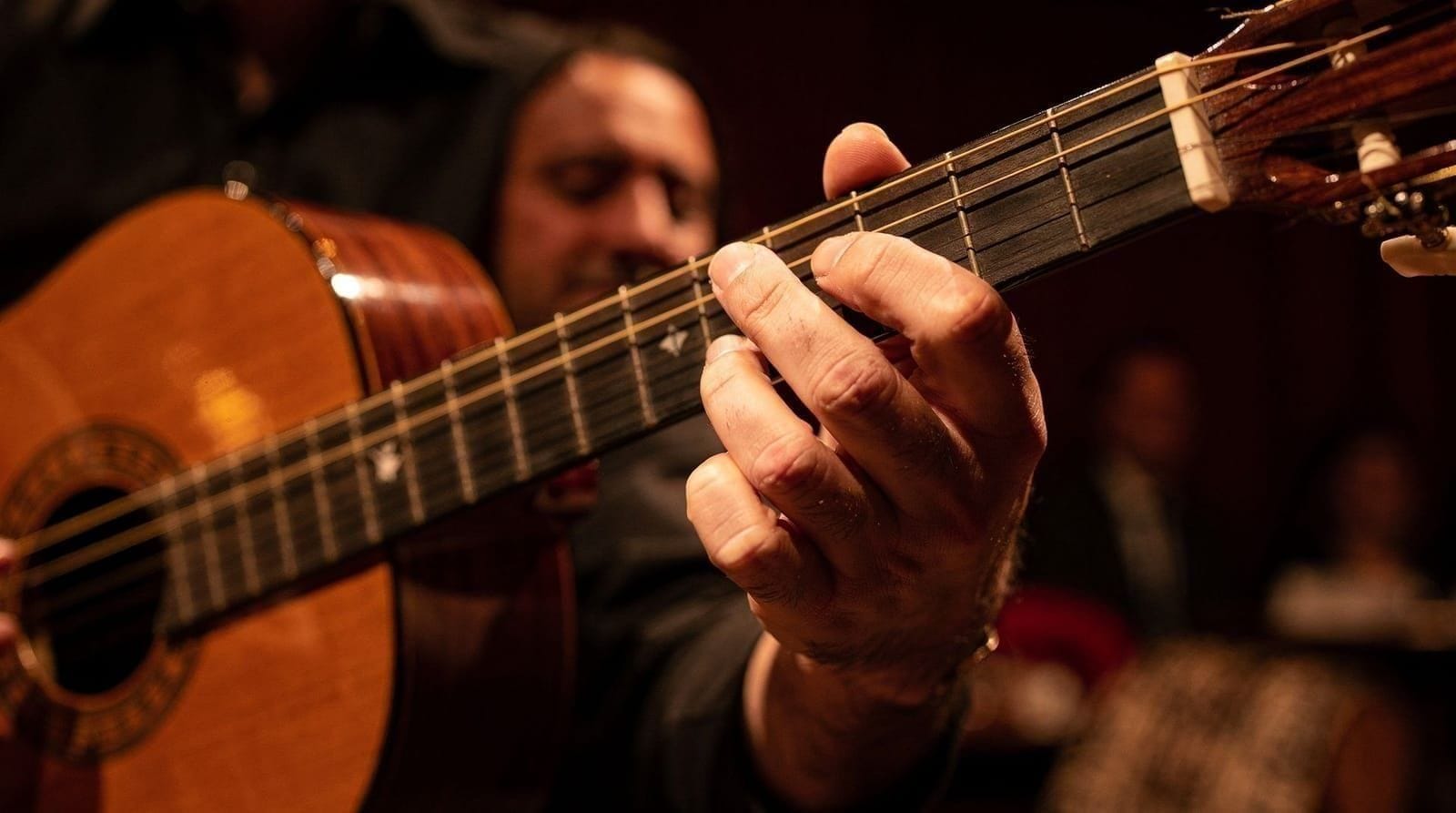
In a venue this small, the cantaor (singer) is within 3-4 metres of the front row. The rasgueos (guitar strumming) are loud enough to feel in your chest. The zapateado — the percussive footwork that is the most visible element of flamenco dance — reverberates through the wooden stage and into the seating structure. This is not something that can be replicated in a 250-seat theatrical setting.
The no-food-during-the-show policy matters more than it might seem. In venues that serve dinner while performing, the background noise of cutlery, conversation, and service movement creates a continuous low-level distraction. At Casa de la Memoria, the audience sits in genuine silence during performance.
The programme
Casa de la Memoria runs one or more shows a day at times that vary by date (check the official booking calendar); each lasts about one hour. The programme generally includes three or four performers rotating through different configurations: solo guitar, voice-and-guitar, solo dance, and ensemble combinations.
The artistic director rotates performers and palos across shows rather than running an identical programme each night. This means quality varies — not all nights achieve the same level — but it also means that repeat visitors see genuinely different programmes.
The palos most commonly featured include soleá, seguiriyas, alegrías, and bulerías. The early show sometimes includes tangos for accessibility; the late show tends toward deeper forms.
The late show generally has a better atmosphere. Performers are warmed up and the audience — which includes more flamenco-knowledgeable visitors — creates better feedback conditions.
Practical details
Price: €24 general admission, €20 for students and Seville residents (ID required at the box office), €15 for children aged 6 to 11; the show is not recommended for children under 6 (official prices, checked October 2026). One show, no extras. Reservations can be cancelled up to 24 hours before for a full refund.
Booking: Via GetYourGuide or directly through the venue website. The GetYourGuide booking confirms your specific show time and issues an e-ticket. Booking 3-5 days ahead in high season; same-day in low season.
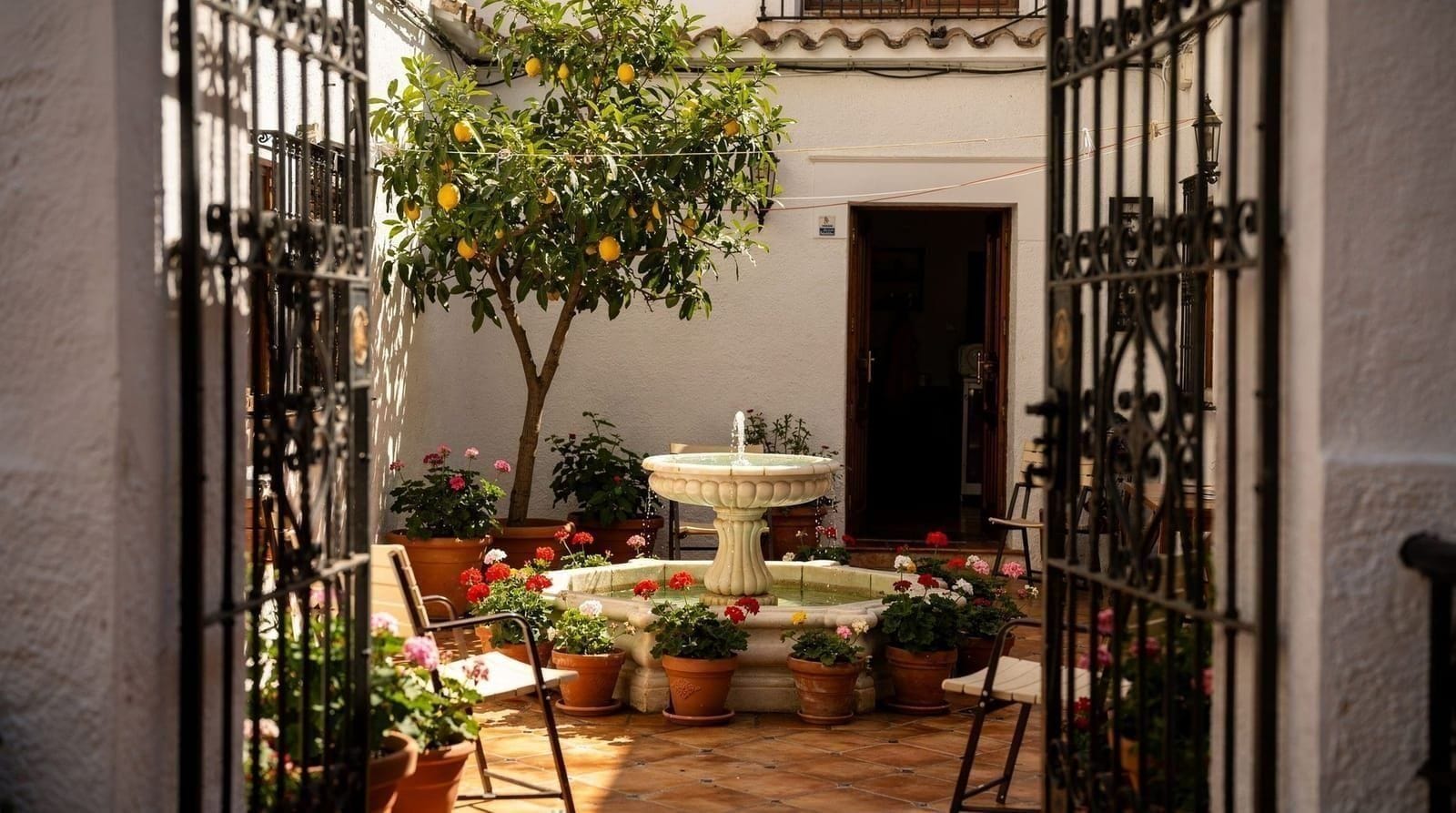
Book Casa de la Memoria flamenco showLocation: Calle Cuna 6, historic centre. Walkable from the Alcázar, the Catedral, and most central hotels. The entrance on Calle Cuna is a gate into a courtyard — easy to miss if you are not looking for it.
Capacity breakdown: The 100 seats are arranged around three sides of the performance area. The front row (floor level) and side positions give the best sightlines for watching footwork. The rear rows are elevated slightly and give better overview for watching ensemble configurations. All seats are within reasonable distance; arriving 10-15 minutes early gives you priority of choice.
Getting there: No parking in Santa Cruz; take a taxi to Calle Cuna or walk from anywhere in the city centre.
Honest limitations
No food. If you want a dinner-and-show evening, this is not the venue. You need to eat elsewhere before (recommended) or after. The lack of food is an artistic choice and a good one, but it requires more planning around your evening.
Limited accessibility. The courtyard setting and some seating configurations may be problematic for visitors with mobility limitations. Contact the venue directly if this is relevant.
Some nights are better than others. The rotating programme means performer quality varies. On an average night, Casa de la Memoria is good; on a strong night, it is genuinely extraordinary. There is no reliable way to predict which you will get.
Early show is slightly less charged. The first show often has a more tourist-concentrated audience — people fitting flamenco into an early evening before dinner. The late show atmosphere is typically better.
Comparing to alternatives
| Venue | Capacity | Price | Food | Atmosphere |
|---|---|---|---|---|
| Casa de la Memoria | ~100 | €24 | Bar only | Intimate, concentrated |
| Los Gallos | ~120 | €38 | Bar | Historical, serious |
| El Arenal | ~250 | €40-90 | Full dinner option | Theatrical, polished |
| Almoraima Triana | ~80 | €20-25 | Drink included | Neighbourhood, variable |
For most visitors, Casa de la Memoria is the strongest all-round recommendation. Its combination of small capacity, no-food focus, serious programming, and price below €25 is genuinely difficult to beat.
The only counter-argument is if you specifically want a dinner combined with a show, in which case El Arenal is the most professionally managed option in that category. See the honest comparison for more detail.
The broader Santa Cruz context
Casa de la Memoria sits in the heart of Seville’s most historically significant neighbourhood. Santa Cruz was the Jewish quarter before the expulsions of 1492 and retains the labyrinthine street layout that reflects centuries of organic urban growth. Arriving early enough to walk the streets before the show adds significant context.
The neighbourhood is also where most visitors encounter the rosemary scam — women who press sprigs of rosemary into your hand near the Catedral and then demand payment. This is documented in the tourist traps guide. Walk through calmly and do not engage.
After the show, the bars on nearby streets serve both local clientele and post-tablao visitors. For the best tapas before or after, the guide at Best tapas bars in Santa Cruz: where to eat in Seville’s tourist quarter lists reliable options that are not the tourist-trap rip-offs near the Catedral.
A note on the building itself
The venue name — Casa de la Memoria — refers to the restored historic house that holds it (15th-century origins, once the stables of the Countess of Lebrija’s palace). The building is on Calle Cuna, in the historic centre, and becomes visible as a courtyard once you pass through the entrance gate.
Seville’s casas-palacio (noble houses) were built around an interior patio — a design inherited from the Moorish courtyard-house tradition (riyad) and adapted by the Christian nobility after the Reconquista. The patio provided ventilation, light, and a private domestic space insulated from the street. Many of Santa Cruz’s most significant private buildings follow this format.
Casa de la Memoria’s patio has been adapted as a performance space while retaining the architectural character of the original. The gallery running around the upper floor — visible from the performance area — creates the layered, enclosed quality that distinguishes this venue from purpose-built theatre spaces. The acoustic properties of a tiled courtyard (reflective stone surfaces, contained volume) concentrate sound in ways that benefit the singer’s voice and the guitar’s resonance.
The building’s preservation is also part of what makes it notable. Santa Cruz has lost several historic courtyard houses to hotel conversion and tourist accommodation, with interior renovations that prioritise modern comfort over architectural continuity. Casa de la Memoria’s use as a cultural venue preserves the original function while adapting it for the 21st century.
How to prepare for a better experience
Several things make the difference between a good and an excellent evening at Casa de la Memoria:
Read the flamenco primer first: The flamenco 101 guide takes 15-20 minutes to read and gives you vocabulary for what you will hear — the palo names, the compás, the interplay between cante and toque. Going in with this vocabulary does not require expertise; it just gives you more to attach to what you are experiencing.
Eat beforehand: No food is served during or after the show (only a bar). Have dinner or tapas before your evening show. The neighbourhood bars around Calle Cuna serve until late; the Santa Cruz tapas guide has specific recommendations.
Arrive early: The 15-minute window before the show opens allows you to choose your seat. The venue assigns seats at entry; arriving at opening time gets you first choice of the better positions.
Resist the urge to photograph during the performance: The impulse to document what you are watching is natural but counterproductive. The screen between you and the performance interrupts the kind of concentrated attention that makes flamenco meaningful. Photograph before and after.
Stay through the complete programme: The later portions of a flamenco show — when the performers have warmed up and the audience is engaged — are typically the most intense. Leaving early to catch another appointment defeats the purpose of attending.
Seasonal availability and festival periods
Casa de la Memoria closes for parts of August, when much of Seville’s cultural life pauses during the peak of summer heat. Check availability before planning around an August visit.
During Semana Santa (Holy Week — 29 March to 5 April 2026) and Feria de Abril (21-26 April 2026), the tablao remains open but schedules may change. During the Bienal de Flamenco (9 September to 3 October 2026), the venue hosts additional special programming. The Bienal period is a particularly good time to attend — the city’s flamenco energy is heightened throughout, and performers are at their most engaged.
For Bienal-specific events and context, see Bienal de Flamenco de Sevilla 2026: the complete visitor guide.
What to do if Casa de la Memoria is sold out
If the Casa de la Memoria show you want is sold out:
Los Gallos is the next best recommendation for an authentic, artistically serious tablao experience. See the best flamenco shows guide for the full comparison.
Triana tablaos — particularly Tablao Almoraima — offer a different atmosphere at similar or lower price points. The Triana flamenco guide covers these in detail.
Same-day cancellations: Casa de la Memoria occasionally has same-day availability due to cancellations. Check in the morning of your intended evening; walk-up at opening time is another option.
If you would rather lock in a backup than gamble on a cancellation, you can reserve a serious, long-established tablao show at Los Gallos or, for a more neighbourhood feel across the river, an evening of flamenco at a Triana tablao. Either keeps your flamenco night intact if the first-choice venue has no seats left.
Who should book Casa de la Memoria specifically
Casa de la Memoria is the strongest choice for first-time flamenco visitors who want to understand what the art form actually is, rather than a spectacle-focused show aimed purely at tourists. It also suits repeat visitors to Seville who have already seen a larger tablao and want something more concentrated. It is less suited to visitors who specifically want a dinner-and-show combination, or large groups (over 6-8 people) who may find the intimate seating arrangement less practical than a bigger venue like El Arenal.
If flamenco is a minor curiosity rather than a genuine interest, a shorter or cheaper introduction — such as a flamenco dance class rather than a full show — might be a better use of an evening. See the flamenco dance classes guide for that alternative.
What a first-time visitor should actually expect
Walking into a tablao for the first time without any flamenco background can be disorienting — there’s no printed programme, no MC introducing performers, and the emotional register of the music (often intense, sometimes closer to grief than celebration) surprises visitors expecting something more purely festive. At Casa de la Memoria specifically, expect the room to go genuinely quiet once the first guitar notes start; this isn’t a venue where quiet conversation during the performance is tolerated, and other audience members will notice if you’re talking.
The applause pattern is also different from what many visitors expect: rather than clapping only at the end of a piece, audiences who know the form clap and call out (“olé”) at specific rhythmic moments within a piece, responding to the compás. You don’t need to participate in this to enjoy the show, but understanding it happens helps make sense of what can otherwise seem like random outbursts from parts of the audience.
How this fits into a broader flamenco itinerary in Seville
Seville has a genuinely deep flamenco scene, and Casa de la Memoria is one entry point among several worth knowing about. Visitors with more than one evening to dedicate to flamenco might structure it as: a beginner’s primer via the flamenco 101 guide, a tablao show at Casa de la Memoria, and — for those staying longer — a second show at a different venue for comparison, ideally in Triana, which has its own distinct neighbourhood character rooted in the gitano flamenco tradition.
Understanding the difference between an artistically serious tablao and a tourist-oriented dinner show matters for setting expectations correctly; the authentic flamenco vs tourist show guide explains the distinction in more depth than is possible in a single venue review.
Frequently asked questions about Casa de la Memoria review
Where exactly is Casa de la Memoria?
On Calle Cuna 6, in the historic centre of Seville, a short walk from the Cathedral and the Alcázar. The entrance is a courtyard gate that does not always look like a venue entrance — look for the signage and arrive a few minutes early to allow time to find it.How far in advance should I book Casa de la Memoria?
In high season (March-May, September-October), 3-5 days minimum, and up to a week for Saturday evening shows. In low season (November-February), same-day booking is usually possible, though the early show tends to fill faster than the late show.What is the seating arrangement at Casa de la Memoria?
Seats are arranged around three sides of the performance space, with some bench seating and some chairs. Seats are assigned at entry by staff. The venue is small enough that there are no genuinely bad seats — even the rear rows are within 6-7 metres of the performing area. Arriving 10 minutes early gives you first choice.Does Casa de la Memoria serve drinks?
A small bar area serves drinks before and after the show, but not during the performance. This is deliberate — the show runs in focused silence with no commercial interruption. If you want a drink before, arrive 20 minutes early.How does Casa de la Memoria compare to Los Gallos?
Both are serious tablaos with decades of reputation. Casa de la Memoria is smaller (100 vs 120 seats), cheaper (€24 vs €38), and has a more concentrated atmosphere due to its palace courtyard setting. Los Gallos has a longer continuous history (since 1966) and a slightly more varied programme. For a first visit, Casa de la Memoria edges ahead on value and intimacy.Should I book the early or late show at Casa de la Memoria?
The late show generally has a better atmosphere — performers are warmed up and the audience tends to include more flamenco-knowledgeable visitors. That said, the early show fits more naturally into an evening that includes a later dinner, and the artistic quality is still consistently good. If your schedule is flexible, choose the late show.
Top experiences
Bookable activities with verified prices and instant confirmation on GetYourGuide.