Flamenco in Triana: the neighbourhood where it all began
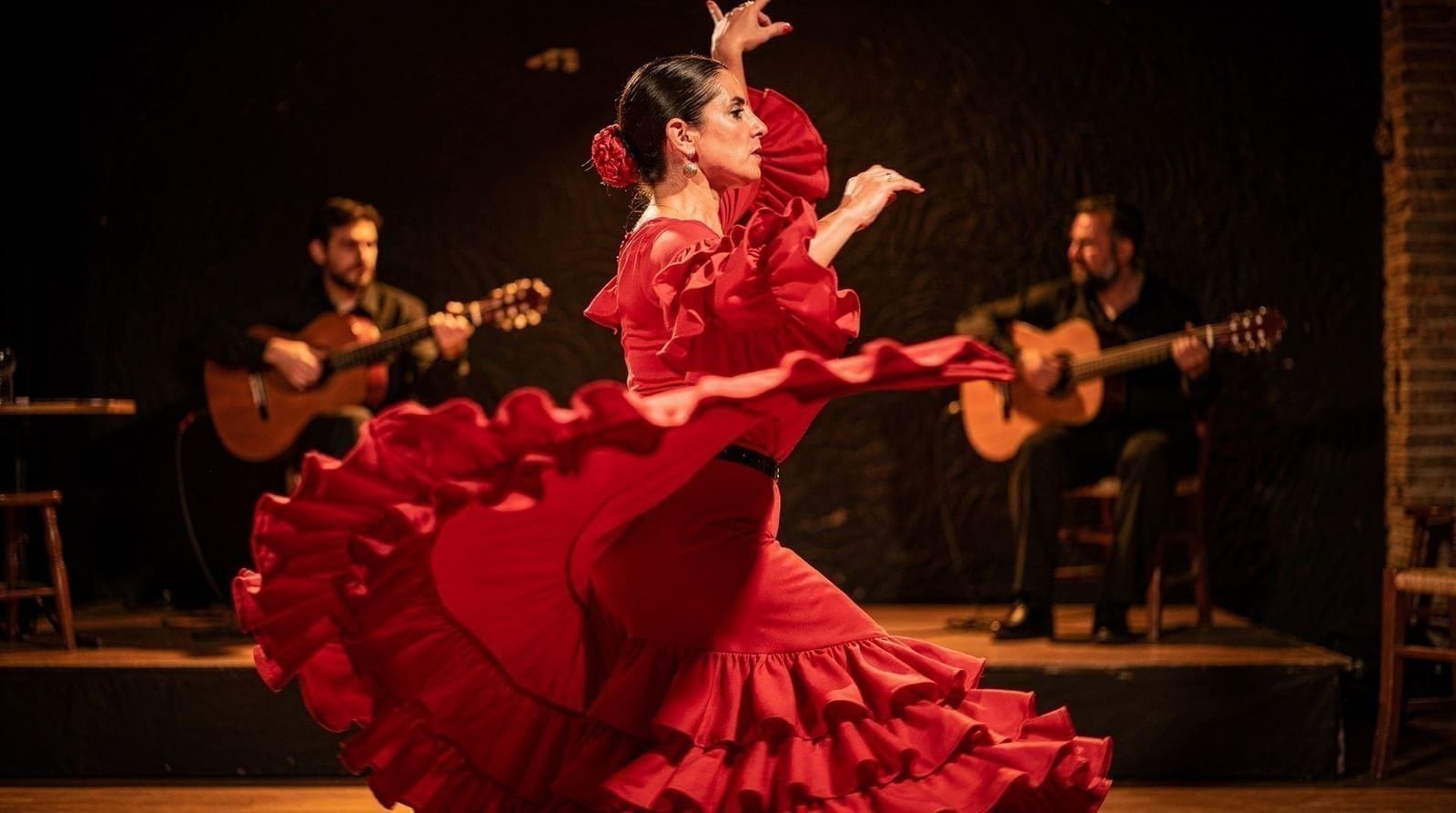
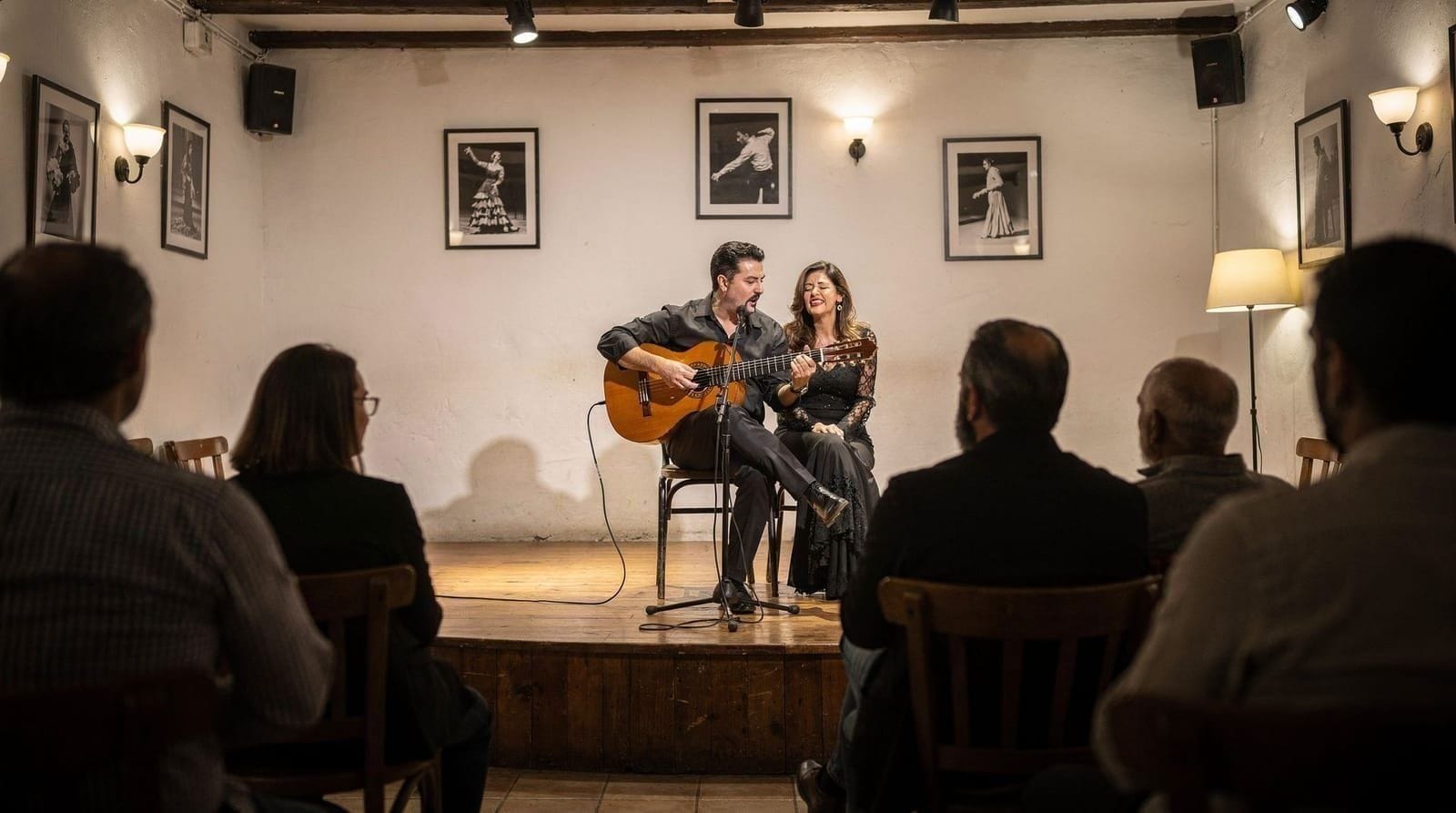
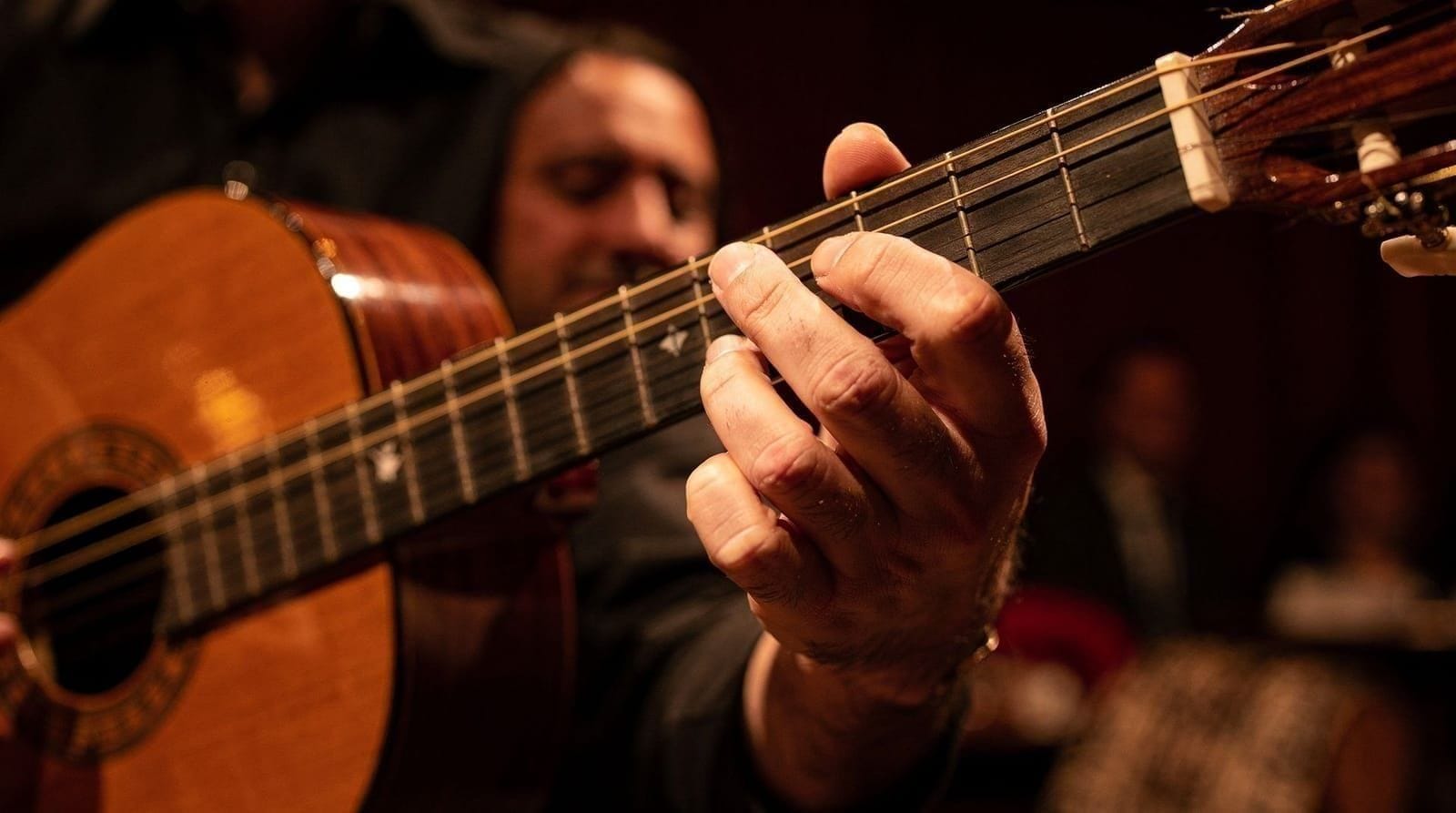
Seville: Flamenco show at Tablao Almoraima in Triana
Why is Triana important for flamenco?
Triana, Seville's quarter west of the Guadalquivir, was historically home to the city's Gitano (Roma) community — one of the primary ethnic communities in the development of flamenco. Several of the most important flamenco dynasties (the Ortega, Peña, and Montoya families among others) came from Triana. The neighbourhood's connection to the art form is historical, not marketing.
| Where | Across the Guadalquivir, 10-15 min walk from Santa Cruz |
| Cost | Around €18-25 per tablao show, often with a drink included |
| Best for | Neighbourhood-grounded flamenco, less polished than Santa Cruz venues |
| Getting there | Walk the Puente de Triana or take a bus across the river |
Triana is not where tourists instinctively go for flamenco. The major tablaos that appear on most booking platforms are in Santa Cruz or the Arenal district. But Triana is where the art form has its deepest Seville roots — and for visitors who want to understand flamenco as a living cultural practice rather than a performed spectacle, crossing the Guadalquivir is worth the detour.
Why Triana and not Santa Cruz
The connection between Triana and flamenco is not a marketing invention. The quarter was historically home to Seville’s Gitano (Roma) community, whose aesthetic and emotional traditions were central to flamenco’s development in the 18th and 19th centuries. Several of the most significant flamenco artist dynasties came from or spent formative years in Triana: the Ortega family (including Manolo Caracol), the Peña family, and others.
The Peña Flamenca de Triana, one of Seville’s oldest and most serious flamenco clubs, was founded in 1963 and continues to operate on Calle Pureza in the heart of the quarter. Peñas are not tourist venues — membership is generally required, though some hold occasional open events. The existence of the peña on Calle Pureza signals that Triana’s flamenco identity is maintained by practitioners, not just promoted to visitors.
The Farruca — one of the more architecturally complex flamenco styles — is associated with the Triana school of flamenco and is a useful marker when evaluating whether a programme reflects the neighbourhood tradition.
Walking the flamenco geography of Triana
The following route combines the neighbourhood’s flamenco history with its broader character. Allow 2-3 hours and plan it for afternoon before an evening show.
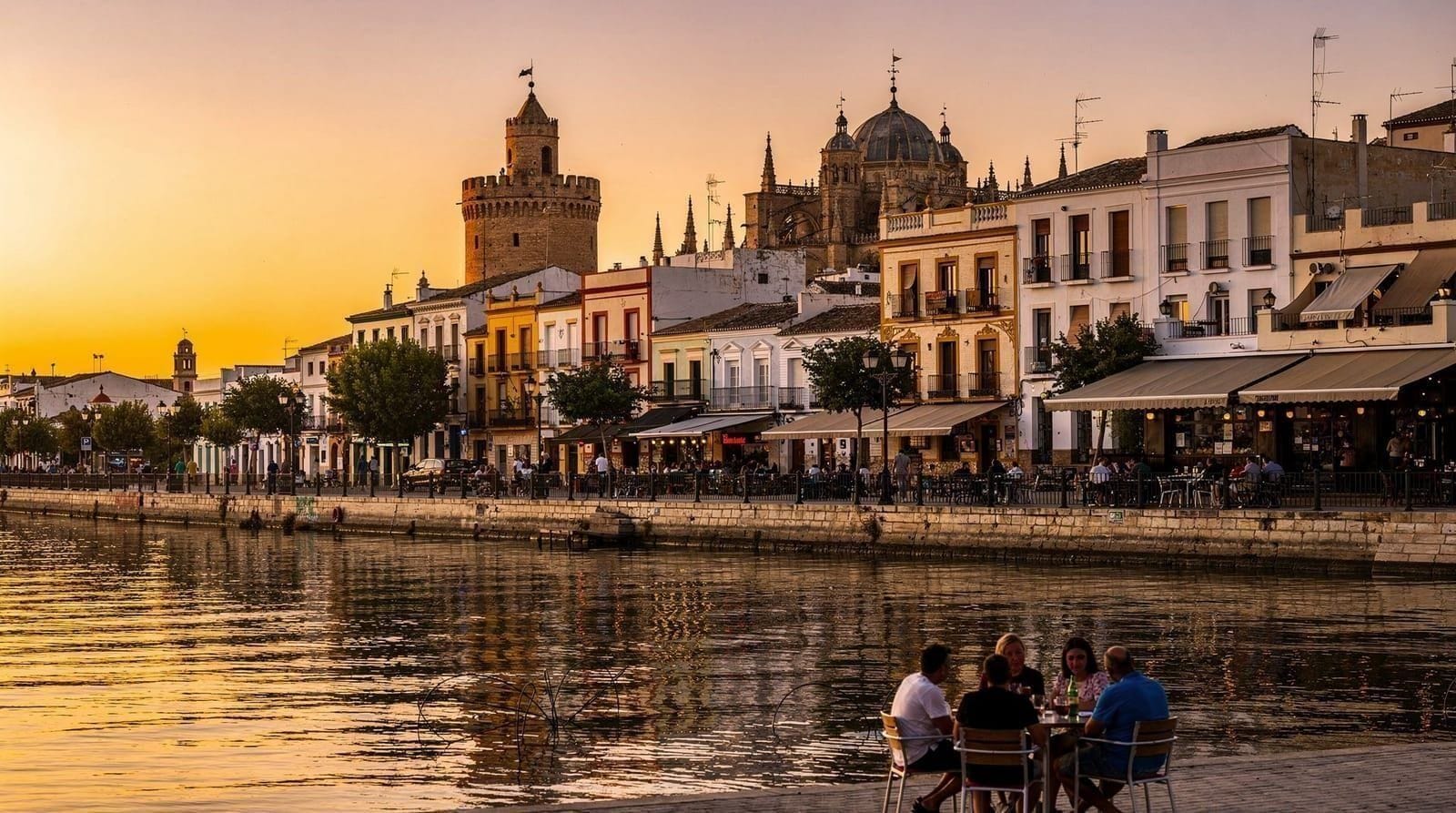
Puente de Triana (Puente de Isabel II): Cross from the Arenal district on this 19th-century iron bridge. The approach from the Seville side passes the Torre del Oro; the Triana side opens onto Calle Betis, the riverfront street lined with bars and restaurants facing the Seville skyline.
Calle Betis: The social centre of Triana evenings. This is not a flamenco-specific street — it is simply where people gather — but several bars here occasionally host live music evenings that shade into flamenco territory. The street runs parallel to the river for several blocks.
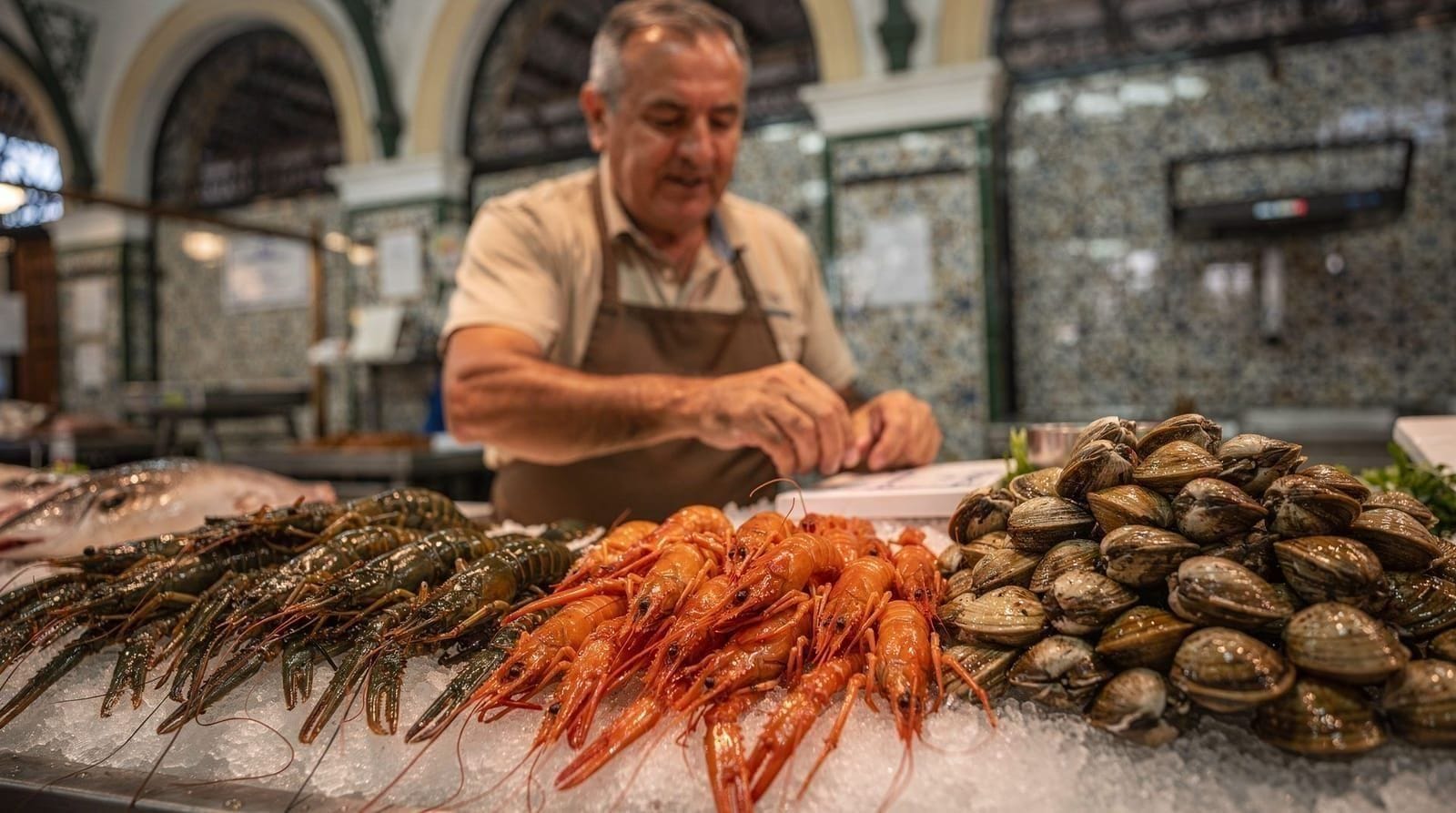
Mercado de Triana: The covered market on the ground floor of the Castillo de San Jorge site is an excellent place to eat before a show. The market has a food hall format with fresh produce vendors and a set of counters serving cooked food. Far less tourist-oriented than the Mercado Lonja del Barranco on the other side of the river. The guide at Triana market food guide: eating well at the Mercado de Triana covers it in detail.
Castillo de San Jorge: The lower floor of the structure housing the Mercado de Triana has an exhibition on the Spanish Inquisition in Seville (currently closed) — this was the location of the Inquisition’s main Seville operations from the late 15th century. The historical context matters for understanding flamenco: the Gitano community that developed the art form lived under persistent persecution during this period, and that experience is audible in the deepest flamenco forms.
Calle Alfarería and Calle Pureza: These two streets run parallel to the river one block inland. Calle Alfarería was historically the centre of Triana’s ceramics tradition (still visible in several workshops and shops). Calle Pureza is where the Peña Flamenca de Triana is located, along with several local bars that occasionally host informal performances.
Tablao Almoraima: the recommended Triana venue
For visitors who want a tablao experience with Triana character rather than Santa Cruz polish, Tablao Almoraima is the most consistent option. If you’re still deciding between Triana and the more established Santa Cruz venues generally, best flamenco shows in Seville covers the full comparison, and authentic flamenco vs tourist show explains the underlying criteria for telling the two apart anywhere in the city. The venue seats around 80 people in a low-ceilinged space that concentrates sound effectively.
Shows typically run 60-75 minutes. The programme is less lavishly produced than El Arenal or Los Gallos — fewer costume changes, a simpler stage setup — but this informality often creates better conditions for genuine performance. The artists know they are performing for a mixed audience and adjust accordingly.
Prices are around €20-25, typically including a drink. Booking in advance is advisable on weekend evenings in high season.
Book Tablao Almoraima in TrianaTablao Luzia Triana
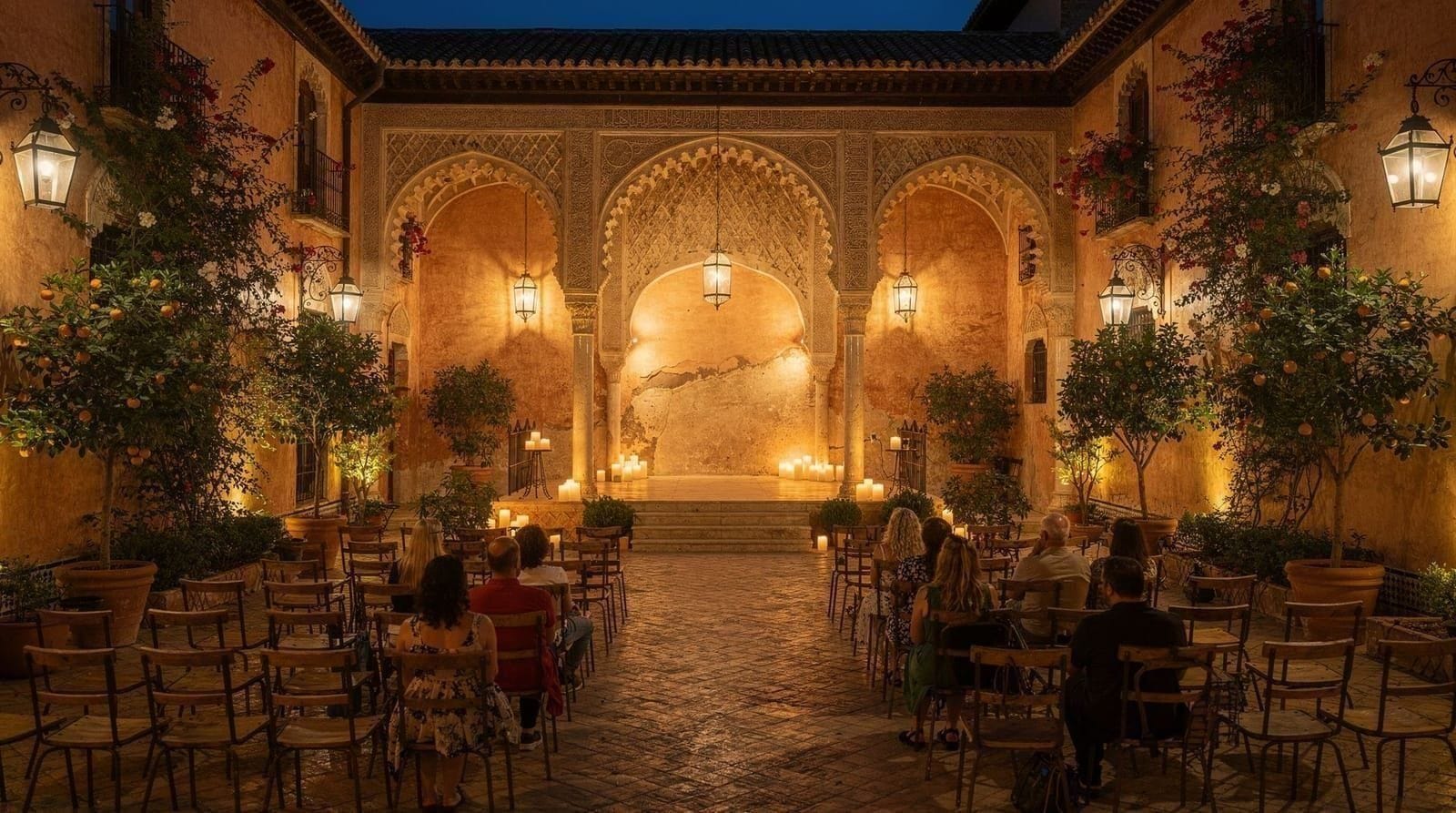
A newer venue on the Triana flamenco circuit, Tablao Luzia has developed a reputation for programming more experimental or less mainstream flamenco artists alongside established performers. This makes it a more variable experience — some nights excellent, some merely competent — but the deliberate artistic programming distinguishes it from purely commercial operations.
Worth checking for specific programme information before booking rather than booking blind.
Book traditional Triana tablao show with drinkTriana vs Santa Cruz venues, side by side
| Triana | Santa Cruz | |
|---|---|---|
| Typical price | €18-25, often with a drink | €22-40 |
| Venue size | Smaller, more variable quality | Larger, more consistent production |
| Character | Neighbourhood-rooted, informal | Polished, tourist-oriented but reliable |
| Booking | Advisable, less essential | Advisable, especially weekends |
| Best for | Repeat visitors, deeper interest in the tradition | First-time visitors wanting a dependable show |
Neither side of this comparison is objectively better — they serve different priorities. A visitor on their first night in Seville with one flamenco show to book is often better served by the consistency of a well-known central venue like Casa de la Memoria; a visitor who has already seen a tablao and wants a second, different experience — one with rougher edges and a closer connection to the neighbourhood that shaped flamenco in the first place — is well served by crossing the river to Triana.
Seeing Triana flamenco outside formal venues
The most authentic flamenco in Triana happens outside the tablaos, at peñas and in informal settings. Some practical options:
Peña flamenca events: The Peña Flamenca de Triana on Calle Pureza occasionally holds semi-public events during flamenco festivals or as fundraisers. These are not listed on booking platforms — ask at the venue directly or watch for notices in local bars.
Bienal de Flamenco (September-October 2026): The Bienal programme includes performances in Triana as well as at the major city theatres. Some are in outdoor spaces or smaller venues with lower ticket prices. The guide at Bienal de Flamenco de Sevilla 2026: the complete visitor guide covers this.
Feria de Abril (April 2026): Sevillanas — a related but distinct folk dance — are performed throughout the Feria in private casetas. This is not the same as tablao flamenco, but watching sevillanas at the Feria gives context for the social dance traditions connected to flamenco.
Combining Triana flamenco with the neighbourhood
Triana repays exploration beyond the flamenco venues. The ceramics shops on Calle Alfarería and Calle San Jorge sell hand-painted azulejos (tiles) in the traditional style — genuinely local craftwork rather than imported ceramics sold as souvenirs. Several workshops allow visitors to watch the painting process.
The Triana neighborhood guide covers the quarter’s full range — market, ceramics, riverside bars, history, and local eating.
For a complete flamenco evening: arrive in Triana by 17:00, walk Calle Betis and the Mercado, eat at the market food counters around 18:30-19:00, then attend the early tablao show around 20:00.
Book traditional Triana flamenco experienceThe Triana flamenco dynasties: who shaped the tradition
Understanding that Triana’s connection to flamenco is not marketing requires knowing something about the specific artists who came from the neighbourhood. Several of the most significant names in flamenco history have Triana roots:
Manolo Caracol (1909–1973): Born Manuel Ortega Fernández in the Triana district, from the Ortega flamenco dynasty. His singing — particularly his deeply felt soleá and siguiriyas — is considered among the most authentic recorded examples of Triana cante. His family name “Ortega” appears repeatedly in the Triana flamenco genealogy across generations.
La Niña de los Peines (1890–1969): Pastora María Pavón Cruz, arguably the greatest female cantaora of the 20th century, was born in Seville and spent formative years in and around Triana. Her recordings, made between 1910 and the 1940s, documented the deep flamenco forms at a moment when they were still transmitted through family and neighbourhood tradition.
Camarón de la Isla (1950-1992): Not from Triana but from San Fernando (near Cádiz), Camarón is the most mythologised figure in modern flamenco. His collaboration with Paco de Lucía from the 1970s, and his later experimental fusion work on albums like La leyenda del tiempo (1979), redefined what flamenco could sound like. He performed repeatedly in Seville and his legacy is felt throughout Triana’s flamenco culture.
The Farruca as a Triana marker: The farruca palo (a style characterised by controlled gravity and precision) is associated specifically with the Triana school. If you hear farruca performed at a Triana tablao, you are hearing one of the most direct expressions of the neighbourhood’s specific contribution to the art form.
Flamenco in Triana: the gender dimension
The public history of flamenco emphasises male cantaors (singers) and tocaors (guitarists) at the expense of the significant contributions of female artists — both as performers and as the community figures who transmitted flamenco culture through families and neighbourhoods.
In Triana, the domestic transmission of flamenco — through family gatherings, neighbourhood events, and informal teaching — was largely carried out by women. La Niña de los Peines exemplifies the female voice in deep flamenco, but her contribution was made possible by a tradition of female participation that the tablao world has not always reflected equally.
Contemporary Triana tablaos include female performers in more prominent roles than the historical record sometimes suggests was typical. Watching a female bailaora in a Triana venue perform soleá or siguiriyas — the deepest forms — is an experience grounded in the neighbourhood’s specific women’s tradition.
The Triana neighbourhood today: gentrification and character
Triana has been subject to the same gentrification pressures as the Santa Cruz quarter, though at a slower pace. The neighbourhood that was historically working-class, Gitano-influenced, and associated with trades (ceramics, fishing, market work) has become increasingly attractive to visitors and to higher-income residential conversion.
The effects are visible: more tourist-oriented restaurants on Calle Betis, higher rents, some displacement of older residents and original businesses. But the neighbourhood’s character has proved more resistant than Santa Cruz partly because the arts and trades traditions are still actively practiced rather than memorialised. The ceramics workshops are still working workshops, not just shops. The peña flamenca is still a functioning club, not a museum.
Visiting Triana with this context — understanding that you are in a neighbourhood resisting some of the forces that have turned Santa Cruz into something more like a heritage theme park — adds dimension to what you see and hear.
Eating in Triana before a flamenco show
The Triana market food hall is the most practical option for eating before an evening show. The counters inside serve cooked food from mid-morning through the early afternoon, and the market’s own bars serve drinks through the day. For early evening dining (18:30-20:00), the restaurants on Calle Betis are reliable for fresh fish and local cooking, though prices have risen with tourism pressure.
For tapas before a show specifically: Bar El Patio on Calle Pagés del Corro, or any of the working-class bars a block or two inland from Calle Betis, serve at prices that reflect local rather than tourist economics. The contrast between eating at a Calle Betis terrace (paying for the view) and eating at a barra two streets inland is typically €5-8 per person for the same food.
The Triana market food guide covers the market in detail; the Triana neighborhood guide covers the full neighbourhood including eating, ceramics, and history. For the wider grounding in what you’re watching once you’re seated at a show, the flamenco 101 beginners guide explains the palos and structure that a Triana tablao is likely to draw on. If Santa Cruz’s Casa de la Memoria is also on your list, comparing a Triana show against it in the same trip is a genuinely useful way to feel the difference between the two neighbourhoods’ flamenco characters first-hand.
Fitting a Triana evening into the rest of your trip
A Triana flamenco night works best when it is one anchor in a wider plan rather than the only thing you book. If you are still shaping your days, the Seville first-timers itinerary shows where an evening across the river can slot in, and how to avoid flamenco tourist traps is worth a read before you choose any venue in the city. For the quarter’s own streets and history in more depth, the Triana destination page places it within the wider city, and best tapas bars in Triana gives you somewhere to eat before the lights go down.
Frequently asked questions about Flamenco in Triana
Which flamenco venues are in Triana?
Main options include Tablao Almoraima, Tablao Luzia Triana, and smaller peñas (clubs). Almoraima is the most established venue for visitors. For a more local atmosphere, asking at bars on Calle Betis or around the Castillo de San Jorge about upcoming peña events can lead to less publicised experiences.Is flamenco in Triana cheaper than in Santa Cruz?
Generally yes. Triana venues typically charge €18-25 (often with a drink included) versus €22-40 at the major Santa Cruz tablaos. The trade-off is that Triana venues are smaller and less consistent — quality varies more by night. But on a good night, the neighbourhood character adds something that polished Santa Cruz venues cannot replicate.How do I get to Triana from the city centre?
Walk across the Puente de Triana (also called Puente de Isabel II) from the Arenal district — around 10-15 minutes from Santa Cruz. The bridge itself is a 19th-century iron bridge with good views of the Guadalquivir and the Torre del Oro. Alternatively, buses cross the river at multiple points.Is Triana safe to visit in the evening for a flamenco show?
Yes — Triana is a well-established, safe neighbourhood, including in the evening. It has become increasingly popular with visitors in recent years, and the walk across the Puente de Triana and along Calle Betis is well-lit and busy most evenings. Standard city precautions apply, as anywhere.
Top experiences
Bookable activities with verified prices and instant confirmation on GetYourGuide.