Seville in summer: surviving and enjoying the heat
Seville: Sunset and evening paddle boarding tour
Can you visit Seville in summer?
Yes, with the right approach. Seville in July-August regularly hits 40-42°C. The strategy is: sightsee before noon (7am-12pm) and after 7pm; use the siesta (noon-5pm) for air-conditioned museums, hotels, or the Guadalquivir river; eat dinner late (9-11pm when the city comes alive). Evenings are genuinely pleasant.
Let’s be honest about Seville in summer: it is very, very hot. The city regularly records the highest temperatures in mainland Western Europe in July and August. 40°C is a normal afternoon. 44°C happens in heat waves. The ground radiates heat from 11am; the air shimmers. Walking through the narrow streets of Santa Cruz at 2pm on a July afternoon is a legitimate endurance test.
And yet: people visit Seville every summer, and many of them have a genuinely excellent time. The secret is understanding that Seville’s summer operates on a completely different schedule to northern European tourism, and adapting to it rather than fighting it.
| Daytime highs | around 36-42°C, occasionally 44-46°C in heat waves |
| Sightseeing window | 7am-12pm and 6pm-midnight |
| Dead zone | noon-5pm — indoors or resting |
| Accommodation must-have | air conditioning, verified in the actual room |
| Best outdoor escape | the Guadalquivir river (2-4°C cooler than the streets) |
The summer schedule: how Seville actually works
Sevillanos have lived with this heat for generations and have developed rational solutions. The key concept: Seville in summer has two active phases and a mandatory dead zone.
Early morning (7am-12pm): The best sightseeing window. Temperatures are 24-28°C — hot by northern European standards but comfortable for sightseeing. The streets of Santa Cruz are navigable. The Alcázar at 9am opening has a fraction of the midday crowds. The Guadalquivir riverfront at 8am is genuinely beautiful and cool. This window is where you do your serious sightseeing.
Siesta (noon-5pm): Not optional. This is the period when the city slows, locals rest, and outdoor sightseeing becomes a health hazard. Use this time for: air-conditioned hotel rest, indoor museums (Museo de Bellas Artes, Casa de Pilatos), long lunches, or swimming if your accommodation has a pool. Trying to visit outdoor attractions at 2pm in July is where visitors make their worst summer decisions.
Evening (6pm-midnight and beyond): Seville comes fully alive in summer evenings. Dinner before 9pm is considered early; 10pm is normal; outdoor restaurants fill at 11pm. The temperature drops from 38°C at 4pm to 28°C by 9pm to 23°C by midnight — a transformation. This is the window for evening kayaking, rooftop drinks, outdoor tapas, and late flamenco shows.
Planning a summer day hour by hour
The easiest way to make the schedule work is to build each day around a single outdoor highlight in the morning and a single outdoor highlight in the evening, with everything in between kept deliberately light. Visitors who try to squeeze three or four outdoor sights into the morning end up exhausted by the time the heat arrives, and then waste the dead zone recovering instead of enjoying it.
A sensible rhythm looks like this: an early start with coffee and a pastry at a neighbourhood café, one big monument while it is still cool, a slow walk back through the shadiest streets, then a long lunch with the air conditioning on. After lunch, rest. Do not feel guilty about it — the entire city is doing the same. Come back out when the light turns golden, wander without a fixed target, and let dinner happen late. If you are building a short stay, the Seville in 1 day and Seville in 2 days itineraries can be bent around this pattern simply by swapping afternoon outdoor stops for indoor ones. For a longer stay, the how many days in Seville guide helps you decide how much slack to leave for rest.
Walk on the shaded side of the street, and learn the geography of shade. The narrow lanes of the old quarter keep the sun off the pavement for much longer than the wide avenues do, and the orange-tree-lined squares give real relief. Plan your routes between sights through the tight streets rather than along open boulevards, even when it looks slightly longer on the map. The Santa Cruz neighbourhood guide shows how the quarter is laid out, which makes it easier to improvise a cool route.
Sightseeing strategy: monuments first
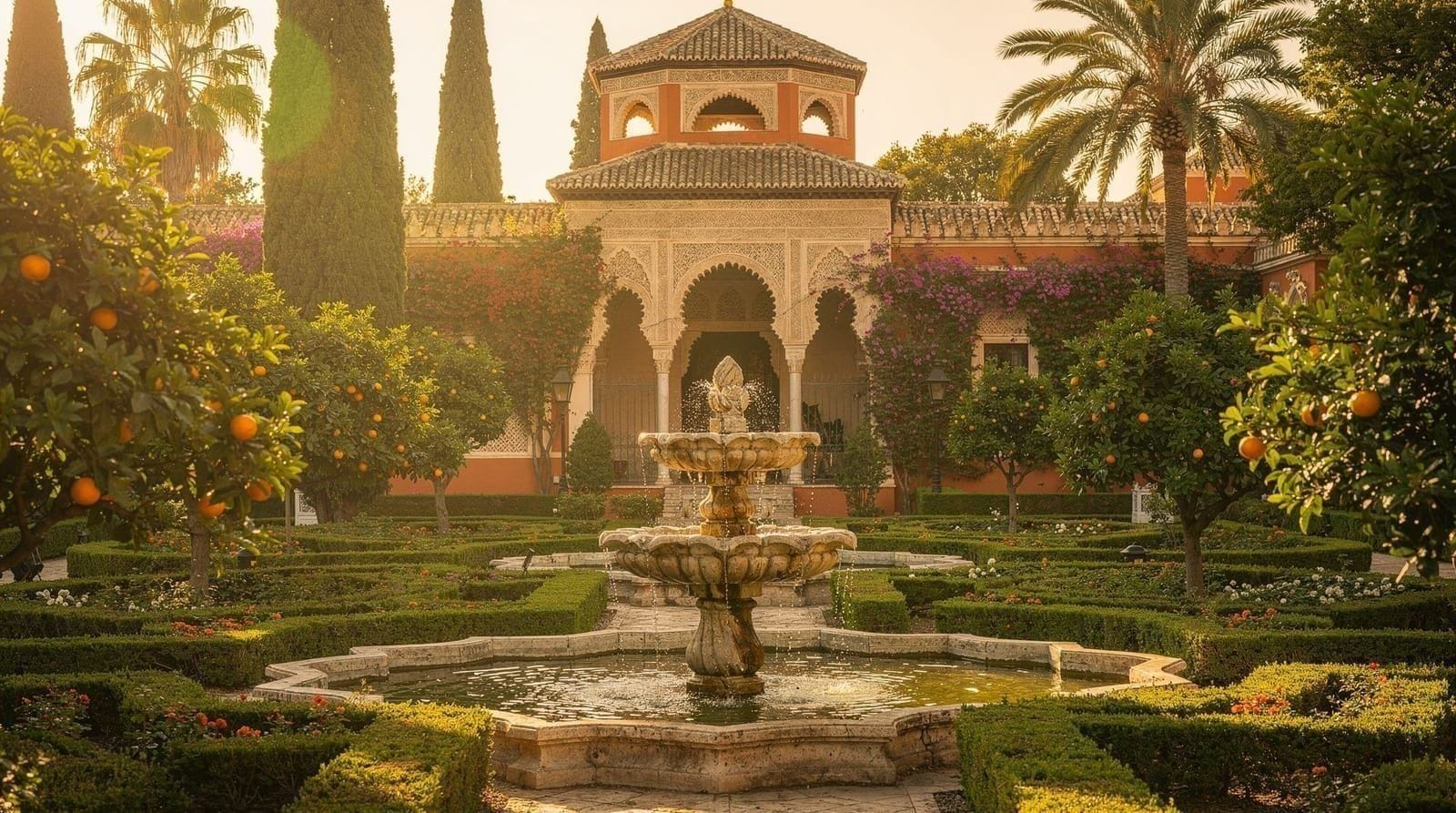
Alcázar: Book the 9am or 9:30am slot (tickets at entradas.alcazarsevilla.es). At 9am, the palace is mercifully cool and uncrowded. By 11am, the courtyard temperatures climb and tour groups arrive. The garden visit after 6pm is the perfect complement — the mercury pool and jasmine garden at 7pm in summer are exceptional.
Cathedral and Giralda: Opens at 10:45am Monday-Saturday for regular visitors (free entry for Sunday Mass, 8am). The interior is cool marble; the Giralda tower climb is warm but the views at the top justify it in the morning hours. Avoid afternoon visits.
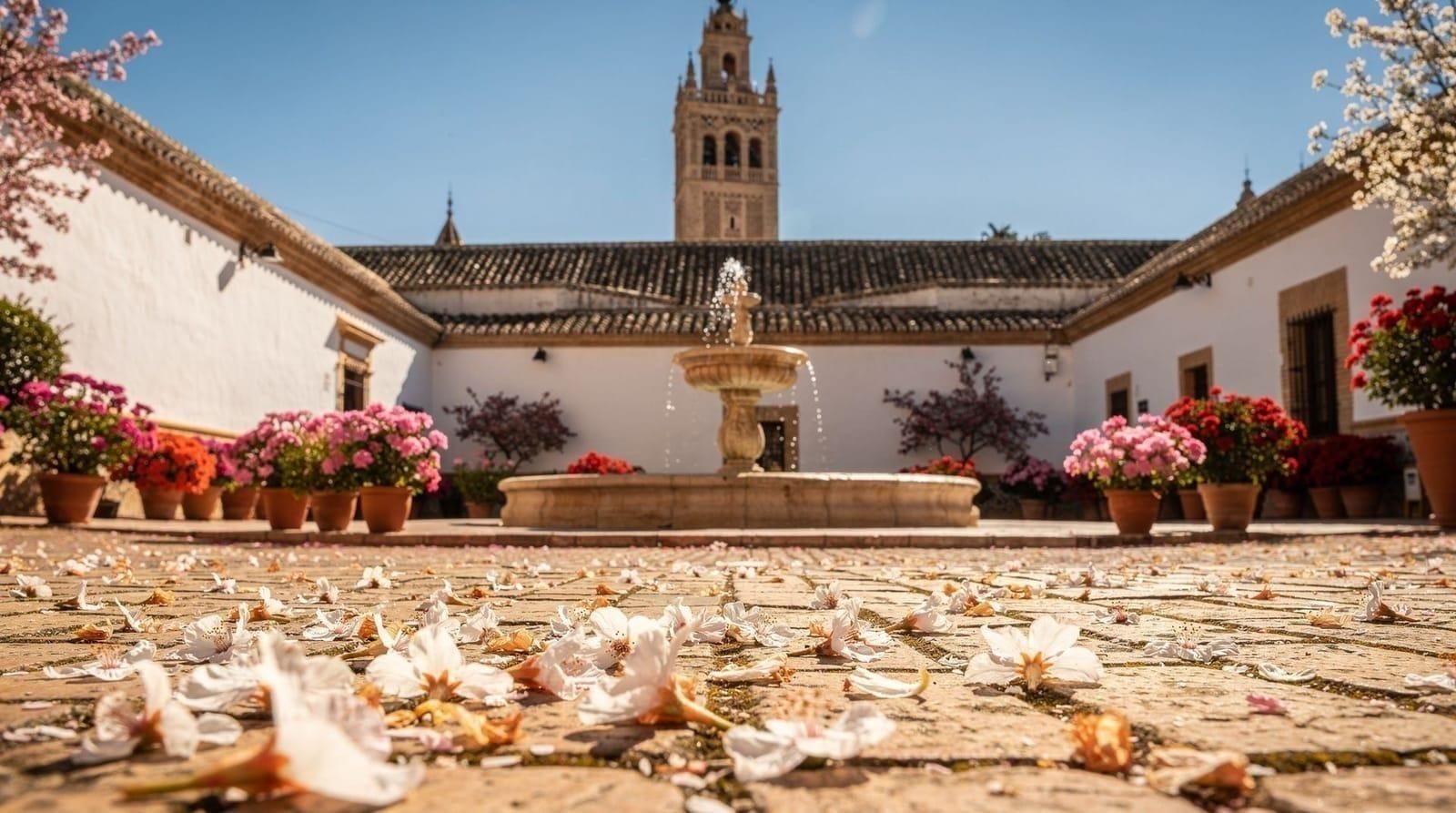
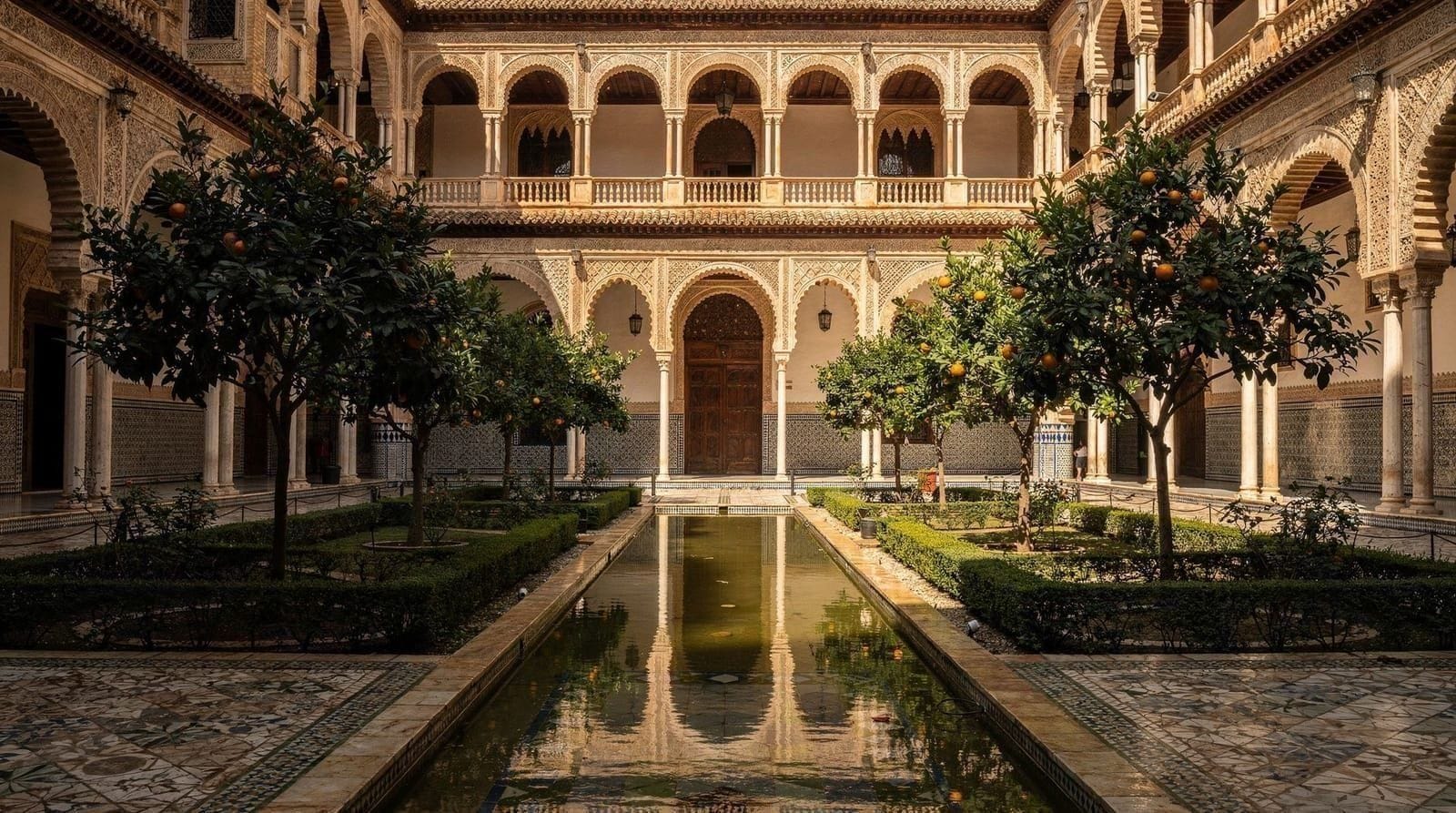
Casa de Pilatos: One of Seville’s most undervisited palaces — the Renaissance-Mudéjar courtyard is exquisite, and the building is almost empty in summer. Air-conditioned inside. A perfect midday refuge.
Metropol Parasol (Las Setas): Sunrise visits (the walkway opens at 9:30am) are transformative — the city below in morning light before the heat arrives is extraordinary. The mushroom-shaped structure itself provides shade throughout the day, and the covered market below (Mercado de la Encarnación) is a cool space for browsing.
Museums (midday): The Museo de Bellas Artes (Fine Arts Museum, in a converted convent — cool stone floors, free for EU citizens) is an excellent midday refuge (the Museo Arqueológico de Sevilla in María Luisa Park is closed for renovation). The Archivo de Indias (colonial documents museum, next to the Cathedral) has an exceptional collection and is cool inside — see the Archivo de Indias guide for opening hours. For the full monument list and booking advice, see the Real Alcázar complete guide and the wider museums in Seville guide.
Staying cool in the shade: parks and gardens
Not every green space is a good summer refuge. Open lawns with little tree cover are no better than the streets at midday, whereas the mature canopy of the larger parks can feel noticeably gentler. Treat them as early-morning or early-evening destinations rather than midday ones. The María Luisa Park guide explains where the shaded paths and fountains are, and the broader parks and gardens in Seville overview covers the alternatives if you want somewhere quieter. Bring water, a hat and patience, and keep your visit short.
The river: the best summer outdoor option
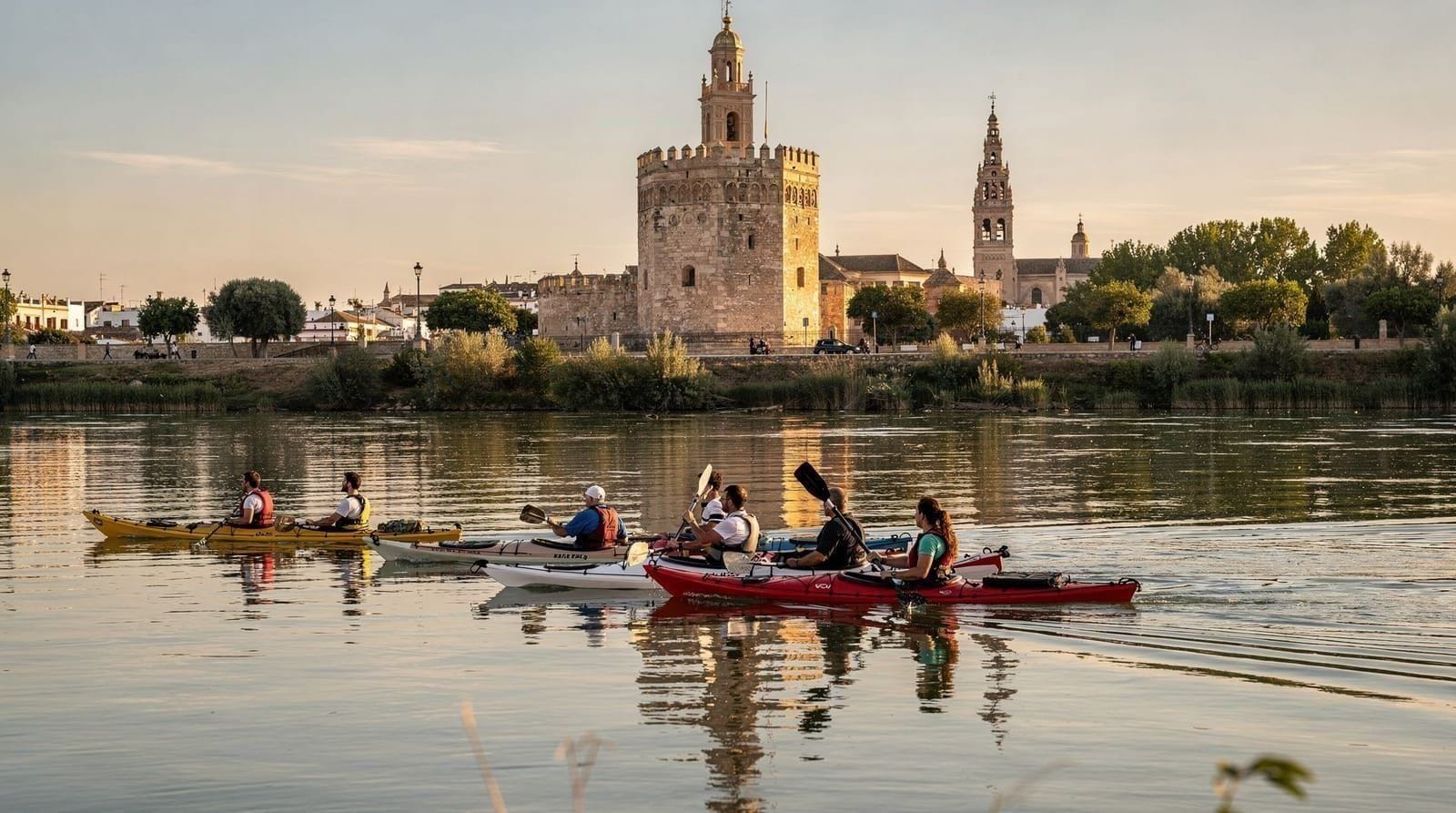
The Guadalquivir river is Seville’s greatest summer asset and is wildly underused by visitors. The air temperature at river level runs 2-4°C cooler than the streets. The evening activities — sunset paddleboarding, evening kayaking — are the best outdoor experiences in the city during summer.
Sunset paddleboarding (departures around 8:30pm in high summer): paddling on the Guadalquivir as the sun sets behind the Torre del Oro and Cathedral produces the best urban photography light of the year. The water temperature is 24-26°C — falls are pleasant rather than chilling. The movement creates a breeze.
Seville: Sunset paddleboarding tour on the GuadalquivirEvening eco cruise (1 hour, multiple departures): air-cooled by river breeze, audio commentary covers the riverside monuments. Good for the same views without the exertion.
Seville: 1-hour Guadalquivir river eco cruiseEvening electric bike tour: Seville’s flat topography makes cycling in the evening (6:30pm departure onwards) genuinely enjoyable in summer — the breeze from movement provides relief that walking cannot.
Seville: 2.5-hour evening electric bike tourIf you would rather compare the options before choosing, the kayaking and paddleboarding guide and the Guadalquivir river cruise guide set out what each experience is like, who it suits and how to pick between them. If you prefer to move on wheels, the Seville by bike guide covers how the city works for cyclists.
A practical note on timing: book river and evening activities early in your trip rather than leaving them to the last night. Summer evenings are when the most popular departures fill, and if a heat wave forces you to rearrange your days, having a flexible slot to swap into is a real advantage. Wear something light that dries quickly, bring a small bag for your phone, and remember that the sun is still strong on the water until it drops, so sunscreen matters even for an evening session.
Food and drink in summer
What to eat: Cold gazpacho and salmorejo (a thicker tomato soup from Córdoba, often better than gazpacho at restaurants) are mandatory in summer. Both are designed specifically for hot weather — cold, nutritious, refreshing. Avoid heavy meat dishes at lunch. A menú del día in a local restaurant (€12-15) includes these cold starters and is the best lunch strategy.
When to eat: Lunch 2-4pm; dinner 9-11pm. Eating at tourist hours (12:30pm for lunch, 7pm for dinner) means fighting for tables and eating in partially empty restaurants. Eating at Spanish times means a full restaurant and fresher cooking.
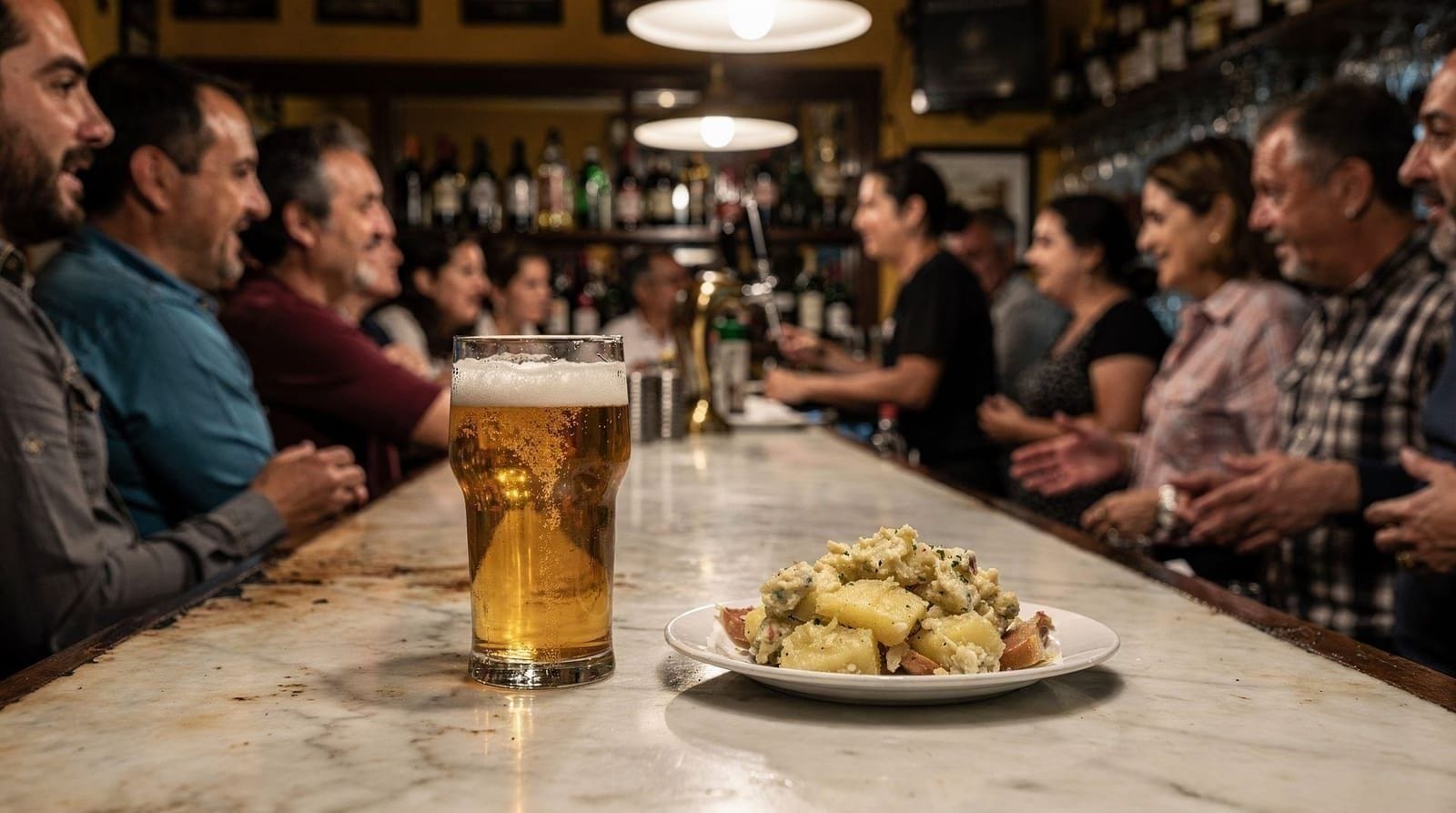
What to drink: Agua con gas (sparkling water) and cerveza with tapa at the barra. Avoid sangria (tourist drink, often poor quality). Rebujito — manzanilla sherry mixed with Sprite or 7Up — is the Feria-season drink but served year-round and lighter than it sounds.
Where to drink: Barra (standing at the bar) is cooler than outdoor terraces (no direct sun) and significantly cheaper. The terraza premium in summer can be €2-3 per drink.
Where to find cool lunches: Covered markets and tucked-away bars with thick walls are noticeably more comfortable than street-side tables in the sun. The Triana market food guide is a good starting point for a relaxed, shaded lunch, and the wider where to eat in Seville guide lists options for every budget. Lighter plates, shared dishes and plenty of water make a long lunch easier to enjoy than a heavy one.
Getting around between meals: Short hops in an air-conditioned vehicle can save your energy for the evening. The getting around Seville guide and the public transport guide explain which options keep you out of the sun, and which stops are exposed with little shelter.
Packing and staying safe in the heat
Pack for the sun first and fashion second. Loose, breathable fabrics in light colours, a wide-brimmed hat, good sunglasses, sturdy but ventilated shoes and a refillable water bottle matter far more than any extra outfit. Sunscreen should be reapplied through the day, not just once at breakfast. Our Seville packing list goes through the full list.
Watch for the early signs of heat exhaustion: headache, dizziness, unusual tiredness or nausea. If you feel any of them, stop, get into shade or air conditioning, and drink water slowly. Do not push on to finish a sight. Seville is a safe and welcoming city, and the is Seville safe guide covers the usual practical concerns, but the heat itself is the biggest risk in summer and it deserves the same respect as any other hazard.
What to avoid
Open-top bus tours in midday heat: The hop-on hop-off bus is generally a legitimate way to see the city, but in July-August, the exposed upper deck at 1pm is not a tourism experience — it’s a health risk. Stick to the morning or evening sessions.
Overambitious day trips: The 2.5-hour bus journey to Granada in a coach without excellent air conditioning at 35°C is miserable. Córdoba (45-minute AVE with full air conditioning) is the best summer day trip option. Italica (30-minute bus, early morning) is manageable. The rest are better in spring or autumn.
July and August closures: Some restaurants and smaller attractions take vacation in August — particularly in the first two weeks. Check ahead before making a special trip to a specific restaurant or smaller museum.
Accommodation tip
Air conditioning is non-negotiable in summer. A hotel room without air conditioning in Seville in July is genuinely miserable — nights stay above 23°C. Verify air conditioning in your specific room before booking; some older buildings have it in common areas but not bedrooms. Thick walls (old city buildings) do help moderate heat, but not enough.
A pool — even a small rooftop pool — transforms the summer experience. Some of the best mid-range hotels in Santa Cruz have small rooftop pools; they fill up, but an hour in the water at 3pm on a 40°C day is worth every euro of premium. See where to stay in Seville for pool-equipped options by budget.
Budget impact of summer travel
Summer is not Seville’s most expensive season — that title belongs to Semana Santa and Feria de Abril in spring — but it is not the cheapest either. Flights and hotels sit below April-May peak pricing but above the genuine low season of December-February. If cost is a bigger driver than weather, see the Seville on a budget guide for how the numbers actually compare across the year, and best time to visit Seville for the full seasonal picture.
Rooftop bars: the summer evening ritual
Once the temperature drops below 30°C around sunset, Seville’s rooftop bars become the default evening activity for both visitors and locals. Views over the Giralda and the rooftops of Santa Cruz, cold rebujito or beer, and a breeze that streets at ground level don’t get — see rooftop bars and views in Seville for specific recommendations.
Frequently asked questions about Seville in summer
What is the temperature in Seville in July and August?
Average daily maximums in July: 36-38°C. In August: similar. Peak temperatures during heat waves: 42-44°C, occasionally 46°C in the most extreme events. The heat is not just high — the nights stay warm (22-25°C minimum), making it important to choose air-conditioned accommodation.Which Seville attractions are best in summer heat?
The Alcázar (book the 9am slot before heat builds), the Cathedral, Casa de Pilatos, and Metropol Parasol (sunrise views are extraordinary). The Alcázar gardens are viable early morning and after 7pm. Avoid the Plaza de España at midday in July — the exposed semicircle becomes a concrete oven.What is the best outdoor activity in Seville in summer?
Evening kayaking or paddleboarding on the Guadalquivir (sunset tours, approximately 8:30-9pm departure in high summer). The river is cool relative to the city, the evening light is excellent for photography, and the city looks spectacular from the water. The 1-hour eco cruise is the non-active equivalent.Is Seville cheaper in summer?
Slightly. Summer is not peak tourist season for Seville (unlike Spanish coastal resorts) — many Sevillanos have left for the coast, and international visitor volumes are lower than April-May. Hotel rates are moderate compared to Semana Santa/Feria, though still higher than winter.Should I visit Seville in summer or choose another time?
If you have flexibility, choose spring (late April-May) or autumn (September-October). If summer is your only option, it works — Seville in summer has a particular character (late nights, river life, empty streets at siesta hour) that is genuinely interesting. But don't pretend the heat isn't a significant logistical challenge.
Top experiences
Bookable activities with verified prices and instant confirmation on GetYourGuide.