Kayaking and paddleboarding in Seville: the Guadalquivir river guide
Seville: 2-hour Guadalquivir river kayaking tour
Can you kayak or paddleboard on the Guadalquivir in Seville?
Yes. The Guadalquivir river through Seville is navigable by kayak and stand-up paddleboard (SUP), offering unique views of the Torre del Oro, Triana bridge, and the city skyline from the water. Tours cost approximately €25-35 per person and run year-round, with sunset sessions the most popular option.
Most visitors to Seville see the Guadalquivir from its banks — from the Torre del Oro esplanade, from Triana’s riverside bars, from the Isabel II bridge at sunset. Seeing the city from the river is a different experience entirely: the Cathedral’s Giralda tower, the Torre del Oro, the Triana skyline, the bridges reflected in still water. Kayaking and paddleboarding are the most active ways to do it, and both are accessible without prior experience.
| Where | Guadalquivir river, between Triana bridge and Torre del Oro |
| Cost | around €25-35 per person for a group tour |
| Time needed | 1-2 hours on the water |
| Best time | spring or autumn for comfortable water temperature; summer evenings to avoid the heat |
| Booking | advance recommended in spring/autumn; sunset slots fill first |
The Guadalquivir through Seville
The Guadalquivir is the only major navigable river in Spain. Through Seville it runs for approximately 10 kilometres, between the Puente de San Telmo (south) and the Puente de la Barqueta (north). The most scenic stretch — the section you’ll paddle during a tour — runs from roughly the Puente de Triana to the Torre del Oro, passing under the historic bridges and past the 13th-century golden tower.
The river is tidal here (Seville is 60 km inland from the Atlantic, but still at tidal reach), which means water levels and current direction change with the tides. Tour operators time their sessions to take advantage of the tidal current and avoid peak boat traffic.
Water temperature: Ranges from around 12-14°C in January to 24-26°C in August. Spring (March-May) and autumn (September-October) are the most comfortable: water warm enough to fall in without shock, air temperature pleasant.
River width and conditions: The Guadalquivir through the city centre is approximately 150-200 metres wide in most sections. Current is generally mild. No white water or technical challenges — this is flatwater paddling suitable for beginners.
Kayaking tours
The standard Guadalquivir kayaking tour runs 2 hours and covers the most scenic stretch of the river. No prior kayaking experience is required — most operators provide a 15-minute introduction before departure.
What’s included in a standard tour:
- Kayak rental (single or tandem options)
- Paddle and life jacket
- Waterproof bag for belongings
- Guide (on kayak alongside the group)
- Brief safety briefing
- Insurance
Price: Approximately €25-35 per person for a group tour. Private tours cost more (approximately €45-60 per person with a minimum booking).
What to bring: Sunscreen (the Guadalquivir has minimal shade), water, clothing you don’t mind getting wet, and a change of clothes for afterwards. Sandals or water shoes are better than trainers.
Meeting point: Most operators depart from the Muelle de la Sal (near the Torre del Oro) or the Triana riverside. Check your booking confirmation.
Seville: 2-hour Guadalquivir river kayaking tour Seville: Guadalquivir river kayak tourPaddleboarding (SUP) tours
Stand-up paddleboarding on the Guadalquivir is a newer offering than kayaking but has grown significantly in popularity since 2020. The SUP sunset tour is particularly popular — paddling on the river as the sun sets behind the city produces extraordinary light.
Sunset paddleboarding: The most atmospheric option. Tours typically depart 1-1.5 hours before sunset and take advantage of golden-hour lighting on the Torre del Oro and Cathedral. In summer (June-August), this means departures around 8:30-9pm — ideal for avoiding the midday heat.
Beginner-friendly: SUP is less intuitive than kayaking initially, but most people find their balance within 15-20 minutes. Most operators suggest that anyone who can swim can learn to paddleboard in a single session. Falling in is common on the first session; falling in on the Guadalquivir in summer is not a hardship.
Price: Approximately €25-35 per person for a group SUP tour.
Seville: Sunset and evening paddleboarding tour on the GuadalquivirRiver eco-cruise: the non-paddling option
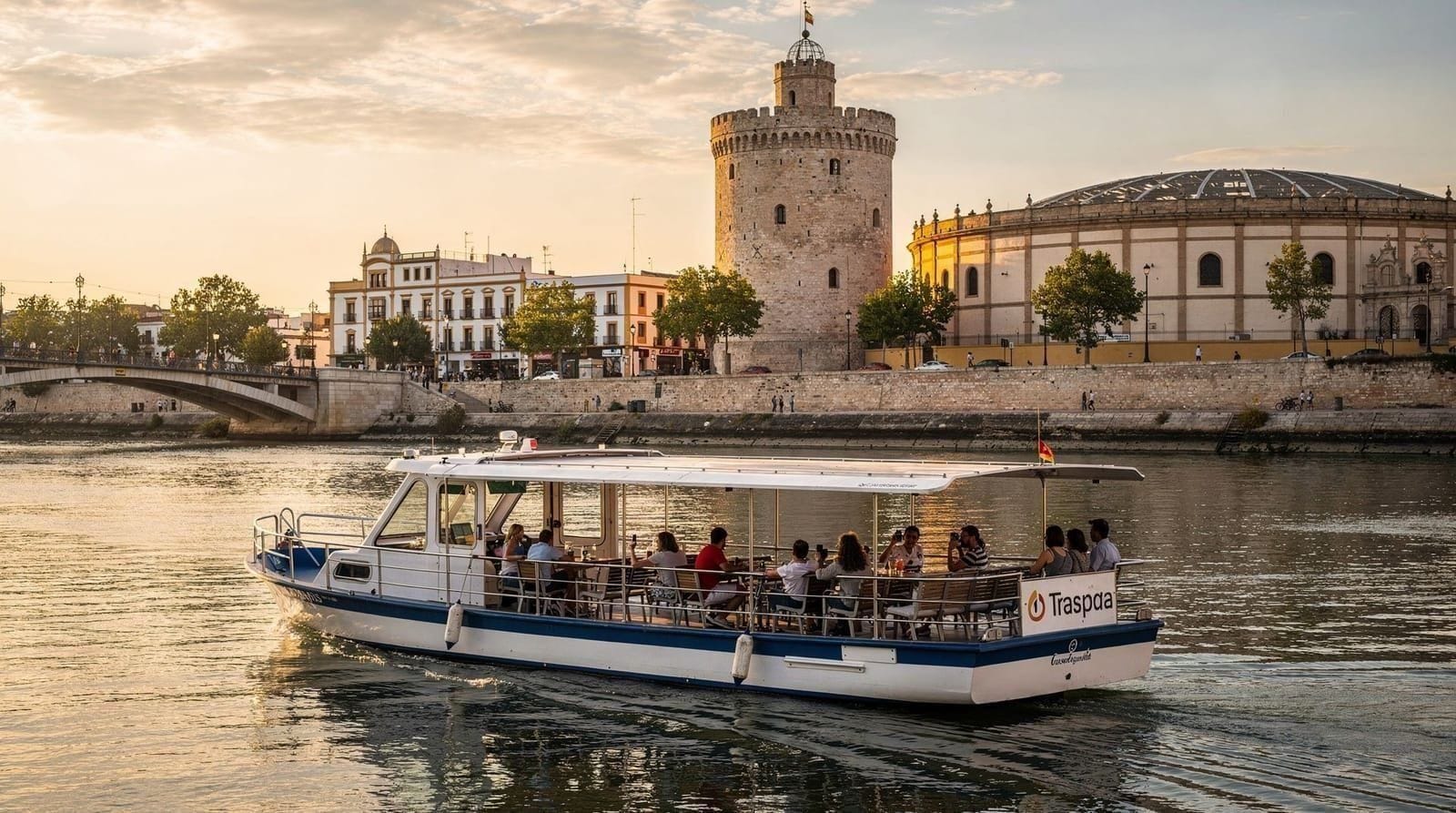
Not everyone wants to paddle. The Guadalquivir also has 1-hour river cruises by small electric boat — a comfortable way to see the same stretch of river without physical exertion. These depart regularly from the Torre del Oro dock and run with audio commentary covering the riverside history. Good for families with very young children, older visitors, or anyone who wants the river perspective without getting wet. See the Guadalquivir river cruise guide for the full range of boat options, including larger sightseeing cruises beyond this one.
Seville: 1-hour Guadalquivir river sightseeing eco cruiseKayak vs SUP vs eco-cruise: which to choose
| Option | Effort | Best for | Price |
|---|---|---|---|
| Kayaking | Moderate | First-timers wanting an active, guided paddle | ~€25-35 |
| Paddleboarding | Moderate-high (balance) | Sunset light, a bit more of a workout | ~€25-35 |
| Eco-cruise | None | Families with young children, older visitors, anyone who wants to stay dry | Varies by operator |
If you are travelling with young children, the Seville with kids guide has more on which river activities suit which ages — the eco-cruise is generally the easiest option for children under 8.
Best time of year for river activities
Spring (March-May): Ideal. Water at the start of the season (March-April) is still cool but the air temperature is pleasant (20-26°C), and the riverside landscape is green. Orange blossom season (late March-April) means the riverbanks smell extraordinary.
Summer (June-August): The only comfortable time to kayak is early morning (before 10am) or evening (after 7pm). The sunset SUP tour is made for summer — the river in the evening is far more pleasant than anything you’ll find walking the city at 2pm. Water temperature 24-26°C.
Autumn (September-October): Excellent conditions. Water still warm from summer (21-24°C), air temperature ideal (22-28°C), and smaller crowds than spring. September-October is the sweet spot for all outdoor activities in Seville.
Winter (November-February): Tours continue but water is cold (12-15°C), and falling in is less appealing. The shorter daylight hours limit sunset tour availability. Most operators reduce their schedule.
Practical tips
Booking: Advance booking is recommended in spring and autumn when river tours sell out quickly. In summer, most evenings are available, but the sunset slot fills early. In winter, call ahead to confirm availability.
Photography: Bring a waterproof case or bag for your phone. The views from the water are worth documenting — the Torre del Oro from river level is a very different perspective from the standard tourist shot.
Combination ideas:
- Morning kayak tour + afternoon Alcázar visit: a very full day, but both fit
- Sunset SUP + dinner in Triana afterwards: a perfect evening sequence
What to do on the riverfront (before or after)
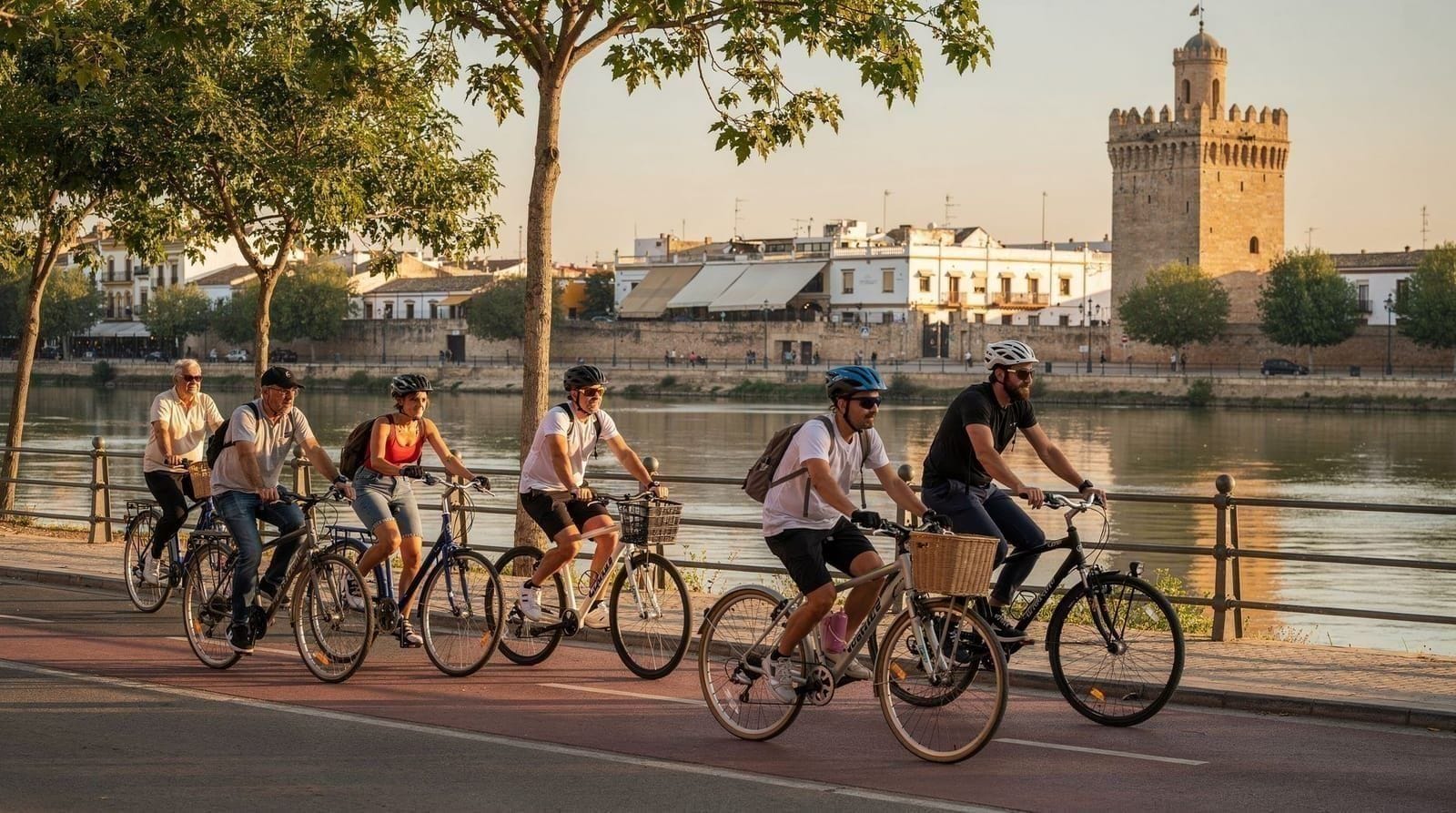
The Guadalquivir riverfront (Paseo Alcalde Marqués de Contadero and the Triana riverside, Calle Betis) is one of Seville’s best free spaces. Calle Betis on the Triana side is lined with bars and restaurants with river views — useful for a post-paddle drink. The Torre del Oro (see the museum’s official website for admission and opening hours) is a 13th-century Moorish watchtower worth a quick visit before a morning kayak. The riverside bike path runs the length of the city and connects to María Luisa Park — see the parks and gardens guide. The same riverside path is also one of the best routes for exploring by bicycle; see the Seville by bike guide if you want to combine a paddle with a ride along the rest of the river.
Fitting a river activity into your Seville days
A river session is easy to slot into a longer stay without disrupting the rest of your plans: a 2-hour morning kayak still leaves the afternoon free for the Alcázar or Cathedral, and a sunset SUP session pairs naturally with dinner in Triana afterwards. For visitors building out a full day-trip itinerary around Seville, the best day trips from Seville guide covers how a river morning compares to leaving the city entirely. If you are visiting in July or August, plan around the heat rather than the crowds — see the Seville summer heat guide for realistic timing beyond what’s covered above.
What the paddle feels like from the water
The first thing most people notice is how quiet it is. The traffic and the crowds that define the city centre fade behind the riverbanks, and what remains is the sound of paddles, the occasional rowing boat and the bells drifting over from the old town. The Torre del Oro looks different from river level: you see it as the medieval watchtower it was, a defensive point on the water rather than a photo stop on a pavement. The Triana bridge, the colourful houses along the Triana bank and the roofline of the old centre all line up in a way you cannot get from land.
Kayaks sit low, so you feel closer to the water and the pace is gentle. A paddleboard raises you above the surface, which gives a wider view but asks more of your balance. Neither requires strength; both reward patience. If you have already walked the city, a river session works as a change of rhythm, and it is a good way to understand how the neighbourhoods fit together. The Triana neighbourhood guide and the El Arenal guide describe the two banks you will be paddling between, so reading them first makes the view more meaningful.
How to choose between the five tours
The five river options differ mostly in format, not in the stretch of water they cover. The two kayak tours suit people who want a seated, stable and guided paddle. The daytime paddleboard session suits those who prefer to be out in good light and are happy to wobble a little. The evening paddleboard session is the one to pick if atmosphere matters more than anything else. The eco-cruise is for everyone who wants the river without the effort.
A few questions help decide quickly:
- Do you want to stay dry? Choose the eco-cruise or a kayak, and keep a change of clothes anyway.
- Are you travelling as a pair? A tandem kayak, where offered, makes the paddle a shared activity rather than two separate efforts.
- Is light your priority? The evening paddleboard session gives the most dramatic scenery; the daytime one gives clearer detail on the buildings.
- Are you short on time? The shorter options fit around a sightseeing day without disrupting it.
If you are still undecided, the evening paddleboard session is the easiest recommendation for most adults, and a kayak is the safer pick for anyone who has never stood on a board. You can compare the cruise side in more depth in the Guadalquivir river cruise guide.
Before you go: a simple preparation checklist
Preparation is light, but a few small habits make the difference between a relaxed session and an awkward one.
- Eat something small beforehand, and avoid a heavy lunch immediately before paddling.
- Wear a swimsuit or quick-drying clothes under your outer layer, and leave valuables in your accommodation or a secure place rather than carrying them.
- Use a hat that stays on, sunglasses with a strap, and sunscreen applied well before you reach the water.
- Arrive a little early. Briefings and equipment fitting take time, and rushing makes beginners nervous.
- Listen to the guide on the tide and the boat traffic. They know the river, and the advice is specific to the day.
- Tie back long hair and remove loose jewellery that could snag on equipment.
If your hotel is far from the river, the getting around Seville guide covers how to reach the meeting areas without stress, and the Seville packing list helps you decide what to carry for a day that mixes sightseeing and water.
Staying safe on a tidal river
The Guadalquivir is calm, but it is still a working river. Boat traffic, tidal current and wind can all change conditions through the session, which is exactly why a guided format is the sensible choice for visitors. Stay with the group, follow the guide’s line and keep to the sides the guide indicates. Do not attempt to cross in front of larger vessels, and if the guide asks you to wait or turn back, do so without debate.
On a paddleboard, kneeling is perfectly acceptable if the wind picks up, and it is better to kneel than to fall repeatedly and tire yourself. In a kayak, keep the paddle low and your movements steady. Anyone who feels unwell or anxious should say so early; guides prefer an early word to a late problem. For wider reassurance about visiting the city, the is Seville safe guide gives context on staying comfortable across the whole trip.
Who each activity suits
Couples: The evening paddleboard session is a romantic format, and the riverside afterwards offers an easy dinner. The Seville for couples itinerary shows where a river evening can sit in a longer plan.
Families: The eco-cruise is the easiest shared option, and older children who are confident in the water may enjoy a kayak. The Seville with family 3-day itinerary is a good place to see how an hour on the river fits around other activities.
Active travellers: A morning kayak followed by a walk across the old town makes a balanced day. The paddling is not demanding, but it does use the arms and shoulders, so expect a pleasant tiredness rather than exhaustion.
Solo visitors: Group tours are social and easy to join alone. The guide stays close, and the shared format makes it simple to meet other travellers.
Fitting the river into a longer itinerary
The river works best as one highlight among several, not the centrepiece of a day. A relaxed morning session leaves the afternoon for a monument, and an evening session leaves the day free for museums or a long lunch. If you are shaping your whole stay, the 3-day Seville itinerary and the how many days in Seville guide will help you decide where a couple of hours on the water belong. For something more reflective after the paddle, a first-hand account in the kayaking the Guadalquivir blog post gives a personal view of the experience.
After the paddle: what to do next
Once you are back on land, the simplest plan is to slow down. Find a riverside table, order something cold and let the session settle. If you want something more substantial, a tapas crawl across the river is an excellent next step; the best tapas bars in Triana guide lists options on the far bank, and the barra vs terrace pricing guide explains how to avoid overpaying for a seat with a view. Wet clothes dry quickly in warm weather, but a spare layer is useful in the evening when the air cools near the water.
Top experiences
Bookable activities with verified prices and instant confirmation on GetYourGuide.