4 days in Seville: extended itinerary with day trip
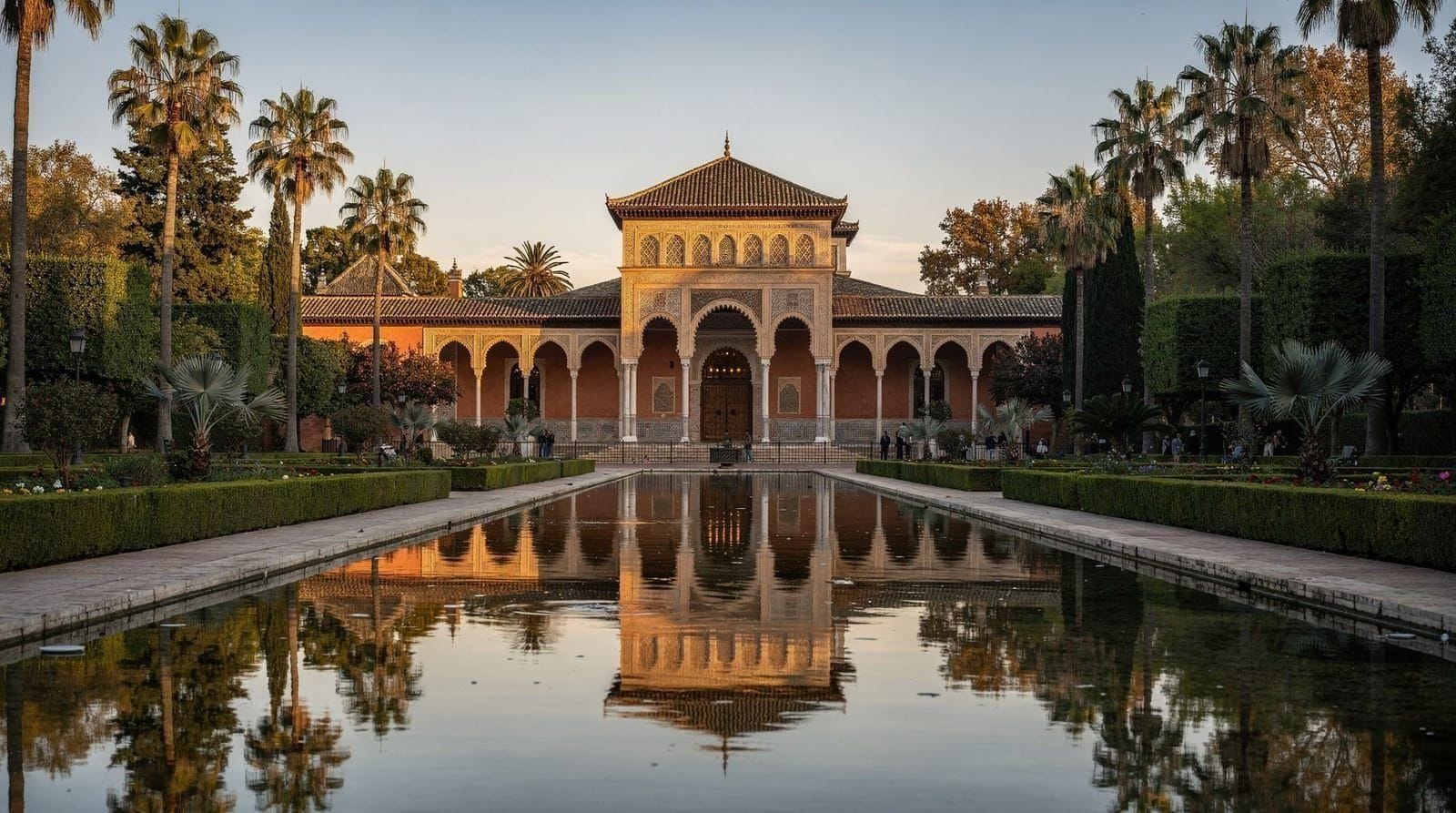
Seville: Royal Alcázar entry ticket
What four days unlocks
The three-day itinerary covers the essential Seville. A fourth day gives you breathing room: you can slow down in neighbourhoods you rushed through, see Casa de Pilatos or Palacio de las Dueñas without feeling like a tourist sprinting between monuments, and add a day trip to Córdoba without sacrificing city time.
This four-day plan reserves Day 3 for Córdoba by AVE — the most rewarding short day trip from Seville — and gives Days 1, 2, and 4 to the city itself. If Córdoba doesn’t appeal, Day 3 can become a second city day focused on the neighbourhoods and the food scene.
| Where | Seville historic centre, Triana, Córdoba, Macarena |
| Cost | around €640–800/person for 4 days excl. flights |
| Time needed | 4 full days, one Seville base |
| Getting there (Córdoba) | AVE from Santa Justa, 45 min each way |
| Best time | March–May or September–October |
Day 1: Monuments — Alcázar, Cathedral, Santa Cruz
Morning (9:00–13:00)
9:00 — Alcázar
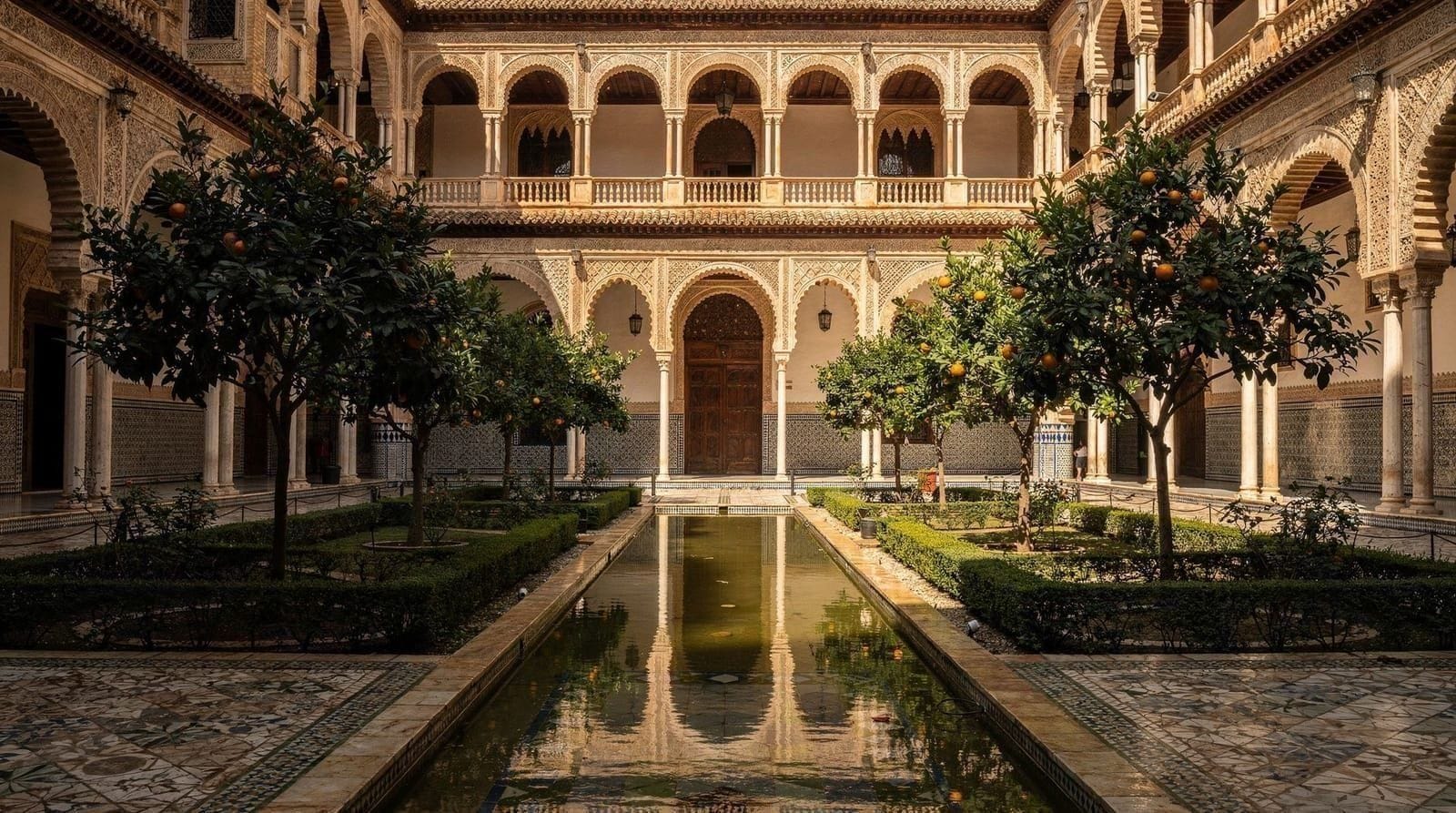
The Royal Alcázar is the non-negotiable starting point. Book a timed skip-the-line ticket at least two to three days before your visit. Walk-up queues at peak times regularly exceed 90 minutes.
Royal Alcázar entry ticket — skip the queueEntry: €15.50 adults. Closed only on 1 and 6 January, Good Friday and 25 December. Allow two to three hours. Key rooms: Patio de las Doncellas, Salón de Embajadores, upper royal apartments. The gardens add another 30 minutes if you have time. Photography is permitted throughout.
11:30 — Cathedral and Giralda
Walk five minutes to the Cathedral. Book the entry ticket online or use the self-service kiosks at the side entrance on Calle Alemanes to avoid the main queue.
Cathedral and Giralda entry ticket — €12Climb the Giralda by ramp for the city panorama. Allow 90 minutes.
Afternoon (14:00–18:30)
14:00 — Lunch at Bodega Santa Cruz
Calle Rodrigo Caro 1. Standing bar, chalk tally, cold manzanilla, excellent montaditos. Eat at the counter (barra) for local prices; the terrace adds roughly €1–2 per item.
15:30 — Archivo de Indias
Free entry. Original documents from the Americas trade, including Columbus’s journals. The building by Juan de Herrera is outstanding. Allow 30–40 minutes.
16:30 — Santa Cruz barrio
Unhurried walk through the historic Jewish quarter: Callejón del Agua, Plaza de Doña Elvira, Plaza de los Venerables. Stop at the Hospital de los Venerables (check the official website for current prices and hours) to see the extraordinary frescoes by Juan de Valdés Leal in the church.
Evening (20:00–23:00)
20:00 — El Rinconcillo
Calle Gerona 40. Oldest bar in Spain. Jamón, espinacas con garbanzos, cold fino. A 20-minute visit for authenticity.
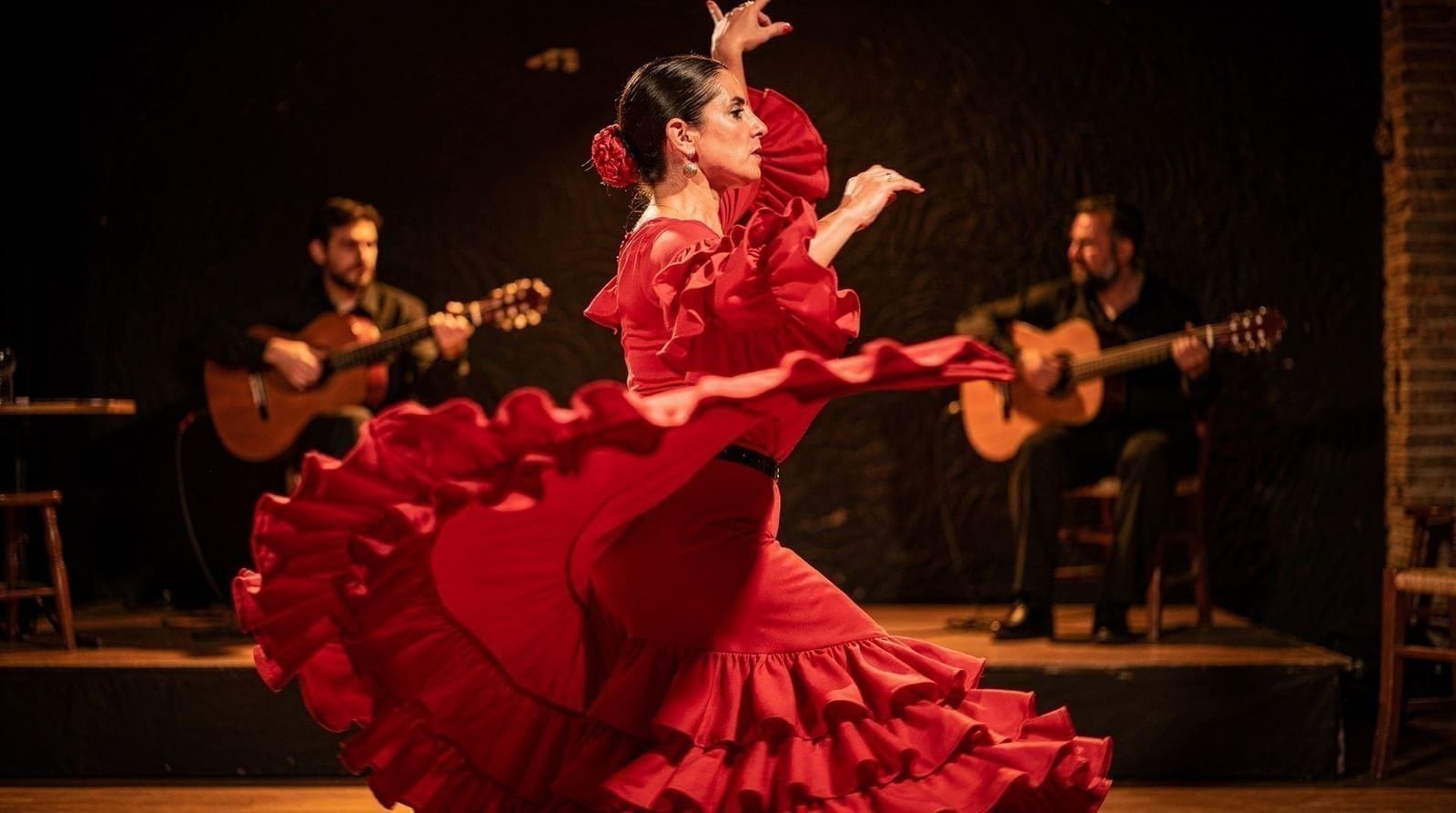
Evening — Flamenco at Casa de la Memoria
Book the evening slot in advance. Intimate, serious, the best option for first-time flamenco visitors.
Casa de la Memoria flamenco showDay 2: Triana, the river, and the Setas
Morning (9:00–13:00): Triana
Cross the Puente de Isabel II and start at the Mercado de Triana. Coffee and tostada at the market bar. Browse the stalls — fresh fish, jamón, seasonal produce. Then walk Calle Alfarería and Calle San Jorge for the ceramics workshops.
The Centro Cerámica Triana (Calle Antillano Campos 14) explains the neighbourhood’s 500-year tile-making tradition with intact 18th-century kilns. The riverside walk along Calle Betis — looking back toward the Torre del Oro — is one of the most photogenic stretches in Seville.
For a guided food introduction to the neighbourhood: Triana market guide.
Afternoon (14:00–18:00)
14:00 — Lunch in El Arenal
Las Golondrinas (Antillano Campos 26). Excellent pescaíto frito (fried fish), tortilla española, and good house wine. Local prices, local crowd.
16:00 — Guadalquivir river cruise
One hour on the river from Torre del Oro. Electric boats, quiet, good skyline views. Book in advance in high season.
Guadalquivir eco cruise — 1 hour17:00 — Metropol Parasol (Las Setas)
Head north to Plaza de la Encarnación. Rooftop walkway: from €16. Good late-afternoon views.
Evening (19:30–23:00)
Explore the Alameda de Hércules neighbourhood for tapas. El Rinconcillo was Day 1 — tonight try Eslava (Calle Eslava 3) for creative modern tapas, or Bar Caro on the Alameda itself for something more casual and local.
Day 3: Córdoba day trip by AVE
Why Córdoba?
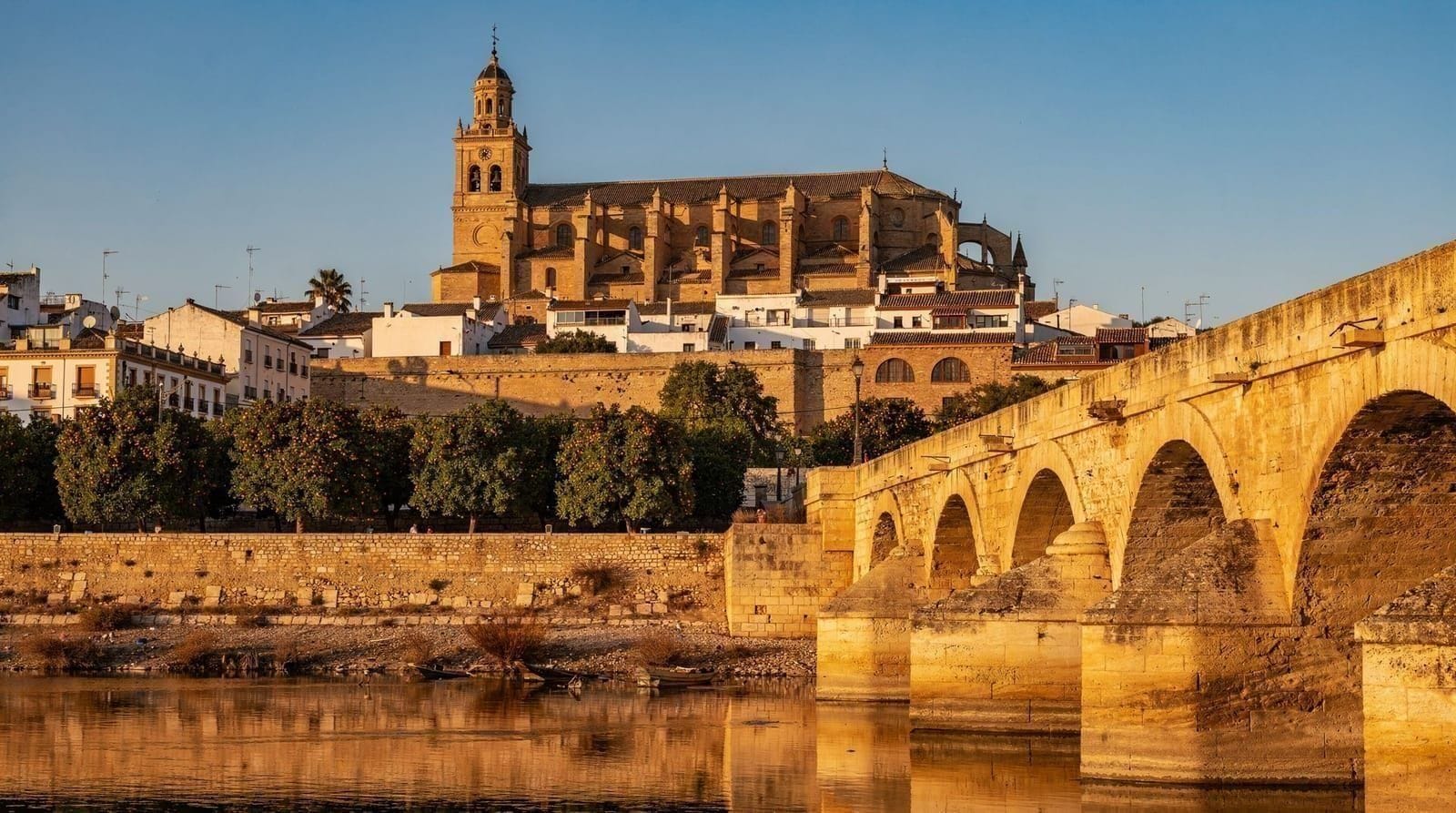
Córdoba is 45 minutes by AVE from Santa Justa station. It is the most efficient and rewarding day trip from Seville. The Mezquita-Catedral — a mosque with a cathedral built inside it during the Reconquista — is unlike any building in the world.
Córdoba day trip with Mezquita by high-speed trainTimetable
7:30 — Depart Santa Justa station by AVE. Trains run hourly. Journey: 45 minutes. Book tickets at renfe.com in advance; they fill up on weekends and public holidays.
9:00 — Córdoba station. Walk or take a short taxi to the Mezquita (10 minutes).
9:30–11:30 — Mezquita-Catedral. Book entry online (€15, under-10 free). The forest of columns and red-and-white striped arches is extraordinary. The Renaissance cathedral imposed inside it is jarring and intentional — understanding the history makes the visit much richer. Allow 90–120 minutes.
11:30–13:00 — Jewish Quarter (Judería). Walk the narrow white streets. The Synagogue (Calle Judíos 20, free entry) dates from 1315 and is one of only three surviving medieval synagogues in Spain. The Alcázar de los Reyes Cristianos is worth 45 minutes for the gardens and Roman mosaics.
13:30 — Lunch. Casa Mazal (Calle Tomás Conde 3) is an excellent Sephardic restaurant in the Jewish Quarter. Sociedad de Plateros (San Francisco 6) is a traditional tapas bar with good rabo de toro. Expect to pay €15–25 for lunch.
15:30 — If time allows: Medina Azahara ruins (10 km west, taxi). The ruined palace city of Caliph Abd al-Rahman III is a 10th-century archaeological site worth 90 minutes if you’re interested in Al-Andalus history. Bus tours run from Córdoba city centre. Optional.
17:30 — Return to Córdoba station.
18:30 — Return to Seville. Back in the city by 19:15.
Evening — Lighter evening after a full day trip. A glass of wine at Casa Morales (Calle García de Vinuesa 11), dinner at a restaurant of your choice.
For the complete day trip guide: Córdoba day trip from Seville.
Day 4: Palaces, Macarena, and final neighbourhood exploration
Morning (9:30–13:00)
Casa de Pilatos (Plaza de Pilatos 1)
Often overlooked in favour of the Alcázar, Casa de Pilatos is a 16th-century palace blending Gothic, Renaissance, and Mudéjar styles. The azulejo tile work in the lower court rivals anything in the Alcázar, and it is significantly less crowded. Entry: €12 ground floor, €6 upper floor (includes a guide). Allow 90 minutes.
See the Casa de Pilatos guide.
12:00 — Barrio de Santa Cruz revisited
On Day 1 you walked it quickly. Today, go slower. Sit at Plaza de Doña Elvira. Browse the ceramic shops on Calle Rodrigo Caro. Visit the Iglesia de Santa María la Blanca (Calle Santa María la Blanca 5, free entry), a former synagogue converted to a Baroque church.
Afternoon (14:00–18:00)
14:00 — Lunch in the Macarena neighbourhood
Walk 15 minutes north through the centre to Macarena. Bar Caro (Alameda de Hércules 48) has a good menú del día. Calle Feria has several honest local bars. The area is noticeably less touristy than Santa Cruz.
15:30 — Basílica de la Macarena and the walls
The Basílica de la Macarena (free entry) is the spiritual home of Semana Santa. The Virgen de la Esperanza Macarena — her gold crown donated partly by the bullfighter Joselito — is in the museum behind the church (€5 entry). The church is worth seeing even if the religious context doesn’t interest you.
The 12th-century Almohad walls (Murallas) run alongside the church for several hundred metres — free to walk, well-preserved, and usually quiet.
17:00 — Palacio de las Dueñas (optional)
Calle Dueñas 5, €15 entry. The private palace of the Dukes of Alba. The collection of art, furniture, and azulejos is genuinely excellent, and the story of the Alba family — one of the most powerful aristocratic dynasties in Spanish history — adds context. Allow 60 minutes.
Evening (19:30–23:00)
19:30 — Sherry tasting
A formal sherry tasting closes the trip well, especially if you’ve been drinking fine sherry informally throughout the visit. A guided session covers fino, manzanilla, amontillado, oloroso, and Pedro Ximénez with context.
Sherry wine tasting with light snacks21:00 — Final dinner
Taberna del Alabardero (Calle Zaragoza 20) is the best choice for a proper final dinner in Seville: Andalusian classics, a good wine list, and a graceful dining room. Book ahead. Budget: €35–50 per person without wine.
Practical notes for four days
Accommodation: The historic centre (Santa Cruz, El Arenal, Centro) keeps you within walking distance of everything. Mid-range hotels: €90–120/night. Budget options are available around Macarena and Alameda for €50–70.
Walking distance: Four days involves a lot of walking on cobblestones. Comfortable shoes are essential. The average visitor covers 12–15 km/day on this itinerary.
For a fifth day with Ronda or Granada, see the 5-day Seville itinerary.
Seville in four days: what to know before you go
Seasonal planning
Spring (March–May): The best time to visit. Orange blossom scent fills the streets, temperatures are 20–28°C, and the city is at its most photogenic. Semana Santa (Holy Week, 29 March–5 April 2026) is extraordinary — floats up to 5 metres tall carrying religious sculptures processed through the streets for up to 12 hours each night. Feria de Abril (21–26 April 2026) is the week-long spring fair: the city moves to a fairground south of the Guadalquivir for flamenco-dressed dancing, sherry, and horses from early afternoon until dawn.
Summer (June–August): Temperatures regularly reach 40–42°C. The city does not stop — locals simply reorganise their day around the heat. All outdoor sightseeing happens before 13:00 and after 19:00. Museums, palaces, and cafés are air-conditioned. The river is more active (kayaking, paddleboarding, cruises). Budget accommodation prices drop in August as Spanish tourists leave.
Autumn (September–October): The sweet spot for most visitors. Temperatures 25–32°C, post-tourist-season prices, and if your visit falls in September (even years), the Bienal de Flamenco in September 2026 is the most important flamenco festival in the world.
Winter (November–February): Mild and undervisited. Temperatures 8–16°C. Christmas markets in December are modest but pleasant. The Alcázar is never crowded in January and February.
Budget breakdown for four days
| Day | Main expenses | Estimated cost |
|---|---|---|
| Day 1 | Alcázar €15.50 + Cathedral €13 + flamenco €24 + food €35 | €88 |
| Day 2 | River cruise €18 + Setas roof €16 + food €35 | €69 |
| Day 3 | Train to Córdoba €15 return + Mezquita €15 + lunch €20 | €50 |
| Day 4 | Casa de Pilatos €12 + sherry tasting €40 + dinner €40 | €92 |
| Total excl. accommodation | €280–320 |
Accommodation (mid-range, historic centre): €90–120/night × 4 = €360–480.
Total four-day trip (mid-range, per person): €640–800 excluding flights.
Where to stay for four days
The historic centre (Santa Cruz and El Arenal) is the practical base: within 15 minutes’ walk of every Day 1 and Day 4 activity, and 10 minutes to Santa Justa station for the Córdoba AVE.
Hotels worth knowing in the mid-range:
- Hotel Alcántara (Calle Ximénez de Enciso, Santa Cruz): small, well-maintained, excellent location
- Hotel Murillo (Calle Lope de Rueda 7, Santa Cruz): historic building, central position
- Hotel Simón (Calle García de Vinuesa 19, El Arenal): beautiful tile work, budget-friendly mid-range
For hostel accommodation: Sevilla Urbany Hostel near the Alameda and Oasis Backpackers near the Macarena are both well-reviewed.
What to skip on four days
Four days is enough to do everything in this plan without cutting anything significant. The main items that appear in other guides and are not in this itinerary — Italica Roman ruins, Carmona, Doñana National Park — are all good, but they require a half-day each and compete with the city activities. For a five-day or week-long plan, those destinations fit naturally. For exactly four days, the city and Córdoba are the right focus.
For background reading on the sights you’ll visit: Real Alcázar complete guide, Seville Cathedral complete guide, Casa de Pilatos guide, sherry guide for Andalusia.
Swapping Córdoba for a second neighbourhood day
If Córdoba doesn’t appeal — perhaps you’ve been before, or you’d rather not add a train day — Day 3 works equally well as a second slow city day. A good substitute combines a morning at the Metropol Parasol and La Macarena guide pace with an afternoon in the Alameda neighbourhood, plus the best walking tours in Seville guide if you’d prefer a guided overview instead of self-navigating. This keeps the four-day structure intact while trading the AVE journey for more unhurried time in the city itself.
How four days compares to three or five
Three days (3-day Seville itinerary) covers the essentials but forces a choice between Córdoba and a slower Day 3 — you can’t have both. Four days removes that trade-off entirely: Córdoba happens on Day 3, and the palaces, Macarena, and sherry tasting still get a full Day 4. Five days (5-day Seville itinerary) goes further still, adding either Ronda or Granada as a second day trip. For most first-time visitors who can spare the extra day, four is the itinerary that removes the most compromise for the least additional cost — roughly €150–200 more than three days, mostly accommodation and the Córdoba train.
Frequently asked questions about 4 days in Seville
Is four days too long for just Seville and Córdoba?
No — most visitors find four days comfortably filled without padding. Between the Alcázar, Cathedral, Triana, the river, Córdoba, Casa de Pilatos, the Macarena, and a sherry tasting, the days stay full without repetition.
Can I swap Córdoba for Ronda instead?
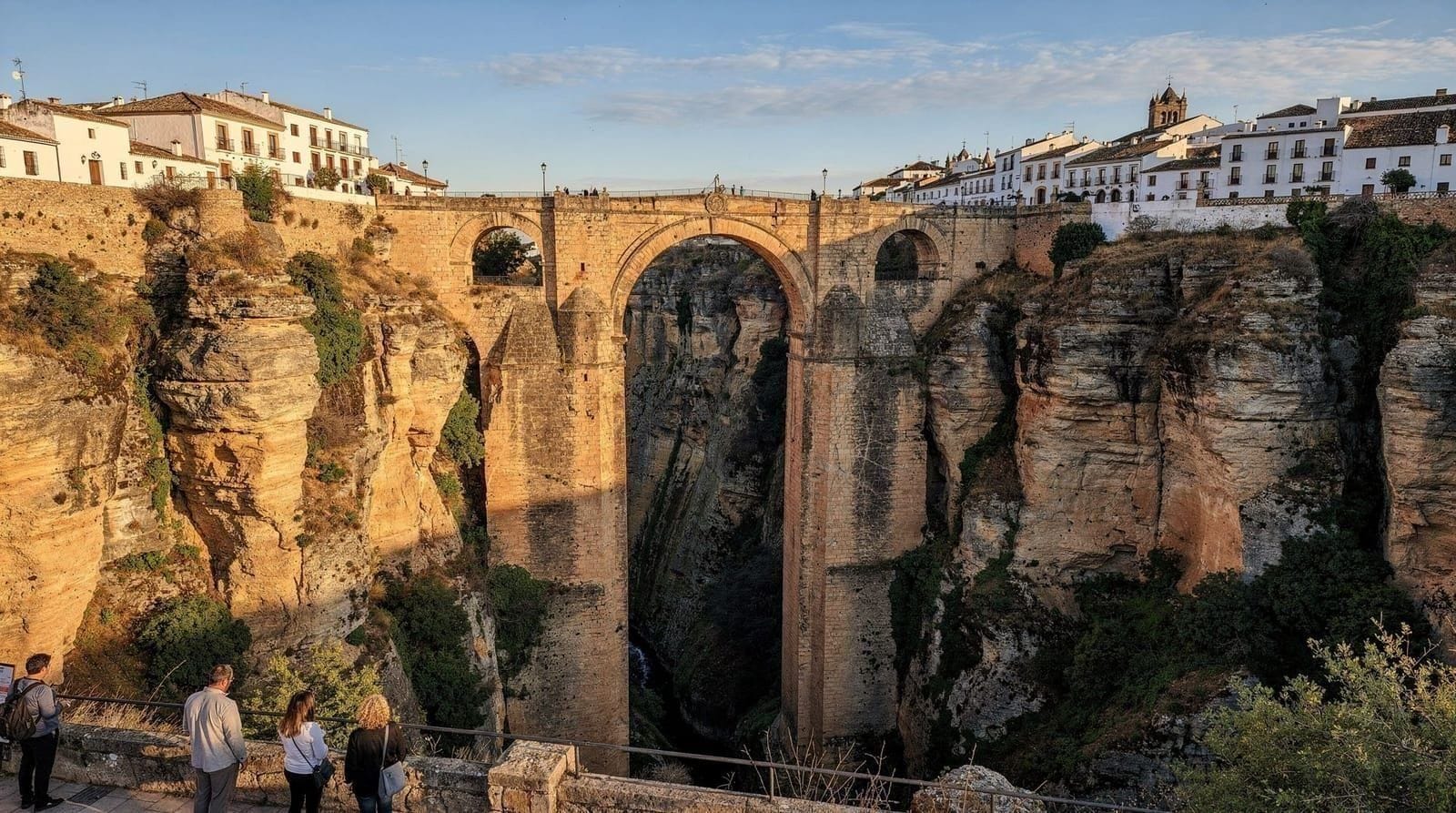
Yes, though Ronda takes about two hours each way by bus versus 45 minutes for Córdoba’s AVE, so it uses more of the day. If Ronda’s landscape appeals more than Córdoba’s Mezquita, it’s a straightforward substitution — see the Ronda day trip from Seville guide for the full timetable, or consider the 5-day Seville itinerary, which includes both Córdoba and Ronda.
Do I need to book Palacio de las Dueñas in advance?
Not usually — it rarely sells out compared with the Alcázar or Alhambra, and walk-up entry is generally available even in peak season. Booking online a day ahead avoids any queue but isn’t essential the way it is for the Alcázar.
Is four days enough time to also fit a proper sherry region visit to Jerez?
Not within this specific plan. The Day 4 sherry tasting in Seville covers the styles and pairings well, but a genuine bodega visit in Jerez itself — walking the cellars, seeing the solera ageing system in person — needs its own half-day trip. That’s better suited to the five-day or week-long itineraries, which have room for an additional day trip beyond Córdoba.
Top experiences
Bookable activities with verified prices and instant confirmation on GetYourGuide.