Seville for foodies: 3-day food itinerary
Seville: Tastes, tapas and traditions food tour
Seville is one of Europe’s great food cities
The case for Seville as a food destination rests on three things: the quality of basic ingredients (jamón ibérico de bellota, fresh Atlantic fish, sherry vinegar, local olive oil), the bar culture that developed over centuries of standing and eating at the counter, and the sherry triangle — Jerez, Sanlúcar, El Puerto — which produces wines that pair with Andalusian food in ways that Rioja and Albariño simply don’t.
This three-day foodie itinerary is structured around eating. You will see the main sights incidentally — the Alcázar and Cathedral are not on the plan, but you will walk past them repeatedly — but the primary purpose each day is food, drink, and understanding what makes Sevillano cuisine distinct.
One honest warning: “tapas” in the tourist restaurants around the Cathedral are often disappointing and overpriced. This itinerary avoids all of them.
| Where | Triana, Alameda de Hércules, El Arenal, Macarena |
| Cost | around €90–130/person/day incl. tours and meals |
| Time needed | 3 full days, food-focused |
| Included | market tour, cooking class, food tour, sherry tasting |
| Booking | market/cooking class 3–5 days ahead |
Day 1: Market morning, tapas school, and an evening food tour
8:30 — Breakfast the Sevillano way
Seville’s traditional breakfast is tostadas: thick toasted bread with olive oil and crushed tomato, or butter and jam, with a coffee. The correct version (pan con aceite) uses good local olive oil and is nothing like a bruschetta.
Good breakfast spots within the historic centre:
- Horno de San Buenaventura (Av. de la Constitución 16): excellent pastries and coffee, central location. Queue moves quickly.
- Confitería La Campana (Sierra Nevada 1): historic pastry shop dating to 1885. Slightly more expensive than average but excellent quality.
- Any neighbourhood bar with a good tostada menu for €2.50–3.50 (look for chalkboard menus in Spanish with no English translation).
10:00 — Triana market tour with tastings
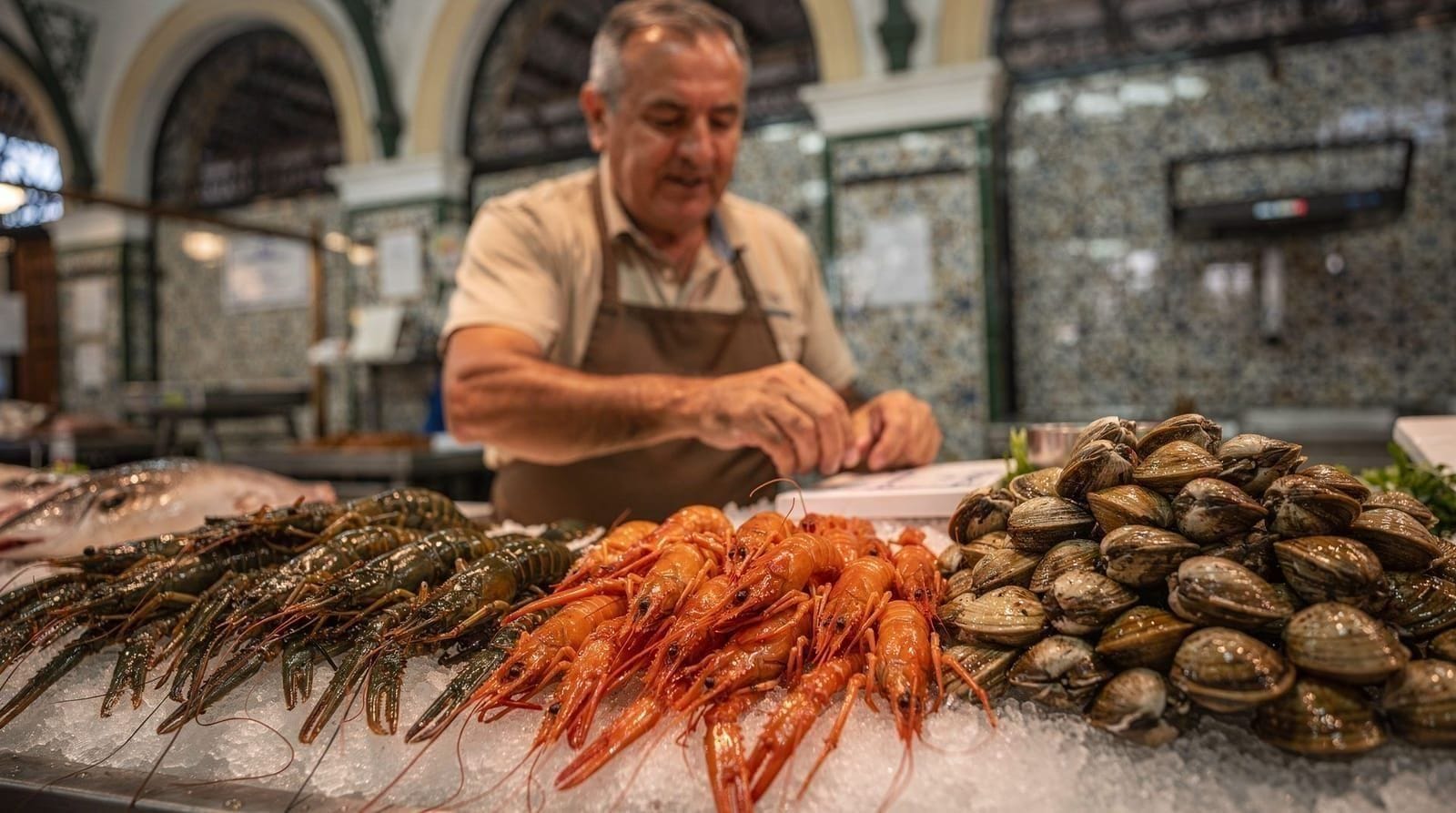
Cross the Puente de Isabel II into Triana and join a guided market tour. The Mercado de Triana is a covered market selling fresh fish, jamón, cheese, olives, and seasonal vegetables. A good guided tour explains the provenance of each product, introduces you to the stallholders, and includes tastings of jamón, local cheese, and a glass of manzanilla.
Triana market guided tour with tastingsIf you prefer to explore independently: the market opens at 9:00. The best stalls (fish, jamón) are usually busiest from 10:00–12:00. The market bar at the entrance is excellent for a second coffee.
13:00 — Lunch at Bar Las Golondrinas
Calle Antillano Campos 26, Triana. One of the best traditional tapas bars in the city. The pescaíto frito (mixed fried fish) is the dish to order: fresh, light batter, not greasy. The jamón is excellent. Eat at the barra for the best experience — the terrace is fine but the action is inside.
Order alongside locals — point at what looks good on the counter if necessary. A full lunch for two runs €20–30 with drinks.
16:00 — Cooking class with Triana market tour
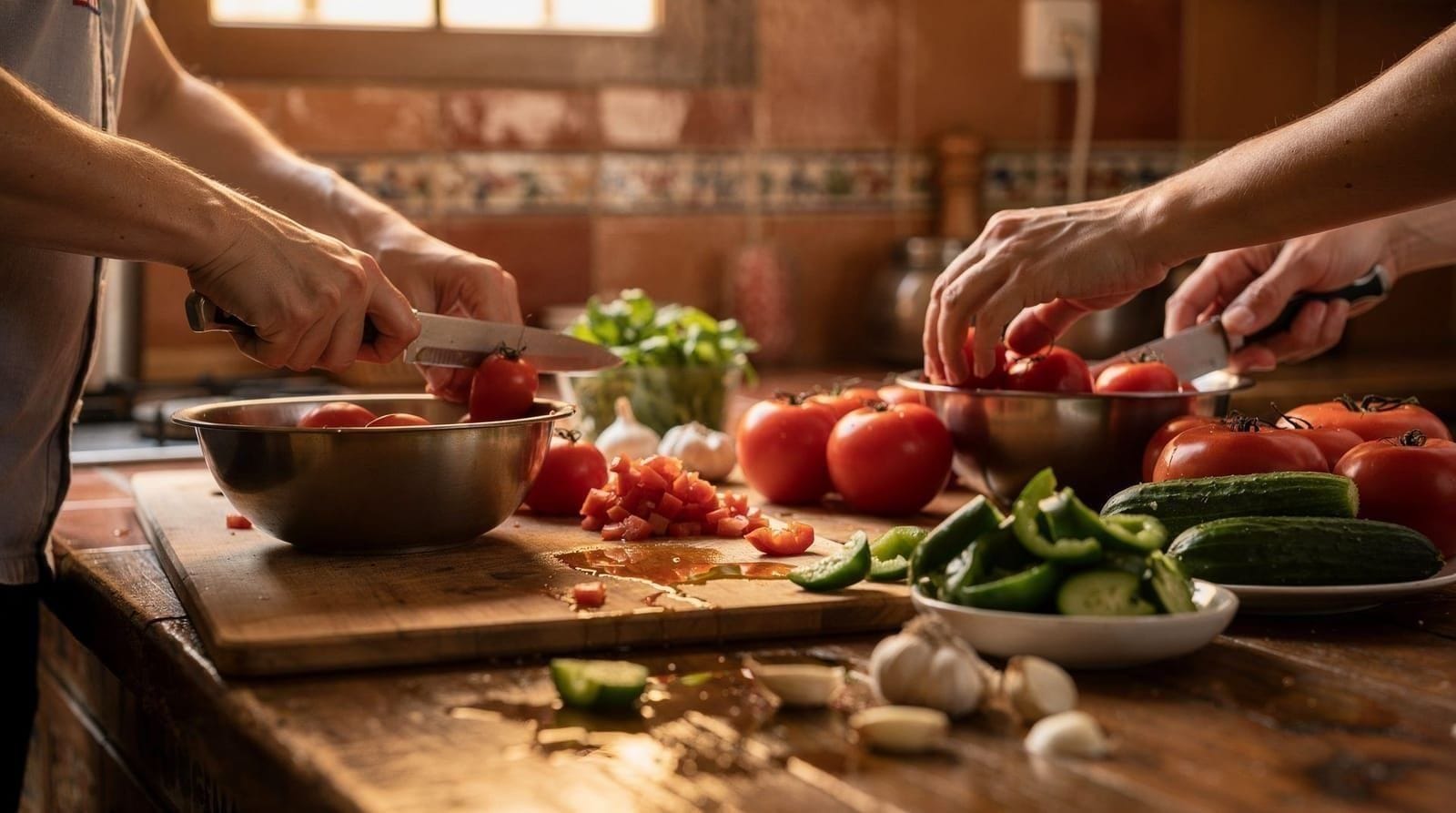
A morning market visit followed by an afternoon cooking class is the best food pairing in Seville. The class at a Triana-based kitchen teaches the fundamentals of Andalusian cooking: gazpacho (the real version, strained and silky), salmorejo, a salt cod preparation, and often an Andalusian-style dessert. Most classes run 3.5 hours including the market component.
Spanish cooking class and Triana market tourCost: approximately €75–90 per person, all ingredients included. Typically vegetarian-adaptable. Book 3–5 days in advance.
Evening — Vermouth hour and tapas at El Rinconcillo
After a cooking class, a light tapas evening is plenty.
19:30: Casa Morales (García de Vinuesa 11) for vermouth. Order house draught manzanilla with olives.
21:00: El Rinconcillo (Gerona 40) — Spain’s oldest bar. The espinacas con garbanzos (spinach with chickpeas) here is the standard against which all others in Seville are measured: thick, spiced, ladled onto bread. The jamón is served from the whole leg. Chalk tally on the bar.
Day 2: Deep tapas, sherry, and the food geography of the city
9:30 — Guided food tour of central Seville
The afternoon food tour market visit was Day 1. Day 2 morning is for a comprehensive guided tapas tour of the historic centre — different neighbourhoods, different product categories, and a structured explanation of Sevillano food culture.
Seville food tour — tastes, tapas and traditionsThe best tours cover: cured meats (jamón serrano vs ibérico vs bellota), seasonal seafood (gambas, ortiguillas, chocos), vegetables (artichokes, peppers), and pastries (polvorones, tortas de aceite). Expect tastings at five to seven stops over 2.5–3 hours. Cost: €75–90 per person including all tastings.
13:30 — Lunch at Eslava
Calle Eslava 3, Alameda de Hércules. One of the most creative tapas bars in Seville. The menu changes seasonally. Regular highlights: slow-cooked presa ibérica (pork shoulder), croqueta de rabo de toro (oxtail croquette), and an egg dish with truffle foam that is disarmingly good.
Arrive by 13:30 or expect a wait; they don’t take reservations. The bar section is excellent; the restaurant section in the back is slightly calmer.
16:00 — Sherry tasting and education
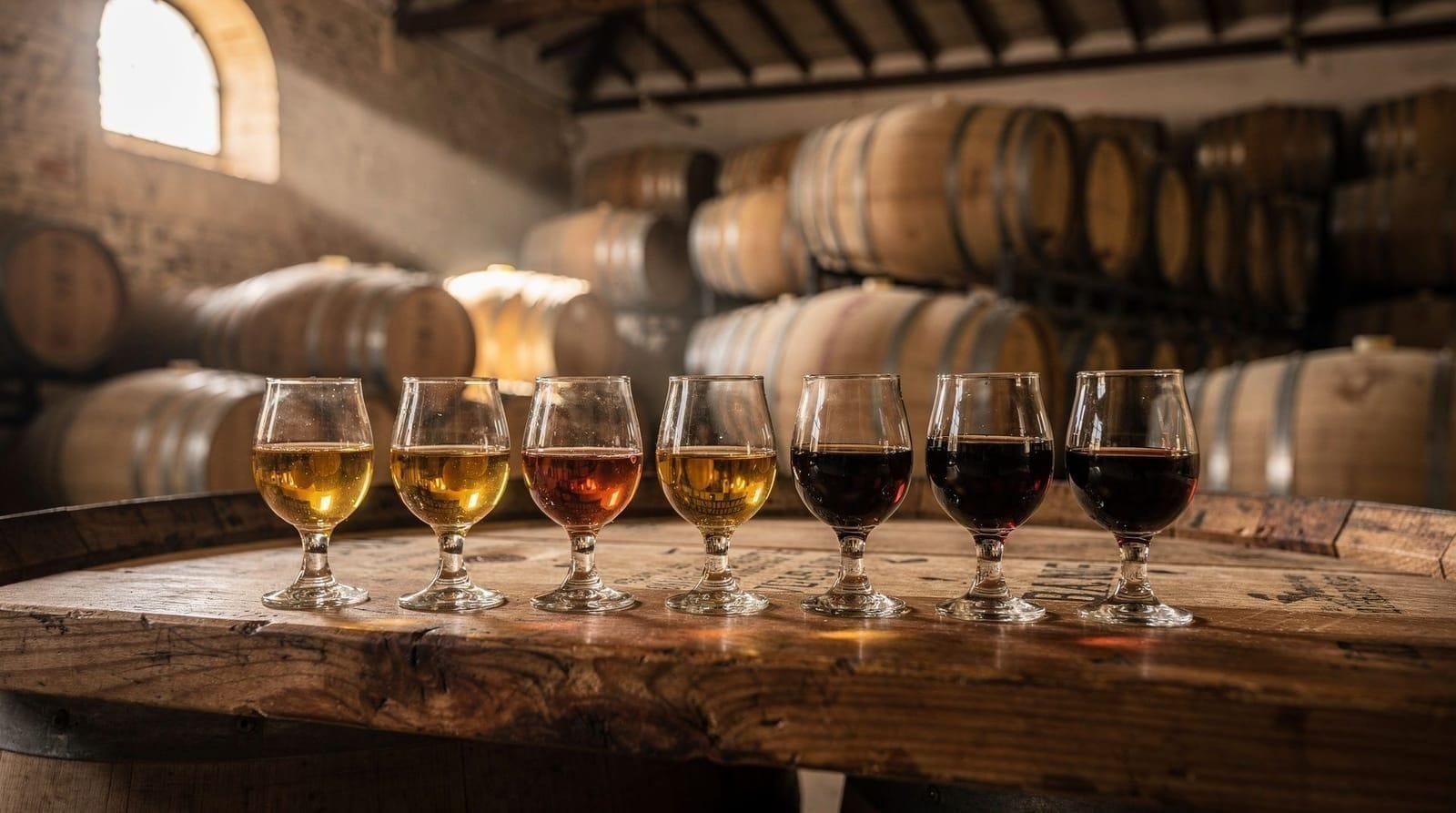
Sherry is the wine of Andalusia, and understanding it transforms every tapas stop on the trip. A structured tasting session (approximately 90 minutes) covers the six main styles in the correct order: fino → manzanilla → amontillado → palo cortado → oloroso → Pedro Ximénez. Each has a correct food pairing, and the session usually demonstrates these.
Sherry wine tasting with light snacksCost: approximately €35–45 per person. The tasting changes your approach to every meal for the rest of the trip.
Evening — Traditional tapas bars by neighbourhood
Armed with a sherry context, spend the evening doing your own tapas crawl through the Arenal and Alameda neighbourhoods.
Bodega Santa Cruz (Rodrigo Caro 1) — the chalk tally system, the jamón serrano, and the cold draught manzanilla from an ice-cold tap. Standing only, always busy, always good.
Taberna de Joselito Huerta (Calle Castelar 15) — traditional bar with good montaditos and an excellent selection of sherries by the glass.
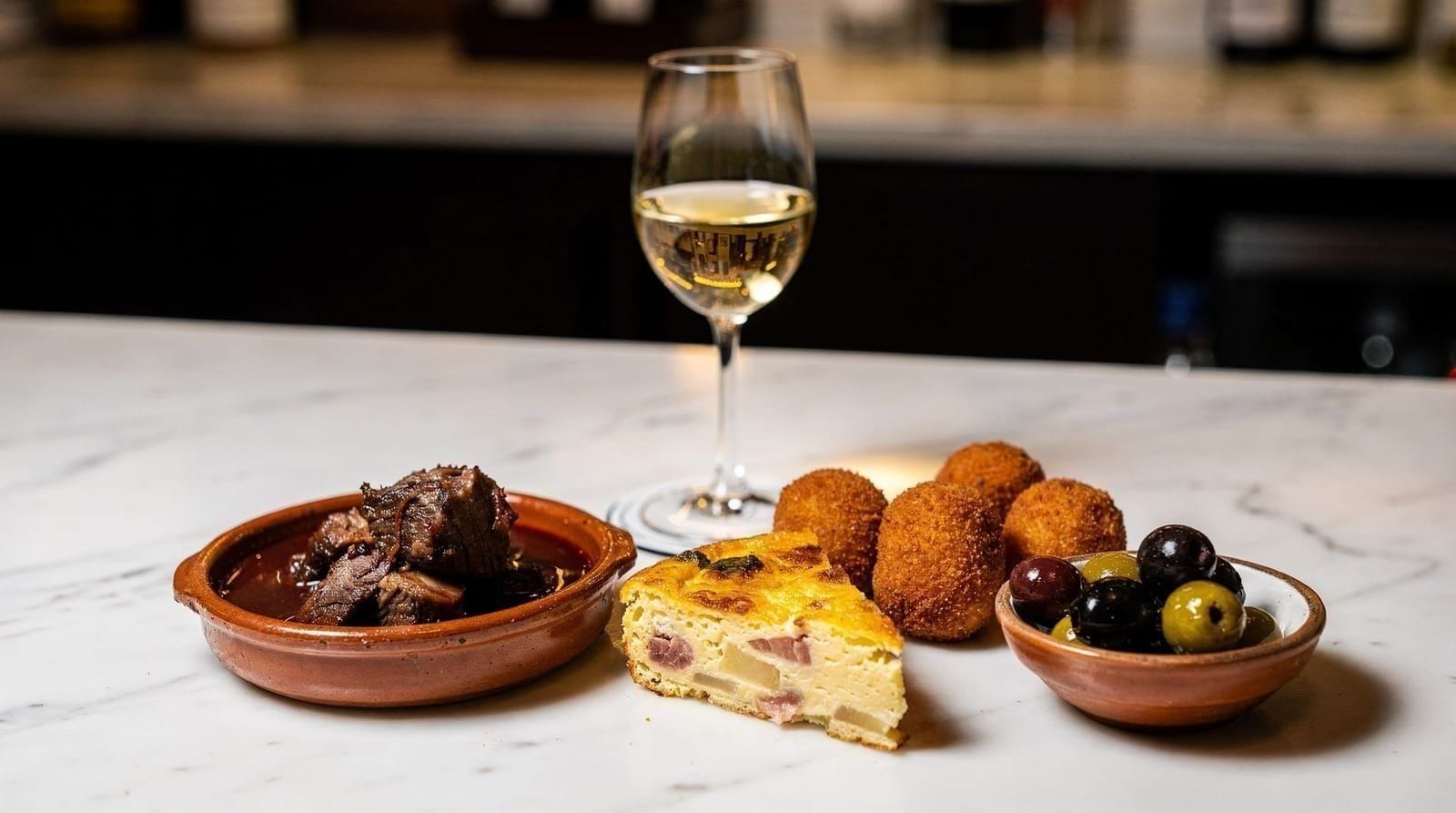
Bar El Comercio (Lineros 9) — quiet, good rabo de toro, excellent tortilla, local prices.
Day 3: The Seville food map beyond the centre
9:00 — Breakfast at a Macarena neighbourhood bar
Walk north to the Macarena neighbourhood — a 15-minute walk from Santa Cruz or a short bus ride. This area has almost no tourist restaurants. Have breakfast at a local bar on Calle Feria or Alameda de Hércules.
10:00 — Calle Feria and the Thursday market
Calle Feria is a long pedestrian commercial street leading north from the Alameda. On Thursdays, it hosts a flea/antique market (El Jueves) which is also a good excuse to browse the food shops along the street: jamón specialists, local pastry shops, and good fishmongers.
12:00 — Casa Moreno
One of the most interesting food/wine shops in Seville: Casa Moreno (Calle Gamazo 5, near the Alameda) is a hybrid taberna-bodega. You can buy wine from large barrels and also eat excellent simple tapas. The shop dates from the early 20th century. Lunch here is one of the most authentic food experiences in the city.
14:00 — Lunch at Taberna del Alabardero
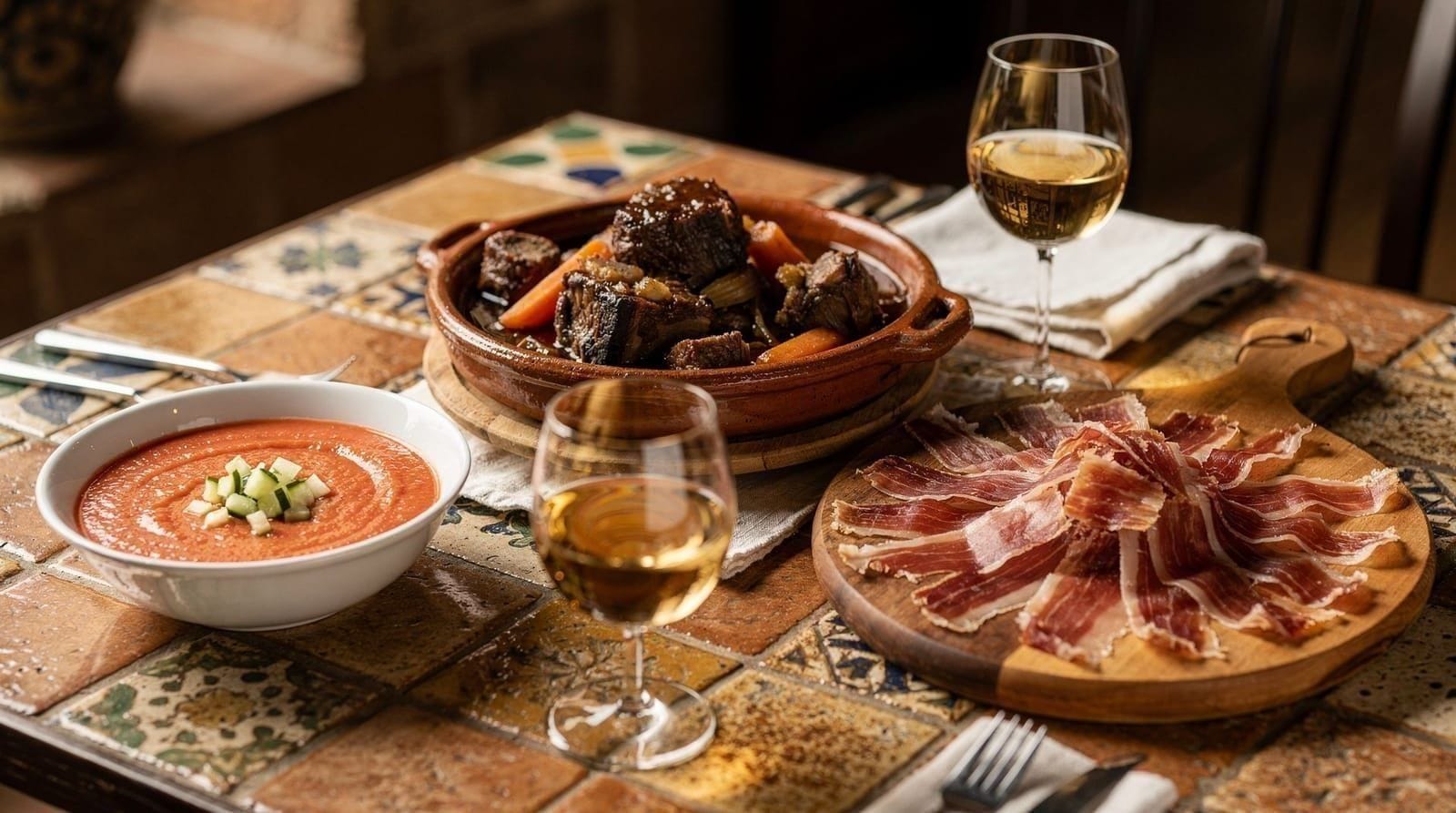
For a final proper restaurant lunch, Taberna del Alabardero (Calle Zaragoza 20) is the best traditional Andalusian restaurant in the city centre. The salmorejo (thick cold tomato soup from Córdoba, here made with excellent local tomatoes), the corvina (sea bass), and the tocino de cielo (a caramel custard dessert made only from egg yolks and sugar) are each excellent.
Budget: €35–50 per person. Reservations recommended for lunch.
Afternoon — El Arenal neighbourhood
Walk through El Arenal — the neighbourhood between the historic centre and the river. The Maestranza bullring, the Torre del Oro, and the river promenade are all here, but for food purposes, note:
- The riverside restaurants on Paseo de Cristóbal Colón have spectacular views but uneven food quality — check the kitchen before committing to a meal.
- The best late-afternoon snack in the area is a cold beer and a small plate of aceitunas (olives) at the bar section of any riverside café.
Evening — Final tapas farewell
Traditional: A plate of jamón ibérico de bellota at El Rinconcillo, with a final glass of good fino.
Contemporary: La Azotea (Jesús del Gran Poder 31) does excellent pintxos and natural wine in a modern setting — a good contrast to three days of traditional tiled bars.
For context on where to find good food in each Seville neighbourhood, see the where to eat in Seville guide and the full best tapas in Seville guide. The traditional Andalusian dishes guide explains what you’ve been eating across the three days.
Understanding Andalusian food culture
The bar as social institution
Seville’s food culture is inseparable from its bar culture. The tapas bar is not a restaurant with small portions — it is a specific kind of social institution with its own etiquette, timing, and economics. Understanding this context makes the three-day food itinerary significantly more rewarding.
The standing bar (taberna, bodega, or simply “bar”) evolved partly for economic reasons: drinking without eating was taxed differently from eating while drinking, so establishments began offering small food items alongside drinks to comply with regulation. The tradition of providing a free tapa with a drink survives in Granada more than Seville today, but the connection between drinking and eating at a bar remains the foundation of the city’s food culture.
At a traditional Seville bar: you stand at the counter. You order drinks and food verbally or by pointing. Your bill is tracked on a paper slip or chalk mark on the bar. You pay when you leave. There is no service charge added automatically; tipping is discretionary and modest.
The Andalusian pantry: what you’re actually eating
Across three days of eating in Seville, you will encounter the same core ingredients in many forms:
Jamón ibérico: The Spanish obsession with cured ham is most intense in Andalusia because the Iberian black-footed pig (pata negra) is raised in the Dehesa — the oak forests of Huelva, Extremadura, and Salamanca. The best quality is jamón ibérico de bellota (acorn-fed): the pigs eat only acorns in their final months, which infuses the fat with oleic acid and creates the distinctive marbled, nutty-sweet flavour. Bellota jamón costs €60–120 per kilogram; a small portion in a bar is €5–8. It is worth spending that money once to understand what the fuss is about.
Sherry (vino de Jerez): Made within 100 km of Seville in the Sherry Triangle (Jerez, Sanlúcar de Barrameda, El Puerto de Santa María). Fino is the driest and lightest — made under flor (a yeast layer protecting the wine from oxidation). Manzanilla is fino made specifically in Sanlúcar, slightly saltier due to the sea air. Amontillado is a fino that has lost its flor and been exposed to oxygen. Oloroso is oxidatively aged from the start, darker and richer. Pedro Ximénez (PX) is made from sun-dried grapes — almost syrupy sweet, excellent with aged cheese or poured over vanilla ice cream. Each has a specific role in a meal: fino with jamón and fish; amontillado with mushrooms and aged cheese; oloroso with meat; PX with dessert.
Espinacas con garbanzos: The signature Sevillano tapa. Spinach cooked with chickpeas in a sauce of cumin, paprika, garlic, and vinegar-soaked bread. The version at El Rinconcillo is the gold standard. Different bars interpret the dish differently — some use more tomato, some more spice. Recognising the variations is part of developing a palate for local food.
Salmorejo: A cold thick purée of tomatoes, bread, olive oil, and garlic — similar to gazpacho but much thicker, richer, and almost always served with jamón and hard-boiled egg crumbled on top. The Córdoban dish has become ubiquitous in Seville’s better restaurants. A good salmorejo uses only tomatoes, stale bread, excellent olive oil (Andalusia produces approximately 40% of the world’s olive oil), and garlic — no cream, no yogurt.
Pescaíto frito: Mixed fried fish and seafood — the most common dish in Seville’s traditional bars. The key is the temperature of the oil, the thinness of the batter (usually seasoned flour, not breadcrumbs), and the freshness of the fish (puntillitas — baby squid, boquerones — fresh anchovies, chocos — cuttlefish, gambas — prawns). A good portion should be crisp, light, and not greasy. The best versions in Seville are in El Arenal and Triana.
Where the food itinerary overlaps with the tourist circuit
This three-day food itinerary deliberately avoids the most prominent tourist-facing eating options. For clarity, here is what to avoid and why:
The Cathedral restaurant row (Calle Mateos Gago): Every restaurant in this street has menus in six languages with photographs, and charges €16–22 for a basic set menu. The food is adequate but undistinguished. The same money in a local bar two streets away buys significantly better food in better company.
Paella as a Seville speciality: Paella is Valencian. It is widely served in Seville’s tourist restaurants as a “local” dish. This is incorrect — Valencian paella contains rabbit, chicken, and green beans, not seafood, and was developed in the rice-growing areas near Valencia. In Seville, arroz con bogavante (rice with lobster) or arroz caldoso (brothy rice) are the local rice preparations. Ordering paella in a tourist restaurant in Seville is not wrong, but it is not the local thing.
The large tablao flamenco dinner shows: The major tablaos (El Arenal, Casa Carmen) offer a dinner-and-show formula at roughly €71–86 per person (El Arenal’s published range for the tapas and dinner options). The flamenco is usually professional quality. The dinner is typically mediocre. You pay largely for the convenience of combining two activities. For a food-focused itinerary, keep food and flamenco separate — eat well in a good bar and see flamenco at Casa de la Memoria.
Seasonal food calendar for Seville
Andalusian cooking is highly seasonal. If your three-day food visit falls in a specific time of year, these are the things to order:
Spring (March–May): Fresh artichokes (alcachofas) in tempura or sautéed with jamón. Boquerones fritos (fresh fried anchovies — smaller and more delicate than salted anchovies). Strawberries from Huelva (the largest strawberry-growing region in Europe).
Summer (June–August): Gazpacho and salmorejo are at their best with tomatoes at peak ripeness. Espetos de sardinas (whole sardines grilled on a spike over charcoal) in coastal bars. Fresh razor clams (navajas).
Autumn (September–November): Wild mushrooms (setas) appear in late September. Acorn season means premium bellota jamón production begins. Chestnuts roasted on street corners.
Winter (December–February): Christmas sweets — polvorones (crumbly almond shortbread), mantecados (lard-based pastry), and turron (nougat). Sopa de marisco (seafood soup) in the cooler months. The quietest, most local time to eat in Seville.
For more detail on each Seville neighbourhood’s food offer, see: Triana market guide, best tapas bars in Triana, best tapas bars in Santa Cruz, and the sherry guide.
Practical notes for food-focused visitors
Timing: Spanish meal times are different from Northern European and North American norms. Lunch is the main meal, eaten between 14:00 and 16:00. Dinner starts at 21:00–22:00. Attempting to eat dinner at 19:00 means you’ll be eating in a near-empty restaurant with a tourist-facing menu that doesn’t match the full kitchen output.
Language: In traditional bars, menus are often in Spanish only. Point at what looks good on the counter, or at what the person next to you is eating. Basic Spanish food vocabulary is helpful but not essential.
Vegetarian and vegan: Andalusian food is heavily meat and fish-focused. However, salmorejo, gazpacho, espinacas con garbanzos, aceitunas, artichokes, and patatas bravas are all vegetarian. The vegetarian and vegan Seville guide lists specifically good options.
Sherry and wine: Fino and manzanilla are the correct drinks with tapas at the counter. Order a “finito” for a small glass (€1.50–2). Manzanilla from Sanlúcar is slightly saltier and more delicate than Jerez fino — both are excellent cold. Order “bien frío” (very cold) at bars that serve it from a tap.
Extending the trip: day trips for serious food travellers
Three days covers Seville’s own food culture thoroughly, but two nearby destinations reward a food-focused day trip if you have a fourth or fifth day: Jerez de la Frontera, the sherry capital, with working bodegas you can tour beyond the tastings in this itinerary; and Cádiz, whose seafood markets and Atlantic fish culture differ meaningfully from Seville’s river-fish tradition. The sherry guide for Andalusia covers Jerez bodega visits in more depth than a single tasting session can.
A note on cooking classes versus food tours
If you can only fit one of the two paid food experiences in this itinerary — the Triana cooking class on Day 1 or the guided food tour on Day 2 — choose based on what you want to take home. A cooking class teaches technique you can repeat at home (how to strain gazpacho properly, how salmorejo gets its silky texture); a food tour teaches you where to eat for the rest of the trip and gives broader context across more dishes and neighbourhoods in less time. Committed home cooks should prioritise the class; everyone else generally gets more value from the tour. The cooking classes in Seville guide compares the main options in detail.
Frequently asked questions about the Seville food itinerary
Is this itinerary suitable for vegetarians?
Partially. Salmorejo, gazpacho, espinacas con garbanzos, and most sherry tastings are vegetarian, but the market tour, cooking class, and several tapas stops are built around jamón and seafood. See the vegetarian and vegan Seville guide for substitutions at each stop.
Do I need to book the cooking class and food tour separately, or do they overlap?
They’re different experiences and don’t overlap: the Day 1 cooking class is hands-on and includes a market visit as preparation, while the Day 2 food tour is a guided tasting crawl through the historic centre with no cooking involved. Doing both is the point of a three-day food itinerary — they cover different sides of the culture.
How much should I budget in total for three days of food-focused activities?
Across the market tour, cooking class, food tour, and sherry tasting, expect to spend roughly €260–320 per person on the paid experiences alone, on top of regular meals at bars and restaurants (€35–50/day). It’s a higher spend than a standard sightseeing itinerary, but each activity teaches something the others don’t — market provenance, cooking technique, tasting breadth, and sherry structure respectively.
Is this itinerary too food-heavy for a non-foodie travel companion?
If your companion isn’t especially interested in food, this specific three-day plan will feel repetitive to them by Day 2. A reasonable compromise is to do the Day 1 market tour and cooking class together, then split Day 2 and 3 — one person continues the food focus while the other explores the Alcázar, Cathedral, or Triana neighbourhood independently, meeting back up for dinner. The 3-day Seville itinerary covers the monument-focused alternative in full.
Top experiences
Bookable activities with verified prices and instant confirmation on GetYourGuide.