Palacio de Las Dueñas guide: Seville's literary palace
Seville: Palacio de Las Dueñas entry ticket and guided tour
What is the Palacio de Las Dueñas and is it worth visiting?
The Palacio de Las Dueñas is the Seville residence of the House of Alba — one of Spain's oldest and most titled aristocratic families. It is a 15th-century palace with Gothic, Mudéjar and Renaissance elements, significant art collection, and gardens. The poet Antonio Machado was born here in 1875. Entry costs €15 for the self-guided visit and €26 for the guided tour. Best for visitors who want a less-crowded alternative to the Alcázar.
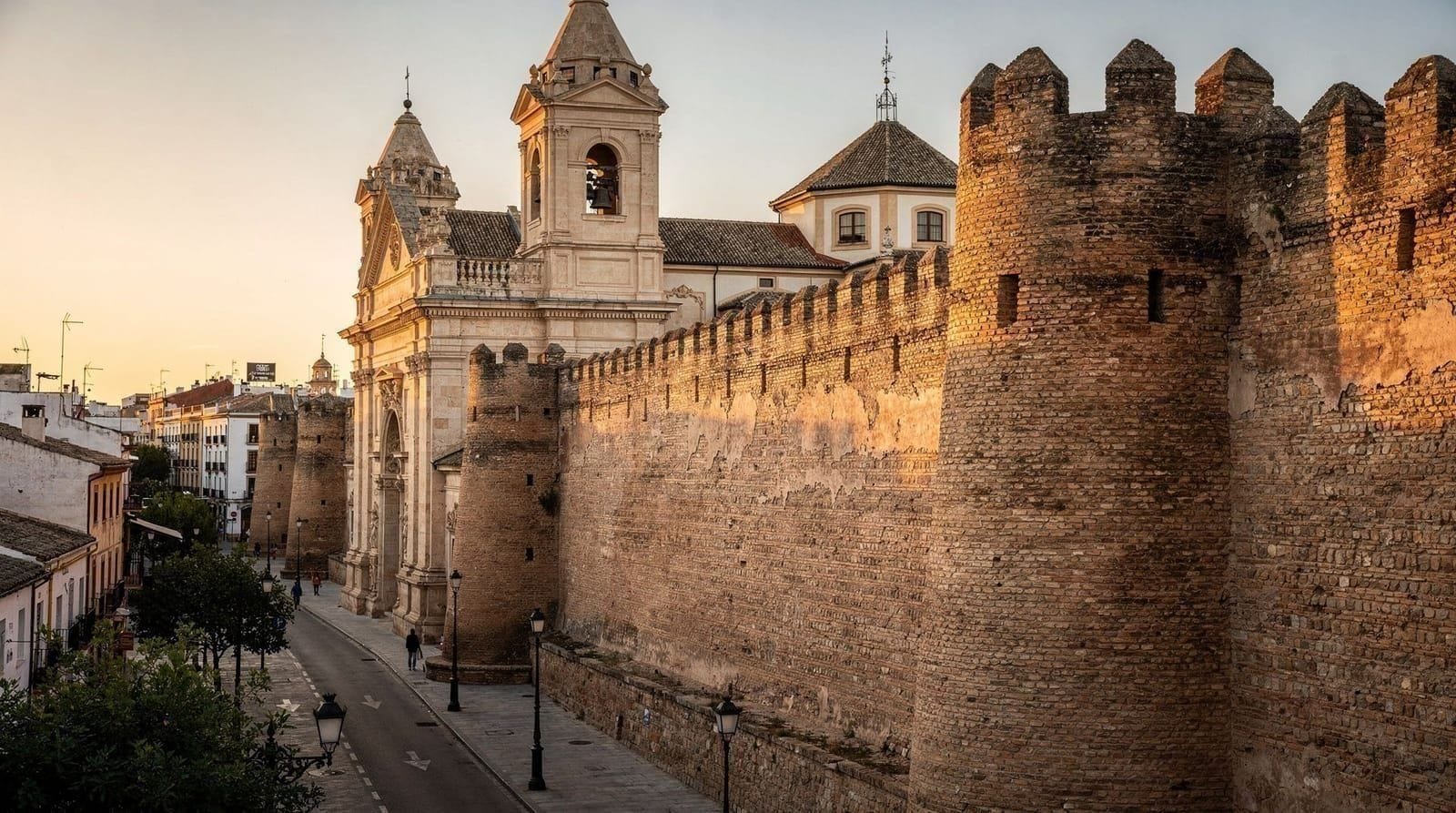
The Palacio de Las Dueñas is a palace that spent most of its public life as private property. For centuries, the residence of Spain’s most titled aristocratic family was visible from Calle Dueñas only as a long whitewashed wall. Since 2016, following the opening of the palace to visitors, Seville now has access to one of its most personal historic buildings.
“Personal” is the correct word. This is not a palace-museum in the formal sense. It is a house — a very large house with extraordinary contents, but a house in which people lived, worked, and died over centuries. The collection reflects this: official portraits alongside family photographs, Old Master tapestries alongside personal mementos.
| Where | Calle Dueñas, 5, La Macarena neighbourhood |
| Cost | Around €15 self-guided, €26 guided |
| Time needed | 45–90 minutes |
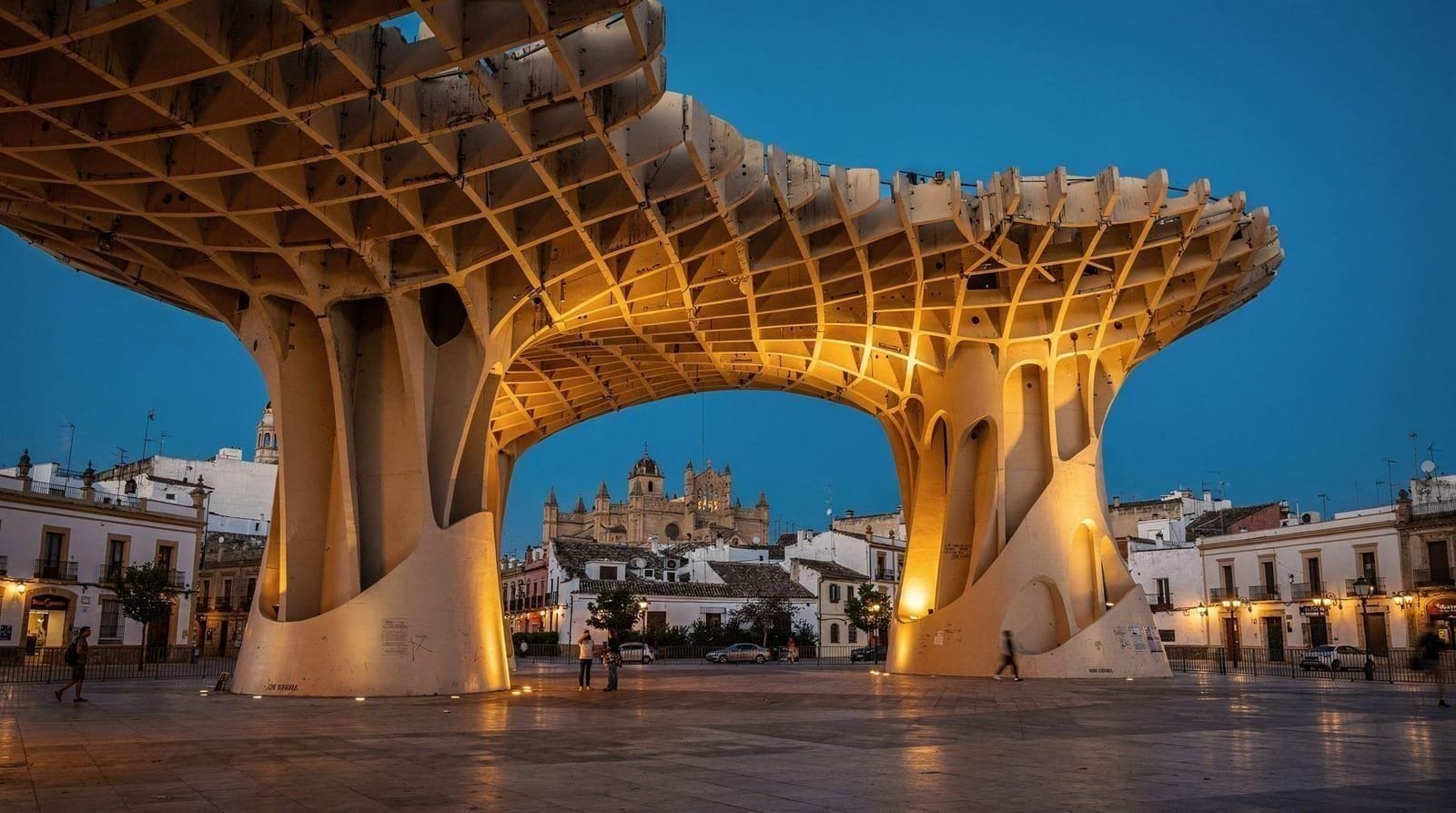
| Getting there | 20-minute walk from the Cathedral; 5 minutes from Las Setas |
| Best time | Morning, especially March–April for orange blossom |
The House of Alba: a brief context
The Dukes of Alba are among the oldest of Spain’s nobility. The title dates from 1472. The family has been involved in Spanish royal politics, European diplomacy, and Andalusian cultural life continuously since the 15th century.
The Duchess who made the family internationally familiar in modern times was Cayetana Fitz-James Stuart (1926–2014), who held more aristocratic titles than any other person in recorded history — 40 grandeeships, over 50 additional titles, thousands of subsidiary designations. She was a flamboyant public figure who made news regularly: she danced flamenco barefoot in public, donated significant art to the state rather than sell it, and was known for a disdain of convention unusual in Spanish aristocratic circles.
After her death in 2014, her children — who inherited various properties — opened the Palacio de Las Dueñas to the public through the Fundación Casa de Alba in 2016.
What to see
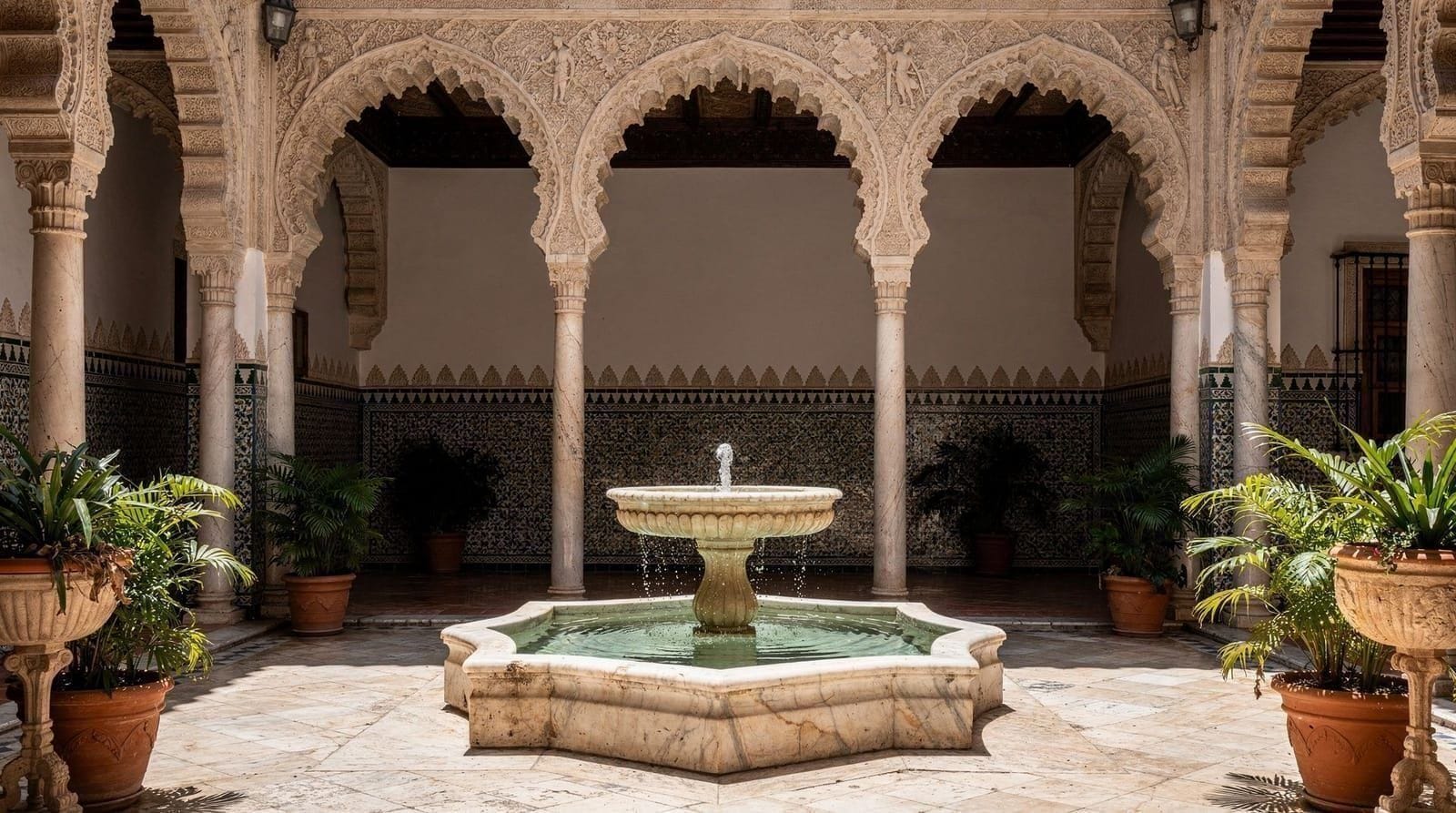
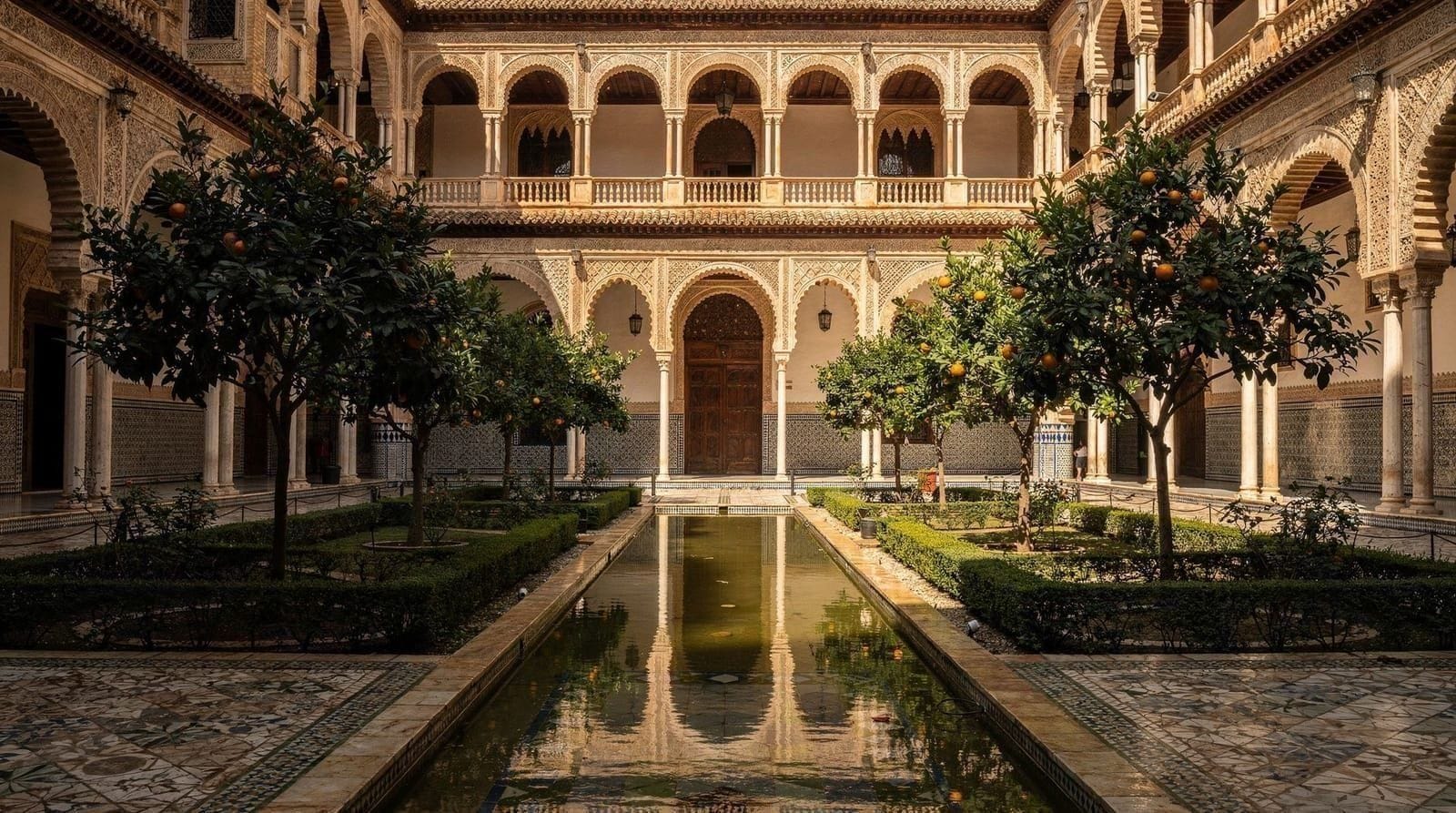
Palacio de Las Dueñas guided tour with entry — 90 minutesThe patio. The central courtyard is in the Mudéjar tradition — tile-lined lower walls, carved plaster arches, a central fountain. This is a smaller and less elaborate version of the Alcázar’s courtyards, appropriate to a noble palace rather than a royal one. The courtyard garden (orange trees and palms) is particularly pleasant in spring.
The main salon (Salón Gótico). A large reception room with a Gothic arched entrance, decorated with Flemish tapestries (16th century) depicting hunting scenes and allegorical subjects. The tapestries are in good condition for their age; these are the kind of objects that would be behind glass in a public museum but here are simply on the walls.
Portrait galleries. Rooms lined with formal portraits of the Alba family spanning several centuries — from stiff 16th-century court portraits through to 19th-century Romantic works. The evolution of portraiture styles, and the visual continuity of certain family features across generations, is genuinely interesting.
The Goya connection. Francisco de Goya painted the 13th Duchess of Alba multiple times, including the famous “La Duquesa de Alba” portrait of 1795 (now in the Prado collection) and the more intimate 1797 portrait (in the Hispanic Society of America in New York). The palace displays some of the Alba family’s Goya-related materials; whether actual Goya paintings are on display depends on loan and conservation schedules.
The gardens (Jardines de Las Dueñas). The palace gardens are smaller than the Alcázar’s but equally pleasant: orange and lemon trees, jasmine-covered pergolas, tiled benches. In spring (March–May), the orange blossom scent is one of the most characteristic sensory experiences of Seville. The gardens are included in all ticket types.
The Machado room. A small section of the palace acknowledges the birth of Antonio Machado here in 1875. A few personal objects, photographs, and excerpts from his poetry. Small but appropriate.
The neighbourhood: La Macarena
Walking tour: Palacio de Las Dueñas, La Macarena and Las SetasThe Palacio de Las Dueñas is in the La Macarena neighbourhood — the most traditional and least tourist-heavy of Seville’s central districts. The neighbourhood takes its name from the Virgen de la Macarena, whose Basilica and image are 10 minutes’ walk north of the palace. The Macarena is Seville’s most famous Holy Week image; her crown, jewellery, and the tears painted on her cheeks are known throughout Spain.
The neighbourhood circuit that most rewards slow walking: enter from Calle Jesús del Gran Poder (the street named after another famous Semana Santa image), walk through Calle Dueñas to the palace, continue to the Plaza de la Encarnación (Las Setas), then north along Calle Feria (one of the city’s best surviving traditional market streets) to the Basilica de la Macarena and the city walls.
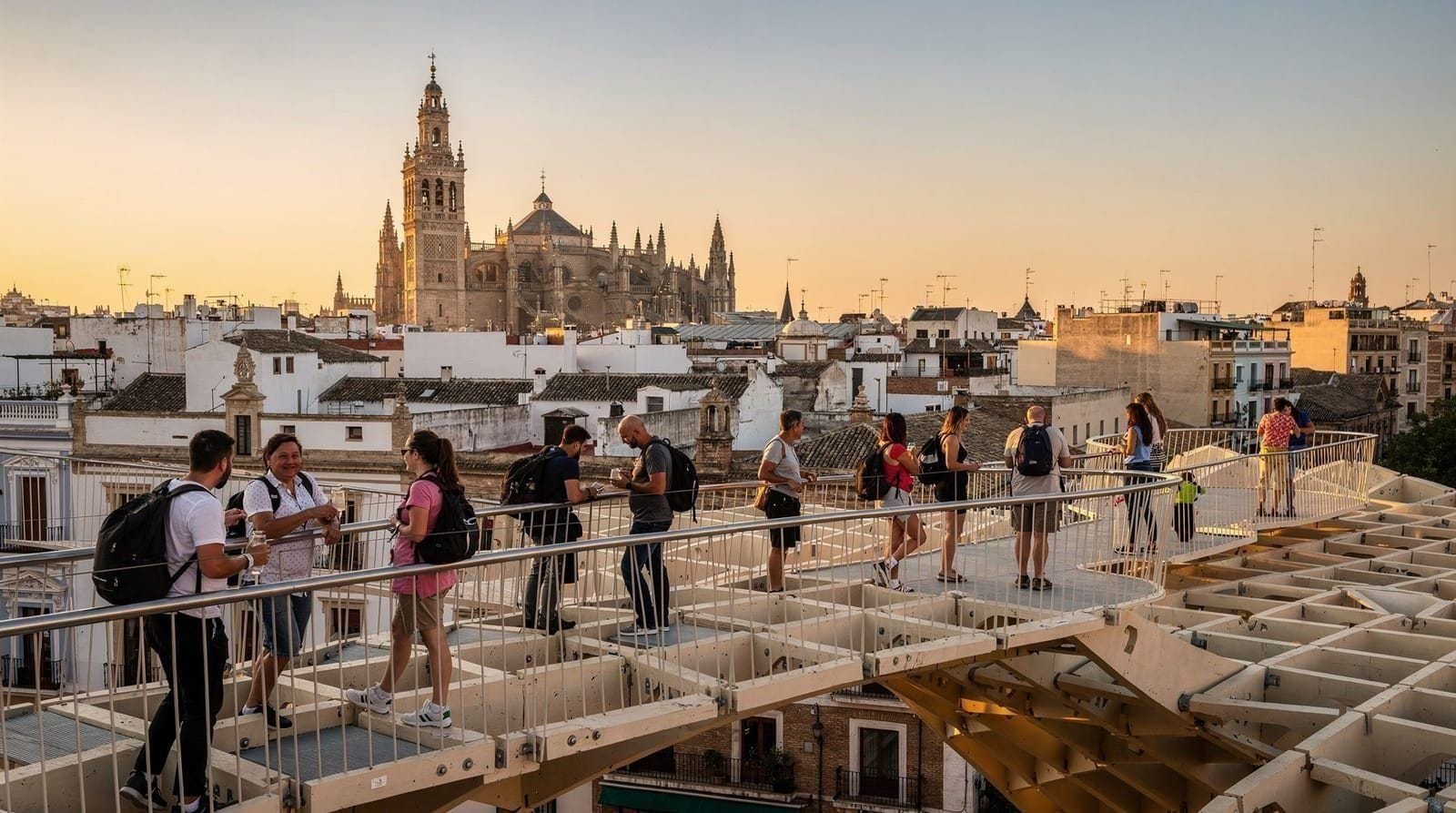
This circuit takes 3–4 hours with the palace visit and provides a more authentic street-level Seville experience than the Santa Cruz quarter. The La Macarena guide covers the wider neighbourhood in more depth, and the Metropol Parasol (Las Setas) guide is worth pairing with this circuit since the Setas sit almost on the route.
Practical information
Address: Calle Dueñas, 5, 41003 Seville. In the La Macarena neighbourhood.
Hours (2026): 10:00 AM–6:00 PM daily (winter). 10:00 AM–8:00 PM (summer). Check seasonally.
Tickets: Self-guided visit €15 (app audio guide included). Guided tour (1 h 30) €26. Guided tour recommended for the first visit — the context (who the Alba family are, what various objects signify) adds significantly to the experience.
Getting there: 20-minute walk from the Cathedral. 5 minutes from Las Setas (Metropol Parasol). City buses run along Calle Resolana and Calle San Luis nearby.
For ticket comparison across Seville palaces, see the museums in Seville overview.
| Palacio de Las Dueñas | Real Alcázar | |
|---|---|---|
| Scale | Intimate, house-like | Large, formal royal palace |
| Crowds | Light to moderate | Heavy, especially midday |
| Visit time | 45–90 minutes | 2–3 hours |
| Character | Personal, literary (Machado), art collection | Architectural, historical, monumental |
| Cost | Around €15–26 | Around €15.50+ |
Antonio Machado: the poet and his Seville connection
The connection to Antonio Machado (1875–1939) gives the Palacio de Las Dueñas a literary significance that operates differently from its historical and art-historical interest. Machado was born in the palace when his father Antonio Machado y Álvarez — a folklorist who worked as an administrator for the House of Alba — was employed by the family.
Machado spent his early years in Seville before the family moved to Madrid when he was eight. His later poetry focuses on Castile — the landscape of Soria, where he taught French and where his wife Leonor died young — but Seville and Andalusia appear in his work as a counterpoint: the sensory richness of the south against the austere nobility he found in the Castilian meseta.
The most famous Machado lines known to Spaniards are from his “Proverbios y Cantares” section of Campos de Castilla (1912): “Caminante, son tus huellas el camino y nada más; caminante, no hay camino, se hace camino al andar” (Walker, your footprints are the path and nothing more; walker, there is no path, the path is made by walking). These lines are quoted so frequently in Spain that they function almost as a national proverb.
Machado died in February 1939 in Collioure, France, weeks after crossing the border as a Republican exile during the Spanish Civil War. He died in poverty, without returning to Spain. His death in exile is a significant element of his cultural status — he is one of the figures most associated with the tragedy of the Civil War’s effect on Spanish intellectual life.
The small Machado room in the palace is appropriate in its modesty: a few objects, some photographs, some poetry extracts. It does not attempt to reconstruct a life. It acknowledges that this building was part of a biography and lets the poetry do the work.
The House of Alba and Seville’s cultural landscape
The House of Alba’s relationship to Seville is not confined to the Palacio de Las Dueñas. The family has been one of the principal patrons of Seville’s religious and cultural institutions for centuries. Several of the paintings held in Seville’s churches and convents were donated or commissioned by Alba family members. The family’s patronage of the Semana Santa confraternities has been documented since the 16th century.
The Duchess Cayetana who died in 2014 was particularly associated with Seville and with the Feria de Abril — she was photographed dancing at the Feria repeatedly throughout her life, and her public persona was partly defined by this identification with Sevillano popular culture. Her death prompted what was described in the Spanish press as a genuine public mourning in the city.
This relationship between a noble family and a city — extended over 500 years, expressed through patronage, philanthropy, and personal identification — is the cultural context within which the Palacio de Las Dueñas makes most sense. It is not a museum that happens to be in a palace. It is a palace whose family defined part of what Seville is.
Combining the Dueñas with the Casa de Pilatos
The logical architectural circuit in Seville’s inner historic district for visitors interested in private palaces is: the Casa de Pilatos in the morning (1.5–2 hours, the Mudéjar main patio and Roman sculpture collection) followed by lunch in the Santa Cruz neighbourhood, then the Palacio de Las Dueñas in the afternoon (1–1.5 hours, the personal and art-historical atmosphere, the gardens). Visitors comparing it against the Real Alcázar should treat the two as complementary rather than either-or — see the FAQ below for how they differ.
The two palaces are not close — they are in different parts of the city (Santa Cruz and La Macarena respectively). Walking between them takes approximately 25–30 minutes through the historic centre. The walk itself is pleasant: through the Alameda de Hércules neighbourhood or via Calle Feria, both of which give a different and less touristic view of the city.
Seville: 4-hour private palaces guided walking tour — both palaces coveredA guided walking tour that covers both palaces is available for visitors who want expert context at both sites without managing the logistics independently. The tour takes 4 hours and includes admissions. The pace is manageable — this is not a rush between sites but a structured itinerary that allows time at each.
Where the Dueñas fits in a Seville trip
The palace works best as a change of pace inside a longer stay rather than as a headline stop. Visitors on a first trip will usually anchor their days on the Alcázar and the Cathedral, and the Dueñas then slots in as the quieter counterweight. The Seville first-timer’s itinerary and the 3-day Seville itinerary both leave room for a slower palace visit in the northern half of the centre, and the Seville couples itinerary suits the gardens especially well.
If you are still deciding how to spread your sightseeing, the guide to planning a Seville itinerary helps you balance the big monuments against smaller houses like this one. Anyone worried about queues at the major sights will also find the skip-the-line decoder useful, since it explains why the Dueñas rarely needs the same planning.
For travellers who like the idea of an aristocratic house but want a second example, the Casa de Pilatos is the natural comparison, and the guided visit that links Casa de Pilatos with the Condesa de Lebrija palace is one way to see more than one private house with a guide. Neighbouring Alameda de Hércules is a good place to end the day, with the same lived-in, local character you find inside the palace walls.
Photography and etiquette
Photography without flash is generally permitted in the public rooms and gardens, though this can change without notice, so check current signage at the entrance. Flash is typically prohibited near the tapestries and paintings, since repeated flash exposure degrades pigments and dyes over time — the same conservation logic applies here as in any museum housing centuries-old textiles. Tripods and professional equipment usually require prior permission, which matters if you’re documenting the visit for anything beyond casual phone photos.
As a private family residence that happens to be partly open to the public, the Palacio de Las Dueñas asks for a slightly different register of behaviour than a state museum: quiet voices in the main rooms, no touching furniture or textiles, and staying within the roped visitor routes. The family still uses parts of the building, and the visit is structured around respecting that continued private use rather than treating the whole property as a public attraction.
When to visit for the fewest crowds
Because the Palacio de Las Dueñas draws a fraction of the Real Alcázar’s visitor numbers, crowding is rarely a serious problem — but timing still affects the experience. Early morning, shortly after opening, is the quietest window and gives the best light in the courtyard and gardens. Early afternoon (roughly 13:00–15:00) sees a modest bump from day-trippers combining it with lunch in La Macarena. Semana Santa week and the days around the Feria de Abril are the exceptions: the whole city is busier, and the palace’s proximity to several Holy Week processional routes through La Macarena can make access briefly awkward — check the confraternity schedules if visiting during that week.
The orange blossom season
One detail about the Palacio de Las Dueñas that is worth knowing before you visit: the gardens contain mature orange trees, and in late February through April, the orange blossom fragrance is intense. “Azahar” — the Andalusian/Arabic word for orange blossom — is one of the signature scents of Seville in spring.
The fragrance is most concentrated in the morning, before the heat of the day disperses it. If orange blossom is something you want to experience specifically — it is one of the things Seville is famous for and relatively few visitors manage to experience at close range — the Palacio de Las Dueñas gardens in March or April are a reliable location.
The same fragrance can be experienced in the Alcázar gardens and in the Patio de los Naranjos at the Cathedral, but the Dueñas gardens are smaller, less crowded, and the trees are in better condition (consistently maintained by the family rather than managed at scale for tourism).
Frequently asked questions about Palacio de Las Dueñas guide
Is the Palacio de Las Dueñas open to the public?
Yes, since 2016. The Fundación Casa de Alba opened the palace to public visits following the death of the previous Duchess (Cayetana Fitz-James Stuart) in 2014. The visit covers the public rooms, collections, and gardens. The private family apartments are not accessible.Who was Antonio Machado?
Antonio Machado (1875–1939) is considered one of the greatest poets in the Spanish language — a central figure of the Generation of 98 movement. He was born in the palace when his father served as administrator for the House of Alba. Machado grew up in Seville before moving to Castile, which became the primary landscape of his poetry. He died in exile in France during the Spanish Civil War.What is the House of Alba connection?
The House of Alba (Casa Ducal de Alba) is one of the oldest and most titled aristocratic families in Spain. Their Seville palace has been the Palacio de Las Dueñas since the 15th century. The Duchess of Alba who died in 2014 — Cayetana Fitz-James Stuart — was famous for holding more titles than any other person in the world according to the Guinness World Records. The palace was her primary Seville residence.How does the Palacio de Las Dueñas compare to the Alcázar?
The Alcázar is larger, more architecturally ambitious, and more historically significant. The Dueñas is more intimate — it feels like visiting a private house rather than a royal palace, because in a real sense it is. The art collection (Old Masters, personal photographs, family objects) has a different character from the Alcázar's formal decorative program. The two are complementary rather than competing.What art is in the palace?
The collection includes 16th-century Flemish tapestries, portraits of the Alba family by Spanish court painters, a significant collection of paintings including works attributed to Goya (the Duchess of Alba was famously painted by Goya multiple times), ceramic tiles, and furniture spanning several centuries. Personal family photographs are also displayed.How long does the visit take?
45–75 minutes for a self-guided visit through the main rooms and gardens. A guided tour takes approximately 60–90 minutes. The palace is smaller than the Alcázar — this is appropriate as a half-day pairing, not a full morning on its own.Should I book Palacio de Las Dueñas tickets in advance?
It helps but is rarely essential outside Semana Santa and peak spring weekends — the palace is smaller and less visited than the Alcázar, so queues are shorter. Booking online in advance still saves time and guarantees a guided-tour slot if that's your preference.Can I combine the Palacio de Las Dueñas with other La Macarena sights in one visit?
Yes — the palace sits within easy walking distance of Las Setas (Metropol Parasol) and the Basilica de la Macarena, so a half-day circuit covering all three is realistic without feeling rushed.
Top experiences
Bookable activities with verified prices and instant confirmation on GetYourGuide.