Museums in Seville: complete guide to every major collection
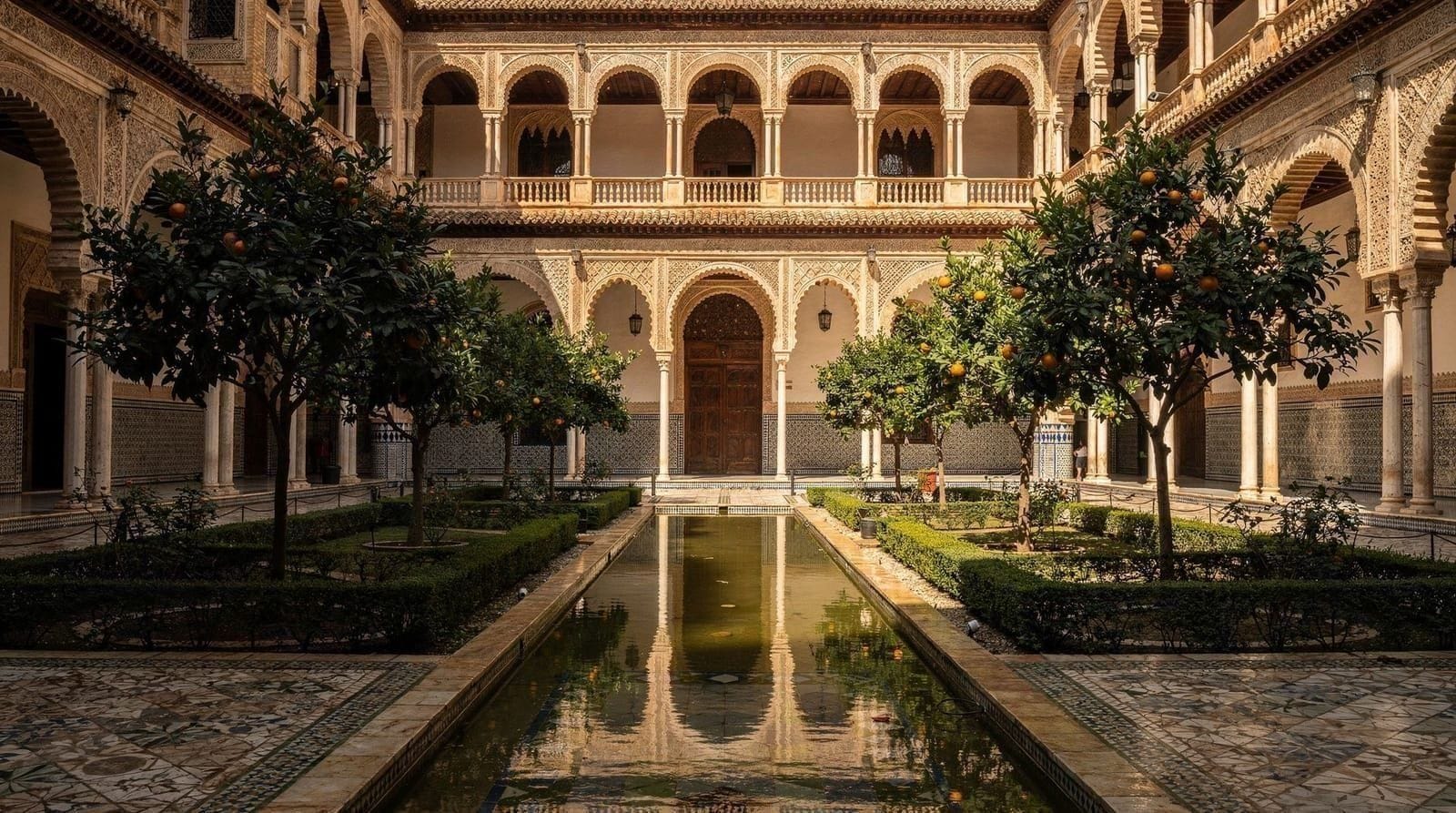
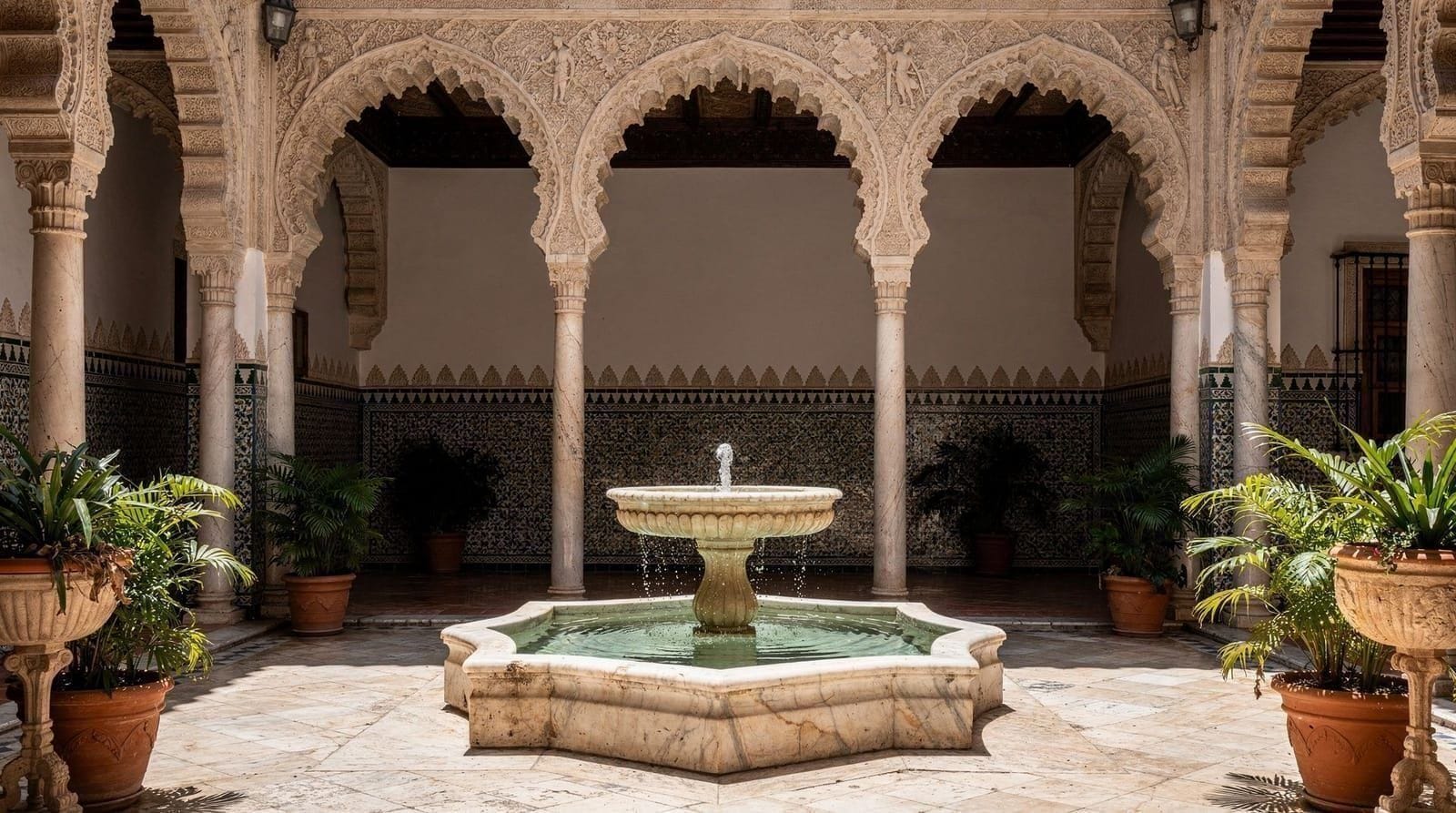
Seville: Las Dueñas Palace entry ticket and audio guide
Which museums in Seville are free?
Several of Seville's major museums are free for EU citizens: the Museo de Bellas Artes (Fine Arts Museum) is free for all EU nationals (the Museo Arqueológico is closed for renovation). The Archivo General de Indias is free for everyone. The Flamenco Museum and Casa de Pilatos charge admission. The Alcázar and Cathedral are monuments, not technically museums, but they cost €15.50 and €13 online (€14 at the ticket office) respectively.
Seville’s museum landscape is more varied than most visitors realize. The major monuments (Alcázar, Cathedral) dominate the conversation, but the city has a significant collection of fine art museums, specialized institutions, and privately-run galleries that add depth to a visit. Several are free. A few are genuinely outstanding.
This guide covers every significant museum and gallery in the city, with honest assessments of what each collection offers and who it is suited for.
| Where | Across the historic centre; several cluster near Santa Cruz and María Luisa Park |
| Cost | Free (EU citizens, Bellas Artes) to €12 (Casa de Pilatos) |
| Time needed | 1-2 hours per museum; a full circuit is 2-3 days |
| Closed | Most major museums closed Monday |
| Best time | Weekday mornings for the least crowded visit |
Comparing the major museums at a glance:
| Museum | Cost | Time needed | Closed | Best for |
|---|---|---|---|---|
| Museo de Bellas Artes | Free (EU) | 1.5-2.5h | Monday | Spanish Baroque painting |
| Museo Arqueológico | Closed for renovation | — | See official site | Tartessian gold, Roman Italica finds |
| Museo del Baile Flamenco | See official site | 1-1.5h | See official site | Flamenco history and costume |
| Hospital de los Venerables | See official site | 45-60min | See official site | Velázquez’s Seville period |
| Casa de Salinas | Paid | 45-60min | — | Decorative arts, lesser-known |
| Casa de Pilatos | From €12 | 1.5-2h | — | Roman sculpture, Mudéjar architecture |
| Archivo General de Indias | Free | 20-45min | Monday | Original colonial documents |
| CAAC | See official site | 1.5-2h | See official site | Contemporary art in a former monastery |
Museo de Bellas Artes de Sevilla (Fine Arts Museum)
The strongest argument for Seville as an art destination is this museum, housed in the former Convento de la Merced Calzada — a 17th-century convent with a beautiful central courtyard. The collection spans Spanish art from the medieval period through the 20th century, with exceptional representation of the Seville Baroque school.
Highlights:
- Murillo’s religious paintings are the most extensive collection in the world — Bartolomé Esteban Murillo worked in Seville his entire career and the museum has his most important works
- Zurbarán’s monastic paintings (the monks and friars he painted for Andalusian convents are dramatically lit and psychologically intense)
- Juan de Valdés Leal (the third great Sevillano Baroque painter) — his “Vanitas” paintings are among the most viscerally disturbing 17th-century works in Spain
- Sculpture collection including significant polychromed wood (the Sevillano tradition of painted wooden sculpture is underrated internationally)
Practical: Plaza del Museo, 9. Free for EU citizens (show ID). Non-EU: approximately €1.50. Tuesday–Saturday 9:00 AM–9:00 PM, Sunday and public holidays 9:00 AM–3:00 PM (1 September–31 July); Tuesday–Sunday 9:00 AM–3:00 PM in August. Closed Monday.
Museo Arqueológico de Sevilla (Archaeological Museum)
The Archaeological Museum in Parque de María Luisa (in a building from the 1929 Ibero-American Exhibition) holds Seville’s principal collection of Roman, Phoenician, and prehistoric Andalusian artefacts.
Highlights:
- The Carambolo Treasure: a set of gold jewellery from the Tartessian civilization (8th–7th century BC), found near Seville in 1958. The pieces are extraordinary — interlocking rectangular gold plates decorated with concentric circles. One of the finest pre-Roman gold collections in Spain.
- Roman sculpture from Italica: the ruins of the Roman city north of Seville (birthplace of emperors Trajan and Hadrian) have yielded numerous sculptural fragments and architectural elements, many of which are here
- Prehistoric Andalusia: artefacts from the Copper Age and Bronze Age cultures that preceded Phoenician colonization
Practical: Plaza de América, s/n. The museum is closed for renovation: its official site announces the start of a full remodelling and gives no reopening date. Check the official site of the Museo Arqueológico de Sevilla before planning a visit.
Museo del Baile Flamenco (Flamenco Dance Museum)
Founded by Cristina Hoyos, one of the most celebrated flamenco dancers of the 20th century, this is the only dedicated flamenco museum in the world. It occupies an 18th-century palace in the Santa Cruz quarter.
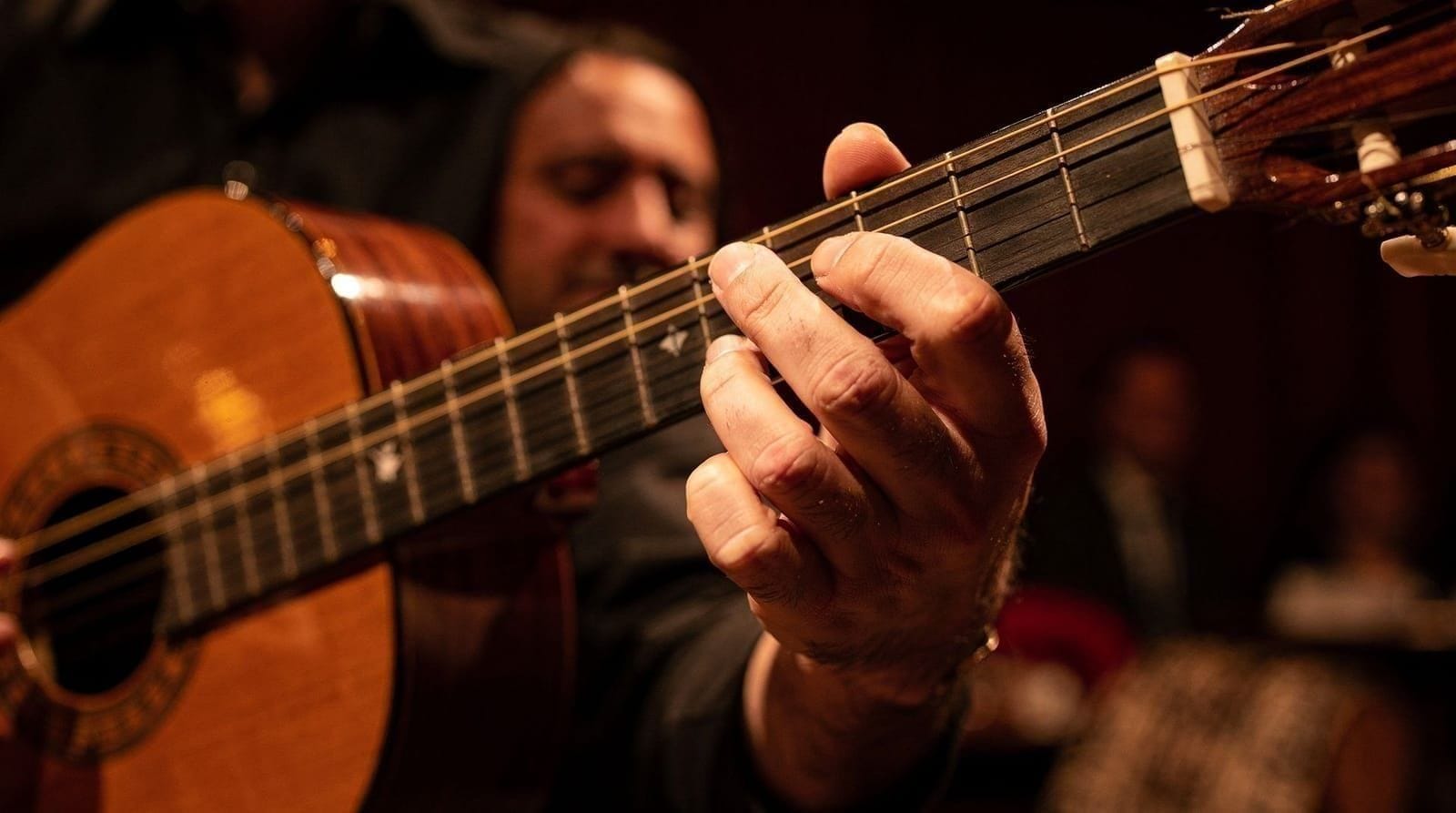
Collection: Dance history displays, original costumes (including gowns worn by Hoyos herself), interactive stations on rhythm and compás (the rhythmic structure of flamenco), and documentary film footage. The design is thoughtful — this is not a dusty collection of objects but a curated experience.
Live performances: Live shows in the basement tablao space. Separate ticket; check the museum’s official site for current prices and times. These are genuine performances rather than tourist spectacles — shorter than a full show but with professional dancers.
Practical: Calle Manuel Rojas Marcos, 3. Check the museum’s official website for current prices and opening hours.
Hospital de los Venerables Sacerdotes
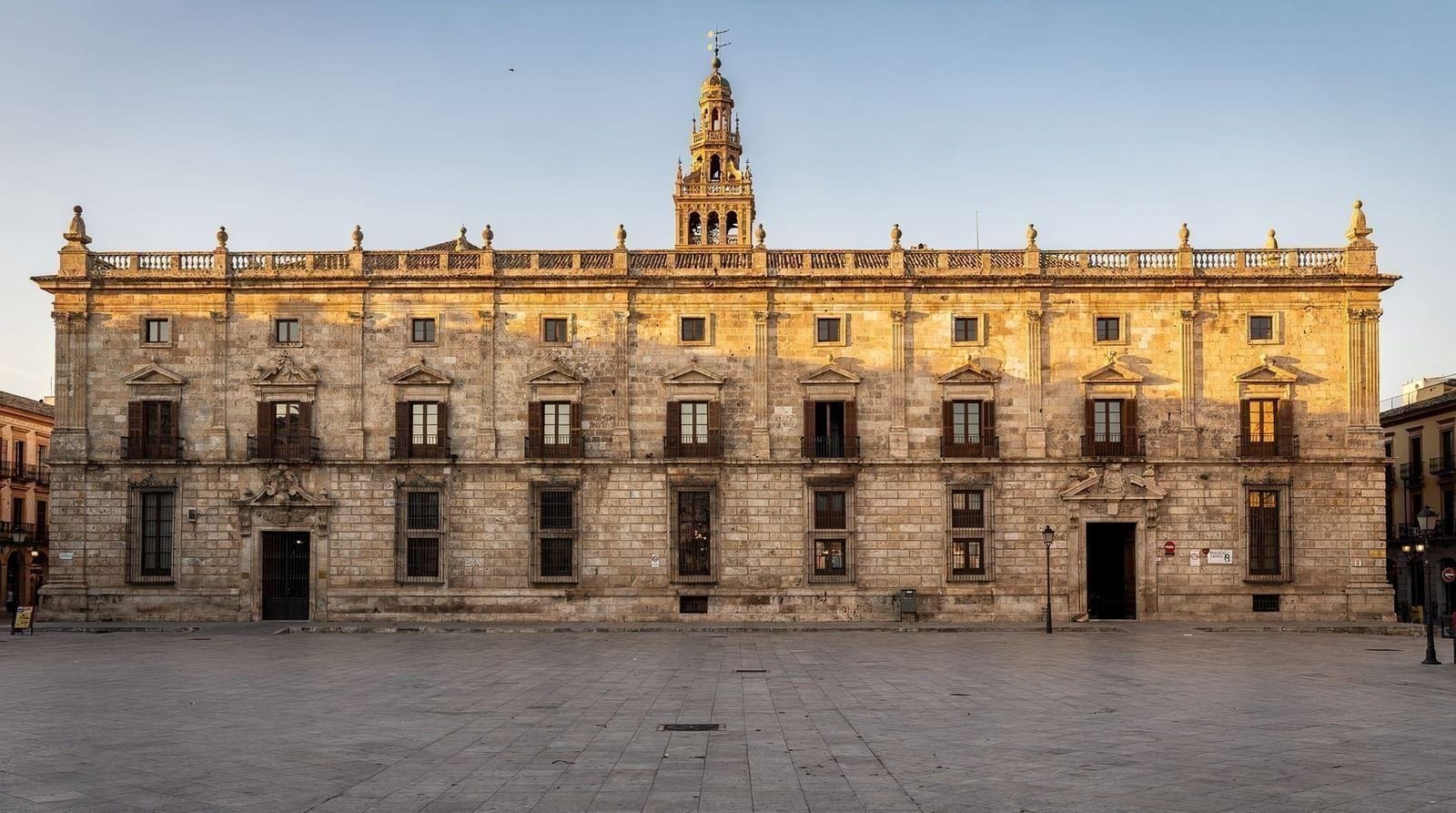
A 17th-century Baroque hospital turned cultural foundation (Focus-Abengoa). The building itself is exceptional: a central courtyard, an ornate chapel, and an unusual spatial organization for what was a functioning care facility.
For another Sevillian townhouse to visit with an audio guide, the Las Dueñas Palace is a close alternative: Las Dueñas Palace entry ticket and audio guide
Collection: The Focus-Abengoa Foundation has assembled a Velázquez collection that includes works from his Seville period (Velázquez worked in Seville in the early 1620s before moving to Madrid). The hospital also holds temporary exhibitions, typically of high quality.
Practical: Plaza de los Venerables, 8 (Santa Cruz quarter). Audio guide available. Check the official website for current prices and opening hours.
Casa de Salinas
A lesser-known private palace in the El Arenal neighbourhood that opened to visitors in recent years. The collection focuses on decorative arts and furniture from the 16th–18th centuries.
Casa de Salinas entry ticket with audio guide — El ArenalWorth 45–60 minutes if you are interested in Spanish decorative arts. Less widely known than Casa de Pilatos or the Alcázar but a genuinely interesting private collection — the lower visitor numbers mean you can look closely at individual pieces without the pace of a crowded room, which is part of the appeal for visitors who already know they enjoy this kind of collection.
Casa de Pilatos
Covered in depth in the Casa de Pilatos guide. The most significant private palace open to visitors in Seville after the Alcázar, with an outstanding Roman sculpture collection and exceptional Mudéjar architecture. Entry from €12.
Casa de Pilatos entry ticketArchivo General de Indias
Covered in depth in the Archivo guide. Free entry. Original documents of Spanish colonial history including Columbus’s letter. 20–45 minutes for a casual visit.
Museo de Artes y Costumbres Populares (Museum of Popular Arts and Customs)
In Parque de María Luisa (in a pavilion from the 1929 exhibition). Focuses on traditional Andalusian crafts, dress, and material culture — ceramics, textiles, tools, festival costume. Specifically interested in the region’s artisan traditions.
Practical: Plaza de América, s/n. Free for EU citizens. Tuesday–Saturday 9:00 AM–8:30 PM, Sunday 9:00 AM–2:30 PM. Closed Monday.
Planning a museum circuit
For a visitor with 3 days in Seville, a practical museum plan:
Day 1 (monuments): Alcázar + Cathedral + Archivo de Indias (all in one district).
Day 2 (art): Museo de Bellas Artes (free, 2 hours) + Casa de Pilatos (90 minutes, paid) + optional: Flamenco Museum if interested in cultural context before an evening show.
Day 3 (less-known): Hospital de los Venerables (Velázquez focus, 1 hour) + Plaza de España.
This circuit covers the major collections without excessive density.
The Seville Baroque school: context for the Bellas Artes
The Museo de Bellas Artes rewards more time if you understand the historical context of Seville’s Baroque painters. Between roughly 1580 and 1680, Seville was the largest city in Spain and the commercial hub of the colonial empire. It was also a city of intense Catholic religious life — dozens of convents and monasteries, active confraternities, and an Inquisition tribunal. This combination of wealth and piety created sustained demand for religious paintings on a scale found almost nowhere else in Europe.
Three painters define the Seville Baroque school:
Bartolomé Esteban Murillo (1617–1682): Born, trained, and worked in Seville his entire life. His religious paintings — particularly the Immaculate Conceptions and the scenes of charity and childhood — have a warmth and humanity that distinguishes them from the austerity of Zurbarán or the drama of Valdés Leal. The museum holds the most extensive Murillo collection in the world.
Francisco de Zurbarán (1598–1664): Primarily a painter of monastic subjects. His monks, friars, and saints are painted in close-up against dark backgrounds, lit from a single source, with the kind of psychological intensity that makes them look simultaneously meditative and slightly unnerving. His series of Doctors of the Church for the College of San Buenaventura, several paintings from which are in the museum, is the best entry point.
Juan de Valdés Leal (1622–1690): The most extreme of the three. His “Finis Gloriae Mundi” and “In Ictu Oculi” — painted for the Hospital de la Caridad and not in this museum, but studied by anyone who has seen them — are among the most viscerally confrontational paintings of 17th-century Spain. The Bellas Artes holds other major works.
Understanding these three painters, and the market that sustained them, makes the Bellas Artes visit significantly richer.
The Carambolo Treasure in detail
The Carambolo Treasure deserves a longer description than the brief mention in the Museo Arqueológico section.
The collection was found in 1958 when workers excavating for a sports club expansion in the Camas district northwest of Seville encountered a buried cache of gold objects. The collection consists of 21 pieces: a breastplate (or chest ornament) of two rectangular panels with attached circular tubes, a belt (or collar) of a similar design, two bracelets, and a series of decorative plaques. Every piece is made of 24-carat gold (essentially pure gold by modern standards).
The objects date to approximately 800–550 BC — the Tartessian period, when a pre-Roman civilization of uncertain origin inhabited the lower Guadalquivir valley. The Tartessians appear in Phoenician and Greek texts as a wealthy trading civilization; the Carambolo objects are consistent with this description. The specific function of the objects — royal regalia, temple offerings, personal adornment — remains debated.
The Carambolo Treasure is one of the most significant Bronze Age gold collections in the world. It is displayed in the museum with almost no interpretive apparatus — the objects are extraordinary enough to speak for themselves. Spend 20 minutes looking carefully at the joinery and the surface decoration before reading the labels.
Contemporary art: the CAAC
The Centro Andaluz de Arte Contemporáneo (Andalusian Centre for Contemporary Art) is housed in a former monastery (Monasterio de la Cartuja) on La Cartuja island in the Guadalquivir — accessible via a pedestrian bridge from the Triana neighbourhood.
The collection focuses on Spanish and international contemporary art from the 1950s to the present. The permanent collection has significant holdings; the temporary exhibitions vary in quality and interest. The monastery building (15th century, adapted for the 1992 World Expo and then converted to a museum) is itself worth seeing — the combination of medieval cloisters and contemporary art is effective.
Check the CAAC official website for current prices and opening hours. Allow 1.5–2 hours. Note: the location on La Cartuja means it is 25–30 minutes from the historic centre on foot or 15 minutes by bike — less convenient than the central museums.
Getting there: The pedestrian bridge from Triana (Puente de la Barqueta or a walk along the riverside path) is the most direct approach on foot. Combining the CAAC with a Triana visit — lunch at the market, a walk along Calle Betis, then the monastery — makes the detour feel less like an isolated errand and more like a natural extension of a Triana afternoon.
Photography in Seville’s museums
All of Seville’s public museums (Bellas Artes, Artes y Costumbres) permit personal photography without flash. Private museums vary — the Flamenco Museum restricts photography during live performances; the Hospital de los Venerables asks you to check at reception. Casa de Pilatos permits photography in most areas.
The Museo de Bellas Artes has some of the best photography conditions of any Spanish art museum: the rooms are large, the lighting is adequate, and the crowds (even on busy days) are thin enough to allow clear shots without other visitors in the frame. The Murillo rooms on the upper floor are particularly good for photography in the morning light.
Planning Seville museum visits with limited time
If you have one day and want to cover the most significant museum content:
Morning: Alcázar (€15.50, 2 hours) — not technically a museum but the most important cultural monument in the city.
Midday: Museo de Bellas Artes (free EU, 1.5 hours). The walk from the Alcázar to the museum through the historic centre passes the Cathedral and takes 15 minutes.
Afternoon: Casa de Pilatos (€12, 1.5 hours) — back in the Santa Cruz neighbourhood, 10 minutes from the Bellas Artes.
This sequence covers a royal palace, the definitive Spanish Baroque painting collection, and the city’s finest private noble palace — all within walking distance of each other, with a combined entry cost of €27.50 (or €12 for EU citizens who benefit from free Bellas Artes entry).
For all ticket and booking strategies, see the skip-the-line decoded guide and the dedicated Alcázar tickets guide.
Which museums to skip if your time is genuinely short
Not every museum in this guide earns a place on a first visit. If you have one or two days total in Seville and the Alcázar and Cathedral are already accounted for, the Museo de Bellas Artes is the one museum worth prioritising above all others — it is free, central, and holds the world’s most extensive Murillo collection. The CAAC, worthwhile as it is, requires a 25-30 minute trip to La Cartuja and is the first to cut if time is the binding constraint. Casa de Salinas, while genuinely interesting, is the most skippable of the paid options for a first-time visitor who has already budgeted for Casa de Pilatos.
Pairing museums with the rest of your Seville plan
Museums work best as the quieter counterweight to the big monuments. After a morning at the Seville Cathedral or the Alcázar, an art or history collection gives your feet and your attention a rest. If you are still deciding how to order the headline sights, the comparison of which to see first, Alcázar or Cathedral helps you slot a museum around them.
Several museums sit in or close to Santa Cruz, so the Santa Cruz neighbourhood guide is a useful companion for planning lunch and a walking route between the Hospital de los Venerables and Casa de Pilatos. The Archaeological Museum (closed for renovation) and the Popular Arts museum both sit in María Luisa Park, which pairs naturally with the María Luisa Park guide and the Plaza de España guide, making that corner of the city an easy half-day.
For the flamenco side of the city, the Flamenco Museum is a good primer before an evening performance. Read flamenco 101 for beginners first, and use the authentic flamenco versus tourist show guide to choose a show once the museum has given you the vocabulary.
If the heat is what is pushing you indoors, museums make good midday refuges; the Seville in summer heat guide explains how to structure a hot day around them. For a wider view of how many days the city deserves, see how many days in Seville, and for ready-made routes that slot a museum or two into each day, the 3-day Seville itinerary and the Seville first-timers itinerary are good starting points. Travelling on a tight budget? The Seville on a budget guide shows where the free museums fit in.
Frequently asked questions about Museums in Seville
What is the best museum in Seville?
For visual art, the Museo de Bellas Artes is the clear choice: it holds one of the most important collections of Baroque painting in Spain, including major works by Murillo, Zurbarán, and Velázquez. It is free for EU citizens. For something specific to Seville, the Museo del Baile Flamenco (Flamenco Museum) is the most distinctive.Is there a museum card for Seville?
No unified museum card covers all Seville museums. The city pass (48 hours) includes some museum admissions but not all major ones. EU citizens can enter the Fine Arts Museum free on production of ID.Which Seville museums are closed on Monday?
The Museo de Bellas Artes is closed on Monday. The Archivo General de Indias is closed on Monday. Check individual opening hours as these can change seasonally.How long does each museum take?
Museo de Bellas Artes: 1.5–2.5 hours for the full collection. Casa de Pilatos: 1.5–2 hours. Flamenco Museum: 1–1.5 hours. Archivo General de Indias: 20–45 minutes. Hospital de los Venerables (Velázquez Focus): 45–60 minutes.What is the Hospital de los Venerables museum?
The Hospital de los Venerables Sacerdotes is a Baroque building in the Santa Cruz quarter that was converted into the Focus-Abengoa Foundation cultural space. It houses a small but significant collection including Velázquez works from the Seville period and temporary exhibitions. Check the Hospital de los Venerables official website for current prices and hours.Is the Flamenco Museum good?
The Museo del Baile Flamenco (founded by dancer Cristina Hoyos) is one of the most thoughtfully designed small museums in Seville. It combines dance history, costume, and live performance elements in an interactive way. There are live performances (separate ticket; check the museum's official site for current prices and times). Worth visiting before you attend a live show, as it provides context.
Top experiences
Bookable activities with verified prices and instant confirmation on GetYourGuide.