Paella cooking class in Seville: what to expect and honest context
Seville: Paella cooking experience on a rooftop terrace
Can I take a paella cooking class in Seville?
Yes. Several operators run paella-focused classes, often on rooftop terraces. Prices run €45-70 for 2-3 hours including the meal. Important honest context: paella is a Valencian dish, not from Seville or Andalusia. Seville's own rice tradition is different (arroz caldoso — a wetter rice dish). But the classes teach paella technique well and make for a enjoyable activity.
Paella cooking classes in Seville are popular, available, and moderately well-taught. The honest context you deserve before booking: paella is not from Seville. It is a Valencian dish from Spain’s eastern coast. Learning to cook it in Seville is slightly like learning to make risotto in Lisbon — pleasant, achievable, and not particularly connected to local tradition.
That caveat stated, the classes themselves are genuine. You will learn to make a respectable paella, and the rooftop format that most Seville paella classes use is a pleasant way to spend a Seville afternoon or evening. This guide covers what you will actually do and learn.
| Where | Rooftop terraces in central Seville (some Triana) |
| Cost | Around €45–70 per person, meal included |
| Time needed | 2–3 hours |
| Best time | Spring or autumn; avoid midday in July–August |
| Group size | Usually 8–16 people |
The paella-in-Seville context
Paella has become, through decades of export marketing, the internationally recognisable face of Spanish cuisine. This has made it the obligatory cooking class content for tourist cooking programmes in every Spanish city, including ones that have their own distinct culinary traditions.
Seville’s local rice tradition is arroz caldoso — a wet, brothier rice cooked in cazuela with fish stock and seafood. Some of the more thoughtful cooking programmes include arroz caldoso as an alternative or contrast. If local culinary authenticity matters to you, the classes covered in the cooking classes Seville guide and the learn Spanish cuisine guide offer more locally accurate programming, and the Triana market food guide is a good primer on what’s actually eaten locally.
If you want to learn paella because it is the dish you are most likely to cook at home, or because you find it fascinating regardless of its Sevillano credentials, this is a reasonable choice and the classes teach the technique properly.
Rooftop paella classes: what they are actually like
The majority of Seville paella cooking classes are set on rooftop terraces in the city centre, typically with views of the Giralda or the city skyline. The format:
Duration: 2-3 hours typically, sometimes longer with a full meal and drinks included.
Location: Central Seville, usually within walking distance of the major monuments. Some operations use Triana rooftops; others are positioned near the Catedral or the Alameda.
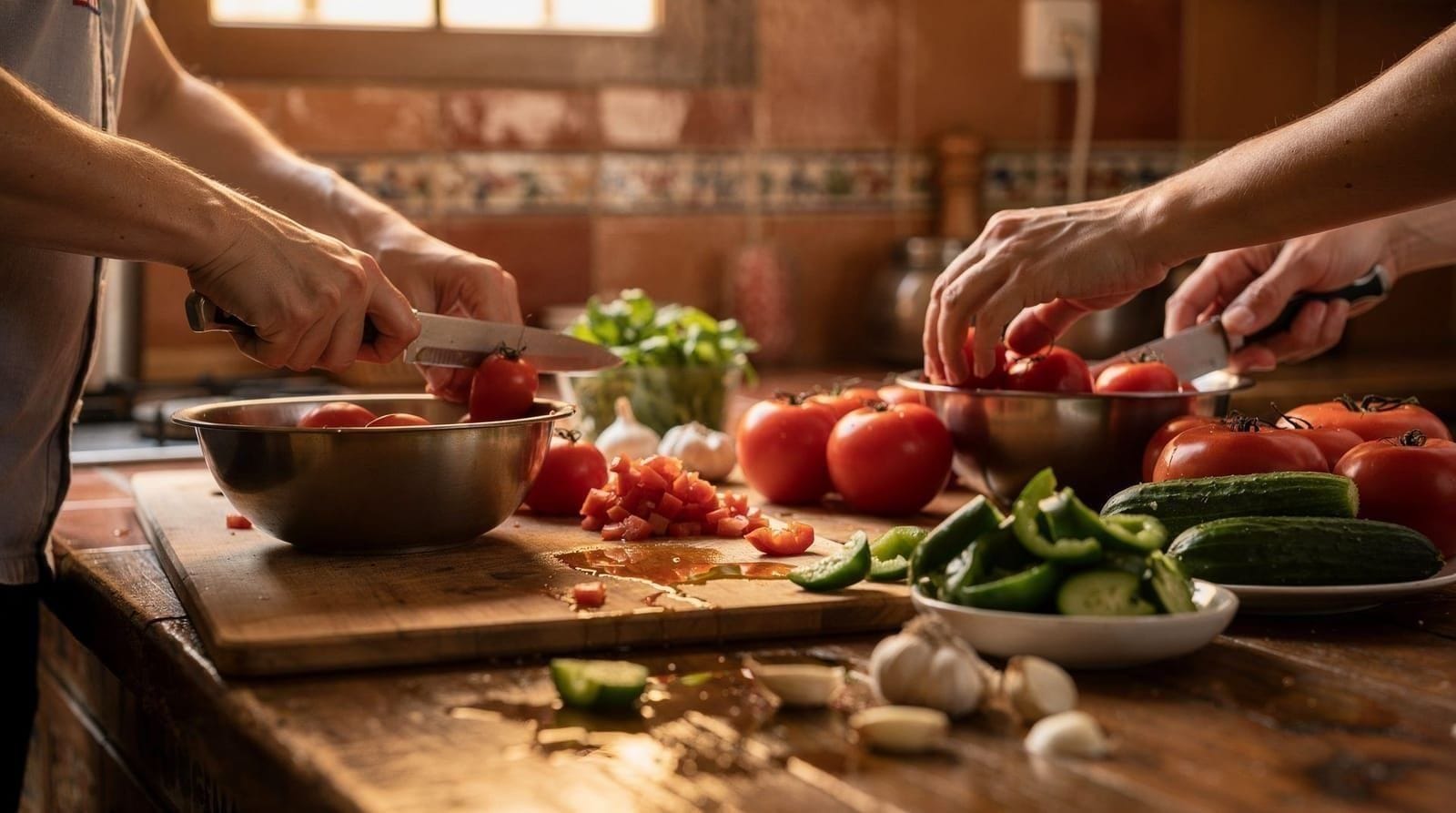
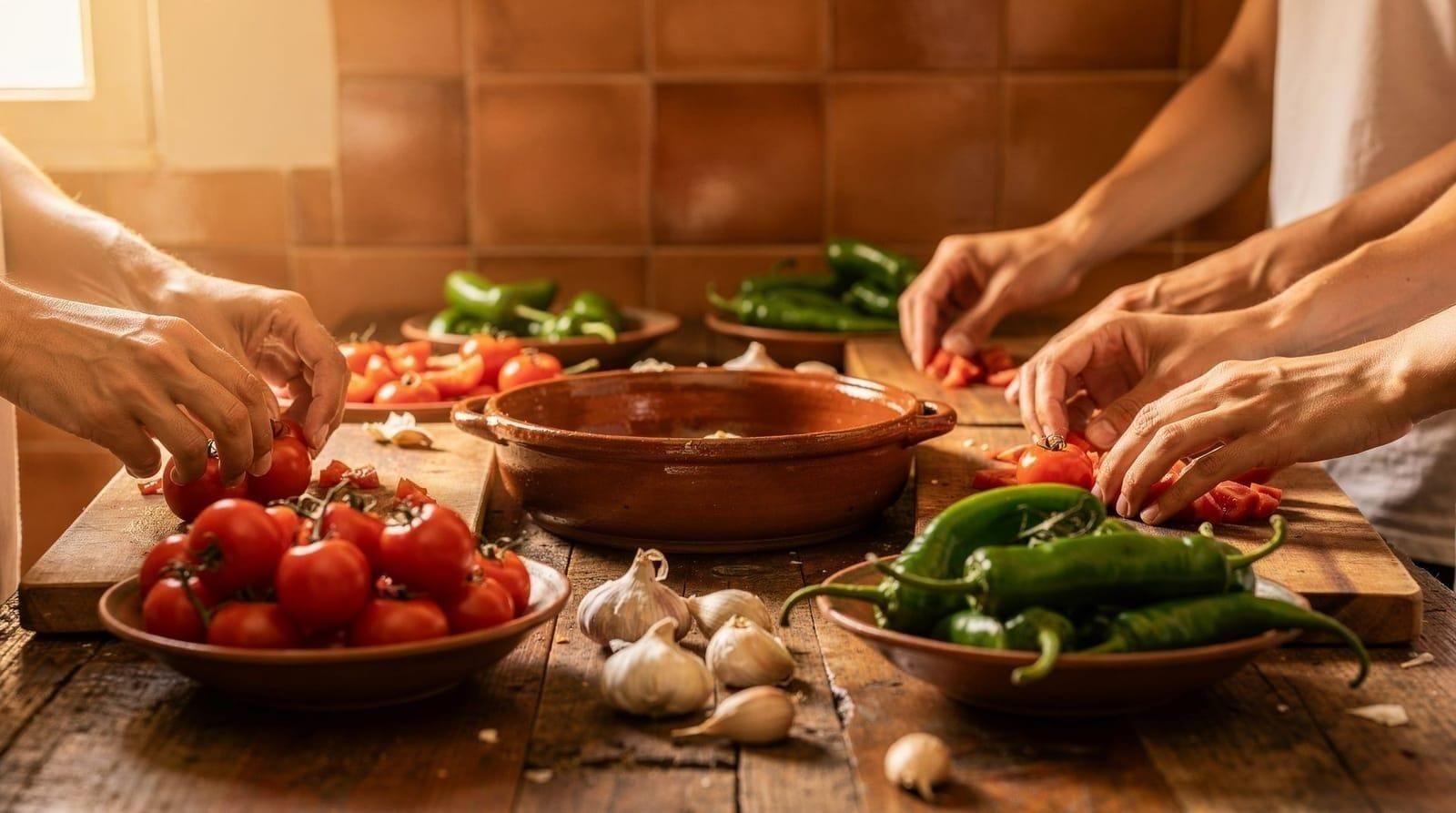
Equipment: Large paella pan (paellera) over a portable gas burner, with mis-en-place (pre-measured ingredients) already arranged. You do not need to shop or prep — ingredients arrive ready.
What you cook: In a dedicated paella class, the session typically covers the sofrito base, adding the rice and liquid, and managing the final socarrat stage. Sangria or tinto de verano is usually made alongside or included as a drink.
Book rooftop paella cooking class in Seville Book paella and sangria rooftop cooking experienceThe technical learning: what you actually take home
A well-taught paella class leaves you able to:
Make a proper sofrito: The slow-cooked tomato-onion-garlic base that creates the flavour foundation is the key to whether a paella is good or mediocre. Most home cooks rush this step or skip it. Learning to take it seriously — 20+ minutes over low heat until the tomato is deeply concentrated — is the most transferable skill from a paella class.
Bloom and use saffron correctly: Saffron should be toasted and steeped in warm stock before adding to the rice, not added dry. The difference in colour and flavour is immediate.
Manage the liquid ratio: Too much water and the rice is soggy; too little and it burns before cooking. The traditional ratio is around 2:1 liquid to rice, but this varies by rice variety and pan width. Learning to read the visual cues (the bubbling pattern, the appearance of the rice above the liquid line) is more useful than measuring precisely.
Achieve the socarrat: The crispy bottom layer is the mark of a well-made paella. It requires increasing heat in the final 2-3 minutes and listening for the popping sound that indicates caramelisation without burning. This is the part that fails most often at home because people are nervous about burning the rice.
Practical details
Best time of year: Spring (March-May) and autumn (September-November) are ideal for rooftop classes in comfortable weather. Summer (June-August) is hot — a rooftop cooking experience at 20:00 in July with ambient temperatures of 35°C+ is genuinely challenging. Winter classes (December-February) are possible but the rooftop element is cold.
Group size: Most operators run groups of 8-16. Ask about this before booking if hands-on participation matters to you — larger groups trend toward demonstration rather than individual cooking.
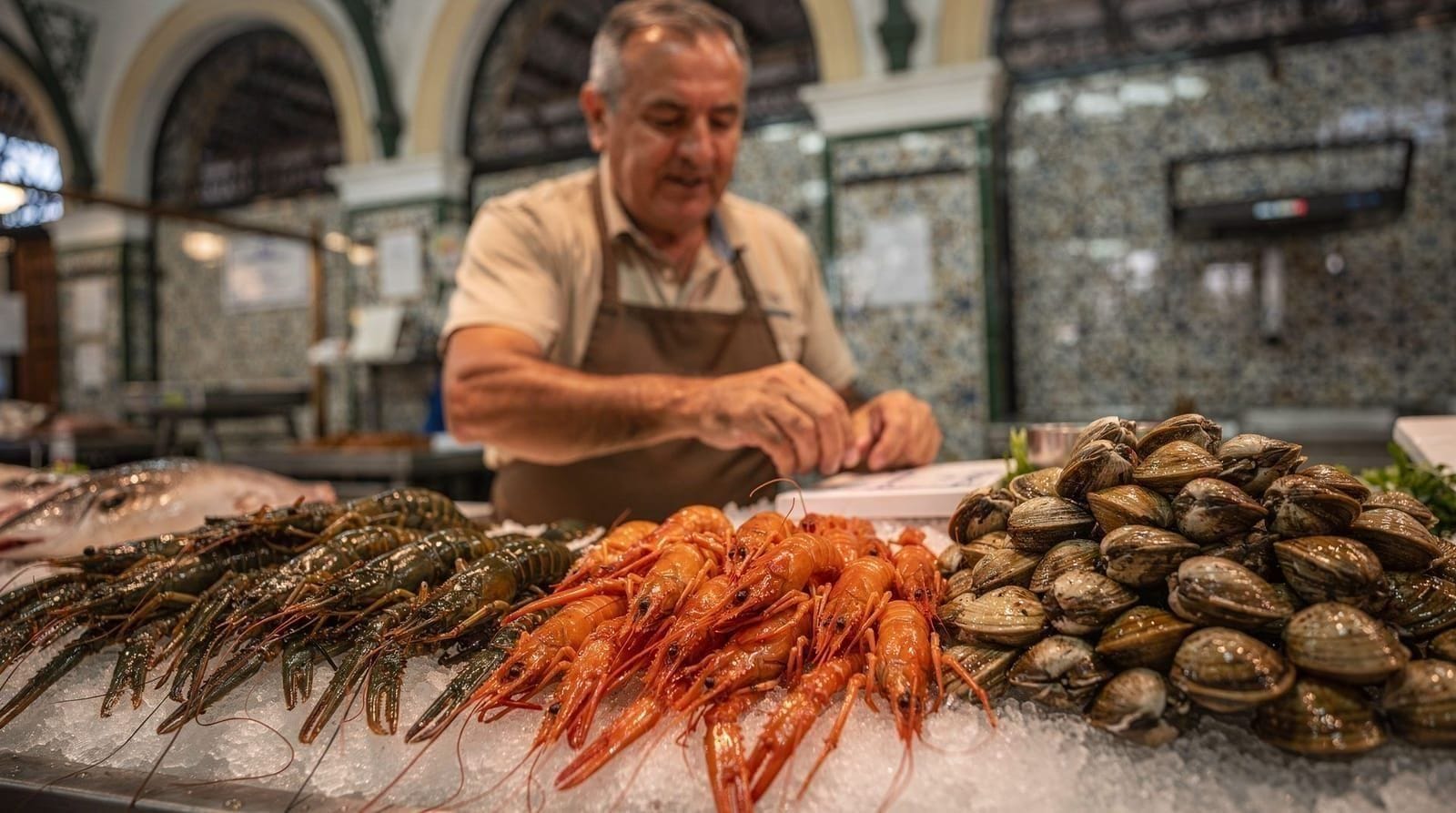
What’s included: Most classes include the meal (eating the paella you made), wine or sangria, and usually a recipe card to take home. Some include a brief market visit.
Price: €45-70 per person for a 2-3 hour class with meal. This is broadly fair value given that you eat a full meal and take away skills. It is somewhat cheaper than the full Triana market cooking classes at €65-90.
Dietary options: Vegetarian paella (with artichokes, peppers, and beans instead of meat or seafood) is offered by most operators if requested at booking. Gluten-free is straightforward since paella is naturally rice-based, but confirm the stock used doesn’t contain gluten additives. Shellfish allergies should be flagged clearly in advance, since seafood paella and paella mixta both use shellfish stock as a base even when the visible pieces are removed.
What to ask before booking: Confirm the class size (smaller is more hands-on), whether the venue is genuinely a rooftop or an indoor room described loosely as one, whether the meal is eaten on-site immediately after cooking, and whether drinks beyond the included sangria cost extra. Cancellation policies vary — some operators refund fully up to 24 hours ahead, others charge a fee closer to the date, which matters if you’re planning around Seville’s unpredictable spring rain.
Comparing paella class to broader cooking class
If you can only do one cooking experience in Seville, the broader cooking class that starts at the Triana market is a more rounded experience — you get market shopping, multiple dishes, and a better understanding of Sevillano food culture overall. The paella class is appropriate if you specifically want to learn paella and do not need the market component.
The two approaches are not mutually exclusive for visitors staying 3+ days — a market cooking class one day and a rooftop paella class the next covers both the local tradition and the internationally recognisable centrepiece.
Book the full cooking class at Triana marketPaella varieties: what you might actually cook
Not all paella is the same. Understanding the main variants helps you choose a class that teaches what you most want to learn:
Paella valenciana: The original form, from Valencia. Chicken, rabbit, green beans, butter beans, rosemary, saffron, rice, and water. No seafood. The authentic paella valenciana is quite plain by modern interpretation — the flavour comes from the quality of the stock and the sofrito rather than from elaborate ingredients.
Paella de marisco (seafood paella): The most widely served version in tourist contexts across Spain. Prawns, mussels, clams, and sometimes squid. The seafood is added in stages as the cooking progresses.
Paella mixta (mixed paella): Chicken plus seafood. This is the compromise version that appears most often in Seville cooking classes because it accommodates both meat and seafood preferences in a group.
Arroz negro (black rice): Rice cooked with squid ink, producing a dramatic black colour and deep umami seafood flavour. Technically a cousin of paella (same pan, similar technique) but distinct. Some classes include this as a variation.
Arroz caldoso: As mentioned earlier — the Andalusian wet rice dish that is more locally authentic than paella. Occasionally included in classes that want to show the contrast between Valencian and Andalusian rice traditions.
Most Seville classes default to paella mixta as the most accessible teaching vehicle. If you want to learn a specific variant, confirm this when booking.
| Variant | Main ingredients | Most likely taught? |
|---|---|---|
| Paella valenciana | Chicken, rabbit, green beans, butter beans | Occasionally |
| Paella de marisco | Prawns, mussels, clams, squid | Sometimes |
| Paella mixta | Chicken and seafood combined | Most common in Seville classes |
| Arroz negro | Rice, squid ink, seafood | Occasionally, as a variation |
| Arroz caldoso | Wetter rice, fish stock, seafood (Andalusian) | Rare, but the most locally authentic |
The rice question: which rice for paella
The rice variety used in paella determines the final texture significantly. Two main options used by serious paella cooks:
Bomba rice (arroz bomba): The traditional choice. Bomba grains absorb two to three times their volume in liquid without breaking apart, producing separate, slightly firm grains with maximum flavour absorption. More expensive than standard rice; found at specialist food shops.
Calasparra rice: Similar to bomba, from Murcia. Also short-grain, starchy, and absorbent. Many serious paella cooks consider it the best available rice for the dish.
Most cooking classes in Seville use whichever rice the instructor has sourced. If you want to continue making paella at home, buying a small bag of bomba rice from the Triana market or the Nervión food shops before you leave gives you the best chance of replicating the class result — the Triana market food guide covers where to find it and what else is worth buying in the same visit.
Standard long-grain or basmati rice, by contrast, does not hold up to paella cooking: it breaks down and turns starchy under the same liquid ratio, which is why home attempts using whatever rice is in the cupboard often disappoint compared to the class result. If a class doesn’t mention which rice it uses, it’s a fair question to ask — it tells you something about how seriously the operator takes the technique versus treating it as a tourist photo-op.
The socarrat in more detail
The socarrat — the slightly caramelised, crispened rice layer on the bottom of the pan — is the single technical element that separates a competent paella from a great one. It requires:
The right pan: A wide, flat paellera with a thin base conducts heat rapidly to the bottom. The thin base is counterintuitive but essential — it allows the bottom layer to crisp without burning before the top layer overcooks.
Confident final heat increase: In the last 2-3 minutes, the heat is raised from medium to high. The sound changes from a steady simmer to a crackling. This is the dangerous moment — too little heat and no socarrat forms; too much and the rice burns. Most beginners are too conservative here and end up with a pale, flat bottom rather than the caramelised crust.
Resting the pan: After the socarrat is formed, the pan is removed from heat and covered with newspaper or a clean cloth for 3-5 minutes. The retained heat finishes the top of the rice while the bottom continues to caramelise slightly.
Listening: Many experienced paella cooks talk about listening to the socarrat forming — the change in sound from bubbling liquid to crackling crust. This is a learnable skill.
A cooking class that teaches you the socarrat technique properly — with the instructor letting you try and fail, then correcting — is significantly more valuable than one that produces a perfect paella for you while you watch.
Eating paella in Seville: context for class participants
Once you have learned to make paella, you will evaluate paella in restaurants differently. A few notes for eating paella in Seville:
The best paella in Seville is not found in the tourist restaurants of Santa Cruz. It is found in the working-class restaurants of the peripheral districts — Nervión, Heliópolis, Los Remedios — where locals eat. A good paella valenciana in one of these restaurants costs €8-12 per person for a proper racion.
The tourist-zone “paellas” on menus near the Catedral are frequently made in advance and reheated — producing a mushy texture without socarrat. The menu del día paella at a local restaurant, made to order in reasonable quantities, is a completely different product.
Asking in advance whether the paella is made to order (al momento) versus pre-made is a reasonable question at any restaurant. A restaurant that makes it al momento will tell you it takes 20-25 minutes. One that reheats it will not mention the wait time at all. For genuinely local dishes beyond paella, the best tapas in Seville guide covers where locals actually eat.
Fitting a paella class into your Seville days
A paella class works best as a relaxed anchor for one afternoon or evening rather than something squeezed between sightseeing slots. If you are still shaping your trip, the Seville 3 days for foodies itinerary shows how a cooking session sits alongside market visits and tapas crawls, and the how many days in Seville guide helps you decide whether you have room for it at all.
Because the class is mostly seated or standing at a burner, it pairs naturally with a lighter morning of walking. Pairing it with a visit to the Real Alcázar earlier in the day works well, since the evening can then be unhurried and social. If you would rather keep the food theme going, the Seville food tour guide and the traditional Andalusian dishes guide explain what to try once you have learned the Valencian classic and want to taste the local repertoire.
If the paella format appeals but you want a more social, drinks-led evening, a rooftop-based experience is the natural fit; the rooftop bars and views guide gives context on how the rooftop scene works in the city so you can judge whether a terrace class suits your plans.
Frequently asked questions about Paella cooking class in Seville
Is paella from Seville?
No. Paella originated in the Valencia region on Spain's Mediterranean coast. The original paella valenciana contains chicken, rabbit, green beans, and butter beans — not seafood, which is a later adaptation. Serving paella as a signature Seville dish is a concession to tourist expectation. That said, paella is eaten throughout Spain, and learning to cook it properly is genuinely useful skill, regardless of its origins.What is the local Sevillano rice dish?
Arroz caldoso is a wetter, brothier rice dish more typical of Andalusia than the dry socarrat-bottomed paella. It is cooked in a cazuela (earthenware pot) with fish or shellfish stock and often seafood. It is not as widely known internationally as paella but reflects local cooking tradition more accurately. Some cooking classes in Seville include arroz caldoso alongside or instead of paella.What makes a good paella technically?
The key elements are: the sofrito (a slow-cooked base of tomato, onion, and garlic that forms the flavour foundation), the correct rice-to-water ratio (approximately 1:2 in a traditional recipe), the quality of the saffron and stock, and achieving the socarrat — the slightly caramelised, crispy rice layer at the bottom of the pan. The socarrat is produced by increasing heat at the end of cooking and requires good timing. Many cooking classes address this specifically.Are paella classes in Seville on rooftops better?
The rooftop format adds scenic value — cooking outdoors with views of Seville's skyline, the Giralda, and the Guadalquivir is pleasant. Practically speaking, cooking on a rooftop gas burner produces slightly less controlled heat than an indoor kitchen, which can make socarrat more variable. But the overall experience is more memorable. Avoid rooftop classes in July and August — midday heat in Seville in summer is genuinely oppressive.Should I book a paella class or the Triana market cooking class?
If you only have time for one, the Triana market class is the more rounded introduction to Sevillano food culture — it includes market shopping and usually several dishes. Book a dedicated paella class instead if you specifically want to master paella technique, enjoy the rooftop format, or are staying long enough to do both.
Top experiences
Bookable activities with verified prices and instant confirmation on GetYourGuide.