Flamenco tourist traps in Seville: how to spot and avoid them
Seville: Casa de la Memoria flamenco show
How do I avoid a tourist-trap flamenco show in Seville?
Avoid shows sold by street touts or hotel concierges. Look for venues with small capacity (under 150 seats), resident companies of artists who perform regularly together, and no dinner-show combo sold as an add-on. Casa de la Memoria and Tablao Los Gallos are the most consistently recommended authentic options.
| Cost (genuine tablao) | Around €25-40 |
| Red flag price | Under €20, or €55-80+ dinner-show combos |
| Venue size | Look for 80-150 seats, not 200-400+ |
| Booking | Direct through the venue site, or a platform without heavy markups |
| Recommended first show | Casa de la Memoria or Tablao Los Gallos |
Seville has more flamenco shows per square kilometre than any other city in Spain. It also has the widest range in quality — from genuinely extraordinary performances to high-throughput tourist spectacles that exploit the art form’s prestige without delivering its substance. Knowing how to tell them apart is worth your time.
What a tourist-trap flamenco show looks like
Scale: Large venues with 200–400+ seats are almost always optimised for throughput rather than intimacy. Flamenco is a close-range art form — the expressions of the cantaor (singer), the micro-movements of the dancer, the interaction between performer and audience matter. In a venue where most seats are more than 15 metres from the stage, this nuance is lost.
Multiple daily shows: A venue that runs two or three shows per evening sends each set of artists through a defined programme repeatedly. The first show might have energy; by the third, it is a rehearsed routine. The best tablao performances happen when artists are doing one show, to an audience they can feel, with the artistic risk that a single performance entails.
Dinner-show combos: When a flamenco show is packaged with a set dinner at €55–80 per person, the food is usually mediocre and overpriced, the show is secondary to the dining experience, and neither the food nor the flamenco is as good as if you’d done them separately. The dinner-show format is a revenue maximisation strategy, not a quality experience.
Hotel concierge and tout sales: If a hotel concierge enthusiastically recommends a specific flamenco show, or a person on the street near your hotel is selling tickets, the commission structure is the more likely explanation than quality. Shows sold through commission networks are not automatically bad, but the selection is not quality-filtered.
“See authentic gypsy flamenco” marketing: The word “authentic” in a flamenco venue’s marketing language is a red flag in direct proportion to how prominently it’s used. Genuinely well-regarded venues rarely need to claim authenticity — their reputation does that work.
What makes a genuine tablao different
A real tablao (the venue type where flamenco is performed seated, as opposed to a theatre or club context) has several distinguishing characteristics:
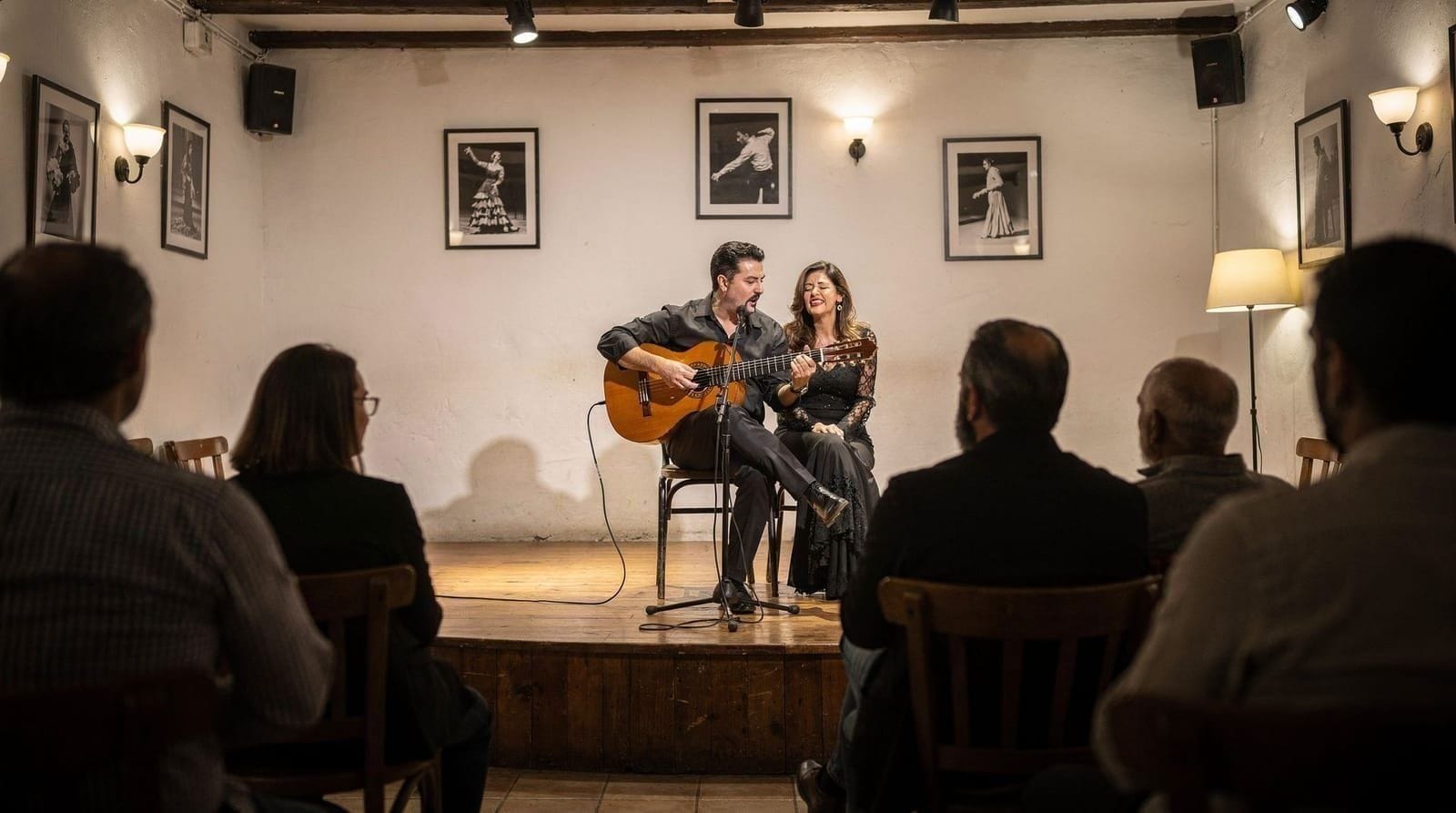
Small capacity: The best tablao experiences happen in venues of 80–150 seats. You can see the artist’s face. The sound is acoustic. You can feel the footwork (zapateado) through the floorboards.
A resident company: The best tablaos have a core company of artists who perform together regularly — a guitarist, a cantaor, two or three bailaores (dancers), a percussionist. They know each other’s improvisational vocabulary. The show has a structure but allows for genuine spontaneity.
Engagement with the audience: A genuine performance responds to the audience — a particularly responsive crowd changes what happens on stage. This feedback loop is absent in factory shows.
History and reputation: A tablao that has been operating for 20+ years and has a local following (not just tourist reviews) is a more reliable indicator than awards marketed at tourists.
The venues that are actually worth booking
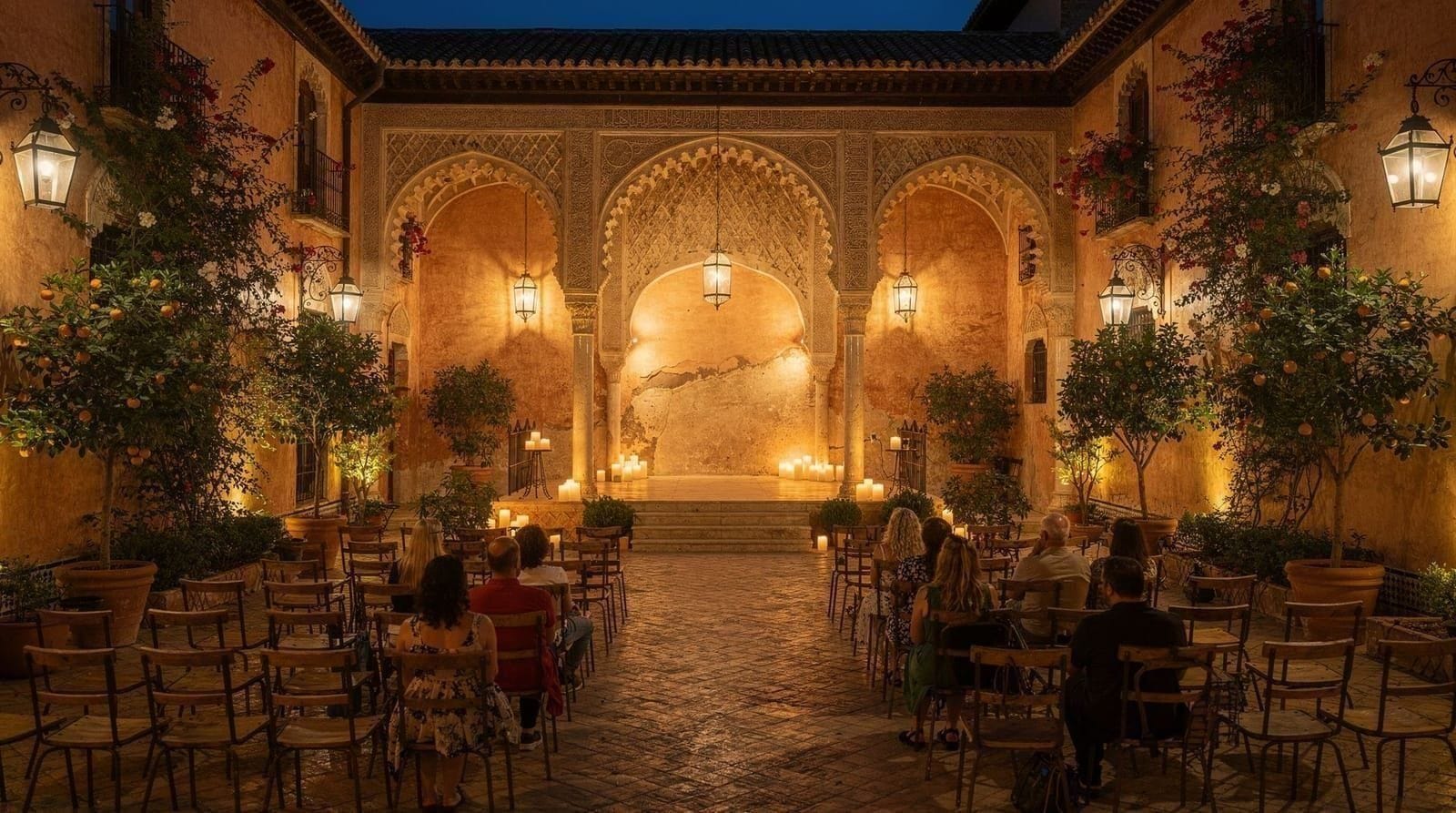
Casa de la Memoria (Calle Cuna 6, historic centre): A historic building with origins in the 15th century (once the stables of the Countess of Lebrija’s palace) and a central courtyard, with around 100 seats, excellent acoustics, and a consistent reputation for quality. Usually two sessions per evening. A small-group experience by tablao standards. The courtyard setting — open sky, candles, tiled walls — is genuinely beautiful.
Seville: Casa de la Memoria flamenco showTablao Los Gallos (Plaza de Santa Cruz): One of Seville’s longest-established tablaos, in the heart of Santa Cruz. Two shows per evening, but at a scale (capacity around 100) that maintains intimacy. The artistic quality has been consistent for decades. Respected by the local flamenco community.
Book Tablao Los Gallos in Santa CruzTablao Almoraima (Triana): In Triana, the neighbourhood with the deepest gitano flamenco tradition. A more intimate space than the historic-centre tablaos, with an artistic programme connected to the local flamenco community.
Tourist trap vs genuine tablao: the tell-tale signs
| Tourist trap | Genuine tablao | |
|---|---|---|
| Capacity | 200-400+ seats | 80-150 seats |
| Shows per night | 2-3, rehearsed routine | 1, or 2 with fresh energy |
| Price | Under €20, or €55-80 with dinner | €25-40 |
| Sales channel | Street touts, aggressive concierge push | Direct booking, venue reputation |
| Marketing | ”Authentic gypsy flamenco” language | Reputation speaks for itself |
| Company | Rotating artists, different each night | Resident company who know each other |
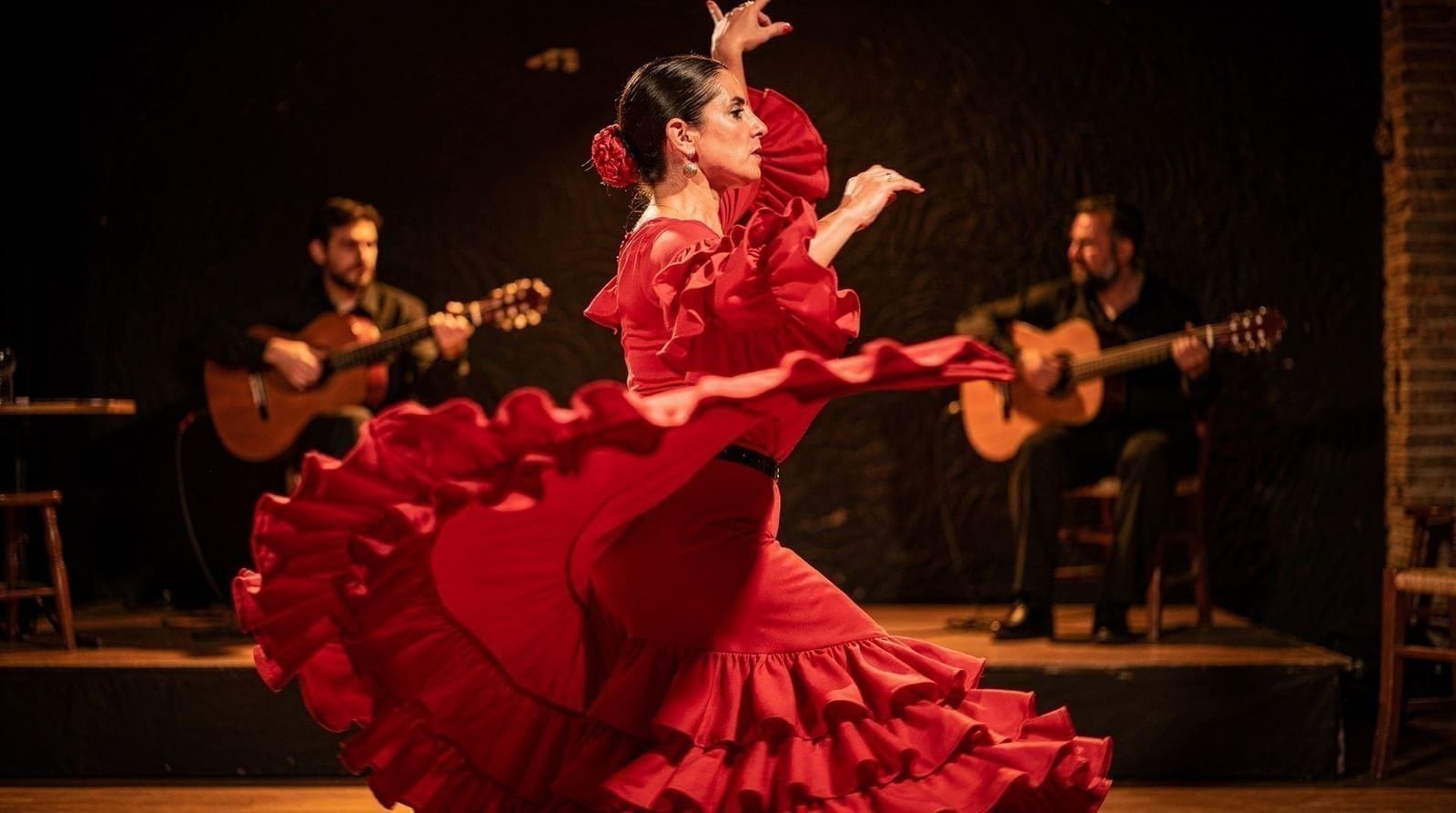
What to expect: A genuinely good show involves 60–75 minutes of flamenco palo performance — various forms of the art including soleares, bulerías, siguiriyas, and tangos. You will hear cante (singing) as the foundation and see baile (dance) as the expression. The guitarist’s role is equal, not backing. A good cantaor performing soleares in a quiet room is worth more than a spectacular dancer in a large theatre, if you understand what you’re watching.
Before you book: questions to ask yourself
A few minutes of thought before you hand over a card saves a disappointing evening. Ask where the show is sold: if the only way to book is through a stranger on the street or a desk in a hotel lobby, you are buying the sales pitch rather than the performance. Ask who is on stage: a venue that names its guitarist, singer and dancers, and shows them on its own site, is proud of its company. Ask what happens around the show: a drink included in the ticket is fine, but a forced minimum spend or a bundled meal changes what you are really paying for.
It also helps to decide what you want from the evening. If you are curious and want a first taste of the art form, an intimate tablao in the historic centre is the easiest choice, close to everything else you will be doing that day. If you already know a little about the palos, you may prefer the more neighbourhood-rooted feel of Triana. Either way, the point is the same: choose the room, not the brochure.
Setting up the evening so the show lands
Flamenco rewards a calm arrival. Rushing in from a long day of sightseeing, tired and hungry, makes it harder to sit still and listen. Many visitors do better when the show is the last thing in the day, after a lazy tapas round — the barra vs terrace pricing guide explains how to eat well without paying the tourist surcharge — and a slow walk through the lanes of Santa Cruz or along the river in El Arenal.
Arrive early enough to choose a seat with a clear line of sight to the stage. In a small room, a seat near the front puts you close to the footwork and the singer’s face, which is exactly what you came for. Switch your phone to silent, resist filming the whole thing, and let the guitar and the voice do their work. The performers feed on attention, and a quiet room changes what happens on stage.
If you would like to understand more of what you are hearing, a short beginner read beforehand makes the palos far easier to follow. And if watching makes you want to try it, a taster flamenco dance class is a friendlier way to appreciate how hard the footwork really is than any amount of reading.
Other traps that travel with the flamenco
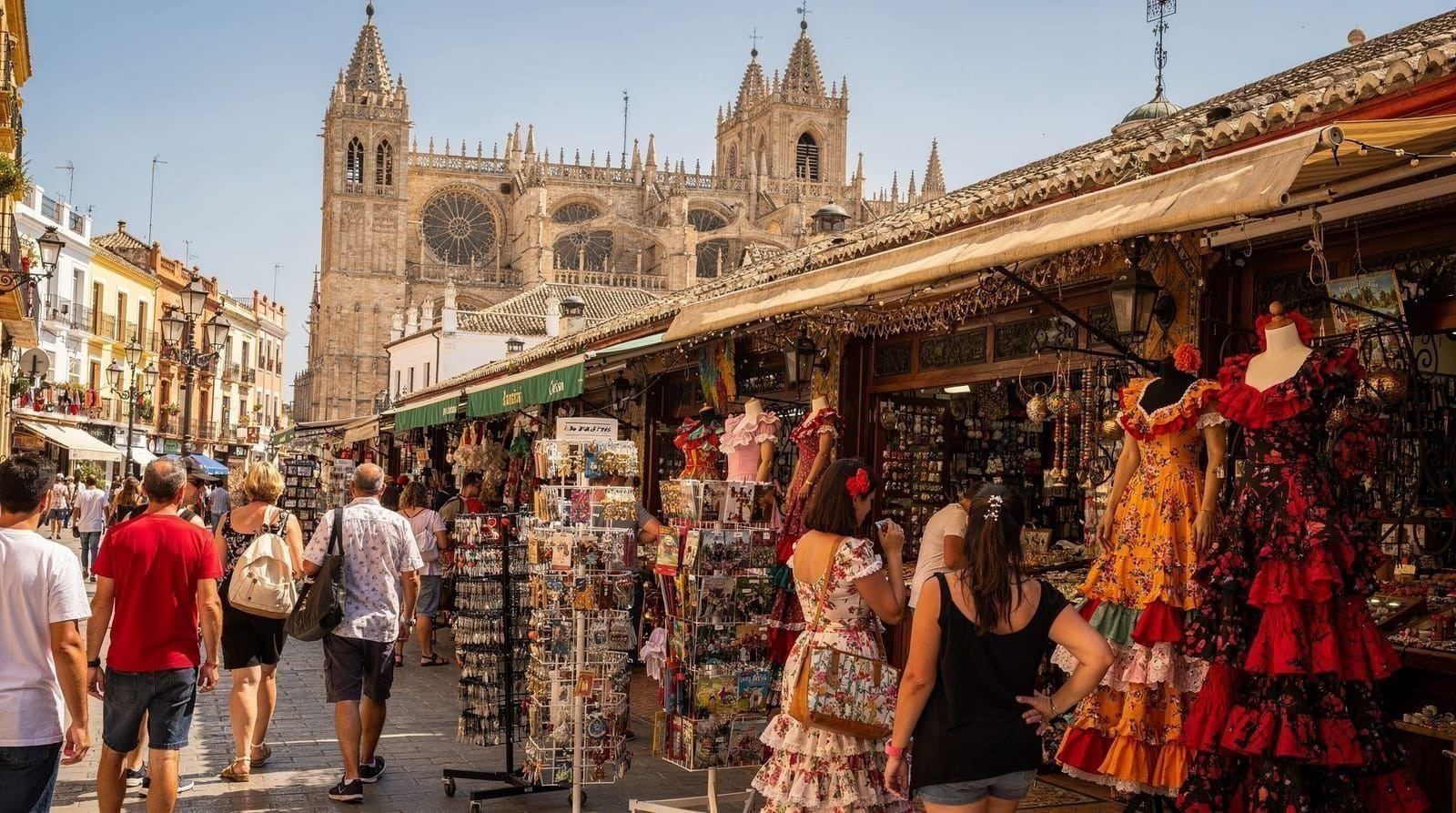
Flamenco tourist traps rarely come alone. The streets around the big monuments are where the same commission-driven selling shows up in other forms: restaurants that lure you in with a photo menu, souvenir stalls, and street sellers pressing a sprig of rosemary into your hand. The rosemary scam guide explains how that one works and how to walk away politely, and the guide to avoiding tourist-trap restaurants applies the same logic to dinner. Once you can spot the pattern — pressure, commission, a promise of something “authentic” — it becomes easy to recognise everywhere.
If you want a traveller’s account rather than a checklist, the blog post on the truth about Seville tourist traps and the first-time flamenco experience show what it actually feels like to be on the receiving end, including what the writers wish they had known.
The honest advice: do your research before booking
Seville’s flamenco ecosystem is not static — tablao quality can change as artistic directors and resident artists change. The best current resource is not a travel website but the Spanish-language flamenco press and community forums. However, for most visitors, the three venues listed above have consistent quality reputations backed by both tourist and specialist reviews.
Book directly through the venue website or through a platform that does not add excessive surcharges. A tablao show at Casa de la Memoria or Los Gallos costs approximately €24–38 — a price that reflects the actual cost of quality performers.
For a full comparison of Seville’s flamenco venues with honest assessment of each, see Best flamenco shows in Seville 2026 and Authentic flamenco vs tourist show.
If you want something beyond a tablao
Flamenco peña: A peña flamenca is a members’ club where local aficionados meet to perform and watch informally. Visitors are welcome at some peñas, but language barriers apply and they are not designed for tourist access. Worth asking about if you’re genuinely interested in the art form.
Bienal de Flamenco: Seville’s biennial flamenco festival, held in September of even years (next: September 2026). This is arguably the most important flamenco festival in the world — performances by the greatest living artists in the Teatro de la Maestranza and other venues, for primarily Spanish-speaking audiences. Tickets are available to international visitors and the quality is in a completely different category from any tablao.
Free flamenco: Occasionally, impromptu flamenco performance happens in Triana or around the Alameda — a cantaor performing at a bar, a spontaneous bulerías session. This is rare for visitors to stumble into, and it cannot be planned, but it is the art form in its original context. If you happen to encounter it, stop and listen.
Combining flamenco with the rest of your trip
A good show slots naturally into a first visit. On a short stay, the evening is the obvious place for it, once the sightseeing is done; the Seville in 3 days itinerary and the first-timers itinerary both leave room for an evening out. If you are travelling with a partner, the couples itinerary treats a candlelit courtyard show as one of the highlights of the trip.
If you like the idea of pairing food and music in one evening without falling into the dinner-show trap, a guided option exists that handles the tapas stops first and then moves on to a performance: a tapas walking tour that ends with a traditional flamenco show. It suits visitors who would rather have the evening organised than plan each stop themselves, though the advice above about venue size and company still applies to whichever show it includes.
Seasonal timing matters too. Seville is busiest around its big festivals, and the best small venues fill early in those weeks, so book ahead if your dates overlap with Holy Week or the April fair. The Bienal de Flamenco guide is the place to start if you are planning around the festival.
Budget considerations
A good tablao show runs €24–38. A tourist-factory show may cost €20–25 and deliver less. The cost difference is not large enough to justify choosing the cheaper option. Spend slightly more at a proper tablao and spend less at dinner by eating tapas at the barra beforehand — the total evening cost is similar, and the flamenco is worth it.
For more on Seville’s overall tourist trap landscape, see Seville tourist traps to avoid. If you’d like the fuller grounding in what makes a flamenco performance genuinely good before you book anything, the flamenco 101 beginners guide explains the palos and structure, and the seville on a budget guide covers how a flamenco show fits into a wider daily spending plan.
Frequently asked questions about Flamenco tourist traps in Seville
What makes a flamenco show a tourist trap?
A tourist-trap flamenco show has: large capacity (300+ seats), artists who perform multiple shows per night for different operators, prices that seem cheap but include a forced drink or dinner minimum, and shows that are technically polished but emotionally formulaic. The dancing may be technically competent but it lacks the duende — the raw emotional intensity — that separates real flamenco from a performance of flamenco.Is the flamenco in tourist shows fake?
Not fake exactly — the dancers, singers, and musicians are professionals. But shows designed for maximum throughput produce a different experience from performances in intimate venues where artists care about each specific show. Authenticity in flamenco is about emotional investment and artistic risk, not certification.How much should a good flamenco show cost in Seville?
€25–40 for a genuine tablao show in a reputable venue. Shows below €20 are almost certainly tourist-grade. Shows above €55 are likely overcharging. The price range €24–38 at a venue with a solid reputation covers the best flamenco experiences available to visitors.Is Triana the best place for flamenco in Seville?
Triana has the deepest historical association with Seville's gitano (Roma) flamenco tradition. The neighbourhood produced many of the 20th century's greatest cantaores (flamenco singers). Tablao Almoraima and Tablao Luzia are both in Triana. However, the best current tablao experiences are not exclusively concentrated there.What is duende in flamenco?
Duende is the ineffable quality of emotional intensity and artistic risk that characterises great flamenco. A dancer with technical mastery but without duende produces a demonstration; a dancer with duende produces an experience. Federico García Lorca wrote about it: it is the 'dark sounds' that give flamenco its emotional power. Tourist-factory shows often lack it regardless of technical quality.How do I find a Triana flamenco venue that isn't a tourist trap?
The same criteria apply as anywhere: small capacity, a resident company, no dinner-show combo, and no aggressive street-tout selling. Tablao Almoraima and Tablao Luzia in Triana both meet these criteria — see the flamenco in Triana guide for the neighbourhood's full flamenco landscape.Is it ever worth paying more for a flamenco show?
Yes, within reason. Paying €24-38 for Casa de la Memoria or Los Gallos over a €20 factory show is worth it — the difference in artistic quality and intimacy is real. Paying €80+ for a dinner-show combo is not worth it; the premium goes to the meal and the packaging, not to better flamenco.