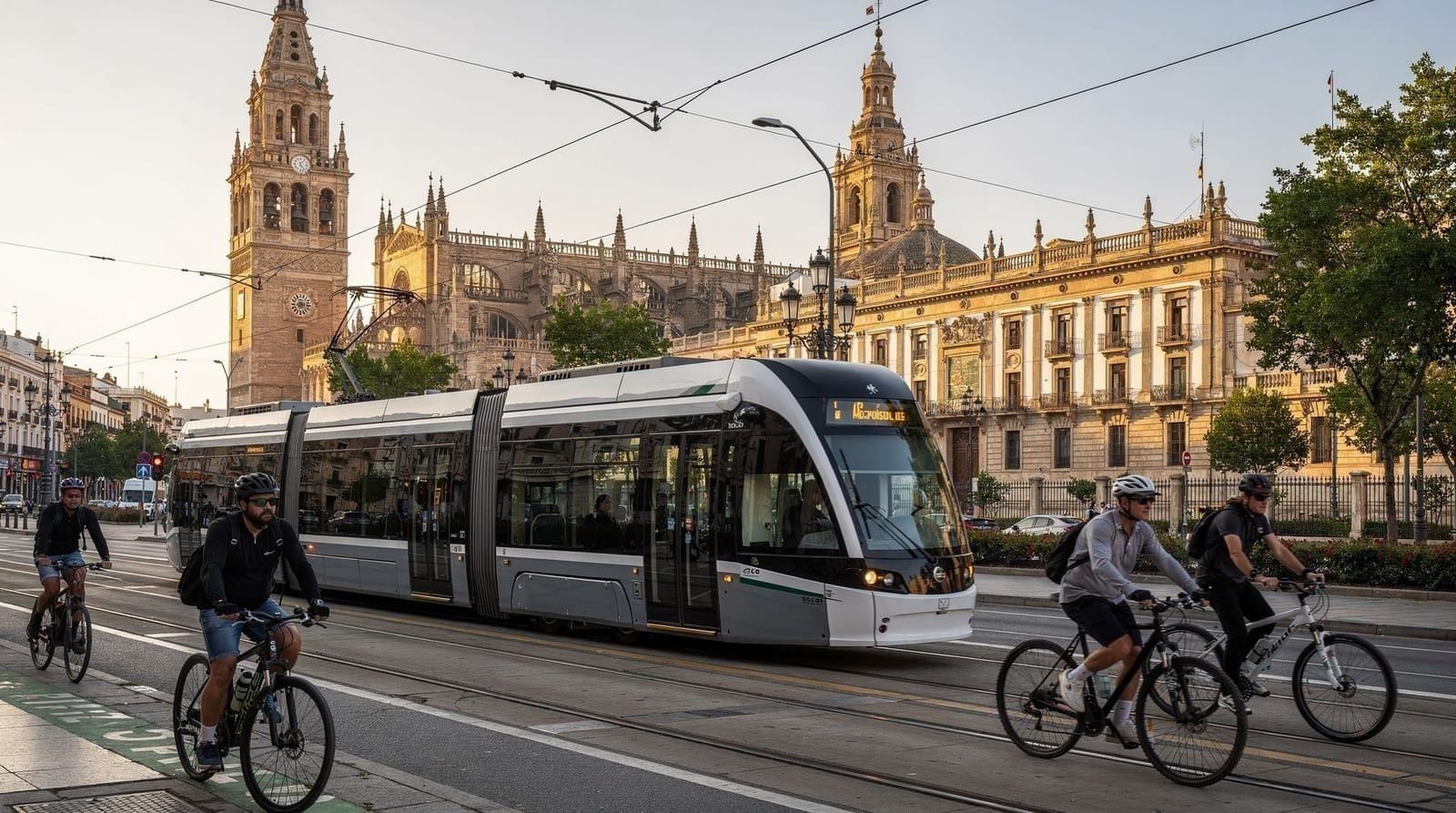
How we spent 48 hours in Seville on a budget
The constraint that forced good decisions
We had 48 hours in Seville and a combined budget for both of us of €200 for everything other than the accommodation we’d already paid for (a €68/night hostel private room near the Alameda de Hércules — not glamorous, fully functional, with its own bathroom and a shared rooftop terrace that served filtered coffee in the morning for €1.50).
That’s €100 per person for two days: entry fees, food, drink, and any transport. We made it work, and we ate better than we expected to.
Here is our exact schedule and what we spent.
| Budget | Around €95–105 per person, excluding accommodation |
| Time needed | 48 hours, structured as two full days |
| Getting around | On foot; everything in this schedule is walkable |
| Biggest expense | Real Alcázar entry, booked online in advance |
| Best time to try this | Spring or autumn, when evenings stay pleasant for walking |
We booked the Alcázar ticket online rather than queuing on the day, which is worth doing regardless of budget — same-day tickets sell out and the queue outside can eat an hour of a tight schedule:
Book Real Alcázar skip-the-line entry ticketsDay one
7:30 am: Breakfast at the Mercado de Triana. Two pan con tomate (bread with rubbed tomato and olive oil) and two coffees. €6 total. This market has been here since 1823 and the bars inside serve the kind of breakfast that powers market traders — dense, cheap, honest. We ate at the counter at La Cantina.
9:30 am: The Real Alcázar. We’d booked timed entry online for €15.50 each. This was the only significant paid entry we’d planned. The Alcázar is not optional if you have any interest in architecture or history — the Mudéjar craftsmanship in the Salón de Embajadores alone is worth the price of entry, and the gardens in May were in full bloom. We spent two hours and could have spent three.
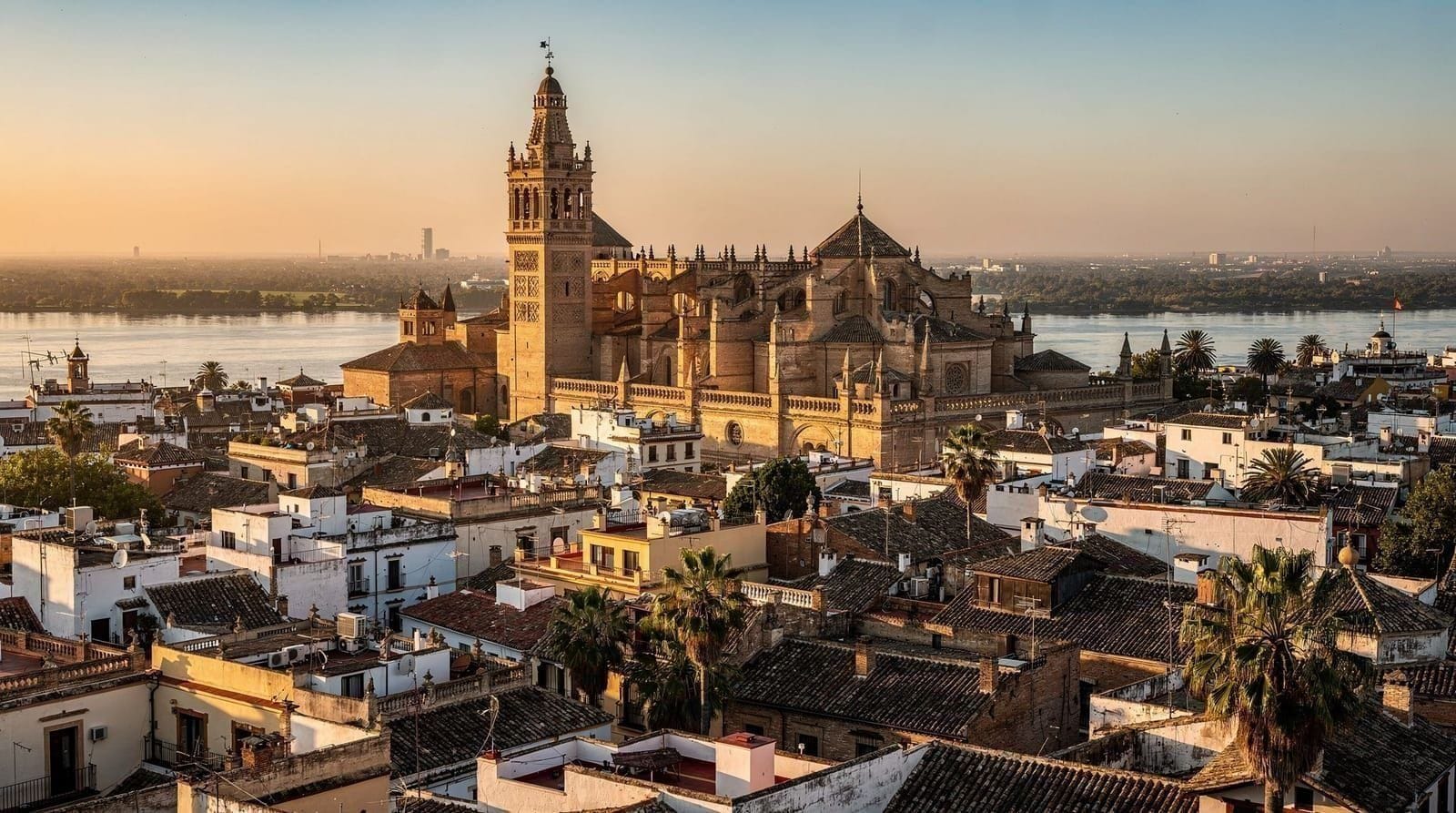
12:00 pm: Walk through Santa Cruz and the Cathedral exterior without entering. The Cathedral entry (€13 each) was not in our budget for this trip. We’ve seen it before; if this was your first time, the calculus would shift. The Giralda is visible from the Plaza Virgen de los Reyes for free and is, architecturally, the defining image of Seville.
1:00 pm: Lunch at Bar Eslava on Calle Eslava, Barrio de San Lorenzo. This is a genuinely celebrated tapas bar — it won national awards for its solomillo al whisky (€7.50) — and remains accessible by arriving at 1 pm for the first lunch seating before it fills. We spent €24 for two: three tapas each plus two glasses of house wine. Outstanding value for the quality.
3:30 pm: Free afternoon in Triana. The Castillo de San Jorge (the Spanish Inquisition site beneath the Triana market) is worth a look: its archaeological exhibition is currently closed, but the lobby houses the Visita Sevilla tourist information desk. We also browsed the ceramics workshops on Calle Alfarería. Bought one small tile as a souvenir: €6.
7:00 pm: Walk along the Guadalquivir riverfront (Calle Betis, Triana side). This costs nothing and is one of the better evening promenades in Spain — the light was soft, the Cathedral was visible across the river, a group of students were playing guitar near the bridge. We sat on the riverbank.
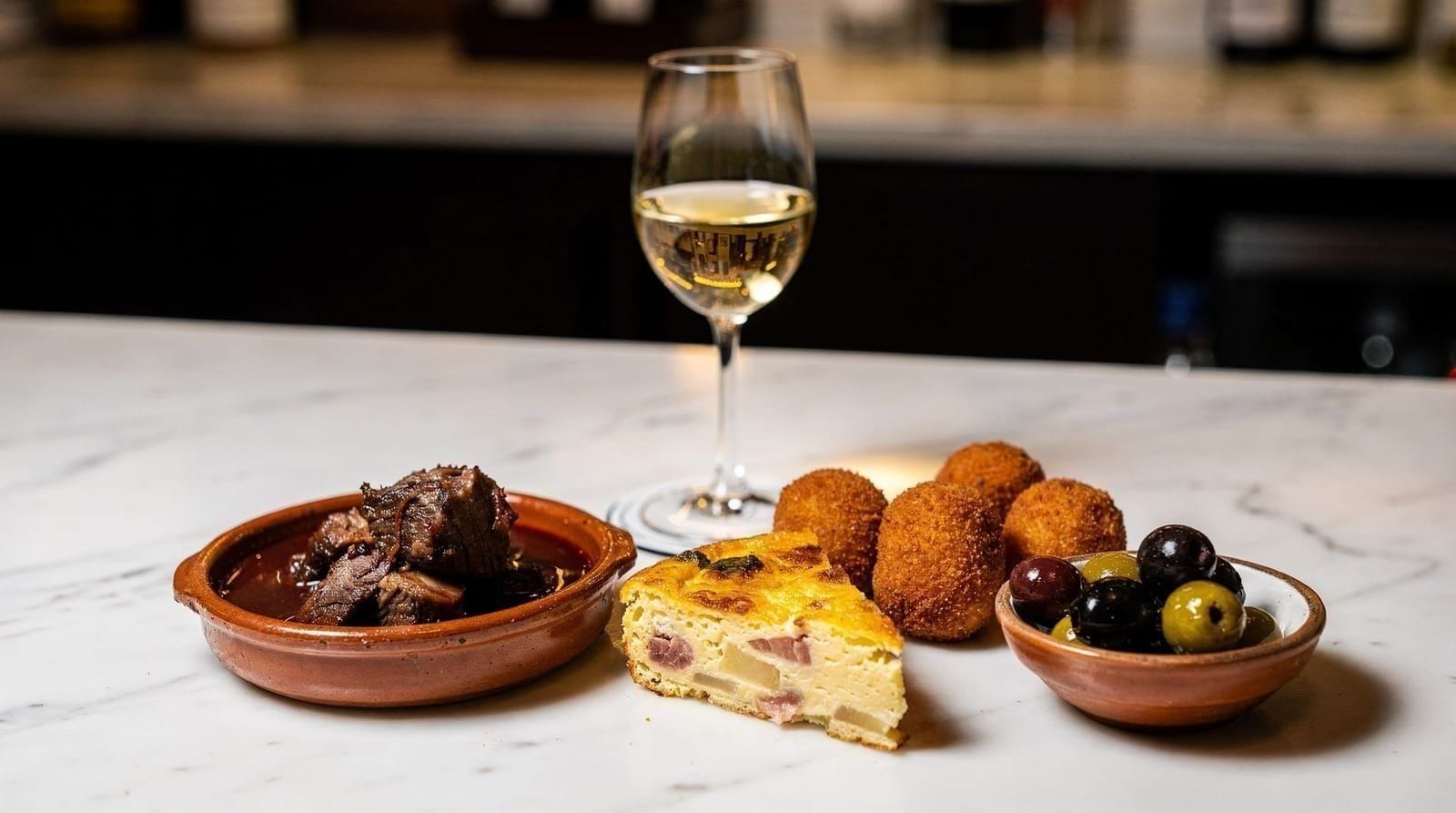
9:00 pm: Tapas dinner at Bar Santa Ana (Calle Pureza, Triana). No reservations, order at the bar. We had: espinacas con garbanzos, gambas al ajillo, croquetas de jamón, and two beers each. Total: €28.
Day one total: €95 for two (€47.50 each, including the Alcázar tickets)
Day two
8:00 am: Free morning in the Parque de María Luisa. The park is one of Seville’s best free assets — formal Baroque design, orange and eucalyptus trees, the striking Mudéjar-influenced pavilions from the 1929 Ibero-American Exposition. We walked for an hour.
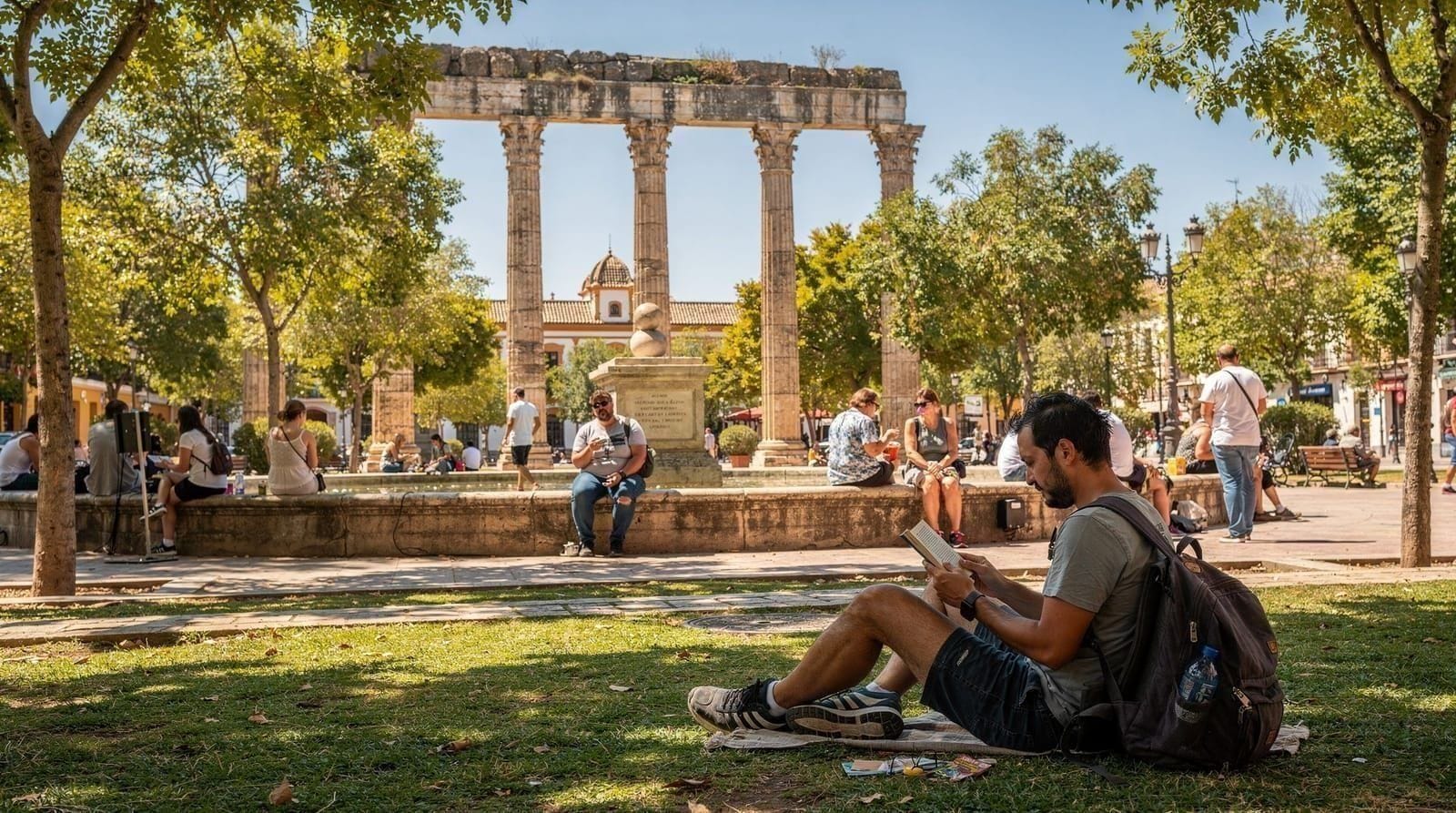
10:00 am: Plaza de España. Also free. The 1929 exposition complex with its painted tile panels, boat hire on the central canal (€6 each for 35 minutes — entirely worth it), and the curved colonnade arcade. The tile panels — one per Spanish province, each depicting local geography and history — are a genuinely absorbing hour of reading if you’re interested in Spanish history.
12:30 pm: The Metropol Parasol (Las Setas). Entry to the rooftop walkway: from €16 each. The panoramic view from up here at noon gave us our best orientation of the whole city. We looked south toward the Cathedral.
2:00 pm: Lunch at Taberna El Bacalao, Calle Placentines, near the Cathedral. Menú del día: €12.50 each, three courses including bread, water, and a glass of wine. The bacalao (salt cod) with tomato was the correct choice.
4:00 pm: Afternoon in El Arenal. The Maestranza bullring exterior on the Paseo de Colón (we didn’t pay for the museum visit), the Torre del Oro from outside (entry to the naval museum inside is on the official site — we chose not to go in this trip), a slow walk along the waterfront.
7:00 pm: Pre-dinner drink at Casa Morales on Calle García de Vinuesa. A glass of manzanilla from clay vessels set in the wall: €1.50 each. One of the oldest bars in Seville, one of the cheapest, one of the best.
9:00 pm: Final dinner at La Flor de Toranzo near the Alameda. This is a neighbourhood bar rather than a tourist-facing restaurant — the Alameda area rewards walking around at this hour looking for places where the clientele is local. We ate well for €26 for two.
Day two total: €110.50 for two (€55.25 each)
The final tally
Two full days: €205.50 combined, just over our €200 budget.
We didn’t feel deprived. We didn’t skip anything we cared about. We ate well at every meal by eating at the counter, arriving early, and choosing bars over restaurant-format dining at the main sights.
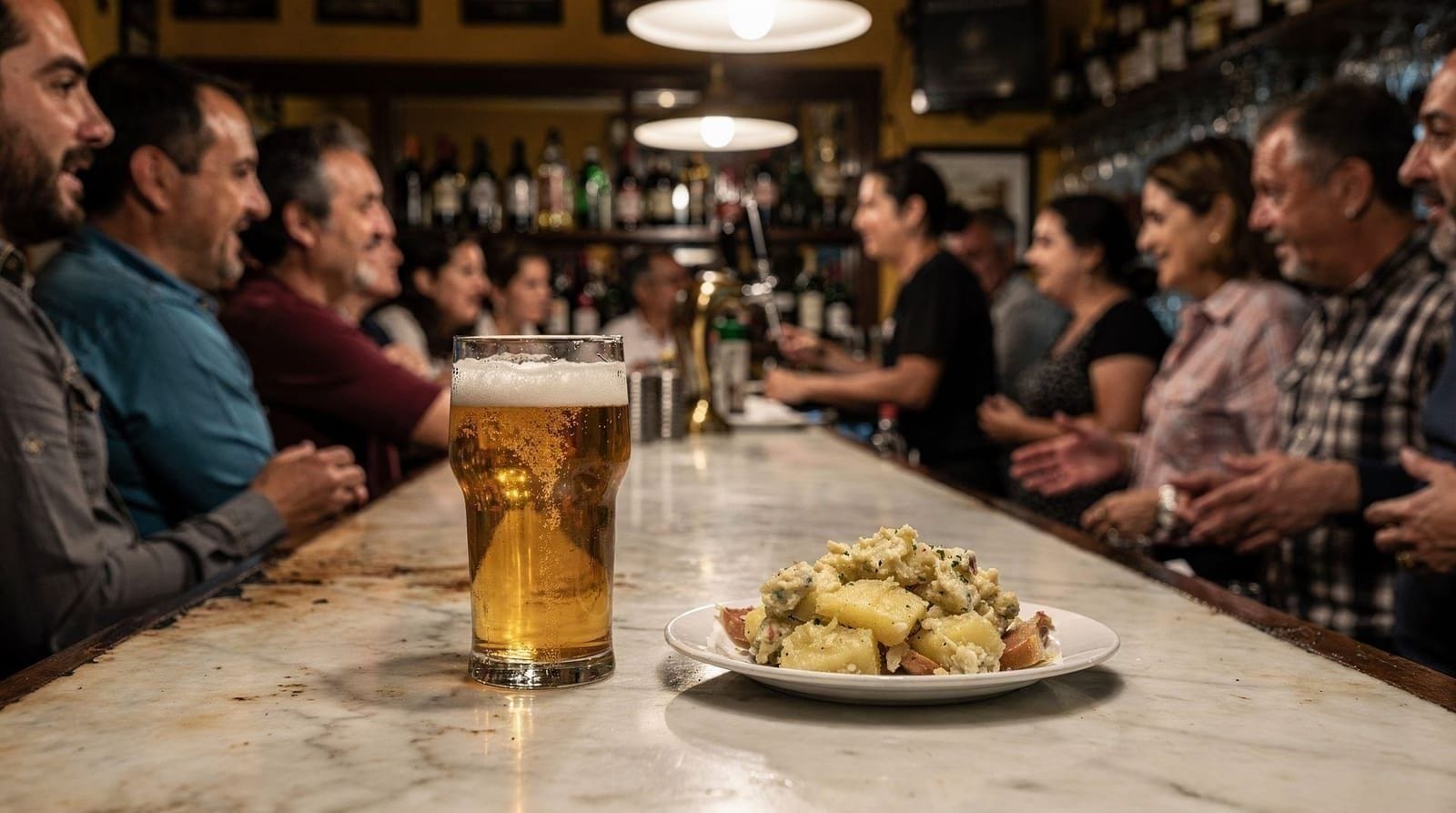
The key insight: Seville’s dual pricing isn’t a myth or an exaggeration. The same glass of Cruzcampo costs €2.20 at the bar counter and €4.50 on a terrace fifty metres from the Cathedral. The same gambas al ajillo in a Santa Cruz tourist-facing restaurant is €11; in a Triana barrio bar, it’s €6.50. Same dish. Same city. You choose.
If you’d rather have someone steer you through the bars instead of choosing blind, a guided tapas walk through the Triana market and its surrounding bars is the one paid food experience that fits the spirit of this budget approach. We didn’t take one on this trip, but it suits a first evening when you don’t yet know which counters are worth standing at. Our best tapas in Seville guide and the Triana neighborhood guide cover the same ground if you prefer to go alone.
Day-by-day cost summary
| Day | Sights (paid) | Food & drink | Extras | Day total (two people) |
|---|---|---|---|---|
| Day one | €31 (Alcázar) | €58 (breakfast, lunch, dinner) | €6 (tile souvenir) | €95 |
| Day two | €44 (Setas + boat hire) | €66.50 (breakfast to dinner) | — | €110.50 |
What we’d change with a bit more budget
Two of the stops above have fuller write-ups if you want to plan them in more detail: the Plaza de España guide and the Parque de María Luisa guide. For the Alcázar itself, the Real Alcázar complete guide explains what to look for inside, and the Seville Cathedral complete guide is the place to start if you decide to add the Cathedral entry we skipped. If the overall pacing worries you, the Seville first-time travel tips help decide what to prioritise.
If we’d had another €20–30 each, the first addition would be Cathedral entry — skipping it was the right call for a repeat visit but not for a first one, since the Giralda climb and the interior (including Columbus’s tomb) are genuinely worth the €13. The second addition would be a proper sit-down dinner one night rather than bar-hopping both evenings, mostly for the change of pace rather than the food itself, which was consistently excellent at bar prices. Neither change would have broken the two-day budget by much.
How this compares to a more relaxed pace
Forty-eight hours is workable but tight — we moved fast and skipped some things (museum interiors at the bullring and Torre del Oro, the full Cathedral) that a longer stay would include. If two days feels rushed once you’re planning your own trip, the how many days in Seville guide and the fuller 3-day Seville itinerary both build in more breathing room without inflating the budget much. And if getting around efficiently matters to you as much as it mattered to us, the getting around Seville guide covers the transport options we didn’t need on foot but might be useful for a longer stay.
Our Seville on a budget guide covers the full breakdown of costs and savings strategies. The 2-day Seville itinerary gives a structured version of what we did, with alternatives. And the Seville on a budget itinerary extends this exact approach across a longer trip.
Frequently asked questions about a 48-hour Seville budget trip
Is €100 per person enough for two days in Seville?
Yes, if you’re comfortable eating at bar counters rather than sit-down restaurants and choosing one paid major sight (we chose the Alcázar) rather than several. Add another €20–30 per person for Cathedral entry or a sit-down dinner.
What’s the single biggest way to save money on food in Seville?
Stand at the bar counter instead of sitting at a table or terrace. The price difference for the same dish is often 50% or more, and it’s not a special “locals only” discount — it’s simply how bars price table service versus counter service across the city.