Overpriced things in Seville: what costs too much and what to do instead
Seville: Ceramic tile workshop in Triana
What is overpriced in Seville?
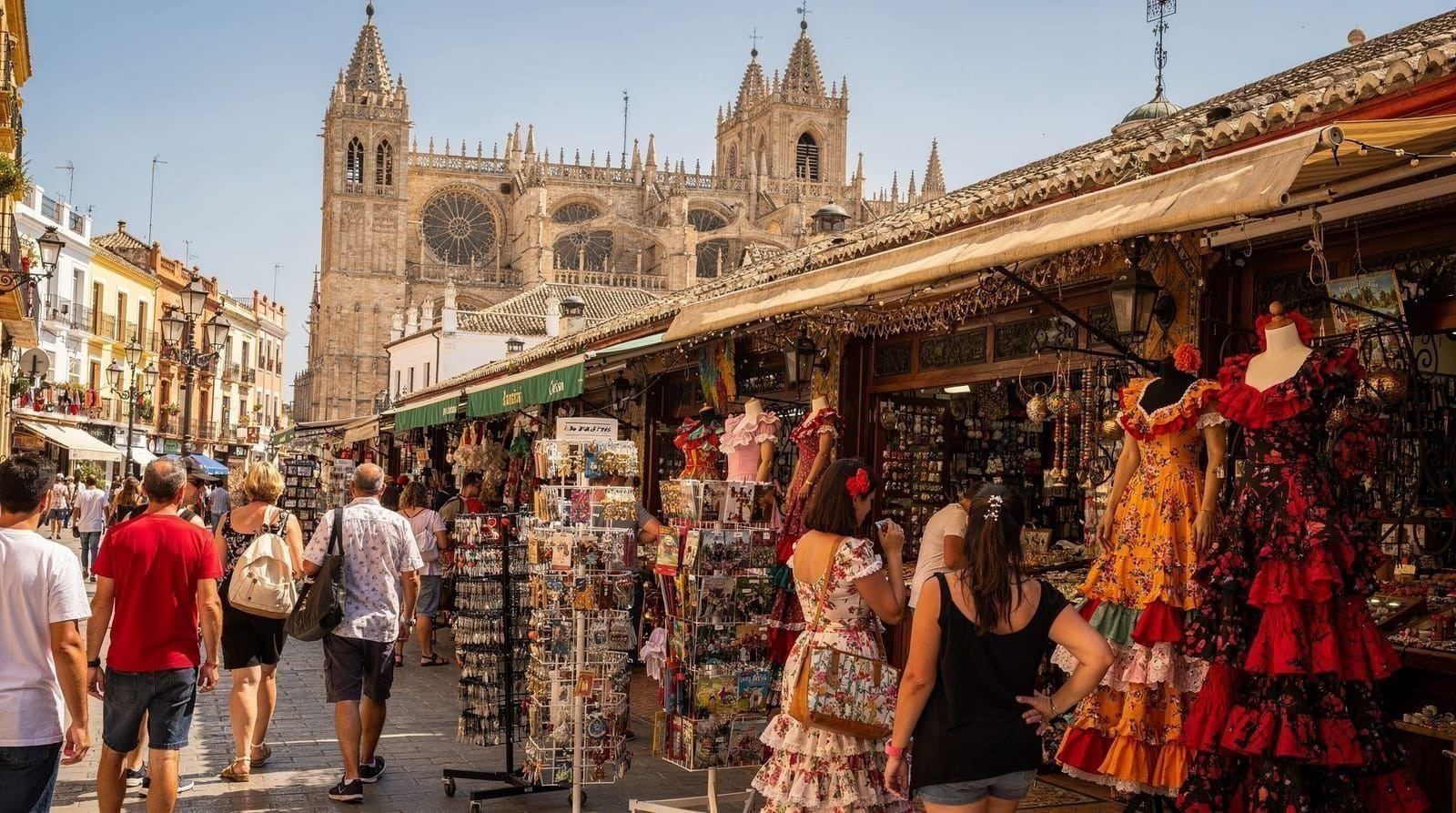
The biggest overpriced categories in Seville: restaurants directly facing monuments (30–60% above local prices), souvenir shops near the Cathedral (2–3x the price of the same items in Triana), hotel breakfasts (€12–18 vs €3 at a local bar), and horse-drawn carriage rides (€40–50 for 45 minutes of slow transport). All have better alternatives.
Seville is cheap if you eat and drink where locals do. It is expensive if you default to tourist-facing businesses. The gap between these two modes is larger in Seville than in most comparably sized Spanish cities, because the tourist economy around the Cathedral and Alcázar has developed unusually high price-to-quality ratios. This is a specific category-by-category guide to what costs too much and what to do instead.
| Worst offenders | Monument-facing restaurants, souvenir shops, hotel breakfasts |
| Typical overcharge | 30–200% above the fair local price |
| Easiest fix | Walk 5–15 minutes off the monument circuit |
| Fair-price zones | Triana, Santa Cruz side streets, Macarena |
| Money saved on a 3-day trip | Around €90–150 if you switch to local spots |
Monument-adjacent restaurants
What you pay: A main course at a tourist restaurant directly facing the Cathedral runs €14–22. A set dinner for two with starters, mains, and wine: €60–90. The food is typically mediocre — mass-produced tapas, frozen-and-reheated dishes, paella from a batch made hours earlier.
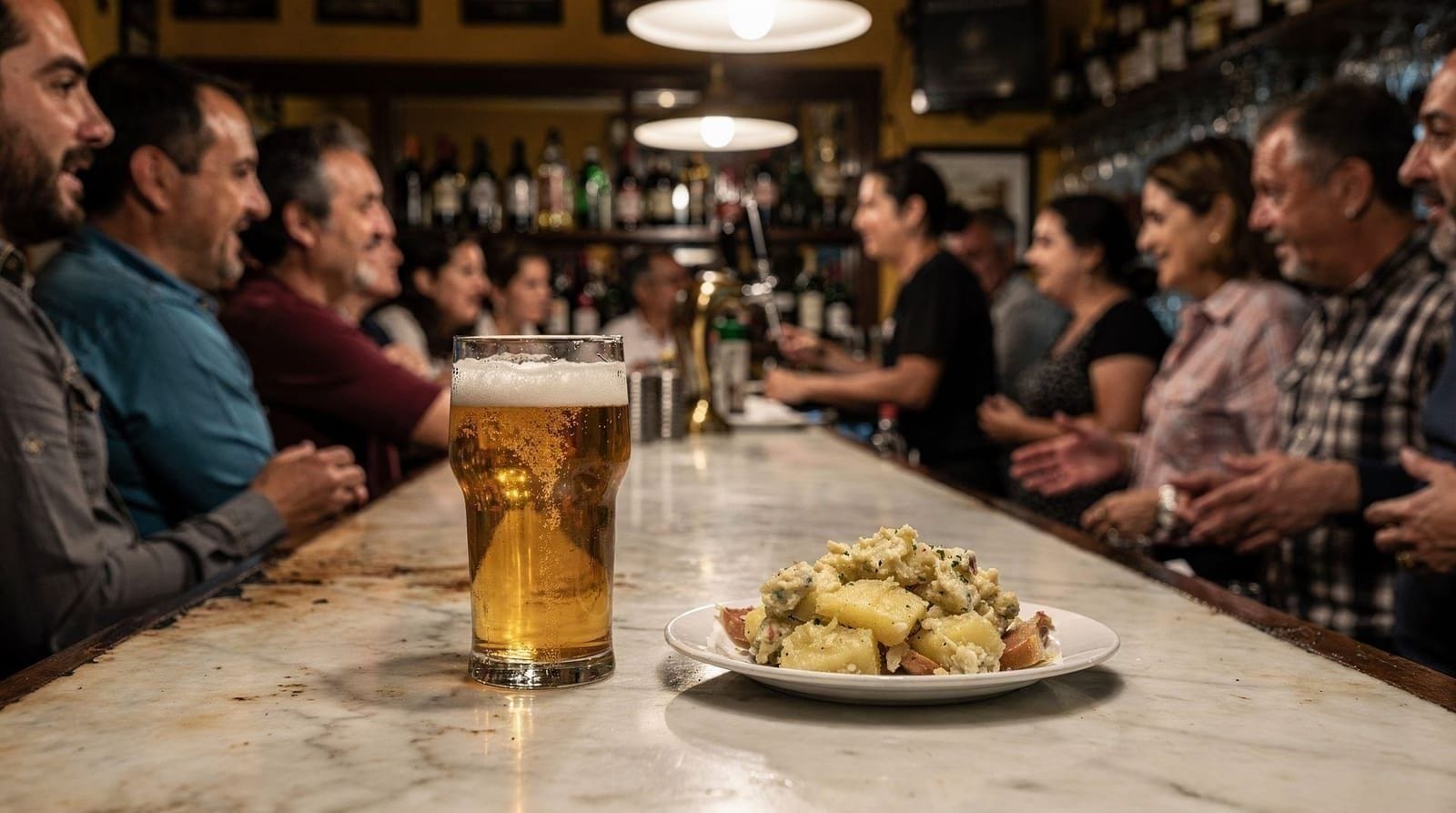
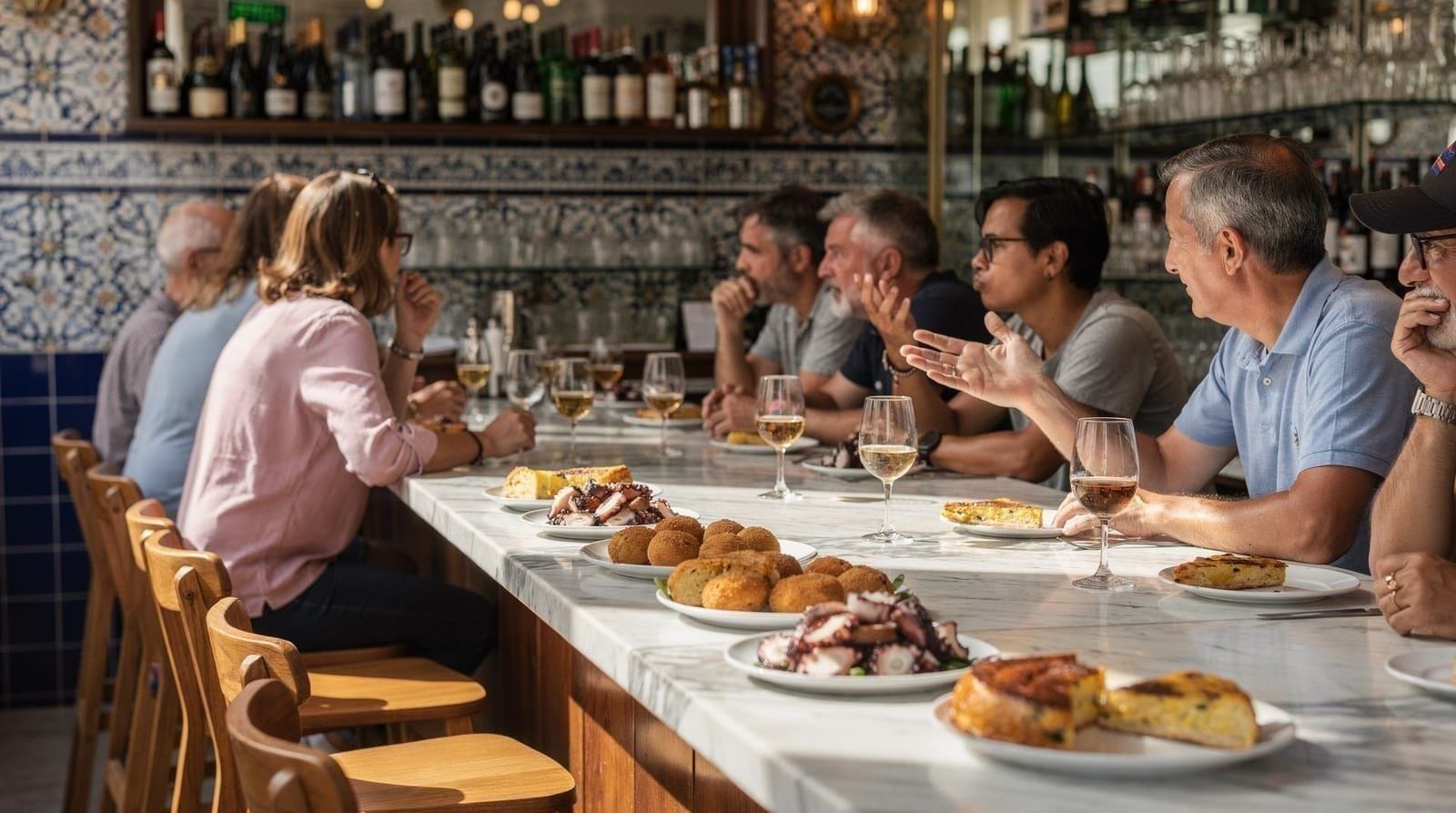
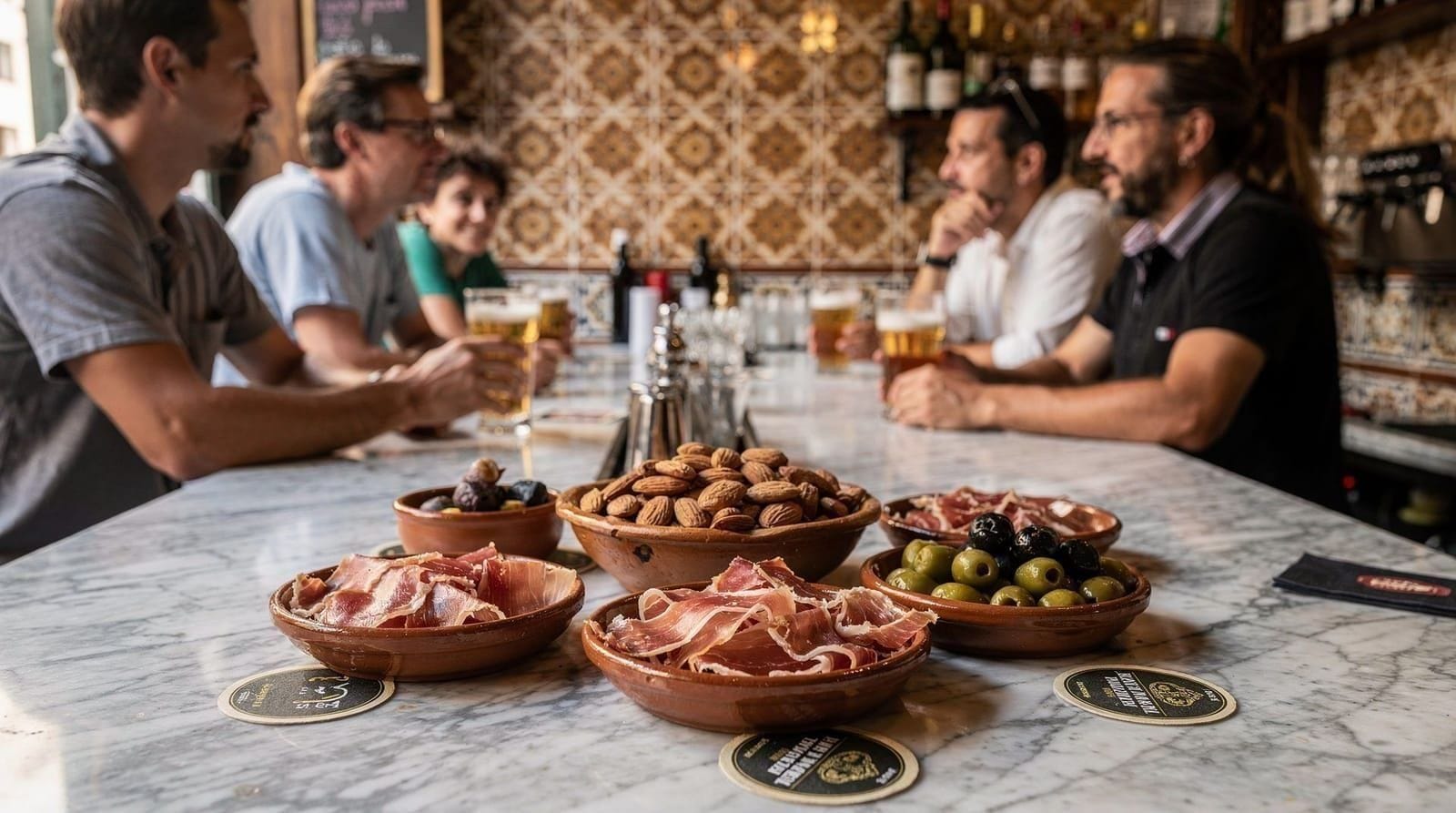
What locals pay: A menú del día (set lunch) at a local bar two streets away: €10–13 per person for two courses, bread, and a drink. An evening tapa at a neighbourhood bar: €2–4 per portion.
The math: On a 3-day trip eating two restaurant meals per day at tourist-facing restaurants, you’d spend approximately €150–200 on food. Eating at local bars with one splurge dinner, the same period costs €60–90. The €90–110 difference buys a very nice flamenco show and Alcázar tickets with money to spare.
Better alternative: The bars along Calle San Jacinto in Triana, the local bars in the Macarena neighbourhood around Alameda de Hércules, and the Bodega Santa Cruz in Santa Cruz are all within 15–20 minutes of the Cathedral on foot and represent genuine quality at genuine prices. For a fuller list of where to eat well, see the best tapas bars in Seville and the Santa Cruz neighbourhood guide.
Hotel breakfasts
What you pay: Hotel breakfasts in Seville’s mid-range and boutique hotels (€80–150/night) are typically priced at €12–18 per person. For this you get a buffet of packaged juices, pre-sliced melon, commercial bread, factory pastries, and scrambled eggs.
What you get at a local bar: A tostada con tomate (thick toast rubbed with fresh tomato, doused in olive oil) plus a café con leche at any local bar near your hotel: €2.50–4 per person. This is what Sevillanos actually eat for breakfast. The olive oil quality at a good local bar is often excellent. The bar is livelier and more interesting than a hotel dining room.
Better alternative: Ask the hotel for a map of nearby local bars and walk five minutes in any direction from the historic centre hotels to find one. The best local breakfasts are in unremarkable small bars where the coffee machine is constantly running.
Souvenir shops near monuments
What you pay: Souvenir shops within 100 metres of the Alcázar or Cathedral entrances charge premium rates for:
- Hand-painted ceramic azulejo tiles: €12–18 each
- Fans (abanicos): €8–15 for mass-produced versions
- Castanets: €8–12 for tourist-grade instruments
- Flamenco magnets and keyrings: €5–8
What the same items cost elsewhere: In Triana’s ceramics workshops on Calle Alfarería and surrounding streets:
- Genuine hand-painted azulejo from a workshop: €5–8 (and you can watch the artist paint)
- Fans at street markets: €3–7
- Castanets from a genuine music shop: €8–15 for an instrument you can actually play
Triana has been Seville’s ceramics production centre for centuries. The workshops there sell directly and the quality is higher because they’re making the real product, not importing mass-produced versions to sell near monuments.
Better alternative: Cross the Puente de Triana and walk up Calle Alfarería and Calle Antillano Campos. The ceramics district is signed. You’ll pay fair prices for genuine craft production. The Triana neighbourhood guide and Triana market food guide cover the wider area, and painting your own tile at a workshop is a memorable alternative to buying one ready-made.
Triana ceramic tile-painting workshopCurrency exchange bureaus
What you pay: Street-front currency exchange (cambio) shops near the Cathedral and Plaza Nueva advertise attractive headline rates but build in a wide spread and hidden commission — the effective loss can run 8–12% against the mid-market rate.
What’s cheaper: A fee-free debit or travel card withdrawing euros from a bank ATM (not a standalone tourist ATM, which often adds its own markup) typically costs a fraction of that. At card terminals, always choose to pay in euros rather than your home currency — the “convenient” home-currency option (dynamic currency conversion) is a hidden markup, not a favour.
Better alternative: Skip the cambio shops entirely. Withdraw from a bank-branded ATM or pay by card, in euros, throughout the trip.
Horse-drawn carriage rides
What you pay: Official horse-drawn carriage rides (coches de caballos) in the historic centre charge approximately €40–50 per carriage (not per person) for a 45-minute circuit. A carriage typically seats 4 adults.
What you get: A slow circuit of the main streets at walking pace, behind a horse, with a driver who may or may not provide commentary in your language.
Value assessment: This is a moderate premium for a pleasant tourist novelty, not an outright trap. The experience is romantic and the views of the city are excellent from the elevated carriage seat. But at €10–12.50 per person for 45 minutes of slow sightseeing, it is expensive relative to walking the same streets for free.
Better alternative for the same price: A 2-hour guided bike tour of the city provides more ground covered, more historical context, and more physical engagement for a similar per-person price. See Seville by bike.
Flamenco dinner-show packages
What you pay: Combined flamenco dinner-show packages at tourist-facing venues: €55–80 per person. This packages an average-quality restaurant dinner (set menu, often no choice, wine at tourist-bar price) with a factory-format flamenco show in a large venue.
What’s wrong with it: The food is not as good as a restaurant meal you’d choose independently for €20–25. The flamenco is not as good as a genuine tablao performance you’d choose independently for €28–38. Together they produce a compromise that delivers less of both at a combined price that exceeds both.
Better alternative: Eat tapas at the barra of a local bar before the show (€12–18 per person). Book a genuine tablao separately — Casa de la Memoria or Tablao Los Gallos — for €28–38. You spend less and get more of both. See the best flamenco shows in Seville and flamenco tourist traps to avoid for how to tell a genuine tablao from a factory show.
Tablao Los Gallos flamenco show, Santa CruzRooftop bar markups
What you pay: Rooftop bars with Cathedral or Giralda views charge €8–14 for a basic cocktail or glass of wine — roughly double what the same drink costs at street level a block away.
Is it fair?: Largely yes. Unlike the categories above, you are paying mostly for a genuine, non-replicable view rather than for mediocre quality. Treat it as a one-drink sunset stop, not a full evening out, and the premium is reasonable. The rooftop bars and views guide ranks which ones deliver the best value for the markup.
The Seville City Pass
What you pay: €48–65 for a 48-hour city pass covering the Alcázar, Cathedral, Metropol Parasol, hop-on hop-off bus, and several museums.
The honest value calculation: To break even on a €48 City Pass, you need to visit attractions worth more than €48 in the 48-hour window. Individual prices:
- Alcázar: €15.50
- Cathedral: €13
- Metropol Parasol: from €16
- Hop-on hop-off: €22 (but rarely worth buying separately)
- Total for three main sights without the bus: €44.50
The City Pass makes financial sense only if you specifically want the hop-on hop-off bus and at least two or three other included attractions in a tight 48-hour window. For most visitors, individual tickets are cheaper — see the Real Alcázar complete guide and Metropol Parasol (Setas) guide for booking each one directly.
How to spot an overpriced place before you sit down
Most overcharging in Seville follows the same pattern, and you can read it from the pavement. A menu translated into six languages with photographs of every dish, a host standing outside inviting passers-by in, and a terrace placed so that the monument fills the view are all signs that the business is selling a location rather than a meal. Compare that with a bar where the counter is crowded with locals at midday, the menu is a handwritten board, and the waiter answers in rapid Spanish. The second kind of place is almost always the better deal, and it is rarely more than a short walk away.
Two habits help. First, check whether the menu distinguishes between the barra (counter) and the terrace: a difference in price for the same dish is normal, but a large one tells you how the place sees its customers. The barra vs terrace pricing guide explains how the surcharge works. Second, ask for the price before you order anything that is sold by weight or as a daily special; this is the simplest way to avoid an unpleasant surprise when the bill arrives. For the wider picture of how to choose a table, the guide to avoiding tourist-trap restaurants goes through the warning signs one by one, and where to eat in Seville gives you positive places to aim for instead.
Overpriced tours and extras
Tours deserve the same scepticism as restaurants. A guided visit can be excellent value when it gives you access or context you could not get alone, and poor value when it simply repackages something you can do for yourself. A walk through the old town with a guide who tells good stories can change how you see the Cathedral and Santa Cruz; a bus loop that passes the same streets you could walk in an afternoon rarely does. If you are weighing a guided option, the best walking tours in Seville and the comparison of hop-on hop-off buses help you decide which type fits your trip, and the Segway and tuk-tuk tours guide covers the novelty options honestly.
The same logic applies to the extras sold around the big monuments. Queue-jumping offers on the pavement, unofficial guides who approach you in the line, and “special” tickets sold by people who are not at the official desk are all worth ignoring. Understanding the ticket types in advance is far cheaper than paying a premium on the day, and the skip-the-line decoded guide and the Alcázar tickets guide show what each option really gives you. If you plan to see both big sights, the combined Alcázar and Cathedral tickets page explains when a joint ticket makes sense.
Turning the savings into a better trip
The point of avoiding overpriced things is not to spend less for its own sake; it is to move money towards the experiences that justify it. A traveller who skips the monument-facing lunch, the hotel buffet and the souvenir stand has freed up room for a proper tablao, a day trip, or a long dinner at a place that cares about its food. If you are building a plan around that idea, the Seville on a budget itinerary and the three days for foodies itinerary show how it can work day by day, while the common mistakes guide and the first-time travel tips cover the other errors that quietly cost visitors money.
Readers who prefer a personal account can compare notes with our own numbers from a budget trip and the story behind the truth about Seville tourist traps. If you are still deciding where to base yourself, remember that the neighbourhood you choose affects prices at your doorstep as much as anything else; the where to stay in Seville guide and the overview of Seville’s best neighbourhoods can help you pick a base with fair local bars nearby.
Tourist price vs local price, side by side
| Item | Tourist price | Fair local price | Where to find fair price |
|---|---|---|---|
| Set lunch (menú del día) | €18–25 (monument restaurant) | €10–13 | Bars 2+ streets from monuments |
| Ceramic tile | €12–18 | €5–8 | Triana workshops |
| Hotel breakfast | €12–18 | €2.50–4 | Any local bar |
| Horse carriage (per person) | €10–12.50 / 45 min | — | Bike tour, similar price, more ground covered |
| Flamenco dinner-show combo | €55–80 | €40–56 (tablao + tapas separately) | Genuine tablao + local barra |
| Currency exchange | 8–12% loss vs mid-market | Near 0% | Bank ATM, pay in euros |
Better alternative: Book Alcázar and Cathedral directly online. Skip the hop-on hop-off unless you specifically want it. See the honest assessment at Seville city pass.
The expensive end of the scale: what IS worth the price
Not everything expensive in Seville is bad value. Things that justify their price:
Genuine ibérico ham from a specialist: €6–12 for a proper tapa of jamón ibérico bellota at a good bar is justified — this is world-class cured meat with no equivalent in most Northern European or American food cultures.
A proper tablao flamenco show at €28–38: Not overpriced relative to the cost of professional performers in an intimate venue.
A Triana ceramics workshop piece: Buying directly from a ceramics artist in Triana at €20–40 for a hand-painted piece is fair pricing for genuine craft production. Not cheap, but honest.
For the full overpriced landscape in context, see Seville tourist traps to avoid and the budget breakdown at Seville on a budget.
Frequently asked questions about Overpriced things in Seville
Are there good alternatives to overpriced tourist souvenirs?
Yes — Triana's ceramics district (Calle Alfarería and surrounding streets) sells genuine hand-painted azulejo tiles and ceramics from actual workshops at fair prices. The same tile that costs €14 at a Cathedral-adjacent souvenir shop costs €5–7 in Triana.Is the Metropol Parasol ticket overpriced?
No — with tickets from €16 for the 360° viewpoint, the 'Feeling Sevilla' film and the Aurora light show, the Metropol Parasol is a fair-value paid attraction in the city. It is an exception to the general rule that paid tourist attractions in Seville are overpriced.Are Seville's taxis overpriced?
The regulated fixed fare from SVQ airport to the city (€26) is fair by European standards. City journeys use the meter and are reasonable. Taxis are not a tourist trap in Seville — the pricing is honest and regulated.What is the most overpriced food experience in Seville?
The dinner-and-flamenco show combo packages (€55–80 per person) that combine mediocre restaurant food with a factory-format flamenco show. The flamenco alone at a genuine tablao costs €28–38 and is better; the food alone at a local restaurant costs €20–25 and is better. Together they produce a package that delivers less of both.Is Seville generally expensive?
No — Seville is one of Spain's most affordable major cities. The expensive options are specifically the tourist-facing economy around major monuments. One street away from the tourist circuit, Seville is genuinely cheap: €10–13 set lunch, €2–4 tapas, €1.40–2 beer.Is currency exchange overpriced in Seville?
Street-front currency exchange bureaus (cambio) near the Cathedral and Plaza Nueva post attractive headline rates but bury poor value in commission and spread — you can lose 8–12% versus a card withdrawal. Using a fee-free debit or travel card at a bank ATM is almost always cheaper. Avoid dynamic currency conversion (being asked to pay in your home currency) at card terminals — always choose to pay in euros.Are rooftop bar drinks in Seville overpriced?
Rooftop bars around the Cathedral and Setas charge €8–14 for a basic cocktail or glass of wine, roughly double a normal bar price — but you are largely paying for the view, which is genuine. It is a fair premium if you treat it as a one-drink sunset stop rather than a full evening; a full night of rooftop drinking adds up fast.