Barra vs terrace pricing in Seville: how Spain's two-tier system works
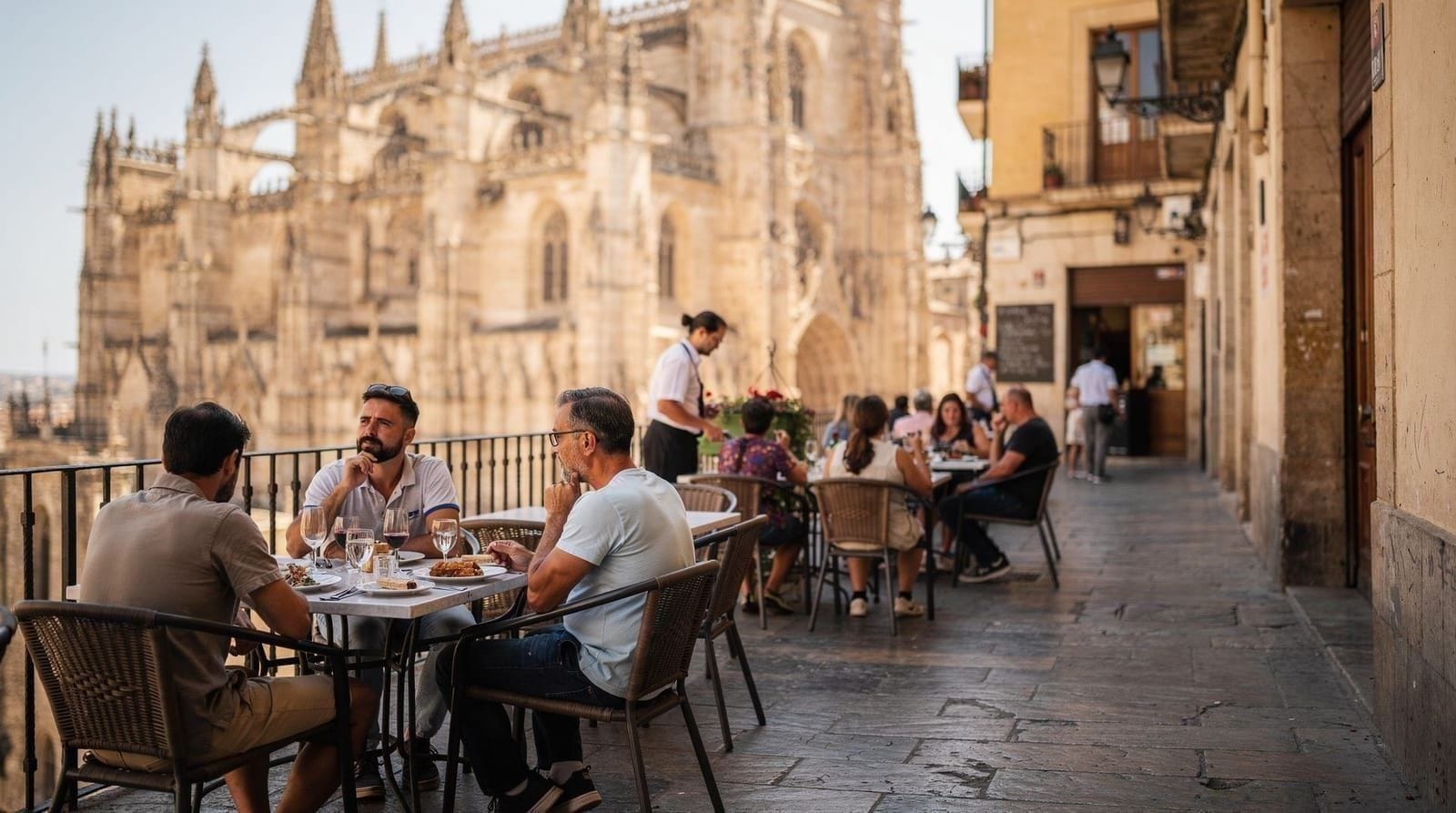
Seville: Rooftop terrace with panoramic views
Why is the same thing cheaper at the bar than on the terrace in Seville?
Spain has a legal two-tier pricing structure: barra (bar counter) prices and terraza (outdoor terrace) prices are different and both must be posted. The terraza premium is typically 20–30%. In tourist areas near major monuments, the base barra price is already elevated — the terraza adds another layer on top.
Spain’s two-tier bar pricing system is one of the things that catches tourists completely by surprise. It’s not a scam. It’s not an add-on fee applied after the fact. It is a legitimate, legal, publicly-declared pricing structure that has existed in Spanish bar culture for generations. Understanding it takes about 90 seconds and saves you meaningful money over a several-day visit.
| What it is | Legal three-tier pricing: barra, sala (table), terraza (outdoor) |
| Typical premium | Around 15-30% more for terraza vs barra |
| Where it’s smallest | Triana, Macarena, Alameda de Hércules interior streets |
| Where it’s largest | Cathedral-facing streets, Plaza de los Venerables |
| How to check | Look for the tarifa (tariff card) near the entrance or bar |
What barra and terraza mean
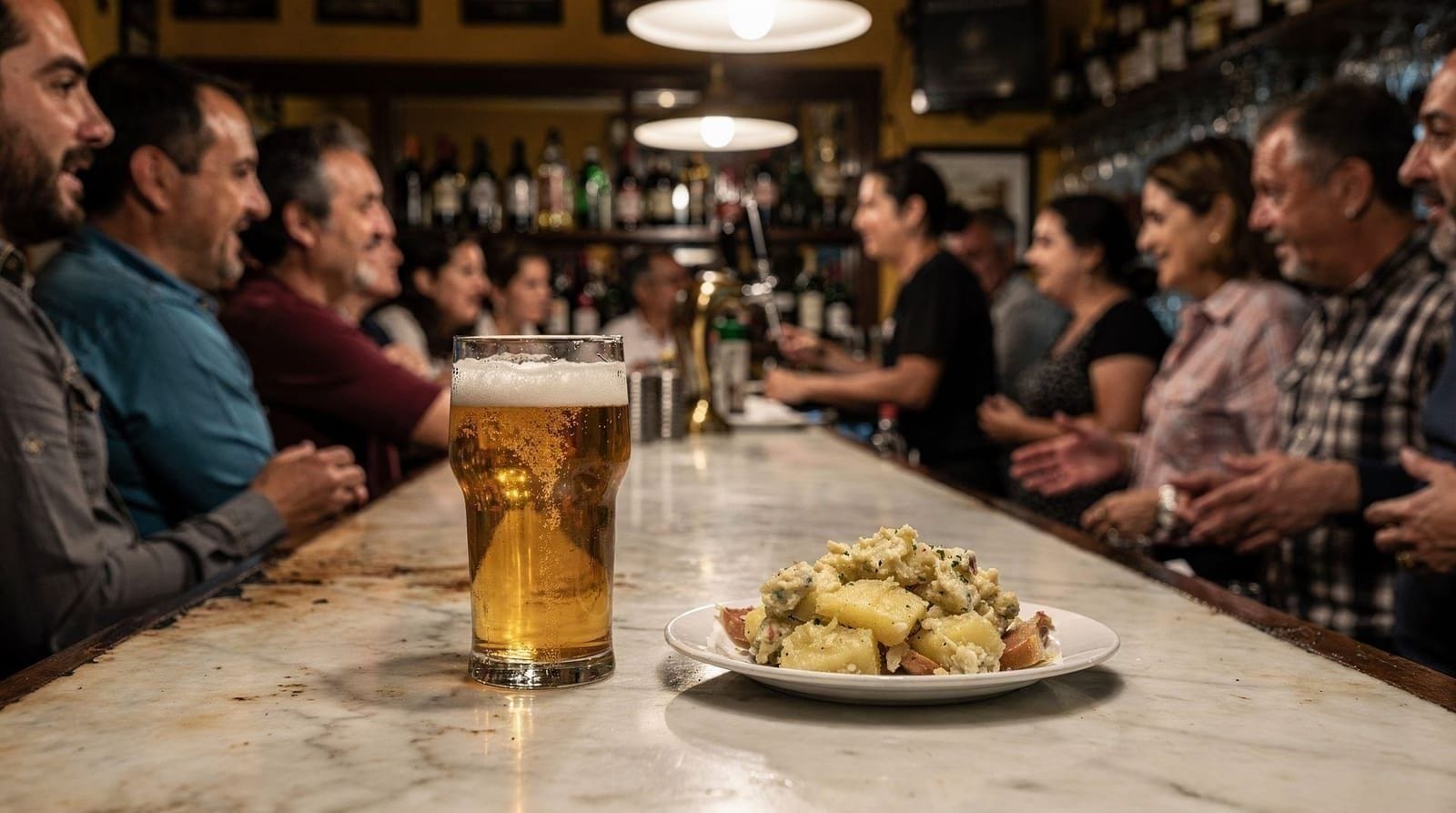
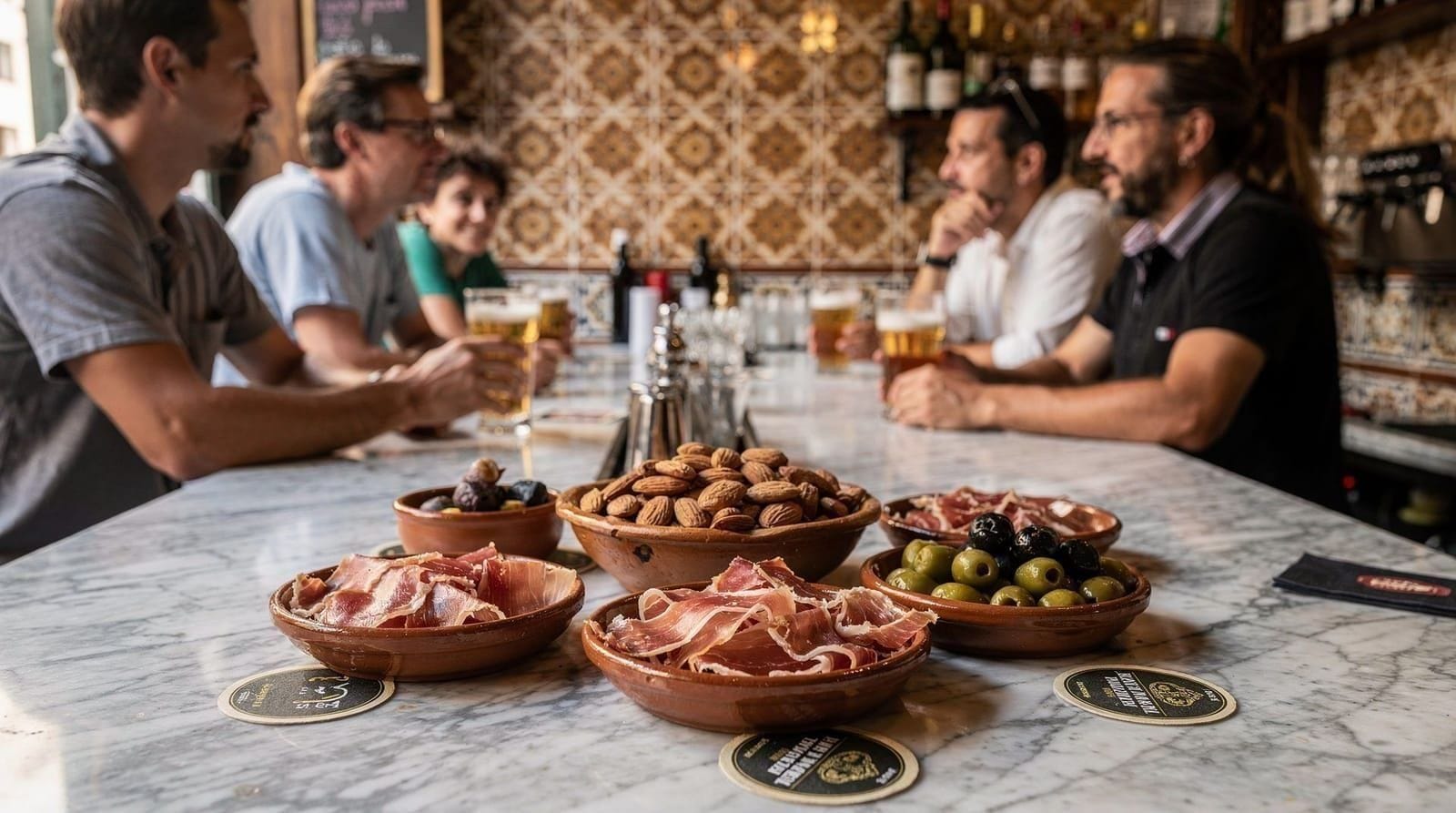
Barra: The bar counter. In a traditional Spanish bar, the barra is a long counter that customers stand at (sometimes sit at on bar stools). The barra is the operational heart of the bar — the fastest service, the most direct interaction with the bartender, and the lowest prices.
Terraza: The outdoor terrace. In Spain, almost any bar or café with outdoor seating on the pavement, a courtyard, or a plaza is a “terraza.” The outdoor seating is almost always served by waitstaff (rather than counter service) and is priced higher.
The difference is not a tourist addition. It’s a functional distinction that predates modern tourism: outdoor seating requires more staff, more management of public space, and traditionally costs more in commercial rent. The price difference reflects these costs.
The legal framework
Spanish law requires establishments to post their prices clearly. If a bar has different prices for different zones, these must be indicated on the tarifa (tariff card). This is usually a small laminated card visible near the entrance or displayed on the bar, sometimes on the menu itself.
The typical format is three price columns:
- Barra (counter)
- Sala or Mesa (interior table)
- Terraza (outdoor)
In some bars, barra and sala prices are the same; in others, all three are different. The terraza is almost always the most expensive.
This is a matter of public record in every establishment. The fact that tourists rarely read the tariff card is not the bar’s problem.
What the actual price difference looks like
In a neighbourhood bar away from the tourist circuit (Triana, Macarena, Alameda):
| Item | Barra | Terraza |
|---|---|---|
| Café con leche | €1.40 | €1.80 |
| Cerveza (beer) | €2.00 | €2.50 |
| Tapa (typical) | €2.50 | €3.00 |
| Menú del día | €12 | €13–14 |
In a tourist-facing bar near the Cathedral:
| Item | Barra | Terraza |
|---|---|---|
| Café con leche | €2.00 | €2.80 |
| Cerveza | €3.00 | €4.00 |
| Tapa | €4–5 | €6–7 |
The tourist-area bar has both a higher base price and a higher terraza premium. A tourist who sits at an outdoor table near the Cathedral pays the elevated base price plus the terraza premium — the maximum possible rate in the system.
The compounding effect over a trip
Three days in Seville, eating breakfast, lunch tapas, and an evening drink daily at the terraza of a tourist-area bar, versus eating the same things at the barra of a neighbourhood bar:
Tourist-area terraza scenario (conservative):
- Breakfast daily (coffee + pastry, terraza): €5/day
- Midday tapas (2 tapas + drink, terraza): €20/day
- Evening drink (2 beers, terraza): €12/day
- Total: €37/day × 3 days = €111
Local barra scenario:
- Breakfast (tostada + coffee, barra): €3/day
- Menú del día lunch (barra): €12/day
- Evening drink (2 beers, barra): €6/day
- Total: €21/day × 3 days = €63
The difference: €48 for three days of equivalent meals and drinks, just by changing where you sit and where the bar is. That’s Alcázar and Cathedral tickets combined. Or two tablao flamenco shows. Or the difference between a budget hostel and a mid-range hotel for one night.
Where the price difference is smallest
Neighbourhood bars in Triana: Triana has tourist-facing establishments along Calle Betis (the river-facing street), but the bars on the interior streets (Calle San Jacinto, the Alfarería area, the streets off the Triana market) tend to have small or no terraza premiums and lower base prices overall.
Macarena and Alameda de Hércules: These are genuinely local areas with bars that price for local customers. The terraza premium exists but the base prices are lower.
Santa Cruz side streets: Calle Rodrigo Caro, Calle Mateos Gago (further from the Cathedral), and the bars around the Plaza de los Venerables have better price ratios than the Cathedral-facing establishments.
How to pay the lower price in practice
Simple approach: When you enter a bar, go to the barra. Stand (or sit on a barstool if available). Order from the bartender directly.
If you want to sit: Check the tarifa before sitting. Ask “¿hay terraza, o un precio?” (is there a terrace price, or one price?) — most bartenders will point you to the tariff card or tell you directly.
If you’re at a table that turns out to be terraza-priced: You can’t change this retroactively. But you can tip less (tipping is not expected in Spain) and choose differently next time.
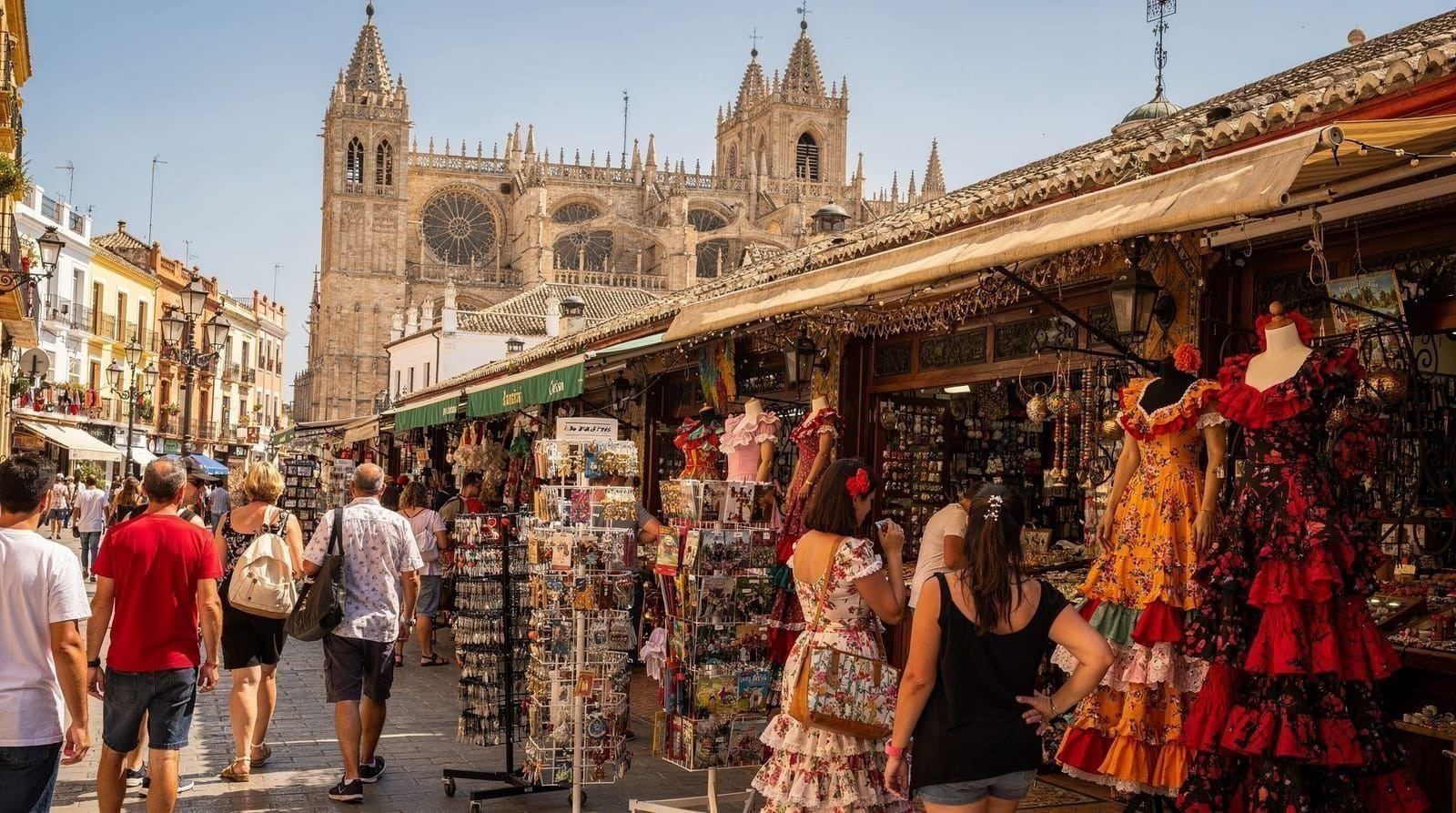
At touristy establishments with obvious terraza seating: The outdoor tables facing the Cathedral are almost certainly terraza-priced. If you sit there, you’re choosing the terrace experience — the view, the atmosphere — and you’re paying for it. Make that choice consciously.
Broader context: how barra culture works in Spain
The barra is not just about price — it is a different social experience from table service. At the barra, you order directly, food comes quickly, conversation with the bartender is natural, and you eat standing up with your drink in hand alongside other regulars. This is the rhythm of Spanish bar culture.
Many of the best tapas bars in Seville have no table service at all — they’re barra-only. Bar Eslava (Alameda), Bodega Santa Cruz (Santa Cruz), and Bar Bistec (Triana) are examples of this model. If you’re only ever sitting at terraza tables, you’re missing the actual bar culture.
Reading the tarifa like a local
The tariff card looks intimidating the first time, but it follows a predictable pattern. Items are listed by category (coffees, soft drinks, beer, wine, tapas, raciones, bocadillos), and each line carries one price per zone. If you see only a single column, the bar charges one price everywhere and you can sit wherever you like. If you see two or three columns, find the column that matches where you are standing or where you want to sit and read across.
A few habits make this quick. Scan for the drink you are most likely to order and compare the barra and terraza columns for that line only. If the gap looks small, sit down and enjoy it. If the gap looks large, you now have the information to decide whether the view justifies it. You do not need to read the entire card, and nobody will think it odd that you looked.
Tapas deserve a second glance. Some bars price tapas per piece, others sell a half portion (media ración) or a full ración, and the zone premium can apply to each format differently. When in doubt, ask the bartender what a tapa costs at the barra versus at a table. It is a normal question, and a straight answer is the usual response.
Why the same bar can feel cheap or expensive
The price you pay is the product of three things: the neighbourhood, the zone inside the bar, and the time of day. Neighbourhood sets the base price. Zone adds the premium. Time of day changes what is available: breakfast and the midday menú del día are where locals get the best value, while the late-evening terrace is where the premium bites hardest because that is when tourists linger longest.
This is also why two bars on the same street can have very different bills. A bar that has invested in a large terrace on a wide pavement carries more rent and more staff, and its tariff shows it. A tiny bar with a few stools at the counter has none of those costs and often prices accordingly. Walking one block away from a monument frequently changes the arithmetic more than any trick at the table.
A day of eating with the barra in mind
Here is how the principle works across an ordinary sightseeing day, without any new numbers to remember.
Morning: Skip the café with the best view of the monument and walk into a counter bar a few streets away. A coffee and a tostada at the barra, shoulder to shoulder with people on their way to work, is both the cheapest and the most authentic breakfast you will have. Our breakfast in Seville guide covers what to order.
Midday: This is the moment for the menú del día, a fixed-price lunch that locals rely on. It is usually served in the interior of a restaurant or bar, so the terraza question rarely comes up. Pair it with a walk through Triana or the streets around the market.
Afternoon: If you need a break from the heat, the interior (sala) is often cooler and costs less than the terrace. In summer this is not a sacrifice, it is the sensible choice, as the Seville summer heat guide explains.
Evening: Tapas hopping is where the barra shines. Move between two or three counters, order one drink and one tapa at each, and you will eat well while paying local prices at every stop. If you would rather have someone steer you, our Seville tapas tours compared guide shows what the guided options offer.
When the terraza is worth it
Nothing here is an argument against sitting outside. A terrace table in the right place on the right evening is one of the real pleasures of the city, and the premium is the price of the table, the service and the setting. Orange-blossom spring evenings and mild autumn nights are the obvious candidates, and our guides to Seville in spring describe why the outdoors is so appealing then.
The smart approach is to spend the premium deliberately. Pick one or two moments in the trip, such as a sunset drink with a view, and pay for them knowingly. If you want that view without gambling on a random pavement table, an elevated option like a rooftop terrace with panoramic views of the city gives you the setting with the price clear from the start. For more ideas on where to watch the sun go down, see rooftop bars and views in Seville.
Common situations and how to handle them
You sat down before reading the card. Nothing has been ordered, so you can simply stand up politely and move to the barra. Bartenders see this constantly and will not mind.
The waiter brings something you did not order. Bread, olives or small plates placed on the table are sometimes charged. If you do not want them, say so when they arrive. This is a separate point from the zone pricing, but it often shows up on the same bill, and the rosemary scam guide covers a related pattern of things pressed on visitors near the Cathedral.
You are with a group and some people want to sit. Split the difference: stand at the barra for the first round and move to a table later if the group is tired. Or choose a bar where sala and barra prices match and everyone is comfortable.
You are travelling with children. Families often want a table for practical reasons. That is a perfectly good reason to pay the premium, and our Seville with kids guide has more on eating out as a family.
You do not speak Spanish. You do not need to. Point at the card, say the drink you want, and add “en la barra” if you are at the counter. A smile does the rest.
Letting someone else do the work
If the whole system feels like too much to manage on a short trip, one option is to hand the decisions to someone who knows the city. A private tour with a local guide lets you ask directly which counters are worth standing at and which terraces are worth the extra. It is not necessary, and plenty of visitors manage perfectly well with the tips above, but it is a reasonable choice if you would rather spend your time enjoying the food than studying tariff cards.
For a broader plan that puts the eating into context, the Seville in three days for foodies itinerary and the where to eat in Seville guide link the neighbourhoods together, and the authentic flamenco versus tourist show guide applies the same honest-planner thinking to the evening’s entertainment.
How this fits the wider tourist-pricing picture
Barra vs terraza pricing is one piece of a larger pattern of how tourist-area pricing works in Seville — it sits alongside, but is distinct from, restaurants that are outright tourist traps with inflated menus regardless of seating. For the fuller list of pricing patterns to watch for across the whole trip — not just bars — see overpriced things in Seville and the general tourist traps to avoid guide. If you’re tracking a daily budget, the Seville on a budget guide factors the barra/terraza gap into realistic daily totals, and common mistakes in Seville covers the related first-timer errors that compound this one.
For the full picture of where to eat in Seville at fair prices, see Best tapas in Seville and Best tapas bars in Triana.
Frequently asked questions about Barra vs terrace pricing in Seville
Is the price difference between barra and terraza legal?
Yes — it is legal and required to be disclosed. Spanish law mandates that establishments post both prices (or a single tariff if prices are the same). The terraza premium is a legitimate commercial choice and is not hidden — it's on the tariff card, usually near the entrance or on the menu.How much more does the terraza cost compared to the barra?
The typical terraza premium is 15–30% above barra prices. In practice: a café con leche that costs €1.40 at the barra might cost €2 on the terraza. A beer at €2.50 at the barra costs €3.20–3.50 outside. A glass of house wine at €2 inside costs €2.80–3 outside. These differences compound over a multi-day trip.Do all bars in Seville have different barra and terraza prices?
No — some bars charge the same prices regardless of where you sit, particularly in neighbourhood bars away from the tourist circuit. The two-tier system is most pronounced in tourist-facing areas near monuments. In Triana, Macarena, and Alameda, the difference is often smaller or absent.How do I know if a bar has different prices?
Look for the tarifa (tariff card) which should be posted inside the establishment — often at the entrance or behind the bar. It may list 'precios barra,' 'precios mesa' (table prices), and 'precios terraza' separately. If only one price is listed, it applies everywhere.Does the same principle apply to restaurants or just bars?
It applies to any licensed establishment with outdoor seating. Restaurants with terrace tables charge different prices on the terrace. However, many sit-down restaurants — as opposed to bars with terraza tables — use a single menu price for all seating. Check the menu or ask.