Carmona day trip from Seville: Roman necropolis and hilltop town
From Seville: Carmona and necropolis tour
How do you get from Seville to Carmona?
Casal buses run from Prado de San Sebastián bus station to Carmona in approximately 40-45 minutes. Check the current fare with the Consorcio de Transportes del Área de Sevilla. Buses run regularly. Carmona is a half-day excursion that pairs well with Italica for a Roman-themed day.
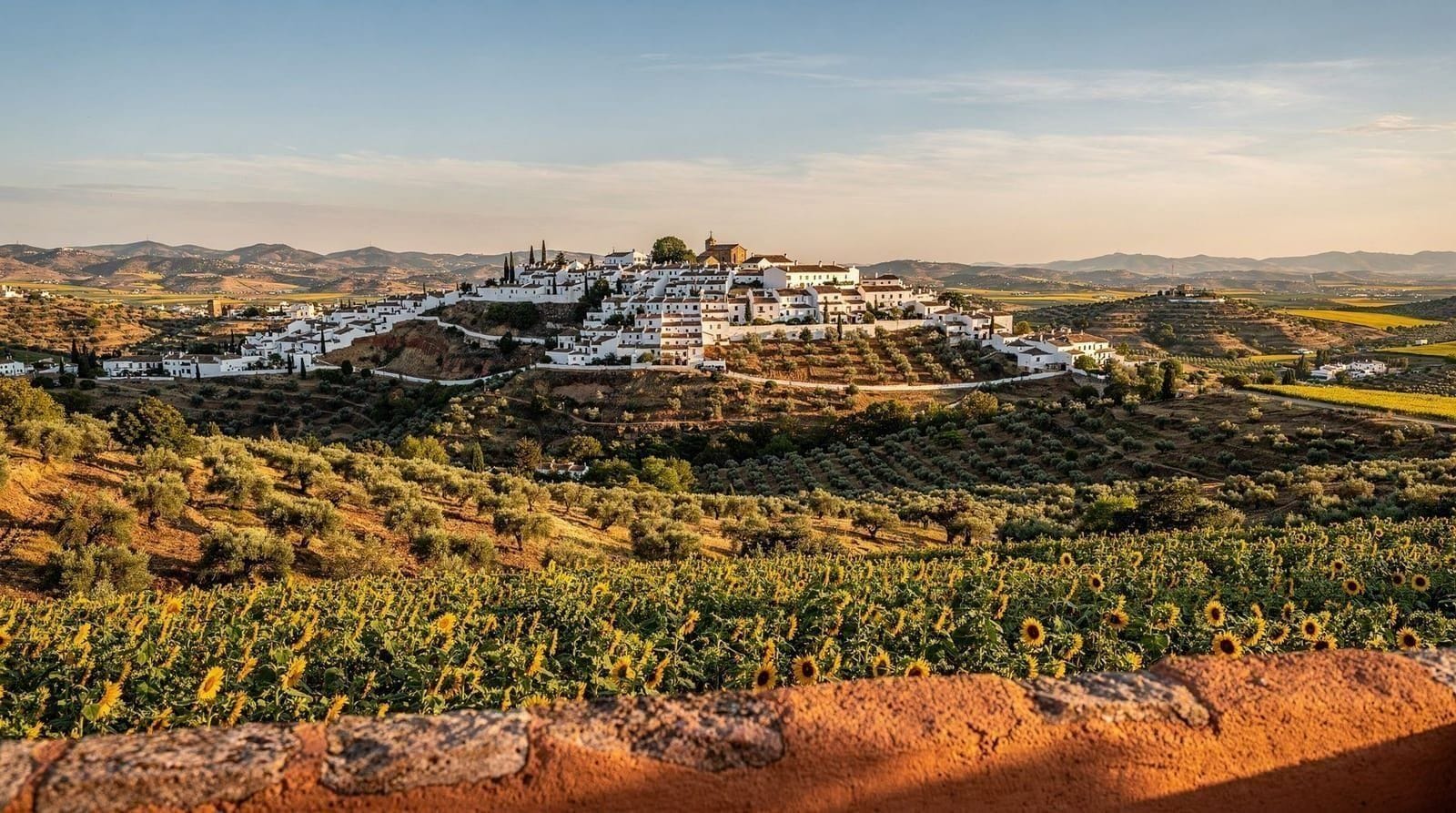
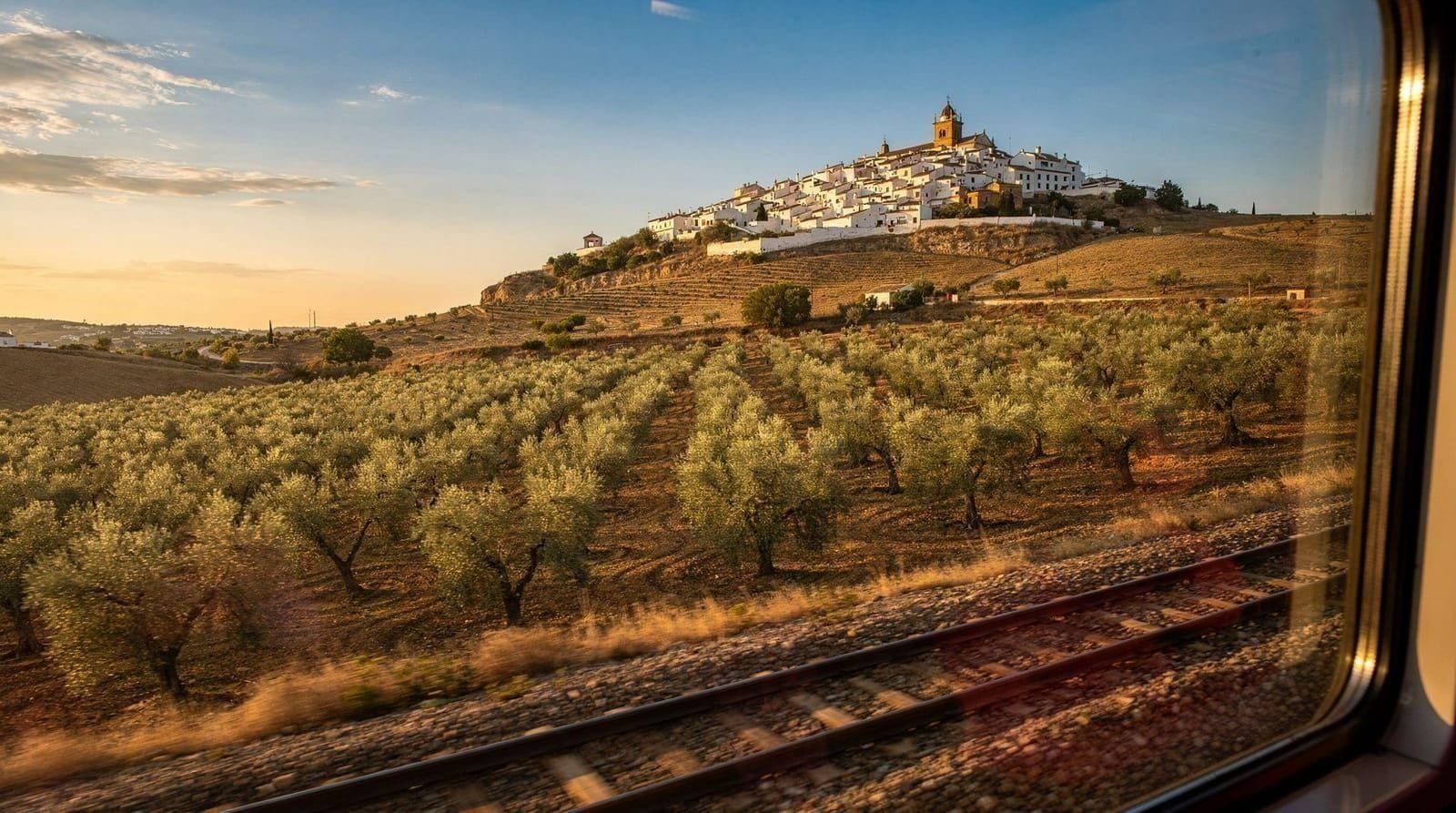
Carmona sits on a limestone ridge 30 kilometres east of Seville, looking out over the flat agricultural plain of the Campiña de Sevilla. The town was continuously occupied from Carthaginian to Roman to Moorish to Castilian periods, and each left significant remains. For a compact half-day, the Roman necropolis alone justifies the journey. Combined with Italica, Carmona forms one of the best single-day Roman archaeology itineraries in Spain. And it requires no more than a local bus and an entry fee of €1.50 at most.
| Where | 30 km east of Seville, Campiña de Sevilla |
| Getting there | Casal bus from Prado de San Sebastián, 40-45 min |
| Time needed | 3-4 hours for a focused half-day visit |
| Main sight | Roman necropolis, ~900 tombs, entry free for EU citizens, €1.50 otherwise |
| Pairs well with | Italica or Córdoba for a full Roman-themed day |
Getting from Seville to Carmona
By bus: Casal buses run from Prado de San Sebastián bus station (in Seville’s old centre, behind the historic bus station building) to Carmona in approximately 40-45 minutes. Check the current fare with the Consorcio de Transportes del Área de Sevilla. Buses run regularly throughout the day.
At Carmona, most services stop near the Puerta de Sevilla (the main Roman city gate) at the bottom of the hilltop old town. The Roman necropolis is 500 metres from this stop, on the western edge of the hill.
By car: 30 minutes from Seville on the A-4 to Carmona exit. Parking on the perimeter road near the Puerta de Sevilla.
By organized tour: The Córdoba-Carmona combined tour from Seville covers both cities in a single day — visiting Carmona’s main sites in the morning and continuing to Córdoba and the Mezquita in the afternoon, returning to Seville in the evening.
From Seville: Córdoba, the Mezquita, and Carmona combined day tripThe Roman necropolis
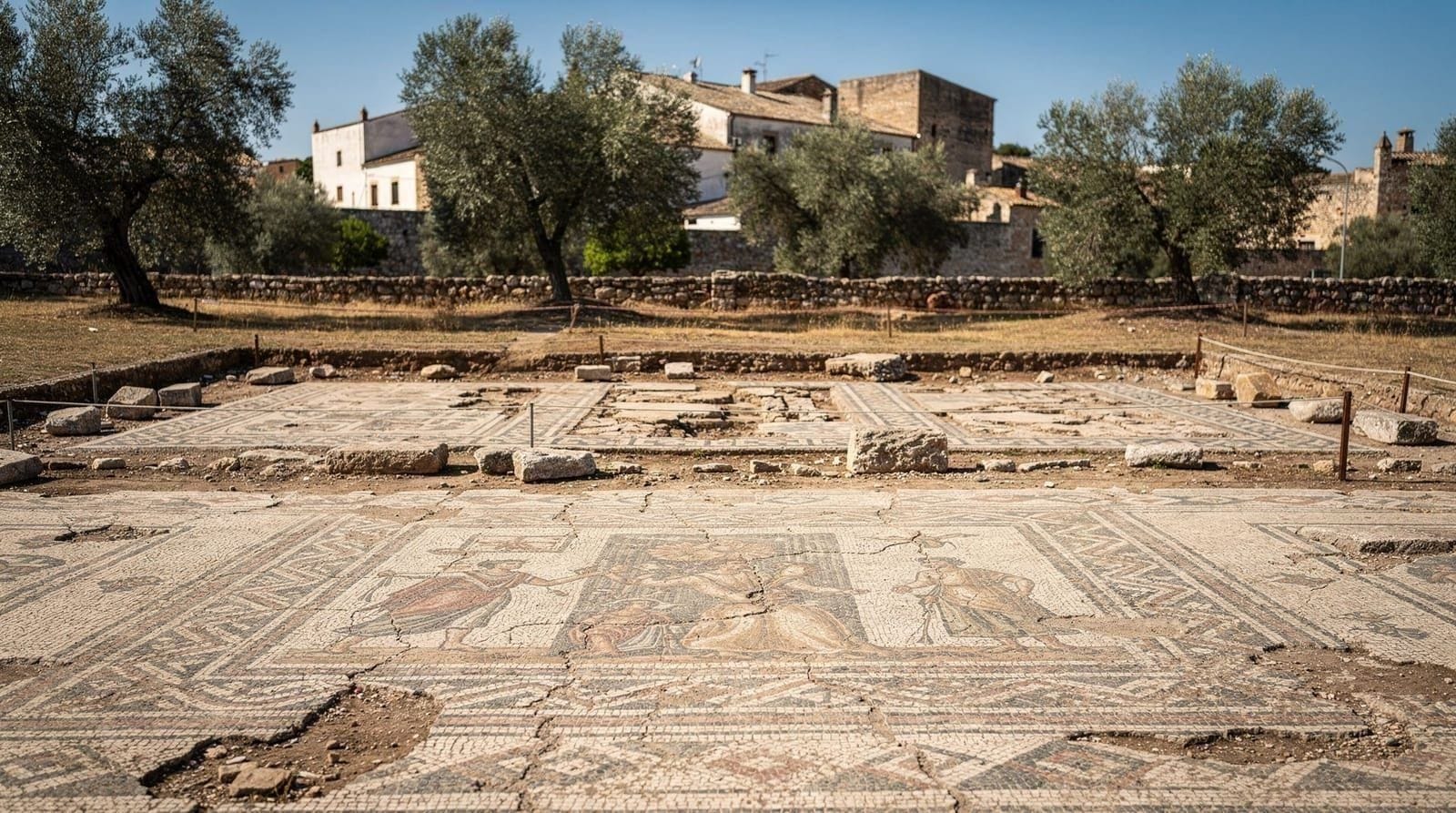
The Necrópolis Romana de Carmona is one of the largest and best-preserved Roman cemeteries outside Italy. Over 900 tombs of various sizes have been excavated, dating mainly from the 1st century BC to the 4th century AD. The tombs range from simple cremation urns to elaborately decorated family chamber tombs with multiple rooms, stucco decoration, and painted wall frescoes.
Tumba del Elefante: The largest tomb, named for a small stone elephant found here (now in the museum). The complex includes an entrance vestibule, a central triclinium (dining room), and burial chambers. The triclinium was used for funerary banquets — a Roman custom in which families returned to the tomb on anniversaries of the deceased’s death to share meals with the spirit of the dead. The painted niches in the walls held the urns. The scale and elaboration are striking.
Tumba de Servilia: Another large tomb, probably belonging to a provincial noble family, with a central courtyard, multiple rooms, and some surviving painted decoration.
Tumba del Servio Honorato: Intact painted chamber with figurative frescoes.
Entry: Free for EU citizens, €1.50 for other visitors. Tuesday-Saturday 9 AM to 6 PM (winter) / 9 AM to 3 PM (21 June-20 September), Sunday and public holidays 9 AM to 3 PM, closed Mondays. Allow 1-1.5 hours.
The necropolis has a good site museum with finds from the tombs: glass lacrimaria (tear bottles placed in tombs), ceramic lamps, funerary objects, and a display on Roman burial customs.
The Roman city walls and gates
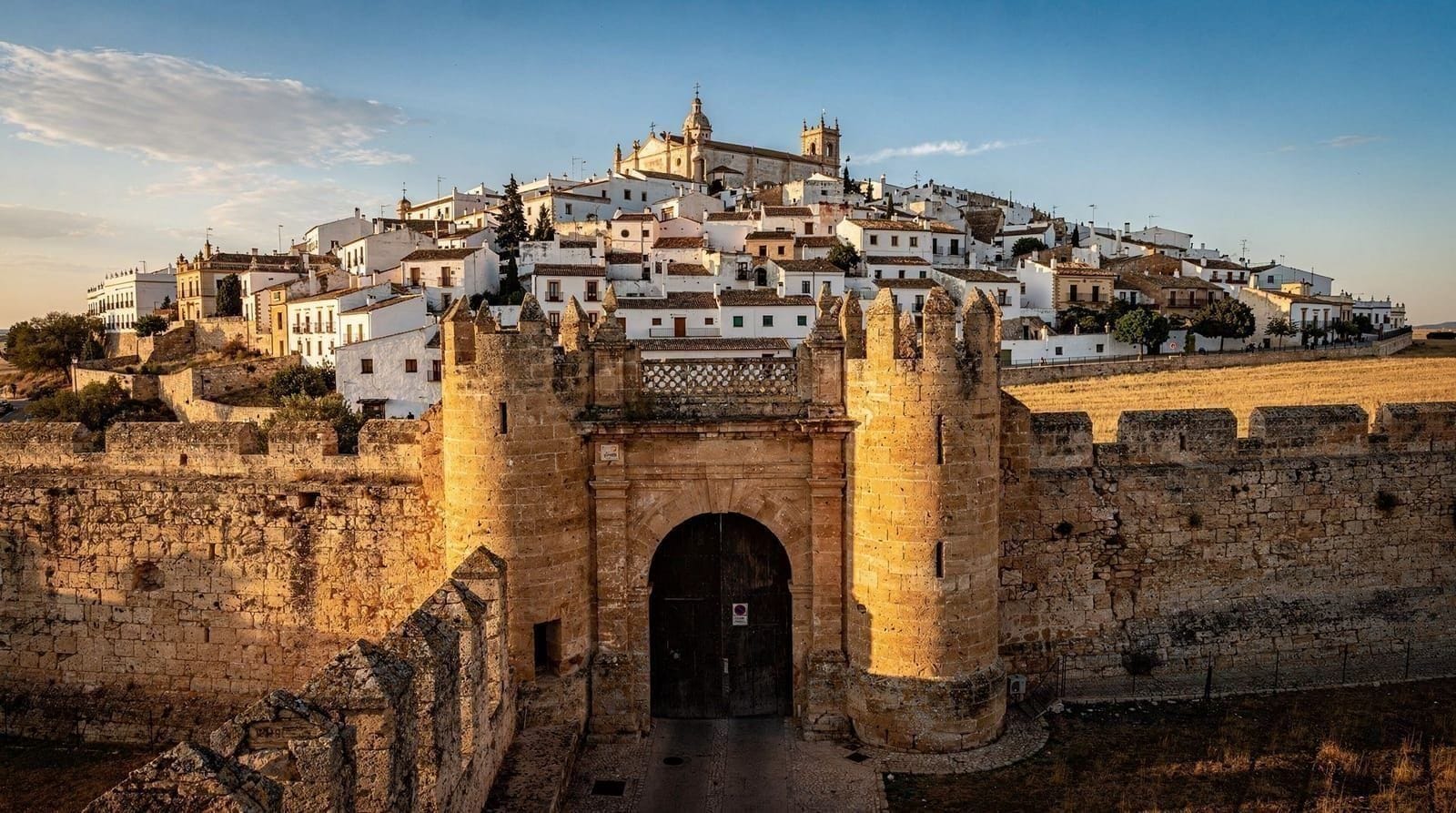
Carmona preserves substantial sections of its ancient circuit walls — the earliest layers are Carthaginian, reinforced in Roman times, then modified by Almohad builders. The town still has two main Roman gates:
Puerta de Sevilla (Carmo Gate): The main western entrance to the Roman town, built in the 2nd century BC. The current structure is the original Roman gateway — a double-arched entrance with a trapezoidal interior court — heavily modified in Moorish times. The Alcázar de la Puerta de Sevilla (the fortress incorporated around the gate) houses a local history museum and offers views over the plain. Entry approximately €3.
Puerta de Córdoba: The eastern gate of the Roman city, with original Roman stonework visible in its lower courses. Less impressive than the Puerta de Sevilla but archaeologically significant.
The Alcázar del Rey Don Pedro
At the highest point of the hill, the ruined 14th-century Alcázar del Rey Don Pedro (the same Pedro I of Castile who built the Seville Alcázar) commands panoramic views over the Carmona plain. Much of the Alcázar was destroyed by an earthquake in 1504; the ruins were converted into a luxury Parador hotel in the 20th century.
Non-hotel guests can walk around the exterior and access the viewpoint terrace — one of the best panoramas in the province. The hotel bar allows non-guests to sit on the terrace with a drink; views over the plain stretch for 30-40 km on a clear day.
The town centre and Plaza de San Fernando
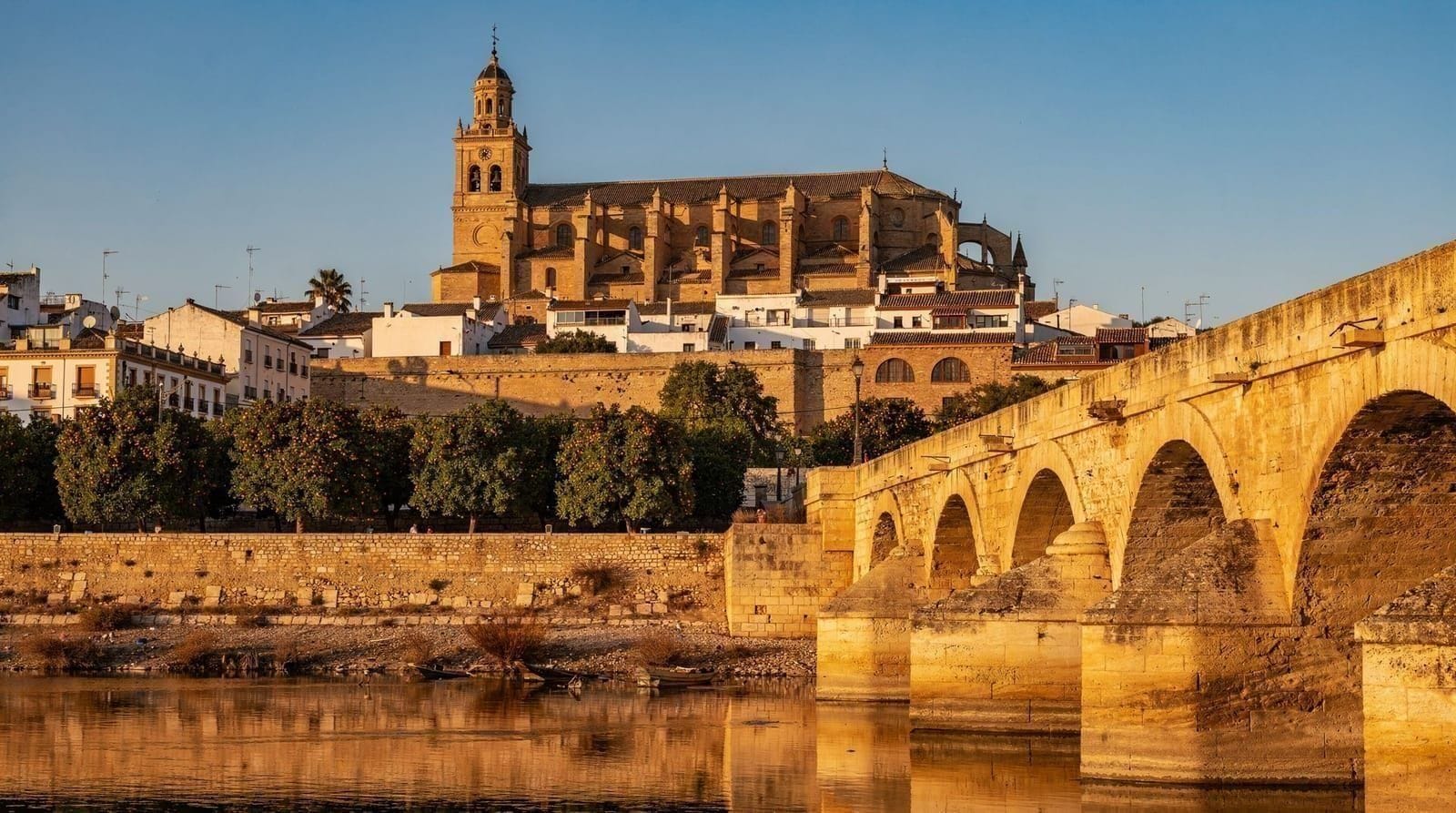
The main square, Plaza de San Fernando, is the social centre of the old town — arcaded buildings, terrace bars, the 15th-century town hall. The Prioral de Santa María la Mayor, the main church, occupies the former site of the main mosque on a raised platform in the old city centre. The bell tower is a converted minaret. Inside, a pre-Christian astronomical calendar (patio calendar) inscribed in the cloister dates from the late Roman period.
The narrow streets of the old quarter between the Plaza de San Fernando and the alcázar are quiet, genuine, and much less touristic than Seville’s Santa Cruz.
Where to eat in Carmona
Bar Mingalario (Plaza de San Fernando): Good tapas at the main square, honest prices, standard Carmona bar. Order salmorejo (Andalusian cold tomato soup, denser and richer than gazpacho) and jamón ibérico.
Restaurante El Molino de la Romera (Calle Dolores Quintanilla): In an old olive mill, specialising in regional dishes. More structured than a tapas bar, suitable for a sit-down lunch.
Parador hotel bar: For the terrace view. Coffee or a glass of fino with the panoramic setting costs about the same as any central bar in Seville.
Suggested half-day itinerary
09:00 — Bus from Prado de San Sebastián, Seville
09:45 — Arrive Carmona, walk directly to the Roman necropolis
10:00 — Necropolis: Tumba del Elefante and main tombs
11:30 — Walk up hill through old quarter to Puerta de Sevilla
12:00 — Alcázar de la Puerta de Sevilla and museum
13:00 — Lunch at Plaza de San Fernando bar
14:00 — Walk to Alcázar del Rey Don Pedro viewpoint
15:00 — Bus back to Seville
Carmona vs other half-day options from Seville
Carmona is unusual among Seville’s day trips in that it works comfortably as a half-day rather than requiring a full day. This makes it a good fit for travellers with limited time, or for pairing with another activity the same day — a morning at Carmona and an afternoon back in Seville for tapas or a museum. For a full list of alternatives at every time budget, see best day trips from Seville, and for planning multiple excursions across a longer stay, the Seville day trips itinerary has suggested sequences.
Practical notes for a half-day visit
Carmona’s necropolis and old town are both walkable from the same bus stop, so there’s no need for a taxi or car once you arrive. Bring water and sun protection — the necropolis grounds are largely uncovered, and summer heat on the exposed hilltop is intense. The town is quiet on weekday mornings and busier with day-trippers on weekends, so an early bus (before 10 AM) gives the most peaceful visit to the necropolis.
For the Carmona destination page, see Carmona. For a Roman-themed combination day, see Italica day trip from Seville. For the combined Córdoba tour, see Córdoba day trip from Seville.
Going with a guide instead of on your own
The necropolis is the one place in Carmona where a guide changes what you see. Without context, a chamber tomb can look like a series of empty rooms cut into rock; with someone explaining the niches, the banqueting room and the way families used the space, the same stones become much easier to read. If funerary archaeology is the reason you are going, a guided visit such as a guided tour of Carmona and its Roman necropolis takes the planning off your hands and puts the explanation on the spot. If you prefer to wander at your own pace, the bus works perfectly well and the site museum fills in much of the background.
Reading the necropolis: what to look for
Walk the site slowly and look for the differences between tombs. The simple cremation burials and the large family chambers sit side by side, and the contrast tells you a lot about who could afford what in Roman Carmona. In the larger tombs, notice how the layout follows the same logic: an entrance, a space for the living to gather, and the chambers for the dead. The painted decoration is fragile and often faded, so give your eyes a minute to adjust when you step in from the bright sun.
The site museum is worth a few unhurried minutes before or after the tombs. Seeing the small everyday objects that were left with the dead makes the empty chambers feel far more human. If you are weighing how much time to give each part of the day, remember that the town itself rewards a slow stroll more than a checklist.
Combining Carmona with other Roman sites
Carmona fits naturally into a wider Roman theme. Italica shows you a Roman city of streets, houses and an amphitheatre, while Carmona shows you how that same world buried its dead. Doing them on separate mornings keeps each visit relaxed; doing them in one day is possible but demands an early start. If cycling appeals, a guided half-day bike ride out to Italica is a pleasant way to cover the Italica side without worrying about bus times.
For a longer Roman and Moorish sweep of the region, Córdoba is the natural next step, and the guide to Córdoba by train versus tour helps you decide how to get there. If you are still choosing between big-name excursions, which Andalusian city to visit lays out the trade-offs, and the Seville, Córdoba and Granada trip shows how Carmona can sit at the start of a longer loop.
Making the most of a half-day
Because Carmona is a half-day trip, it leaves room for the rest of your stay. Back in Seville you can spend the afternoon on something entirely different, such as the Real Alcázar or an evening of tapas in Santa Cruz. If you are building a longer plan, the Seville first-timer’s itinerary and the guide on how many days to spend in Seville will help you slot Carmona in without overloading any single day.
A few small habits make the visit smoother. Carry a bit of cash for entry fees and small purchases, since smaller sites do not always favour cards. Wear comfortable shoes, because the old town is built on a slope and the streets are uneven. Take your time at the viewpoint: the plain below is the reason the town was settled here in the first place, and the view explains the strategic logic of every wall and gate you have walked past.
Timing your visit through the year
Carmona changes with the seasons. Spring and autumn are the most comfortable times to walk the necropolis and the hilltop streets, and the light on the plain is especially good for photographs. Summer visitors should plan around the heat and keep to the early hours, as described in the Seville in summer heat guide. Winter is quiet and pleasantly cool for sightseeing, though the days are shorter, so check opening hours before you set off. For a broader view of the calendar, the best time to visit Seville explains how each season shapes a trip to the city and its surroundings.
Whatever the season, treat the trip as a gentle outing rather than a race. The pleasure of Carmona is in stopping: a coffee in the square, a slow look at a tomb, a long pause at the viewpoint. Visitors who rush between sights tend to remember the bus ride more than the town, while those who linger leave with a clear picture of how many cultures shaped this one hill. If you want a second opinion on what else to add to your days outside the city, Seville first-time travel tips covers the basics that make every excursion easier.
Who will enjoy Carmona most
Carmona suits travellers who like quiet places with real history and who do not need a long list of famous sights to feel satisfied. History lovers, photographers and anyone tired of crowds will get the most from it. Families with older children who enjoy tombs and old walls can have a good time too, though very young children may find the necropolis less engaging. Those who are looking for nightlife or big-name attractions would be better served by a different excursion, and the Seville with kids guide has more suitable ideas for younger travellers.
Frequently asked questions about Carmona day trip from Seville
What is Carmona known for?
Carmona is primarily known for its Roman necropolis — one of the most important in Spain outside Rome itself, with over 900 tombs including several elaborately painted chamber tombs. It also has well-preserved Roman city walls, a Moorish alcázar, and the parador hotel in the ruins of another palace. The town is a compact hilltop settlement with good views over the Carmona plain.How long does a visit to Carmona take?
A focused visit — necropolis, Roman gates, alcázar walk, town centre — takes 3-4 hours. This makes Carmona ideal as a half-day excursion, either morning or afternoon. It pairs well with an Italica visit to make a Roman-archaeology full day.Is the Roman necropolis of Carmona impressive?
Yes, more than its name suggests. The Tumba del Elefante is a large family tomb with a triclinium (dining room) where surviving relatives held banquets for the dead — a Roman funerary custom. The painted decoration in some tombs is exceptional. The necropolis museum has well-curated exhibits on Roman funerary practice. Entry: free for EU citizens, €1.50 for other visitors.Is Carmona worth visiting if I've already seen Italica?
Yes — the two sites are complementary rather than repetitive. Italica is a Roman city with a well-preserved amphitheatre and mosaic-floored villas; Carmona's highlight is its necropolis and funerary architecture, plus a continuously inhabited hilltop town layered with Moorish and Castilian history on top of the Roman remains. Seeing both gives a fuller picture of Roman Andalusia than either alone.
Top experiences
Bookable activities with verified prices and instant confirmation on GetYourGuide.