Seville with kids — what actually worked for us
Five days in Seville with two children in the worst possible month for it — August. Here’s what worked, what didn’t, and the practical reference before the full account.
| Ages | 7 and 11 |
| Season | Late August (avoid if possible) |
| Best months instead | March, October (20–24°C) |
| Kid-favourite site | Alcázar gardens (peacocks) |
| Alcázar entry | €15.50 adults, free up to age 13 with an adult, €8 reduced (students 14–30, over 65) |
The reality of Seville in late August with children
Let me be direct about the timing: August in Seville is challenging with children. Temperatures were hitting 40°C by 11 am on several days of our trip. A 7-year-old’s willingness to admire medieval architecture decreases sharply above 36°C. Our eldest (11) was more adaptable, but even she was done with sightseeing by noon on the worst days.
We made this work, but it required fundamentally restructuring how we thought about the day. The traditional tourist schedule — monuments in the morning, lunch, afternoon sightseeing — is incompatible with Seville in August. The workable schedule is: up at 7 am, outdoor activity or one major sight by 9:30 am, back to accommodation by noon for the worst of the heat, back out at 6 pm, dinner at 9 pm (which feels late for children but is completely normal in Spain and you will not be the only family at a restaurant at this hour).
What the kids actually enjoyed: the real list
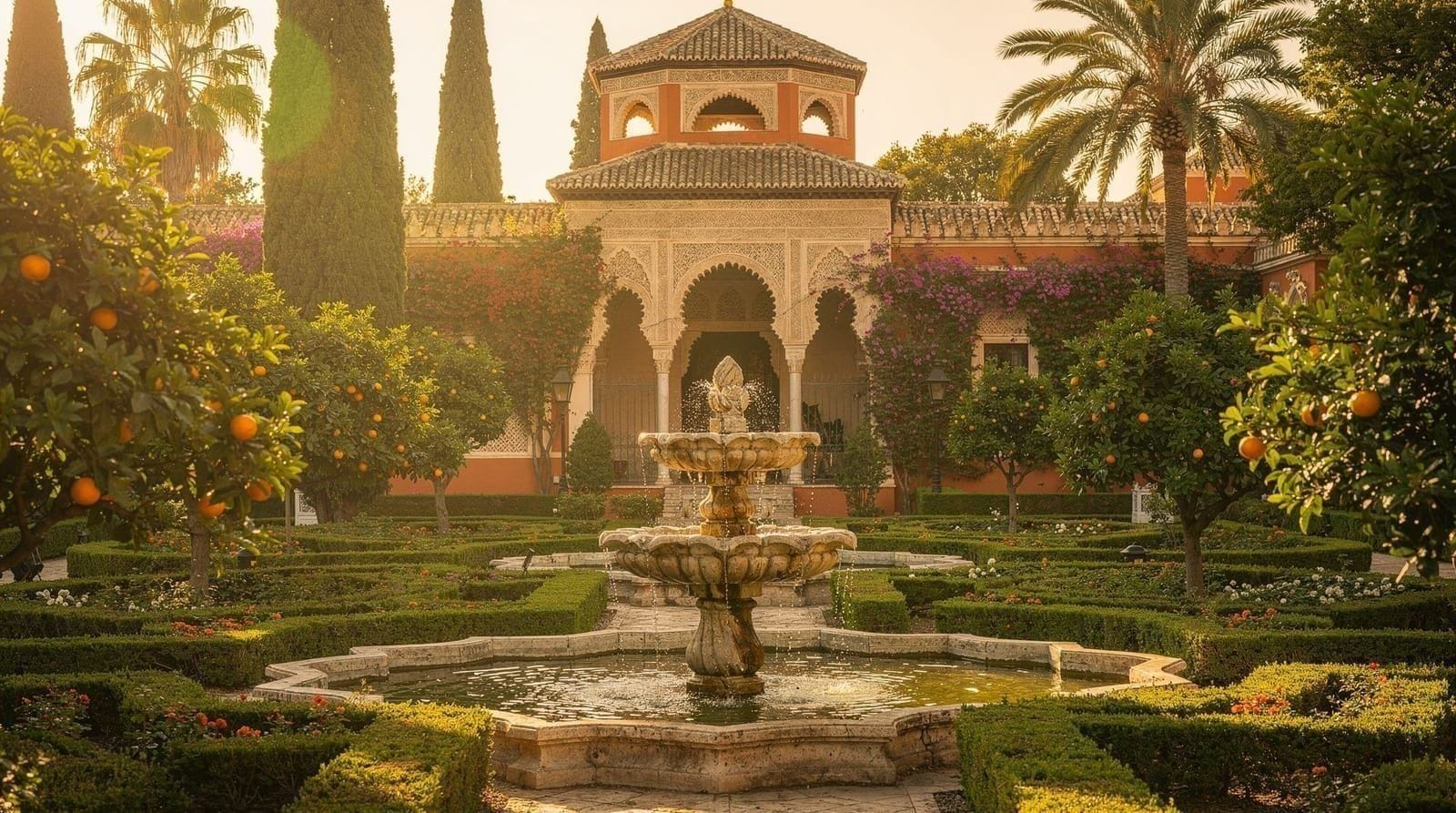
The Alcázar gardens: My 7-year-old was largely unmoved by the Islamic architecture of the palace but spent forty minutes in the gardens chasing the peacocks. The Alcázar gardens are genuinely excellent — layered terraces, fountains, orange trees, and the aforementioned peacocks, which are completely free-roaming. Children with any interest in animals will be happy here. The gardens are included in the Alcázar entry ticket (€15.50 adults, free up to age 13 with an adult, €8 reduced for students aged 14–30).
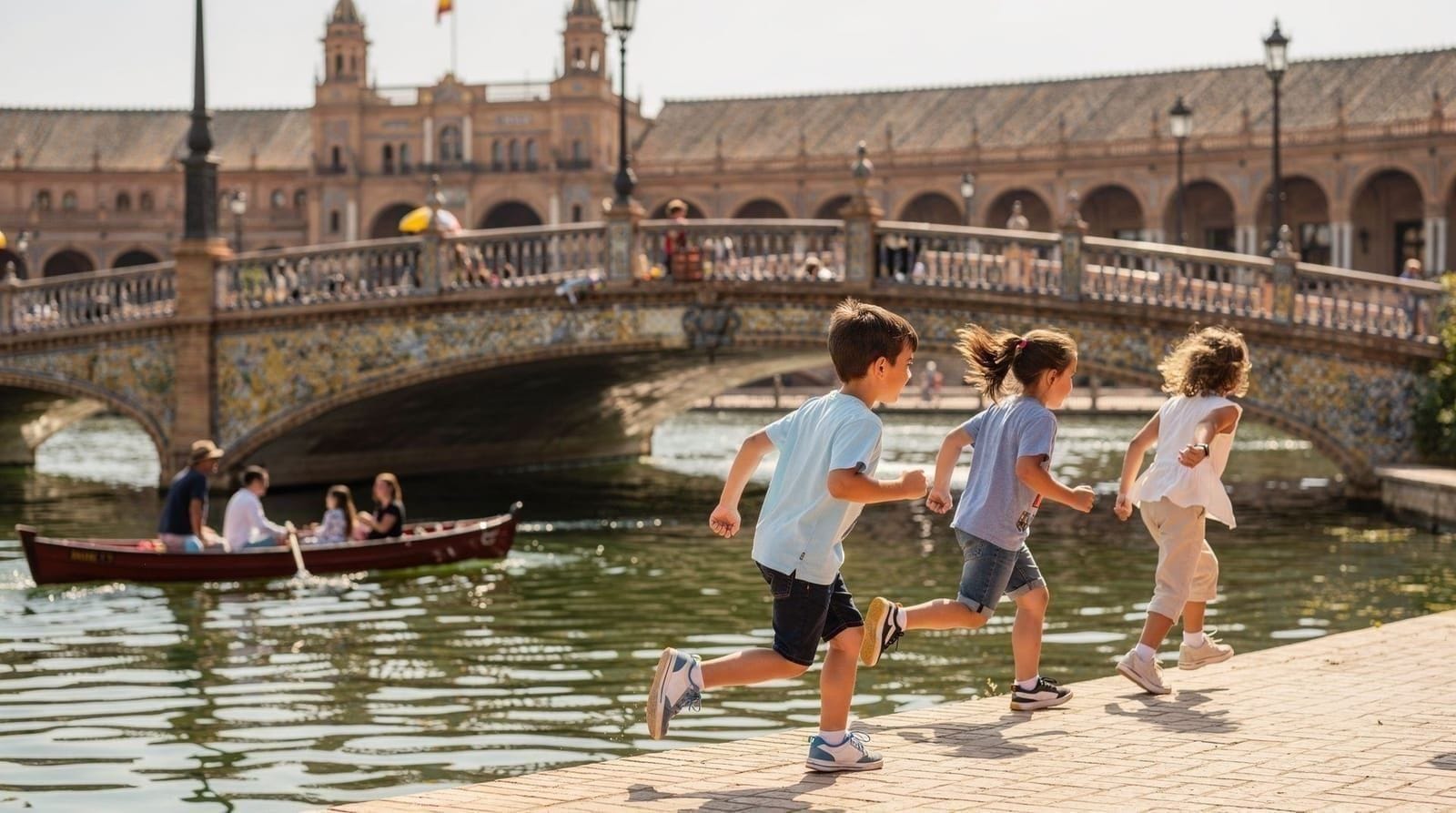
The Plaza de España: This enormous semicircular plaza from the 1929 Ibero-American Exposition has two things that children enjoy immediately: the rowboats on the moat (€6 per boat for 35 minutes) and the 58 decorative tile alcoves representing Spain’s provinces, each with a map and a famous local event. My 11-year-old made a game of identifying provinces she’d heard of. My 7-year-old climbed on everything. Both were happy.
Paddling at the fountain near the Parque de María Luisa: The fountain area south of the Plaza de España has shallow water features where children paddle without any organised supervision. This is not a tourist attraction; it’s just where local children cool off. In August, it was exactly what we needed.
The Metropol Parasol (Setas): The wooden structure of the Metropol Parasol has a raised walkway with good views over the city (tickets from €16). Children respond well to the unusual geometry — it’s genuinely weird-looking from below, like a mushroom forest crossed with a parking garage, and the walkway has glass floor sections that produce the appropriate vertigo-adjacent thrill.
The riverside: The path along the Guadalquivir between the Torre del Oro and the Triana bridge is good for early evening — the light is beautiful, the city is cooling down, and there are ice cream vendors at regular intervals. Our children would walk this for an hour without complaint if ice cream was reliably available, which it was.
What didn’t work: honest admissions
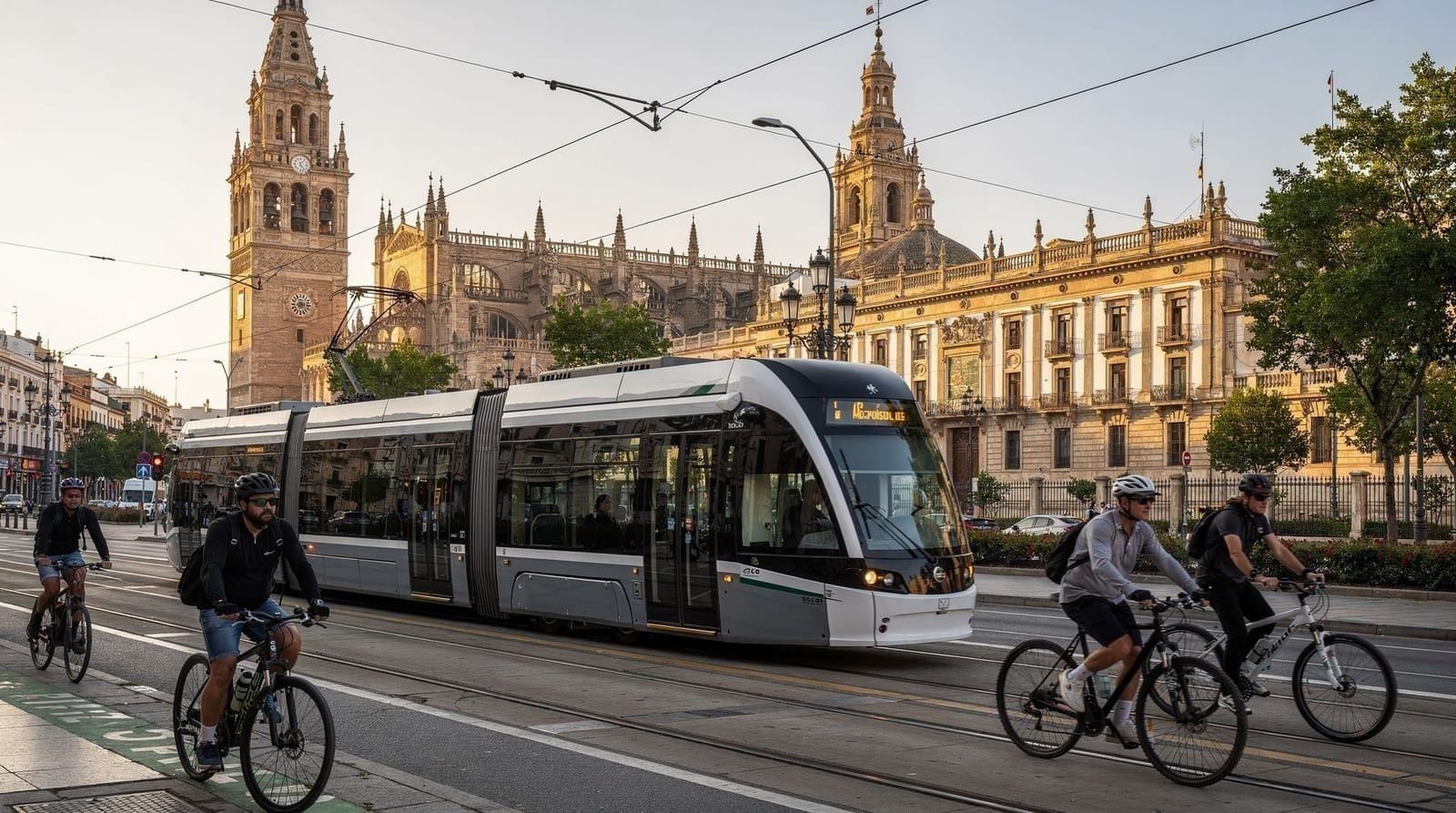
The Cathedral: We spent 45 minutes inside and both children were done in 30. The interior is genuinely magnificent, but it’s very large, very dark, and requires sustained attention that a 7-year-old in 38°C heat does not have. If I were doing it again, I’d visit without the children (while the other parent managed a park visit) or limit the interior to 30 minutes and skip the Giralda tower climb.
The full Alcázar palace: We did the palace first and the gardens second. Wrong order. The palace, while extraordinary for adults, exhausted both children before they got to the part (the gardens and the peacocks) that they actually enjoyed. Start with the gardens in future.
Flamenco show: We took our 11-year-old to a tablao show (we chose the earlier, child-appropriate session). She lasted 35 minutes before the sustained intensity of the performance — the volume, the stamping, the emotional weight — became overwhelming. The show was good; the audience age assumption was wrong. Flamenco shows for children below 12 are a gamble.
Long sightseeing blocks: Any plan that involves more than 90 minutes of continuous museum or monument visiting will fail with a young child in summer. We learned this on Day 2 and adapted.
The heat management strategies that worked
The midday pool/hotel strategy: Our hotel in the Arenal had a small rooftop pool. The hours from noon to 4 pm were spent there, not sightseeing. This was not a failure of discipline — it was the correct decision and the reason the children were functional for evening sightseeing.
Morning early starts: We were out by 7:30 am on our best days and visited the Alcázar at 8:30 am when the gardens were cool and the peacocks were active. The city at 8 am in late August is genuinely pleasant.
Food: Seville is easy with children from a food perspective. Spanish children eat late and eat tapas, which means restaurants are accustomed to children at the table at 9 pm. The food — patatas bravas, tortilla, croquetas, jamón, fresh tomatoes — is broadly child-friendly. My 7-year-old ate more food in Seville than at home because everything was smaller and presented without the coercive elements of a children’s menu.
Ice cream: The heladería La Fresco on Calle Sierpes does proper artisanal ice cream at €2.50–3.50 a scoop, not the packaged stuff. This became the daily mid-morning bribe for continued good behaviour in a museum.
The family-specific things worth knowing
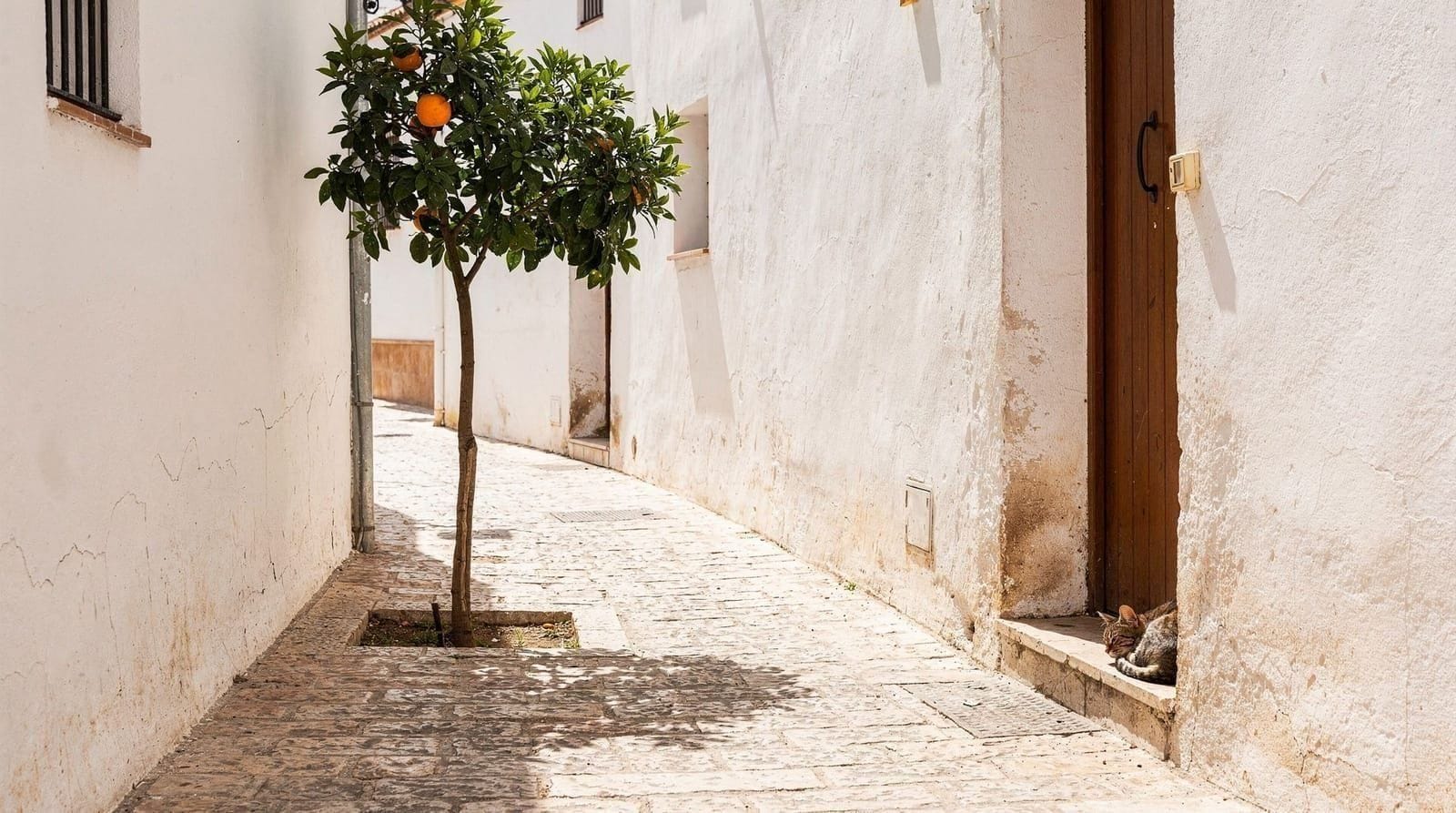
Pushchairs/strollers in the historic centre: Possible but uncomfortable. The cobblestones in Santa Cruz are uneven and some of the narrower lanes are genuinely difficult. A compact umbrella stroller works; a large pram does not.
Nappy changing: Available in some museums (the Alcázar has facilities), less reliable in bars. Café chains and department stores are your friends.
Children’s menus: Exist but are uniformly terrible — the Spanish children’s menu is pizza or nuggets and chips, generic and expensive. Better to order adult tapas and share, which is what Sevillano families do.
Playgrounds: The Parque de María Luisa has a good playground in its northern section. The Alameda de Hércules has an informal play area. Both are free.
Children’s respect for Spanish meal times: My children adapted to eating dinner at 9 pm within two days, which was surprising. The social atmosphere of restaurants at Spanish meal times — full of other families, loud, accepting of children — made it easy.
Planning the sights around tired legs
If we had to give one piece of advice, it would be to pick a single anchor per outing and let everything else be a bonus. For the Alcázar, our complete Alcázar guide explains the layout so you can head straight for the gardens, and the best time to visit the Alcázar is worth a read before you choose your slot. For the Cathedral, the Cathedral and Giralda guide helps you decide what to see in a short visit and what to leave for adults on another day.
Getting between sights was easier than we expected. The centre is compact, and our guide to getting around Seville covers the options when small legs give out. If your children need a more active, game-like way to see the old town, an outdoor adventure can work better than another monument: we would look at an outdoor escape game designed for children as a way to keep a restless seven-year-old engaged while still seeing the streets.
The Italica alternative for older children
If you have children aged 10 and up with any interest in Roman history, Italica (9 km from Seville, easily reached by bus) is a better family excursion than many of the tourist-oriented alternatives. The Roman amphitheatre — once the third largest in the Roman world — is accessible and interesting. The mosaics in the ruined houses are visible at ground level without the pressure of a hushed museum context. And the connection to Game of Thrones (several scenes were filmed there) gives older children a hook if the Roman history alone isn’t enough.
The Italica guide covers the visit in full. The Italica day trip guide covers the logistics from Seville.
Would we go back with children?
Yes, but not in August. We’d go in March or October when the temperatures are 20–24°C, the gardens are more comfortable, and the evening sightseeing window extends earlier. The city is genuinely child-friendly in its culture — Spaniards treat children as full participants in adult social life, restaurants welcome them without the awkward British apologetics, and the late-evening culture means children aren’t fighting adult rhythms the way they would in northern Europe.
The Seville with kids guide has more specific recommendations on family-appropriate activities, and the summer heat guide covers the full strategy for August visits.
Before you commit to dates, the best time to visit Seville puts the seasons side by side, and our Seville in spring guide shows why the cooler months suit families so well. Our packing list is a useful companion if you are building a bag for children.
Best season to visit with children, compared
| Season | Temperature | Verdict for families |
|---|---|---|
| March–April | 15–24°C | Excellent — comfortable sightseeing, orange blossom, moderate crowds |
| May–June | 22–32°C | Good early in the period, gets challenging by late June |
| July–August | 32–42°C | Difficult — plan around the 6-12-6 heat schedule below or avoid |
| September–October | 22–28°C | Excellent — our recommended alternative to our own August trip |
| November–February | 10–18°C | Comfortable, occasional rain, lowest prices |
Family day trips that work better than a rushed monument list
Beyond Italica, a few day trips suit families without demanding a full adult sightseeing pace. Cádiz combines an easy train ride (1h40) with actual beach time — a genuine relief valve after several museum-heavy Seville days. Closer to home, the parks and gardens guide covers the Parque de María Luisa in full, including the playground we mention above and other shaded, free spaces that don’t require ticket booking or sustained attention from tired children.
If you’re planning the whole trip around a family rhythm rather than retrofitting one, our Seville with family itinerary builds in the midday breaks and shorter sightseeing blocks that we learned to use only by day two.
Seville family-friendly e-bike city tourWhat we’d pack differently for a family trip
Beyond sun protection, a portable handheld fan for each child made a genuine difference during unavoidable midday queues, and a printed (not just phone-based) simple map of the Alcázar gardens helped our 7-year-old feel like she had agency in choosing the route. Snacks that don’t melt — we learned the hard way that chocolate anything is a mistake above 30°C — and a spare full change of clothes each, since fountain-paddling and gelato both end predictably.
Frequently asked questions about visiting Seville with children
What is the minimum age for the Alcázar?
No minimum age. Free entry for children up to age 13 with an adult. €8 reduced for students aged 14–30. Be realistic about how long young children can sustain interest in palace rooms.
Are there beaches near Seville?
Not directly. The nearest Atlantic beaches are at Cádiz (1.5 hours by train), Tarifa (2+ hours by road), and Matalascañas near Doñana (1.5 hours by road). A beach day can be combined with a day trip but requires planning.
Is the Guadalquivir river safe for children to play near?
The river is not a swimming river — it has boat traffic and currents. The fountain areas in the Parque de María Luisa and near the Plaza de España are the safe shallow-water option.
At what age is the Caminito del Rey appropriate for children?
The minimum age is 8 years old. Children must be accompanied by an adult. Comfort with heights is essential.
What time do Sevillano children eat dinner?
9–10 pm is entirely normal for family restaurants in Seville. Children’s restaurants (if visiting with young children) are harder to find before 8:30 pm.
What’s the best month to visit Seville with young children?
March, April, or October, when temperatures sit around 15–24°C. These months avoid both the Semana Santa/Feria crowd surge and the extreme summer heat, and outdoor time stays comfortable throughout the day.
Are strollers practical in the historic centre?
A compact umbrella stroller works reasonably well; a large pram struggles on Santa Cruz’s uneven cobblestones and narrow lanes. Many families find a soft carrier more practical for children under 3.