Orange blossom season in Seville: when to go and what to expect
The smell that defines the city
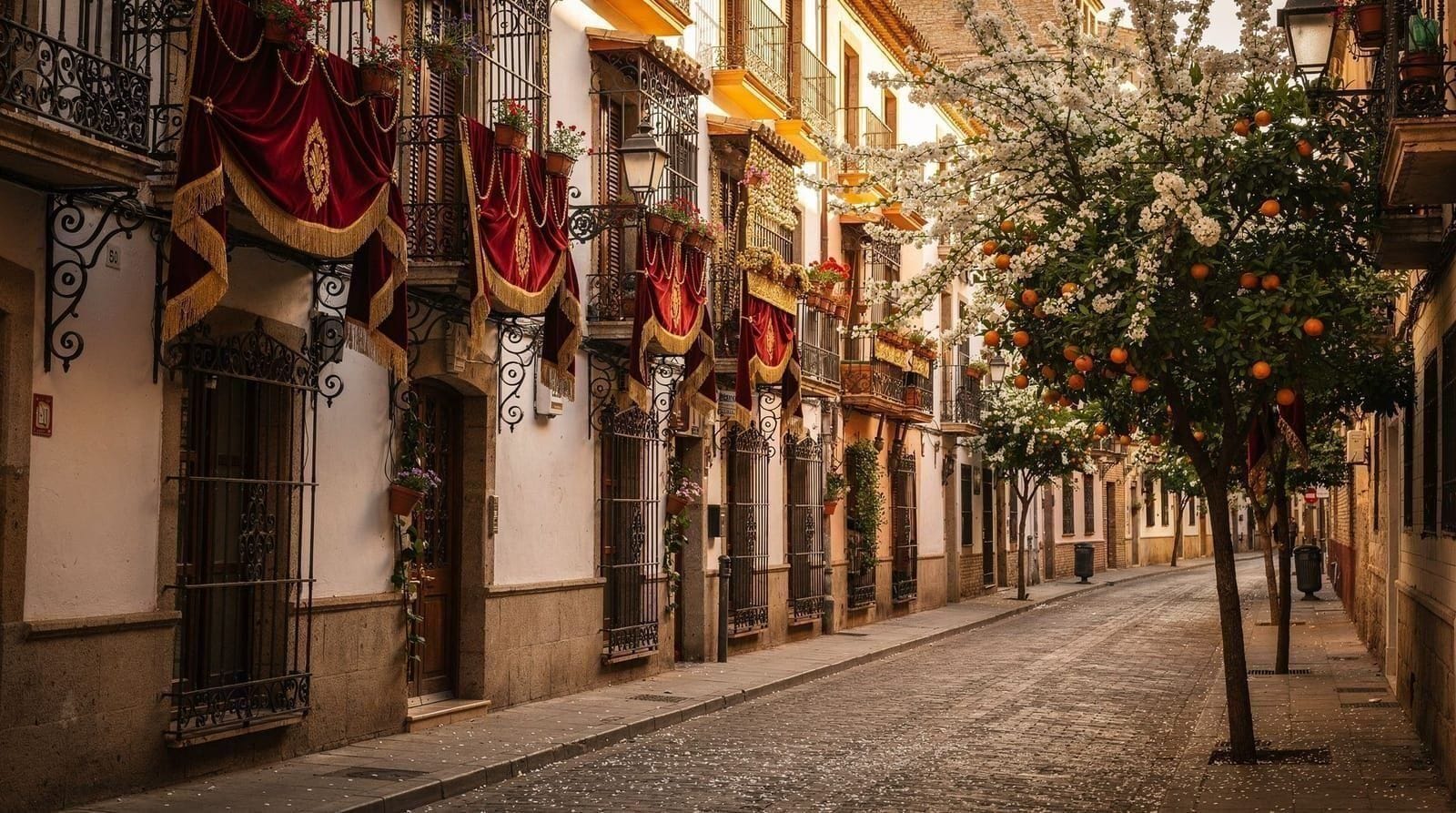
Seville has approximately 40,000 bitter orange trees (naranjos, or naranjas amargas) lining its streets, filling its plazas, and covering its courtyards. The variety is Citrus aurantium — too bitter to eat, spectacularly fragrant when it blooms.
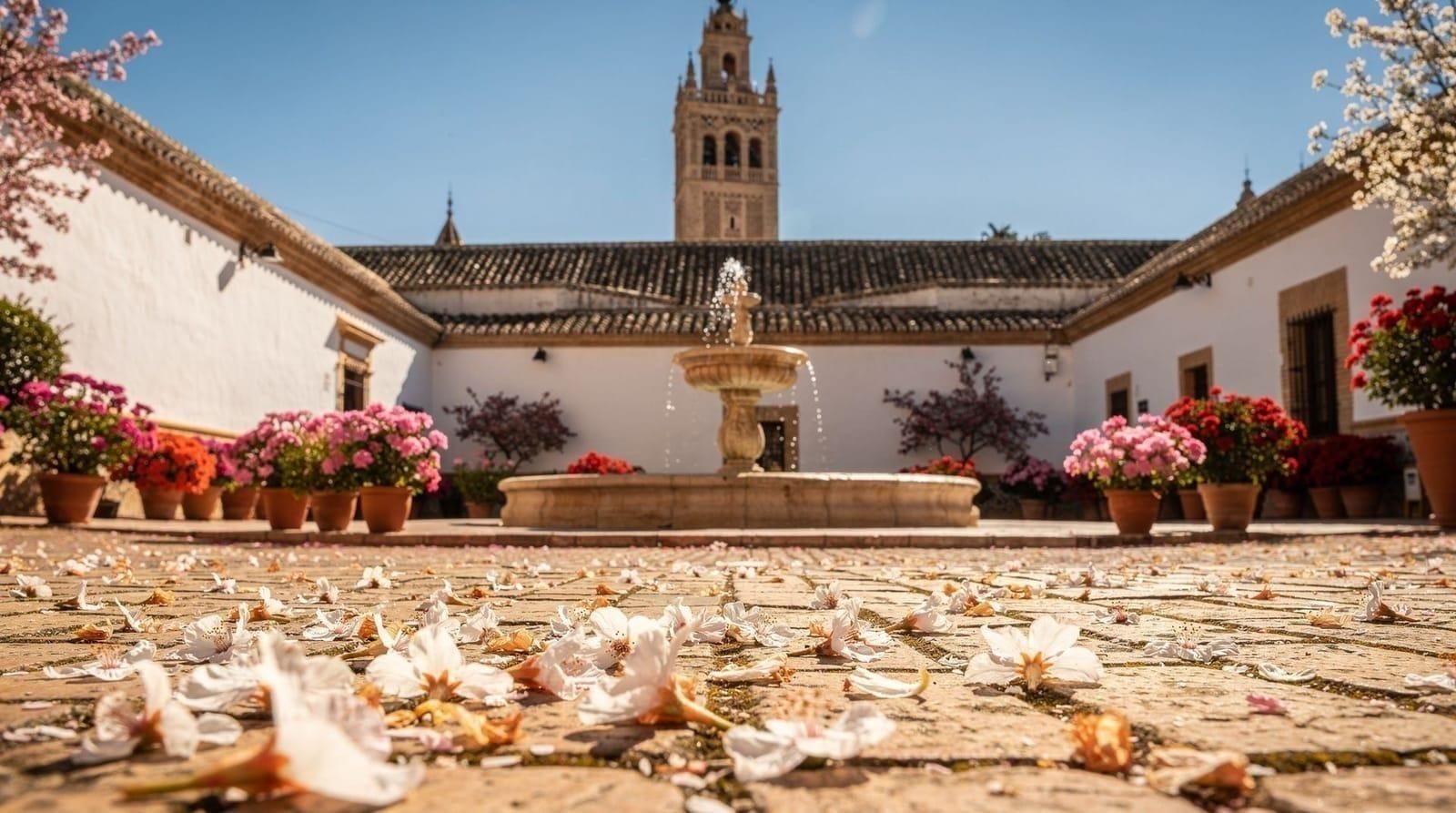
The flowers, called azahar in Spanish (from Arabic), bloom primarily in February through April depending on the year. In warm winters, the first blooms appear in late January. Peak bloom typically hits in March. By late April, the petals are falling in drifts across the stone streets of the barrio histórico, and the fragrance — concentrated, sweet, slightly medicinal — becomes the dominant sensory feature of the city.
I first experienced this in March 2019, stepping out of a taxi on Calle Mateos Gago at 7 am, and it remains one of the most direct sensory memories I have from any travel experience. The street was empty, slightly cold, and smelled of something between a flower shop and a pharmacy — in the best possible way.
| Where | Barrio de Santa Cruz, Alcázar gardens, Parque de María Luisa |
| When | Late January (first blooms) to late April (fading petals) |
| Peak | March |
| Cost | Free in most locations; Alcázar gardens need an entry ticket |
| Best time of day | Early morning, before crowds and heat build |
Orange blossom by month
| Month | Bloom stage | Crowds | Notes |
|---|---|---|---|
| January | First blooms (south-facing trees only) | Low | Cheapest hotels, intermittent fragrance |
| February | Building steadily | Low–moderate | Best value window overall |
| March | Peak bloom | Moderate–high | Often overlaps Semana Santa |
| Early April | Continued bloom, fading | High | Feria de Abril crowds |
| Late April | Petals falling | High | Still fragrant, more crowded |
The practical timing
January–February: First blooms on south-facing trees, intermittent fragrance in the warmest spots. The city is quiet, hotels are cheap (€80–110 for decent mid-range), and the light is low and golden.
March: Peak bloom period for most of the city. Streets like Calle Vida, the Barrio de Santa Cruz courtyards, the Parque de María Luisa, and the gardens around the Alcázar are at maximum fragrance. This is also when Semana Santa falls in most years (2026 dates: 29 March–5 April), which means the second half of March combines orange blossom with the most intense religious-cultural event in the Andalusian calendar.
April (early): Continued bloom and the aftermath of Semana Santa, followed by the Feria de Abril (2026: 21–26 April). Peak tourism season — book accommodation months in advance.
Late April: Petals falling, fragrance starting to fade. Still beautiful, more crowded.
Where the trees are most concentrated
The azahar experience is best in enclosed spaces where the fragrance concentrates:
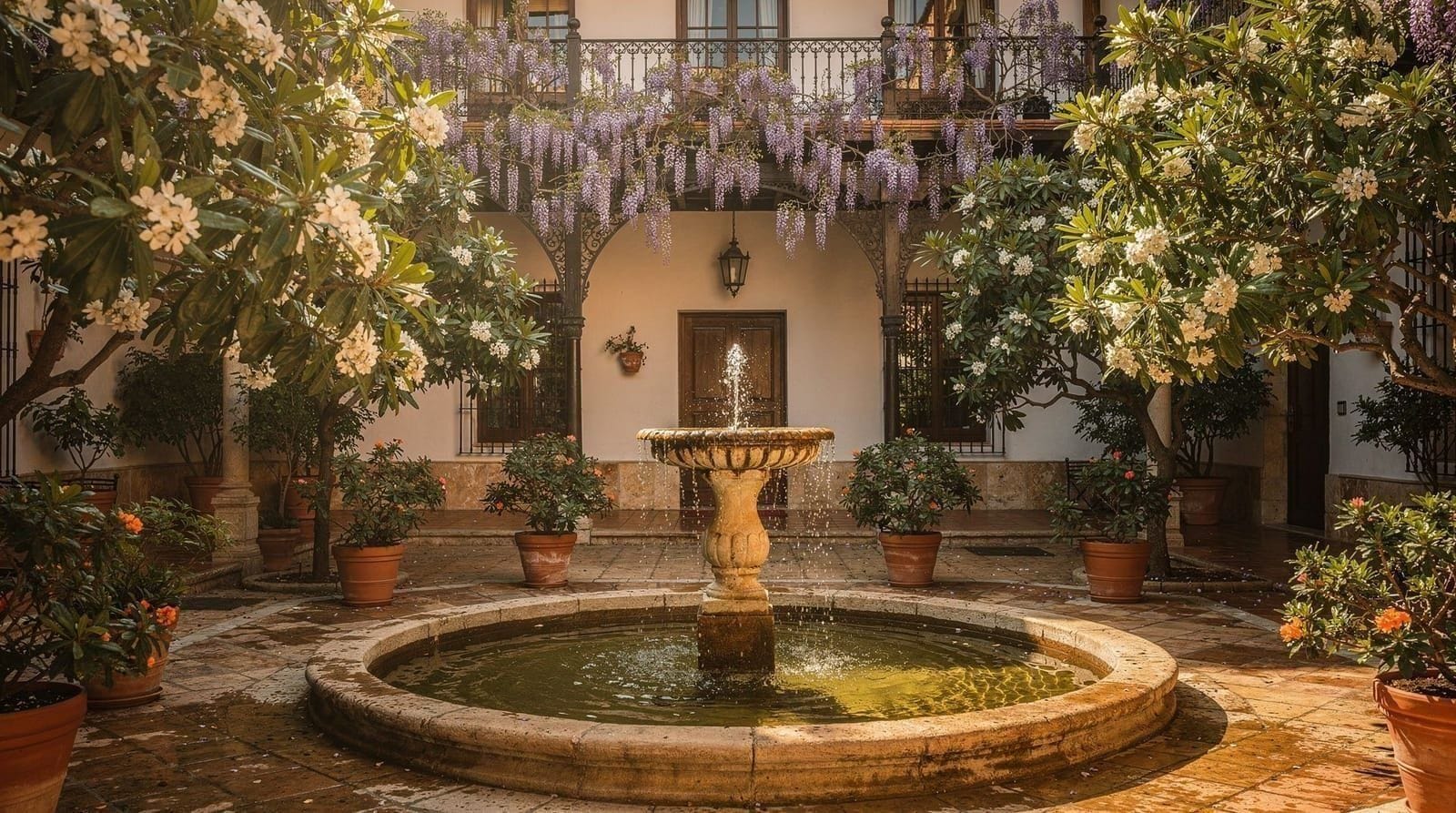
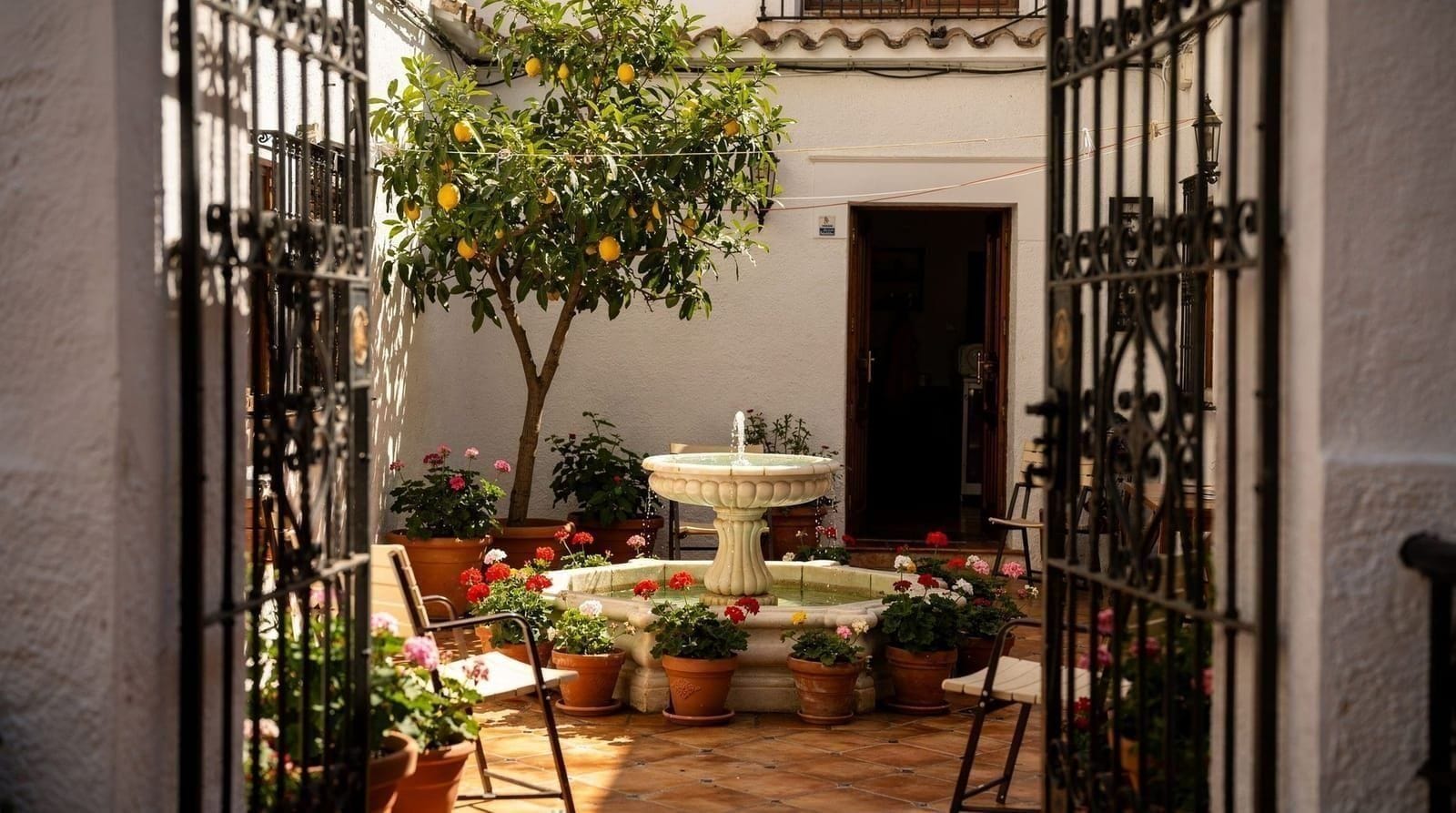
Barrio de Santa Cruz: The small plazas — Plaza de Doña Elvira, Plaza de los Venerables, the patio of the Hospital de los Venerables itself — trap fragrance between whitewashed walls. Morning is best, before crowds arrive.
Jardines del Alcázar: The Alcázar’s gardens have mature orange and lemon trees alongside Baroque water features and formal hedging. Entry requires an Alcázar ticket; the garden section specifically is included.
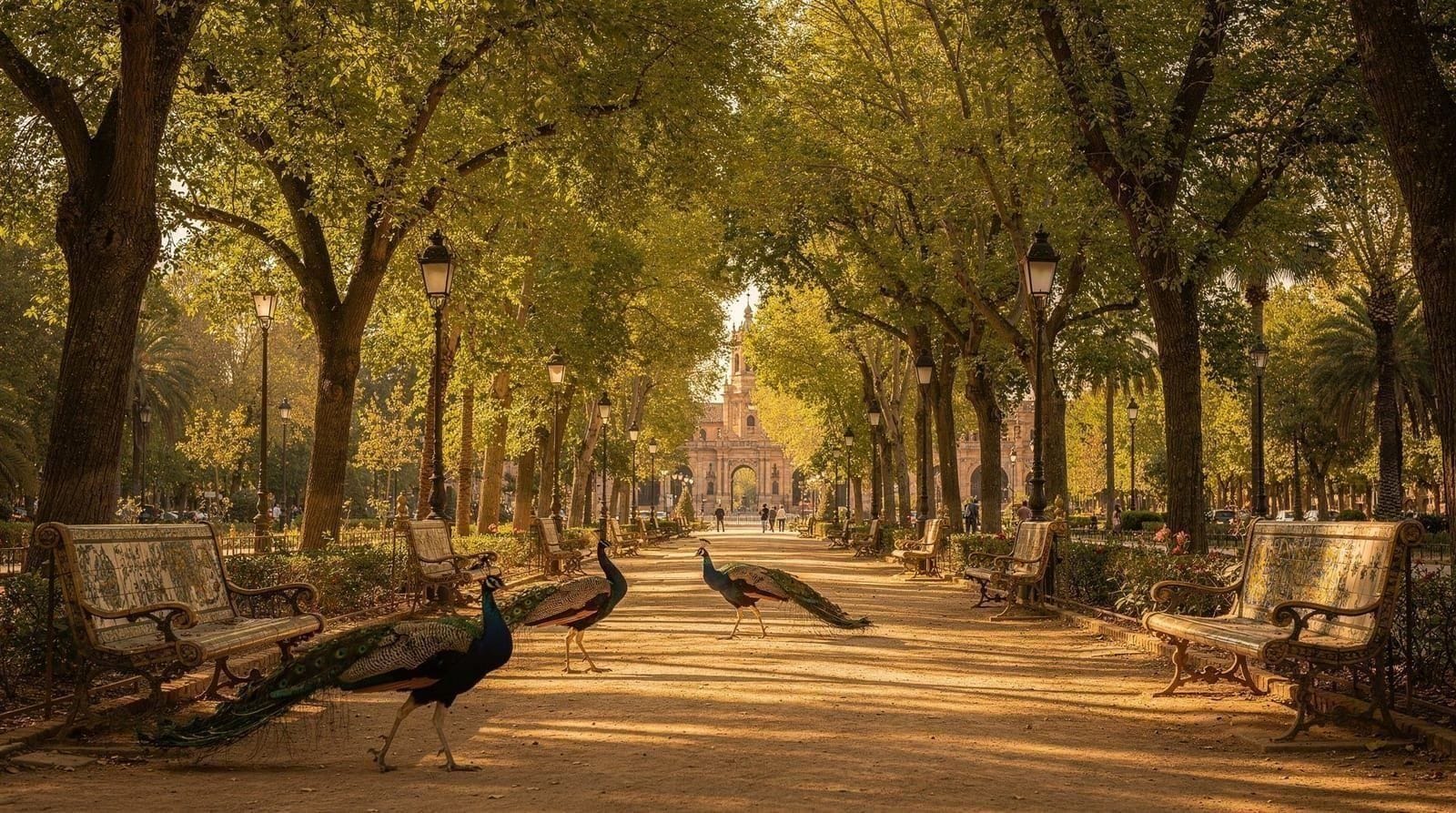
Book a Real Alcázar guided tour, gardens includedParque de María Luisa: The large park south of the city has extensive groves of orange trees and functions as the quieter, less touristic version of the Santa Cruz experience. Free entry. At its best at 8 am on a February morning when mist is still on the ground.
Jardines de Murillo: A small public park directly adjacent to the Barrio de Santa Cruz on Calle San Fernando. Lined with orange trees. Free, usually quiet, directly across from the Alcázar walls.
Calle Vida and Calle Fabiola (Barrio de Santa Cruz): Two of the most fragrant streets in the city during peak bloom. Narrow, lined with trees, residential.
The azahar industry
The flowers are harvested — Seville sells thousands of kilos of azahar to the perfume industry annually. The fragrance note you recognise in Dior’s Eau Sauvage, in various neroli-based perfumes, often traces back to Citrus aurantium from Spanish and Moroccan cultivations. The bitter orange peel also goes into British marmalade production (Seville exports significant quantities to the UK every January, a fact that surprises most visitors).
At the Mercado de Triana or from street vendors near the Alcázar, you can buy small sachets of dried azahar flowers for €2–4 — a genuinely good souvenir that compresses and lasts.
The fruit that follows
By October, the same trees are heavy with bitter oranges. They’re emphatically not edible — genuinely unpleasantly sour — but the sight of the city’s streets lined with hanging orange fruit against the blue October sky is its own seasonal phenomenon. Local children try the oranges periodically, discover they’re not what they look like, and this cycle continues across generations.
Pairing the blossom with other sights
The fragrance is best treated as a backdrop rather than a full itinerary. A morning among the orange trees leaves the rest of the day free for the big sights, and the Real Alcázar complete guide and the Alcázar tickets guide explain how to fit the gardens into a visit without queueing longer than necessary. If you are still deciding what to see first, Alcázar vs Cathedral: which first helps you order the day. The Seville Cathedral complete guide is the natural second stop, since the cathedral’s own orange-tree courtyard sits right beside the Giralda.
For a slower, greener day, the parks and gardens guide lists the other spots worth a wander while the trees are in flower. The Plaza de España guide is a good companion if you are already in the María Luisa area at sunrise.
Taking the blossom beyond the city
If you have a spare day, a trip to Córdoba is an easy way to extend the spring atmosphere into another town of courtyards and narrow lanes. A guided option such as a Córdoba day trip with a local guide takes the logistics off your hands, while our Córdoba day trip guide covers the independent route. Comparing options is easier with Córdoba by train vs tour.
Combining azahar season with Semana Santa
If your dates land in the second half of March, you’re likely to experience both the peak bloom and the run-up to Semana Santa in the same visit. This is not a coincidence of timing you should ignore — the incense, candle wax, and orange blossom together create a specific sensory atmosphere that’s distinct from visiting either separately. Our Semana Santa guide covers the processions and crowd logistics that come with this overlap, since the two experiences require slightly different planning (fragrance-chasing wants empty early mornings; Semana Santa wants a strategy for the crowds).
Where to base yourself for the best fragrance
The Santa Cruz neighbourhood guide is worth reading before booking accommodation if orange blossom is a priority — staying inside or right next to the barrio means you can step outside at 7 am before the tour groups arrive, rather than walking in from further out and losing the quiet-morning window entirely. For a more spread-out, less enclosed version of the same fragrance, the Parque de María Luisa guide covers the park’s layout and best entry points.
Practical notes for planning
Spring in Seville (March–May) is the most popular travel window. Booking accommodation three to six months in advance is not excessive during this period, particularly if your dates overlap with Semana Santa or the Feria. See our Seville in spring guide for the full seasonal breakdown.
If the azahar is your primary motivation for a late February or early March trip, the combination of low crowds, reasonable accommodation prices, and unpredictable but potentially spectacular bloom makes it one of the more underrated timing choices for the city.
The Parque de María Luisa at 7 am on a clear February morning, with orange trees in full bloom and the Pabellón Real visible through the mist — this is not a tourist photograph. It is just Seville, doing what Seville does.
If the trip is short, the Seville in 2 days itinerary and the 3-day itinerary both leave room for an early walk through the blossom. For a first-hand account of a longer stay, see our 3 days in Seville trip report, and for how the city compares with its neighbours, Seville vs other Andalusian cities.
For overall seasonal planning, the best time to visit Seville guide covers every month with honest assessments of crowds, temperatures, and what’s open or closed.
Frequently asked questions about orange blossom season in Seville
When exactly does orange blossom season start in Seville?
Typically late January to early February for the first blooms, with peak fragrance in March. Exact timing shifts a little year to year depending on the winter’s warmth.
Is orange blossom season crowded?
Late February and early March are relatively quiet. By late March and into April, crowds build sharply as the timing overlaps with Semana Santa and then the Feria de Abril.