Doñana National Park day trip from Seville: wildlife, wetlands, UNESCO
From Seville: Doñana National Park 4WD day trip
Can you visit Doñana National Park as a day trip from Seville?
Yes, with an organized 4x4 tour — the only way to enter the park's protected core zone. Tours depart from Seville or from El Acebuche visitor centre near Matalascañas. You cannot drive your own vehicle into the core zone. A full day allows time for the 4WD safari plus visits to the El Rocío lagoon and village.
| Where | Doñana National Park, around 90 min drive from Seville |
| Cost | around €60-90/person for a day trip including transport |
| Time needed | full day, tours typically 4 hours on the ground plus transfers |
| Getting there | organised 4x4 tour only — no private vehicles in the core zone |
| Best time | October-April for birdlife; year-round for lynx, best odds in winter |
Doñana is one of Europe’s last great wild places — 543 square kilometres of UNESCO World Heritage wetlands, Mediterranean scrubland, and coastal dunes on the Atlantic coast of Huelva province. The park is home to the Iberian lynx (the world’s most endangered feline), the Spanish imperial eagle (another critically endangered raptor), and one of the most important waterbird habitats in Europe. From Seville, it is a 90-minute drive. Most visitors to Seville don’t go. That is their loss.
Understanding Doñana: the landscape
Doñana is not a single ecosystem but three overlapping ones:
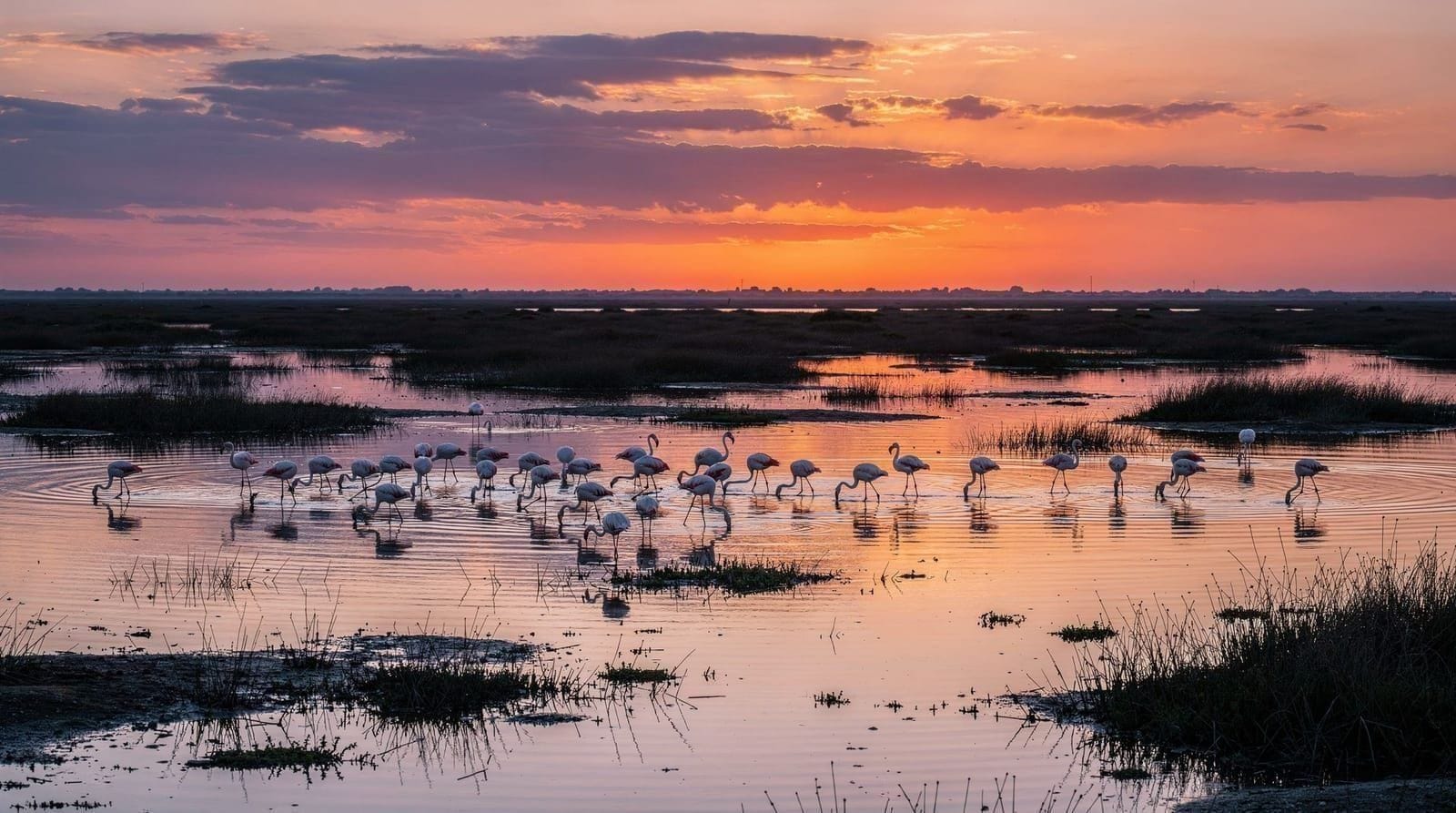
The marismas (marshes): The largest section of the park — a vast seasonal floodplain that fills with water in autumn and winter (fed by the Guadalquivir and winter rains) and dries to cracked clay in summer. In wet conditions, the marismas support enormous concentrations of waterbirds: greater flamingo in flocks of thousands, spoonbill, grey heron, purple heron, red-crested pochard, white-headed duck, and up to 100 other species. The marismas are the most visible part of the park from the public-access roads around the perimeter.
The cotos (scrubland): The stable sand ridges between the marismas and the Atlantic coast, stabilized by Maritime pine, stone pine, and cork oak. The scrubland is the habitat of the Iberian lynx, Spanish imperial eagle, red deer, and wild boar. This is the zone entered by the authorized 4x4 tours.
The mobile dunes: The Atlantic-facing coast, with a 30-kilometre belt of shifting sand dunes — some of the largest in Europe — moving inland at approximately 6 metres per year. This zone is the most restricted; limited trails run from the Matalascañas end.
How to visit: the 4x4 tour
Entry to the core protected zone of Doñana National Park by private vehicle is not permitted. The authorized method for tourists is the official 4x4 jeep tour operated through the El Acebuche visitor centre near Matalascañas, or equivalent authorized operators.
Standard 4x4 tour: 4 hours, departing twice daily (8:30 AM, plus 5 PM from 1 May to 14 September or 3 PM from 15 September to 30 April). Covers the scrubland and marismas in an authorized route. Maximum group size 8-9 per vehicle. Price €35 per adult (€20 for children aged 4-8) at the visitor centre, higher via tour operators including Seville transport.
Day trip from Seville including transport: Tours departing from Seville pick up at central hotels, drive to El Acebuche or similar starting point, complete the 4x4 circuit, and return to Seville. A full day trip costs €60-90 per person including transport and guide.
From Seville: Doñana National Park full-day 4WD tourDoñana + El Rocío + Matalascañas: Some tours combine the 4x4 park visit with a stop at El Rocío village and a drive along the Matalascañas coast. This is a good format for visitors who want landscape variety alongside the wildlife.
Premium lynx tour: A higher-cost, smaller-group option with a specialist naturalist guide whose focus is the Iberian lynx and Spanish imperial eagle. These tours typically have 2-4 participants and use a designated guide who tracks animals regularly. No guarantee of a lynx sighting, but the best odds available.
Doñana and Iberian lynx premium nature tour with specialist guideWildlife to expect by season
| Season | Marshes | Wildlife highlights |
|---|---|---|
| Oct-Mar (wet season) | Flooded | Flamingo, spoonbill, ducks, waders, marsh harrier, booted eagle; lynx and deer active — the most productive season |
| Apr-May (spring) | Transitioning | Large migratory bird movement — warblers, flycatchers, herons; deer active; excellent overall |
| Jun-Sep (dry season) | Dry, cracked clay | Waterbird numbers much lower; intense heat 40°C+; early-morning tours are the only good option; red deer rut begins late Sept |
Booking around this table matters more for Doñana than for most day trips: the same 4x4 route can be a spectacular birdwatching morning in December or a hot, quiet drive through dry scrubland in August. If wildlife is your priority rather than just the landscape, October-April is worth planning your Seville trip dates around.
El Rocío village
El Rocío is one of the most peculiar villages in Spain. Most of the year, it resembles a ghost town from the American West — wide sandy streets (no pavement), wooden porches, horses tied outside houses. The village exists primarily for the annual Romería del Rocío, a Catholic pilgrimage to the hermitage of the Virgen del Rocío. Every Pentecost (50 days after Easter), approximately one million pilgrims converge here by horse, carriage, and on foot — one of the largest religious pilgrimages in Europe.
Outside the romería, El Rocío is peaceful and slightly surreal. The hermitage is open year-round. The lagoon immediately behind the village is excellent for birdwatching — flamingos, spoonbills, and waders are frequently visible from the walkway.
For more on the village itself, its setting and its place in the wider park, see the El Rocío destination page. If you would rather have the village and the coast built into one day without arranging anything yourself, a guided day that links the park, the pilgrimage village and the beach at Matalascañas is the simplest way to do it.
What a day in the park actually feels like
It helps to picture the rhythm of the day before you book. You are collected in Seville, and the first stretch is simply a road journey, which most people spend half-asleep or looking at the changing farmland through the window. The mood shifts once you reach the edge of the park and transfer to the open-sided 4x4. From that point the pace is slow on purpose: the guide drives at walking speed, stops often, and points out things you would never spot alone, such as a shape in the pines that turns out to be a deer, or a raptor sitting motionless on a dead branch.
Expect long quiet stretches punctuated by sudden moments of excitement. That is the nature of wildlife watching, and it is why the experience rewards patience more than it rewards a packed schedule. Bring a snack and water, keep your phone on silent, and talk quietly when the vehicle stops. The guides are the real asset on these tours: a good one reads tracks, bird calls and the behaviour of other animals to find the things worth stopping for.
The return journey tends to be a calm one. Most people are pleasantly tired, the light is often lovely on the marshes, and the conversation in the vehicle usually turns to what everyone saw and what they missed. If you have a long evening planned in Seville, leave yourself a margin rather than booking a late dinner or a flamenco show too close to your expected return. Our authentic flamenco versus tourist show guide is a useful read for choosing a performance worth staying up for on a different night.
Choosing between the tour formats
The five options in the catalogue are not interchangeable, and picking the right one matters more than hunting for the cheapest. Here is how to think about it.
If wildlife is the whole point, choose the premium lynx-focused tour or the standard 4x4 circuit and accept that the day revolves around the park. The smaller the group, the quieter the vehicle and the better your chances of seeing shy animals. A more off-road-oriented format, like an off-road excursion through the sandy tracks of the park, suits people who enjoy the driving and the terrain as much as the animals.
If you want variety, choose one of the combined days that add El Rocío and the coast. You see less of the scrubland in exchange for a broader taste of the area, which suits families, mixed groups and anyone who is not certain that a purely wildlife-focused day will hold their attention.
If you are travelling with children, think about attention spans and the length of the vehicle time. The Seville with kids guide covers how to pace a family trip, and the Seville with family itinerary shows where a Doñana day can sit within a few days in the city.
If you are on a tight budget, compare the cost of a tour that includes transport with arranging your own way to the visitor centre. Our Seville on a budget guide explains how to weigh up where your money is best spent, and remember that the park itself can only be entered with an authorised operator, so the saving lies in the transport rather than in the tour.
How Doñana compares with other nature and countryside options
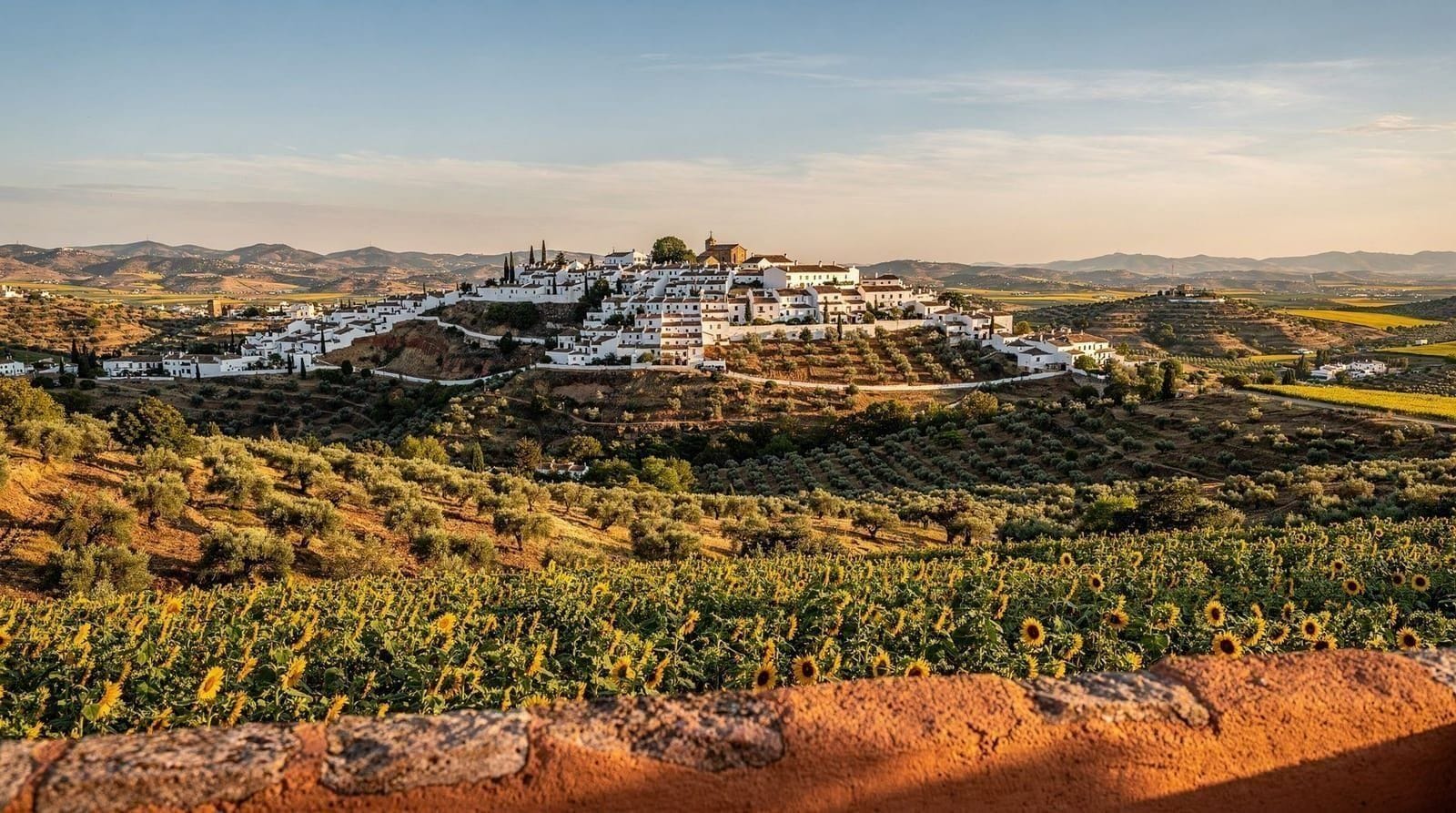
Doñana is not the only way to get out of the city and into green space. Visitors who like landscape and walking sometimes ask whether they should choose it over the hill country of the north, or over a day in the white villages. The honest answer is that they offer different pleasures. Doñana is about wetlands, birds and large mammals in a protected setting you cannot enter alone. The mountains around Aracena are about forested hills, cured ham and village life. The white villages day trip is about hilltop architecture and dramatic scenery, and the Ronda day trip leans on a famous gorge and a historic town.
If you can only fit in one excursion, the which Andalusian city to visit guide helps you decide based on your interests, while the best day trips from Seville guide lays out the whole menu. For travellers with a longer stay, the Andalusia week itinerary shows how a nature day can balance several days of monuments.
Choosing the right season for your trip
Because wildlife changes so much through the year, it is worth treating Doñana as a seasonal decision rather than something to slot in whenever there is a free day. Autumn and winter bring flooded marshes and the densest birdlife. Spring adds migration and a general sense of abundance. The hot months are the hardest on both you and the animals, and the experience is quieter.
If your dates are flexible, look at how the season fits the rest of your plans. The best time to visit Seville guide covers the city’s own calendar, and the Seville in spring guide and the Seville in winter guide show how a Doñana day can complement the atmosphere of each season. If your trip falls in the heat of summer, the Seville in summer heat guide explains how to structure your days, and an early-morning start is the key to making a park visit bearable. A first-hand account of a visit is in our blog post what we saw on a Doñana safari.
Combining Doñana with Matalascañas
Matalascañas is a coastal resort on the edge of the Doñana Natural Park (the buffer zone, not the protected core). The beach is excellent — 25 km of Atlantic coastline backed by pine forests. A combined tour day including the 4x4 park circuit, an El Rocío stop, and an afternoon at Matalascañas beach is a substantial full day from Seville but covers multiple landscape types.
For a day that also takes in the Atlantic shoreline, a full day combining the park with time on the Atlantic coast is another way to build in some beach time. You can read more about the resort in the Matalascañas destination page, and the wider Huelva area has more to explore if you want to stay longer.
How Doñana fits your wider Seville trip
Doñana is the outlier among Seville’s day trips: it’s the only one built around nature and wildlife rather than history or architecture. If you’re weighing it against other options, see the best day trips from Seville guide for the full comparison, or the Aracena day trip guide for another nature-and-countryside alternative closer to Seville. Families planning around children’s interests should also check the Seville with kids guide — Doñana tends to work well for children old enough to sit through a longer vehicle tour but less well for toddlers. For sequencing Doñana alongside other excursions across a multi-day stay, the Seville day trips itinerary is the place to start.
Practical notes
What to wear: Comfortable, muted colours (bright colours may disturb wildlife). Closed shoes essential — the scrubland has low vegetation and thorns. Sun protection, hat, water.
Photography: Bring a telephoto lens (200mm+) if possible. Wildlife in the park keeps distance from vehicles; the closest approaches are typically 20-50 metres for large mammals and 10-100 metres for birds. The 4x4 guide drives slowly and stops when animals are spotted.
When not to go: Mid-July to mid-August in the park core is the worst combination of heat and low wildlife activity. If you can only visit in this period, focus on an El Rocío lagoon visit (good year-round from the walkway) rather than a full 4x4 tour.
For the Doñana destination page, see Doñana National Park. For an overview of all day trips, see best day trips from Seville.
Frequently asked questions about Doñana National Park day trip from Seville
What wildlife can you see in Doñana?
Doñana has one of the most diverse wildlife rosters in Europe: Iberian lynx (critically endangered, one of the world's rarest cats), Spanish imperial eagle, red deer, fallow deer, wild boar, European otter. Bird highlights include greater flamingo (large flocks in the lagoons), spoonbill, purple heron, black-winged stilt, and hundreds of migratory species using Doñana as a staging post on the Atlantic flyway.What is the best time of year to visit Doñana?
October to April is best for birdlife — the marismas (marshes) flood in autumn and winter, attracting large numbers of waterbirds. Iberian lynx are seen throughout the year but are most active and visible in winter when scrubland vegetation is lower. Summer is very hot and the marshes are dry, reducing wildlife density but offering different landscape character.Can you see Iberian lynx at Doñana?
Possibly, but not reliably. The Doñana lynx population is approximately 50-70 individuals in the national park and surrounding area. Sightings on 4x4 tours happen, but cannot be guaranteed. The premium lynx-focused tours (smaller group, longer duration, specialist naturalist guide) offer the best chance. Don't book expecting to see a lynx — book expecting a high-quality wildlife experience that might include one.Is Doñana suitable for children?
Yes, for children interested in wildlife and nature. The 4x4 vehicle adds excitement. Flamingos are visually impactful. The El Rocío village (a pilgrimage town that floods during the annual romería) is genuinely unusual. Children under 5 may find the long day tiring; ages 6+ tend to enjoy it.Do I need to book a Doñana tour in advance?
Yes, especially for the standard 4x4 tours from El Acebuche, which have limited seats per vehicle and run on a fixed schedule. Booking a few days ahead is usually enough outside peak season (Easter and summer), but premium lynx-focused tours with small groups should be booked 1-2 weeks ahead, as capacity is deliberately limited.How does Doñana compare to other day trips from Seville?
Doñana is the only wildlife-focused day trip from Seville, distinct from the historical and architectural day trips to Córdoba, Carmona, or Ronda. It suits visitors who want landscape and nature rather than another monument, and pairs well with a separate history-focused day trip rather than being combined with one.
Top experiences
Bookable activities with verified prices and instant confirmation on GetYourGuide.