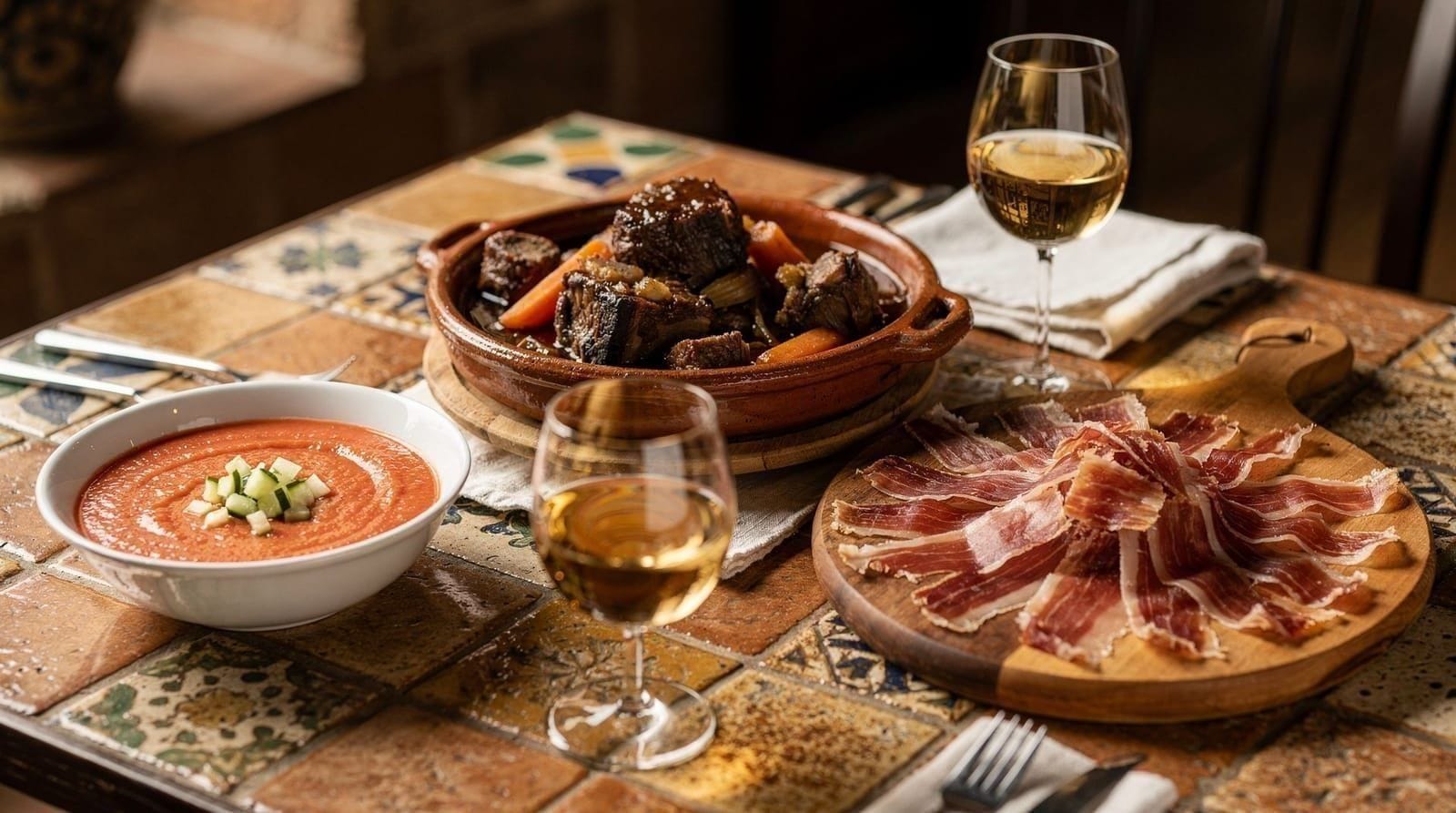
Aracena day trip from Seville: cave of wonders and jamón ibérico
From Seville: Aracena and the Cave of Wonders full day
How do you get from Seville to Aracena?
The Damas bus from Plaza de Armas to Aracena takes approximately 1h30-1h45 and costs €8-11 single. Buses run 2-4 times daily. A car gives more flexibility and allows visits to the surrounding jamón ibérico farms.
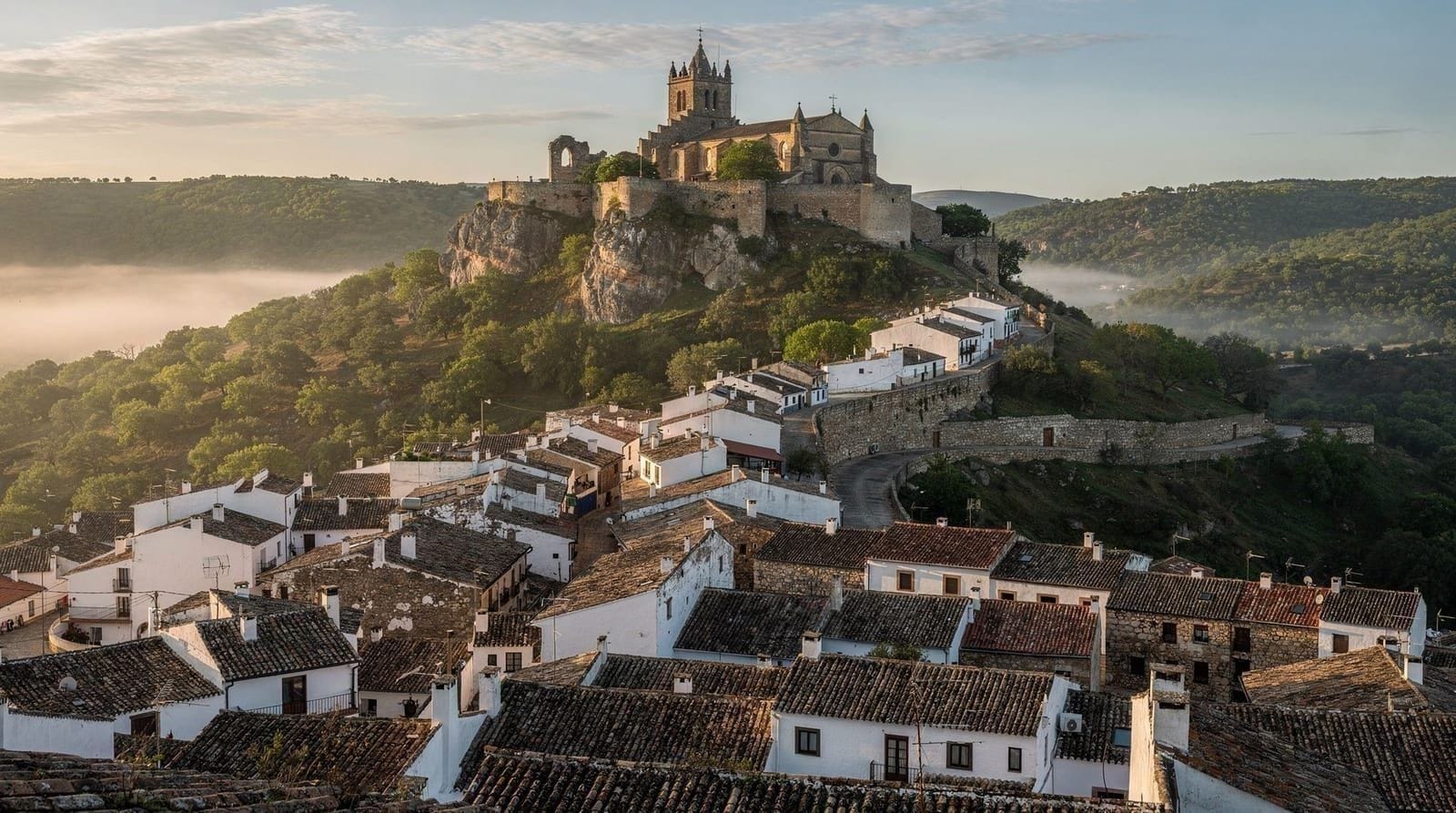
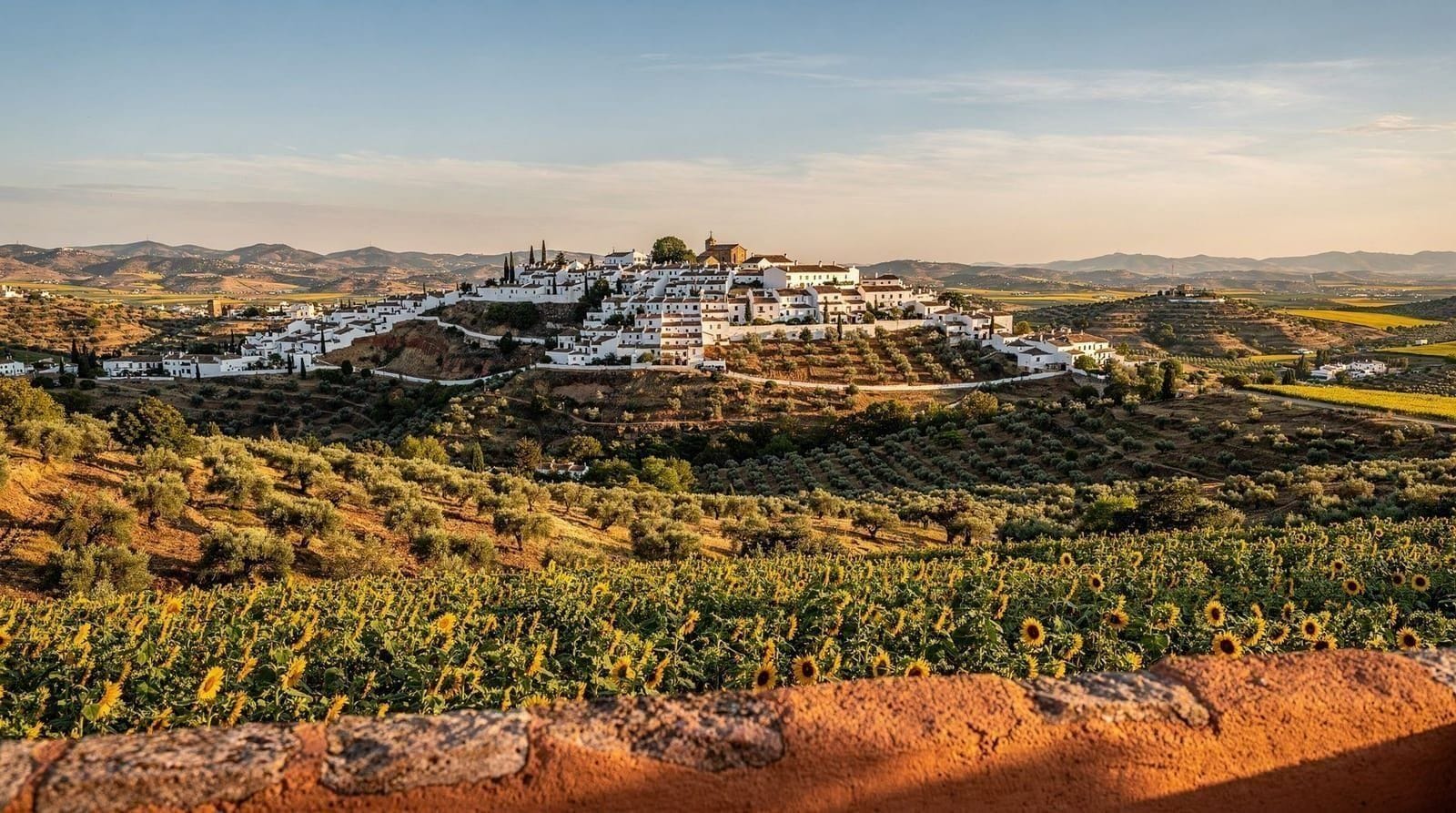
Aracena is a modest hilltop town of 7,000 people in the Sierra de Aracena, 90 minutes north of Seville on the road toward Extremadura. Most visitors to Seville don’t know it exists. That is unfortunate, because the Gruta de las Maravillas beneath the town is one of the best show caves in Europe, and the jamón ibérico produced in the surrounding dehesa is among Spain’s finest cured meats. Combine the two in a day trip and you have one of the most distinctive culinary-natural excursions available from Seville.
| Where | Sierra de Aracena, 90 min north of Seville |
| Cost | Around €8-11 bus each way; from €18 cave entry (weekdays); €50-75 organized tour |
| Time needed | Full day (roughly 08:30-18:00 by bus) |
| Getting there | Damas bus from Plaza de Armas, or car via A-66/A-470 |
| Best time | Book cave tickets ahead for weekends; visit October-February for montanera season |
Getting from Seville to Aracena
By bus: Damas buses from Plaza de Armas bus station run to Aracena approximately 2-4 times daily. Journey: 1h30-1h45. Tickets cost €8-11 single. Check current schedules at damas.es — the frequency is limited and timing matters for a day trip.
By car: 1h20 from Seville on A-66 (Ruta de la Plata) north, then A-470 toward Aracena. The drive through the Sierra de Aracena foothills is attractive, particularly in autumn when the cork oak canopy changes colour. A car is recommended if you want to visit jamón farms or the Río Tinto mines.
By organized tour: Tours from Seville to Aracena include the cave, a jamón bodega visit, and sometimes the Río Tinto mines. Useful if you don’t want to manage bus logistics and want commentary at each stop. Price: €50-75.
From Seville: Aracena and the Cave of Wonders full-day tourChoosing between bus, car and tour
The honest trade-off is flexibility against effort. The bus is the cheapest way in and works well if your plan is simply the cave, a long lunch and a stroll through town. The limited number of departures means your day is shaped by the timetable, so decide on your return bus before you decide how long to linger over lunch.
A car turns Aracena from a single-stop outing into a loose circuit of the sierra. You can drive between villages, stop at a farm shop, or add the mines without worrying about a last bus. If you are not comfortable driving rural mountain roads, or you want a glass of wine with your jamón tasting, a guided tour removes the problem entirely.
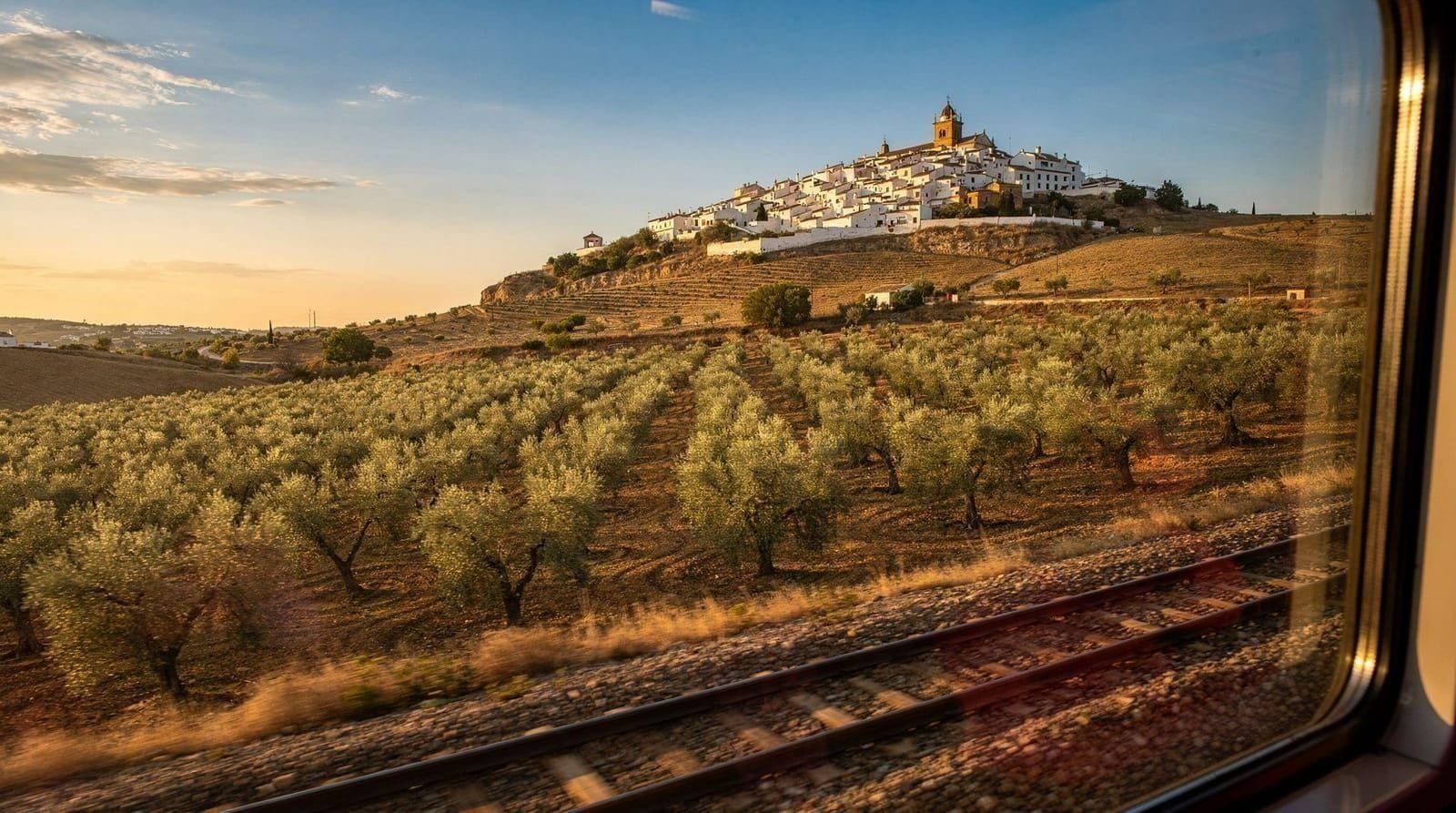
Travellers who have already used the train for other excursions, as described in Córdoba by train vs tour, will find Aracena less straightforward: there is no rail shortcut, so planning matters more. For the wider picture of how people get around the region, see getting around Seville and the Seville public transport guide.
Gruta de las Maravillas (Cave of Wonders)
The cave system beneath Aracena’s hilltop extends 1.2 kilometres with 6 galleries and 12 underground lakes. It was known to locals for centuries but not systematically explored until the late 19th century. The official guided tour (obligatory, no self-guided entry) covers the main route in 45-50 minutes.
What makes it exceptional: The variety of speleothem formations is unusually high for a show cave of this length. The colouring — caused by iron oxide and other mineral impurities in the limestone — ranges from white calcite through yellow and orange to deep red and brown. The underground lakes, lit from below, reflect formations on the water surface. The Grande Maravilla gallery, at the deepest accessible point, has a 15-metre ceiling draped in stalactites.
Entry: From €18 per adult on weekdays (higher at weekends and public holidays). Timed tours run throughout the day but sell out on weekends and public holidays. Book in advance on the official Aracena town hall website or the tourist office on Plaza del Marqués de Aracena.
Practical: The cave is at a constant 18°C — bring a light layer regardless of surface temperature. The exit is via a different route from the entry, at the foot of the hill below the town.
Note: Flash photography is not permitted in most cave sections to protect the formations.
The town of Aracena
The hilltop above the cave has a Moorish castle (Castillo de Aracena) partially converted into a priory, with good views over the surrounding sierra. The Priory of Our Lady of the Graces (Priorato de Nuestra Señora de los Dolores) is 12th-century Templar construction. Entry free.
The central Plaza del Marqués de Aracena is the social centre — terrace bars, the tourist office (where cave tickets are sometimes available last-minute), and the characteristic Huelva provincial architecture.
Jamón in town: Several shops and bars on the main street sell and serve jamón ibérico by weight or portion. Mesón Restaurante Montecruz (Calle San Pedro 25) is one of the best-known restaurants for traditional Aracena food — salmorejo, revueltos with wild mushrooms, and obviously jamón, served at the bar or in the dining room.
Making the most of the cave visit
Arrive at the entrance a little before your timed slot rather than exactly on it, so you are not rushing through the first gallery. Walk slowly: the guide sets the pace, but the formations reward a pause, especially where the lit lakes mirror the ceiling. Wear shoes with decent grip, since surfaces underground can be damp, and keep your hands free for the handrails.
Photography is allowed in some sections without flash. A phone with a good low-light mode will do better than you expect, and steadying it against a rail helps more than any setting. If you are travelling with children, the cave is usually a hit, and it pairs well with the ideas in Seville with kids.
The jamón ibérico: understanding what you’re eating
The Sierra de Aracena and the Pedroches Valley to the east are, alongside the Extremaduran dehesa and the Huelva-Cáceres border, the main production zones for Spain’s finest jamón ibérico.
The classification (regulated by Spain since 2014):
- Blanco: Iberian or crossbred pig, raised on feed. The lowest quality classification.
- Verde (unofficial): Not a legal designation — some producers use it for pigs with access to pasture.
- Verde: Iberian pig, pasture-raised, diet includes grain.
- Rojo: 100% Iberian pig, free-range, diet of grass and grain (cebo de campo).
- Negro/Bellota: The top designation — Iberian pig, free-range in dehesa, diet exclusively acorns (bellotas) during the montanera season (October-February). The montanera is the autumn period when pigs fatten on fallen acorns; a single pig can gain 1.5-2 kg per day.
The fat of bellota-fed pigs contains high levels of oleic acid (from acorns) — similar to olive oil. This gives the ham a particular flavour quality and a lower melting point than other jamón: it begins to run at room temperature, which is why serious jamón shops insist on slicing by hand and serving immediately.
What to buy: A full jamon pata negra leg costs €150-400 depending on quality, age, and producer — not practical to carry on a day trip. Vacuum-packed sliced portions (50g-200g) in clearly labelled quality tiers are available from shops in Aracena. Prices are significantly lower in Aracena than in Seville or Madrid.
Jamón farm visits near Aracena
The jamón farms of the Sierra de Aracena are largely in the villages around Aracena: Jabugo (25 km west, the most famous name in jamón, home of the Sánchez Romero Carvajal bodega and the Cinco Jotas brand), Cortegana, Los Marines, and Galaroza.
Jabugo: The village’s entire economy revolves around jamón. The Cinco Jotas (5J) brand bodega offers visits by appointment — see cincojotas.com. Jabugo itself is small; the visit is principally to the curing facility.
Organized jamón tour from Seville: Tours typically visit a working farm where the pigs roam the dehesa, followed by the curing cellar (secadero) where legs hang in the cool mountain air, and finish with a guided tasting of 3-4 quality levels with local wine. This is one of the more serious food tourism experiences available as a day trip from Seville.
From Seville: Full-day Iberian ham tour to AracenaCombining Aracena with the Río Tinto mines
The Río Tinto mines, 40 km south of Aracena, are one of the oldest continuously operated mining sites in the world — evidence of Phoenician and Roman extraction dating back 3,000 years. The current open-cast mine is a vast industrial landscape in vivid red (the iron-rich soil colours the river blood-red, hence the name). A museum at Nerva covers the mining history; an old mining train runs through the landscape.
Some tours from Seville combine Aracena with the Río Tinto mines in a single day. Without a car, the combination is difficult to manage; with a car, the Ruta de la Plata (A-66) provides easy access between the two sites.
From Seville: Aracena and Río Tinto mines day tripWhat to eat and drink around Aracena
The cooking here is mountain food: cured meats, wild mushrooms in the right season, hearty stews and simple eggs dishes. It is a different register from the fried fish of the coast or the tapas crawls you will do in the city. If the jamón has whetted your appetite, traditional Andalusian dishes explains the wider repertoire, and where to eat in Seville will help you carry the theme into your evenings back in town.
Order jamón the way locals do: sliced by hand, at room temperature, with bread and a little olive oil rather than heavy accompaniments. Ask the bar which cut they recommend and let the quality speak. Pairing it with a dry local wine or a glass of sherry is a natural fit; sherry guide for Andalusia is a good primer if you want to go further.
Who this day trip suits
Aracena works best for travellers who have already covered Seville’s headline sights and want a slower, quieter day. If you are still planning your core days, start with how many days in Seville and the Seville first-timer’s itinerary, then slot Aracena into a spare day. It also suits food-minded visitors following the Seville 3 days for foodies plan, who will appreciate seeing where the ham on their plate begins.
Weather deserves a thought. The cave stays the same temperature all year, which makes this a good rainy-day or hot-day alternative to open-air sightseeing; compare it with the advice in Seville in summer heat. In the cooler months the sierra is at its most atmospheric, and the countryside walk after lunch is more pleasant.
How Aracena compares to Seville’s other day trips
| Day trip | Distance | Best for | Skip if |
|---|---|---|---|
| Aracena | 90 min | Caves, jamón ibérico, quiet countryside | You want beach or coastal scenery |
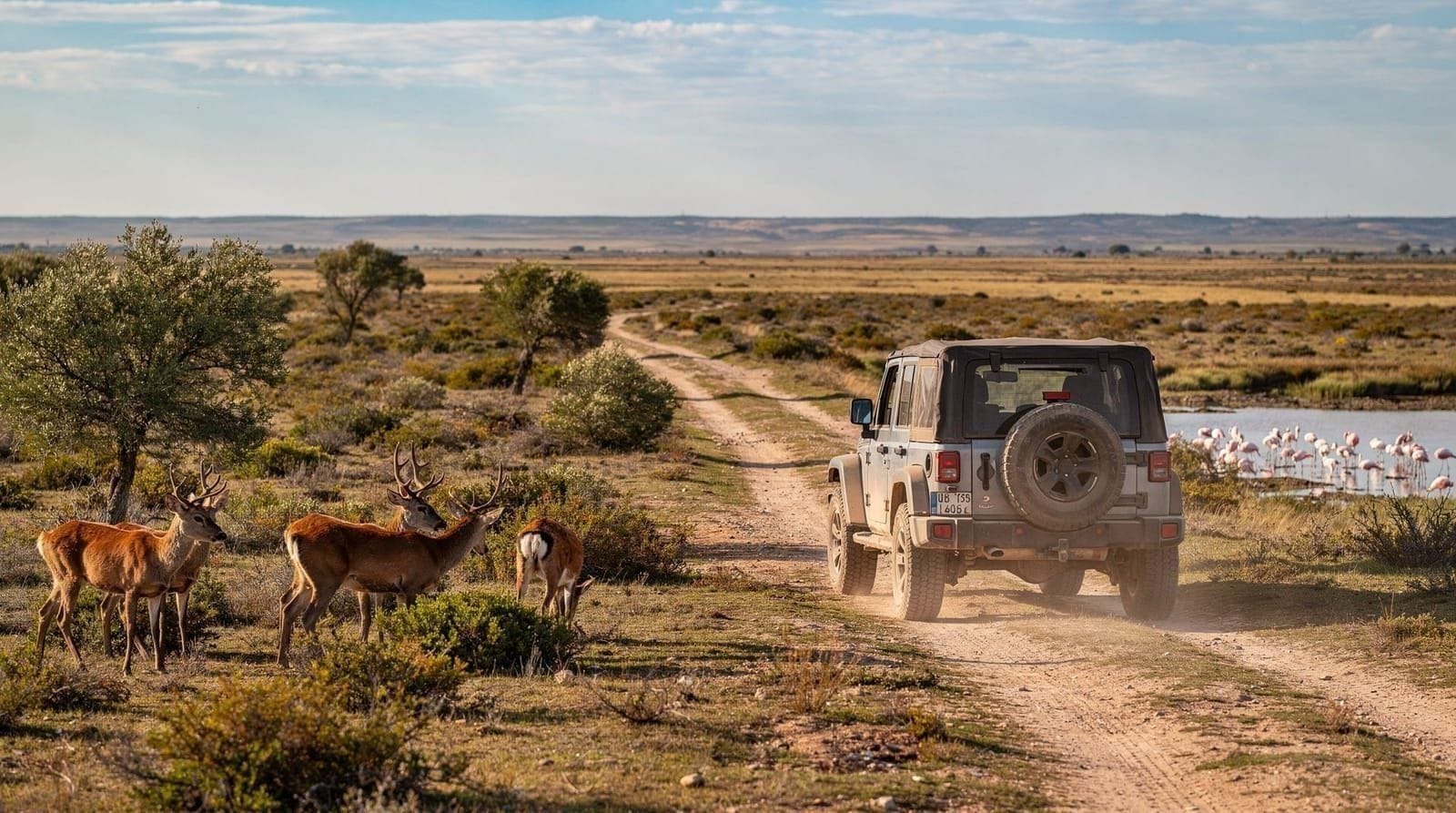
| Doñana National Park | 90 min | Wildlife, wetlands, guided 4x4 routes | You want a walkable historic town |
| Ronda | 2hrs | Dramatic gorge views, white-village character | You’re short on time and want something closer |
| White villages | 2-2.5hrs | Multiple pueblos blancos in one trip | You only have half a day free |
Aracena is one of the least crowded options on this list, which is part of its appeal — see best day trips from Seville for the full comparison, and Seville day trips itinerary if you’re planning more than one excursion during your stay.
Suggested itinerary for an Aracena day trip
08:30 — Bus from Plaza de Armas, Seville
10:15 — Arrive Aracena
10:30 — Gruta de las Maravillas (booked timed entry)
11:30 — Exit cave, walk up to castle hill
12:30 — Lunch at Mesón Montecruz or bar on Plaza del Marqués (jamón, salmorejo, revuelto de setas)
14:00 — Jamón shop visits, purchase vacuum-packed portions for home
15:00 — Walk in surrounding sierra countryside if time allows
16:30 or 18:00 — Bus back to Seville
Treat the timings as a rhythm rather than a script. If the cave is your priority, protect that slot and let everything else flex around it. If the jamón is the real draw, give lunch more time and shorten the walk. Whatever you choose, keep an eye on the return bus so the end of the day stays relaxed.
For the Aracena destination page, see Aracena. For an overview of all day trips, see best day trips from Seville. For traditional Andalusian food context, see traditional Andalusian dishes.
Frequently asked questions about Aracena day trip from Seville
What is Aracena known for?
Aracena is known for two things above all: the Gruta de las Maravillas (Cave of Wonders) — one of the most impressive show caves in Spain — and the jamón ibérico from the black pigs (pata negra) raised on acorns in the surrounding dehesa (cork and holm oak parkland). The Sierra de Aracena and Picos de Aroche Natural Park surrounding the town is one of the least-visited and most beautiful landscapes in Huelva province.Is the Gruta de las Maravillas worth visiting?
Yes. The cave system is 1.2 kilometres of caverns, underground lakes, and exceptionally varied speleothem formations — stalagmites, stalactites, columns, helictites, and cave coral in colours from white to ochre to red. Entry is by timed guided tour only (30-45 minutes). Tickets often sell out on weekends — book in advance on the official Aracena town hall website.What is pata negra jamón ibérico?
Pata negra refers to the free-range Iberian black pig (cerdo ibérico negro) raised on a diet of acorns (bellotas) and grass in the dehesa. The resulting cured ham develops an intense nutty flavour from the acorn fat content. The highest classification is jamón ibérico de bellota 100% — the pigs are 100% Iberian breed and ate exclusively acorns during the montanera (autumn fattening) season. Aracena and nearby Jabugo are the centre of this industry.Can I visit a jamón farm near Aracena?
Yes, with advance booking. Several farms (fincas) in the Sierra de Aracena offer guided visits: you see the pigs roaming the dehesa, the ham-curing cellars (secaderos), and finish with a tasting of different qualities. Organized tours from Seville typically include a farm visit. Independent visitors can book through local tour operators in Aracena.
Top experiences
Bookable activities with verified prices and instant confirmation on GetYourGuide.