Tarifa
Europe's southernmost city: kitesurfing capital, whale watching, and the ferry to Morocco. 2h15 from Seville. What to do and the honest logistics.
From Tarifa: Whale and dolphin watching in the Strait of Gibraltar
Quick facts
- Best for
- Beaches, whale watching, kitesurfing, Morocco day trip base
- Days needed
- 1
- Getting there
- Bus from Seville ~2h15, or car via A-4/A-48
- Currency
- EUR
Tarifa sits at the southernmost point of continental Europe, where the Atlantic meets the Mediterranean and Africa is 14 km away on a clear day. The constant Levante and Poniente winds that sweep through the Strait of Gibraltar have made it one of the world’s top kitesurfing and windsurfing destinations. The same winds make it chilly for sunbathing even in summer, which keeps the beaches cleaner and less crowded than the Costa del Sol.
| Where | Southern tip of continental Europe, Cádiz province |
| Cost | Whale watching: price depends on the operator; bus from Seville: see Comes for fares |
| Time needed | Full day trip, or overnight for the beach/kite scene |
| Getting there | Comes bus from Plaza de Armas, ~2h15; or car via A-4/A-48 |
| Best time | May–June and September–October for milder wind |
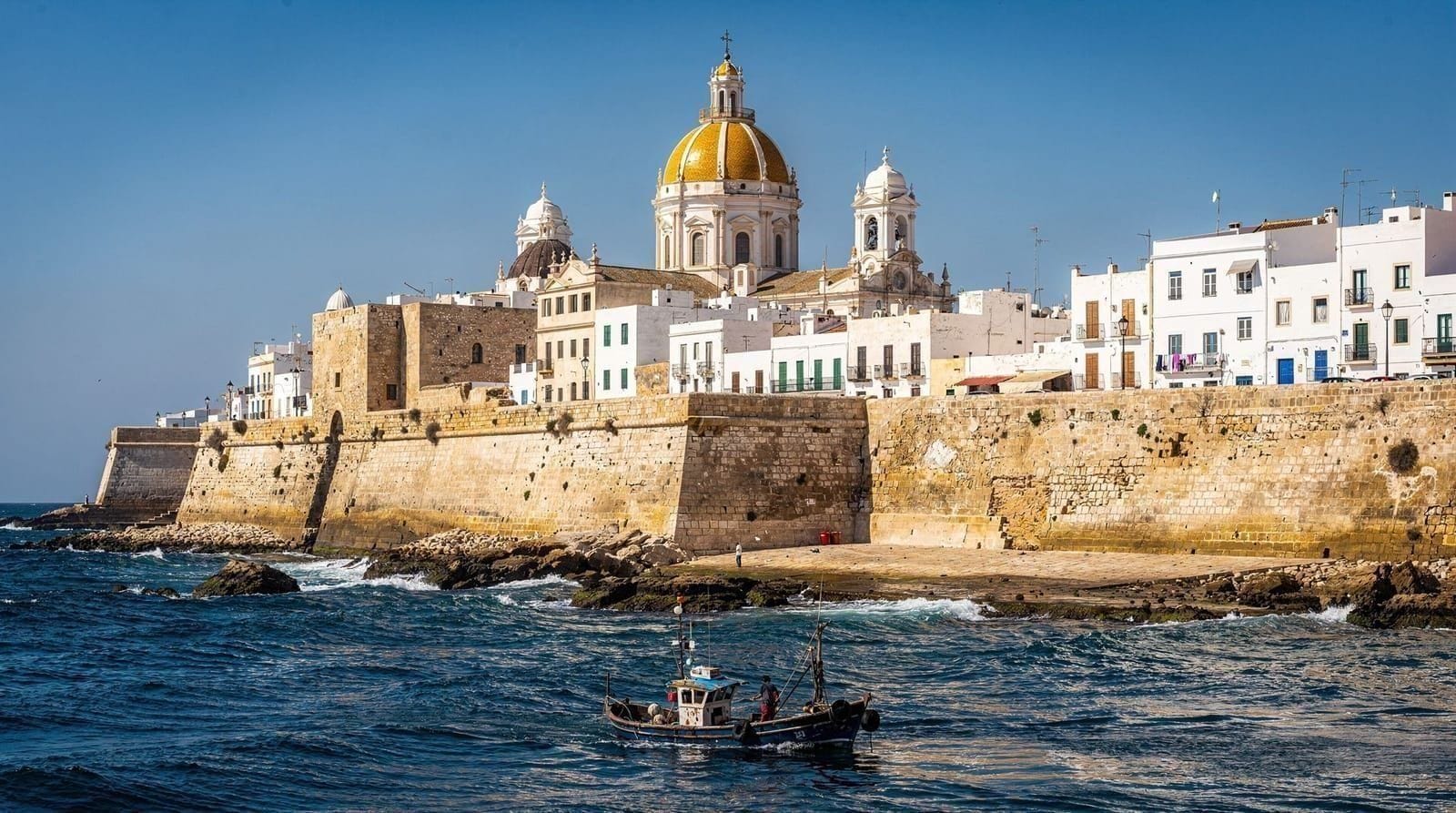
The old town is a genuine walled medina — not a theme-park reconstruction, but an actual medieval Islamic city with narrow streets, whitewashed walls, and a castle that was still in military use until relatively recently. The Morocco influence is unmistakable. Tarifa is often weighed against Cádiz or a Gibraltar day trip when planning a Strait-of-Gibraltar excursion from Seville; see the best day trips from Seville guide for how it fits alongside the rest.
What to do in Tarifa
Whale and dolphin watching in the Strait of Gibraltar is the headline activity. The Strait is one of Europe’s richest feeding grounds for cetaceans: pilot whales, bottlenose dolphins, striped dolphins, and orcas (June–August specifically) transit the channel regularly. Several operators run 2-hour boat trips from the port. The season runs year-round, though sightings are more reliable from May to October.
Whale and dolphin watching from TarifaGo early in the day when seas are calmest. The afternoon Levante wind can make the boat trip rough even in summer — not dangerous, but uncomfortable if you are prone to seasickness.
The old town deserves 2 to 3 hours. The Castillo de Guzmán el Bueno is named for a defender who, in 1294, allowed his captured son to be killed rather than surrender the castle. The legend may be embellished but the castle is genuine (10th century, expanded under Ferdinand III). Entry costs €4 (open Wednesday to Sunday, 10:00–16:00). The medina streets around Calle Sancho IV el Bravo are the most photogenic part of the old town.
Bolonia beach is 22 km from Tarifa on the Atlantic side — a 3 km stretch of fine sand backed by pine forest and sand dunes, with the Roman ruins of Baelo Claudia at one end. If you have a car, this is one of the better beaches in Andalusia. Without a car, it is difficult to reach.
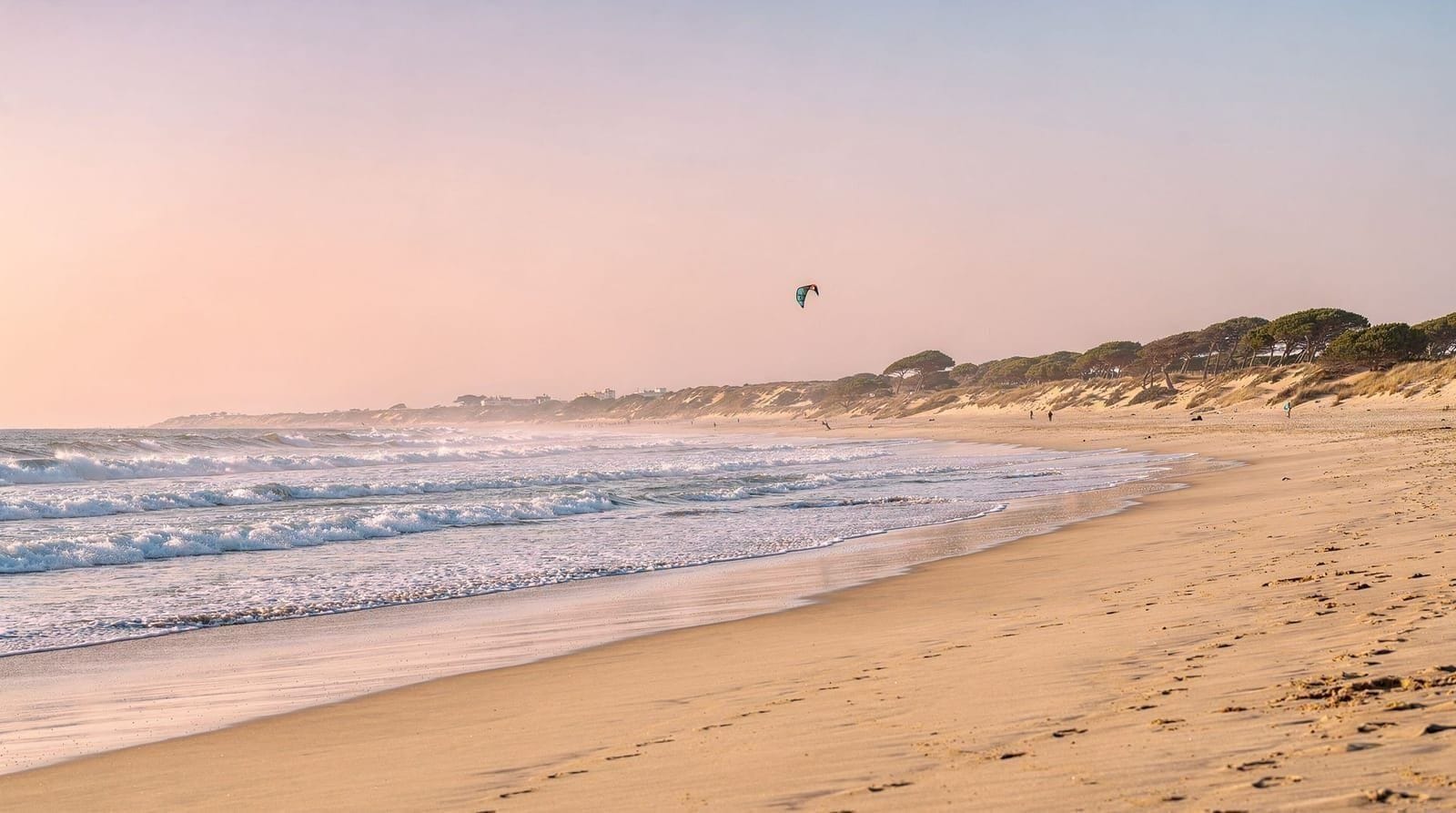
Playa de los Lances is the long beach running north from Tarifa toward the lagoon — the kitesurfing beach. Even if you are not taking a lesson, watching professional kiters perform along a 10 km stretch of Atlantic shore is a spectacle.
Kayaking near the Strait: for a calmer water activity than kitesurfing, a handful of operators run short kayaking sessions along the sheltered stretches near town — a good option if the wind makes the open beach uncomfortable. It is a different activity from the Guadalquivir kayaking you’ll find in Seville itself; see the kayaking and paddleboarding in Seville guide if you’d rather do that closer to the city.
Getting there from Seville
By bus: The most practical option. Comes (Autocares Comes) runs buses from Seville’s Plaza de Armas station to Tarifa, journey time 2 hours 15 minutes (check fares on the Comes website). Several departures daily. The bus station in Tarifa is just outside the old town walls.
By car: A-4 south from Seville to Cádiz, then A-48 toward Algeciras and on to Tarifa. About 2 hours 15 minutes in normal traffic.
By guided tour from Seville: Some operators combine Tarifa with whale watching as a full day from Seville. This works if you do not want to manage the bus independently but you will have less freedom at the destination.
Tarifa whale watching day trip from SevilleHonest planning notes
Wind: Tarifa’s wind is legendary for a reason. The Levante (easterly) can blow 60+ km/h for days at a stretch, and the Poniente (westerly) is only slightly gentler. On windy days, beach umbrellas become projectiles and fine sand at head height is unpleasant. May, June, and October are the most reliably wind-free months. July and August are peak kite season precisely because the wind never stops — great for kiters, less good for sunbathing.
Morocco ferry: FRS and Baleàlia Lines run fast ferries from Tarifa to Tangier port (about 1 hour; fares vary by season and operator). If you want a day trip to Tangier, Tarifa is the closest Spanish crossing point. See the Tangier guide for full details on what that day involves.
Accommodation: Tarifa has a genuine backpacker and surf scene, with hostels and small hotels at reasonable prices. If you are staying overnight, the old town and the beach areas both have good options. For a day trip from Seville, the town is compact enough to cover comfortably.
Combine with Cádiz: Tarifa and Cádiz are only 100 km apart and make a logical two-stop itinerary if you have a car or two separate days. Cádiz is the better of the two for urban exploring; Tarifa wins for beaches and marine wildlife.
Combine with the Costa de la Luz: Tarifa is the southern anchor of the Costa de la Luz, the Atlantic coastline running north toward Cádiz and beyond. If beaches are the priority over a single day at Tarifa, a car-based route along this coast covers more variety of sand and small towns than Tarifa alone. The Seville day-trips itinerary has suggestions for sequencing a coastal day against the inland white-villages routes.
Shaping your day in Tarifa
A day trip here works best when you decide the one thing you came for and build around it. If it is the boat, book the earliest sailing you can and treat the rest of the day as a bonus: lunch, a slow walk through the medina, and an hour watching the kiters. If it is the beach, keep the plan loose and check the wind before you commit to a towel-and-book afternoon. Tarifa rewards flexibility far more than a rigid timetable, because the weather here decides what is pleasant and what is not.
For a first visit, a sensible rhythm is boat in the morning, old town and lunch in the middle of the day, and the shoreline in the late afternoon when the light softens. Leave the bus-ticket decision for the return until you know how the day is going, and look at the evening departures before you settle into a long lunch. Travellers who have already done the big sights in the city can use this trip as a change of pace after the monuments covered in the Seville in 3 days itinerary, while those still planning their stay will find it useful to see where a coastal day fits in the Seville day-trips itinerary or the longer Andalusia week from Seville.
If you are building a trip that mixes city and coast, spend your Seville days first on the headline sights. The Real Alcázar complete guide and the Seville Cathedral complete guide explain how to handle the two big monuments, and the choice of ticket matters more than most visitors expect. Booking a skip-the-line guided visit of the Alcázar before you head south means the palace does not eat into the day you want to keep free for the coast.
Who Tarifa suits, and who should pick something else
Tarifa suits people who like open air, big skies and a slightly rough-around-the-edges town. It is a good fit for couples who enjoy a low-key day, for solo travellers happy to wander, and for anyone curious about wildlife. It is a weaker fit for visitors who want a polished resort beach with calm water and shade, or those who dislike wind. If that second group sounds like you, the Cádiz day trip from Seville gives you a more urban and sheltered day, and the Cordoba day trip from Seville is a better pick if monuments matter more than the sea.
Those who like the idea of crossing the Strait but not the length of the journey can compare this with the Gibraltar day trip from Seville and the Tangier day trip from Seville, which approach the same stretch of water from different angles. The Seville blog’s Gibraltar day trip report and the Tangier crossing account give first-hand impressions that help you decide how much of the journey you want to take on.
Practical habits that make the day easier
Pack for a change in conditions rather than for the forecast alone. A light windproof layer is more useful here than a heavy jacket, and sunglasses help when sand is in the air. Bring a bag you can keep closed, because gusts have a way of moving anything loose. Water, sun protection and a small snack are sensible for the boat, where there is little shelter and you may be out longer than you expect while the crew looks for animals.
If you get seasick, think about the morning departure, eat lightly beforehand, and stay on deck where you can see the horizon. Children usually enjoy the trip, but keep an eye on them near the rails. Keep your phone and camera on a strap, and do not count on every outing producing a sighting: these are wild animals, and part of the appeal is that the Strait is a natural corridor rather than a staged show.
Back on land, take your time. The medina is small, so wandering without a map is part of the pleasure, and the gaps between the whitewashed walls often open onto a small square or a view of the water. Wear comfortable shoes for the cobbles, and leave a little room in the schedule for a coffee or a cold drink while you watch how the town moves.
For the wider context of getting out of the city, the best day trips from Seville guide and the guide to getting around Seville explain how buses, trains and tours compare. If you are still deciding where to base yourself, the where to stay in Seville guide will help you pick a neighbourhood that makes early departures easy, and the how many days in Seville guide helps you work out whether you can afford to give a full day to the coast. For planning the rest of the trip, the Seville first-timers itinerary and the Seville first-time travel tips round out the picture.
Where to eat
El Lola (Calle Guzmán el Bueno) is consistently recommended by locals for fresh grilled fish — whatever is on the blackboard that morning, at honest prices. Get there early; it fills up.
Bar El Frances near the port: no-frills tapas, cold beer, and tuna preparations typical of the area (Tarifa and Barbate are the centre of almadraba bluefin tuna fishing season in May–June).
La Oca on Calle San Francisco: good-quality vegetarian and mixed options in a relaxed setting.
Frequently asked questions about Tarifa
How far is Tarifa from Seville?
About 100 km by road, 2 hours 15 minutes by car or bus. There is no direct train service; bus is the most practical public transport option.
When is the best time to see whales and dolphins near Tarifa?
Year-round sightings are possible, but May through October is the most reliable season. Orcas specifically transit the Strait of Gibraltar in June, July, and August — if you want to see them, that window is specific.
Can I take a day trip to Morocco from Tarifa?
Yes. Fast ferries run to Tangier Port (about 1 hour; fares vary by season and operator). You need a valid passport. The Tangier guide covers what to do once you arrive and how to manage the day.
Is Tarifa good for families with children?
The whale watching trips are excellent for children. The beaches are suitable for older children and confident swimmers, but the Strait’s currents and wind chop can make swimming uncomfortable for young children and non-swimmers. Bolonia is calmer and more sheltered.
What is the kitesurfing situation in Tarifa?
Tarifa is a world-class kitesurfing destination with consistent wind from late spring through autumn. Multiple schools offer lessons (prices depend on the school). If you are already an intermediate or advanced kiter, equipment rental is available at several spots along Playa de los Lances.
Is the old town of Tarifa worth visiting?
Yes, genuinely. It is one of the few walled Moorish medinas in Andalusia that retains a working-town character rather than being entirely given over to tourist shops. The castle, the narrow streets, and the atmospheric harbour area are all worth 2–3 hours of walking.
Is Tarifa better than Gibraltar as a day trip from Seville?
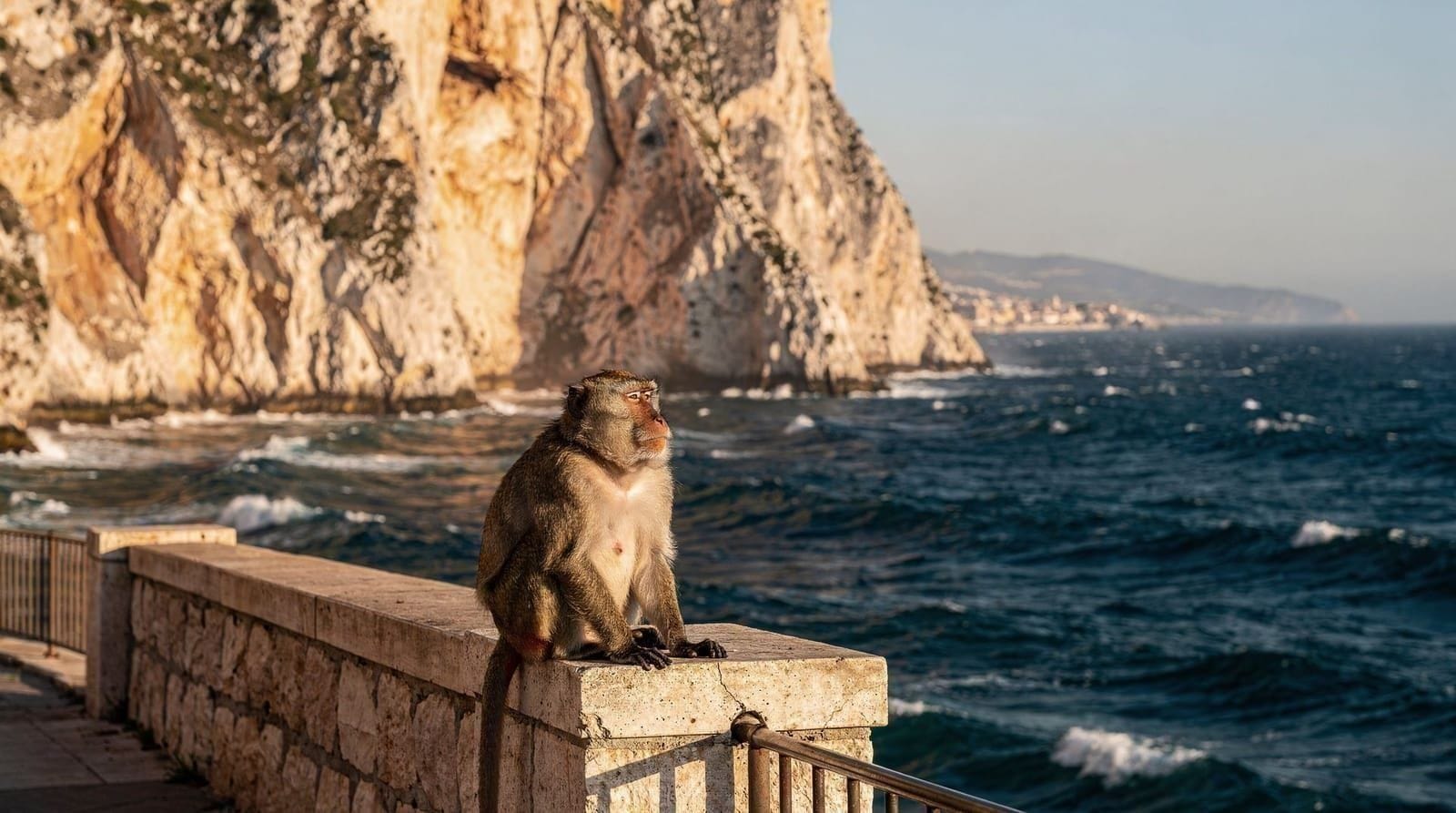
They deliver different things. Tarifa is stronger for beaches, whale watching, and a genuine walled medina; Gibraltar is stronger for a quick, easy novelty stop with British character and Barbary macaques. If you want marine wildlife and coastal atmosphere, choose Tarifa; if you want the shortest, simplest half-day crossing, choose Gibraltar.
Can I do Tarifa as a day trip without a car?
Yes. The Comes bus from Seville’s Plaza de Armas runs directly to Tarifa in about 2h15, and the old town, port, and Playa de los Lances are all within walking distance of the bus station. A car only becomes useful if you want to reach Bolonia beach, which is difficult without one.
Top experiences
Bookable activities with verified prices and instant confirmation on GetYourGuide.