El Rocío
A frontier village with sand streets, marsh flamingos and Europe's biggest pilgrimage, 1h30 from Seville. What a visit is really like.
From Seville: Doñana, El Rocío and Matalascañas
Quick facts
- Best for
- Religious pilgrimage culture, bird watching, Doñana access
- Days needed
- ½
- Getting there
- Bus to Almonte then taxi, or car via A-49
- Currency
- EUR
El Rocío is one of the most peculiar places in Andalusia. Permanent population: roughly 800 people. Streets: unpaved sand, wide enough for horses and ox carts. Main building: the Ermita del Rocío, a whitewashed Baroque hermitage housing a small wooden statue of the Virgin that is venerated across Andalusia.
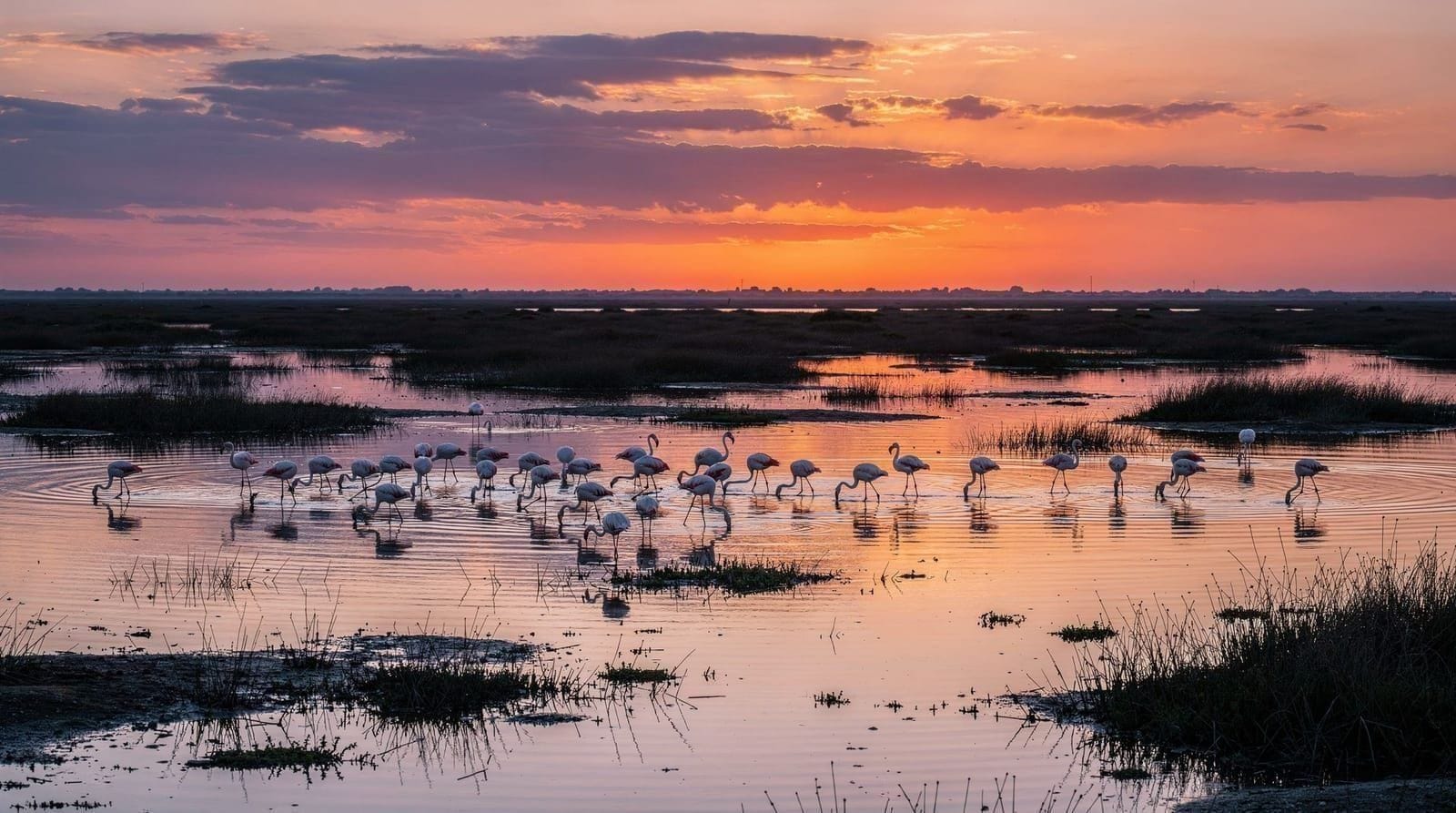
For 51 weeks of the year, El Rocío is a quiet village at the edge of the Doñana marshes, with flamingos visible in the lagoon behind the hermitage and horses wandering freely in the streets. For one long weekend every May (Pentecost), between 500,000 and 1 million people descend on it for the Romería del Rocío — the largest religious pilgrimage in Europe, arriving on foot, horseback, and ox-cart caravans from across the region.
| Where | Edge of Doñana National Park, Huelva province, around 1h15 from Seville |
| Cost | Free to enter the village and hermitage; birdwatching boardwalk free |
| Time needed | 2–3 hours, or ½ day combined with Matalascañas or a Doñana visitor centre |
| Getting there | Car via A-49/A-483, or bus to Almonte + taxi, or a guided day tour |
| Best time | October–April; avoid the Pentecost weekend entirely unless attending the Romería |
What El Rocío actually is
The village exists entirely because of the Virgin’s statue, brought here according to legend by a hunter in the 13th century. The hermitage has been rebuilt multiple times; the current structure is 20th century but follows older designs. Inside, the Virgin del Rocío stands on her throne, elaborately robed and crowned in silver. The hermitage is free to enter and open to visitors throughout the year.
What surrounds the hermitage is the strange infrastructure of pilgrimage: dozens of “casetas” (large private clubhouses belonging to the hermandades, the religious brotherhoods that organise the pilgrimage), most of which stand empty and locked for most of the year. The wide sandy streets were designed for ox carts. The whole town is frozen in the 18th century by deliberate choice — there is no pavement, no tarmac, and no intention of adding any.
The marshes and bird watching
Behind the hermitage, a wooden walkway extends over the Rocinas lagoon — part of the Doñana wetland system. In winter and spring, this is one of the best free bird watching spots in southern Europe. Greater flamingos feed in the shallows in groups of hundreds; spoonbills, herons, and egrets are resident. During migration periods (October–November and March–April) the variety is exceptional.
Binoculars help but are not essential for the flamingos, which are close enough to see clearly with the naked eye.
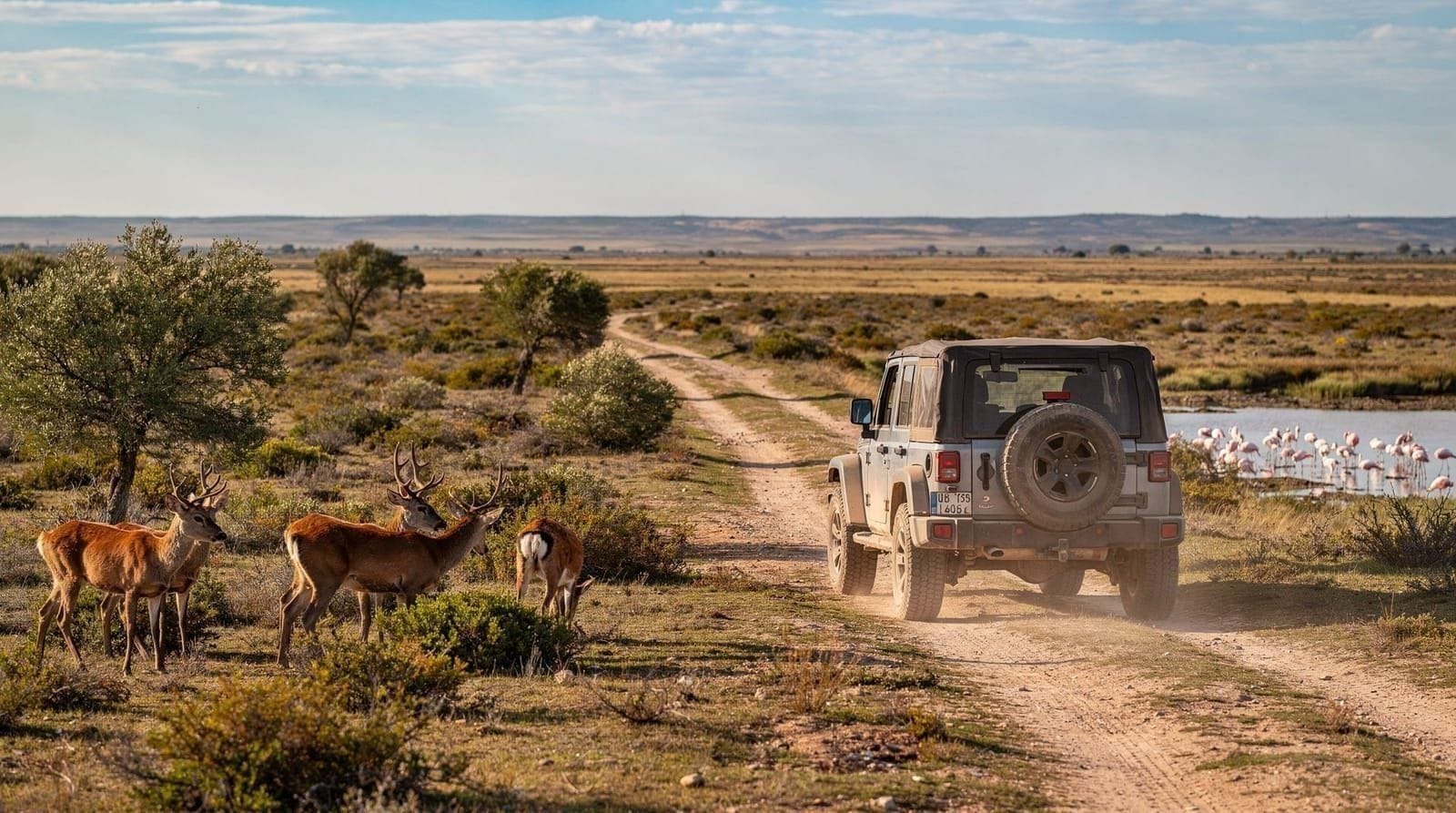
Doñana, El Rocío and Matalascañas beach day from SevilleThe more extensive Doñana safaris (4WD tours through the interior) depart from the El Acebuche visitor centre, south of El Rocío towards Matalascañas on the A-483. These require advance booking through the Doñana national park management. See the Doñana National Park guide for the full safari logistics.
Getting there from Seville
By car: A-49 west toward Huelva, then south via Almonte (A-483). About 1 hour 15 minutes. El Rocío is signposted clearly from Almonte. There is free parking at the edge of the village.
By bus: There is no direct bus from Seville to El Rocío. Take a Casal bus from Plaza de Armas to Almonte (journey ~1h30), then a taxi from Almonte to El Rocío (6 km). Alternatively, take the combined Doñana-El Rocío-Matalascañas tour from Seville.
Doñana, El Rocío and Matalascañas full-day tour from SevilleThe Romería — when to avoid (and when to go)
Pentecost weekend: Do not visit El Rocío on or around the Pentecost weekend (7 weeks after Easter) unless you specifically want to experience the pilgrimage. The 2026 date falls in late May. Between half a million and one million people converge on a village built for 800. Access roads close. Accommodation is booked 2+ years in advance. The climax — the “alumbrao” when the hermandades take the Virgin out at around 3 or 4 am — is genuinely extraordinary to witness if you have planned for it, but it is not an impromptu visit.
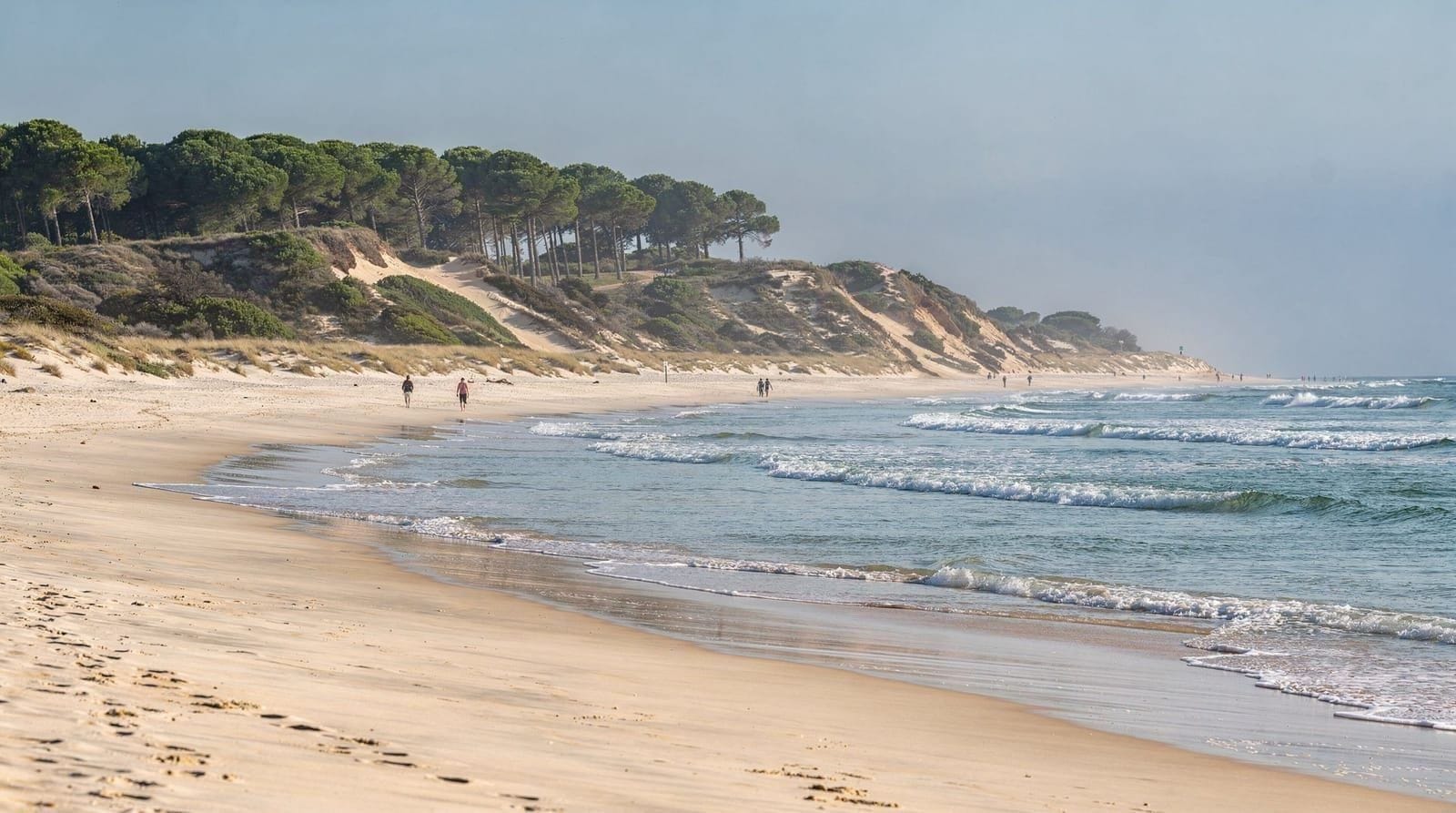
Any other time: El Rocío is peaceful, slightly surreal, and well worth 2–3 hours combined with a stop at Matalascañas beach (20 km south) or a Doñana entrance.
What to eat
El Rocío has a handful of restaurants and bars catering to weekend visitors and the occasional tourist. Marisquería La Choza del Rocío is the most commonly recommended for local fish and shellfish. Prices are higher than equivalent quality in Seville — this is a captive audience situation. Bring snacks if you are visiting outside summer.
Combining El Rocío with the Doñana day trip
The standard tour from Seville combines El Rocío village (1–2 hours) with the Las Rocinas visitor centre (bird watching boardwalk, 1 hour) and Matalascañas beach (1–2 hours for a swim and lunch). This covers the most accessible and photogenic parts of the Doñana zone in one day without requiring a separate 4WD safari permit.
The 4WD safari into the Doñana interior (El Acebuche) is a separate and more specialist experience — primarily for serious wildlife enthusiasts who want the lynx and the interior marshes. See Doñana National Park for the comparison, and the Doñana day-trip planning guide for how the different access points fit together.
Practical tips for visiting
Horses genuinely walk loose through the sand streets — give them space and do not approach them for photos without a rider’s permission. Sun exposure is significant: the village has almost no shade, and the boardwalk over the Rocinas lagoon is fully exposed, so bring a hat and water even on a mild-looking day. There is no ATM inside the village centre; withdraw cash in Almonte or Seville before setting out, since the handful of bars and shops mostly take cards but the small souvenir stalls near the hermitage often do not.
If you are combining El Rocío with a beach stop, Matalascañas is 20 km south and shares the same access road — see that guide for what the resort itself is actually like outside the wildlife side. For a wider view of how El Rocío fits into a Doñana-focused day, the best day trips from Seville overview compares it against the other options in the province, and readers who want a first-hand account of a Doñana safari can see what we actually saw on a Doñana safari.
Reading the village on foot
The best way to take in El Rocío is slowly. Start at the hermitage, step inside to see the Virgin on her throne, then walk the sand streets in a loose loop past the casetas. Each clubhouse carries the name of its brotherhood, and the facades are a quiet lesson in how seriously the pilgrimage is organised, even when the shutters are closed and the street is empty. Finish at the lagoon walkway, where the light on the water is usually at its most photogenic in the morning or late afternoon.
Because the village is so small, there is no need for a map or a fixed route. What rewards you is noticing details: the hitching rails outside the bars, the sand banked against the doorways, the way riders tie their horses as casually as other towns park bicycles. It feels closer to a Wild West settlement than to the Andalusia of white villages and tiled courtyards, and that contrast is the real reason to come.
Who El Rocío suits, and who should skip it
El Rocío is a good fit for travellers who already enjoy slower, atmospheric places and who like the idea of seeing flamingos without paying for a safari. It also suits anyone curious about how popular religion works in Spain, since the village is a rare place where the devotion is visible in the architecture itself.
It is a weaker choice for visitors who want a lot to do. If your Seville days are already packed with the Alcázar, the cathedral and the tapas circuit, a half-day out here is a change of pace rather than another headline sight. Compare it honestly with the other excursions in the Seville day trips itinerary before committing, and see which Andalusian city to visit if you are still choosing between a wildlife day and a city day.
Fitting it into a longer Andalusia plan
El Rocío works best as one slow day inside a wider trip rather than a destination on its own. If you are staying a week or more, the week in Andalusia from Seville shows how a quiet coastal and marsh day can balance the busier city and palace days. For a shorter stay, the three days in Seville itinerary leaves little room for it, so treat El Rocío as an option only if you have already seen the essentials.
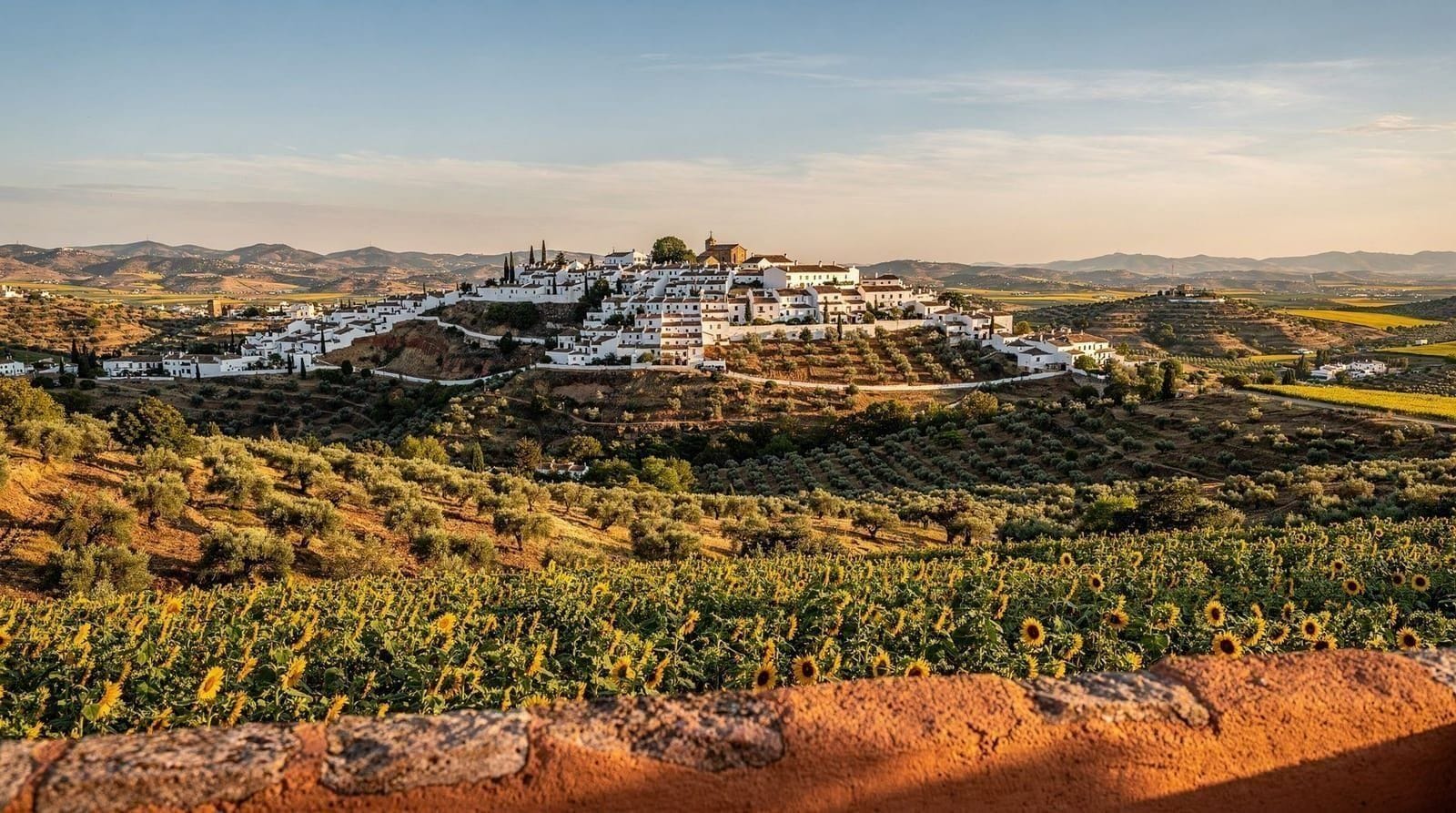
If you do have a spare morning in town first, the Real Alcázar complete guide and the Seville Cathedral guide are worth reading before you go, so that the heavy sightseeing is done and the Doñana day can be pure relaxation. Travellers who prefer a different kind of countryside escape might also consider Aracena and its hills or the nearby Huelva province, which share the same side of the region.
Before you set off
Check the weather and the date of the Romería first, because those two things change the day more than anything else. Wear comfortable shoes, carry water, and decide in advance whether you are driving or joining a tour, since the bus-and-taxi route eats most of a day. If you want the full wildlife picture rather than just the village, read the Doñana day-trip planning guide and the Doñana National Park destination page side by side, and pick the access point that matches how much time you have.
Frequently asked questions about El Rocío
What is El Rocío known for?
Two things: the Romería del Rocío (the largest religious pilgrimage in Europe, held annually at Pentecost), and its location at the edge of Doñana National Park, with a marsh lagoon visible from the hermitage that holds flamingos and other waterbirds year-round.
Is El Rocío worth visiting outside the pilgrimage?
Yes. The village’s physical character — sand streets, horses, whitewashed hermitage, surrounding marshes — is distinctive and unlike anywhere else in Spain. Combined with bird watching at the lagoon and the drive through Doñana’s pine forests, it makes a satisfying half-day excursion.
When is the Romería del Rocío in 2026?
The Romería falls 7 weeks after Easter (Pentecost). In 2026, Easter is on April 5, which places Pentecost around May 24. Confirm exact dates as they are announced by the Hermandad Matriz de Almonte.
Can I enter Doñana National Park from El Rocío?
The hermitage and lagoon boardwalk are on the park’s buffer zone, freely accessible. The protected core zone requires an authorised 4WD tour, which departs from the El Acebuche visitor centre (on the A-483 towards Matalascañas). Book well in advance — permits are limited.
Is there an entry fee for El Rocío?
No. The village and hermitage are free to access at all times. The Doñana visitor centres (such as La Rocina) are free to enter, as are the outdoor trails and boardwalks.
Can I visit El Rocío without a car or organised tour?
It is possible but slow: a Casal bus from Seville’s Plaza de Armas to Almonte, then a taxi for the last 6 km. Budget the best part of a day for public transport versus 2–3 hours by car or guided tour. Most visitors without a car take the combined Doñana-El Rocío-Matalascañas tour instead, since it covers the last stretch for you.
How much time should I actually allow?
Two to three hours covers the hermitage, a walk through the sand streets, and the Rocinas lagoon boardwalk without rushing. If you are pairing it with Matalascañas beach or a Doñana visitor centre, treat El Rocío as the morning half of a full day rather than a standalone trip — the village itself is small.
Top experiences
Bookable activities with verified prices and instant confirmation on GetYourGuide.