Surviving Seville in July: an honest account
July in Seville is one of the hottest regular travel experiences in Europe — genuinely survivable, genuinely rewarding, but only if you restructure your day around it. Here’s the quick reference before the full account.
| Typical July high | 38–44°C |
| Daily rhythm | 6am–12pm active, 12–5pm siesta, 5pm–midnight awake |
| Upside | Lower prices, thinner crowds at opening time |
| Non-negotiable | Air-conditioned accommodation, not just a fan |
| Best evening area | Triana (cooler, riverside airflow) |
Nobody told us it would be this hot
The temperature in Seville on the day we arrived was 42°C. The forecast showed it hitting 44°C by Thursday. Our Airbnb host sent us a WhatsApp message that simply said: “Siesta. It is not optional.”
She was right. July in Seville is an extreme weather event wearing the costume of a summer holiday. The city is one of the hottest in Europe during this period — hotter than most Mediterranean destinations, hotter than most people expect when they book tickets in January looking at photographs of orange blossoms.
I’m telling you this not to discourage you from going. I’m telling you because understanding the heat is the difference between a trip that defeats you and one that becomes an interesting story about learning to live on Seville’s terms.
What 42°C actually feels like in a city
Familiar heat comparisons don’t work here. This is not London on a hot day. It is not even Barcelona in August. The Guadalquivir valley acts as a thermal bowl; the air is dry rather than humid, which makes it slightly more bearable than it sounds, but also means you lose water faster than you realise.
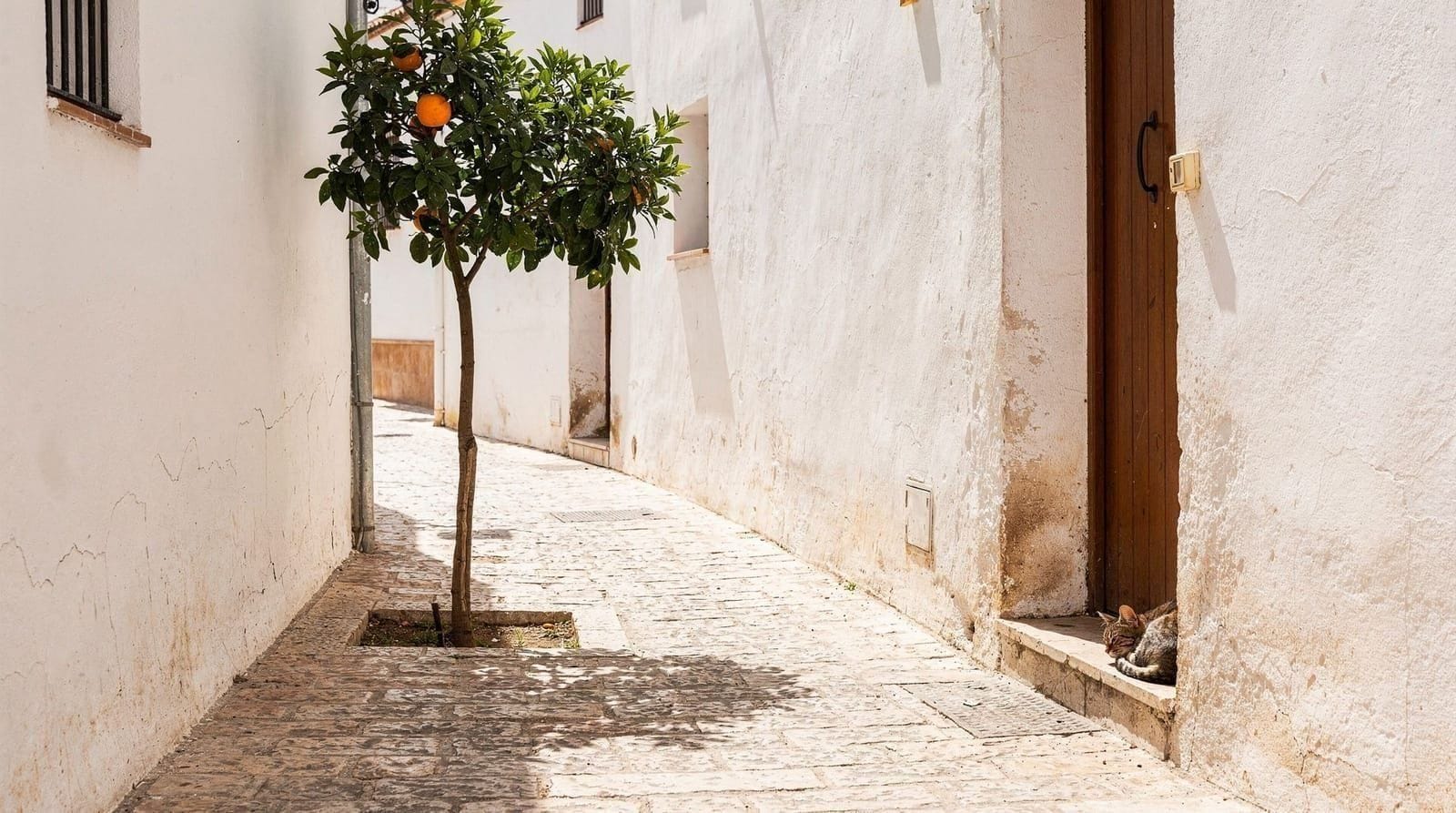
By 11 am, the pavement radiates heat upward from below your feet at the same time the sun presses down from above. The white-washed walls of the Barrio de Santa Cruz reflect light at angles you don’t expect. Sunglasses are not sufficient — you need a hat with actual brim coverage, sun cream rated SPF 50 minimum, and water that you are drinking before you feel thirsty.
We watched a group of tourists collapse their Alcázar queue wait around 1 pm and look genuinely distressed. The Alcázar’s outer walls provide no shade whatsoever.
The operative rule: the 6-12-6 schedule
Seville in summer functions on a rhythm locals have honed over centuries:
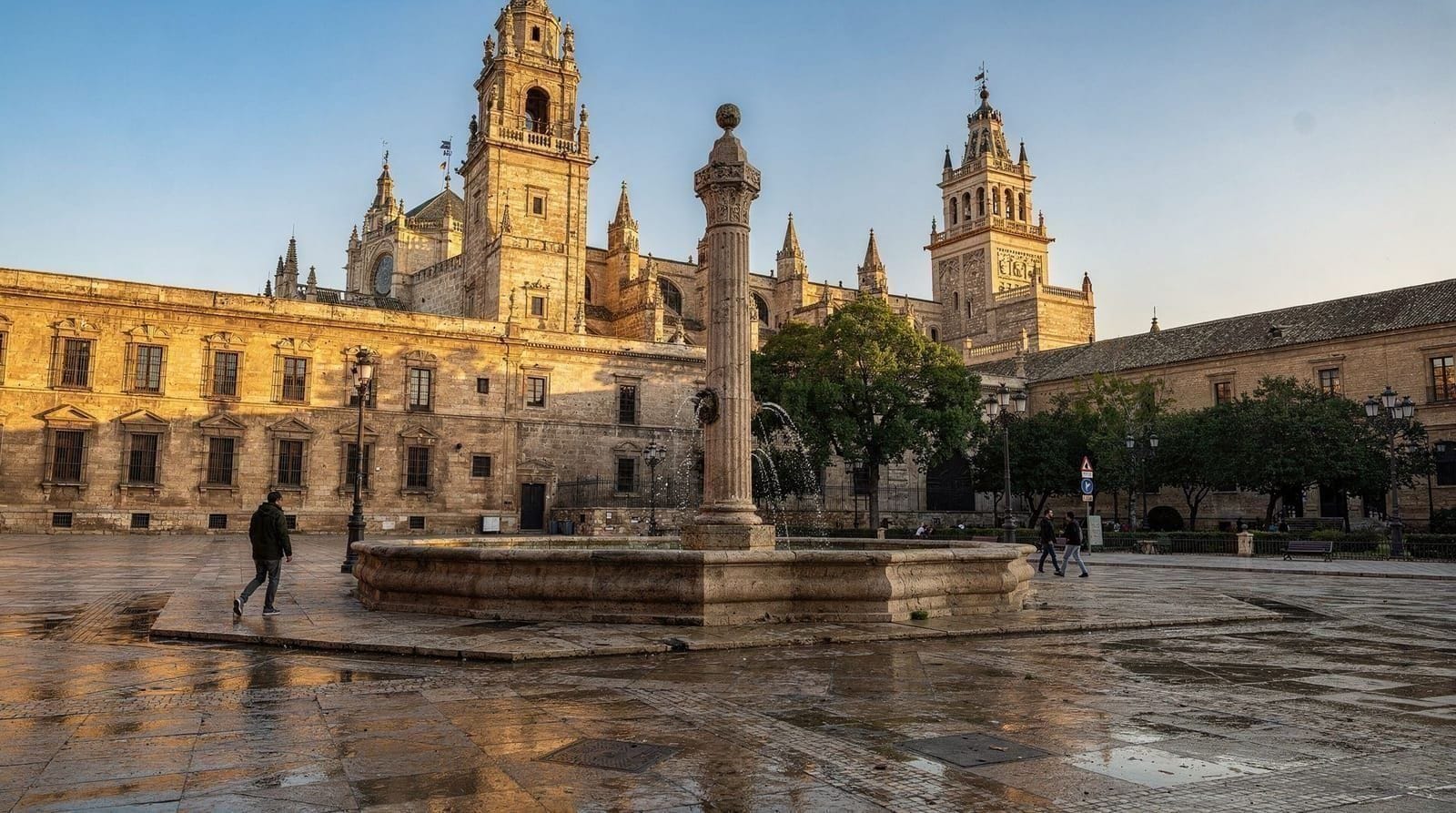
6 am – 12 pm: Active hours. This is when you do the major monuments. The Alcázar opens at 9:30 am; get the earliest slot you can. The Cathedral opens at 10:45 am. Both are significantly cooler inside than out, and both are less crowded in the first 90 minutes of operation.
12 pm – 5 pm: This is siesta. Go back to your accommodation. Eat lunch in air conditioning. Read. Sleep. We initially resisted this on day one and by 3 pm we were sitting on a bench in a park feeling genuinely unwell. By day two we had converted entirely. The city basically stops anyway — shops close, streets empty out, and the few people still walking look like extras from a film about post-apocalyptic towns.
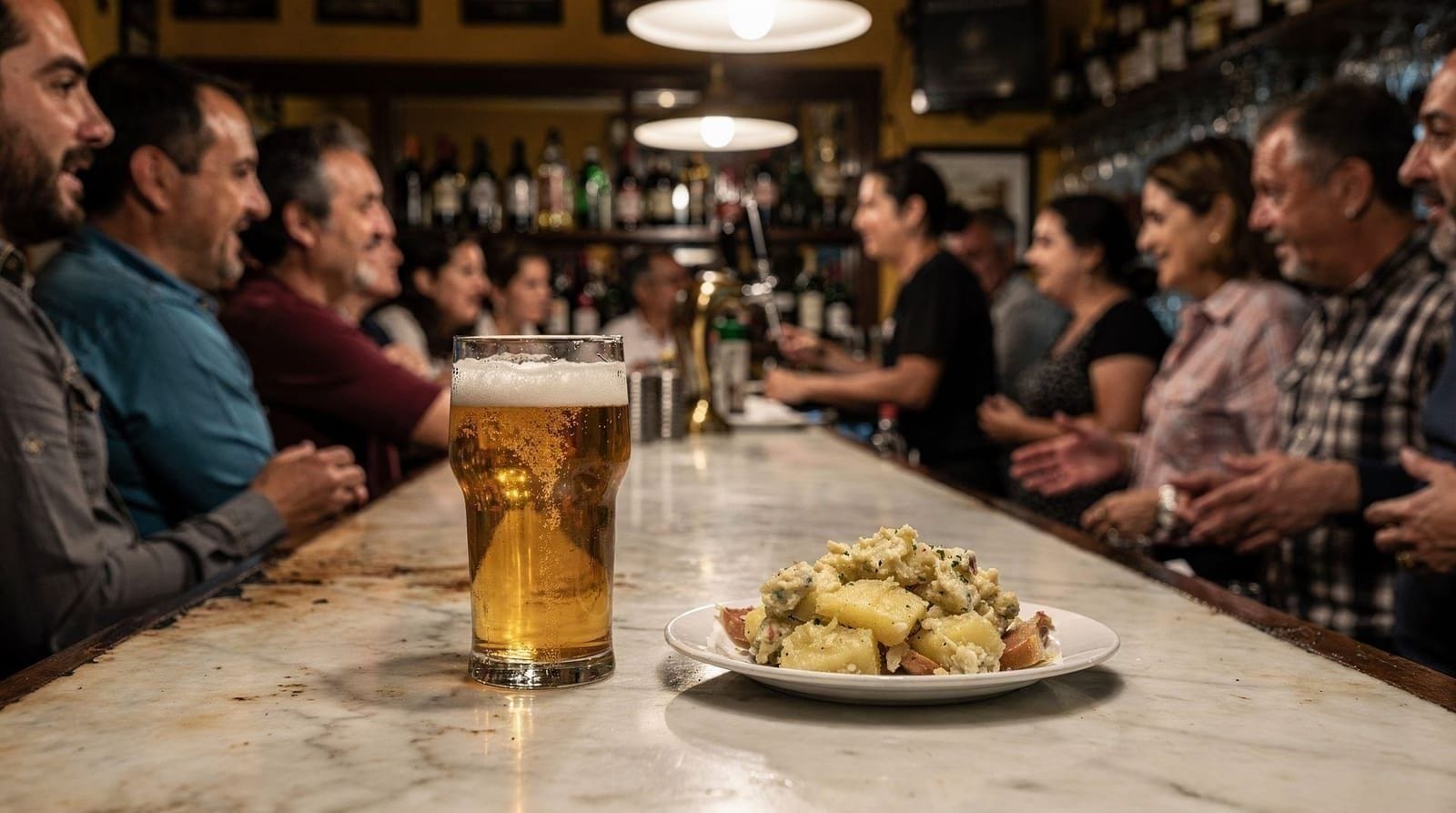
5 pm – midnight: Seville awakens. From around 6 pm the air temperature starts dropping and the streets fill progressively with locals who have been waiting for this moment. The best of Seville — the tapas bars alive with conversation, the evening light on the Plaza de España, the streets of Triana — happens in these hours.
Dinner at 10 pm is not affectation. It’s climate-appropriate scheduling. If you want somewhere to start your evenings, our best tapas in Seville guide and the Triana neighborhood guide are built for exactly these hours, and the barra vs terrace pricing guide explains why standing at the bar is the more local way to do it.
What to visit in July specifically
Some sights are genuinely fine in July, some are considerably worse. Here’s the honest breakdown:
Good in July: The Real Alcázar (interior, air-cooled stone floors and shaded gardens), the Cathedral interior, the Archivo de Indias, the Museo de Bellas Artes (free for EU citizens, excellent permanent collection, properly air-conditioned), the Metropolitan Parasol/Setas (the roof terrace at dawn or dusk only — midday is aggressive), the Guadalquivir riverfront after 8 pm.
If you are deciding which big monument to take first while the mornings are your only window, the Alcázar vs Cathedral guide helps you order them, and the Real Alcázar complete guide covers what to see inside. For the wider picture of how the city behaves at this time of year, see our guide to avoiding the crowds in Seville.
Actively difficult in July: The Barrio de Santa Cruz walkabout at midday (narrow streets trap heat), the Carmen column route on the waterfront (exposed), any queue for tickets without shade, the bus Hop-On Hop-Off open top deck between 11 am and 5 pm.
Surprisingly good: The Triana barrio in the evening, particularly the bars along Calle Betis. Plaza de la Alfalfa at 9 pm when the restaurants set out tables. Casa Morales on Calle García de Vinuesa for cold manzanilla at 7 pm — one of the oldest bars in Seville, sawdust on the floor, wine served from ancient clay vessels embedded in the wall.
The practical gear list for July
This is not generic travel advice — this is the specific list of things we used or wished we had:
- Hat with a wide brim. Baseball caps don’t cut it. A proper sun hat with coverage over the neck.
- Electrolyte tablets. We bought them at a Farmacia on Calle Tetuán after day two. The heat dehydrates you faster than water alone replaces.
- A portable fan. Small, USB-charged, €8 at any tourist shop. Legitimately useful during outdoor queues.
- SPF 50 sun cream, reapplied. We burned on day one despite SPF 30. Reapply after every outdoor session.
- Lightweight cotton or linen clothes. Synthetic fabrics are miserable at 40°C.
- A midday plan that isn’t sightseeing. Museum visits, lunch with air conditioning, a siesta. Put it in the itinerary and stick to it.
Our Seville itinerary for three days is easy to bend into this shape: keep the monuments in the morning, leave the middle of the day empty, and move the neighbourhood wandering to the evening. If you are travelling with children, the Seville with kids guide is worth reading before you commit to July.
Budget implications of July
July has lower accommodation prices than April or May in Seville. This is the one genuine upside of visiting in the worst heat month: a mid-range hotel room that costs €155 in April can come down to €110–125 in July. Tourism is lower, crowds at the major sights are thinner (especially at opening time), and restaurant reservation availability is better.
The tradeoff is that you need air conditioning in your accommodation, not just a fan. Non-air-conditioned rooms in July are not a budget hack; they’re a sleep deprivation experiment. Make sure the listing specifies “aire acondicionado” and check reviews confirm it actually works.
What we’d do differently
Get accommodation in Triana rather than Santa Cruz. The barrio is cooler (more airflow from the river), genuinely local, and you can walk the Puente de Isabel II into the historic centre in under 15 minutes.
Book every monument visit for the first available morning slot, weeks before you travel. July visitors who turn up without reservations queue in full sun for experiences that could have been pre-arranged for €0 extra in booking fees.
Go out later. We ended up staying out until midnight or 1 am on two nights, eating dinner at 10:30 pm with tables of Sevillanos around us doing the same. Those were our best evenings. The cool (relatively) night air, the city finally comfortable, the pace slow and the wine cold.
Seville in July is extreme. It is also, if you let it reorganise your daily rhythm, genuinely magnificent. The city is built for this heat in ways that become apparent once you stop fighting and start following local hours.
How July compares to the rest of the summer
| Month | Typical high | Crowd level | Accommodation vs April |
|---|---|---|---|
| June | 33–38°C | High | Similar to slightly lower |
| July | 38–44°C | Moderate (many locals leave) | 20–30% lower |
| August | 37–42°C | Low-moderate (many shops close) | 25–35% lower |
| September | 30–35°C | Rising again | Back near April levels |
July and August are genuinely the two cheapest months alongside deep winter, but August adds the complication of many family-run bars and shops closing for their own holidays. If the price discount matters more than avoiding peak heat entirely, July slightly edges out August for having more open businesses.
Escaping the heat for a day
If two or three days of 40°C+ becomes too much, a short day trip with water or shade can reset the trip. Cádiz, 1h40 by train, has an Atlantic breeze that makes a real difference and a beach to cool off at directly. Jerez de la Frontera offers shaded bodega tours that are actively pleasant in extreme heat — cool cellars, tastings, and a slower pace than an outdoor monument queue.
Cádiz day trip from Seville with guideFor staying in the city, our Seville packing list guide has the month-by-month version of the gear list above, and the Seville first-time travel tips guide covers the general logistics we assumed as background here. If budget is a factor in choosing July specifically, the Seville on a budget guide breaks down exactly how much the summer discount saves.
Seville guided walking tour, morning startFrequently asked questions about visiting Seville in July
Is Seville in July too hot to visit?
It’s genuinely extreme, but manageable if you follow a local rhythm — active hours before noon and after 5 pm, a real midday break, and air-conditioned accommodation. Many visitors find it rewarding for the lower prices and thinner morning crowds.
Is August better or worse than July in Seville?
Similar temperatures, slightly fewer crowds, but more family-run businesses close for their own summer holidays. July has marginally more open restaurants and shops at similar pricing.
For more detailed planning, see our Seville in summer heat guide and the best time to visit Seville guide.