Seville on a budget — our actual numbers
Five days, two people, off-peak January, and a real spending record rather than a theoretical best case. Here’s the summary before the day-by-day breakdown.
| Total, 2 people, 5 days | around €475 (€237.50/person) |
| Daily average | around €47.50/person |
| Season | January (cheapest month) |
| Biggest saving | off-peak accommodation, bar counters over restaurants |
| Non-negotiable cost | entrance fees, around €42/person |
The context: five days in January
My travel partner and I visited Seville for five days in January 2024 — deliberately off-peak, after the Christmas and New Year crowds had dispersed and before the spring tourist surge. We had a combined daily budget target of €130 for two people (€65 each), which is the lower end of what the city is realistically achievable on without camping or cooking all your meals.
This is a record of what we actually spent, not a fantasy version of what someone who never buys coffee could theoretically achieve.
Accommodation: €29–45 per night per room
Seville in January is significantly cheaper than Seville in April. We booked a private room at a hostel in the Alameda de Hércules neighbourhood — not a dormitory, but a private en-suite double — for €29 per night for the first three nights, then €45 for the last two when we moved to a small guesthouse in Triana with better light and a proper breakfast included.
In spring or autumn these same rooms would run €55–80 and €90–120 respectively. The January discount is real and significant. Total accommodation for five nights: €162 (€32.40/night average). Per person: €81 for five nights.
The Alameda neighbourhood was the right call for budget travellers: good transport connections, a concentration of affordable bars, and far enough from the cathedral that the tourist premium doesn’t apply. The best neighborhoods to stay in Seville guide is worth reading before you decide where to base yourself.
Food: €22–38 per person per day
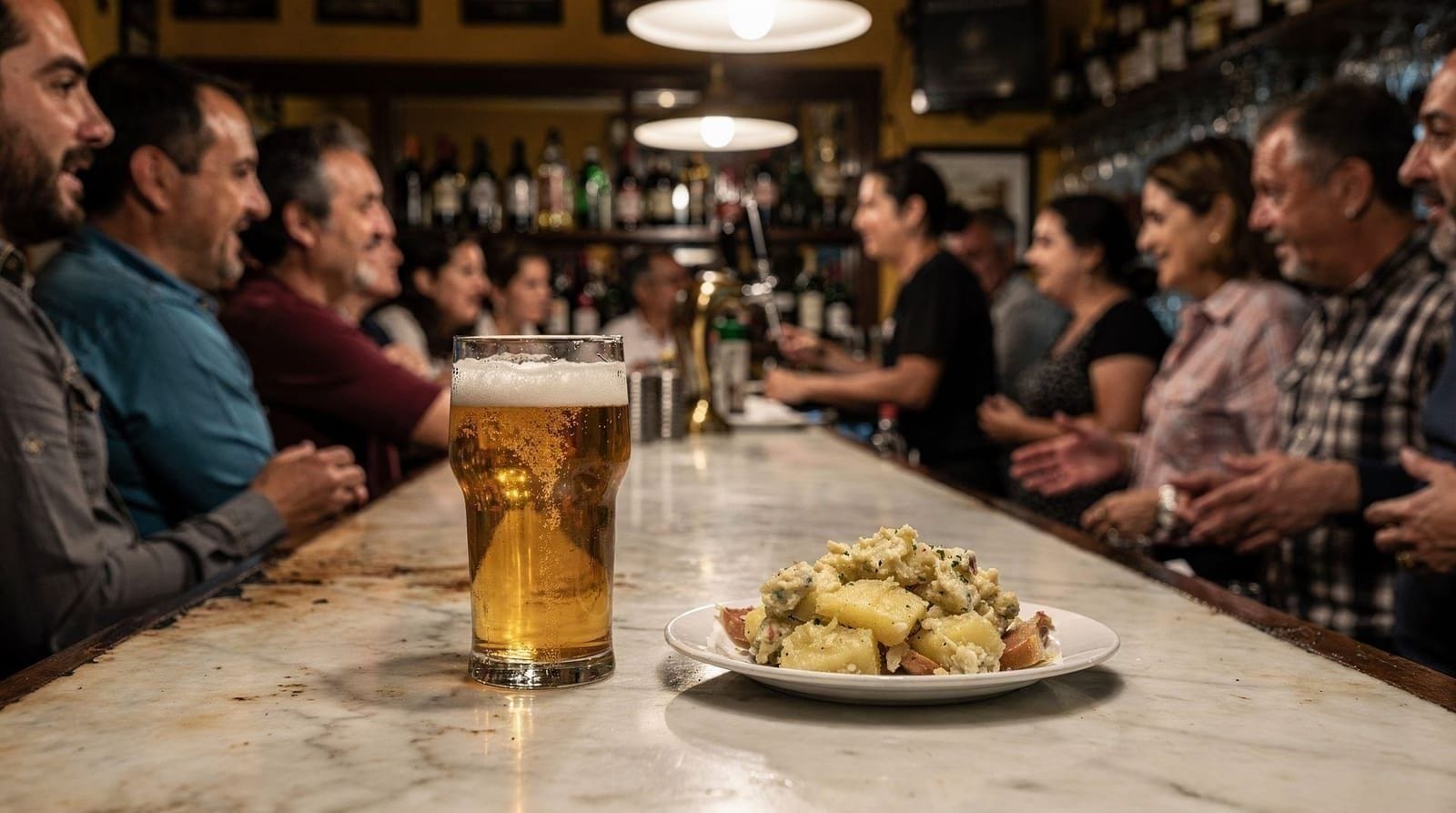
We ate at bars rather than restaurants for almost every meal. The distinction matters: in Seville, the same dish served at the bar counter will cost 20–30% less than at a table, and the portions are often identical. Breakfast at a bar — tostada con tomate and a café con leche — averaged €2.50 per person. We never paid the €8–12 that hotel breakfast or tourist-oriented cafés charge.
Lunch was the main meal of the day, as it is for Sevillanos. We targeted the menú del día — a three-course lunch with bread and a drink, served by almost every neighbourhood bar from 2–4 pm. Prices ranged from €11 (Macarena neighbourhood, no tourist proximity) to €13.50 (Arenal, slightly more central). We averaged €12.20 per person for lunch.
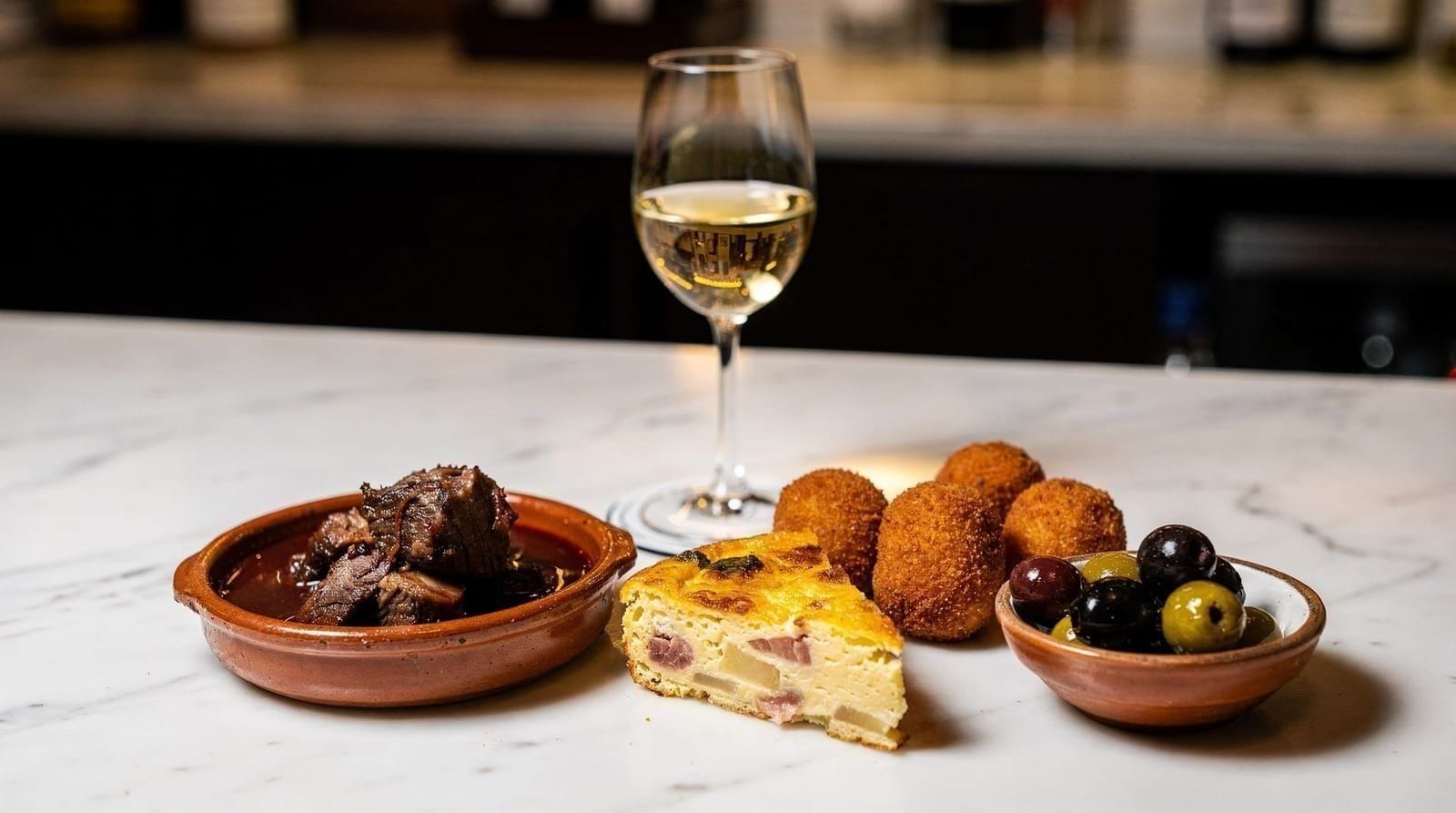
Dinner we kept deliberately light. Two or three tapas at a bar, a glass of wine or beer, total €12–16 for two people. We never had a formal sit-down dinner.
If you want to know which bars are worth a stop, the best tapas in Seville guide and the explainer on barra versus terrace pricing show where the counter habit pays off most. The guide to avoiding tourist-trap restaurants also helps if you are tempted by a menu with photos near the Cathedral.
Total food spending over five days: Day 1: €38 for two (exploring, slightly disorganised). Days 2–5: €30, €27, €25, €28 for two. Average: €29.60/day for two, or €14.80 per person per day.
Entrance fees: the big decisions
Seville has several expensive tourist attractions that can quickly destroy a budget. Here’s how we navigated them:
The Alcázar: €15.50 (general admission, no guide). The Alcázar is genuinely unmissable and worth every cent — the gardens alone justify the price. There is no free entry option. Book online in advance; walk-up queues can be 1.5–2 hours in peak season. In January we walked up and waited twelve minutes.
The Cathedral and Giralda: €13 (entry only). Also genuinely worth it. Free on Sundays from 5 pm (tickets collected on site at the Puerta del Príncipe, limited places) — check current terms, as this has changed before. In January, no queue.
Metropol Parasol/Setas: from €16 for the panoramic walkway. One of the better value viewpoints in Spain.
Casa de Pilatos: €12 (ground floor + garden). Beautiful, and significantly less crowded than the Alcázar or Cathedral. We visited on Day 3 and had parts of the courtyard to ourselves.
Archivo de Indias: Free. Exceptional if you’re interested in the history of the Americas. The documents from Columbus’s voyages are in there. Empty on a January morning.
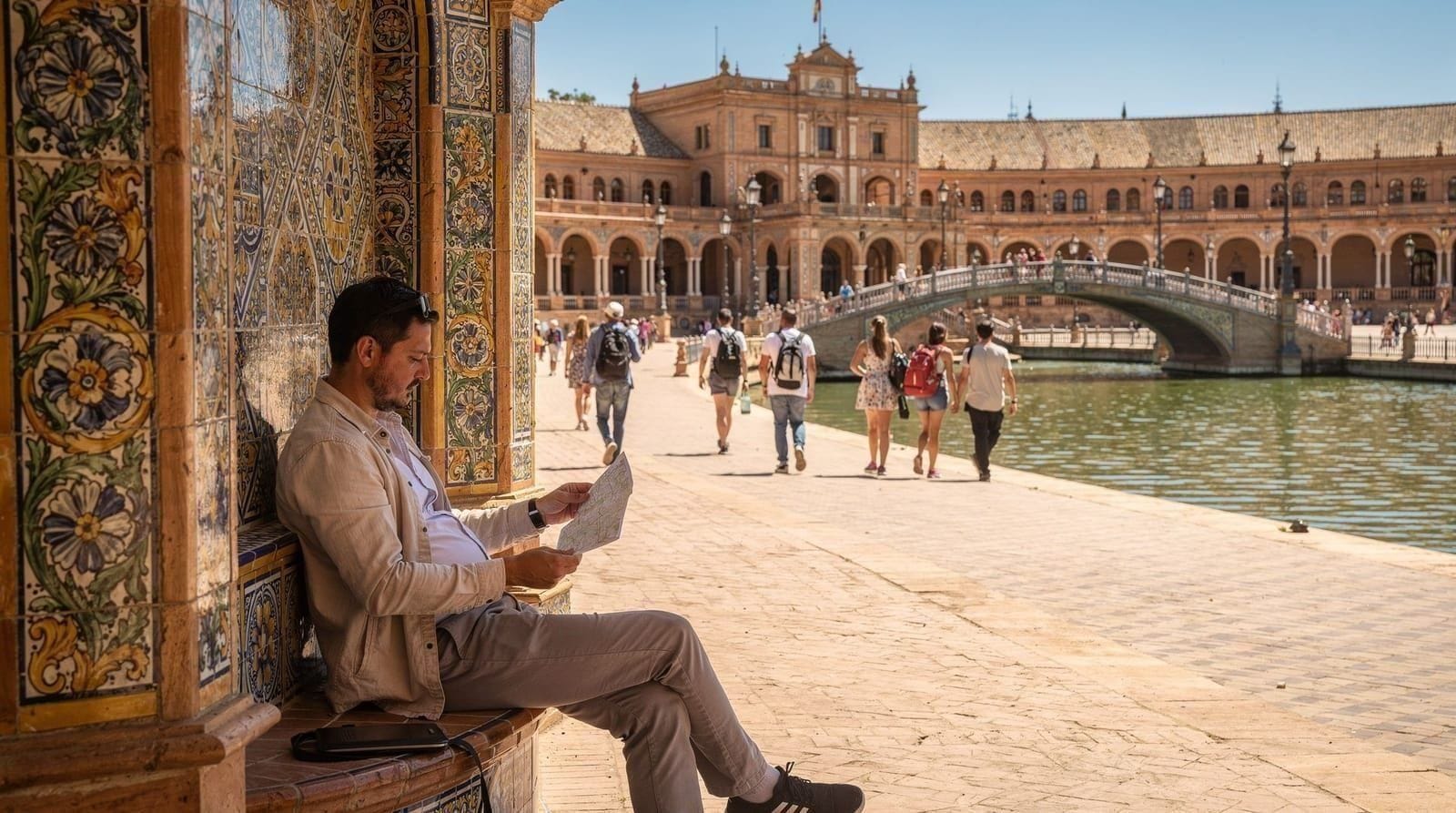
Plaza de España: Free (outdoor monument). Worth two hours minimum.
Total entrance fees, five days: €42 per person. This is non-negotiable if you want to see the city’s main sites. Budget accordingly.
If you are deciding which paid sight to put first, the Alcázar versus Cathedral comparison lays out the trade-offs, and the Alcázar tickets guide explains the booking options before you commit any money. For a fuller picture of the palace itself, see the complete Royal Alcázar guide.
Transport: €0 most days
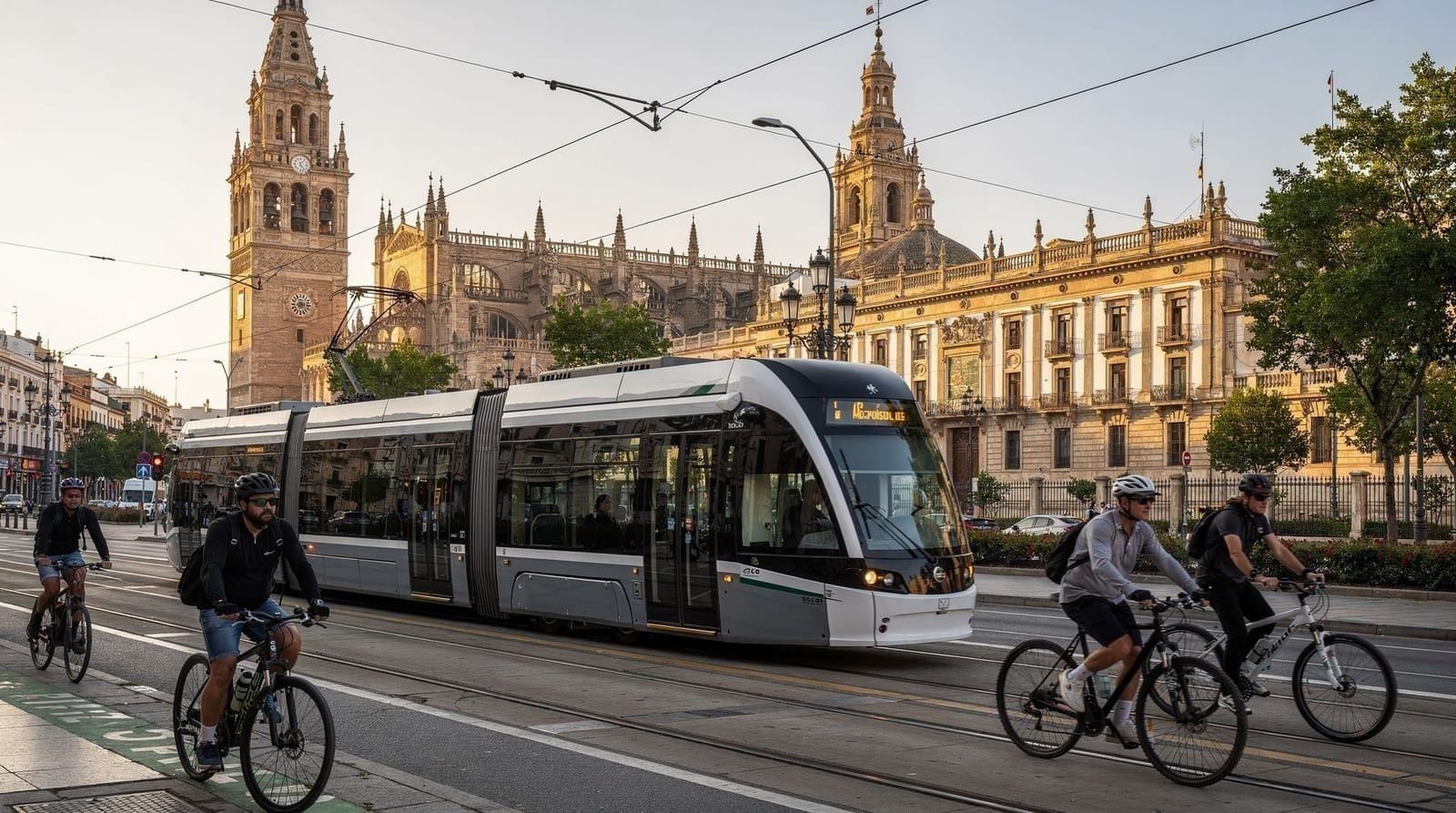
Seville is one of the most walkable cities in Spain. Over five days, we paid for transport exactly twice: one Sevici bike hire on Day 2 (€2 for a day pass, unlimited rides under 30 minutes) and one bus from the airport on arrival (€5 each, EA).
The city centre is compact. The Alcázar, Cathedral, Plaza de España, and Metropol Parasol are all within 25 minutes of each other on foot. Triana is 15 minutes from Santa Cruz. The Alameda neighbourhood where we stayed is 20 minutes from the Cathedral. We never needed a taxi.
If you’re arriving at the airport, the bus is the budget option (€6, 35–40 minutes), and there is no train to the airport. Taxis run €26–29. The getting to Seville from the airport guide covers all options in detail.
Day-trips: choose carefully
Day-trips from Seville are tempting and can be excellent, but they add up. We did one day-trip — to Italica, the Roman ruins 9 km north of the city — which cost us €2 each in bus fare (Tussam line M-170A from Plaza de Armas) and €3.50 each for the entrance fee. Total: €11 for two people for a genuinely good half-day trip.
We considered Córdoba and Cádiz but decided against on budget grounds. The AVE to Córdoba and the train to Cádiz both cost extra; current fares are on the Renfe website. Both are worth doing on a less constrained budget — the day trips from Seville guide covers all the options — but for a strict budget trip, one affordable day-trip beats several expensive ones.
Free things we actually valued
Orange blossom. January in Seville is early for the famous naranjas amargas (bitter orange blossom, March–April), but the city is already preparing: the trees are pruned, the streets are clean, and the quiet beauty of the tree-lined streets in Macarena is available to anyone with time to walk slowly. No entry fee.
The riverside. The walk from the Torre del Oro south along the Paseo de las Delicias through the María Luisa park to the Plaza de España and back takes two hours and is one of the finest urban walks in Europe. Free.
The free tours. Several guide companies run tip-based “free” walking tours departing from the Cathedral. They’re not entirely free (tip €5–10 per person), and the quality varies by guide, but at their best they provide three hours of historical context for less than a museum entry fee. We did one; it was good.
Neighbourhood markets. The Mercado de Triana is free to enter and browse. The Saturday market on the Alameda de Hércules is free. The antique market at Plaza del Museo runs on Sunday mornings. None cost anything unless you buy something.
The honest five-day total
| Category | Per person total |
|---|---|
| Accommodation | €81 |
| Food | €74 |
| Entrance fees | €42 |
| Transport | €7 |
| Day-trip (Italica) | €5.50 |
| Miscellaneous (coffee, ice cream, small purchases) | €28 |
| Total | €237.50 |
That’s €47.50 per person per day in January. In spring (April–May) or autumn (September–October) — the premium seasons — I’d estimate the same trip would cost €70–85 per person per day due to higher accommodation prices and longer queues that push some tours to paid options.
The Seville on a budget guide covers the money-saving strategies in more systematic detail if you want to plan around specific numbers. If you would rather follow a ready-made plan, the budget itinerary for Seville turns the same approach into a day-by-day route, and the guide to overpriced things in Seville flags the spending traps worth skipping.
What we would have spent more on
Looking back: the thing we should have spent more on was the Alcázar. We went once, in the morning, for two hours. We should have booked an evening visit as well — the Royal Alcázar in late afternoon light is different enough that it’s worth a second ticket. The evening sessions (limited numbers, magical atmosphere) are around €18–20 but sold out weeks in advance even in January.
The thing we definitely saved on correctly: accommodation. The Triana guesthouse on Days 4 and 5 was better than the Alameda hostel and not much more expensive. The lesson is that budget accommodation in Seville is genuinely decent if you book early and stay away from the Santa Cruz tourist core.
How the numbers change by season
January prices are the floor, not the norm. Roughly what the same five days would cost across the year:
| Season | Accommodation/night | Estimated daily total/person |
|---|---|---|
| January (our trip) | €29–45 | €47.50 |
| November/February | €35–55 | €55–60 |
| March/October | €50–75 | €65–75 |
| April/May (spring peak) | €80–150+ | €80–95 |
| Semana Santa/Feria weeks | €150–250+ | €120–150+ |
| July/August | €40–65 (heat discount) | €55–65 |
Interestingly, July lands closer to our January numbers than spring does — the heat depresses demand almost as much as the calendar helps in winter, though you’ll spend more on air conditioning and cold drinks than we did. See the surviving Seville in July guide for that trade-off in full.
Where a strict budget starts to hurt
A few honest limits of five days at €47.50/person/day: we skipped both Córdoba and Cádiz as day trips (the AVE alone would have doubled our transport budget for one day), we didn’t do a second Alcázar visit, and we didn’t attend a flamenco show — tablao tickets run €25–40 and didn’t fit. If your budget allows even €15–20/day more, prioritise one guided day trip over a second museum in Seville itself; the Córdoba day trip from Seville guide has the full cost breakdown for adding that on.
Córdoba high-speed train day trip from SevilleFor a low-cost way to add one guided experience without blowing the daily average, a short bike tour or walking tour is often cheaper per hour than a sit-down dinner:
Seville guided walking tour, historic centre highlightsFrequently asked questions about Seville on a budget
What is a realistic daily budget for Seville?
Budget travellers staying in hostels and eating at bar counters can manage €50–65/day. Mid-range travellers with a private hotel room and occasional restaurant dinners will spend €90–130/day. Luxury runs €200+/day without trying hard.
Is Seville cheaper than other Spanish cities?
Yes, compared to Madrid and Barcelona. Roughly comparable to Valencia. More expensive than smaller Andalusian cities like Jerez or Cádiz.
Are there any free entry days at the main attractions?
The Archivo de Indias is always free. The Cathedral has free entry on Sundays from 5 pm (tickets collected on site at the Puerta del Príncipe, limited places, subject to change). The Alcázar has no regular free entry days. Check official websites before visiting, as policies change.
What’s the cheapest way to eat in Seville?
Menú del día at neighbourhood bars (€11–13.50 including drink and dessert) is the best value meal in the city. Breakfast at a bar counter (tostada + coffee, €2–2.80) beats anything in a hotel or tourist café.
Is January a good time to visit Seville on a budget?
Yes — it’s the cheapest month. Accommodation is 40–60% less than peak spring. Queues are minimal. Weather is mild (11–18°C, occasional rain). The orange blossom and festivals are months away, but the city itself is fully open and pleasant.
Can you do a day trip on a strict Seville budget?
Yes, but choose one carefully. Italica (9 km, bus + entry around €5.50/person) is the cheapest genuinely good option. Córdoba (by AVE) and Cádiz (by train) are both worth it but roughly double a full day’s food-and-transport budget, so plan them as a deliberate splurge rather than a default.
Does travelling as a family change the daily budget much?
Children under 6 get free entry to most major sites, and 6–16 typically pay half; food costs stay similar since kids often share tapas rather than ordering separately. The main added cost is accommodation, since family rooms or two rooms cost more than a couple’s double.