Gibraltar day trip from Seville — is it worth it?
Let’s get the geography right first
Gibraltar is 220 km from Seville — about 2.5 hours by road. This is important to establish immediately because many sources describe it as a “convenient day trip,” which it is not in the sense that Córdoba or Jerez are convenient. It is a long day, with approximately 5 hours of driving or coach travel involved. Whether that’s worth it depends entirely on what you’re going to Gibraltar for.
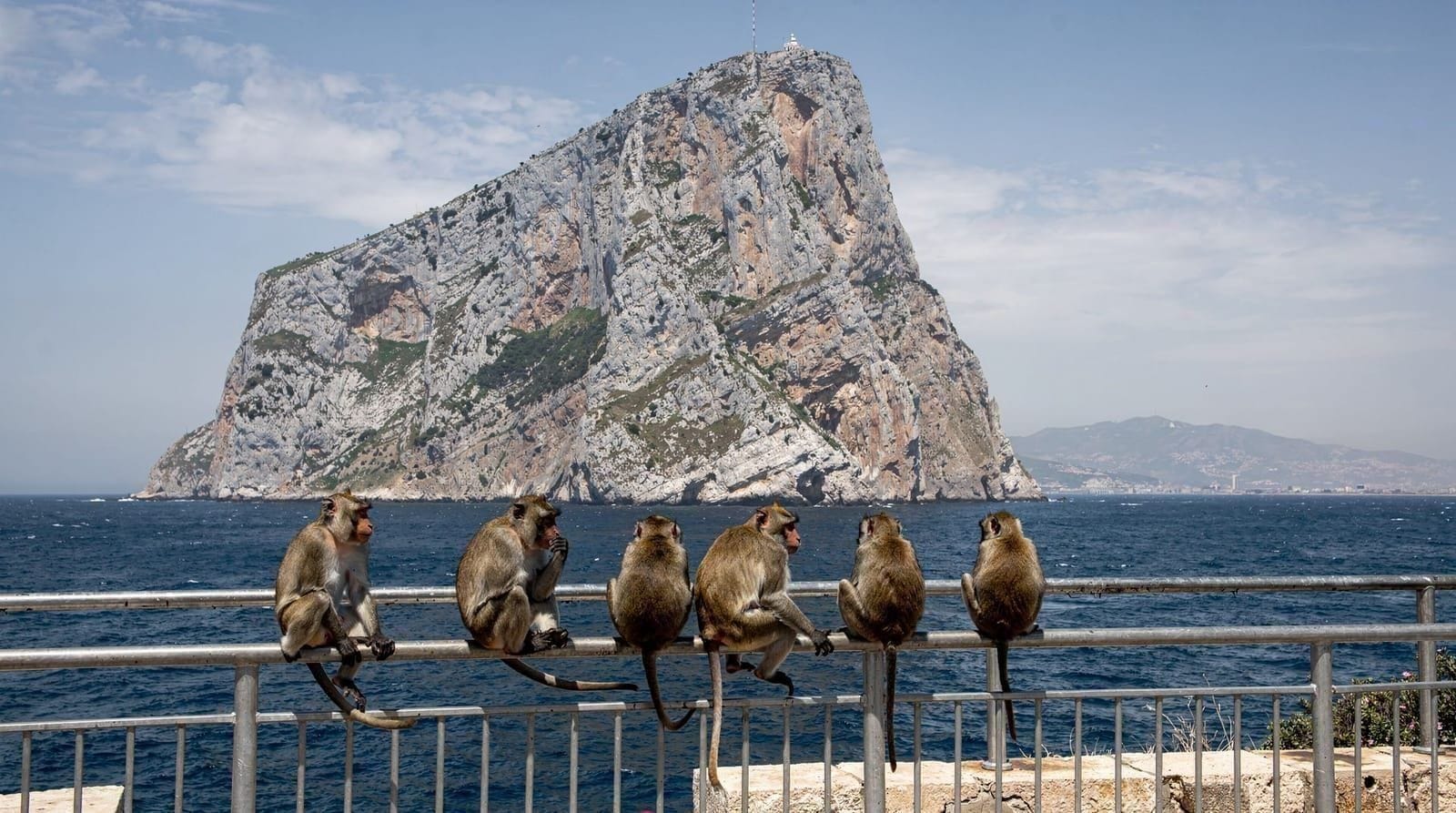
I went in March 2023, which was a good choice: the border queues that back up in summer were manageable (25 minutes to cross on foot from La Línea de la Concepción), the Rock was clear of the cloud that can obscure the summit for days at a time, and the famous Barbary macaques — the only wild monkeys in Europe — were visible and active on the upper cable car station.
| Distance from Seville | 220 km, around 2.5 hours by road each way |
| Cost (Nature Reserve ticket) | £30 for adults; covers the main sights (cable car not included, currently closed for refurbishment) |
| Time needed | Full day; around 3 hours of free time in Gibraltar itself |
| Getting there | Guided coach day trip, or self-drive plus parking in La Línea |
| Best time | Spring or autumn; clearer skies and shorter border queues than summer |
Why Gibraltar is a genuinely strange place
Gibraltar has been a British Overseas Territory since 1713 (Treaty of Utrecht). It occupies a 6.7 km² peninsula jutting south from the Spanish mainland, with Spain’s territory ending at the airport runway and British territory beginning. You cross into Gibraltar on foot through passport control. The currency switches from euros to Gibraltar pounds (and British pounds are accepted everywhere). The road signs are in English. A red double-decker bus occasionally drives past.
This surrealism is the primary attraction for most visitors from continental Europe. It is not, if we’re being honest, a place of profound cultural depth — the historical fortifications are interesting but not uniquely so compared to other Spanish coastal defences. The shopping (duty-free tobacco, alcohol, and electronics) is the reason many Spanish and mainland European visitors go. The Rock itself is the reason nature-minded visitors go.
If you’re arriving from the UK, the appeal is different: Gibraltar as a quirk of history, the monkeys, and a decent pint without paying London prices. If you’re arriving from Seville, the appeal is narrower — the novelty of crossing into British territory and the Rock itself.
The logistics of getting there from Seville
We booked a guided day trip, which handled the coach transport and the border crossing:
From Seville: Full-day trip to GibraltarThe pickup was at 7:30 am. We arrived in Gibraltar by 10:15 am after crossing the border on foot (the coaches park on the Spanish side; you cross on foot to avoid the vehicle queue, which can be considerably longer than the pedestrian lane). The guide handled the logistics, explained the border context, and gave a brief orientation before letting the group disperse for three hours of independent time.
The alternative is to drive from Seville, park in La Línea de la Concepción on the Spanish side, and walk across. La Línea has several long-stay car parks at €6–8/day. The pedestrian border crossing is straightforward — EU citizens show their passport or national ID card, non-EU citizens show their passport. Post-Brexit, there is a standard passport control for British citizens entering from the Spanish side.
The Rock: what’s worth seeing
The Rock of Gibraltar (426 metres at its highest) is a limestone massif with a complex interior of military tunnels, caves, and cisterns built over three centuries of fortification. The main visitor attractions:
Cable Car: The most efficient way to the summit. It is currently closed for refurbishment (check the official Gibraltar Nature Reserve website for reopening and fares). The cable car runs from the town centre, with an intermediate stop at the Ape’s Den where the macaques congregate around the upper station. The summit views in March — with the Strait of Gibraltar visible in both directions, Africa’s Rif mountains clear on the horizon — were genuinely spectacular.
The Great Siege Tunnels: Hand-hewn from the limestone during the 1779–1783 siege (when Spain and France besieged the Rock during the American Revolutionary War period). The tunnels are atmospheric and the history of the siege — which lasted 3.5 years and remains one of the longest sieges in British military history — is told reasonably well by the interpretation panels. Entry included in the Nature Reserve ticket (£30 for adults).
St. Michael’s Cave: A natural cavern with impressive stalactite formations, used as a field hospital during World War II and now a concert venue. Included in the Nature Reserve ticket.
The Nature Reserve: A single ticket (£30 for adults) covers the nature reserve paths, Ape’s Den, siege tunnels, and cave; the cable car is a separate add-on. Worth doing as a combined experience rather than picking individual attractions.
The Barbary macaques: About 300 of them live wild on the Rock, the only wild primate population in Europe (North Africa’s Barbary macaques were probably introduced by the British garrison centuries ago, though their exact arrival is debated). They are accustomed to humans and will approach. They are not friendly in a domestic animal sense — they steal food, they bite if provoked, and the guides warn you not to feed them. They are also intensely watchable, particularly the family groups with young infants.
The town: what to do in three hours
Gibraltar’s town centre is a small strip of Main Street with duty-free shops, cafés, and pubs. If you’re not buying cigarettes, whisky, or an English breakfast, the town centre is exhausted in an hour.
More interesting: the Casemates Square area (the historic centre around the old barracks), the Gibraltar Museum (£15 for adults, good on the Moorish castle and prehistoric human remains), and the Cathedral of the Holy Trinity (Anglican, notable for its Moorish-Gothic hybrid architecture that reflects Gibraltar’s complicated history).
The pubs: the Horseshoe Bar on Main Street, the Star Bar near the cable car — ordinary British pub fare (fish and chips, sausage rolls, real ale). If you want a genuinely British pub experience in Spain, this is where to find it. If you don’t particularly want that, they’re unremarkable.
Is it worth a full day from Seville?
This is the question I asked myself on the return coach at 6 pm, with 2.5 hours of motorway ahead of me.
Honest answer: it’s borderline. The Rock is genuinely impressive and the macaques are a genuine wildlife experience that you can’t replicate anywhere else in Europe. The novelty of the British territory anachronism is real but wears off within an hour.
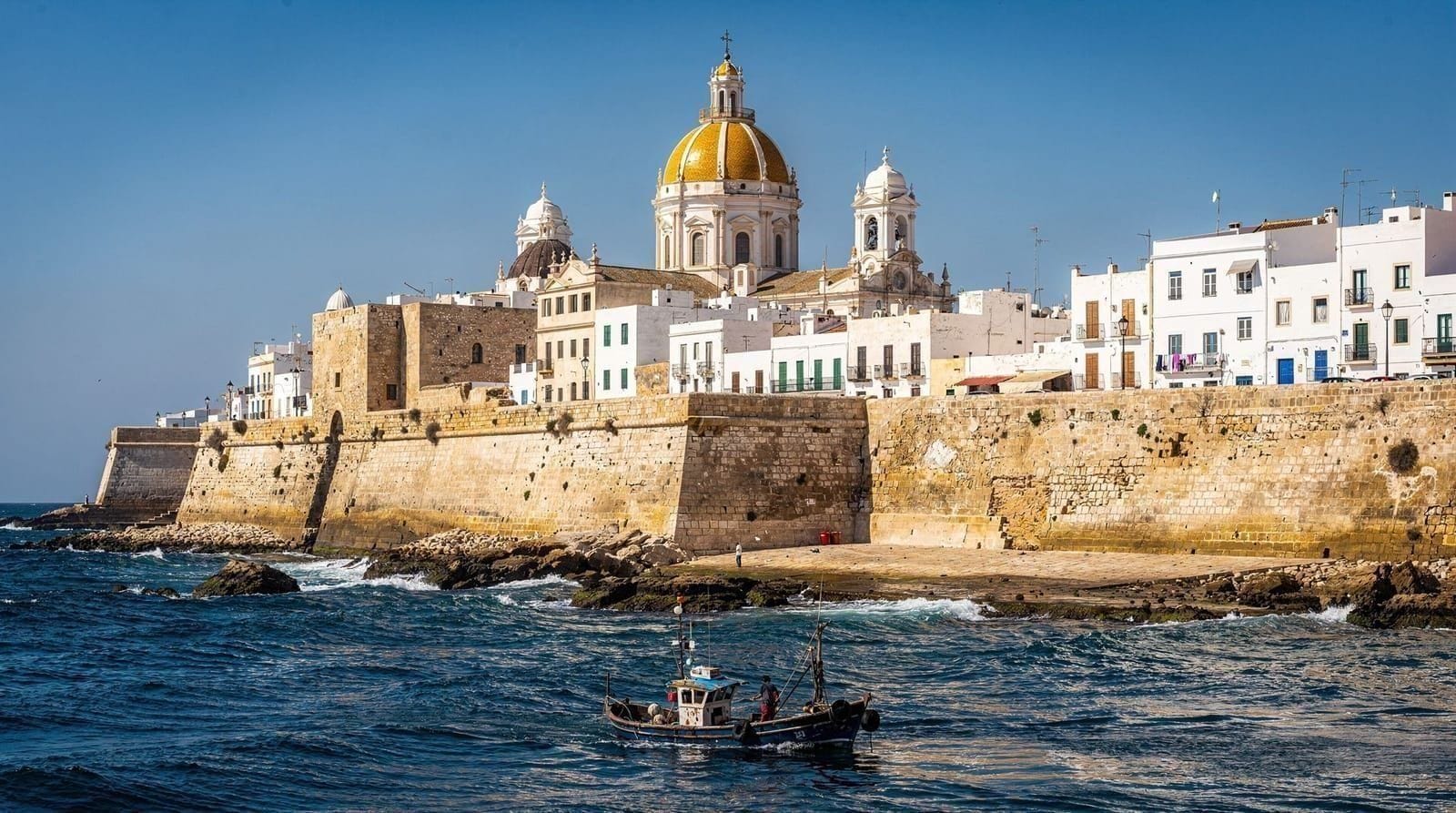
If you have a specific reason to go — you’re collecting “countries” or territories, you want the macro photos of the macaques, you want to stand at the southernmost point of continental Europe looking toward Africa — then yes, it’s worth it. If you’re filling a day and wondering which day trip to do, I’d choose Cádiz (closer, more culturally rich) or Córdoba (closer, genuinely one of Europe’s great historic cities) over Gibraltar.
The exception: if you’re combining Gibraltar with a stop in Tarifa on the return — Tarifa is worth 90 minutes for its old town and Atlantic beach, and it breaks up the drive logically — then the combined day is more satisfying. Some operators run this exact combination, with whale and dolphin watching in the Strait added in:
Tarifa whale and dolphin watching combined with GibraltarThe best day trips from Seville guide ranks all the options if you’re still deciding, and the dedicated Gibraltar day trip from Seville guide has the fuller tour comparison if you want more than one operator’s itinerary. If you’d rather read about the destination itself before committing, our Gibraltar destination page and Tarifa destination page cover both towns independent of any specific tour.
How Gibraltar stacks up against the closer day trips
If distance and time are your main constraints, it’s worth being blunt about where Gibraltar sits relative to Seville’s other day-trip options. Córdoba is 45 minutes away by high-speed train and delivers a UNESCO-listed mosque-cathedral without a 5-hour round-trip commitment. Cádiz is about 1 hour 40 by train and pairs beach, seafood, and one of Europe’s oldest continuously inhabited cities. Both beat Gibraltar on a pure time-versus-payoff basis. Gibraltar wins only if the specific things it offers — the Rock’s wild macaques, the odd novelty of British sovereignty on Spanish soil, or a Strait crossing toward Africa — are what you’re actually after. Our Cádiz day trip guide makes the closer case in detail if you’re still weighing the two.
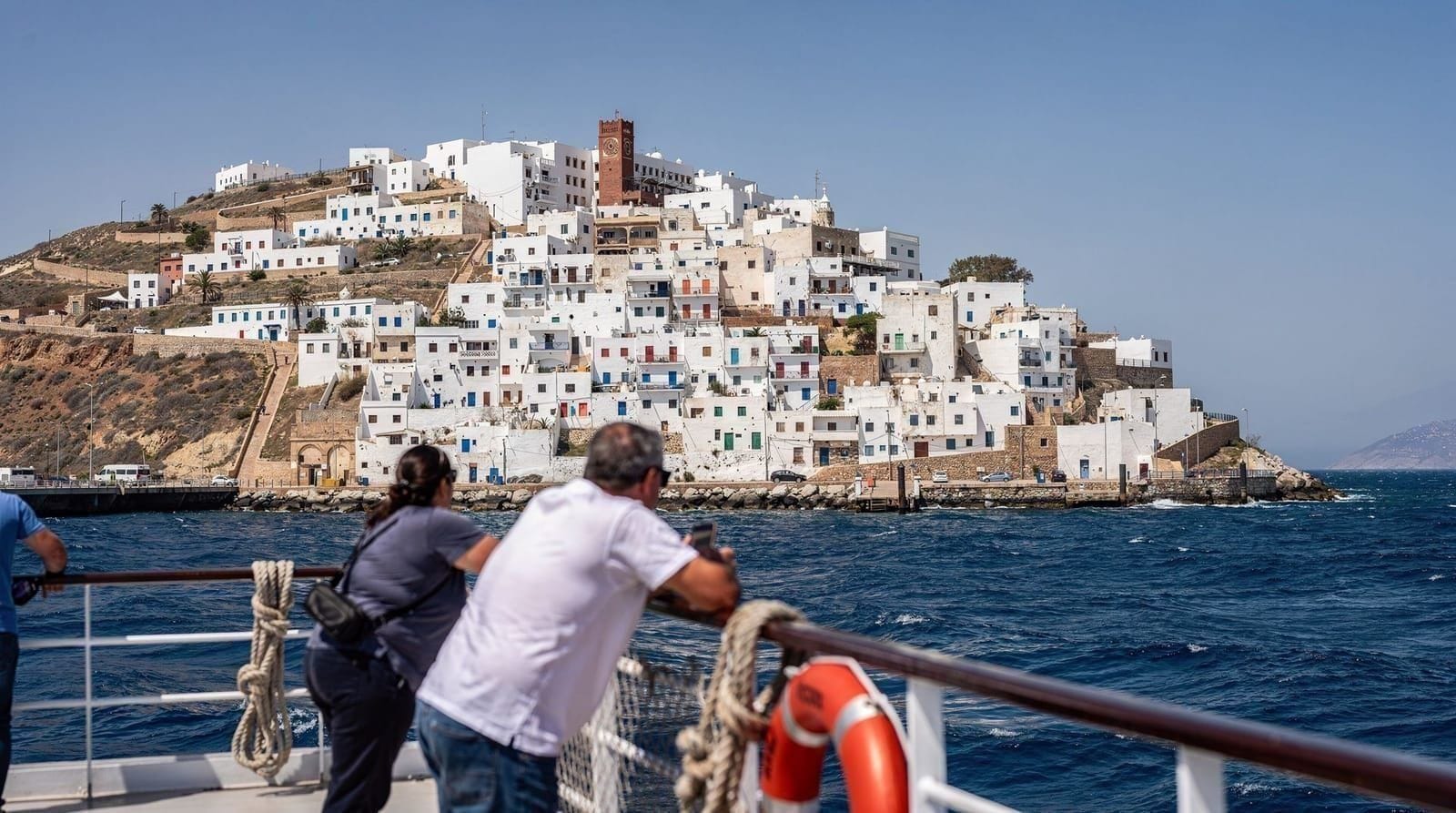
For travellers who want to push further and actually cross into Africa rather than just look at it from the Rock, crossing to Tangier from Seville is a longer but more rewarding version of the same “novelty day trip” impulse.
Where Gibraltar fits in a wider Andalusia plan
Gibraltar works best when you treat it as one stop among several rather than the centrepiece of a trip. If you’re still building your days in the city, our how many days in Seville guide helps you decide how much time you can spare for excursions, and the Seville day trips itinerary shows how to sequence them so you don’t stack two long days back to back. Travellers with a full week can also look at the Andalusia week from Seville itinerary, which gives the south coast more breathing room than a single coach day does.
If the long drive is what puts you off, the Córdoba vs Granada day trip comparison and our Ronda day trip guide cover alternatives with a different balance of travel time and sightseeing. And if the macaques and the Strait views are the draw, the Tarifa destination page and Cádiz destination page are the natural companions to read before you commit to the coast.
Practical notes for Gibraltar
Currency: Gibraltar has its own currency (Gibraltar pounds) but British pounds are universally accepted. Euros are often accepted in the tourist areas but at a fixed rate that doesn’t favour you. Use British pounds or a card.
Border queues: Extremely variable. The pedestrian queue is usually 10–30 minutes. Vehicle queues in summer can run to 2 hours. If you’re driving, factor in the parking and walking time to La Línea.
What to take: Passport (required for crossing). Pounds or a card. A layer — the Rock can be significantly windier at the summit than in the town.
The Gibraltar Rock Run: An annual race up and down the Rock, typically in late November. Interesting to watch if you happen to be there; otherwise irrelevant.
Post-Brexit entry rules: British citizens require a passport (national ID card no longer accepted) to enter Gibraltar from Spain. EU citizens can use their national ID card. Check current requirements as border arrangements evolve.
Frequently asked questions about Gibraltar
Do I need a passport to visit Gibraltar?
Yes. Gibraltar has border control, and all visitors require a valid passport (or EU national ID card for EU citizens). British citizens need a full passport since Brexit.
How far is Gibraltar from Seville?
220 km, approximately 2.5 hours by road. This makes it one of the more distant day trips from Seville — allow a full day and an early start.
Are the Barbary macaques dangerous?
They’re wild animals and should be treated as such. They are not dangerous in normal circumstances, but they will steal food and have been known to bite if provoked or if they associate specific behaviour with a food reward. Do not feed them, do not make sudden movements, keep bags closed.
Can I spend euros in Gibraltar?
Many tourist-facing shops and restaurants accept euros, but the exchange rate is not favourable. British pounds or a credit/debit card are better options.
Is Gibraltar worth doing as a day trip from Seville?
Yes, if you have a specific interest in the Rock, the wildlife, or the historical anomaly. Less compelling as a generic day trip compared to Córdoba, Cádiz, or Ronda, which are closer and offer more conventional travel experiences.