Seville with kids: 3-day family itinerary
Seville: City sightseeing hop-on hop-off 24h ticket
Family travel in Seville: what actually works
Seville with children is genuinely good — not in the sense of having theme parks or organised children’s attractions, but in the sense that Spanish culture is family-oriented, children eat dinner at 22:00 alongside adults, and the city’s spaces (the parks, the plazas, the riverfront) work naturally for families with children of all ages.
The challenges are practical: the heat in summer (June–August is genuinely difficult with young children), the cobblestone terrain (strollers struggle), and the later meal and activity times. This itinerary is written to work around all three. It gives you the essential Seville highlights while keeping energy levels manageable.
One important note: children under 14 enter the Alcázar free with valid ID, and under-13s enter the Cathedral free. These savings are significant.
| Best ages | 6–14, workable for all ages with adjustments |
| Duration | 3 days |
| Free for kids | Under 14 Alcázar, under 13 Cathedral, under 5 many attractions |
| Avoid | Outdoor midday activity in July–August |
| Getting around | On foot; stroller difficult on cobblestones |
If you are still deciding on the shape of the whole trip, the planning a Seville itinerary guide and the general 3-day Seville itinerary show how this family version differs from the standard plan. First-time visitors may also like the first-time travel tips before booking anything.
Day 1: Monuments done right for kids
Morning (9:00–12:30): Alcázar first
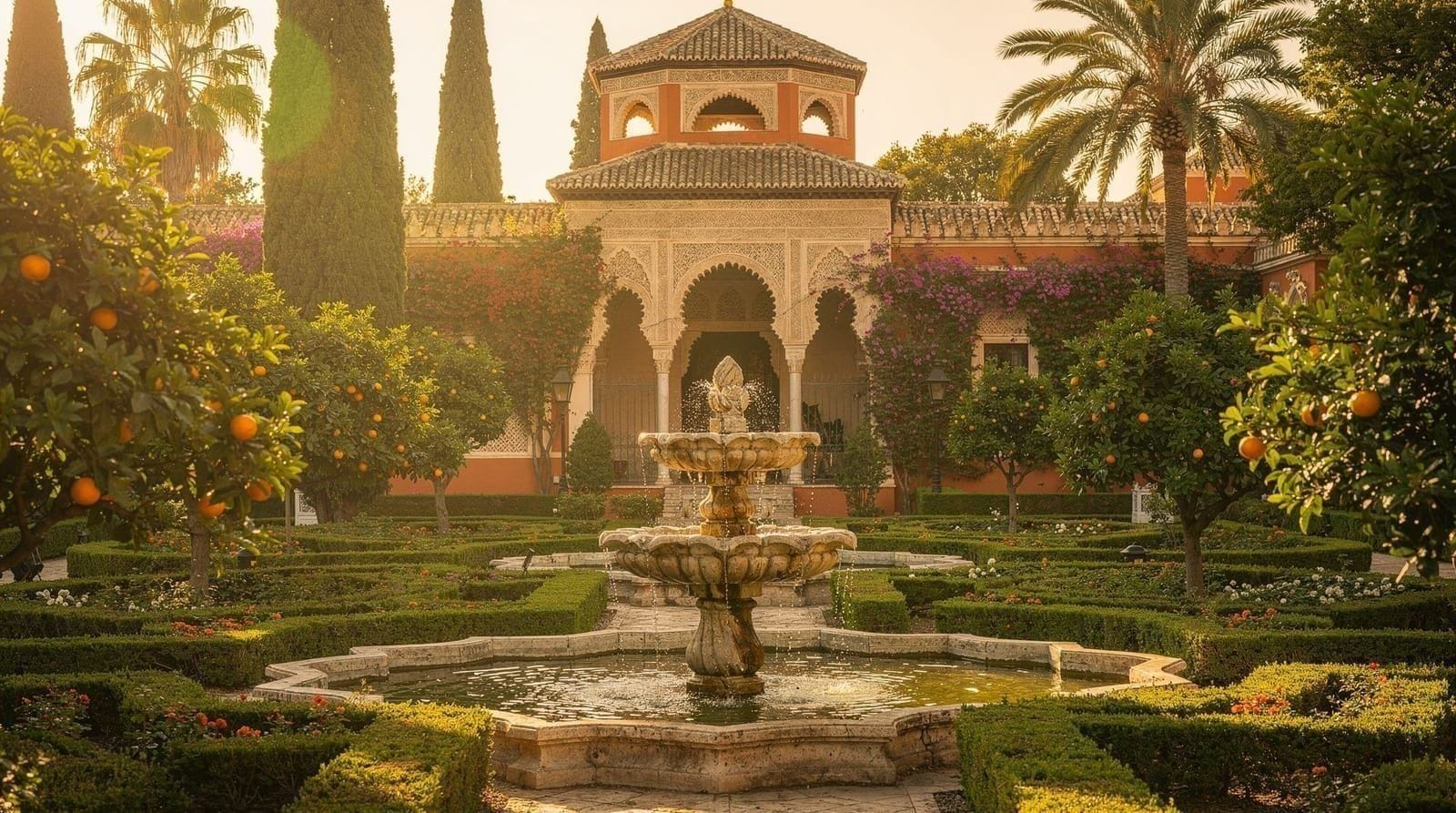
The Royal Alcázar is the best of Seville’s monuments for children — not because it has specific children’s programming, but because it is physically extraordinary in ways children grasp immediately: a labyrinthine palace, dramatic vaulted ceilings, winding staircases, and gardens with peacocks.
Royal Alcázar skip-the-line entry ticket — under 14 freeBook timed tickets in advance for adults; children under 14 bring ID and enter free. Visit at opening time (9:30) to beat the main crowds. Good points to capture children’s attention: the Patio de las Doncellas pool (explain the Moorish water-garden function), the golden dome of the Salón de Embajadores, and the garden maze and peacocks. The Alcázar was also a filming location for Game of Thrones (Dorne), which resonates strongly with older children.
Allow 90–120 minutes before energy levels drop.
If you want to understand the ticket options before choosing a slot, the Alcázar skip-the-line tickets guide and the complete Real Alcázar guide explain what each entry type includes. Families who are unsure which monument to see first can compare them in Alcázar or Cathedral: which first.
11:30 — Archivo de Indias exterior and Cathedral
Walk five minutes to the Cathedral. Older children (10+) generally find the Giralda tower climb genuinely exciting — the ramp means no steps, and the view from the top delivers. Under-13s enter free.
The Cathedral’s main altarpiece is the largest in the world: show children the scale comparison (the figures at the top are 4 metres tall). Columbus’s tomb at the entrance is a useful history anchor.
Allow 60–90 minutes. The Seville Cathedral complete guide goes deeper on what to point out inside.
Afternoon (13:30–16:30): Plaza de España
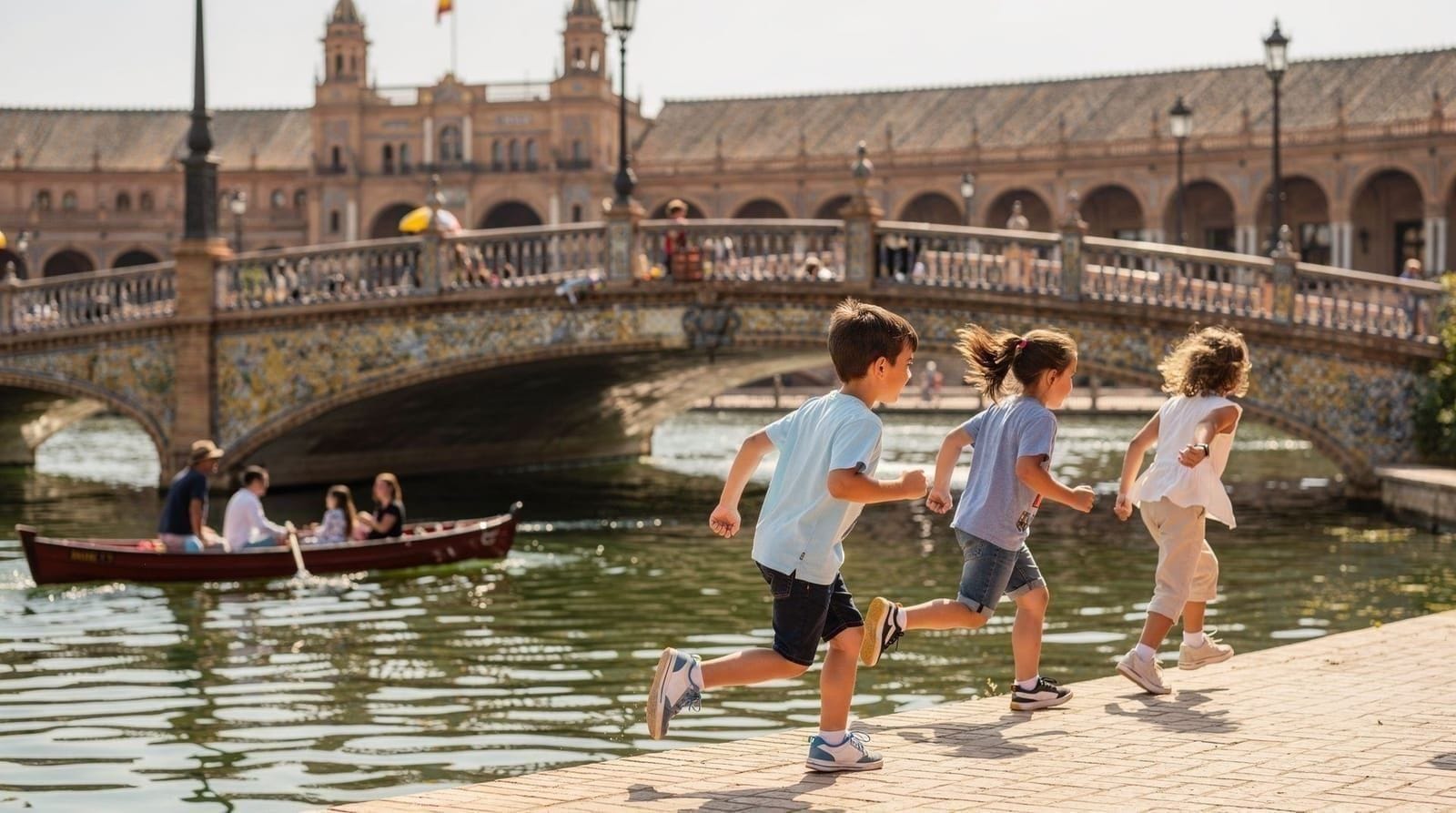
Walk or take tram number 1 (15 minutes on foot, or a 5-minute tram ride to Prado de San Sebastián). The Plaza de España is the best family-friendly space in central Seville: completely free, huge, and with the canal rowboats that children almost universally want to use.
Rowboat hire: €6 for 35 minutes for two adults plus children. The canal is shallow and calm.
Let children find their home region’s azulejo tile panel on the colonnade — there are 58 provinces, each with a unique painted scene and map.
For more on the square itself, see the Plaza de España guide. María Luisa Park adjacent is shaded and excellent for a 30-minute walk if energy allows. The large ducks and pigeons at the park ponds are good for small children.
15:30 — Lunch in the park or nearby
There are café kiosks in the María Luisa Park. For a proper lunch, walk north to Calle San Fernando — several restaurants with terraces and family menus in the €12–14 range.
Evening (17:00–21:00): River cruise and dinner
17:00 — Guadalquivir river cruise
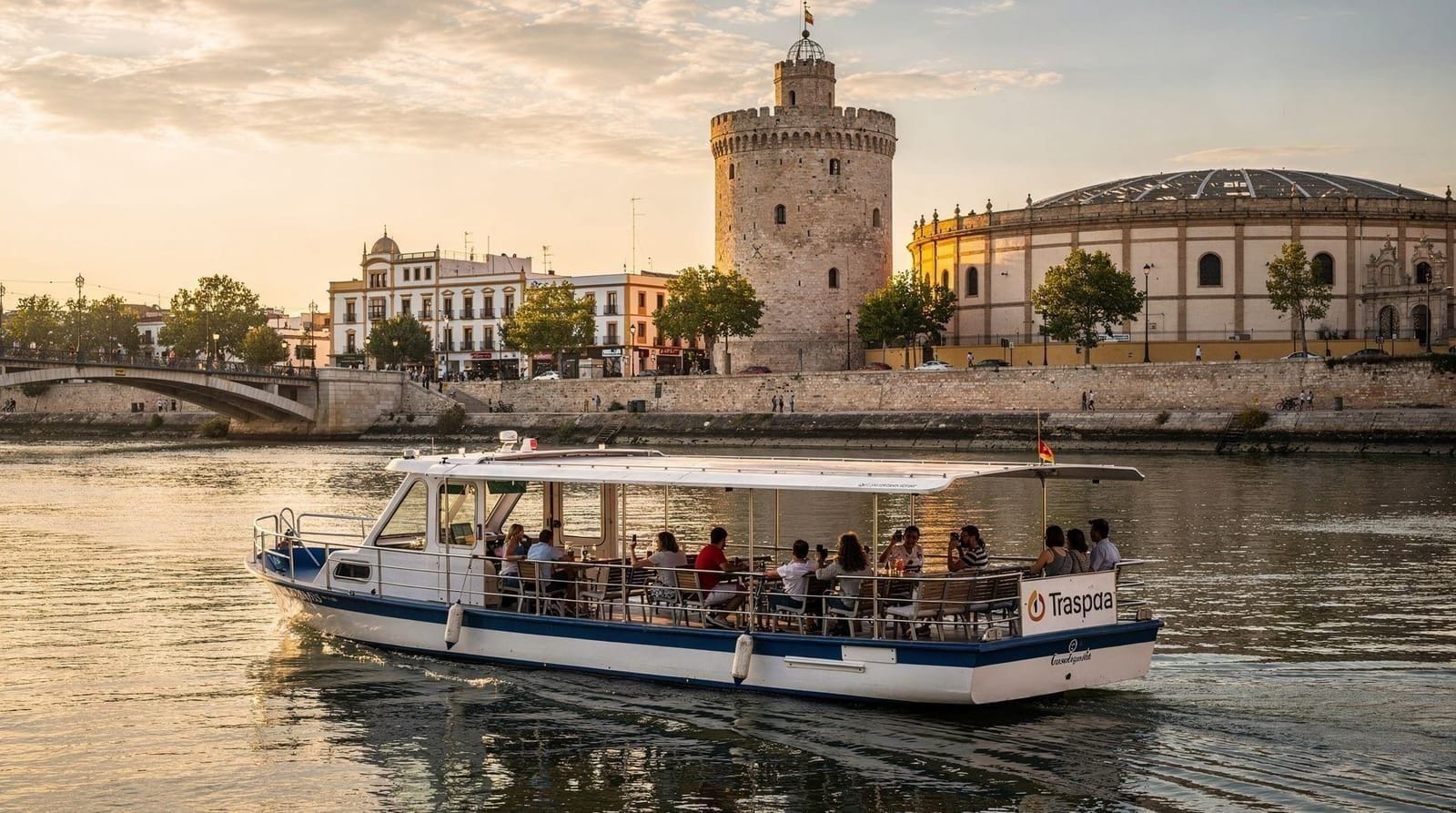
The one-hour eco cruise is reliably good for families: the boats are smooth and calm, the views are good, and most children enjoy the experience of being on the water.
Guadalquivir eco cruise — 1 hour, children €9Children’s prices are usually half the adult rate (approximately €9). Departure from Muelle de la Sal near the Torre del Oro. The Guadalquivir river cruise guide compares the boat options if you want to look at alternatives.
19:00 — Dinner
Spanish dinner is genuinely late — most restaurants don’t fill until 21:00. With children, aim for 19:30 if you need to eat early. La Albariza (Pza Calderón de la Barca 5) serves straightforward Spanish food at reasonable prices and handles families well. For more traditional tapas family-style, Bodega Santa Cruz (Rodrigo Caro 1) works well — children can eat croquetas and jamón while adults stand at the bar. For more ideas, the where to eat in Seville guide and the barra vs terrace pricing guide help you choose well and avoid paying the terrace premium with a hungry family.
Day 2: Interactive and outdoor Seville
Morning (9:30–12:30): Outdoor escape game
The outdoor escape game designed for children is one of the most genuinely fun activities available for families in the city. Teams navigate Seville’s streets solving puzzles and following clues on a tablet device — it works as both a game and an incidental city tour.
Seville outdoor escape game — Magic Portal for kidsThe game works best for children aged 8–14. Duration: approximately 90 minutes. Price: around €35–40 per device (covers a family group). Book in advance. The game starts near the historic centre and covers Santa Cruz. If your children enjoy the neighbourhood, the Santa Cruz neighbourhood guide has more to explore at a gentler pace afterwards.
11:30 — Ice cream and Santa Cruz walk
After the game, Santa Cruz is already your location. The heladerías (ice cream shops) on Calle Sierpes and around the Barrio offer good quality gelato (€2.50–3 per scoop). The narrow white streets of the quarter are easy and interesting for children to walk.
Afternoon (13:00–18:00): Metropol Parasol and Macarena
13:00 — Lunch at Mercado de la Encarnación
The covered market on Plaza de la Encarnación has food stalls on the upper level that work well for families: tapas-style choices, different counters for different tastes, children can choose their own food. More relaxed than a sit-down restaurant. Budget: €20–35 per family of four.
15:00 — Metropol Parasol (Las Setas)
The wooden mushroom structure (Metropol Parasol) at Plaza de la Encarnación has a rooftop walkway. Entry: from €16 per person (under 5 free). Children generally love the walkway — it is visually unusual and the views are genuinely good. The Metropol Parasol guide covers the structure in more detail.
16:30 — Hop-on-hop-off bus
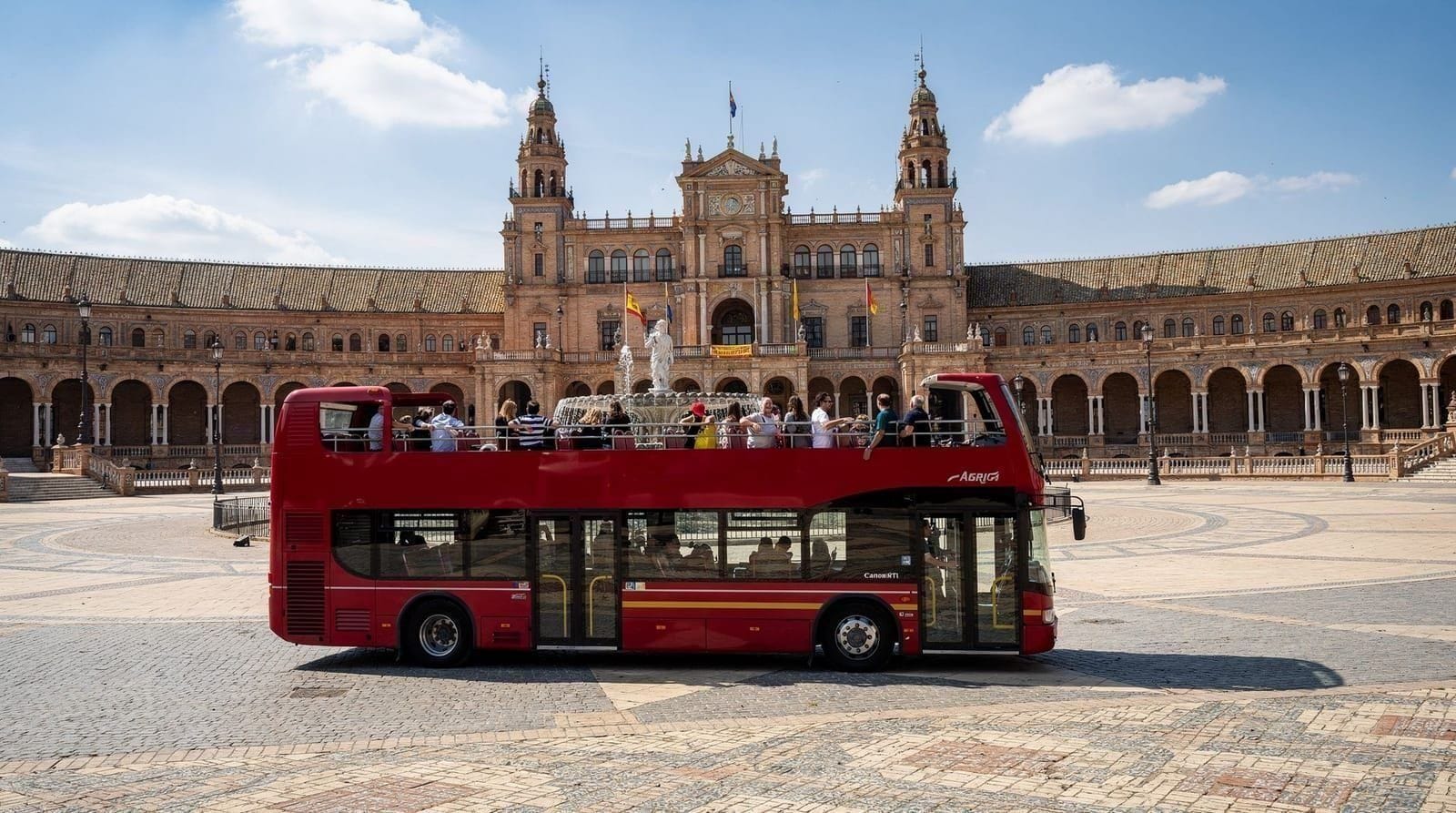
If legs are tired but children still want to see more, the hop-on-hop-off bus covers all the major sights in 1–1.5 hours without walking. Buy a 24-hour ticket and use it for an afternoon circuit.
Seville hop-on hop-off bus 24h ticketThe bus route covers the Cathedral, Alcázar area, Triana bridge, Plaza de España, and the Macarena — good for orientation and for showing children the city’s geography.
Evening (18:30–21:30)
18:30 — Triana by foot or bus
Cross into Triana for the evening (the Triana neighbourhood guide has more background). Children often enjoy the ceramics shops (especially the painted tiles). Bar Las Golondrinas (Antillano Campos 26) has a terrace where children can run around while parents eat good tapas.
Dinner in Triana: Sol y Sombra (Castilla 149) is a large, family-friendly restaurant in Triana with traditional Sevillano food. Good value, handles groups well.
Day 3: Parks, beach (summer only), and relaxed sightseeing
Morning (9:00–12:00): María Luisa Park and bird watching
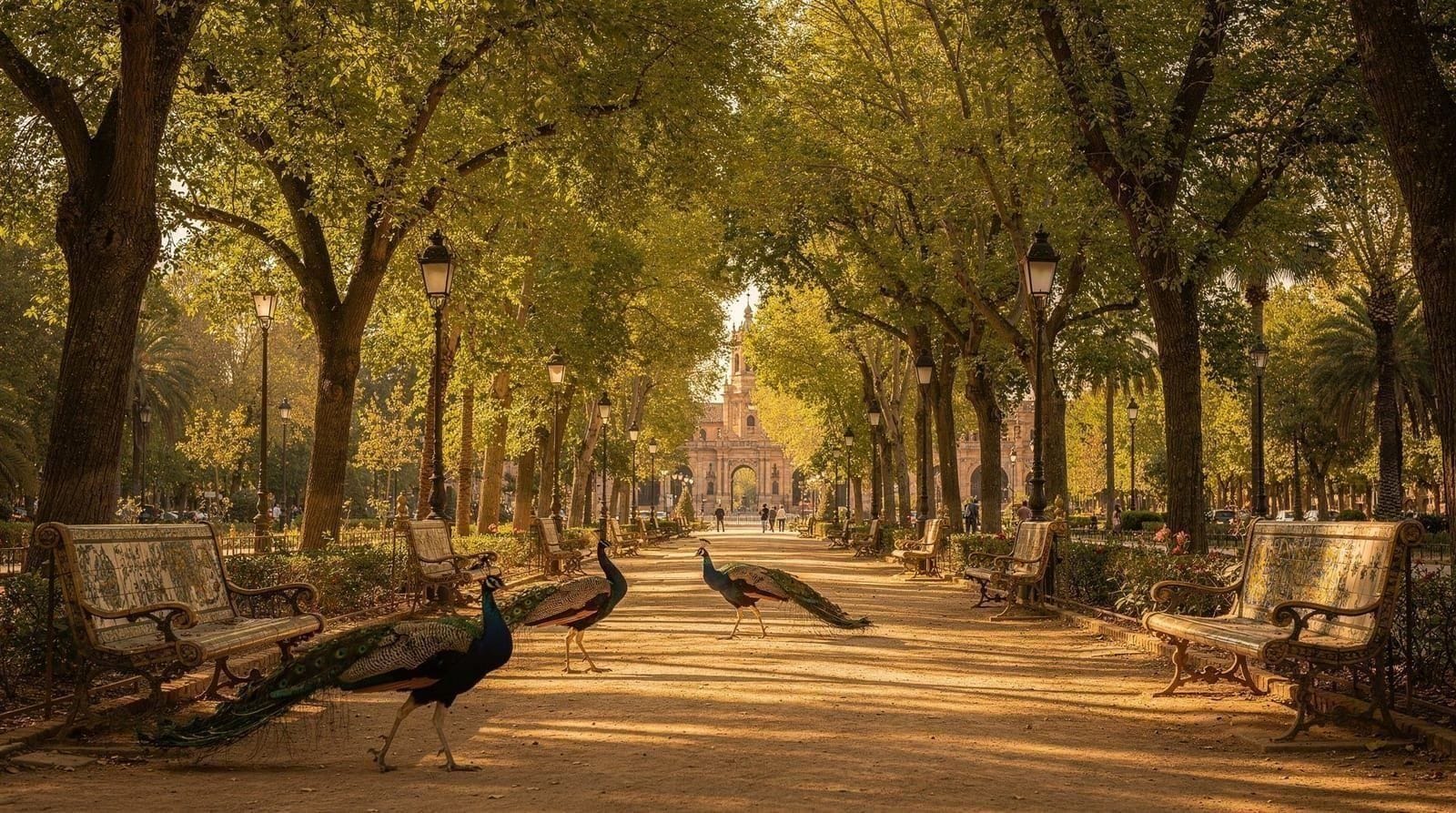
María Luisa Park — adjacent to Plaza de España — is the best green space in central Seville. The park has peacocks, ibises, and large ponds. The shaded paths make it tolerable even in summer. The horse-drawn carriage starting point is at the park entrance — a 20-minute carriage ride through the park (€15–20 for a family carriage) is a good family-friendly activity. The horse carriage rides guide and the María Luisa Park guide explain what to expect.
A boat trip along the small channels in the park is popular with young children. Available at the park entrance near the Pabellón de las Bellas Artes.
11:00 — Triana market and cooking context
For families interested in food culture: the Triana market is excellent for children who understand or are curious about food. Walk the fish stalls — whole fresh fish, live shellfish — and the jamón counter. Many stallholders will offer small tastes. The market bar for a second breakfast of churros or tostada.
Afternoon (14:00–18:00)
In summer: the beach at Matalascañas (1h30 drive) or Cádiz (1h40 by train) is a realistic half-day option if the city heat becomes oppressive. Most Sevillano families leave the city for the coast on weekend afternoons in July and August.
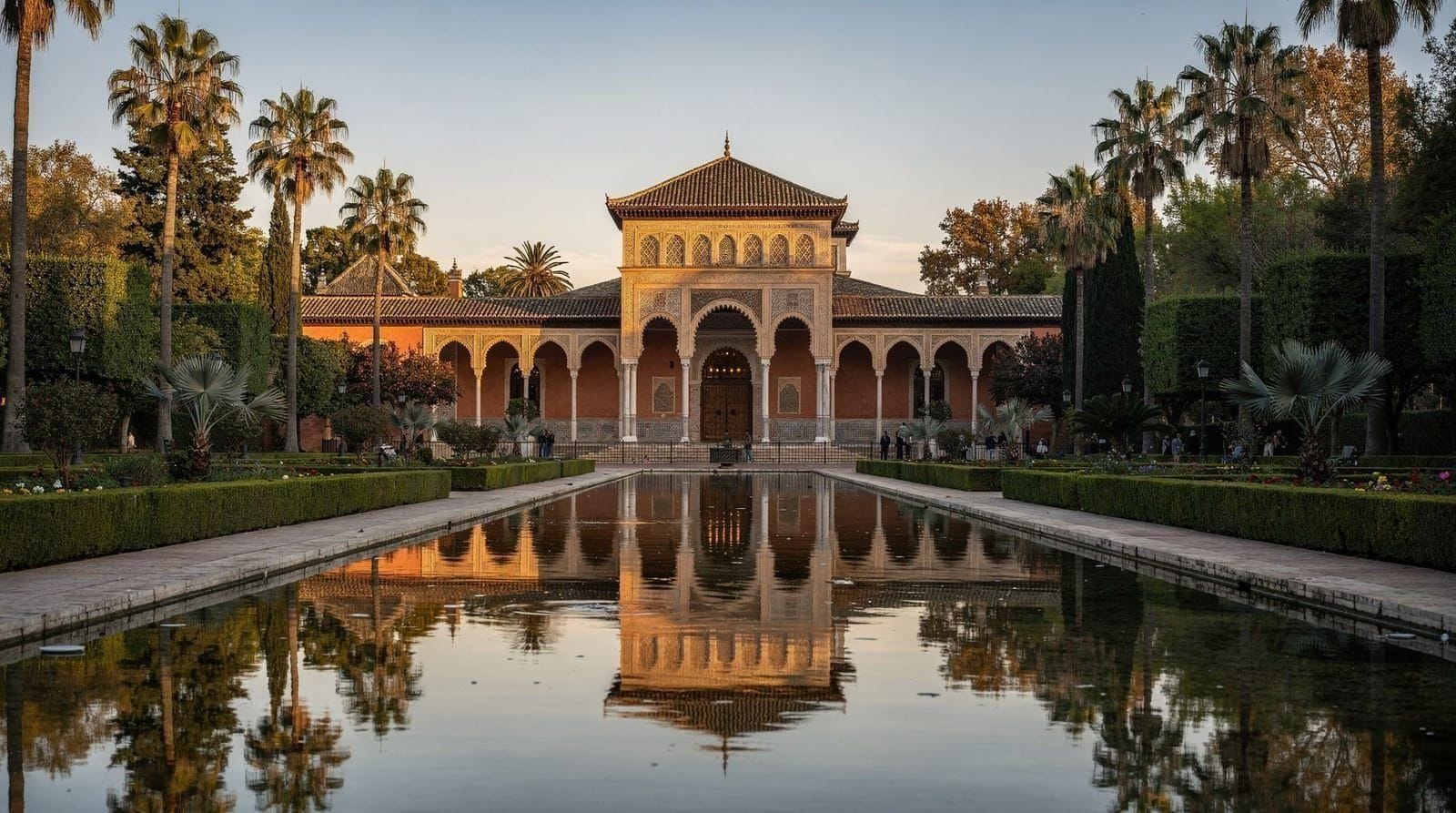
For in-city families: the Parque de María Luisa north section has a good children’s playground. Alternatively, a visit to the Pabellón Mudéjar (Parque de María Luisa, free entry, the Folk Museum) has reasonable interactive exhibits for children 8+.
Evening
A relaxed final evening in Seville: dinner early by Spanish standards (19:30–20:00) at a family-friendly restaurant, then a walk along the river at dusk when the city lights up and the temperatures drop to something manageable.
Practical notes for families
Heat: July and August are extremely hot in Seville — regularly 40–42°C at peak afternoon. Families with young children should plan all outdoor activity for before 12:00 and after 18:00. Keep a water bottle, sun protection, and a fan. Air-conditioned museums and shops provide midday relief. See the Seville in summer guide for full advice.
Strollers: The cobblestones of Santa Cruz make strollers difficult. A baby carrier is more practical for narrow streets. Strollers work well on the main pedestrian streets (Sierpes, Tetuan, Calle San Fernando) and in María Luisa Park.
Children’s meal times: Spanish restaurants expect children at dinner (21:00+). However, many establishments will serve families with children earlier in the evening without issue. Supermarkets (Mercadona, Carrefour Express) are widespread if you need to buy food for young children at unusual hours.
Alcázar closure: Closed only on 1 and 6 January, Good Friday and 25 December. The Cathedral is open every day. Check for any special closures during Semana Santa (Holy Week) and Feria de Abril if your visit coincides with these festivals.
For more family-specific resources, see the Seville with kids guide.
Family travel in Seville: the full picture
Age-by-age guide to what works
The itinerary above is written primarily for families with children aged 6–14. Here is a more granular breakdown by age:
Under 3 years: Seville is manageable but hot in summer. The stroller difficulty on cobblestones is the biggest practical challenge. A baby carrier is significantly more practical than a stroller for the Santa Cruz and Triana streets. The Plaza de España (flat, spacious, with water features) and María Luisa Park (paved paths, shade) are both excellent for very young children. The river cruise is good — calm water, interesting to watch. The Alcázar and Cathedral are both manageable with young children; the Alcázar’s gardens are particularly good.
Ages 4–7: The escape game is too complex for this age group. Good alternatives: the hop-on-hop-off bus (they love the open top), the rowboats at Plaza de España (very popular), and the horse-drawn carriage ride (short, visual, good for small children). The Alcázar peacocks and gardens are reliable hits.
Ages 8–12: The ideal age for this itinerary. The escape game works well. The Metropol Parasol is exciting (the walkway feels precarious in a good way). The Alcázar’s Game of Thrones connection (Dorne) resonates strongly. The Giralda tower climb (ramp, not stairs) is manageable and the view is rewarding.
Ages 13–17: Teenagers in Seville usually engage strongly with the flamenco (particularly the footwork), the food culture (most Spanish teenagers eat tapas), and the historic architecture once it’s explained in context. The city’s late-night culture aligns well with teenage preferences. A guided food tour or cooking class at this age often works better than “another museum.”
The heat factor: honest assessment
Seville in July and August is one of the hottest cities in Europe. Average high temperatures: July 36°C, August 35°C, but peaks regularly reach 42–44°C. This is not uncomfortable in a mild way — it is genuinely dangerous for young children if they are kept outdoors in the middle of the day.
The practical management strategy:
- Start early: All outdoor activity by 9:00. By 12:30, move indoors.
- Midday retreat: Return to accommodation or an air-conditioned museum/restaurant from 13:00–17:00.
- Evening activity: Restart at 17:30–18:00 when temperatures begin to drop. All evening activities (tapas, Plaza de España, river) work well from 18:00 onwards.
- Hydration: Children dehydrate faster than adults. A reusable water bottle with constant refilling is essential. Seville has public drinking fountains throughout the centre.
- Sun protection: Factor 50 for children, reapplied every 90 minutes. A wide-brimmed hat.
In September–October or March–May, this level of precaution is much less necessary. Temperatures are 22–30°C and the entire day is usable.
Food with children in Seville
Spanish children eat most things that adults eat — there is no strong tradition of separate “children’s menus” in traditional restaurants. However, the following work reliably well for most children:
- Croquetas: fried breadcrumbed béchamel croquettes, usually with jamón or cheese. Almost universally liked.
- Patatas bravas: fried potato chunks with spiced tomato sauce. Very popular.
- Tortilla española: thick potato omelette, eaten warm or at room temperature. Excellent.
- Bocadillo: a bread roll with filling. The jamón bocadillo is the standard Spanish fast food.
- Churros con chocolate: fried dough sticks with thick hot chocolate for dipping. Available at the Chocolatería El Recreo and similar establishments.
For restaurants that handle families well: La Albariza (Plaza Calderón de la Barca 5) and Sol y Sombra in Triana (Castilla 149) are both good. Avoid very small standing bars (no space for children to move) and high-end restaurants (the timing and pace don’t suit families).
Managing Seville attractions with children: practical details
Alcázar with children:
- Under-14 free with ID
- The queues at the entrance are in direct sun — if you haven’t pre-booked timed entry, this wait is hard with small children
- The Alcázar gardens have peacocks (good for photos) and a hedge maze
- The Game of Thrones Dorne filming locations include the Patio del Crucero — worth mentioning to older children who know the series
Cathedral with children:
- Under-13 free
- The Giralda ramp (no stairs) makes the tower accessible to most ages including young children who can walk
- The building’s scale is genuinely impressive — pointing out that the main retable (altarpiece) is 28 metres tall and has 45 carved scenes helps children grasp the size
- Allow for the fact that young children will be bored in 30–40 minutes; plan accordingly
Escape game with children:
- Minimum recommended age: 8 years
- Maximum age: effectively any — parents and teenagers play together well
- The game runs on a tablet device; a technically literate adult or child needs to navigate the interface
- Booking in advance recommended; the game starts in a specific location and there is a briefing to attend
Transport within Seville for families
The MetroCentro tram (€1.40) runs along Avenida de la Constitución and is useful for the stretch from the Cathedral area to San Bernardo or the Prado de San Sebastián stop for buses to María Luisa Park and Plaza de España. Children 5 and under travel free on Tussam city buses.
Taxis handle family groups well — most are larger vehicles that accommodate four people plus luggage. The hop-on-hop-off bus is useful with young children (they enjoy the open top and the recorded commentary, and it is more comfortable than walking in heat). See hop-on-hop-off Seville guide for whether it’s worth the price.
Arriving as a family, the airport transfer is worth planning rather than improvising: the EA bus (€6 per adult, children often free or reduced) works fine for a family with light luggage, but a private or shared transfer is considerably less stressful with a stroller, car seats, or several bags. See the getting to Seville from the airport guide for the full comparison, including which option makes most sense for a family of four or more.
Choosing which day trips to add, if any
The Córdoba day trip guide and the wider best day trips from Seville list the options. Families with more than three days sometimes ask whether to extend into a Córdoba or Ronda day trip. Córdoba works reasonably well with children aged 8+ — the Mezquita’s scale and the 45-minute AVE ride are both genuinely engaging for that age group — but a 2.5-hour bus each way to Granada is a hard day for most families with young children and is best left for a future trip without kids in tow, or attempted only with teenagers. If you do add a day trip, keep it to one and treat it as a bonus rather than compressing the core three-day plan above to make room.
Planning the accommodation for families
Seville’s historic centre has significant numbers of family-friendly apartment rentals in addition to hotels. An apartment in Santa Cruz with a kitchen is practical for families with young children — you can prepare breakfast and snacks without relying on café timing, and children can spread out in the evenings without disturbing a hotel room corridor. Typical cost for a two-bedroom apartment in Santa Cruz: €120–180/night.
If you prefer a hotel, look for properties that explicitly mention connecting rooms or family rooms. The Hotel Murillo (Calle Lope de Rueda 7) and Hotel Alcántara (Calle Ximénez de Enciso) both accommodate families well in the Santa Cruz neighbourhood.
Day-by-day summary
| Day | Morning | Afternoon | Evening |
|---|---|---|---|
| 1 | Alcázar | Plaza de España, rowboats | River cruise, dinner |
| 2 | Outdoor escape game | Metropol Parasol, Macarena | Triana, dinner |
| 3 | María Luisa Park | Beach (summer) or Pabellón Mudéjar | Riverside walk |
A shorter version for families with very young children
Not every family needs or wants the full pace of this three-day plan, especially with a toddler or a baby in tow. If your children are under 4, consider compressing to two days built around the lowest-effort, highest-reward stops: the Alcázar gardens (shaded, stroller-friendly on the main paths), Plaza de España and María Luisa Park (flat, spacious, endlessly interesting to a small child), and the Guadalquivir river cruise (sit down, watch the view, no walking required). Skip the escape game and the Metropol Parasol walkway, both of which work better from around age 8. For the fuller age-by-age breakdown, see the age-by-age guide above, and for choosing how many days your family actually needs, see the how many days in Seville guide.
Frequently asked questions about Seville with kids
What age range does this itinerary work best for?
Roughly 6–14, with the escape game and Metropol Parasol walkway being the two activities most dependent on age (best from about 8). Families with toddlers or teenagers can still use this plan — see the age-by-age breakdown above for specific adjustments at each stage.
Is Seville manageable with a baby or toddler?
Yes, with two adjustments: bring a baby carrier rather than relying on a stroller for the historic centre’s cobblestones, and plan around the midday heat in summer months. Outside of July–August, Seville is genuinely comfortable with young children — the parks, plazas, and river cruise all work well for this age group.
Top experiences
Bookable activities with verified prices and instant confirmation on GetYourGuide.