Day trip to Ronda: a photo diary and honest account
Why Ronda is different from any other Andalusian day trip
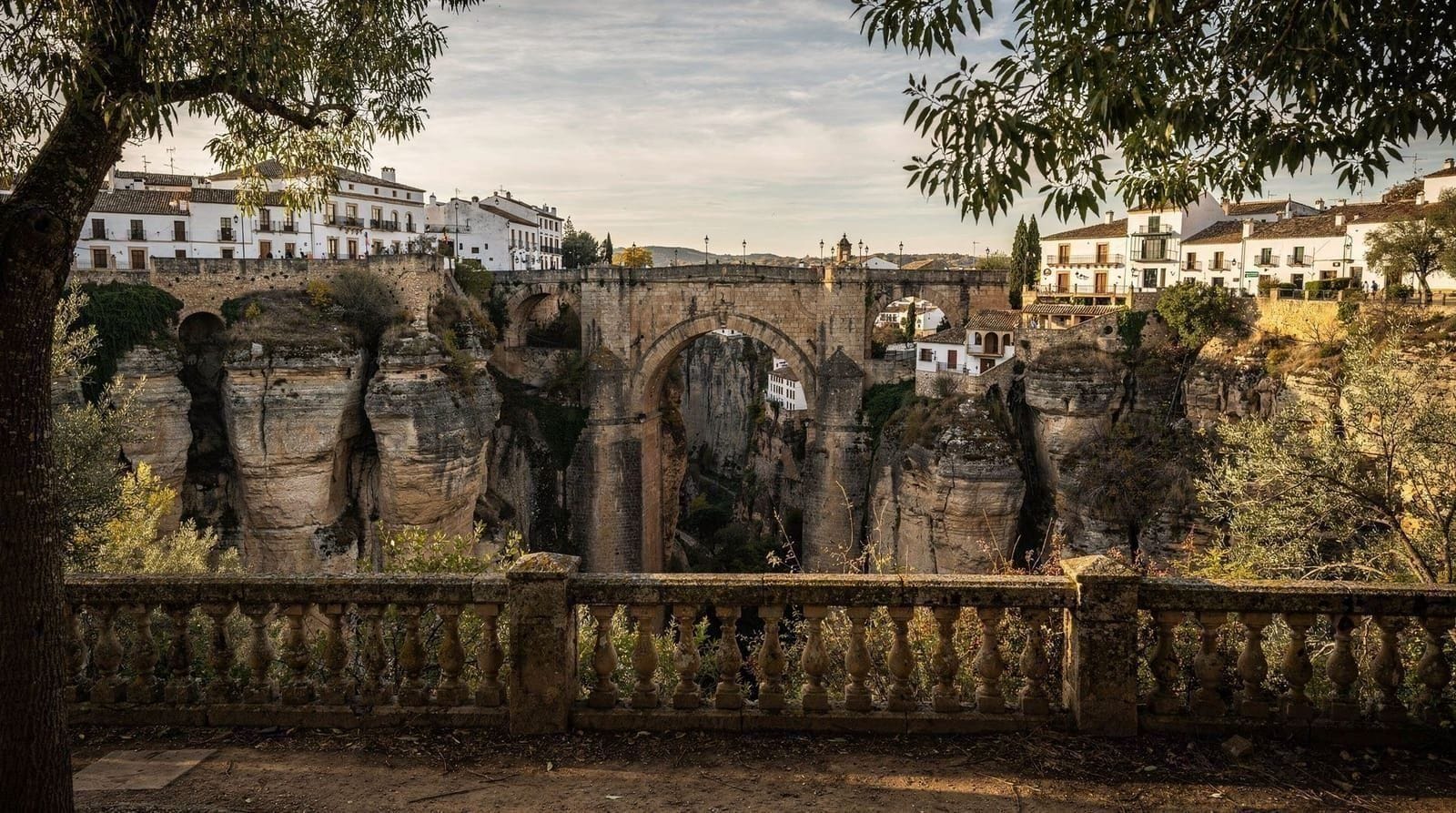
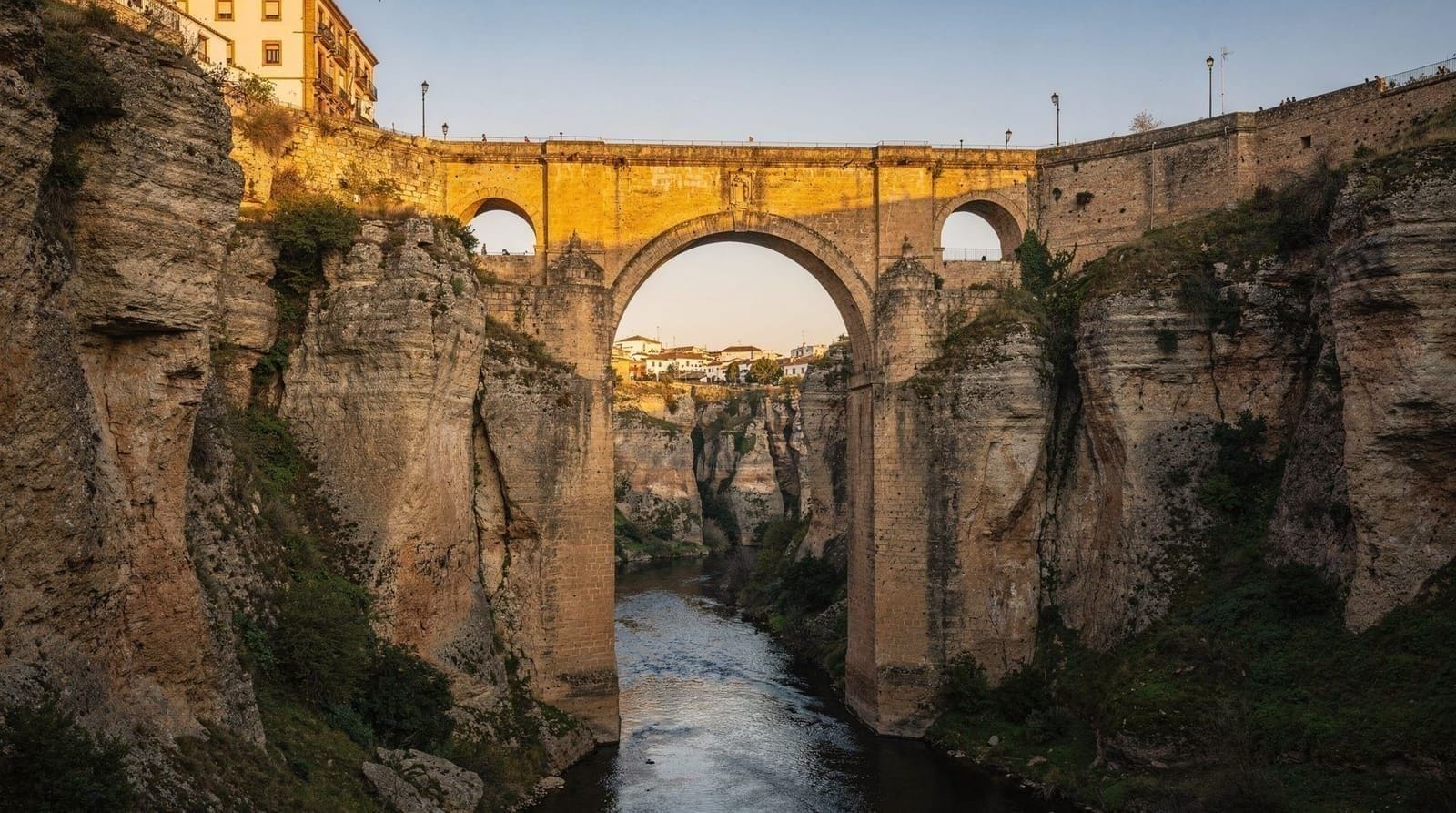
Ronda sits on a plateau divided by a gorge (El Tajo) that drops 120 metres to the valley floor. The 18th-century Puente Nuevo bridge spans this gorge in three arches. The old town (La Ciudad) perches on the southern side of the cliff, white buildings pressing to the edge. The new town (El Mercadillo) extends north of the bridge.
This topography is not a metaphor or a marketing description. Standing on the Puente Nuevo and looking into the gorge is an experience with genuine vertigo — even if you don’t have a fear of heights, the drop is substantial enough to produce a physical response. It’s one of the more dramatic pieces of inhabited landscape I’ve seen in Europe.
We went for a day from Seville in October. Here’s how it went.
Ronda has its own destination page if you want the wider picture of the town, and it is one of several outings covered in our best day trips from Seville roundup. If you are still deciding between Ronda and the villages around it, Ronda vs the white villages lays out the trade-offs.
| Where | Ronda, about 130 km southeast of Seville |
| Getting there | Alsa bus (~2hrs) — no direct train |
| Cost for the day | Around €80–90 for two, excluding transport |
| Time needed | A full day, 10am–9:30pm realistic |
| Best month | October, or spring before the heat |
If Ronda is one stop on a wider Andalusia trip rather than a single day out, the planning a week in Andalusia itinerary shows how it sequences against Córdoba, Cádiz and the white villages.
Getting there: the bus vs the tour debate
There is no direct train from Seville to Ronda. This is the fundamental transport complication that Ronda poses as a day trip. Options:
By bus (Alsa): Roughly 2 hours from the Plaza de Armas bus station in Seville. Departures are regular but not frequent — check timetables carefully, because the last bus back to Seville departs Ronda at around 7–8 pm (times vary by season). You need to plan backward from this constraint.
By organised tour: The practical alternative for most visitors. A day tour from Seville handles transport, keeps you to a schedule, and often includes entry to the bullring or other sites.
See the Ronda and white villages full-day tour from SevilleWe took the bus both ways on this trip. I’d do it the same way again, but I’d book the return journey the moment I arrived in Ronda to guarantee a seat on the afternoon service.
The bus leaves from the Plaza de Armas station, so it helps to know how you will get there from your hotel; our getting around Seville guide and the public transport guide cover the options. If you would rather leave the planning to someone else, a private version exists too, and it suits small groups who want to set their own pace in Ronda:
a private day trip from Seville to RondaMorning in Ronda (10 am arrival)
The bus drops you at the Ronda bus station, a 10-minute walk from the Puente Nuevo. We walked directly to the bridge. This is correct — go to the gorge first, while the morning light is still at a low angle and the tourist volume hasn’t peaked. By 11 am, the bridge viewpoints are genuinely crowded; by 10 am they’re manageable.
The Puente Nuevo’s famous photograph is taken from a path that descends from both sides of the gorge to a mid-level viewpoint. This path is steep and slippery — wear shoes with grip. The descent takes about 15 minutes and the view from the bottom, looking up at the bridge against the sky, is considerably more dramatic than the view from the bridge looking down.
The Puente Nuevo has a small museum inside; check entry and opening hours with the Ronda tourist office.
The bullring and the old town
Ronda’s Plaza de Toros is one of the oldest bullrings in Spain (1785) and the one most associated with the development of modern bullfighting as a formal art. Pedro Romero, who codified the rules of mounted and unmounted bullfighting in the 18th century, was from Ronda. Whether or not you have any interest in bullfighting as a cultural practice, the ring itself is architecturally significant and the small museum inside is informative. Entry: €8.
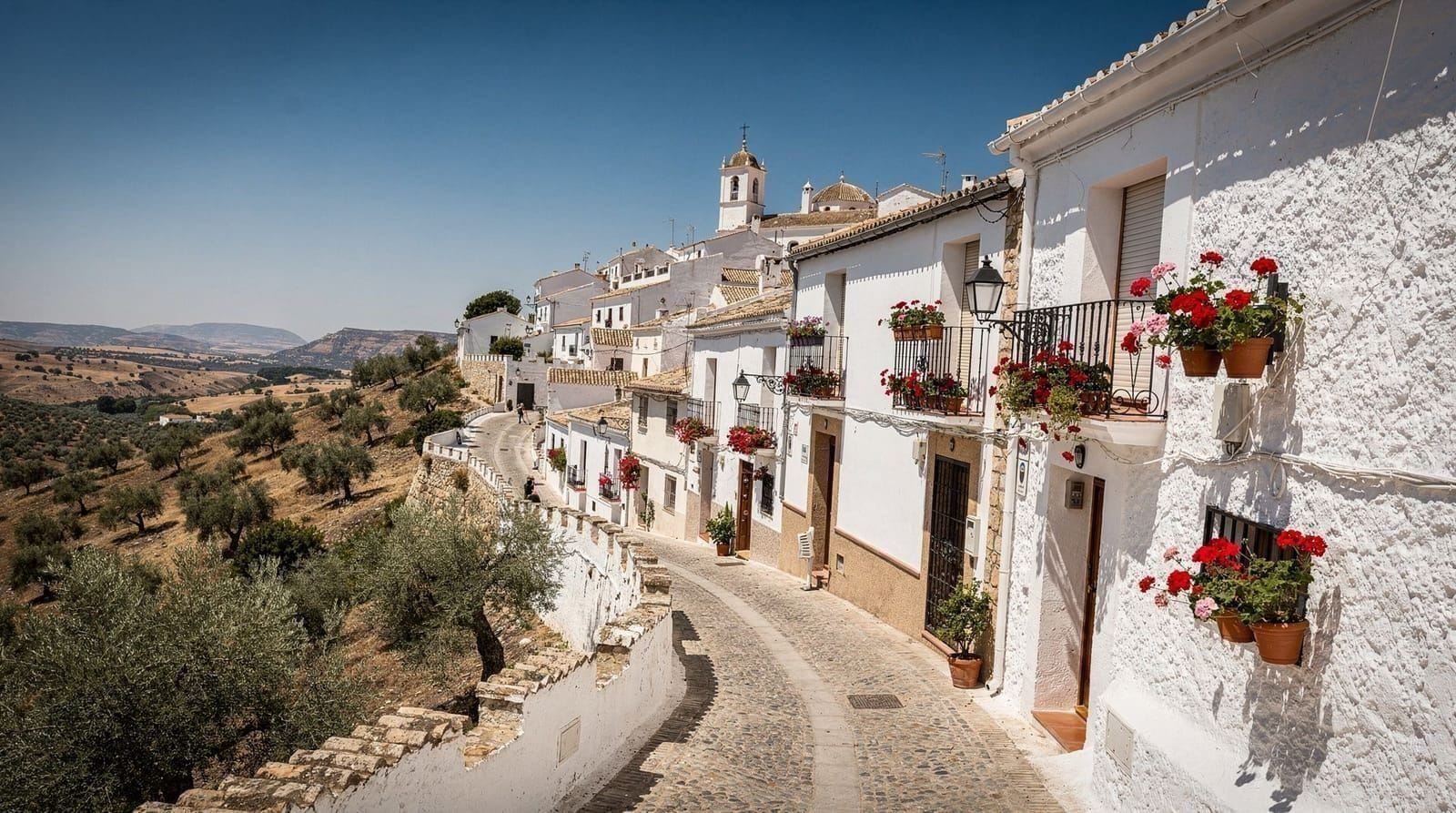
After the bullring, the old city (La Ciudad) is a grid of narrow white streets with churches, palaces, and viewpoints along the cliff edge. The Palacio de Mondragón (now the municipal museum) has a Moorish courtyard garden. The Arab baths beneath the city are partially excavated and worth the entry.
Setenil de las Bodegas and Zahara de la Sierra each have their own pages, Setenil de las Bodegas and Zahara de la Sierra, if you want to see what you would be adding on a longer visit.
Lunch in Ronda
The restaurants directly adjacent to the bridge are overpriced for what they are. Walk 300 metres into the old town and the pricing changes significantly.
We ate at Restaurante Almocábar on Calle Ruedo Alameda (Puerta Almocábar end of the old town, away from the tourist concentration near the bridge). Local Serranía de Ronda cuisine: a rabo de toro (oxtail stew) for €13.50, a salmorejo with jamón for €7, local wine from the Serranía de Ronda DO at €3.50 per glass. Total for two: €42.
The local wine from the Serranía de Ronda designation is underrated and often overlooked in favour of the more famous Andalusian sherries. Ask specifically for Serranía de Ronda wine and you’ll get something genuinely worth paying attention to.
Should you extend into the white villages?
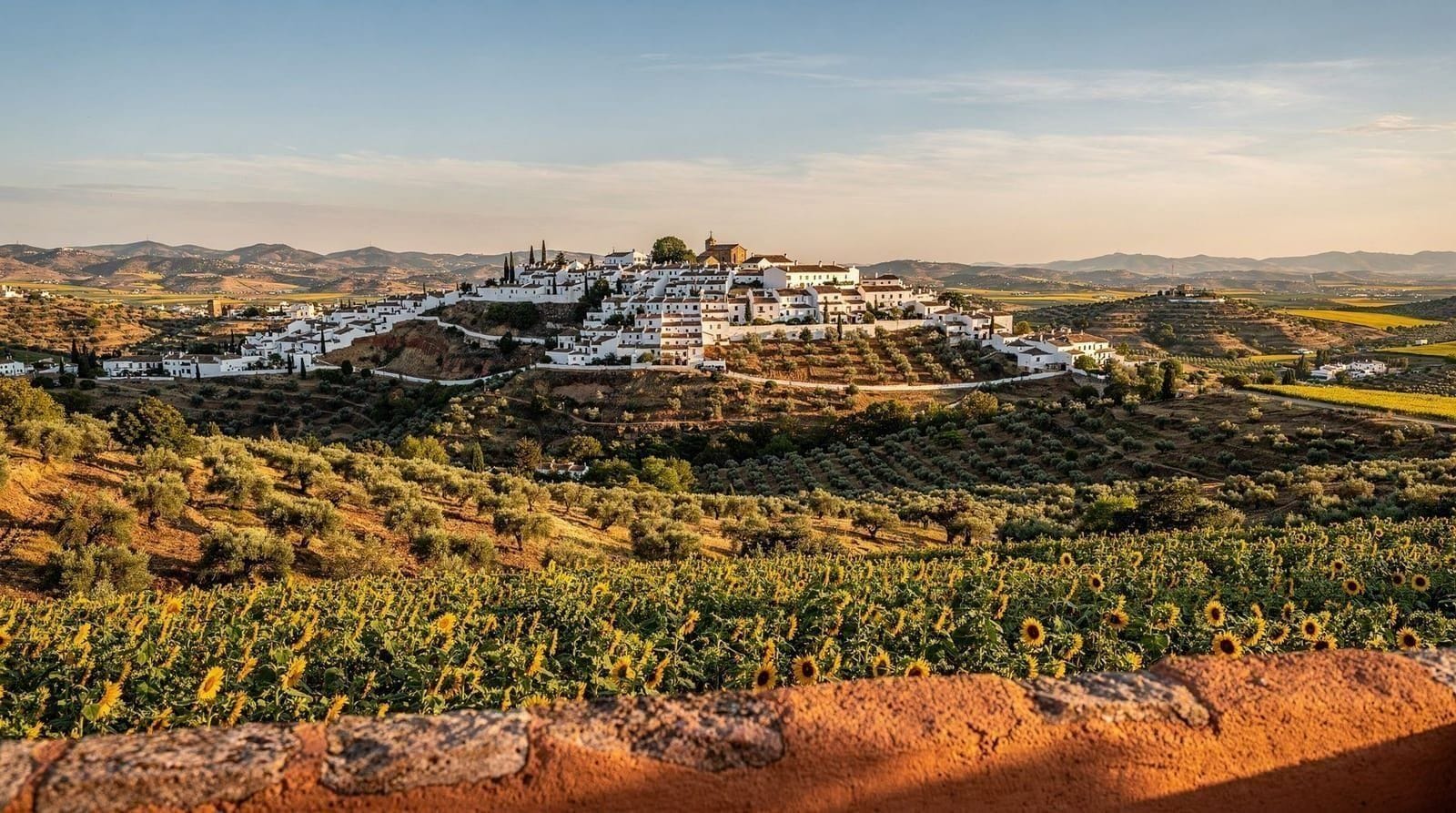
Ronda sits at the edge of a cluster of white villages — Setenil de las Bodegas, Zahara de la Sierra, Grazalema — that are genuinely worth seeing but don’t fit into a single Ronda day trip by public bus. If you have the extra time (and ideally a car or a tour), combining Ronda with one or two of these towns makes for a richer day than Ronda alone:
| Option | Time needed | Best for |
|---|---|---|
| Ronda only (bus) | Full day | Photography, gorge, bullring, budget |
| Ronda + Setenil de las Bodegas (tour) | Full day, tighter | First-timers wanting maximum variety |
| Ronda + white villages (2-day) | Overnight | Slower pace, fewer crowds |
We did the bus-only version and don’t regret it, but on a return visit we’d build in the extra time for Setenil de las Bodegas specifically — its houses built into the rock overhangs are unlike anything else in the region, and the white villages day trip guide covers the logistics of doing it independently if the bus schedule allows.
Afternoon: the cliff-edge gardens and descent
The Jardines de Cuenca, behind the Parador de Ronda, are free and look directly down the cliff face and into the valley below. The afternoon light (we were there from 3–4 pm) lit the valley floor in a specific way that made it look constructed — a theatrical backdrop rather than a real place. We stayed there for 40 minutes.
The walk down the Escalera de Agua (the historic staircase descending the gorge to the Arabic water mills) is strenuous — about 300 steps with irregular heights. Worth the effort for the view from the bottom looking up at the old town, but plan 45 minutes for the round trip including time to recover.
Photography was the point of this trip, and the same habits apply elsewhere: go early, shoot into the low light, and keep a layer for the cooler gorge air. The Córdoba day trip and our account of why Córdoba beats Granada show how a different day out from Seville compares.
The return and the constraint
Our bus left Ronda at 7:15 pm and got us back to Seville by 9:30 pm — late enough to eat dinner on arrival, not so late as to feel like a logistics error. We bought tickets on arrival in Ronda in the morning (this was October; in summer I’d book online in advance).
The day trip works. Ronda is genuinely magnificent in a way that photographs come close to conveying — the gorge, the bridge, the white town on the edge of the cliff. October is a particularly good month because the crowds are smaller than summer and the light is extraordinary.
Back in the city, our 3 days in Seville itinerary and the Seville day trips itinerary show where a day like this fits, and the Seville trip report covers the days around it.
For a more detailed planning guide, our Ronda day trip from Seville guide covers every transport option in detail. If you want to extend into the white villages — Setenil de las Bodegas, Zahara de la Sierra — the white villages day trip guide covers the logistics of combining multiple towns.
Frequently asked questions about a Ronda day trip
Is there a direct train from Seville to Ronda?
No. There’s no direct rail line; the practical options are the Alsa bus (about 2 hours) or a guided/private tour by road.
Is one day enough to see Ronda properly?
Yes, for the core sights — Puente Nuevo, the bullring, the old town, the cliff-edge gardens. If you want to add the white villages, plan for two days instead.
What should I wear for the descent path below the bridge?
Shoes with good grip. The path is steep and can be slippery, especially after rain.