Antequera
Neolithic dolmens (UNESCO), a Moorish fortress, and El Torcal limestone karst. The crossroads of Andalusia, a day trip from Seville. Honest planning guide.
From Seville: Caminito del Rey guided day trip
Quick facts
- Best for
- Dolmens, karst landscapes, Moorish architecture
- Days needed
- 1
- Getting there
- Bus or car via A-92
- Currency
- EUR
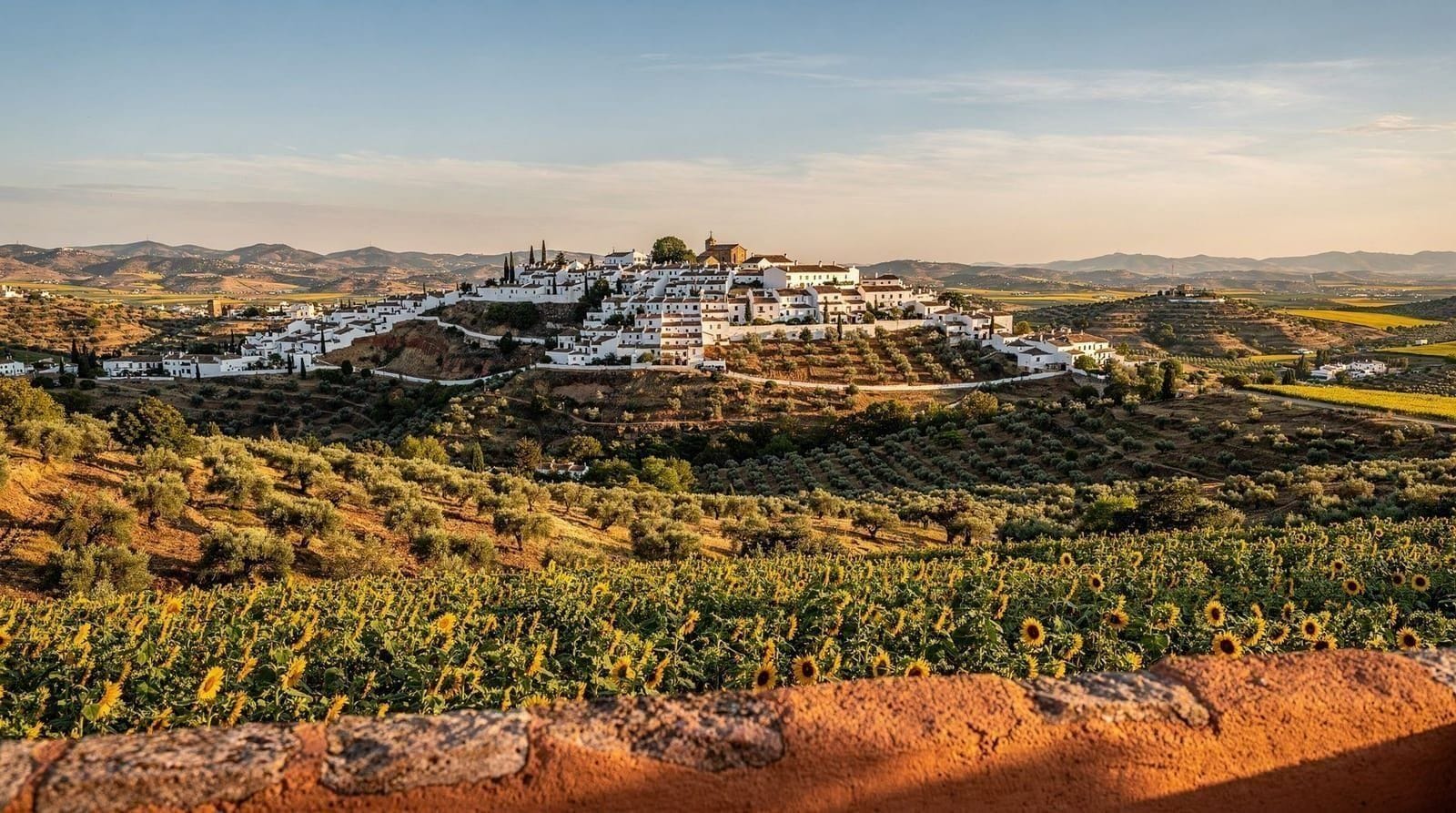
Antequera occupies the geographical centre of Andalusia — roughly equidistant from Seville, Málaga, Granada, and Córdoba. This position made it strategically critical for centuries and explains the unusual density of historical layers: Neolithic burial chambers, a Roman city, a Moorish fortress, Renaissance churches, and baroque convents all within a few square kilometres.
The reason to come from Seville, specifically, is the three dolmens: Menga, Viera, and El Romeral — a UNESCO World Heritage Site that represents one of the finest concentrations of Neolithic megalithic architecture in Europe, and one that almost no international tourist has heard of.
| Where | Central Andalusia, roughly 1h30–1h50 from Seville |
| Cost | Dolmens €1.50 (free for EU citizens); Alcazaba €5; El Torcal free (no public bus, taxi from Antequera) |
| Time needed | Full day with El Torcal; 5–6 hours without a car |
| Getting there | Bus (Alsa) or car via A-92; train involves an extra taxi transfer |
| Best time | March–May and September–November, avoiding midday August heat |
The dolmens
The Dolmens of Antequera received UNESCO status in 2016. They date from roughly 3800–2500 BCE — constructed centuries before Stonehenge, contemporaneous with the Egyptian Old Kingdom.
Dolmen de Menga is the largest: a 27-metre-long passage tomb built from massive limestone slabs, the largest of which weighs 180 tonnes. Inside, you walk down a narrowing corridor into a circular chamber. The engineering required to transport and position these stones without metal tools or the wheel remains genuinely extraordinary. Even if ancient monuments are not normally your thing, the scale is physically impressive.
Dolmen de Viera, 500 metres away, is a more conventional corridor tomb — smaller, more regular in construction, with better-preserved chamber walls.
Tholos de El Romeral is 2 km from the other two — a different architectural type (corbelled dome rather than stone slab construction) and considerably later in date (~2000 BCE). The corbelled ceiling is intact and the site has a more intimate, cave-like atmosphere.
Entry costs €1.50 (free for EU citizens) and the sites are managed by the Junta de Andalucía. From 21 September to 20 March they open Tuesday–Saturday 9 am to 6 pm; from 21 June to 20 September, 9 am to 2 pm and 7 pm to 10 pm; Sundays 9 am to 3 pm all year. Closed Mondays (except holiday eves). Hours shift with the season, so check the Junta de Andalucía’s official page for the dolmens before you go.
What else to see in Antequera
Alcazaba de Antequera: The Moorish fortress above the town was largely rebuilt after the Christian conquest of 1410. The Torre del Homenaje offers the best panoramic view in the area — the “Peña de los Enamorados” (Lovers’ Rock), a striking cliff formation northwest of town, is clearly visible. Entry €5 (€8 combined with the Colegiata).
Real Colegiata de Santa María la Mayor: A 16th-century Renaissance church adjacent to the Alcazaba, with a notable plateresque facade. It now functions as a museum rather than an active church. Entry €4.
Antequera old town: The streets around Calle Infante Don Fernando have an unusually high density of baroque churches — the town was wealthy in the 17th century. The walk from the dolmens to the Alcazaba through the old town covers most of what Antequera offers.
El Torcal de Antequera
El Torcal is a Natural Park 14 km south of Antequera, consisting of a plateau of eroded Jurassic limestone that has produced extraordinary shapes: layered fins, mushroom rocks, arches, and towers that look architecturally designed but are entirely natural. The rock forms a clear visual backdrop from the town itself (visible from the Alcazaba).
Two marked hiking circuits depart from the visitor centre: the short Ruta Verde (1.5 km, 45 minutes) and the longer Ruta Amarilla; ask at the visitor centre for its current length and duration. Both are well-maintained. The visitor centre has parking and a café. Entry to the park is free.
Without a car, El Torcal is difficult to reach from Antequera town (no regular bus). Taxis from Antequera are the only option; agree the fare before you set off.
Getting there from Seville
By bus: Alsa runs buses from Seville’s Plaza de Armas to Antequera, with only a few departures a day. Check the current timetable and fares on the Alsa website.
By car: A-92 east from Seville to Antequera, about 1 hour 30 minutes. Having a car is genuinely useful here because El Torcal is an additional 14 km from the town centre.
By train: A regional train runs from Seville to Antequera-Santa Ana station, but the station is outside the town and requires a taxi. The total journey time is not significantly faster than the bus and adds a transfer. The Antequera-García Lorca AVE station (for high-speed trains) is even further out.
Shaping your day around the dolmens
The simplest way to organise an Antequera visit is to treat the dolmens as the anchor and let everything else fall around them. Arrive, head straight to Menga and Viera while the sites are quiet, and only then drift towards the old town. Because the two dolmens sit close together, they pair naturally in a single stretch of the morning, and El Romeral can be added as a separate leg if you have transport or the energy for the extra walk. Check the opening days before you commit: the Monday closure catches out more visitors than any other detail of the trip.
Inside Menga, take your time in the corridor. The passage narrows and the roof lowers, and the whole point of the visit is the sense of enclosure and scale that photographs flatten. Viera rewards a slower look at the stonework, which is tidier and easier to read. El Romeral is the odd one out, and seeing the three in sequence is what makes the UNESCO designation make sense: you are comparing building traditions, not just ticking off three holes in the ground.
For readers who like to understand what they are looking at, it helps to read a little before arriving. The sites cost next to nothing and are lightly staffed, so there is less interpretation on the spot than at a ticketed monument in Seville. If you are used to the polished visitor flow at the Real Alcázar, expect something plainer here, and treat that as part of the appeal.
Pairing Antequera with other trips from Seville
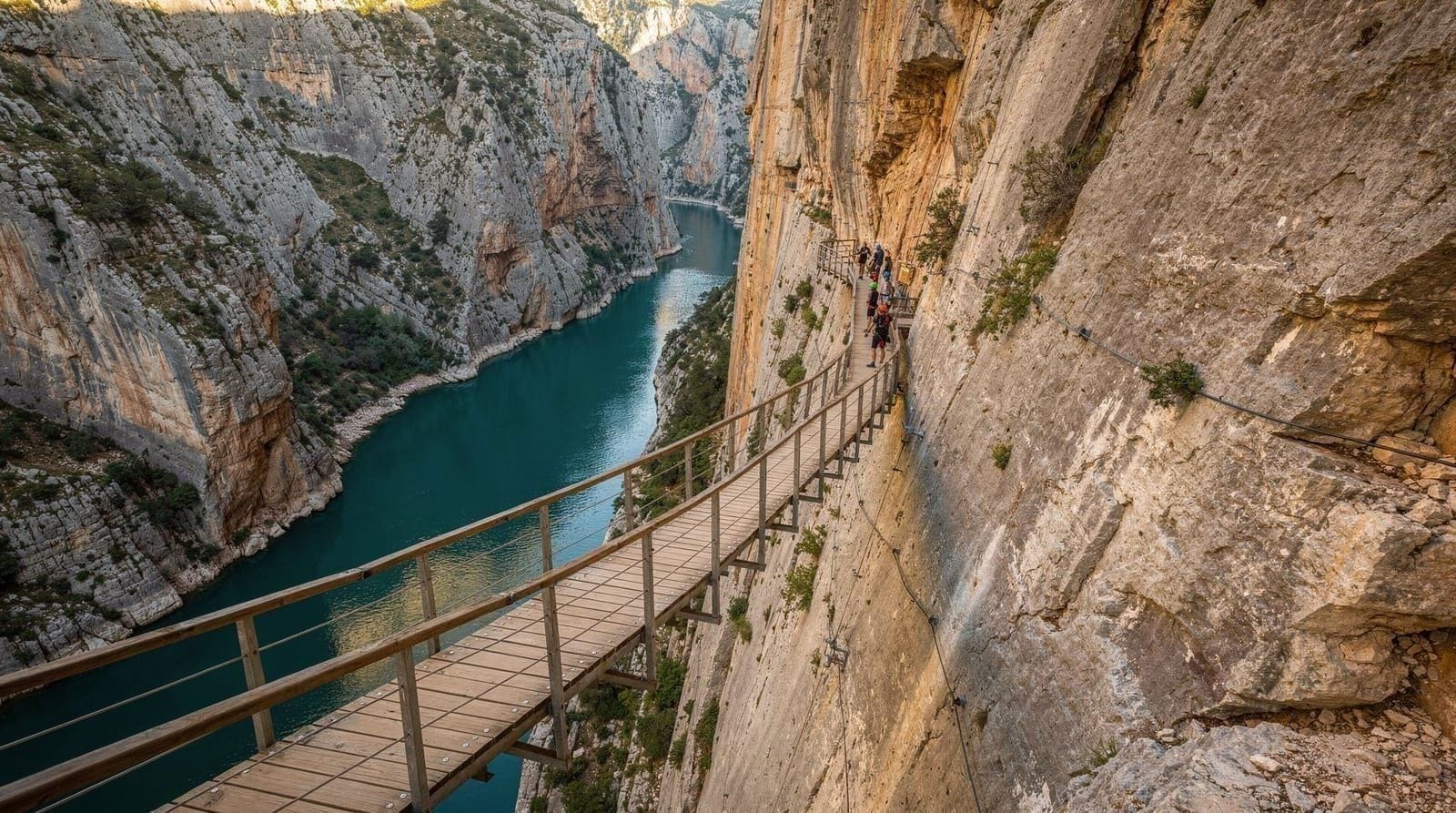
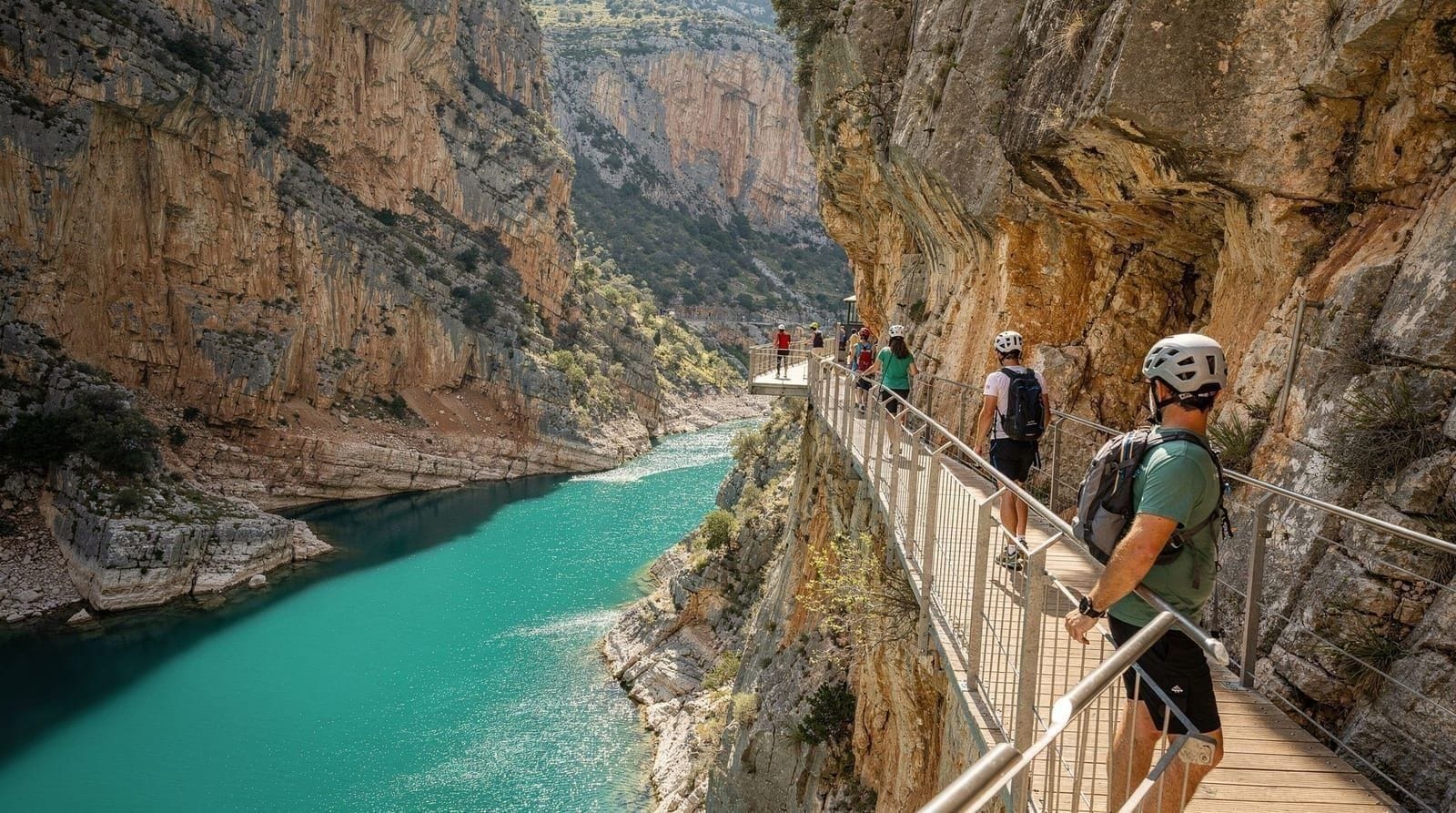
Antequera is rarely the only thing people want from a few days in the region, and it is worth deciding early what it replaces. If you want the dramatic gorge walk nearby, the Caminito del Rey is the natural companion, and a guided option such as a guided Caminito del Rey day trip from Seville takes the driving off your hands, though it will not substitute for a proper look at the dolmens.
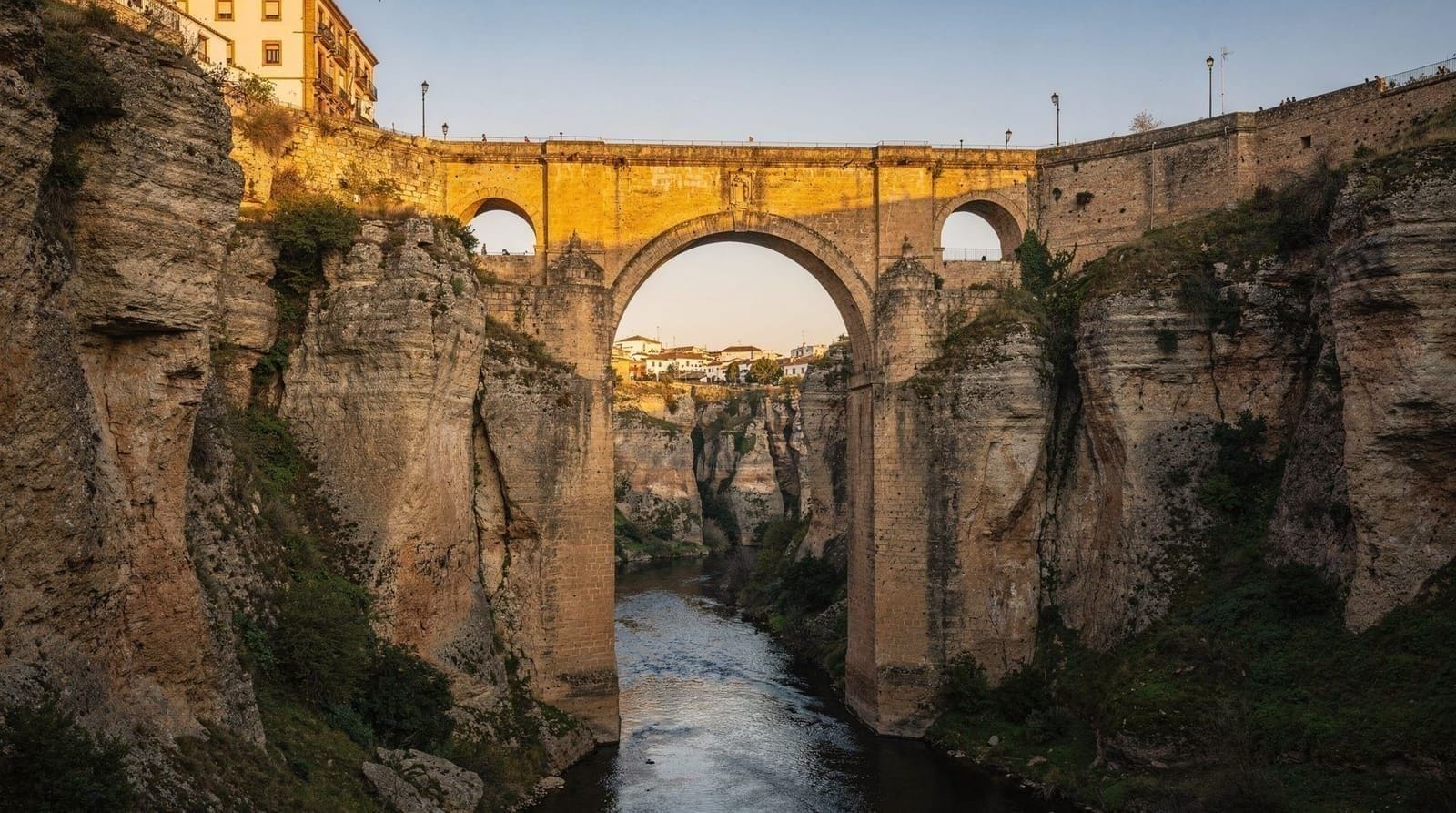
If what you actually want is a classic hill-town day without the logistics, Ronda is the easier choice, and a full-day excursion to Ronda and the white villages covers it comfortably. For a different flavour of day out, Córdoba and Granada are both covered in their own destination pages, and the Córdoba versus Granada comparison will help if you are torn. Anyone building a longer plan can start from the Seville day trips itinerary.
A note on the listed tours
The tours linked above (seville-caminito-del-rey-guided and seville-caminito-del-rey-excursion) target Caminito del Rey, not Antequera specifically. Some Caminito del Rey tour itineraries stop briefly in Antequera because it is geographically close, but this is not guaranteed. If you want a dedicated Antequera visit, going independently by bus or car is more reliable — see the Caminito del Rey from Seville guide for how the two destinations relate logistically.
Combining Antequera and Caminito del Rey in one day is geographically plausible (they are 60 km apart). In practice, both sites deserve more time than a rushed combination allows — the dolmens alone merit 2–3 hours, and Caminito del Rey is 4–5 hours of walking plus transit time. Two separate days is the more honest recommendation.
Antequera as part of a longer Andalusia route
Because it sits at the region’s crossroads, Antequera works best not as an isolated Seville day trip but as a stopover on a longer loop. Travellers doing a multi-day Andalusia road trip from Seville often route through Antequera between Seville/Ronda and Granada or Córdoba, breaking up the driving with the dolmens and a coffee on Plaza del Coso Viejo. If you are choosing between a rushed single day and folding Antequera into a broader itinerary, the latter is the more comfortable option and avoids the El Torcal transport problem, since a car is already part of the plan.
For travellers weighing Antequera against Andalusia’s other white-village and hill-town day trips, the comparison guide to choosing which Andalusian city to visit is a useful starting point, and the general best day trips from Seville guide places Antequera alongside Ronda, Córdoba, and Carmona for context.
Antequera’s market and local life
Antequera holds its weekly mercadillo on Thursday mornings, spread along the Paseo Real — fresh produce, olives from the surrounding groves, cheese, and household goods, with none of the souvenir-stall character of Seville’s tourist markets. It is a genuine local scene and a good half-hour stop if your visit falls on a Thursday. Outside market day, the covered Mercado Municipal near the centre has a handful of stalls and a couple of bars serving breakfast tostadas to locals rather than visitors — a useful, cheap alternative to a sit-down restaurant if you are moving fast between the dolmens and the Alcazaba.
Where to eat
El Escribano (Calle Calzada 27): Reliable local cooking — the mollete antequerano (the local bread) with toppings, and stews typical of the Málaga interior. Cheap and honest.
Restaurante Arte de Cozina (Calle Calzada 27): More upmarket, with a menu built around historical Andalusian recipes. Good if you want something beyond tapas.
The central Plaza del Coso Viejo has several cafés for a quick lunch or coffee.
Frequently asked questions about Antequera
Are the Antequera dolmens free to enter?
Almost. The three dolmens (Menga, Viera, and El Romeral) cost €1.50, free for EU citizens, and are managed by the Junta de Andalucía. Opening hours are Tuesday–Saturday 9 am–6 pm from 21 September to 20 March (9 am–2 pm and 7–10 pm from 21 June to 20 September) and Sunday 9 am–3 pm. Closed Mondays except holiday eves.
How long should I spend in Antequera?
A full day allows: the three dolmens (2 hours), the Alcazaba and old town (2 hours), lunch (1 hour), and El Torcal if you have a car (3 hours). On public transport without a car, skip El Torcal and plan 5–6 hours for the town itself.
Is El Torcal accessible without a car?
Difficult. The park is 14 km from Antequera town with no regular bus service. Taxis are the only way in. If you are on public transport, it is a significant expense for a short visit. El Torcal is best saved for a car day trip.
Can I combine Antequera with Málaga in one day?
Yes, easily with a car — Antequera is only 45 km from Málaga. Start with the dolmens in the morning, explore the Alcazaba and old town, then drive to Málaga for the afternoon. By bus, the connection exists but requires time management.
What makes the Antequera dolmens special compared to other prehistoric sites?
Size and preservation. The Dolmen de Menga is one of the largest megalithic structures in Europe — the 180-tonne capstone alone is an engineering achievement that remains partially unexplained. The three dolmens together represent three distinct architectural traditions spanning nearly 2,000 years of Neolithic culture. The near-free entry and relatively small crowds make it feel genuinely uncontrived as a heritage experience.
Is Antequera worth visiting if I only have a few days in Andalusia?
It depends on your priorities. If your time is limited to a single Seville-based itinerary, Ronda or Córdoba are the stronger single-destination choices for most first-time visitors. Antequera earns its place if you already care about prehistoric archaeology, are road-tripping between Seville and Granada or Málaga, or want a genuinely uncrowded UNESCO site. See the which Andalusian city to visit guide for a broader comparison.
Can I do Antequera without a car and still see El Torcal?
It is possible but expensive and inconvenient — you would need a taxi both ways (both legs) since there is no regular bus to the park. Most car-free visitors are better off treating Antequera as a town-only half-day (dolmens, Alcazaba, old town) and skipping El Torcal, or renting a car for the day specifically to include it.
Top experiences
Bookable activities with verified prices and instant confirmation on GetYourGuide.